










Sustainable materials for kinetic lighting installations
Practical guidance on selecting sustainable materials for kinetic lights. Covers metal, polymer, bio-based options, durability, recyclability, embodied carbon, design-for-circularity strategies, and implementation checklists — with vendor-focused buying guidance for kinetic lights projects.
- Sustainable materials for kinetic lighting installations
- Why sustainable materials matter for kinetic lights
- Key performance and sustainability criteria for kinetic lights
- Comparing common materials for kinetic lights
- Metals for kinetic lights: choosing between aluminum and steel
- Practical advice for specifying metal parts
- Polymers and composites: trade-offs in weight, finish and recyclability
- When to consider composites and carbon fiber
- Natural and bio-based materials for aesthetic elements
- Limitations and mitigation
- Design-for-circularity: maintenance, repair and end-of-life planning
- Manufacturing practices and energy: upstream impacts matter
- Buying guide for organizations procuring kinetic lights
- FENG-YI: sustainable innovation in kinetic lights
- FENG-YI’s strengths applied to sustainable kinetic lighting
- Implementation checklist for sustainable kinetic light installations
- FAQ — Sustainable materials and kinetic lights
- Q: Are recycled metals reliable for moving parts in kinetic lights?
- Q: How much can material choice reduce lifecycle emissions of kinetic lights?
- Q: Is carbon fiber ever justified for kinetic lights?
- Q: How should I evaluate supplier sustainability claims for kinetic lights?
- Contact & view products
- Sources
Sustainable materials for kinetic lighting installations
Why sustainable materials matter for kinetic lights
Kinetic lights — moving arrays, dynamic motorized elements and integrated luminaires — are increasingly used in high-profile public, commercial and entertainment spaces. As aesthetic and technical complexity grows, so does the environmental footprint of these systems. Choosing sustainable materials for kinetic lights reduces lifecycle carbon, waste, and operating costs, while improving maintainability and brand perception for owners and integrators. This article explains practical material choices, trade-offs, and procurement strategies to design durable, repairable, and lower-impact kinetic lighting installations.
Key performance and sustainability criteria for kinetic lights
When specifying materials for kinetic lights, balance functional requirements with environmental impacts. Typical criteria include:
- Structural strength vs weight — moving parts need stiffness and low inertia to reduce motor size and energy use.
- Durability and wear resistance — bearings, mounts and connectors must tolerate frequent motion cycles.
- Repairability and modularity — reuse and component replacement extend service life.
- Recyclability and end-of-life pathways — materials that can be reclaimed reduce landfill and embodied carbon over multiple lifecycles.
- Embodied carbon and sourcing transparency — choose materials with lower upstream emissions or higher recycled content.
- Safety and compliance — fire ratings, off-gassing, and mechanical safety for public spaces.
These requirements make selection a systems-level decision: a lightweight aluminum arm may reduce motor energy but requires consideration of alloy choice, surface finish and recyclability. Below we compare common material families and offer practical recommendations for designers and buyers of kinetic lights.
Comparing common materials for kinetic lights
The table below summarizes recyclability, typical embodied carbon ranges, durability and relative cost for materials commonly used in kinetic lighting structures and finishes. Values are representative ranges from industry sources and should be validated for specific suppliers and alloys.
| Material | Recyclability | Typical embodied carbon (kg CO2e/kg) | Durability / Suitability | Relative material cost |
|---|---|---|---|---|
| Aluminum (primary) | Highly recyclable; recycling rate high | ~8–12 (primary) | Lightweight, good stiffness; suitable for moving arms; corrosion resistant with coating | Medium–High |
| Aluminum (recycled/secondary) | Highly recyclable; much lower carbon if recycled content used | ~0.5–2 (secondary) | Same mechanical properties if specified correctly | Medium |
| Steel (mild / stainless) | Highly recyclable; infrastructure for recycling is mature | ~1.5–3 (depending on grade & recycled content) | High strength, heavier — increases motor load; excellent durability | Low–Medium |
| Carbon fiber composites | Difficult to recycle; specialized processes emerging | ~20–60 (high for production) | Very high stiffness-to-weight; expensive; end-of-life challenge | High |
| Plastics (PET, ABS, PC) | Varies; PET widely recycled, other engineering plastics less so | ~2–4 (varies by resin) | Good for diffusers and housings; UV and wear resistance vary | Low–Medium |
| Bioplastics (PLA, bio-PET) | Compostable variants exist but require suitable facilities | ~1–3 (depends on feedstock and processing) | Lower heat resistance; suitable for non-structural parts | Medium |
| Timber / bamboo | Biobased; recyclable or compostable; sustainable sourcing key | ~0.1–0.6 (depends on species & processing) | Good aesthetic; limited for heavy moving parts; susceptible to moisture | Low–Medium |
Sources for embodied carbon and recyclability: International Aluminium Institute; World Steel Association; PlasticsEurope; Ellen MacArthur Foundation; FAO — see full source list at article end.
Metals for kinetic lights: choosing between aluminum and steel
Metals are the backbone of kinetic lighting structures. Aluminum is often the first choice for moving elements: its high stiffness-to-weight ratio reduces rotating mass, permitting smaller motors and lower energy consumption during motion. Aluminum also resists corrosion when properly finished and can be specified with high post-consumer recycled content to significantly reduce embodied carbon.
Practical advice for specifying metal parts
- Prefer recycled-aluminum billets or extrusions where possible; ask suppliers for recycled content certificates.
- Use anodizing or powder coatings to improve durability and reduce the need for repaint cycles.
- For heavy-load structural elements where weight is less critical, steel with high recycled content offers cost-effective strength and long service life.
- Design modular metal elements for disassembly — bolted joints are preferable to permanent welding where periodic maintenance is expected.
Polymers and composites: trade-offs in weight, finish and recyclability
Polymers are common in light diffusers, housings and decorative elements. PET and polycarbonate provide excellent optical clarity, impact resistance and reasonable temperature performance. From a sustainability viewpoint, choose materials with established recycling streams (e.g., PET) and avoid mixed-material assemblies that are difficult to separate.
When to consider composites and carbon fiber
Carbon fiber and advanced composites deliver outstanding stiffness-to-weight performance, enabling long, thin arms that minimize visible structure. However, they come with much higher embodied carbon and limited recycling infrastructure. Use composites only when their performance enables a lifetime energy or material saving that outweighs their production impact, and where a robust end-of-life plan is in place (e.g., reuse in different application or specialized recycling).
Natural and bio-based materials for aesthetic elements
Wood, bamboo and other bio-based materials are excellent for non-structural, non-load-bearing elements where tactile warmth and visual interest are desired. Proper selection and treatment ensure longevity in indoor applications. Use certified sustainably sourced timber (FSC/PEFC) and avoid species with high embodied impacts due to long transport or intensive processing.
Limitations and mitigation
Bio-based materials can be sensitive to humidity and UV; consider encapsulation or localized use in controlled indoor environments. Also plan for replacement parts to be manufactured from the same species to maintain repairability and aesthetic continuity.
Design-for-circularity: maintenance, repair and end-of-life planning
Material choice alone won't achieve sustainability. A design-for-circularity approach includes:
- Modularity: enable replacement of single modules (LED boards, motors, diffusers) instead of whole fixtures.
- Standardized fasteners and connectors: simplify servicing and enable off-the-shelf part swaps.
- Clear material labeling: mark polymers, metals and electronics to help recyclers separate streams.
- Serviceability documentation: provide maintenance guides and spare parts lists to prolong life.
Designs that reduce the frequency of full-system replacement can deliver the biggest lifecycle emissions savings.
Manufacturing practices and energy: upstream impacts matter
Supplier practices heavily influence final environmental impact. Prioritize manufacturers who:
- Use renewable electricity in production (lighting, CNC, anodizing).
- Control solvent emissions and waste streams in coating and finishing processes.
- Provide transparent material declarations (EPD, material safety data sheets, recycled content certificates).
For kinetic lights, small differences in manufacturing energy can be magnified across multiple moving parts and finishes. Request lifecycle or environmental product declarations from your vendors when comparing options.
Buying guide for organizations procuring kinetic lights
Procurement decisions for kinetic lights should blend performance, sustainability and commercial risk management. Follow these steps:
- Define functional requirements (payload, stroke, motion cycles/day, acoustic limits).
- Set sustainability priorities (low embodied carbon, recyclability, local manufacturing, end-of-life takeback).
- Request technical data: materials breakdown, recycled content, maintenance intervals, motor energy consumption curves.
- Evaluate total cost of ownership: initial cost, maintenance, motor energy, replacement parts availability.
- Ask for case studies from the supplier showing long-duration installations and service history.
These steps reduce the risk of selecting kinetic lights that are expensive to operate or difficult to maintain.
FENG-YI: sustainable innovation in kinetic lights
Since its establishment in 2011, FENG-YI has been continuously innovating and has grown into a creative kinetic light manufacturing service provider with unique advantages. The company is committed to exploring new lighting effects, new technologies, new stage designs, and new experiences. Through professional Kinetic Light art solutions, we empower emerging performance spaces, support the development of new performance formats, and meet the diverse needs of different scenarios.
FENG-YI’s strengths applied to sustainable kinetic lighting
Located in Huadu District, Guangzhou, the company currently has 62 employees, including an 8-member professional design team and 20 highly experienced technical service staff. FENG-YI has become a High Quality user of Madrix software in mainland China, offering both on-site installation & programming as well as remote technical guidance services for Kinetic Light projects. With a total area of 6,000㎡, FENG-YI owns China’s largest 300㎡ art installation exhibition area and operates 10 overseas offices worldwide. Our completed Kinetic Light projects have successfully reached over 90 countries and regions, covering television stations, commercial spaces, cultural tourism performances, and entertainment venues.
Today, FENG-YI is recognized as a leading kinetic lights scene solution provider in the industry, delivering innovative lighting experiences that integrate technology and creativity. FENG-YI applies sustainable material selection and design-for-circularity principles across its product lines: specifying recycled-aluminum structural elements where appropriate, designing modular motor and LED systems for easy servicing, and documenting materials to support recycling and end-of-life reuse. FENG-YI also works with clients to tailor solutions that minimize installed weight (reducing motor energy) and choose finishes that extend life in demanding performance environments.
Implementation checklist for sustainable kinetic light installations
Use this checklist when planning a kinetic lights project to ensure sustainability is embedded from specification to commissioning:
- Define motion/structural requirements and maximum allowable moving mass.
- Specify recycled-content aluminum or high-recycled-content steel for primary structures.
- Limit use of mixed-material bonded assemblies; prefer mechanical fastening for disassembly.
- Choose optical plastics with established recycling streams (PET, polycarbonate) and avoid flame retardants that complicate recycling.
- Request supplier EPDs and energy usage reports for motor and control systems.
- Plan for spare parts: keep a small stock of critical components with traceable material data.
- Include labeling and documentation for end-of-life separation and recycling.
FAQ — Sustainable materials and kinetic lights
Q: Are recycled metals reliable for moving parts in kinetic lights?
A: Yes. Recycled-aluminum and recycled-steel alloys can meet the same mechanical specifications as primary alloys when sourced from reputable suppliers. Request material certificates and test data for fatigue, tensile strength and corrosion performance relevant to motion cycles.
Q: How much can material choice reduce lifecycle emissions of kinetic lights?
A: Material choice can be significant. Switching from primary aluminum to high-recycled-content aluminum or specifying steel with high scrap content can reduce embodied carbon of structural components by 50% or more. The overall lifecycle reduction depends on energy use during operation, maintenance frequency and end-of-life treatment.
Q: Is carbon fiber ever justified for kinetic lights?
A: Only in niche applications where extreme stiffness-to-weight ratio enables dramatic reductions in motor energy or provides an otherwise unattainable design. Always pair carbon fiber with a clear reuse or recycling plan and weigh the production carbon cost against operational savings over the installation’s life.
Q: How should I evaluate supplier sustainability claims for kinetic lights?
A: Ask for verifiable documents: Environmental Product Declarations (EPDs), recycled-content certificates, supplier energy mix information, and references for similar projects. Independent third-party certification or case studies add credibility.
Contact & view products
If you are planning a kinetic lights project and want expert guidance on sustainable materials, modular design and lifecycle optimization, contact our team to discuss requirements or to view FENG-YI product demonstrations. For personalized consultation and to explore sample installations in our 300㎡ exhibition area, reach out to our sales and technical staff — we provide on-site installation, programming and remote technical guidance for Kinetic Light projects worldwide.
Sources
- International Aluminium Institute — data on primary and recycled aluminum production impacts
- World Steel Association — steel lifecycle and recycled-content data
- PlasticsEurope — reports on polymer production and recycling
- Ellen MacArthur Foundation — circular economy guidance for materials and design
- FAO (Food and Agriculture Organization) — data on timber carbon sequestration and embodied impacts
- Material Economics / industry LCA studies — comparative embodied carbon of composites and metals
For specific figures and supplier certificates related to a project, request detailed material declarations and Environmental Product Declarations (EPDs) from manufacturers before finalizing procurement.
Tags
Kinetic pendant lights
Kinetic pendant lights
kinetic light lift system
kinetic light lift system
kinetic triangle rgb led light panel
kinetic triangle rgb led light panel
kinetic triangle led light panel kit
kinetic triangle led light panel kit
led kinetic lighting lifting ball light
led kinetic lighting lifting ball light
Kinetic Bulb
Kinetic Bulb
Recommended for you
Top Waterproof Profile Light Types Compared
Kinetic lighting design ideas for modern architecture
How Kinetic Arc Light Works: Mechanism & Design
Smart kinetic lighting with sensors and automation
Prdoucts Categories
Question you may concern
Logistics Services
What logistics method is used by default for products? What is the delivery time for different regions in China?
Dedicated line logistics (e.g., Anneng, Best Express) is used by default. Express delivery (e.g., SF Express, JD Express) or full-truck transportation can also be arranged according to customer needs. Delivery time:
▪ East China/South China/Central China: 3-5 days.
▪ North China/Southwest China: 5-7 days.
▪ Northeast China/Northwest China: 7-10 days.
▪ Remote areas (e.g., Xinjiang, Tibet): 10-15 days, with an additional remote area freight charge (calculated by weight, specific details to be confirmed with the logistics department).
Can on-site installation services be provided? How is the installation fee calculated?
On-site installation services are supported, and the fee is calculated based on the installation difficulty and region:
▪ Regular installation (e.g., bar PAR lights, front lights in small studios): 50-100 RMB/unit in prefecture-level cities and above, 80-150 RMB/unit in county-level regions.
▪ Large-scale installation (e.g., elevating lights in stadiums, moving head light groups for music festivals): Quoted based on the overall project (including travel expenses of installers and tool usage fees). Specific details require providing the installation site floor plan and the number of lights, and the engineering team will formulate a plan before quoting.
Wedding & Parties Lighting Solutions
Is system operation quiet?
We offer noise-optimized solutions (vibration damping/soft start/low-noise wire rope guidance) to meet acoustic requirements for TV studios and commercial spaces.
After-Sales Support
Can technical training be provided? For example, teaching customers how to debug DMX consoles and set light addresses.
Free technical training is supported:
▪ Online training: Operation video tutorials and live teaching (e.g., a "DMX Light Control Practical Course" once a month) are provided.
▪ Offline training: For wholesale customers (with a single purchase of ≥ 100 units), technicians can be arranged for on-site training (1-2 days, including console debugging, address setting, and fault troubleshooting).
▪ Customized training: For large-scale projects (e.g., stadium lighting projects), on-site technical guidance can be provided (charged based on the project cycle, specific details to be negotiated).
You may also like
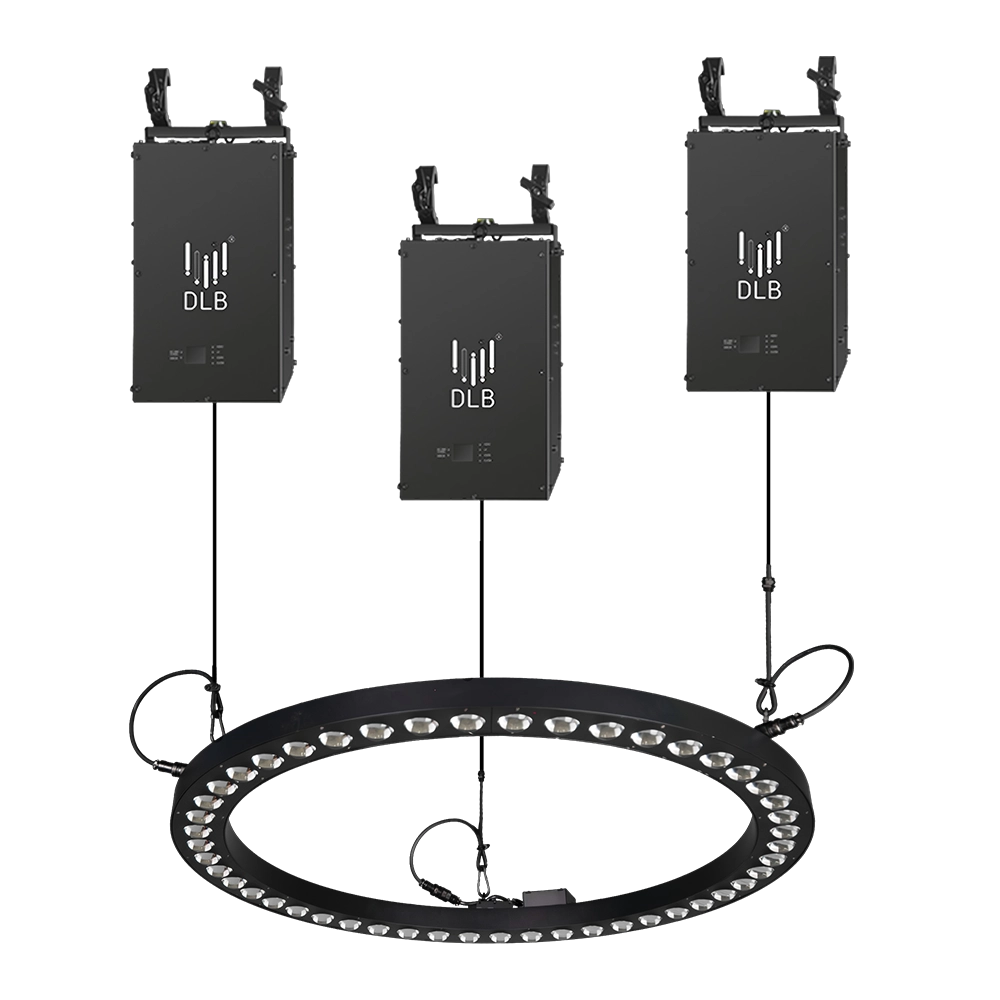
Kinetic Halo Ring——Ideal for a wide range of large-scale events: commercial spaces, TV shows, concerts, nightclubs, and various other settings.
Experience dynamic illumination with the FENG-YI Kinetic Halo Ring. This versatile kinetic light is perfect for large-scale events—commercial spaces, TV shows, concerts, and nightclubs—delivering stunning kinetic ring light effects that captivate every audience.
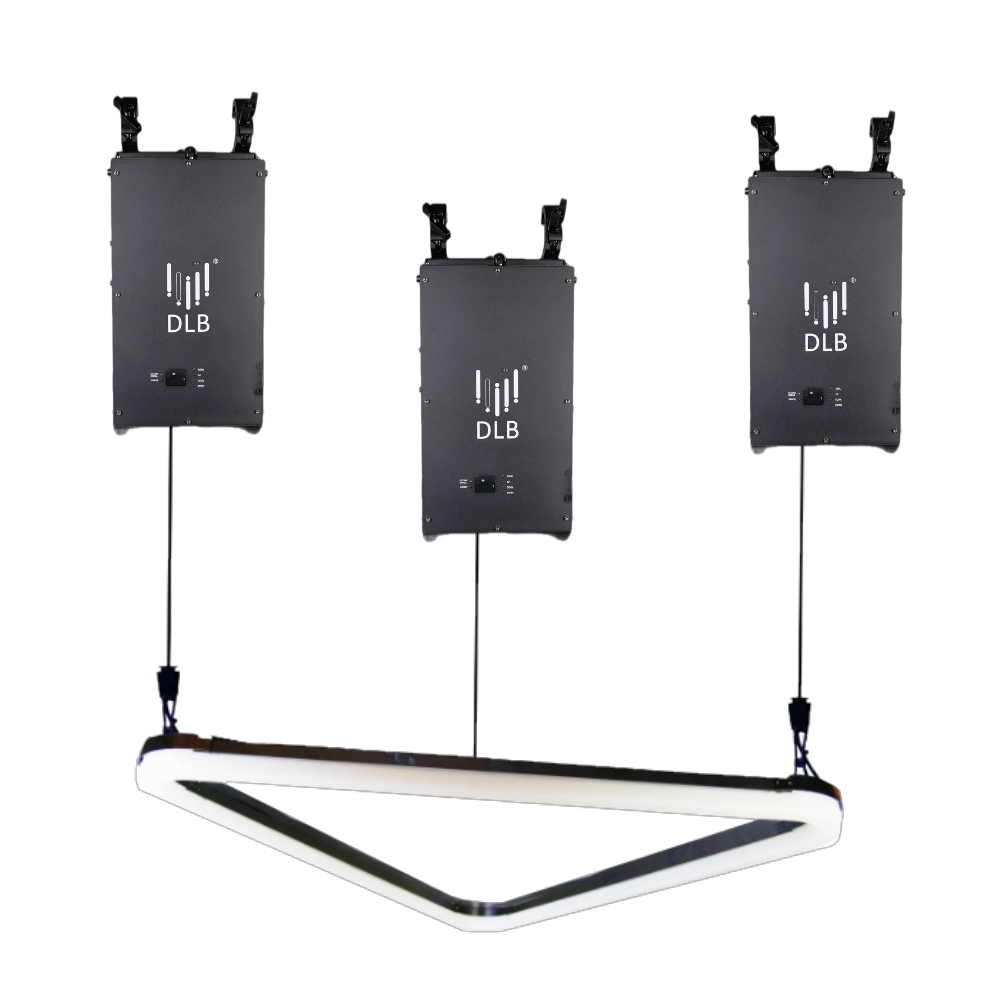
Kinetic Arc Light——Ideal for a wide range of large-scale events: commercial spaces, TV shows, concerts, nightclubs, and various other settings.
FENG-YI’s Kinetic Arc Light is a kinetic triangle LED light panel designed for large-scale events. Perfect for commercial spaces, TV shows, concerts, and nightclubs, it delivers dynamic lighting effects that captivate audiences and elevate any setting. Ideal kinetic light solution.
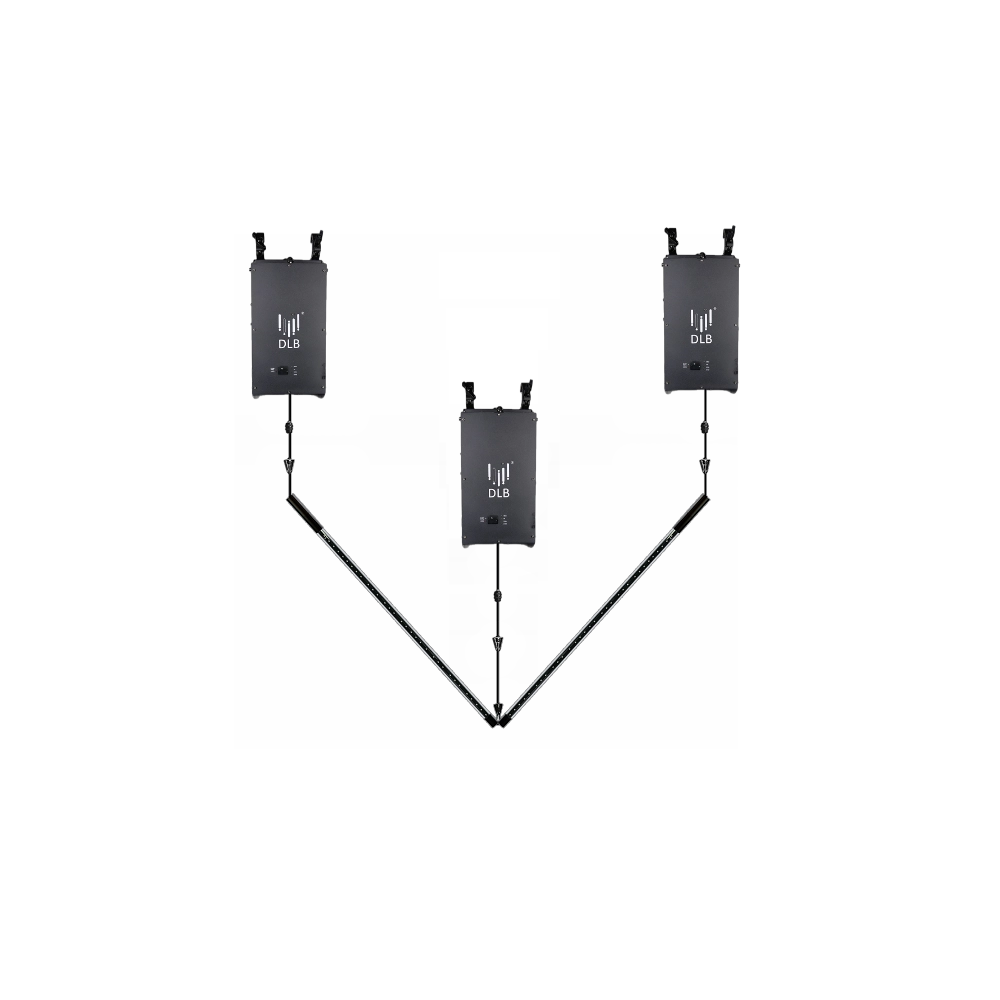
Kinetic Double Rod——Ideal for a wide range of large-scale events: commercial spaces, TV shows, concerts, nightclubs, and various other settings.
FENG-YI’s Kinetic Double Rod delivers dynamic kinetic light effects ideal for large-scale events—from concerts and nightclubs to TV shows and commercial spaces. Elevate your setup with this versatile kinetic light rod, designed for stunning visual impact and seamless integration.
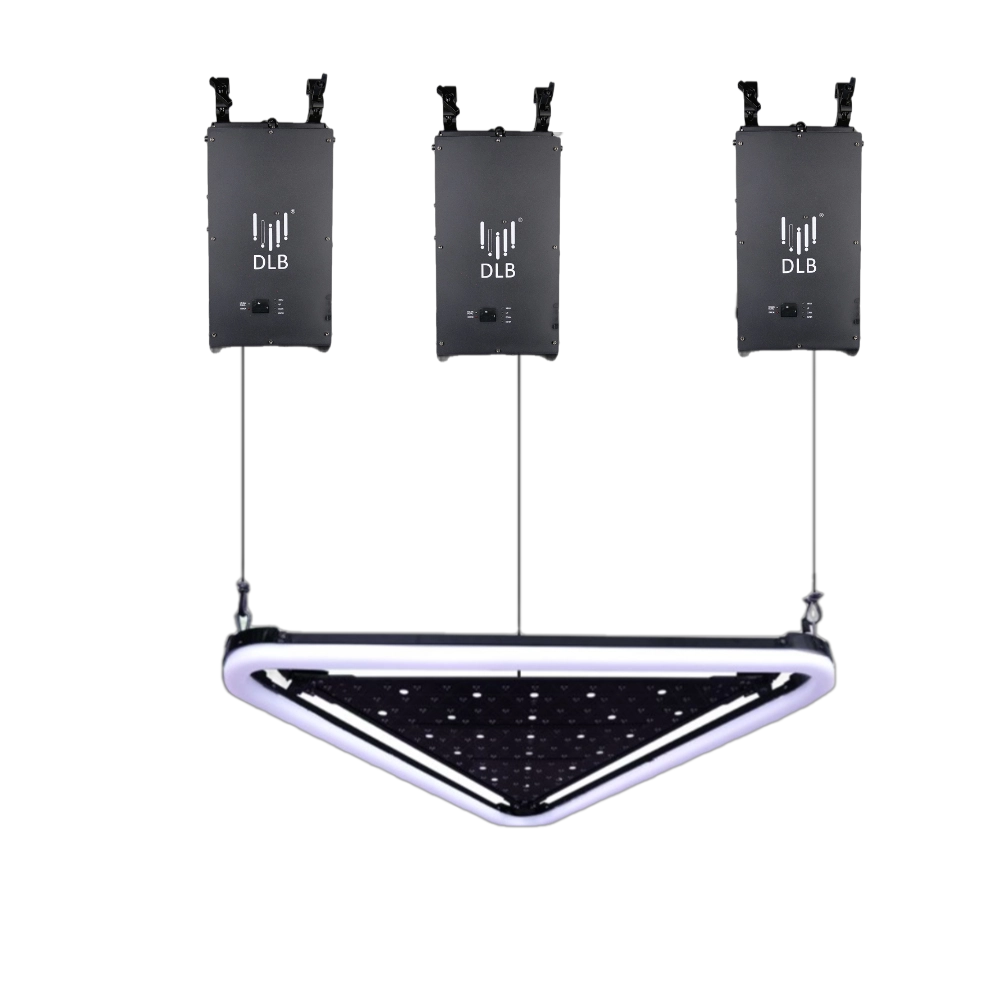
Kinetic Arc Panel——Ideal for a wide range of large-scale events: commercial spaces, TV shows, concerts, nightclubs, and various other settings.
FENG-YI’s Kinetic Arc Panel features dynamic kinetic light technology with kinetic triangle LED light panels, perfect for enhancing large-scale events like concerts, TV shows, nightclubs, and commercial spaces. Elevate your visual experience with innovative, high-impact lighting solutions.
Want to learn more about the latest updates?
Have questions or ready to illuminate your project? Reach out to our expert team today.
Rest assured that your privacy is important to us, and all information provided will be handled with the utmost confidentiality.
By clicking "Send your message," I agree to your processing my personal data.
To see how to withdraw your consent, how to control your personal data, and how we process it, please see our Privacy Policy and Terms of Use.

FENG-YI has been continuously innovating and has grown into a Kinetic Lights Manufacturer and solution provider with unique advantages.
Contact
+86 181 2785 5301
Address
Building 5, No. 34, Fuyuan Road, Jinghu IndustrialZone, Xinhua Town, Huadu District, Guangzhou, China.
© 2025 FENG-YI. All Rights Reserved.
Facebook
Instagram
YouTube
TikTok