










Kinetic lighting for stage, concerts, and events
This comprehensive guide explains what kinetic lighting is, why it transforms stages, concerts and events, and how to plan, specify and implement professional kinetic lighting systems. It covers components, control options (DMX/Art-Net/Madrix), safety and ROI considerations, and practical tips for hiring the right provider. Includes a comparison table of common kinetic systems and introduces FENG-YI’s capabilities and services.
- Kinetic lighting for stage, concerts, and events
- What is kinetic lighting and why it matters for events
- How kinetic lighting supports commercial event objectives
- Key components of a professional kinetic lighting system
- Core hardware elements
- Essential software and control
- Design considerations for stages, concerts, and events
- Creative and practical planning
- Programming and rehearsal workflow
- Control & integration: DMX, Art-Net, Madrix and show control
- Protocols, latency and synchronization
- Software ecosystems and Madrix
- Types of kinetic systems — comparison table
- Choosing the right motion technology for your production
- Installation, programming and maintenance best practices
- Pre-installation testing and factory acceptance
- On-site commissioning and training
- Practical creative examples for concerts and events
- Concerts: kinetic elements as performers’ partners
- Corporate events and product launches
- Safety, compliance and ROI considerations
- Safety and regulatory checklist
- Measuring ROI
- About FENG-YI — Kinetic light innovation and capabilities
- FENG-YI’s background and industry position
- Facilities, team and global reach
- Exhibition space and project footprint
- Why partner with FENG-YI for kinetic lighting
- How to choose a kinetic lighting partner
- Questions to ask potential providers
- Procurement and delivery models
- FAQ — Common questions about kinetic lighting
- 1. What is the typical lead time for a custom kinetic lighting installation?
- 2. How noisy are kinetic systems during operation?
- 3. Can kinetic lighting be used outdoors?
- 4. What maintenance is needed for kinetic lighting?
- 5. How do I integrate kinetic lighting with existing lighting desks?
- Contact and next steps
- Want expert help planning kinetic lighting for your next production?
- Sources
Kinetic lighting for stage, concerts, and events
What is kinetic lighting and why it matters for events
Kinetic lighting refers to lighting fixtures and assemblies that move, reconfigure or change physical position as part of their visual output. Unlike static lighting which only changes color or intensity, kinetic lighting adds motion and three-dimensional choreography — turning lighting into dynamic scenery. For stages, concerts, and events, kinetic lighting can create immersive narratives, synchronize movement with music or performance, and dramatically expand the creative vocabulary available to lighting designers, directors, and show producers.
How kinetic lighting supports commercial event objectives
Event organizers and venues use kinetic lighting to elevate audience experience, increase ticket appeal, and differentiate productions. When planned correctly, kinetic lighting can: support branding, guide sightlines, create memorable moments that drive social sharing, and enable modular stage designs that reduce set change times. For rental houses and production companies, offering kinetic lighting services can open additional revenue streams through design, installation, programming, and maintenance contracts.
Key components of a professional kinetic lighting system
Core hardware elements
A complete kinetic lighting installation typically includes the following components: motors or actuators (servo, stepper, linear), structural rigging (trusses, frames, tracks), moving fixtures (LED bars, pixel-mapped panels, moving heads), controllers (DMX/Art-Net nodes, motion controllers), sensors (encoders, limit switches) and power/data distribution. Choosing reliable components from the outset reduces downtime and simplifies commissioning and maintenance.
Essential software and control
Control software orchestrates motion and lighting parameters. Common protocols include DMX512, sACN/Art-Net, and specialized motion-control layers. For pixel-level animation combined with motion, software like Madrix (pixel-mapping) or custom show-control systems are often used. Integration between lighting control desks and motion controllers is critical — this ensures cues, intensity, color and physical movement are synchronized precisely with audio and stage action.
Design considerations for stages, concerts, and events
Creative and practical planning
Designing kinetic lighting requires balancing creative intent with safety, sightlines, and logistics. Key considerations include: the audience sightlines at different seating levels; performer clearance and safety zones; weight and rigging load limits; noise from motors; maintenance access; and redundancy for mission-critical shows. Early collaboration between the lighting designer, stage manager and rigging engineer will prevent late-stage compromises.
Programming and rehearsal workflow
Programming kinetic sequences should be integrated into rehearsal schedules. Motion should be programmed in layers: position/time curves (motion path), lighting states (color/intensity), and final mix with live cues. Timecode or LTC/MTC synchronization is often used for concert productions to lock motion to playback tracks. For corporate events, manual or operator-led control might be preferred for flexibility.
Control & integration: DMX, Art-Net, Madrix and show control
Protocols, latency and synchronization
DMX512 remains a backbone for fixture-level control, but larger kinetic systems typically use networked protocols (sACN, Art-Net) to handle many universes and pixel-mapped data. Latency tolerance depends on show tempo — concerts with rapid beats require lower latency and deterministic timing. Use of timecode, Ethernet switches rated for AV traffic, and QoS settings helps ensure reliable synchronization.
Software ecosystems and Madrix
Pixel mapping and generative effects are commonly implemented in Madrix and similar platforms. For kinetic installations combining moving elements and pixel effects, a two-layer approach works well: a show-control server (for motion profiles and triggers) and a pixel engine (for visual effects), bridged by Art-Net/sACN or OSC. Note: FENG-YI is a High Quality Madrix user in mainland China and provides on-site installation, programming, and remote technical guidance for integrated Kinetic Light projects.
Types of kinetic systems — comparison table
Choosing the right motion technology for your production
Below is a practical comparison of common kinetic system types. The table summarizes typical uses, strengths and limitations to help you select the right approach.
| System Type | Best for | Pros | Cons |
|---|---|---|---|
| Rotary/Turntable | Center-stage effects, band risers | Smooth continuous motion; robust for heavy loads | Requires significant load planning; fixed footprint |
| Linear actuators / Tracks | Moving walls, flying LED strips, scenic transitions | Precise position control; scalable along a track | Installation complexity; track noise and maintenance |
| Servo/Stepper motor arrays | Pixel-mapped moving arrays, kinetic sculptures | High precision, repeatable motion; good for choreography | Higher cost, needs accurate control and encoders |
| Pneumatic/hydraulic systems | Large lift/fast actuation for stage set pieces | Very high force, quick actuation | Complex infrastructure, noise, safety considerations |
Source: industry technical literature and manufacturer application notes (see sources list below).
Installation, programming and maintenance best practices
Pre-installation testing and factory acceptance
Pre-rig testing is essential. Factory Acceptance Tests (FATs) of motion profiles, load tests, and software integration reduce on-site surprises. Confirm control mapping and fail-safe behavior (e.g., emergency stop, limit switch handling) before shipping to venue.
On-site commissioning and training
Commissioning should include a walkthrough with venue operations, a training session for operators, and documentation of maintenance procedures. For touring productions, modular racks and quick-disconnects simplify install/strike cycles. Remote technical support is valuable for ongoing reliability — many providers offer remote programming updates and troubleshooting.
Practical creative examples for concerts and events
Concerts: kinetic elements as performers’ partners
In concert settings, kinetic lighting can act as an extension of the band or DJ performance — moving light walls that swell during choruses, kinetic elements that lower to create intimate lighting pockets for ballads, or rotating arrays that amplify drops in EDM shows. Integrating motion to the musical structure enhances emotional dynamics.
Corporate events and product launches
For corporate events, kinetic lighting supports storytelling and reveals: moving lighting columns can part to reveal a product, or kinetic sculptures can create brand-shaped silhouettes. Because brand messaging often requires precise timing, integration with show control and rehearsed cues is essential.
Safety, compliance and ROI considerations
Safety and regulatory checklist
Safety must be primary. Confirm load ratings with a structural engineer, use qualified riggers, include redundant safety catches, and comply with local codes. Noise, EMI, and emergency egress pathways must remain acceptable. Regularly inspect motors, limit switches and cabling as part of preventative maintenance.
Measuring ROI
ROI can be measured through direct revenue (higher ticket sales, High Quality pricing) and indirect benefits (increased brand exposure, repeat bookings, marketing content). For rental firms, calculate amortized cost per show including installation and programming time. Reliable equipment and experienced partners reduce unexpected costs and protect margins.
About FENG-YI — Kinetic light innovation and capabilities
FENG-YI’s background and industry position
Since its establishment in 2011, FENG-YI has been continuously innovating and has grown into a creative kinetic light manufacturing service provider with unique advantages. The company is committed to exploring new lighting effects, new technologies, new stage designs, and new experiences. Through professional Kinetic Light art solutions, we empower emerging performance spaces, support the development of new performance formats, and meet the diverse needs of different scenarios.
Facilities, team and global reach
Located in Huadu District, Guangzhou, the company currently has 62 employees, including an 8-member professional design team and 20 highly experienced technical service staff. FENG-YI has become a High Quality user of Madrix software in mainland China, offering both on-site installation & programming as well as remote technical guidance services for Kinetic Light projects.
Exhibition space and project footprint
With a total area of 6,000㎡, FENG-YI owns China’s largest 300㎡ art installation exhibition area and operates 10 overseas offices worldwide. Our completed Kinetic Light projects have successfully reached over 90 countries and regions, covering television stations, commercial spaces, cultural tourism performances, and entertainment venues.
Why partner with FENG-YI for kinetic lighting
Today, FENG-YI is recognized as a leading kinetic lights scene solution provider in the industry, delivering innovative lighting experiences that integrate technology and creativity. FENG-YI’s strengths include: a multidisciplinary design team, hands-on technical service roster for programming and installation, strong pixel & motion-control expertise (Madrix proficiency), large-scale testing/exhibition facilities, and global delivery experience. Their core product offering focuses on modular kinetic lighting rigs, pixel-mapped moving arrays, control system integration, and full-service project delivery from concept to long-term maintenance.
How to choose a kinetic lighting partner
Questions to ask potential providers
When evaluating vendors or rental partners, ask about: previous project references in similar venues, engineering and rigging credentials, software ecosystem (Madrix, Art-Net/ sACN support), on-site commissioning process, backup and redundancy plans, and availability of training and remote support. Request an FAT and sample motion profiles to verify the quality of movement and show-control experience.
Procurement and delivery models
Consider whether you require full purchase, lease, or a turnkey rental with crew and programming. Turnkey solutions reduce in-house risk but may cost more per show; purchasing offers long-term value if your venue or company expects frequent use. Hybrid models (purchase of hardware with contracted programming and maintenance) are also common.
FAQ — Common questions about kinetic lighting
1. What is the typical lead time for a custom kinetic lighting installation?
Lead times vary by complexity. Small modular systems can be designed and delivered in 6–10 weeks, while large bespoke installations requiring structural engineering and custom fabrication often require 3–6 months. Allow additional time for FATs and on-site commissioning.
2. How noisy are kinetic systems during operation?
Noise depends on actuator type. Servo and stepper systems can be engineered for quiet operation; pneumatic or hydraulic systems are typically noisier. Specify noise limits during design, and include sound-damping measures if the audience is close to moving elements.
3. Can kinetic lighting be used outdoors?
Yes — but outdoor kinetic installations require weatherproofing, corrosion-resistant materials, and careful power/data routing. Environmental tolerance for temperature, humidity and wind must be part of the engineering process.
4. What maintenance is needed for kinetic lighting?
Regular inspections of mechanical joints, motor temperatures, encoder calibration, limit switches and cabling are required. Create a preventive maintenance schedule and keep key spares (motors, controllers, cables) on hand to minimize downtime.
5. How do I integrate kinetic lighting with existing lighting desks?
Integration typically uses standard network protocols (Art-Net, sACN) or dedicated nodes that translate between motion controllers and lighting desks. Ensure IP addressing and network segmentation are planned to avoid traffic collisions. Providers like FENG-YI can deliver on-site / remote integration services for seamless control.
Contact and next steps
Want expert help planning kinetic lighting for your next production?
For consultations, installations, programming or remote support, contact our sales and technical team to discuss your venue, budget, and creative goals. Explore product options, request sample motion profiles, or schedule a demonstration at our 300㎡ exhibition area in Guangzhou. Reach out to customer service or view our products to begin designing an unforgettable kinetic lighting experience.
Sources
- Entertainment Services and Technology Association (ESTA) — Technical standards and DMX/Art-Net guidance.
- Live Design Magazine — Industry articles on kinetic set design and show control best practices.
- Manufacturer technical application notes for motion control (servo/stepper) and actuator systems.
- Madrix software user documentation and pixel-mapping application notes.
Tags
Kinetic Opal Raindrop Light
Kinetic Opal Raindrop Light
waterproof moving head beam light
waterproof moving head beam light
kinetic light lift system
kinetic light lift system
Kinetic Light
Kinetic Light
kinetic triangle moving led light panel
kinetic triangle moving led light panel
Kinetic Bottle-shaped lamp
Kinetic Bottle-shaped lamp
Recommended for you
Top Waterproof Profile Light Types Compared
IP Ratings Explained for Waterproof Profile Lights
Troubleshooting common kinetic light problems
Waterproof Profile Light Sealing and Waterproofing Tips
Prdoucts Categories
Question you may concern
Products
The lamp does not light up. What should I check?
Troubleshoot in 4 steps:
1. Power Supply: Confirm the input voltage matches AC 200V~240V/50~60Hz; check if the power cable is securely connected and the switch is on.
2. Cooling Period: Ensure the fixture has cooled for 20 minutes after previous use (mandatory cooling to prevent overheat damage).
3. DMX Signal: If in DMX mode, verify the controller is sending "Shutter On" (CH6: 252-255) and "Dimming" (CH7: 100-255) signals.
4. Internal Wiring: If above checks pass, contact after-sales to inspect internal connections (e.g., lamp holder, driver board) for loose or burned components.
How to set the DMX starting address via the panel?
Follow these steps:
1. Press "Left" (multiple times if needed) to return to the main interface.
2. Press "Up/Down" to select "Settings", then press "OK" to enter.
3. Select "DMX Address" and press "OK" to enter edit mode.
4. Adjust the hundreds digit (e.g., 2 for address 286) with "Up/Down", press "OK" to confirm; repeat for tens (8) and units (6) digits.
5. Press "OK" again to save the address (e.g., A286) and exit edit mode.
Wedding & Parties Lighting Solutions
How is safety ensured?
Encoder closed-loop control, emergency stop circuits, software/hardware limit switches, load monitoring, and collision-avoidance zones. A comprehensive pre-performance checklist is provided.
Logistics Services
How is the lamp packaging protected? What if damage occurs during transportation?
The packaging adopts three-layer protection: shockproof foam + hard carton + wooden box (for large equipment such as elevating lights). Key parts of the lamp (e.g., moving head light lens, elevating structure) are individually wrapped with EPE foam. If damage occurs during transportation, the customer must take photos (of the damaged packaging and the faulty part of the product) and send them to the logistics department within 24 hours of receipt. We will give priority to reissuing new products (or arranging repairs) and hold the logistics company responsible. The customer does not need to bear additional costs.
You may also like
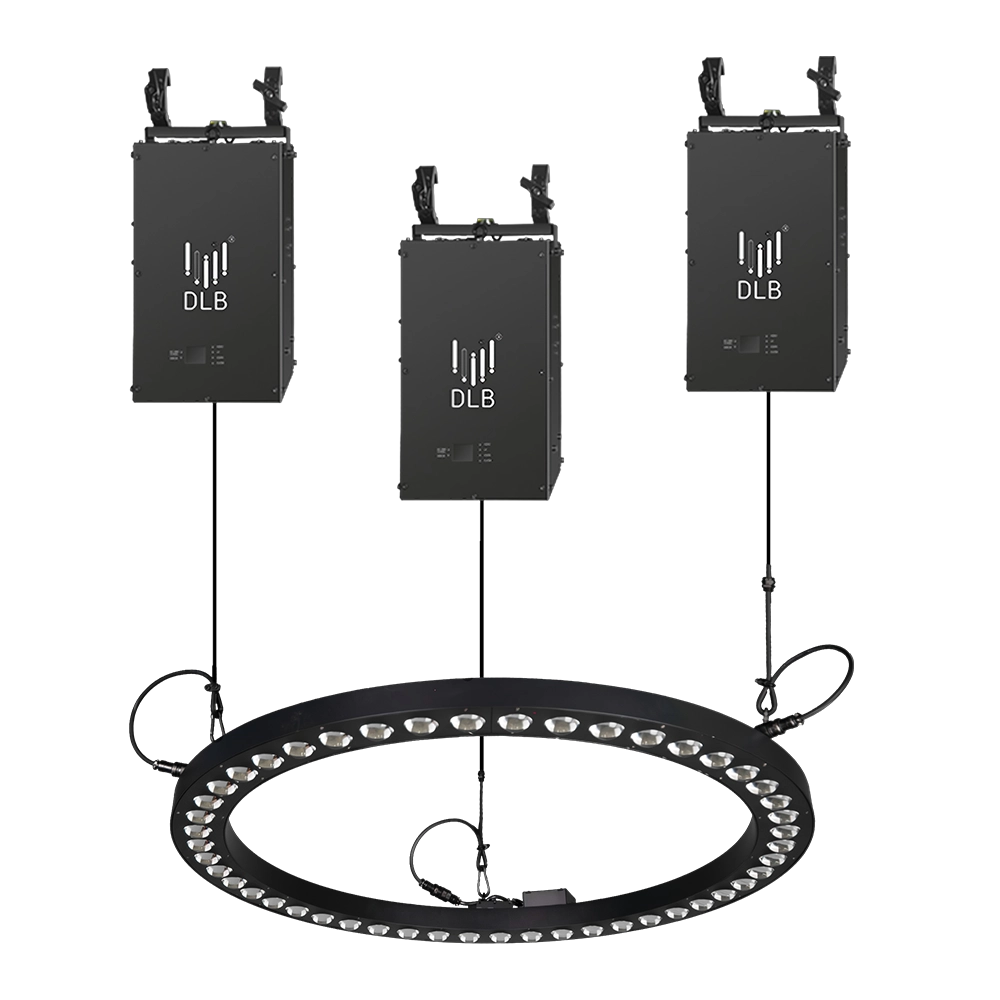
Kinetic Halo Ring——Ideal for a wide range of large-scale events: commercial spaces, TV shows, concerts, nightclubs, and various other settings.
Experience dynamic illumination with the FENG-YI Kinetic Halo Ring. This versatile kinetic light is perfect for large-scale events—commercial spaces, TV shows, concerts, and nightclubs—delivering stunning kinetic ring light effects that captivate every audience.
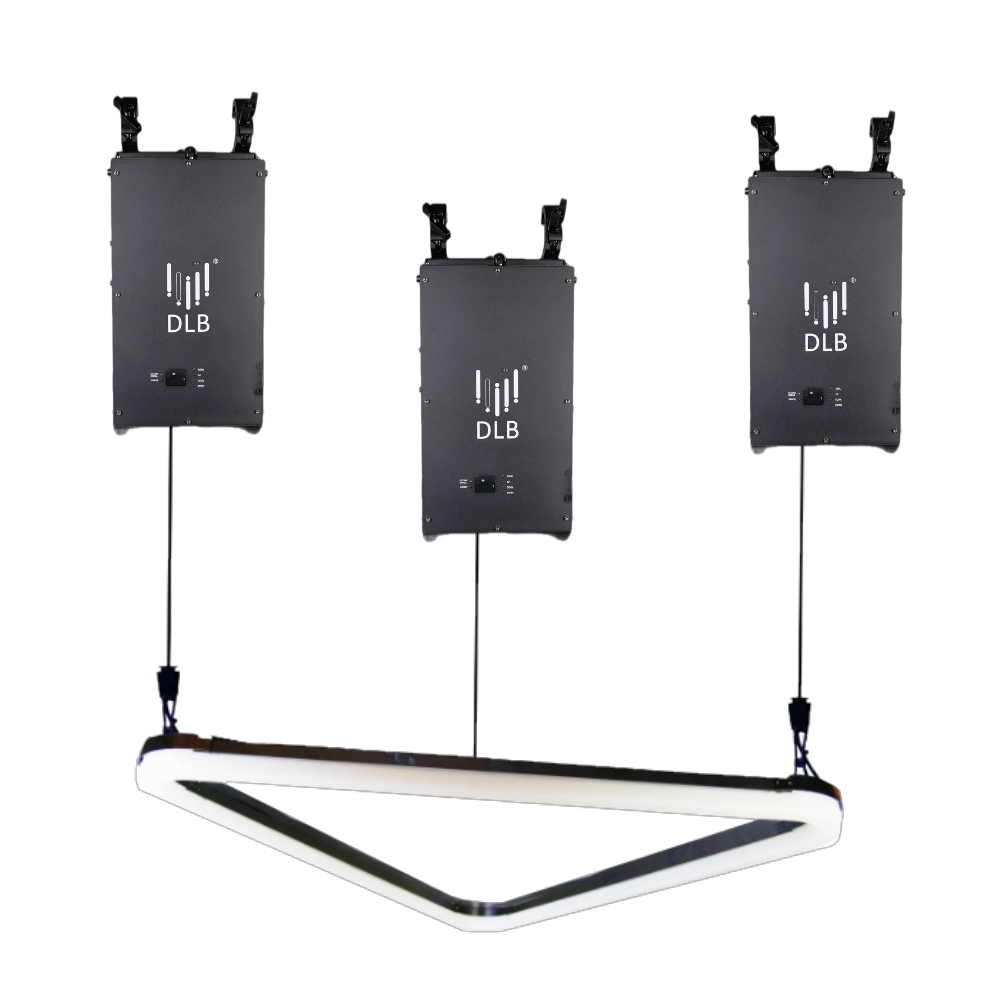
Kinetic Arc Light——Ideal for a wide range of large-scale events: commercial spaces, TV shows, concerts, nightclubs, and various other settings.
FENG-YI’s Kinetic Arc Light is a kinetic triangle LED light panel designed for large-scale events. Perfect for commercial spaces, TV shows, concerts, and nightclubs, it delivers dynamic lighting effects that captivate audiences and elevate any setting. Ideal kinetic light solution.
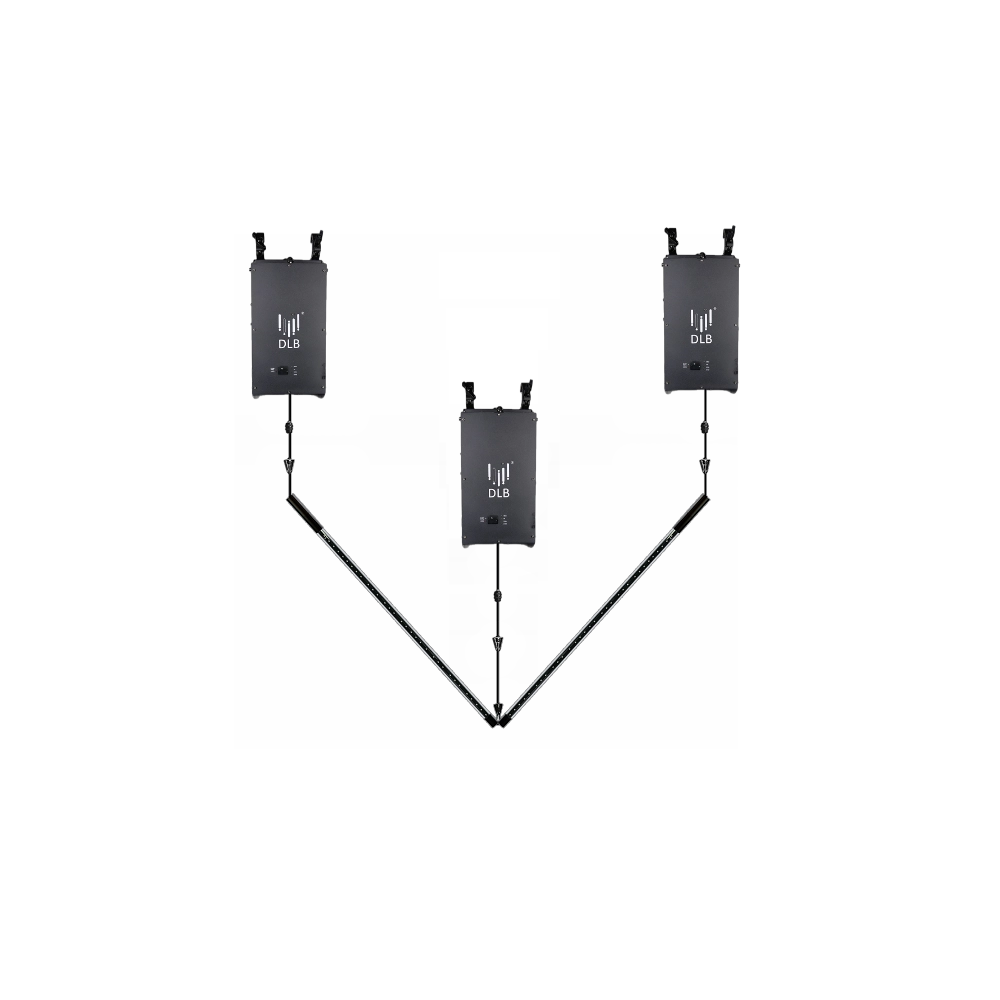
Kinetic Double Rod——Ideal for a wide range of large-scale events: commercial spaces, TV shows, concerts, nightclubs, and various other settings.
FENG-YI’s Kinetic Double Rod delivers dynamic kinetic light effects ideal for large-scale events—from concerts and nightclubs to TV shows and commercial spaces. Elevate your setup with this versatile kinetic light rod, designed for stunning visual impact and seamless integration.
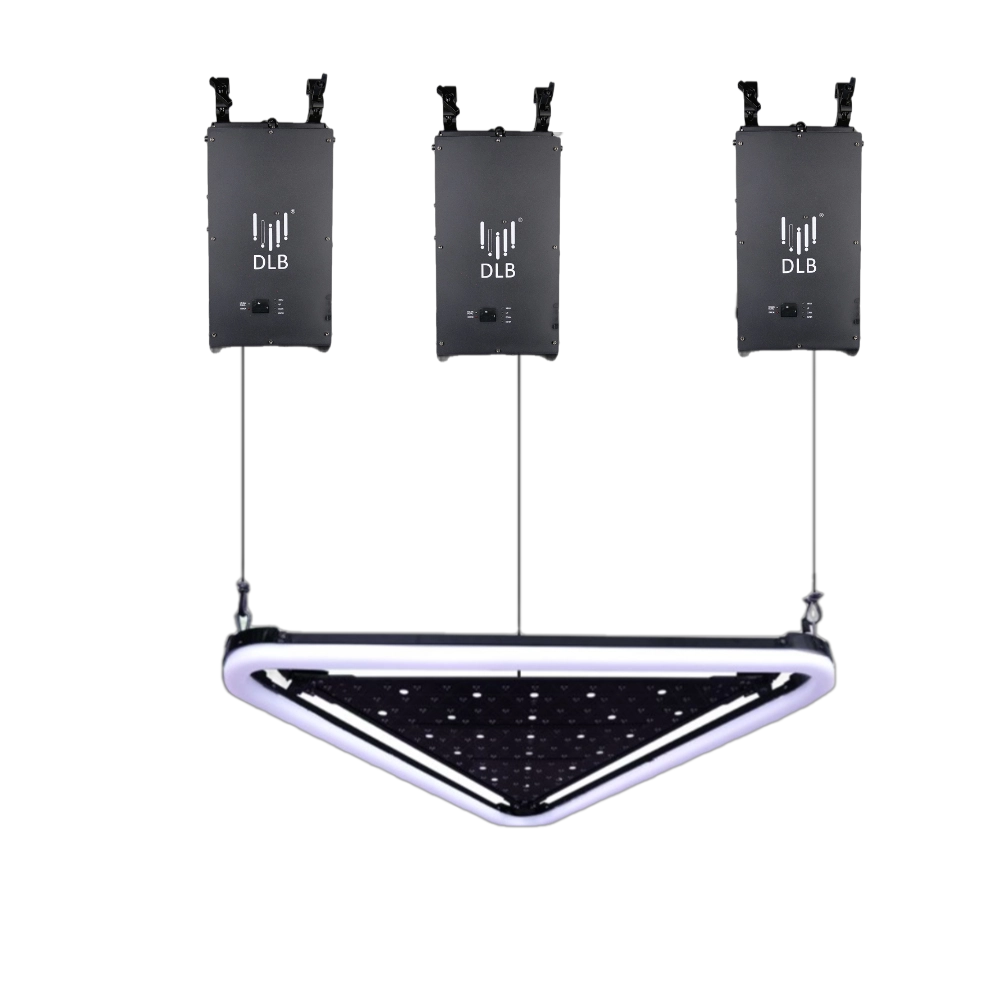
Kinetic Arc Panel——Ideal for a wide range of large-scale events: commercial spaces, TV shows, concerts, nightclubs, and various other settings.
FENG-YI’s Kinetic Arc Panel features dynamic kinetic light technology with kinetic triangle LED light panels, perfect for enhancing large-scale events like concerts, TV shows, nightclubs, and commercial spaces. Elevate your visual experience with innovative, high-impact lighting solutions.
Want to learn more about the latest updates?
Have questions or ready to illuminate your project? Reach out to our expert team today.
Rest assured that your privacy is important to us, and all information provided will be handled with the utmost confidentiality.
By clicking "Send your message," I agree to your processing my personal data.
To see how to withdraw your consent, how to control your personal data, and how we process it, please see our Privacy Policy and Terms of Use.

FENG-YI has been continuously innovating and has grown into a Kinetic Lights Manufacturer and solution provider with unique advantages.
Contact
+86 181 2785 5301
Address
Building 5, No. 34, Fuyuan Road, Jinghu IndustrialZone, Xinhua Town, Huadu District, Guangzhou, China.
© 2025 FENG-YI. All Rights Reserved.
Facebook
Instagram
YouTube
TikTok