










Case studies: successful kinetic lighting projects
A practical guide showcasing successful kinetic lighting projects across broadcast, retail, cultural and large-scale installations. Learn technical approaches, KPIs, implementation checklists, and why FENG-YI is a leading partner for kinetic lighting solutions.
- Case studies: successful kinetic lighting projects
- Why kinetic lighting matters: and user outcomes
- Case study 1 — Broadcast studio transformation: enhancing visual flexibility
- Case study 2 — Retail & commercial spaces: driving footfall and conversion
- Case study 3 — Cultural performances & theatre: expanding creative possibilities
- Case study 4 — Large-scale façade & themed entertainment: spectacle at scale
- Technical approach: balancing lighting control and motion engineering
- Project economics and expected returns: planning budgets and ROI
- FENG-YI capabilities and company case profile
- FENG-YI product focus and core competitive strengths
- Comparison table — FENG-YI capability snapshot
- Implementation checklist: from concept to sustainable operation
- Common pitfalls and how to avoid them
- FAQ — Frequently asked questions about kinetic lighting
- Q: What is kinetic lighting and how does it differ from traditional lighting?
- Q: How long does a typical kinetic lighting project take from design to commissioning?
- Q: What ongoing maintenance should I expect?
- Q: Can kinetic lighting be integrated with building management and show control systems?
- Q: Is kinetic lighting energy-intensive?
- Contact & next steps: discuss your kinetic lighting project
- Sources
Case studies: successful kinetic lighting projects
Why kinetic lighting matters: and user outcomes
Kinetic lighting transforms static illumination into motion, enabling dynamic visual storytelling that attracts attention, guides visitor flow, and enhances brand identity. For businesses and venues considering kinetic lighting, the core s include boosting visitor engagement, increasing dwell time, differentiating a space, and enabling programmable content that aligns with events or promotions. This article focuses on real-world project types where kinetic lighting delivers measurable value and explains how to plan and execute with predictable outcomes.
Case study 1 — Broadcast studio transformation: enhancing visual flexibility
Project overview: A national television studio replaced static scenic lighting with a modular kinetic lighting system composed of motorized linear elements and addressable LED nodes. Objectives were to increase set versatility, reduce changeover time between programs, and create signature motion-based looks that reinforce channel identity.
Approach and solution: Designers integrated kinetic tracks into scenic flats and suspended arrays that could translate, tilt, or rotate under automated control. Control was achieved via a combination of Art-Net for pixel mapping and discrete motor controllers for mechanical axes. Madrix-based pixel control handled LED content while a dedicated motion controller synchronized mechanical movement and light content through timecode cues.
Outcome and learnings: The studio reported faster scene changes, fewer manual set changes, and a broader range of camera-friendly looks. Key lessons: audio-visual synching and minimizing moving masses on camera sightlines are crucial. Maintenance planning for motor lifecycle and spare parts reduced downtime.
Case study 2 — Retail & commercial spaces: driving footfall and conversion
Project overview: A multi-level shopping center used kinetic lighting in atria and façade elements to create seasonal campaigns and highlight tenant zones. Installations included vertical kinetic curtains and programmable LED ribbons that react to pedestrian movement and scheduled events.
Approach and solution: Sensors and analytics were integrated so kinetic sequences could respond to time-of-day, special promotions, or crowd density. Designers prioritized safety and robust mechanical design for high-traffic zones. Lighting designs emphasized sightline-friendly motion and color palettes aligned with brand guidelines.
Outcome and metrics: While exact uplift varies by tenant, qualitative reports showed increased social sharing of the space and a stronger destination identity. When combined with event marketing, the kinetic installation supported measurable increases in dwell time. Commercial takeaway: link kinetic effects to marketing calendar and analytics to quantify ROI.
Case study 3 — Cultural performances & theatre: expanding creative possibilities
Project overview: A contemporary performing arts company commissioned a kinetic ceiling array to be used as both scenic element and performer-interaction surface. The system needed to support intricate choreography-driven looks and meet strict safety standards for performers.
Approach and solution: Collaborative design between lighting designers, rigging engineers, and choreographers resulted in a modular kinetic rig with redundant safety latches, slow-start motion profiles, and real-time control integration via SMPTE timecode. The system used pixel-mapped LED surfaces on moving frames to blend light motion and performer blocking.
Outcome and artistic impact: Directors reported new creative vocabulary for staging and an enhanced audience experience. Operationally, the theatre implemented daily safety checks and motion rehearsals, which became integral to production planning. Recommendation: early-stage interdisciplinary rehearsals reduce risk and maximize creative payoff.
Case study 4 — Large-scale façade & themed entertainment: spectacle at scale
Project overview: An entertainment venue employed kinetic towers and façade elements to create landmark night-time spectacles and event-driven shows. The installation had to be weatherproof, high-reliability, and integrated with venue show control systems.
Approach and solution: Engineers selected IP-rated motors and fixtures, implemented redundant control paths, and designed modular segments for ease of maintenance. Networked controllers used sACN/Art-Net for pixel data with dedicated motion buses for mechanical axes. Programming included master show timelines and localized sensor-triggered micro-sequences for crowd interaction.
Outcome and operational notes: The venue achieved a recognizable nightly signature show and increased ticket sales for evening events. For large-scale projects, robust testing (fatigue testing for mechanical parts, environmental exposure testing) is essential to avoid mid-season failures.
Technical approach: balancing lighting control and motion engineering
Designing kinetic lighting requires blending lighting expertise with motion control engineering. Key technical decisions include control protocols (Art-Net/sACN for pixels, DMX/RDM for fixtures, CAN or dedicated servo networks for motors), motor selection (stepper vs servo), structural attachment points, and safety redundancies.
- Control synchronization: Use timecode or a master show controller to synchronize motors and LED content precisely.
- Power and heat: Address power distribution for high-power addressable LEDs and consider heat dissipation for enclosed kinetic elements.
- Access and maintenance: Design for accessible service points and modular replacement parts to minimize downtime.
- Software & programming: Choose pixel-mapping and motion programming software that supports both live control and pre-rendered timelines—FENG-YI’s use of Madrix offers advanced pixel mapping suited to complex installations.
Project economics and expected returns: planning budgets and ROI
Budgeting for kinetic lighting must include hardware (LEDs, motors, mounts), control systems, installation & structural modifications, programming, testing, and ongoing maintenance. Typical cost drivers are actuator quality, control complexity, and environmental protection. Estimating ROI should consider direct revenue impacts (ticket or retail sales uplift), indirect marketing value (social media reach, brand perception), and operational efficiencies (reduced manual set changes in studios).
For procurement: request lifecycle cost estimates from vendors, including MTBF (mean time between failures) for motors and LED warranty coverage. Allocate budget for training and remote support to reduce long-term service calls.
FENG-YI capabilities and company case profile
Since its establishment in 2011, FENG-YI has been continuously innovating and has grown into a creative kinetic light manufacturing service provider with unique advantages. The company is committed to exploring new lighting effects, new technologies, new stage designs, and new experiences. Through professional Kinetic Light art solutions, FENG-YI empowers emerging performance spaces, supports the development of new performance formats, and meets the diverse needs of different scenarios.
Located in Huadu District, Guangzhou, FENG-YI currently has 62 employees, including an 8-member professional design team and 20 highly experienced technical service staff. FENG-YI has become a High Quality user of Madrix software in mainland China, offering both on-site installation & programming as well as remote technical guidance services for Kinetic Light projects.
With a total area of 6,000㎡, FENG-YI owns China’s largest 300㎡ art installation exhibition area and operates 10 overseas offices worldwide. Their completed Kinetic Light projects have successfully reached over 90 countries and regions, covering television stations, commercial spaces, cultural tourism performances, and entertainment venues. Today, FENG-YI is recognized as a leading kinetic lights scene solution provider in the industry, delivering innovative lighting experiences that integrate technology and creativity.
FENG-YI product focus and core competitive strengths
FENG-YI’s main products focus on modular kinetic lighting systems combining motorized mechanical components with addressable LED lighting and advanced control. Core strengths include:
- Integrated design-to-install services: in-house design team plus on-site and remote programming.
- Advanced software competence: High Quality-level Madrix proficiency enables complex pixel mapping and effects.
- Global delivery capabilities: 10 overseas offices and projects across 90+ countries.
- Large-scale testing & exhibition area: a 300㎡ installation zone to prototype shows and validate designs prior to deployment.
Comparison table — FENG-YI capability snapshot
| Metric | FENG-YI (company data) |
|---|---|
| Founded | 2011 |
| Employees | 62 |
| Professional design team | 8 members |
| Technical service staff | 20 members |
| Total facility area | 6,000㎡ |
| Art installation exhibition area | 300㎡ (largest in China) |
| Overseas offices | 10 |
| Project reach | 90+ countries and regions |
Source: FENG-YI corporate data (company-provided figures).
Implementation checklist: from concept to sustainable operation
Use this checklist to increase the chance of a successful kinetic lighting project:
- Define goals: engagement, revenue, brand visibility, or production efficiency.
- Site survey: structural capacity, power availability, sightlines, and service access.
- Safety & standards: ensure compliance with local building codes and rigging standards.
- Control strategy: pick protocols and central controller architecture early.
- Maintenance plan: spare modules, motor lifecycle, and firmware update strategy.
- Testing & commissioning: use a dedicated exhibition/prototyping phase to rehearse shows and failure scenarios.
- Performance measurement: agree KPIs (e.g., dwell time, switching time saved, marketing impressions) and instrument analytics where possible.
Common pitfalls and how to avoid them
Several recurring issues appear across kinetic lighting projects. Avoid them by planning ahead:
- Underestimating mechanical wear: specify higher-rated motors and plan replacement cycles.
- Poor synchronization: use robust timecode or centralized show control rather than ad-hoc triggers.
- Neglecting service access: design removable modules and clear maintenance paths into the initial build.
- Ignoring environmental factors: for outdoor installations, prioritize IP rating and corrosion resistance.
FAQ — Frequently asked questions about kinetic lighting
Q: What is kinetic lighting and how does it differ from traditional lighting?
A: Kinetic lighting combines moving mechanical elements with controllable light sources (often addressable LEDs). Unlike static lighting, kinetic systems add motion as a design dimension, enabling dynamic shapes, shifting patterns, and time-based transformations that static fixtures cannot achieve.
Q: How long does a typical kinetic lighting project take from design to commissioning?
A: Project duration varies widely. Small installations can take 8–12 weeks; medium projects often require 3–6 months; large, structural or façade projects may take 6–12 months including structural approvals, fabrication, testing, and commissioning. Early prototyping reduces schedule risk.
Q: What ongoing maintenance should I expect?
A: Expect routine inspections for mechanical wear, lubrication of moving parts, firmware updates for controllers, LED module replacement cycles, and periodic safety checks. Plan for remote diagnostics and spare parts to ensure rapid recovery.
Q: Can kinetic lighting be integrated with building management and show control systems?
A: Yes. Common integrations include Art-Net/sACN for pixel data, DMX for fixtures, and industry-standard show controllers (SMPTE timecode or OSC). Design integration points early to avoid protocol mismatches later.
Q: Is kinetic lighting energy-intensive?
A: Energy use depends mainly on LED power and motion systems. Modern addressable LEDs are energy-efficient; mechanical systems add a modest additional energy draw. Energy consumption should be included in system sizing and can often be optimized via programming (e.g., dimming strategies, motion schedules).
Contact & next steps: discuss your kinetic lighting project
If you're considering a kinetic lighting project—whether for broadcast, retail, cultural programming, or a large-scale façade—contact our team to review your goals and site constraints. FENG-YI offers full-service support: concept design, prototyping in our 300㎡ exhibition area, on-site installation & programming, and remote technical guidance. To get started, reach out to our sales & technical team to request a feasibility review, budget estimate, and design workshop.
CTA: Contact us to discuss your kinetic lighting needs or view our product portfolio today.
Sources
- FENG-YI corporate data (company-provided figures and capabilities).
- Madrix software documentation and product materials (pixel mapping and control best practices).
- Industry overviews and case discussions from LEDs Magazine and Architectural Lighting (trade publications covering kinetic and dynamic lighting trends).
- Illuminating Engineering Society (IES) guidelines on theatrical and architectural lighting safety and best practices.
Tags
DIY kinetic light kit
DIY kinetic light kit
kinetic retail lighting display
kinetic retail lighting display
interactive kinetic light art
interactive kinetic light art
Kinetic Laser light
Kinetic Laser light
kinetic balls lighting
kinetic balls lighting
kinetic triangle led light panel
kinetic triangle led light panel
Recommended for you
Waterproof Profile Light Sealing and Waterproofing Tips
Choosing motors and actuators for kinetic lighting
Energy efficiency in kinetic lighting systems
How to Install Waterproof Profile Light Outdoors Safely
Prdoucts Categories
Question you may concern
Customization/OEM Services
Do customized products enjoy the same warranty service as standard products?
Yes, customized products have the same warranty policy as standard products (under non-human damage, the whole machine is warranted for 1 year, and LED lamp beads are warranted for 2 years). For faults caused by customized functions (e.g., adaptation issues of the special light control protocol specified by the customer), the after-sales team will give priority to targeted troubleshooting to ensure no impact on use.
Products
The X/Y axis moves abnormally (jitter, no response). What causes this?
Address the issue as follows:
1. Mechanical Check: Open the fixture (after power-off) to inspect if the X/Y axis belts are loose or broken; re-tighten or replace belts if needed.
2. Optical Coupling Calibration: Enter "Settings → Motor Calibration → X/Y Axis" to adjust the offset (-128~+127) or enable "Optical Coupling" (auto-corrects step loss).
3. Reset & Restart: Press "Menu → Reset → XY Reset" to reposition the axes; if no response, check the X/Y axis photoelectric switches (replace if "X/Y Hall Error" appears in the error menu).
Wedding & Parties Lighting Solutions
What is the delivery timeline?
Standard configurations: approx. 4–8 weeks; custom projects depend on scale and logistics. Expedited options and rental alternatives available.
Logistics Services
How is the lamp packaging protected? What if damage occurs during transportation?
The packaging adopts three-layer protection: shockproof foam + hard carton + wooden box (for large equipment such as elevating lights). Key parts of the lamp (e.g., moving head light lens, elevating structure) are individually wrapped with EPE foam. If damage occurs during transportation, the customer must take photos (of the damaged packaging and the faulty part of the product) and send them to the logistics department within 24 hours of receipt. We will give priority to reissuing new products (or arranging repairs) and hold the logistics company responsible. The customer does not need to bear additional costs.
You may also like
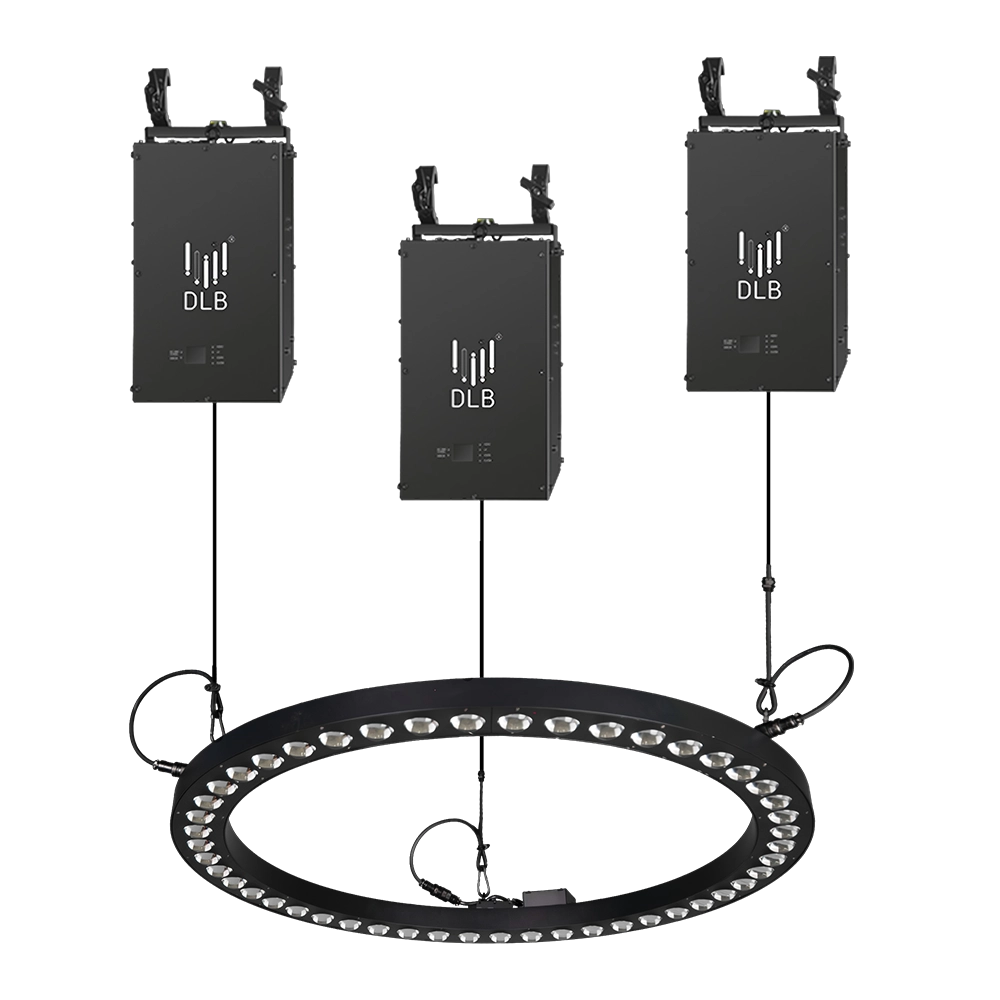
Kinetic Halo Ring——Ideal for a wide range of large-scale events: commercial spaces, TV shows, concerts, nightclubs, and various other settings.
Experience dynamic illumination with the FENG-YI Kinetic Halo Ring. This versatile kinetic light is perfect for large-scale events—commercial spaces, TV shows, concerts, and nightclubs—delivering stunning kinetic ring light effects that captivate every audience.
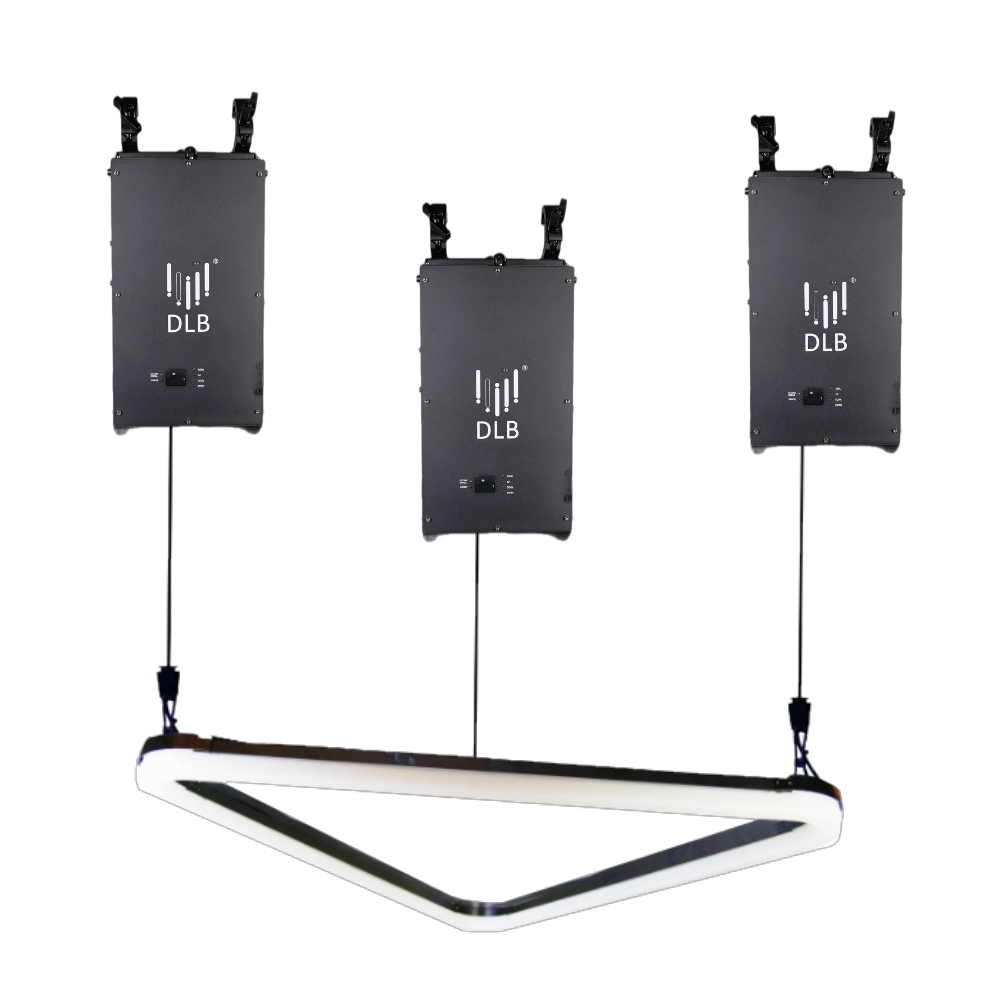
Kinetic Arc Light——Ideal for a wide range of large-scale events: commercial spaces, TV shows, concerts, nightclubs, and various other settings.
FENG-YI’s Kinetic Arc Light is a kinetic triangle LED light panel designed for large-scale events. Perfect for commercial spaces, TV shows, concerts, and nightclubs, it delivers dynamic lighting effects that captivate audiences and elevate any setting. Ideal kinetic light solution.
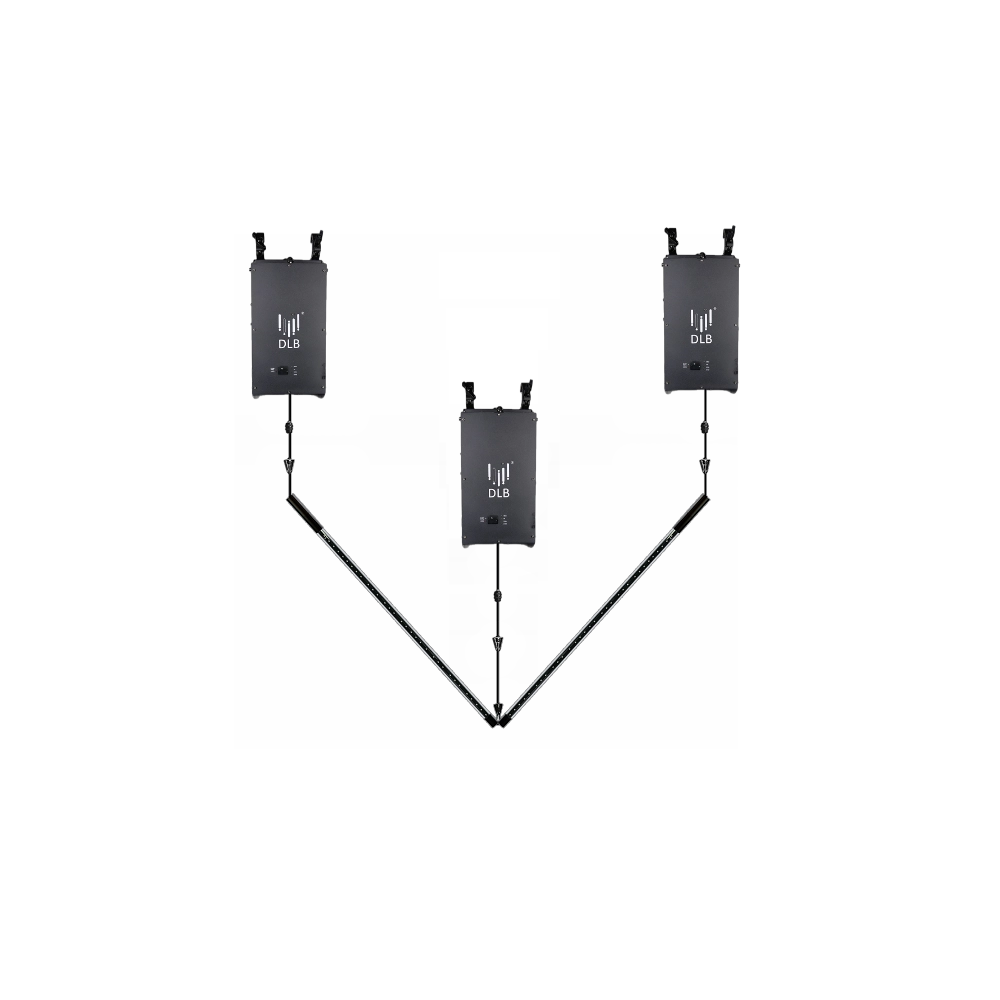
Kinetic Double Rod——Ideal for a wide range of large-scale events: commercial spaces, TV shows, concerts, nightclubs, and various other settings.
FENG-YI’s Kinetic Double Rod delivers dynamic kinetic light effects ideal for large-scale events—from concerts and nightclubs to TV shows and commercial spaces. Elevate your setup with this versatile kinetic light rod, designed for stunning visual impact and seamless integration.
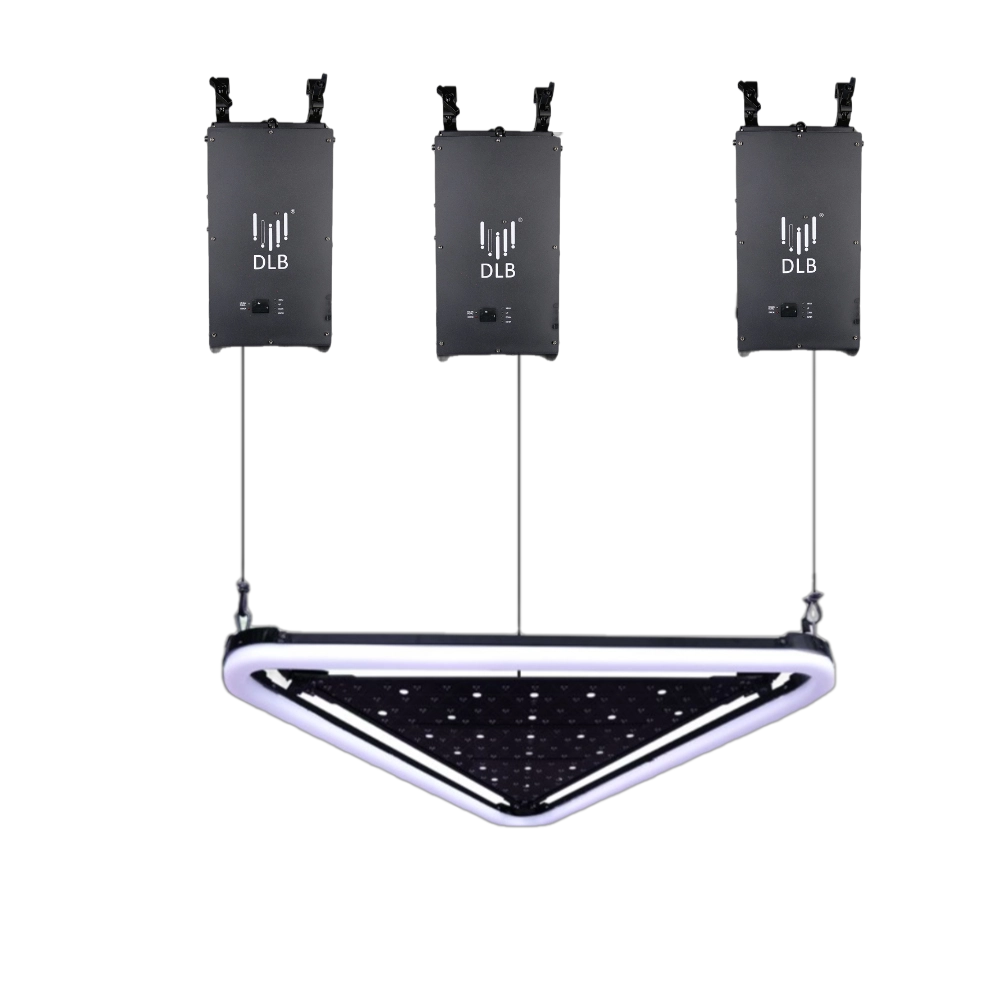
Kinetic Arc Panel——Ideal for a wide range of large-scale events: commercial spaces, TV shows, concerts, nightclubs, and various other settings.
FENG-YI’s Kinetic Arc Panel features dynamic kinetic light technology with kinetic triangle LED light panels, perfect for enhancing large-scale events like concerts, TV shows, nightclubs, and commercial spaces. Elevate your visual experience with innovative, high-impact lighting solutions.
Want to learn more about the latest updates?
Have questions or ready to illuminate your project? Reach out to our expert team today.
Rest assured that your privacy is important to us, and all information provided will be handled with the utmost confidentiality.
By clicking "Send your message," I agree to your processing my personal data.
To see how to withdraw your consent, how to control your personal data, and how we process it, please see our Privacy Policy and Terms of Use.

FENG-YI has been continuously innovating and has grown into a Kinetic Lights Manufacturer and solution provider with unique advantages.
Contact
+86 181 2785 5301
Address
Building 5, No. 34, Fuyuan Road, Jinghu IndustrialZone, Xinhua Town, Huadu District, Guangzhou, China.
© 2025 FENG-YI. All Rights Reserved.
Facebook
Instagram
YouTube
TikTok