










DIY kinetic light projects for beginners
A practical, beginner-friendly guide to DIY kinetic lights. Learn essential components, step-by-step projects (pendulum, LED matrix, motorized DMX), safety, troubleshooting, and how to scale to professional kinetic lights solutions.
- DIY Kinetic Light Projects for Beginners
- Why kinetic lights are perfect for beginners
- Understanding core components for kinetic lights projects
- Where to buy parts and kits for kinetic lights
- Project 1 — Simple pendulum kinetic lights (beginner, low cost)
- Project 2 — LED matrix kinetic light sculpture (intermediate)
- Project 3 — Motorized kinetic lights with DMX control (advanced DIY / pro-ready)
- Essential safety, maintenance, and troubleshooting for kinetic lights
- Budgeting, scaling, and when to choose professional kinetic lights solutions
- How FENG-YI supports kinetic lights projects and why choose a professional partner
- Practical tips to move from DIY to a professional kinetic lights installation
- Frequently Asked Questions (FAQ) about DIY kinetic lights
- Q: How difficult are kinetic lights projects for a complete beginner?
- Q: Do I need programming skills to make kinetic lights?
- Q: What safety precautions should I take for moving kinetic lights?
- Q: When should I consider hiring a professional kinetic lights provider?
- Q: Can I control my DIY kinetic lights with Madrix or other professional software?
- Contact us / See our products
DIY Kinetic Light Projects for Beginners
Why kinetic lights are perfect for beginners
Kinetic lights combine motion and illumination to create dynamic visual experiences. For beginners, they offer approachable entry points into electronics, mechanics, and creative design. Building your first kinetic lights project helps you learn basic wiring, microcontroller programming, and safe mechanical construction while producing striking results that can be displayed at home, events, or online portfolios.
This article focuses on accessible projects, clear parts lists, safety guidance, and practical tips to move from small DIY builds to larger kinetic lights installations. Wherever you plan to use them—home decor, stage art, or an experimental sculpture—these projects are designed to help you succeed.
Understanding core components for kinetic lights projects
Before starting any build, understand the parts commonly used in kinetic lights. Knowing what each component does reduces mistakes and improves final results.
- Microcontroller: Arduino, ESP32, or Teensy are beginner-friendly options to control LED patterns and motors. These boards are widely documented and cheap to source.
- LEDs: Individually-addressable LEDs (WS2812B / NeoPixel, APA102) are preferred because they let you program complex color patterns and respond to motion.
- Drivers and power: Proper LED power supplies and motor drivers protect components. For example, a 5V 10A supply is common for small arrays of WS2812B.
- Motors and actuators: Small brushed DC motors, stepper motors, or hobby servos provide motion. Choose based on load and required precision.
- Mechanical frame: Lightweight materials—aluminum, acrylic, plywood—work well. Balance, bearings, and secure mounts are essential for safety and smooth motion.
- Control software: Simple Arduino sketches or real-time lighting software like Madrix (used in professional setups) scale from hobby to pro control.
Including kinetic lights in your component search helps you find kits and parts tailored to moving-light installations when shopping online or locally.
Where to buy parts and kits for kinetic lights
If you prefer a pre-packaged path, several vendors offer DIY kinetic lights kits or component bundles. Look for kits that include LED strips, a controller, power supply, and clear mechanical instructions. Reliable sources include Adafruit and SparkFun for electronics and Instructables for project references.
When buying, check these keywords: kinetic lights kits, buy kinetic lights parts, or kinetic lights components—they lead to suppliers that cater to kinetic lighting projects and often contain community support and example code.
Project 1 — Simple pendulum kinetic lights (beginner, low cost)
This first project teaches motion basics with a pendulum-mounted LED array. It’s low-cost, safe, and requires minimal coding.
Materials (example):
- 1 x Arduino Uno (or Nano)
- 1 x WS2812B LED strip (8–16 LEDs)
- 1 x Small DC motor with gearbox or a damping pivot for the pendulum
- 1 x 5V power supply (2–5A depending on LED count)
- Mounting materials: wood or acrylic for the pendulum bob
- Wires, heat shrink, basic tools
Steps (high level):
- Build a lightweight bob and attach the LED strip along its edge.
- Create a pivot point with low-friction bearings or a simple hook to allow smooth swing.
- Wire the LEDs to the Arduino and power supply; include a common ground between the controller and LEDs.
- Program a simple animation that changes colors based on pendulum angle. For beginners, you can use an accelerometer (e.g., MPU6050) to read orientation and modulate color or brightness.
- Test at low speeds, check balance, and mount the entire assembly securely.
Why this helps beginners: it demonstrates motion, balance, and basic sensor integration without complex motor control.
Project 2 — LED matrix kinetic light sculpture (intermediate)
An LED matrix on a moving frame produces patterns that change with motion. This project introduces multiplexing, more advanced animations, and sturdier mechanical design.
Materials (example):
- 1 x Teensy or ESP32 (more processing for many LEDs)
- WS2812B panels or individually-addressable strips arranged in a grid
- Stepper motor with controller (for controlled rotation)
- 1 x 5V power supply sized for the LED count (e.g., 10A for 200 LEDs)
- Bearing and central shaft for smooth rotation
- Mechanical frame (laser-cut acrylic or aluminum)
Key steps and considerations:
- Address wiring: route power lines to avoid voltage drop; use thicker V+ and GND traces; inject power at multiple points.
- Use level shifting where necessary (some microcontrollers require 5V logic for WS2812Bs).
- Program wipe, scanline, and motion-synced effects—link rotation speed to animation speed. If you’ve used Madrix-style effects before, mimicking spectral and scanner patterns yields polished results.
This project teaches power management, signal integrity, and how motion transforms static patterns into kinetic visuals.
Project 3 — Motorized kinetic lights with DMX control (advanced DIY / pro-ready)
When you need professional features—remote control, synchronized shows, or stage integration—use DMX or Art-Net through a lighting control system. This project shows how hobby builds can graduate toward professional kinetic lights solutions.
Core elements:
- Motor system: stepper or servo motors with closed-loop feedback for precise positioning
- Lighting control: DMX512 interface (e.g., ENTTEC USB DMX Pro) or Art-Net via Ethernet
- Control software: Madrix or QLC+ for pixel-mapped effects and show playback
- Safety interlocks and cable management for stage-grade reliability
High-level workflow:
- Design the mechanical rig to meet load and travel requirements. Include end-stop sensors and emergency stop.
- Implement motor drivers that accept external positioning commands (stepper drivers with enable inputs or servo controllers with PWM/serial control).
- Map LED channels to DMX universe(s) or use pixel drivers for Art-Net/OSC-based control.
- Use a show controller (Madrix, QLC+, or a bespoke app) to sequence movements and lighting.
Why DMX matters: it’s the industry standard for lighting professionals. Learning DMX expands your projects from hobby fixtures to installations that can run in theatrical and broadcast settings.
Essential safety, maintenance, and troubleshooting for kinetic lights
Safety must be a top priority. Moving parts and electricity create real hazards.
Safety checklist:
- Mechanical: secure moving parts with proper fasteners, use guards around pinch points, and ensure balanced loads to avoid wobble.
- Electrical: use fuses or PTC resettable fuses on power rails; size power supplies appropriately; never exceed motor or LED current ratings.
- Thermal: allow ventilation for power supplies and densely packed LEDs to avoid overheating.
Troubleshooting tips:
- If LEDs flicker during motion, check power distribution and voltage drop—add power injection points.
- Motor jitter: calibrate microstepping settings and ensure the power ground is solid.
- Communication errors (DMX/Art-Net): verify termination resistors and correct universe addressing.
Including kinetic lights maintenance in your documentation helps end users find guidance for long-term reliability.
Budgeting, scaling, and when to choose professional kinetic lights solutions
DIY builds are cost-effective for prototypes and small installations. However, as projects scale—larger arrays, public exhibits, or commercial shows—professional kinetic lights solutions bring advantages: robust mechanical engineering, certified electrical components, advanced control integration, and warranty-backed services.
Comparison: DIY kits vs professional kinetic lights solutions
| Aspect | DIY Kits / Hobby Builds | Professional Kinetic Lights Solutions |
|---|---|---|
| Cost | Low to moderate (materials + time) | Higher upfront, lower long-term risk |
| Customization | High—full control | Very high—engineered to spec |
| Reliability | Varies with skill | High—tested & maintained |
| Support | Community forums, docs | Professional service, on-site & remote support |
| Integration (DMX/Art-Net) | Possible, requires DIY effort | Standardized, turnkey |
Source notes for the table: industry guides (Instructables, Adafruit) for hobby info; professional practice references (Madrix, manufacturer whitepapers) for commercial integration.
How FENG-YI supports kinetic lights projects and why choose a professional partner
Since its establishment in 2011, FENG-YI has been continuously innovating and has grown into a creative kinetic light manufacturing service provider with unique advantages. The company is committed to exploring new lighting effects, new technologies, new stage designs, and new experiences. Through professional Kinetic Light art solutions, we empower emerging performance spaces, support the development of new performance formats, and meet the diverse needs of different scenarios.
Located in Huadu District, Guangzhou, the company currently has 62 employees, including an 8-member professional design team and 20 highly experienced technical service staff. FENG-YI has become a High Quality user of Madrix software in mainland China, offering both on-site installation & programming as well as remote technical guidance services for Kinetic Light projects.
With a total area of 6,000㎡, FENG-YI owns China’s largest 300㎡ art installation exhibition area and operates 10 overseas offices worldwide. Our completed Kinetic Light projects have successfully reached over 90 countries and regions, covering television stations, commercial spaces, cultural tourism performances, and entertainment venues.
Today, FENG-YI is recognized as a leading kinetic lights scene solution provider in the industry, delivering innovative lighting experiences that integrate technology and creativity.
Summary of FENG-YI advantages for builders and event producers:
- End-to-end service: design, manufacture, installation, programming, and maintenance.
- Strong technical team: experienced designers and service engineers familiar with Madrix and DMX/Art-Net workflows.
- Global reach and exhibition facilities: prototype testing and demonstration in a large indoor exhibition area.
- Proven track record: projects in broadcast, tourism, commercial, and entertainment sectors across 90+ countries.
If your project moves beyond prototype scale—requiring certified hardware, show-grade control, or remote/on-site technical support—partnering with a company like FENG-YI shortens delivery time and reduces risk.
Practical tips to move from DIY to a professional kinetic lights installation
- Document your prototype thoroughly: mechanical drawings, wiring diagrams, and software behavior help when scaling.
- Start with standardized control protocols (DMX, Art-Net) so your prototype can integrate into larger control systems.
- Consider environmental factors (IP ratings for outdoor use, UV resistance for materials).
- Plan for maintainability: modular components, easy-to-replace LED strips, and accessible wiring.
Frequently Asked Questions (FAQ) about DIY kinetic lights
Q: How difficult are kinetic lights projects for a complete beginner?
A: Simple projects like the pendulum LED require basic soldering and microcontroller programming—manageable within a weekend for motivated beginners. Intermediate projects need more planning, especially for power and mechanical balance.
Q: Do I need programming skills to make kinetic lights?
A: Basic programming (Arduino sketches or Python with a microcontroller) helps a lot. Many LED libraries and example sketches exist; you can modify them rather than write from scratch.
Q: What safety precautions should I take for moving kinetic lights?
A: Secure all moving parts, use guards where possible, size power supplies correctly, and include fusing. For public installations, follow local electrical and public-safety codes.
Q: When should I consider hiring a professional kinetic lights provider?
A: Hire professionals when you need certified components, on-site installation, high reliability, or integration into broadcast or public spaces. Professionals also help with long-term maintenance plans.
Q: Can I control my DIY kinetic lights with Madrix or other professional software?
A: Yes. Many hobby controllers can output Art-Net or be bridged to DMX with appropriate hardware. Professional software like Madrix offers sophisticated pixel mapping and effects useful for both prototypes and stage-ready installations.
Contact us / See our products
Ready to scale your kinetic lights idea or need parts and professional support? Contact FENG-YI for product information, custom Kinetic Lighting solutions, on-site installation, programming, or remote technical guidance. Explore our portfolio and talk to our design team to find the right balance between DIY creativity and professional reliability.
Sources:
- Adafruit Learning System — Guides on WS2812 (NeoPixel) and power management (Adafruit Industries).
- Instructables — Community projects and tutorials on kinetic sculptures and LED projects.
- Madrix documentation and user community — industry-standard pixel mapping and control software.
- Manufacturer product pages and datasheets for WS2812B, APA102, stepper drivers, and microcontrollers.
- FENG-YI internal company information (provided in brief above).
(End of article.)
Tags
kinetic light fixtures
kinetic light fixtures
DIY kinetic light kit
DIY kinetic light kit
Kinetic pendant lights
Kinetic pendant lights
kinetic light manufacturer
kinetic light manufacturer
kinetic triangle led light panel
kinetic triangle led light panel
Kinetic Crystal light string
Kinetic Crystal light string
Recommended for you
What are kinetic lights and how do they work?
Case studies: successful kinetic lighting projects
IP Ratings Explained for Waterproof Profile Lights
Kinetic lighting design ideas for modern architecture
Prdoucts Categories
Question you may concern
Wedding & Parties Lighting Solutions
Are there minimum requirements for venue ceiling height and load capacity?
We recommend a clear height of ≥6–8 m (higher may be required for choreography needs). Load capacity is calculated based on point load plus safety factor. We provide structural calculations and suspension point recommendations.
Logistics Services
How is the lamp packaging protected? What if damage occurs during transportation?
The packaging adopts three-layer protection: shockproof foam + hard carton + wooden box (for large equipment such as elevating lights). Key parts of the lamp (e.g., moving head light lens, elevating structure) are individually wrapped with EPE foam. If damage occurs during transportation, the customer must take photos (of the damaged packaging and the faulty part of the product) and send them to the logistics department within 24 hours of receipt. We will give priority to reissuing new products (or arranging repairs) and hold the logistics company responsible. The customer does not need to bear additional costs.
After-Sales Support
What is included in the product warranty scope? How to handle human-induced damage (e.g., falling, water ingress)?
Warranty scope: Hardware faults caused by non-human factors (e.g., motor failure, lamp bead non-illumination, light control failure). The whole machine is warranted for 1 year, LED lamp beads for 2 years, and core components of the elevating structure (e.g., hydraulic pump, motor) for 2 years. For human-induced damage, a cost fee will be charged for repairs (e.g., replacing the elevating motor requires charging the motor cost + repair fee). The after-sales team will first provide a fault detection report and repair quotation, and repairs will start only after the customer confirms.
Wholesale Cooperation
Are samples provided for wholesale cooperation? How is the sample fee settled?
1-2 standard samples are provided free of charge (the customer needs to bear the freight). For customized samples, a cost fee is charged (e.g., 200-500 RMB/unit for appearance-customized samples). If the customer places a subsequent bulk order (meeting the MOQ of the corresponding product), the sample fee can be fully deducted from the payment, and free samples do not need to be returned.
You may also like
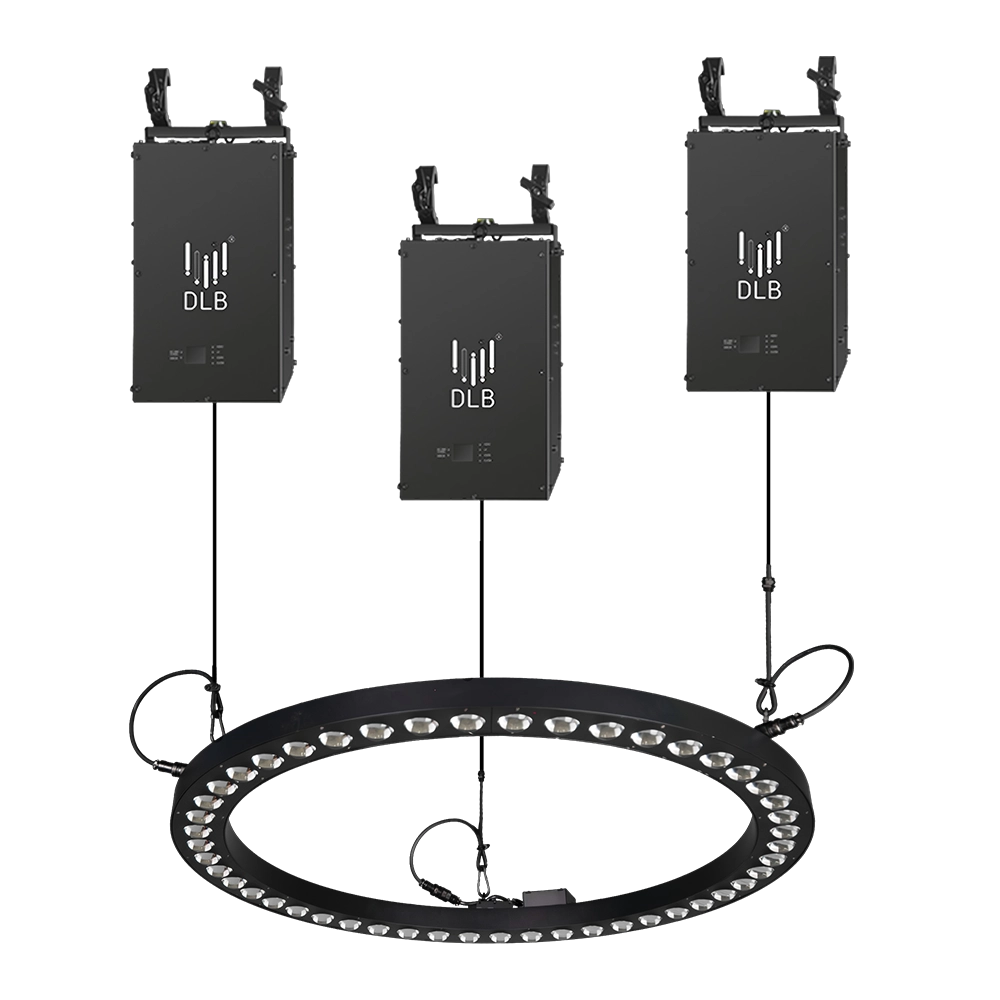
Kinetic Halo Ring——Ideal for a wide range of large-scale events: commercial spaces, TV shows, concerts, nightclubs, and various other settings.
Experience dynamic illumination with the FENG-YI Kinetic Halo Ring. This versatile kinetic light is perfect for large-scale events—commercial spaces, TV shows, concerts, and nightclubs—delivering stunning kinetic ring light effects that captivate every audience.
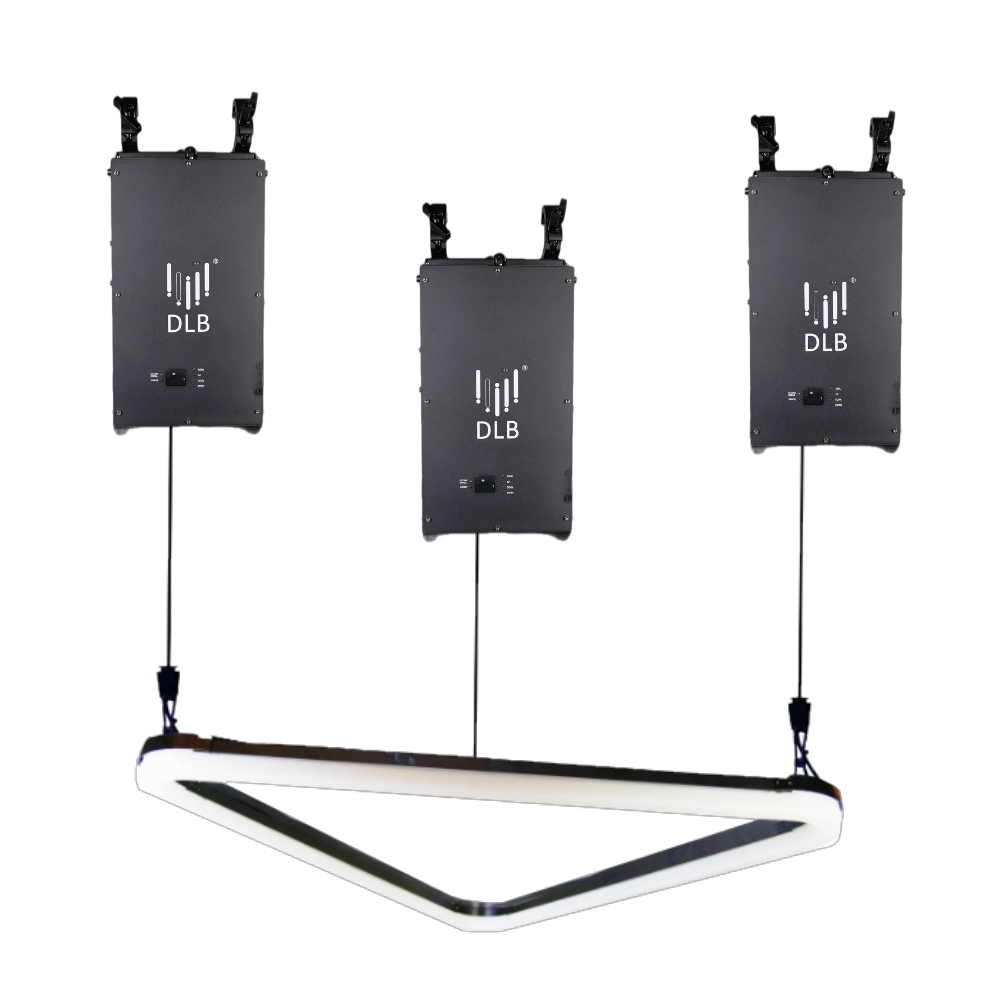
Kinetic Arc Light——Ideal for a wide range of large-scale events: commercial spaces, TV shows, concerts, nightclubs, and various other settings.
FENG-YI’s Kinetic Arc Light is a kinetic triangle LED light panel designed for large-scale events. Perfect for commercial spaces, TV shows, concerts, and nightclubs, it delivers dynamic lighting effects that captivate audiences and elevate any setting. Ideal kinetic light solution.
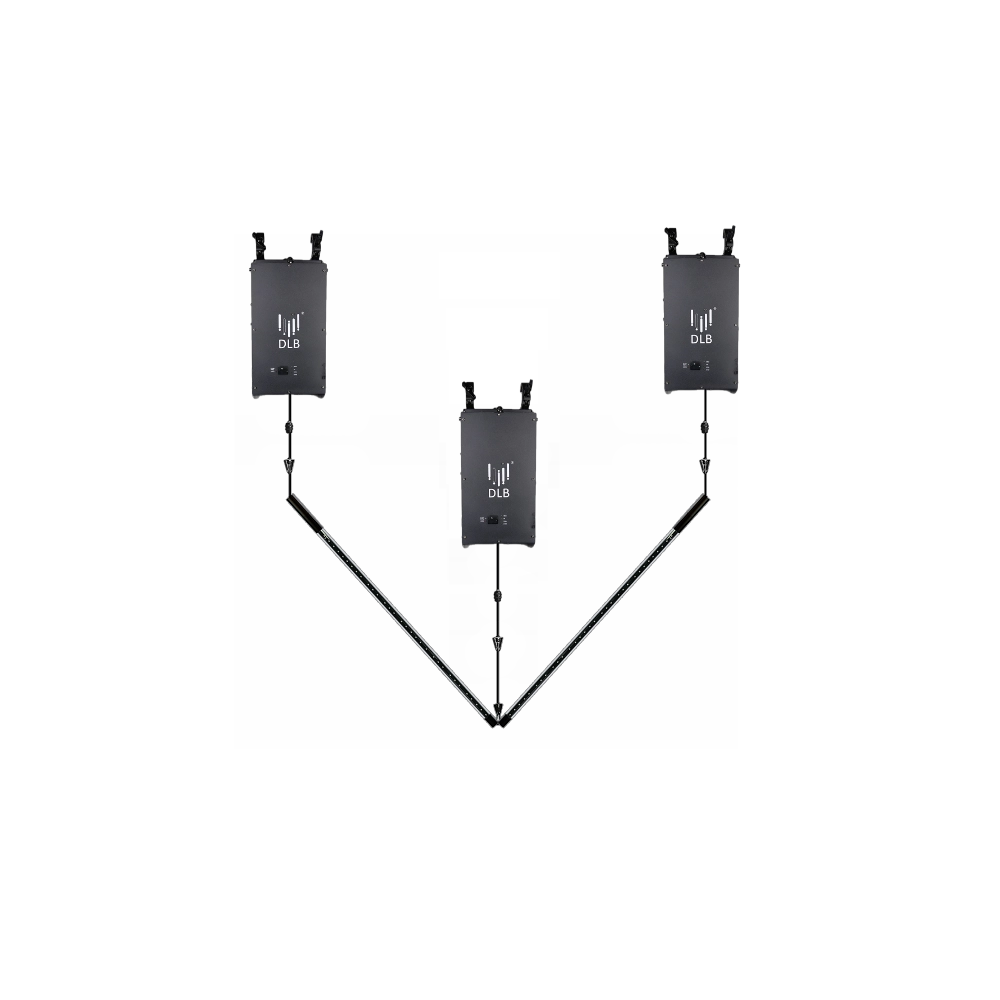
Kinetic Double Rod——Ideal for a wide range of large-scale events: commercial spaces, TV shows, concerts, nightclubs, and various other settings.
FENG-YI’s Kinetic Double Rod delivers dynamic kinetic light effects ideal for large-scale events—from concerts and nightclubs to TV shows and commercial spaces. Elevate your setup with this versatile kinetic light rod, designed for stunning visual impact and seamless integration.
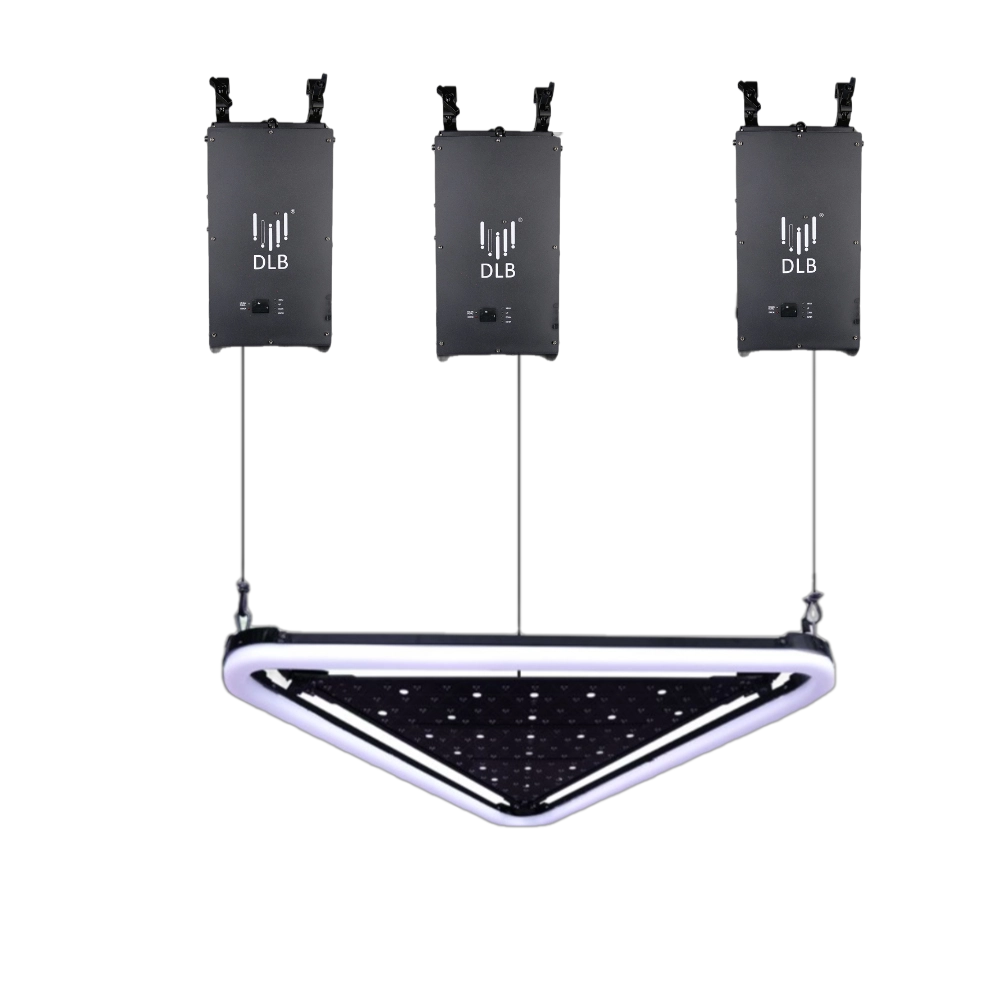
Kinetic Arc Panel——Ideal for a wide range of large-scale events: commercial spaces, TV shows, concerts, nightclubs, and various other settings.
FENG-YI’s Kinetic Arc Panel features dynamic kinetic light technology with kinetic triangle LED light panels, perfect for enhancing large-scale events like concerts, TV shows, nightclubs, and commercial spaces. Elevate your visual experience with innovative, high-impact lighting solutions.
Want to learn more about the latest updates?
Have questions or ready to illuminate your project? Reach out to our expert team today.
Rest assured that your privacy is important to us, and all information provided will be handled with the utmost confidentiality.
By clicking "Send your message," I agree to your processing my personal data.
To see how to withdraw your consent, how to control your personal data, and how we process it, please see our Privacy Policy and Terms of Use.

FENG-YI has been continuously innovating and has grown into a Kinetic Lights Manufacturer and solution provider with unique advantages.
Contact
+86 181 2785 5301
Address
Building 5, No. 34, Fuyuan Road, Jinghu IndustrialZone, Xinhua Town, Huadu District, Guangzhou, China.
© 2025 FENG-YI. All Rights Reserved.
Facebook
Instagram
YouTube
TikTok