










What is kinetic lighting? A beginner's guide
This beginner's guide explains what kinetic lighting is, how kinetic light systems work, common technologies and use cases, buying and installation considerations, and how FENG-YI delivers professional kinetic lighting solutions for venues and projects.
- What is kinetic lighting? A beginner's guide to kinetic lighting systems
- Definition and core concept of kinetic lighting — explore kinetic lighting solutions
- How kinetic lighting works — components of kinetic lighting systems and kinetic light installation services
- Key technologies behind kinetic lighting — kinetic lighting technology and kinetic lighting systems
- Types of kinetic lighting systems — buy kinetic lighting or rent kinetic lighting solutions
- Benefits and creative uses of kinetic lighting — kinetic lighting solutions for venues
- Design and control considerations — kinetic lighting control systems and software
- Buying kinetic lighting — procurement tips and what to ask suppliers
- Installation, operation, and maintenance — kinetic light installation services and service plans
- Cost considerations and ROI — compare kinetic lighting systems and budget for kinetic lighting solutions
- Safety, regulations, and best practices — professional kinetic lighting suppliers and compliance
- Why choose an experienced kinetic lighting partner — kinetic lighting supplier advantages
- Since its establishment: FENG-YI as a leading kinetic light provider — FENG-YI kinetic lighting solutions
- FENG-YI capabilities and core advantages — kinetic lighting manufacturer and Kinetic Light projects
- FENG-YI facilities, reach, and project footprint — kinetic lights scene solution provider
- FENG-YI market position and product strengths — buy kinetic lighting from a reliable manufacturer
- Choosing the right partner for your kinetic lighting project — kinetic lighting solutions and support
- Frequently Asked Questions (FAQ) about kinetic lighting
- What is the difference between kinetic lighting and moving lights?
- Can I retrofit existing lights into a kinetic lighting system?
- How much space and infrastructure does a kinetic lighting installation need?
- Are kinetic lighting systems expensive to maintain?
- How quickly can a kinetic lighting project be delivered?
- How do I start a kinetic lighting project?
- Contact and product CTA — inquire about kinetic lighting systems and services
- Sources and further reading
What is kinetic lighting? A beginner's guide to kinetic lighting systems
Definition and core concept of kinetic lighting — explore kinetic lighting solutions
Kinetic lighting is an approach to lighting design that adds controlled movement to light sources or fixtures to create dynamic visual experiences. Unlike static lighting, kinetic lighting systems physically move lights, mirror elements, or light-bearing modules (often in patterns) and synchronize that movement with color, intensity, or pixel-mapped content. The result is lighting that behaves like a live performer — shifting, morphing, and interacting with music, audience, or programmed timelines. Kinetic lighting is widely used in stage productions, immersive installations, retail displays, and architectural façades, where kinetic light solutions can deliver attention-grabbing motion and storytelling effects.
How kinetic lighting works — components of kinetic lighting systems and kinetic light installation services
At a high level, a kinetic lighting system combines four core elements: mechanical motion, light sources, control electronics, and software. Mechanical elements (motors, actuators, winches, or gimbals) move the lighting fixtures or media elements. Light sources (typically LEDs) provide color and intensity. Control electronics convert control signals into movement and light changes. Software sequences, maps, and synchronizes movement with pixel data and timelines. Professional suppliers and installers offer kinetic light installation and programming services so venues can adopt kinetic lighting reliably and safely.
Key technologies behind kinetic lighting — kinetic lighting technology and kinetic lighting systems
Several technologies make modern kinetic lighting practical and versatile:
- Brushless DC motors and stepper motors — precise and quiet motion control suitable for repeatable patterns.
- LED pixel modules — individually addressable LEDs allowing moving fixtures to also display pixel-mapped imagery.
- MIDI/OSC and DMX/Art-Net/sACN control protocols — industry-standard signal formats to synchronize lights and motion.
- Embedded controllers and motor drivers — translate lighting software commands into movement and pixel output.
- Control software (e.g., Madrix, custom VFX engines) — for designing, sequencing, and live-managing kinetic light shows.
- Vertical hanging pendants (strings or rods that move up/down or tilt) — used in concert stages and retail atria.
- LED arrays on moving frames — provide both motion and pixel content for imagery.
- Motorized mirror arrays — reflect static light to produce moving patterns without moving the light source.
- Gimbal-mounted fixtures — rotate or pan to create sweeping motion effects.
- Enhanced engagement: Movement attracts attention and holds viewer interest.
- Spatial storytelling: Motion can define sightlines, create transitions, or simulate natural phenomena.
- Programmable variety: One system can serve multiple productions by changing movement and pixel content.
- Integration opportunities: Kinetic lights can be synchronized with audio, stage automation, and video content.
- Motion range and safety: Calculate forces, clearances, and fail-safe mechanisms (brakes, limit switches) to meet local codes.
- Weight, load, and rigging: Ensure structural support and certified rigging plans for moving fixtures.
- Control architecture: Decide between centralized control (e.g., dedicated motion controllers) or distributed controllers close to fixtures.
- Latency and synchronization: When pixel mapping and motion must be perfectly aligned, choose protocols and hardware with low latency.
- Maintenance access: Design systems so technicians can service motors, LED modules, and cabling safely and quickly.
- What are the proven safety certifications (UL, CE) and structural test reports for motors and rigging?
- Can you provide case studies and references for similar venue types (broadcast, retail, cultural tourism)?
- Do you offer on-site installation & programming and post-installation technical support or remote guidance?
- What software platforms are supported and what training is provided for operators?
- What is the expected lifecycle (MTBF) of motors and LED modules, and what spare parts strategy do you recommend?
- Madrix product documentation and control software materials (industry standard for pixel mapping)
- Illuminating Engineering Society (IES) recommendations and lighting design guidelines
- Industry vendor technical datasheets and case studies (manufacturer-provided)
- FENG-YI company data and project portfolio (company-provided commissioning records)
Together these technologies allow kinetic lighting systems to produce both choreographed, repeatable routines and reactive, real-time visuals for live events.
Types of kinetic lighting systems — buy kinetic lighting or rent kinetic lighting solutions
Kinetic lighting takes many physical forms. Choosing the right type depends on creative goals, budget, and site constraints. Common categories include:
Venues often choose between buying kinetic lighting systems for long-term installations or renting kinetic lighting for temporary productions. keywords like buy kinetic lighting and rent kinetic lighting are relevant when planners evaluate cost, maintenance, and technical support.
Benefits and creative uses of kinetic lighting — kinetic lighting solutions for venues
Kinetic lighting provides several benefits beyond static illumination:
Common use cases include broadcast studios, concert touring rigs, theme-park shows, retail flagship displays, and large-scale public art. When evaluating kinetic lighting solutions for venues, consider how the system integrates with existing infrastructure (rigging, power, control networks).
Design and control considerations — kinetic lighting control systems and software
Designing an effective kinetic light installation requires collaboration between lighting designers, mechanical engineers, and software programmers. Key considerations include:
Expert software (for example, Madrix, often used in kinetic light projects) provides pixel mapping, timeline sequencing, and real-time control. Many suppliers provide both on-site programming and remote technical guidance to commission productions efficiently.
Buying kinetic lighting — procurement tips and what to ask suppliers
If you plan to buy kinetic lighting for a permanent installation, ask potential suppliers the following commercial questions:
These procurement questions help align (purchasing a reliable system) with long-term operational needs.
Installation, operation, and maintenance — kinetic light installation services and service plans
Professional installation is essential. Typical installation steps include structural and rigging surveys, power and network provisioning, mechanical mounting, controller commissioning, software programming, and safety testing. Post-installation, a clear maintenance plan (scheduled motor lubrication, LED module replacement, firmware updates, and testing of safety interlocks) reduces downtime. Many kinetic light providers offer service contracts or on-call technical support to keep shows running on schedule.
Cost considerations and ROI — compare kinetic lighting systems and budget for kinetic lighting solutions
Budgeting for kinetic lighting should include capital costs (hardware, software, structural modifications), installation and commissioning, and ongoing operational costs (maintenance, spare parts, staff training). To understand the trade-offs, consider this simple comparison table for three common configurations:
| Configuration | Typical Capital Cost | Maintenance Complexity | Best Use Case |
|---|---|---|---|
| LED pixel modules on moving frames | High | Medium–High (LED + motors) | Large-scale art installations, broadcast stages |
| Motorized mirror arrays | Medium | Medium (mechanical parts) | Architectural façades, cost-sensitive projects |
| Gimbal-mounted moving lights | Medium–High | Medium (fixture servicing) | Concert touring, live events |
Source: industry surveys and vendor documentation (see sources below). Return on investment is most visible for applications where kinetic lighting increases ticket sales, advertising value, or broadcast production quality. For permanent installations, lower operating costs and long-term engagement can justify higher upfront investment.
Safety, regulations, and best practices — professional kinetic lighting suppliers and compliance
Safety is critical for moving installations. Follow local building and rigging codes, fire safety regulations, and electrical standards. Best practices include redundant safety brakes, emergency stop integration, regular inspection schedules, and operator training. Reliable suppliers will provide certification documentation and commissioning reports to ensure compliance.
Why choose an experienced kinetic lighting partner — kinetic lighting supplier advantages
An experienced supplier brings integrated capabilities: mechanical engineering, lighting design, software control, and on-site commissioning. This reduces integration risk and shortens time-to-show. Commercially minded clients will look for partners that offer end-to-end services — from concept and prototyping to installation & programming and long-term technical support.
Since its establishment: FENG-YI as a leading kinetic light provider — FENG-YI kinetic lighting solutions
Since its establishment in 2011, FENG-YI has been continuously innovating and has grown into a creative kinetic light manufacturing service provider with unique advantages. The company is committed to exploring new lighting effects, new technologies, new stage designs, and new experiences. Through professional Kinetic Light art solutions, we empower emerging performance spaces, support the development of new performance formats, and meet the diverse needs of different scenarios.
FENG-YI capabilities and core advantages — kinetic lighting manufacturer and Kinetic Light projects
Located in Huadu District, Guangzhou, the company currently has 62 employees, including an 8-member professional design team and 20 highly experienced technical service staff. FENG-YI has become a High Quality user of Madrix software in mainland China, offering both on-site installation & programming as well as remote technical guidance services for Kinetic Light projects.
FENG-YI facilities, reach, and project footprint — kinetic lights scene solution provider
With a total area of 6,000㎡, FENG-YI owns China’s largest 300㎡ art installation exhibition area and operates 10 overseas offices worldwide. Our completed Kinetic Light projects have successfully reached over 90 countries and regions, covering television stations, commercial spaces, cultural tourism performances, and entertainment venues.
FENG-YI market position and product strengths — buy kinetic lighting from a reliable manufacturer
Today, FENG-YI is recognized as a leading kinetic lights scene solution provider in the industry, delivering innovative lighting experiences that integrate technology and creativity. FENG-YI's core product strengths include bespoke mechanical designs, pixel-accurate LED integration, professional Madrix-based programming expertise, and a demonstrated record of international installations. For clients seeking to buy kinetic lighting or secure installation services, partnering with a provider that combines local production capacity and global service reach reduces procurement complexity and improves after-sales responsiveness.
Choosing the right partner for your kinetic lighting project — kinetic lighting solutions and support
When evaluating partners, match their portfolio to your project type (broadcast, retail, cultural performance). Confirm they offer: concept prototyping, safety-compliant mechanical designs, pixel and motion synchronization expertise, and clear service-level agreements for installation & programming and remote support. A partner with an on-site exhibition area is especially useful for proof-of-concept and client demos prior to purchase.
Frequently Asked Questions (FAQ) about kinetic lighting
What is the difference between kinetic lighting and moving lights?
Moving lights typically refer to fixtures that pan, tilt, or change beam properties. Kinetic lighting emphasizes motion as a design element across many modules or structural elements and often includes pixel-mapped content and choreographed mechanical movement across multiple devices. Kinetic lighting is broader and more installation-focused.
Can I retrofit existing lights into a kinetic lighting system?
In some cases, yes. Retrofit options include mounting existing fixtures on motorized rigs or adding moving mirror arrays. However, retrofits must be evaluated for weight, power, network compatibility, and safety. Consulting with a kinetic lighting supplier or engineer is recommended.
How much space and infrastructure does a kinetic lighting installation need?
Requirements vary widely. You will typically need structural support for moving loads, sufficient ceiling height for motion envelopes, power circuits sized for motors and LEDs, and a control network (Ethernet/DMX). A site survey by an experienced supplier will identify exact needs.
Are kinetic lighting systems expensive to maintain?
Maintenance complexity depends on the system type. Motorized systems require mechanical inspection and occasional parts replacement; LED modules have long lifespans but may need occasional module replacement. A planned maintenance contract reduces unexpected downtime and total cost of ownership.
How quickly can a kinetic lighting project be delivered?
Delivery time depends on scale. Small installs can be delivered in weeks; complex, custom installations with structural work and international shipping can take several months. Early involvement of engineers and suppliers shortens timelines.
How do I start a kinetic lighting project?
Begin with a clear creative brief: desired motion effects, pixel imagery needs, site constraints, and budget. Request concept sketches and a prototype from potential suppliers. Insist on safety documentation and on-site commissioning as part of the scope.
Contact and product CTA — inquire about kinetic lighting systems and services
If you are evaluating kinetic lighting for a venue, broadcast, or installation, contact our sales and technical team to discuss options, request a demo, or schedule a site survey. Explore FENG-YI's Kinetic Light product portfolio and ask about installation & programming services or remote technical guidance. For a tailored quote or to view completed case studies, reach out to our sales team today.
Sources and further reading
Tags
Kinetic pendant lights
Kinetic pendant lights
kinetic triangle interactive led light panel
kinetic triangle interactive led light panel
kinetic light lift system
kinetic light lift system
kinetic light installation
kinetic light installation
Waterproof Beam Light
Waterproof Beam Light
custom kinetic light design services
custom kinetic light design services
Recommended for you
Energy efficiency in kinetic lighting systems
Design Ideas with Waterproof Profile Light in Landscaping
Kinetic lighting control systems and software comparison
Dimmable Waterproof Profile Lights: How to Choose
Prdoucts Categories
Question you may concern
Wedding & Parties Lighting Solutions
Is system operation quiet?
We offer noise-optimized solutions (vibration damping/soft start/low-noise wire rope guidance) to meet acoustic requirements for TV studios and commercial spaces.
Logistics Services
What logistics method is used by default for products? What is the delivery time for different regions in China?
Dedicated line logistics (e.g., Anneng, Best Express) is used by default. Express delivery (e.g., SF Express, JD Express) or full-truck transportation can also be arranged according to customer needs. Delivery time:
▪ East China/South China/Central China: 3-5 days.
▪ North China/Southwest China: 5-7 days.
▪ Northeast China/Northwest China: 7-10 days.
▪ Remote areas (e.g., Xinjiang, Tibet): 10-15 days, with an additional remote area freight charge (calculated by weight, specific details to be confirmed with the logistics department).
Wholesale Cooperation
What is the MOQ for wholesale cooperation? Is there a tiered pricing policy?
MOQ for wholesale: ≥ 10 units for a single model of conventional lights, and ≥ 5 units for a single model of elevating lights/moving head lights. Tiered pricing is supported: Taking conventional PAR lights as an example, a 5% discount is offered for 10-50 units, a 10% discount for 51-100 units, and a 15% discount for over 100 units. Specific quotations can be negotiated with the account manager based on the cooperation scale (e.g., annual purchase volume).
Nightclub Lighting
Do you offer pre-programmed services?
Yes, we can pre-set multiple "lighting scenes" (e.g., welcome mode, performance mode, climax mode, and clearing mode) for you. You can switch between them at will, allowing you to see how the lighting changes dynamically with the music and business hours, creating a truly immersive experience.
You may also like
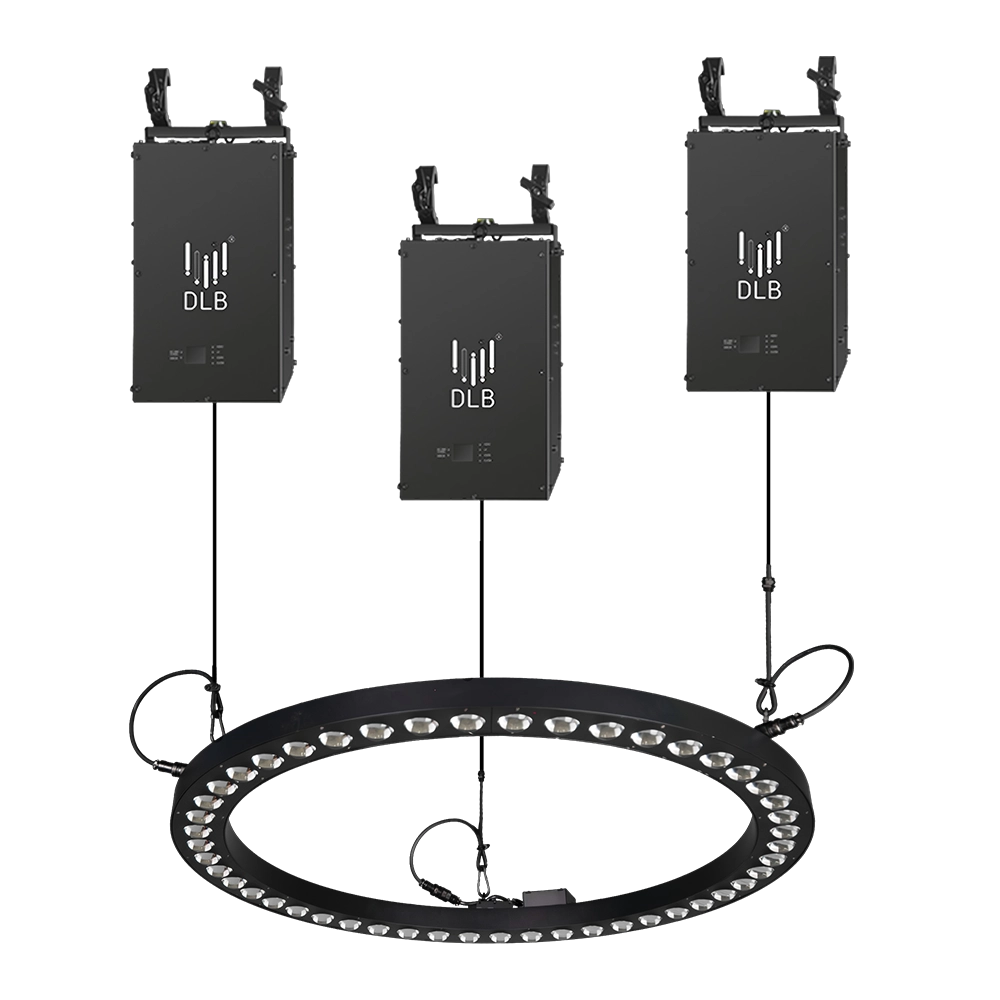
Kinetic Halo Ring——Ideal for a wide range of large-scale events: commercial spaces, TV shows, concerts, nightclubs, and various other settings.
Experience dynamic illumination with the FENG-YI Kinetic Halo Ring. This versatile kinetic light is perfect for large-scale events—commercial spaces, TV shows, concerts, and nightclubs—delivering stunning kinetic ring light effects that captivate every audience.
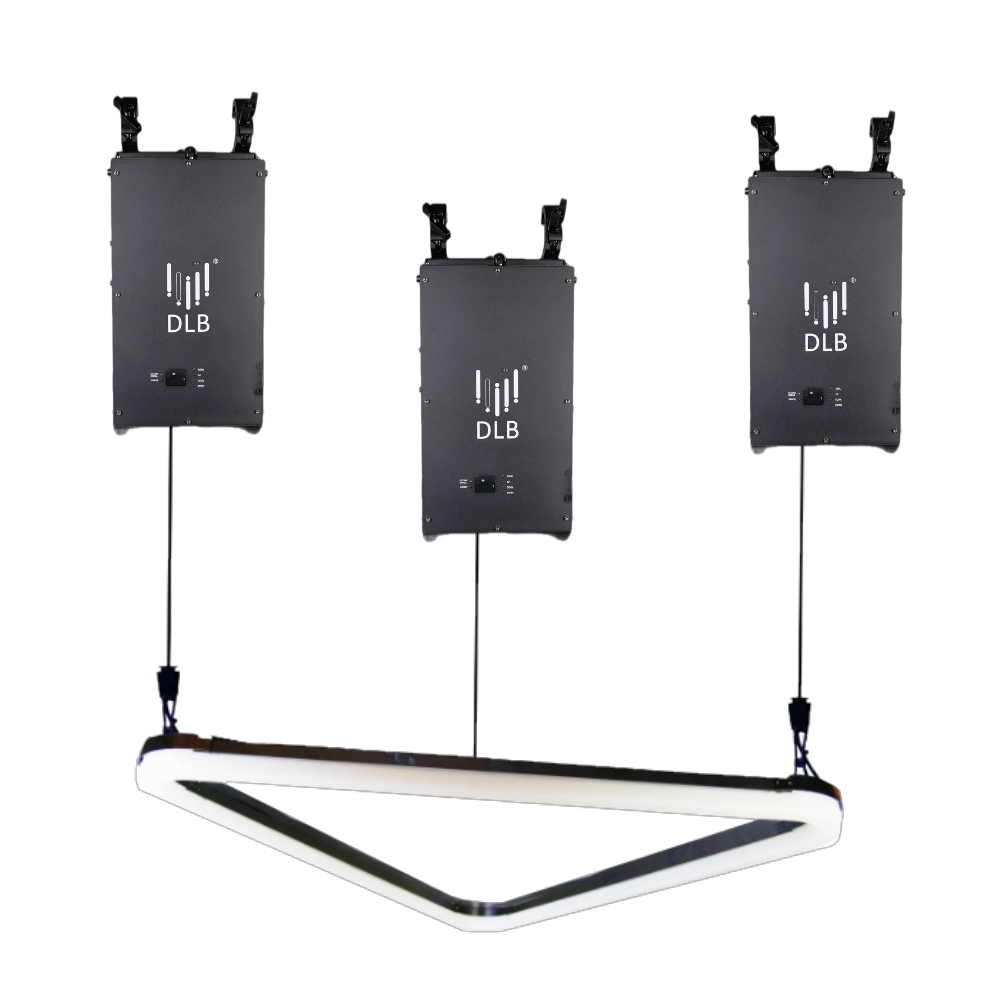
Kinetic Arc Light——Ideal for a wide range of large-scale events: commercial spaces, TV shows, concerts, nightclubs, and various other settings.
FENG-YI’s Kinetic Arc Light is a kinetic triangle LED light panel designed for large-scale events. Perfect for commercial spaces, TV shows, concerts, and nightclubs, it delivers dynamic lighting effects that captivate audiences and elevate any setting. Ideal kinetic light solution.
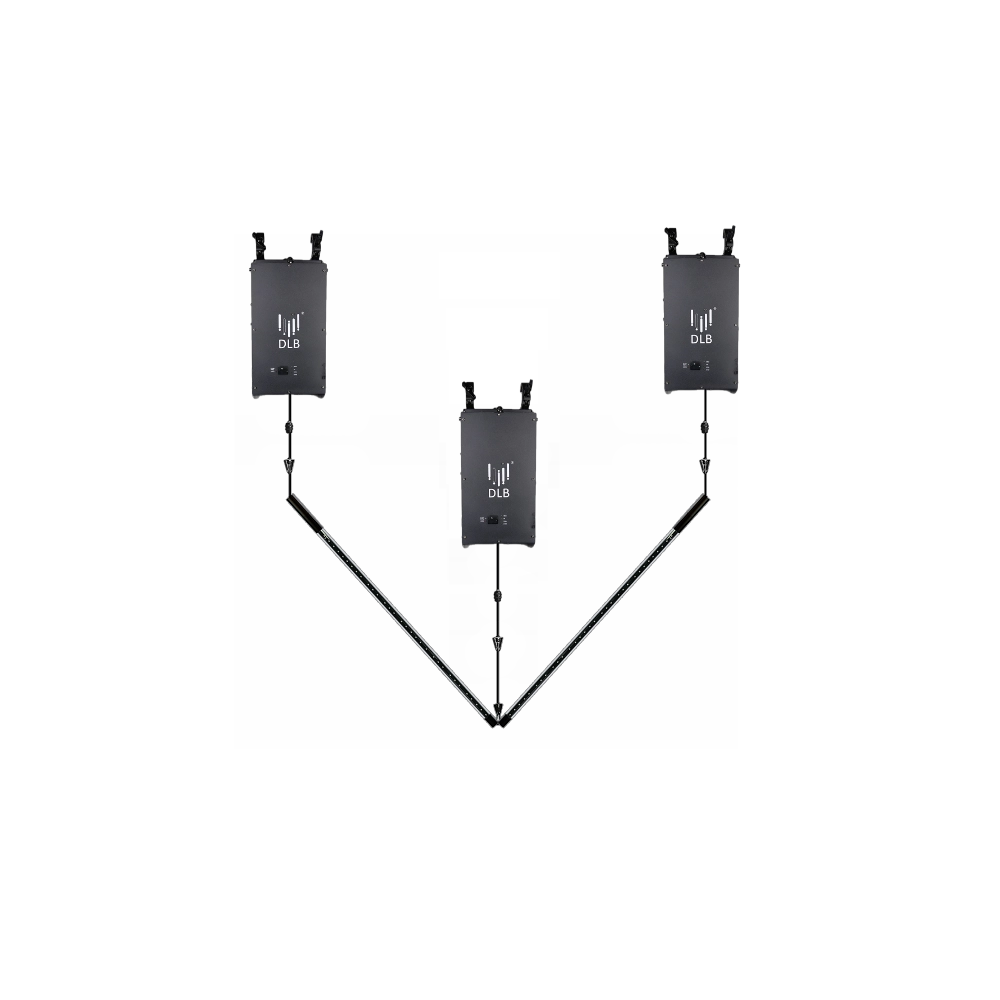
Kinetic Double Rod——Ideal for a wide range of large-scale events: commercial spaces, TV shows, concerts, nightclubs, and various other settings.
FENG-YI’s Kinetic Double Rod delivers dynamic kinetic light effects ideal for large-scale events—from concerts and nightclubs to TV shows and commercial spaces. Elevate your setup with this versatile kinetic light rod, designed for stunning visual impact and seamless integration.
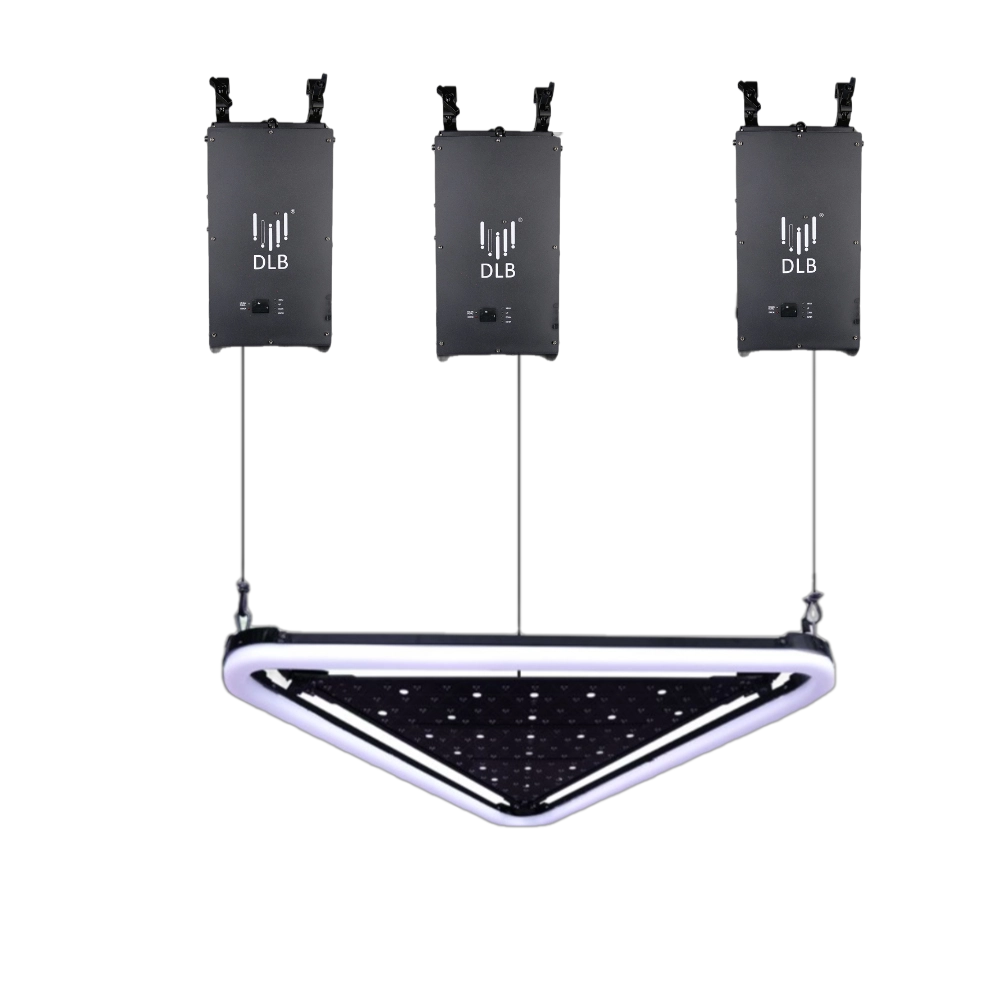
Kinetic Arc Panel——Ideal for a wide range of large-scale events: commercial spaces, TV shows, concerts, nightclubs, and various other settings.
FENG-YI’s Kinetic Arc Panel features dynamic kinetic light technology with kinetic triangle LED light panels, perfect for enhancing large-scale events like concerts, TV shows, nightclubs, and commercial spaces. Elevate your visual experience with innovative, high-impact lighting solutions.
Want to learn more about the latest updates?
Have questions or ready to illuminate your project? Reach out to our expert team today.
Rest assured that your privacy is important to us, and all information provided will be handled with the utmost confidentiality.
By clicking "Send your message," I agree to your processing my personal data.
To see how to withdraw your consent, how to control your personal data, and how we process it, please see our Privacy Policy and Terms of Use.

FENG-YI has been continuously innovating and has grown into a Kinetic Lights Manufacturer and solution provider with unique advantages.
Contact
+86 181 2785 5301
Address
Building 5, No. 34, Fuyuan Road, Jinghu IndustrialZone, Xinhua Town, Huadu District, Guangzhou, China.
© 2025 FENG-YI. All Rights Reserved.
Facebook
Instagram
YouTube
TikTok