










What are kinetic lights and how do they work?
Kinetic lights are dynamic lighting systems that combine moving hardware, LED light sources and pixel-control software to create animated, three-dimensional lighting effects. This article explains what kinetic lights are, how the mechanical, electrical and software components work together, common control protocols, practical design and installation considerations, comparisons with fixed lighting, real-world uses, and FAQs. It also introduces FENG-YI’s capabilities as a leading kinetic light solutions provider.
- What are kinetic lights?
- Definition and core concept of kinetic lights
- Why kinetic lights are different from traditional lighting
- How kinetic lights work: mechanical, electrical and software layers
- Mechanical systems: motion hardware and structure
- Light sources: pixel LEDs and optical design
- Control systems: DMX, Art-Net, sACN and more
- Key components of a kinetic lights installation
- List of main components and their roles
- Control software and choreography for kinetic lights
- How software links motion and imagery
- Latency, synchronization and frame rates
- Common applications of kinetic lights
- Performance, broadcast and live events
- Architectural, retail and experiential spaces
- Design and installation considerations for kinetic lights
- Safety, load management and regulations
- Power, heat and maintenance planning
- Comparison: kinetic lights vs fixed LED installations
- Feature comparison table
- Costs, ROI and value considerations for kinetic lights
- Investment drivers and payback scenarios
- Installation, programming and commissioning workflow
- Typical project phases
- FENG-YI: expertise and offerings in kinetic lights
- FENG-YI’s experience and unique advantages in kinetic lighting
- Capabilities, scale and global reach
- Facilities and project footprint
- Why choose FENG-YI
- Sustainability and performance of kinetic lights
- Energy use and lifecycle considerations
- FAQs — Frequently asked questions about kinetic lights
- Are kinetic lights safe to install above audiences?
- How long do kinetic lights last and how much maintenance is needed?
- What control protocols do kinetic lights use?
- Can kinetic lighting be interactive?
- Are kinetic lights more expensive than fixed installations?
- Contact and next steps — see a demo or speak with an expert
- Get help choosing the right kinetic lights solution
- References and sources
- Call to action
What are kinetic lights?
Definition and core concept of kinetic lights
Kinetic lights are lighting systems that incorporate motion into the lighting element itself. Instead of static fixtures, kinetic lighting uses moving mechanical components—such as motorized arms, rotating rings, or suspended pixel modules—to change the position, orientation or shape of illuminated elements. Combined with individually addressable LEDs and advanced control software, kinetic lights produce dynamic three-dimensional light sculptures, animated ceilings, and responsive stage effects that traditional fixed lighting cannot achieve.
Why kinetic lights are different from traditional lighting
Traditional lighting focuses on steady illumination or simple dimming/color changes. Kinetic lights add a physical axis of change—movement—so designers manipulate not only color and intensity but also motion, velocity, and choreography. This allows storytelling through spatial animation, creates depth and parallax effects, and delivers immersive audience experiences in performance, retail, broadcast and architectural installations.
How kinetic lights work: mechanical, electrical and software layers
Mechanical systems: motion hardware and structure
The mechanical layer provides motion and structural support. Typical elements include motors (servo, stepper, or brushless DC), gearboxes, cable winches, rotating hubs, or linear actuators. The hardware is engineered to carry the weight of lighting modules and withstand repeated movement cycles. Load ratings, backlash control, and safety brakes are important design considerations, especially for overhead or audience-facing installations. For large installations, lightweight materials (aluminum frames, carbon-fiber arms) are used to reduce inertia while keeping structural rigidity.
Light sources: pixel LEDs and optical design
Kinetic lighting typically uses RGB or RGBW LED pixel modules. Each module contains multiple LEDs that can be individually mapped and controlled. Optical elements—lenses, diffusers, reflectors—shape beam angle and mixing quality. The modularity of LED pixels enables high-resolution effects; designers can create gradients, text, or imagery across moving arrays. LED efficiency and thermal management are important to maintain consistent color and long lifetimes during continuous operation.
Control systems: DMX, Art-Net, sACN and more
The control layer synchronizes motion and pixels. Protocols commonly used include DMX512 (fixture-level control), Art-Net or sACN (Ethernet-based pixel and fixture streaming), and proprietary motor-control networks. A central controller or media server schedules motion cues and maps LED pixels to visual content. Tight timing is crucial: motion and pixel changes often need to be frame-synced to avoid visual tearing or drift. Industry-standard controllers and software such as Madrix (widely used for pixel mapping) are often employed to orchestrate shows.
Key components of a kinetic lights installation
List of main components and their roles
A typical kinetic lights system includes:
- Motion hardware: motors, actuators, gearboxes, rigging points.
- LED pixel modules: individually controllable RGB/RGBW nodes.
- Power distribution: low-voltage supplies, cabling, circuit protection.
- Control hardware: DMX gateways, Art-Net/sACN nodes, motor drivers.
- Software/media server: pixel mapping, choreography timeline and user interface.
- Safety and mounting systems: load-rated supports, limit switches, emergency stop.
Each component must be specified to match the installation’s scale, speed, and duty cycle.
Control software and choreography for kinetic lights
How software links motion and imagery
Control software transforms creative intent into synchronized motion and light. Designers build timelines with motion cues and pixel content. Pixel mapping tools assign visual assets to physical LED positions—even when elements are moving. Software supports real-time input (audio-reactive animation, sensor-triggered behavior) and pre-programmed cues (timecode or manual triggers). Madrix, for instance, is a recognized solution for pixel mapping and effect generation commonly used in kinetic installations.
Latency, synchronization and frame rates
Because kinetic lights combine mechanics and pixels, synchronization matters. Motion controllers and media servers must share a common clock or timecode (e.g., SMPTE) to ensure frame-perfect alignment. Designers account for communication latency, motor acceleration profiles and LED refresh rates so the motion complements visual content rather than lags behind it.
Common applications of kinetic lights
Performance, broadcast and live events
Kinetic lights bring dynamic scenic elements to concerts, theater, TV studios and award shows. Moving light arrays add depth, transform stage geometry, and allow rapid scene changes without large set builds. Broadcast applications benefit from kinetic elements that read well on camera and can be reprogrammed quickly between segments.
Architectural, retail and experiential spaces
In retail and architectural contexts, kinetic lights create eye-catching ceilings, dynamic facades, and immersive zones in malls and flagship stores. They support interactive experiences—reacting to foot traffic or mobile-triggered content—to increase dwell time and brand recall.
Design and installation considerations for kinetic lights
Safety, load management and regulations
Because elements move over audiences or staff, safety is paramount. Rigging must meet local building and theatrical codes, use certified hardware, and include redundant suspension and emergency brakes. Limit switches and fail-safe circuits prevent overtravel. Compliance with local authorities and testing by qualified riggers is required for public installations.
Power, heat and maintenance planning
Designers account for power distribution (voltage drop over long runs), thermal pathways for LEDs and motors, and maintenance access. Motors and moving parts require preventive maintenance schedules: lubrication, bearing checks, and firmware updates. Good designs allow modules to be serviced without major disassembly.
Comparison: kinetic lights vs fixed LED installations
Feature comparison table
| Feature | Fixed LED Lighting | Kinetic Lights |
|---|---|---|
| Visual expressiveness | Color/intensity, static spatial layout | Color/intensity + motion, 3D choreography |
| Installation complexity | Lower: mount and power | Higher: rigging, motors, safety systems |
| Maintenance | LED module replacement, simple | Motor/service intervals, higher mechanical upkeep |
| Interactivity | Possible via sensors | Highly dynamic and spatially interactive |
| Typical cost | Lower initial cost | Higher initial cost; often higher perceived value |
Sources: industry whitepapers and product documentation from lighting control vendors (see references).
Costs, ROI and value considerations for kinetic lights
Investment drivers and payback scenarios
Kinetic lights require a larger upfront investment than fixed LEDs due to motors, advanced control systems and safety engineering. However, they often yield higher engagement, ticket sales, or brand visibility. For commercial venues—retail, themed entertainment, or broadcast—the increased dwell time, ticket uplift or sponsor value can justify the cost. Consider lifecycle costs (maintenance, programming complexity) when calculating ROI.
Installation, programming and commissioning workflow
Typical project phases
A well-managed kinetic lights project follows staged phases: concept and visualization, engineering and structural design, prototype testing, full fabrication, on-site installation, control programming, safety certification and ongoing support. Early collaboration between lighting designers, riggers, structural engineers and control programmers reduces rework and risk.
FENG-YI: expertise and offerings in kinetic lights
FENG-YI’s experience and unique advantages in kinetic lighting
Since its establishment in 2011, FENG-YI has been continuously innovating and has grown into a creative kinetic light manufacturing service provider with unique advantages. The company is committed to exploring new lighting effects, new technologies, new stage designs, and new experiences. Through professional Kinetic Light art solutions, FENG-YI empowers emerging performance spaces, supports the development of new performance formats, and meets the diverse needs of different scenarios.
Capabilities, scale and global reach
Located in Huadu District, Guangzhou, FENG-YI currently has 62 employees, including an 8-member professional design team and 20 highly experienced technical service staff. FENG-YI has become a High Quality user of Madrix software in mainland China, offering both on-site installation & programming as well as remote technical guidance services for Kinetic Light projects.
Facilities and project footprint
With a total area of 6,000㎡, FENG-YI owns China’s largest 300㎡ art installation exhibition area and operates 10 overseas offices worldwide. Their completed Kinetic Light projects have successfully reached over 90 countries and regions, covering television stations, commercial spaces, cultural tourism performances, and entertainment venues.
Why choose FENG-YI
Today, FENG-YI is recognized as a leading kinetic lights scene solution provider in the industry, delivering innovative lighting experiences that integrate technology and creativity. Their strengths include integrated design-to-installation workflows, Madrix expertise for pixel mapping, remote and on-site technical support, and a demonstrable track record across broadcast, retail, and entertainment applications.
Sustainability and performance of kinetic lights
Energy use and lifecycle considerations
Although motors add energy consumption compared with fixed LED arrays, kinetic installations often use highly efficient LEDs that keep total energy usage reasonable. Thoughtful choreography can optimize duty cycles (e.g., intermittent movement), reducing overall runtime. Lifecycle planning should include replaceable LED modules and serviceable mechanical parts to extend usable life and reduce waste.
FAQs — Frequently asked questions about kinetic lights
Are kinetic lights safe to install above audiences?
Yes—when designed and installed by qualified professionals. Installations must use rated rigging hardware, redundant suspension, emergency brakes, limit switches and comply with local building and theatrical codes. Regular inspections and maintenance are required.
How long do kinetic lights last and how much maintenance is needed?
LED modules typically last tens of thousands of hours, similar to other LED systems. Mechanical components have finite service intervals—bearings, belts and motors should be inspected regularly (schedule depends on duty cycle). Designing for service access reduces downtime.
What control protocols do kinetic lights use?
Common protocols include DMX512 for fixtures, Art-Net and sACN over Ethernet for pixel control, and manufacturer-specific motor-control protocols. Media servers and software (e.g., Madrix) map pixel content and sync to motion cues or timecode.
Can kinetic lighting be interactive?
Absolutely. Kinetic systems can integrate sensors, cameras, or network inputs to create responsive environments—motion-reactive ceilings, audience-triggered choreography, or data-driven visualizations.
Are kinetic lights more expensive than fixed installations?
Initial costs are higher due to mechanical systems, control complexity, and safety engineering. However, the value in experiential impact, adaptability and potential revenue uplift often offsets the investment for commercial or performance venues.
Contact and next steps — see a demo or speak with an expert
Get help choosing the right kinetic lights solution
If you’re evaluating kinetic lights for a stage, broadcast set, retail space or immersive installation, FENG-YI offers concept design, prototyping, on-site installation and remote programming services. Contact FENG-YI’s team to schedule a consultation, request a site survey, or arrange a live demo in their 300㎡ art installation exhibition area. For immediate assistance, reach out to FENG-YI’s technical team for product specs, programming options and maintenance plans.
References and sources
- Madrix — Pixel mapping and lighting control software documentation and product resources (industry reference for pixel control workflows).
- Illuminating Engineering Society (IES) — Lighting design and control best practices (guidance on lighting safety and design fundamentals).
- ArchDaily / Designboom — Case studies and feature articles on kinetic light installations and architectural lighting projects.
- Industry whitepapers from lighting control vendors and rigging equipment manufacturers — product and safety specifications for motors, drives and rigging hardware.
- FENG-YI company materials (company profile and capabilities summary provided by the client).
Call to action
Ready to explore kinetic lights for your project? Contact FENG-YI today to discuss concepts, view live demos, or request a personalized proposal for Kinetic Lighting solutions tailored to your venue and creative goals.
Tags
Kinetic Bulb light
Kinetic Bulb light
Waterproof Beam Light
Waterproof Beam Light
Kinetic Silver Raindrops
Kinetic Silver Raindrops
Kinetic chandelier
Kinetic chandelier
380W dustproof and waterproof sealed beam lamp
380W dustproof and waterproof sealed beam lamp
kinetic light fixtures
kinetic light fixtures
Recommended for you
Top kinetic light artists and inspiring works
Interactive kinetic light art: techniques and tools
How kinetic lighting works: mechanisms and technologies
Kinetic lighting control systems and software comparison
Prdoucts Categories
Question you may concern
After-Sales Support
Can accessories (e.g., power cords, DMX signal cables, lamp beads) be purchased separately after the lights have been used for many years?
Separate purchase of accessories is supported. Common accessories (power cords, signal cables, standard lamp beads) are in stock and will be shipped within 1-3 days after ordering. Special accessories (e.g., hydraulic pumps for elevating lights, XY-axis motors for moving head lights) need to be reserved 3-5 days in advance. The after-sales team can provide accessory installation guidance (e.g., sending installation videos).
Nightclub Lighting
Do you offer pre-programmed services?
Yes, we can pre-set multiple "lighting scenes" (e.g., welcome mode, performance mode, climax mode, and clearing mode) for you. You can switch between them at will, allowing you to see how the lighting changes dynamically with the music and business hours, creating a truly immersive experience.
Logistics Services
What logistics method is used by default for products? What is the delivery time for different regions in China?
Dedicated line logistics (e.g., Anneng, Best Express) is used by default. Express delivery (e.g., SF Express, JD Express) or full-truck transportation can also be arranged according to customer needs. Delivery time:
▪ East China/South China/Central China: 3-5 days.
▪ North China/Southwest China: 5-7 days.
▪ Northeast China/Northwest China: 7-10 days.
▪ Remote areas (e.g., Xinjiang, Tibet): 10-15 days, with an additional remote area freight charge (calculated by weight, specific details to be confirmed with the logistics department).
Products
What is the XY-axis rotation angle of moving head lights? Are there any load-bearing requirements for installation?
For conventional moving head lights, the X-axis rotation ranges from 0° to 540°, and the Y-axis rotation ranges from 0° to 205° (some models support 16-bit fine adjustment). Installation requirements: For hoisting, the load-bearing capacity of the support frame must be ≥ 1.5 times the weight of the light (e.g., a 10kg moving head light requires a support frame with ≥ 15kg load-bearing capacity). Additionally, a safety rope must be used to pass through the light's handle. When installing at an angle or upside down, pedestrians are prohibited from passing below, and the hook screws and rope wear must be checked regularly.
You may also like
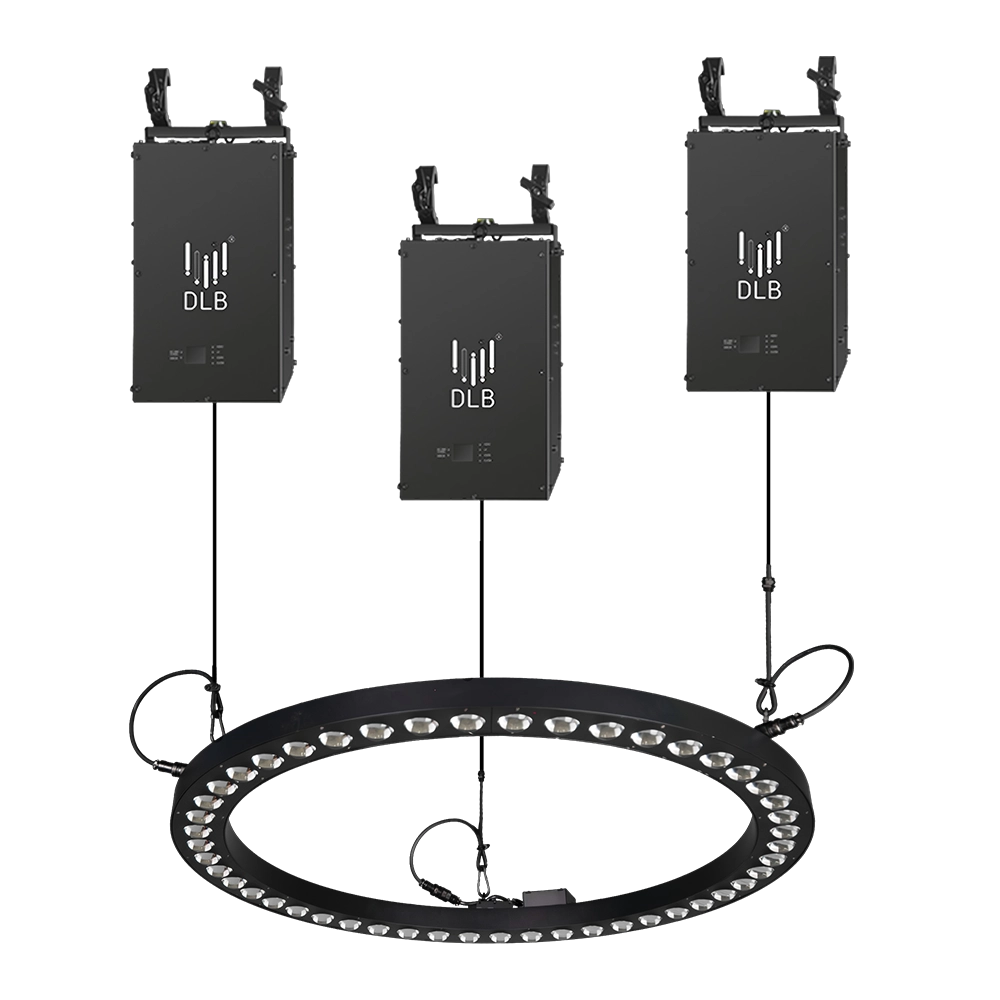
Kinetic Halo Ring——Ideal for a wide range of large-scale events: commercial spaces, TV shows, concerts, nightclubs, and various other settings.
Experience dynamic illumination with the FENG-YI Kinetic Halo Ring. This versatile kinetic light is perfect for large-scale events—commercial spaces, TV shows, concerts, and nightclubs—delivering stunning kinetic ring light effects that captivate every audience.
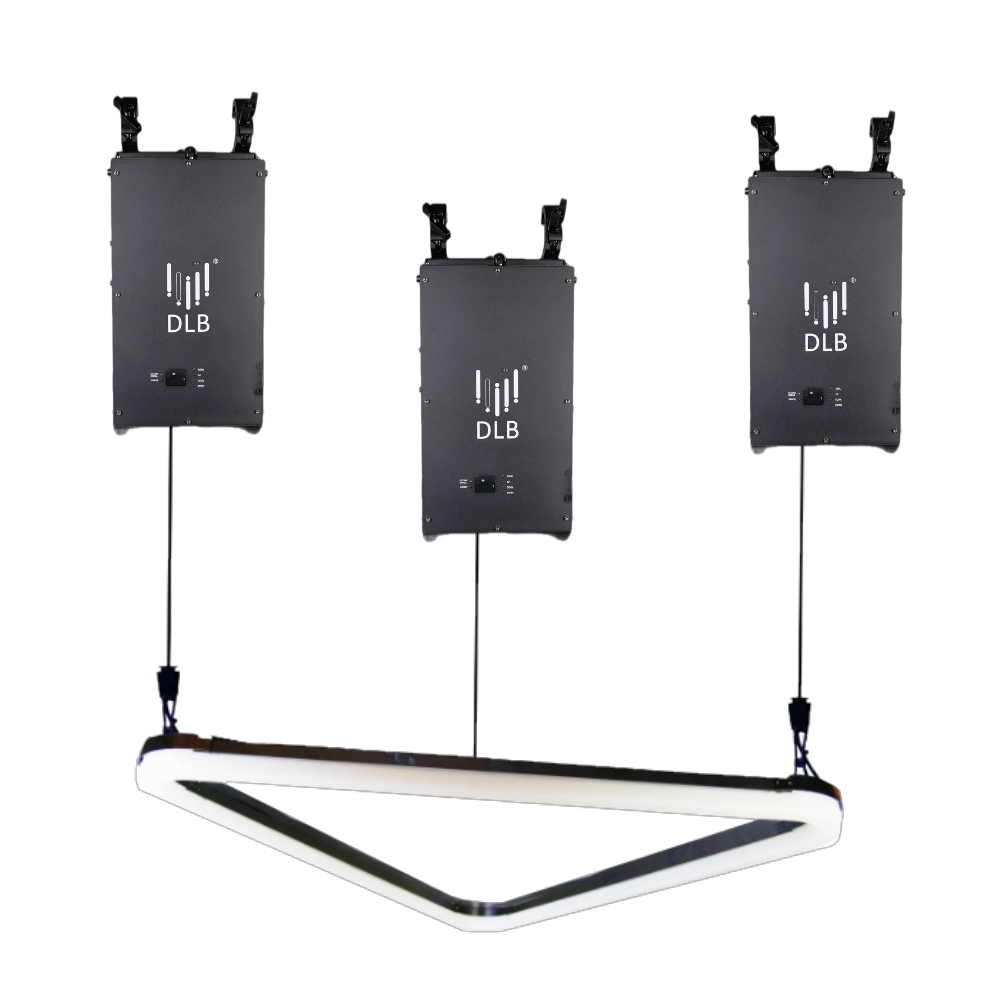
Kinetic Arc Light——Ideal for a wide range of large-scale events: commercial spaces, TV shows, concerts, nightclubs, and various other settings.
FENG-YI’s Kinetic Arc Light is a kinetic triangle LED light panel designed for large-scale events. Perfect for commercial spaces, TV shows, concerts, and nightclubs, it delivers dynamic lighting effects that captivate audiences and elevate any setting. Ideal kinetic light solution.
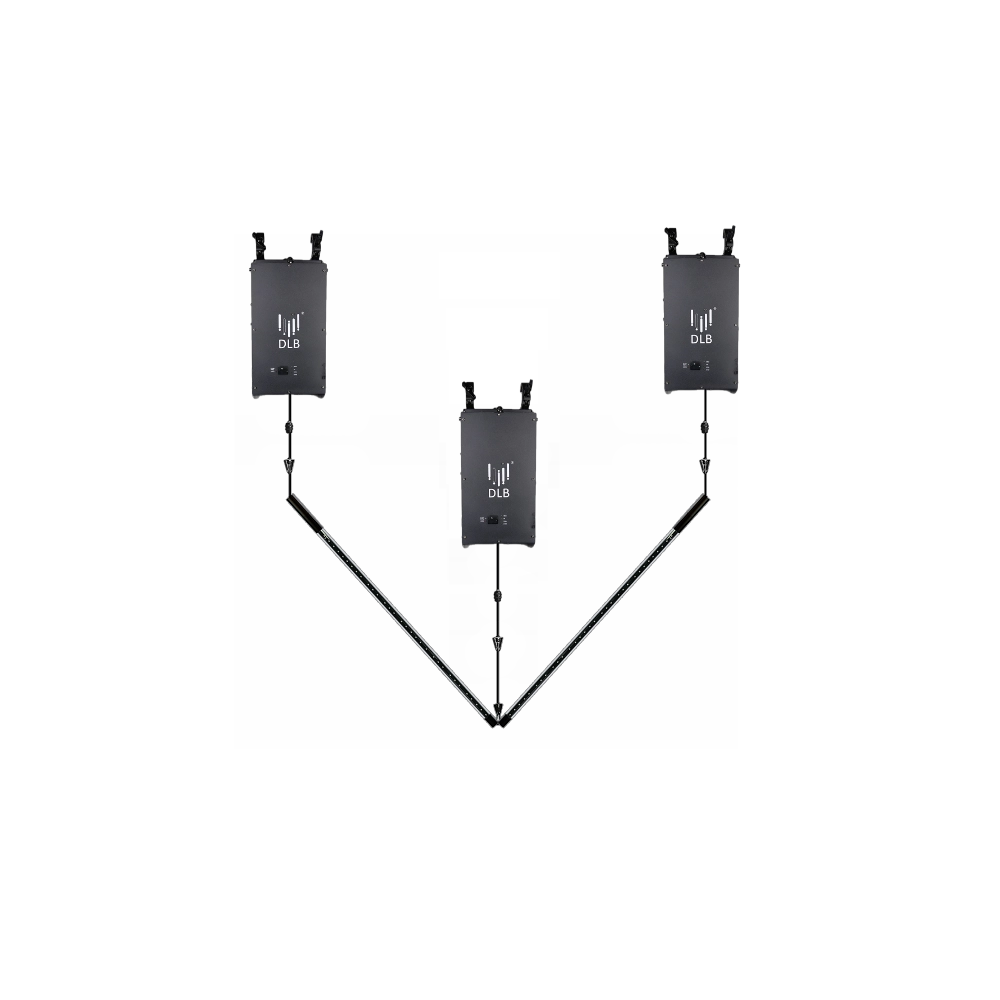
Kinetic Double Rod——Ideal for a wide range of large-scale events: commercial spaces, TV shows, concerts, nightclubs, and various other settings.
FENG-YI’s Kinetic Double Rod delivers dynamic kinetic light effects ideal for large-scale events—from concerts and nightclubs to TV shows and commercial spaces. Elevate your setup with this versatile kinetic light rod, designed for stunning visual impact and seamless integration.
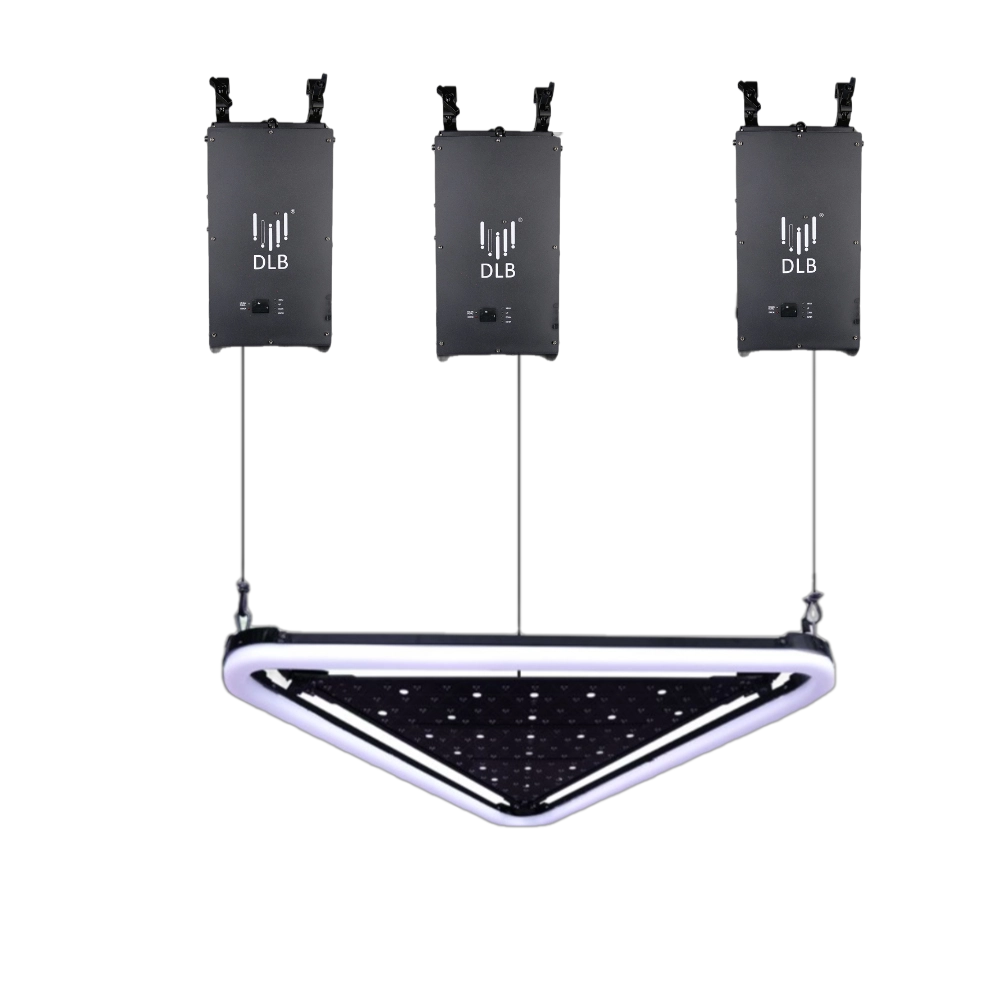
Kinetic Arc Panel——Ideal for a wide range of large-scale events: commercial spaces, TV shows, concerts, nightclubs, and various other settings.
FENG-YI’s Kinetic Arc Panel features dynamic kinetic light technology with kinetic triangle LED light panels, perfect for enhancing large-scale events like concerts, TV shows, nightclubs, and commercial spaces. Elevate your visual experience with innovative, high-impact lighting solutions.
Want to learn more about the latest updates?
Have questions or ready to illuminate your project? Reach out to our expert team today.
Rest assured that your privacy is important to us, and all information provided will be handled with the utmost confidentiality.
By clicking "Send your message," I agree to your processing my personal data.
To see how to withdraw your consent, how to control your personal data, and how we process it, please see our Privacy Policy and Terms of Use.

FENG-YI has been continuously innovating and has grown into a Kinetic Lights Manufacturer and solution provider with unique advantages.
Contact
+86 181 2785 5301
Address
Building 5, No. 34, Fuyuan Road, Jinghu IndustrialZone, Xinhua Town, Huadu District, Guangzhou, China.
© 2025 FENG-YI. All Rights Reserved.
Facebook
Instagram
YouTube
TikTok