










Top kinetic light artists and inspiring works
A deep look at leading kinetic lights artists, their signature works, the technologies that power moving light installations, and practical guidance for commissioning or buying kinetic lights. Includes a comparative table of notable works, FAQs, and how FENG-YI supports large-scale kinetic lighting projects.
- Top Kinetic Light Artists and Inspiring Works
- What we mean by kinetic lights
- Why kinetic lights matter for public spaces and performance
- Leading figures in kinetic light art — individuals and studios
- James Turrell — light as architectural experience
- Olafur Eliasson — large-scale luminous environments
- Rafael Lozano-Hemmer — interactive kinetic lights and public engagement
- Christopher Bauder (WHITEvoid) — engineered choreography of light and motion
- Jim Campbell — low-resolution light motion and perception
- Daniel Rozin — mechanical mirrors and responsive light
- Daan Roosegaarde — sculptural light and social scale
- Comparative table of noteworthy kinetic light works
- Technologies and software that enable kinetic lights
- Motion systems and rigging
- Lighting hardware and LED control
- Software ecosystems: content, control, and visualization
- Safety, redundancy, and maintenance considerations
- How to commission or buy kinetic lights for spaces
- Define artistic goals and usage scenarios
- Budgeting and lifecycle costs
- Partnering with experienced providers
- FENG-YI: A partner for large-scale kinetic lights solutions
- FENG-YI advantages and core products
- Practical tips: designing for longevity and impact
- Choose modular components
- Test choreography in simulation
- Train local technicians
- FAQ — Frequently Asked Questions about kinetic lights
- 1. What is the typical lifecycle of a kinetic light installation?
- 2. How energy-efficient are kinetic lights?
- 3. Can kinetic lights be synchronized with live shows?
- 4. What safety certifications should I require?
- 5. How interactive can kinetic lights be?
- 6. How do I estimate the budget for a kinetic-light project?
- Contact and next steps — inquire about products and project services
- Sources and references
Top Kinetic Light Artists and Inspiring Works
What we mean by kinetic lights
Kinetic lights describe artworks and installations in which light is not static but moves, changes, or is mechanized and/or responsive. This can include motor-driven moving luminaires, arrays of LEDs that animate to create apparent motion, suspended illuminated objects that swing or translate, and interactive systems that change light behavior in response to sensors, data feeds, or audience interaction. Artists and studios working in this field combine choreography, lighting control protocols (DMX, Art-Net), motion control, and software-driven visuals to shape time-based experiences.
Why kinetic lights matter for public spaces and performance
Kinetic lights translate scale, rhythm, and interactivity into legible narratives for audiences. They can transform façades, stages, and public plazas into dynamic canvases that evolve throughout a performance, event, or day. For architects, producers, and venue operators, kinetic light systems create memorable moments that encourage longer dwell time, social sharing, and repeat visitation. From a commercial perspective, kinetic lights are also used to differentiate brands, create immersive theatrical set pieces, and generate bespoke show content.
Leading figures in kinetic light art — individuals and studios
James Turrell — light as architectural experience
James Turrell is often cited as a pioneer in treating light as a primary material rather than an effect. His ongoing Roden Crater project and major museum installations (e.g., Aten Reign at the Guggenheim, 2013) use carefully controlled illumination, color shifts, and architectural apertures to produce moving perceptual experiences. While not always kinetic in the mechanical sense, Turrell's controlled temporal shifts and immersive light spaces have directly influenced the language of kinetic light design.
Olafur Eliasson — large-scale luminous environments
Olafur Eliasson’s projects, notably The Weather Project (Tate Modern, 2003), deploy powerful light sources and atmospheric effects to create environments where light is perceived as a physical presence. Eliasson’s team frequently integrates moving components, reflective surfaces, and timed changes to encourage public interaction — a strong reference for designers building large kinetic-light spectacles.
Rafael Lozano-Hemmer — interactive kinetic lights and public engagement
Rafael Lozano-Hemmer builds interactive, data-driven kinetic light works such as Pulse Room (2006) and Vectorial Elevation (2006), where the public’s biological signals or inputs drive thousands of light elements. His practice demonstrates how interactivity and real-time data can be used to choreograph kinetic lights at urban scale—useful inspiration for civic lighting projects and experiential marketing campaigns.
Christopher Bauder (WHITEvoid) — engineered choreography of light and motion
Christopher Bauder’s studio WHITEvoid is recognized for combining motion systems, light spheres, and immersive sound to produce kinetic installations. Works like SKALAR integrate suspended illuminated spheres that move in precisely timed sequences. WHITEvoid’s practice is instructive for companies seeking tightly synchronized kinetic-light choreography across hundreds of moving fixtures.
Jim Campbell — low-resolution light motion and perception
Jim Campbell uses LED matrices and custom firmware to create low-resolution moving portraits and scenes that rely on motion and light to trigger perception. His approach demonstrates how reduced visual information combined with motion can produce compelling kinetic-light experiences, ideal for sites with budget or mounting constraints where full-resolution video is impractical.
Daniel Rozin — mechanical mirrors and responsive light
Daniel Rozin’s mechanical mirrors (e.g., PomPom Mirror) and kinetic installations pair motorized moving elements with light and sensors for tactile interactivity. Rozin’s work exemplifies the marriage of precise mechanics and responsive lighting, a model many kinetic-light manufacturers follow when creating tactile, up-close installations.
Daan Roosegaarde — sculptural light and social scale
Daan Roosegaarde creates sculptural, dynamic installations such as Waterlicht (a large-scale LED-based illumination of landscapes) that blend environmental narrative with kinetic lighting effects. Roosegaarde’s projects often emphasize experience design and storytelling through light movement and scale, useful for cultural institutions and brand installations.
Comparative table of noteworthy kinetic light works
The table below summarizes select artists, signature works, year (or period), and primary techniques used. Sources for this table are listed at the end of the article.
| Artist / Studio | Work | Year | Primary techniques |
|---|---|---|---|
| James Turrell | Aten Reign (Guggenheim) | 2013 | Architectural light fields, programmed color transitions |
| Olafur Eliasson | The Weather Project (Tate Modern) | 2003 | Large-scale light source, haze, reflective surfaces |
| Rafael Lozano-Hemmer | Pulse Room | 2006 | Interactive bulbs, biometric input, real-time choreography |
| Christopher Bauder / WHITEvoid | SKALAR (suspended light spheres) | 2010s | Motorized rigging, DMX/Art-Net, LED spheres, sound-sync |
| Jim Campbell | Scattered Light / LED arrays | 2000s–present | Custom LED matrices, low-res motion, algorithmic control |
| Daniel Rozin | Mechanical Mirrors (PomPom Mirror) | 1990s–2010s | Motorized elements, sensors, responsive light effects |
Note: Years given indicate major public presentations and can span multiple exhibitions. Source references are at the end of the article.
Technologies and software that enable kinetic lights
Motion systems and rigging
Kinetic-light installations rely on robust motion hardware: winches, servo motors, linear actuators, and automated hoist systems designed for repeated, precise movement. Choosing the correct motor type and safety-rated rigging is essential for long-term reliability and audience safety.
Lighting hardware and LED control
Modern kinetic lights use LED fixtures, pixel-mapped LED spheres, and addressable LED strips. Protocols such as DMX512, Art-Net, and sACN are common for low-latency control. For high-density pixel control and generative visuals, systems often integrate LED drivers with dedicated media servers.
Software ecosystems: content, control, and visualization
Software tools manage choreography, media playback, and live control. Examples include Madrix (pixel mapping and effects), TouchDesigner (real-time visual programming), and custom control stacks built on OSC or MIDI. Notably, Madrix is well-integrated into professional kinetic-light workflows due to its ability to handle complex pixel mapping and real-time effects for large LED installations.
Safety, redundancy, and maintenance considerations
Engineers specify safety factors, emergency stop systems, and redundant cable paths for moving installations. Predictive maintenance (scheduled inspections, log-based wear analysis) reduces downtime—an important consideration for commercial venues where shows are frequent.
How to commission or buy kinetic lights for spaces
Define artistic goals and usage scenarios
Start by specifying whether the installation is primarily for spectacle (façade/skyline impact), interaction (audience-driven change), or functional choreography for performance. Each objective drives design choices: pixel density, speed and range of motion, and environmental protection ratings (IP65+ for outdoors).
Budgeting and lifecycle costs
Beyond initial purchase, account for control hardware, software licenses, installation labor, rigging, and ongoing maintenance. Kinetic-light systems require mechanical upkeep, software updates, and occasionally replacement of moving parts—budgeting 10–20% of the initial investment annually for maintenance is a practical rule of thumb for public, high-use installations.
Partnering with experienced providers
Choose suppliers who combine creative design and engineering. Proven experience with large-scale projects reduces risk. Ask providers for case studies, reference installations, maintenance plans, and software training. Providers that can offer both on-site commissioning and remote programming support reduce project friction.
FENG-YI: A partner for large-scale kinetic lights solutions
Since its establishment in 2011, FENG-YI has been continuously innovating and has grown into a creative kinetic light manufacturing service provider with unique advantages. The company is committed to exploring new lighting effects, new technologies, new stage designs, and new experiences. Through professional Kinetic Light art solutions, we empower emerging performance spaces, support the development of new performance formats, and meet the diverse needs of different scenarios.
Located in Huadu District, Guangzhou, the company currently has 62 employees, including an 8-member professional design team and 20 highly experienced technical service staff. FENG-YI has become a High Quality user of Madrix software in mainland China, offering both on-site installation & programming as well as remote technical guidance services for Kinetic Light projects.
With a total area of 6,000㎡, FENG-YI owns China’s largest 300㎡ art installation exhibition area and operates 10 overseas offices worldwide. Our completed Kinetic Light projects have successfully reached over 90 countries and regions, covering television stations, commercial spaces, cultural tourism performances, and entertainment venues.
Today, FENG-YI is recognized as a leading kinetic lights scene solution provider in the industry, delivering innovative lighting experiences that integrate technology and creativity.
FENG-YI advantages and core products
FENG-YI combines design, manufacturing, and service to deliver turnkey kinetic-light systems. Core products include motorized LED sphere arrays, pixel-mapped façade solutions, DMX/Art-Net control cabinets, and bespoke kinetic fixtures. Advantages include a strong in-house design team, extensive installation experience, and advanced software competency (Madrix), which together reduce commissioning time and produce reliable, repeatable performances across venues and climates.
Practical tips: designing for longevity and impact
Choose modular components
Design with replaceable modules—motors, LED units, and rigging interfaces—so repairs are fast and inexpensive. Modular design reduces show interruptions and saves on inventory costs.
Test choreography in simulation
Use visualization software or small-scale mockups to validate motion ranges and lighting scenes before full-scale installation. Simulation helps resolve sightlines, shadowing, and timing problems early.
Train local technicians
Plan for operator and maintenance training. Remote support is helpful, but local technicians who understand mechanical and software aspects minimize downtime for live shows.
FAQ — Frequently Asked Questions about kinetic lights
1. What is the typical lifecycle of a kinetic light installation?
With proper design and maintenance, kinetic-light installations can last 10–20 years. Mechanical components such as bearings and cables typically require periodic replacement (every 3–10 years depending on usage and environment).
2. How energy-efficient are kinetic lights?
Modern LED-based kinetic lights are energy-efficient compared to legacy lighting. Energy use depends on pixel density and motion system power consumption. Energy-saving strategies include using LED fixtures, dimming strategies, and scheduling scenes to limit full-brightness periods.
3. Can kinetic lights be synchronized with live shows?
Yes. Kinetic lights are commonly synchronized with music, cues, and live control systems. Integration uses timecode (SMPTE), OSC, MIDI, or dedicated show-control protocols and media servers.
4. What safety certifications should I require?
Ask for CE, UL (or local equivalents), and safety documentation for mechanical systems. Ensure rigging follows local structural codes and that emergency stop and redundancies are specified in the design.
5. How interactive can kinetic lights be?
Very interactive—inputs can include motion sensors, touch, mobile apps, biometric sensors, live data feeds, and networked controls. Interaction complexity depends on budget and the desired user experience.
6. How do I estimate the budget for a kinetic-light project?
Budgets vary widely. Small interactive pieces may start in the low tens of thousands USD; large public façade or theatre systems can range from hundreds of thousands to millions. Factor design, hardware, software licenses, installation, and maintenance into total cost.
Contact and next steps — inquire about products and project services
If you are planning a performance, public-art project, or venue upgrade and want to integrate kinetic lights, contact FENG-YI for project consulting, on-site installation, programming, or remote technical guidance. Our team can provide feasibility studies, 3D simulations, control-system proposals, and lifecycle support.
To get started: request a project quote or view our kinetic lighting product catalog through our customer service team. We offer both turnkey and modular solutions to fit diverse budgets and creative briefs.
Sources and references
The following sources were consulted for artist histories, notable works, and technical practices:
- The Museum of Modern Art (MoMA) artist pages and exhibition catalogs
- Tate Modern exhibition archives (Olafur Eliasson, The Weather Project)
- Guggenheim Museum exhibition materials (James Turrell, Aten Reign)
- Rafael Lozano-Hemmer official artist website and exhibition notes
- WHITEvoid / Christopher Bauder project documentation and studio publications
- Jim Campbell artist publications and gallery texts
- Daniel Rozin project documentation
- Daan Roosegaarde studio publications
- Madrix software technical documentation and pixel-mapping use cases
For vendor selection, safety standards, and engineering practices, standard references include structural rigging codes, UL/CE certification guides, and industry best-practice documents on theatrical rigging and lighting control.
Contact CTA: For consultation or to view FENG-YI kinetic lighting products and case studies, please contact our customer service team to request a quote or schedule a presentation.
Tags
kinetic chandelier lighting
kinetic chandelier lighting
380W dustproof and waterproof sealed beam lamp
380W dustproof and waterproof sealed beam lamp
Kinetic Beam Ball
Kinetic Beam Ball
Kinetic Cloud-shaped lamp
Kinetic Cloud-shaped lamp
Kinetic light sculpture
Kinetic light sculpture
led kinetic lighting lifting ball light
led kinetic lighting lifting ball light
Recommended for you
Troubleshooting common kinetic light problems
Retrofit Waterproof Profile Light Options for Renovations
Best kinetic lighting installations in public art
Buying guide: choosing kinetic light fixtures
Prdoucts Categories
Question you may concern
Products
The fixture does not respond to the DMX controller. How to fix it?
Resolve with these checks:
1. DMX Address & Channels: Ensure the fixture’s starting address is correct (e.g., 34CH fixture 1: A001, fixture 2: A035) and the controller’s channel count ≥ total fixture channels.
2. Signal Wiring: Use shielded twisted-pair DMX cables (≤150m); install a 120Ω terminal resistor between pins 2-3 of the last fixture’s XLR connector.
3. Signal Amplification: For cable lengths >150m, add a DMX signal amplifier to avoid signal loss; separate DMX cables from high-voltage power cables (≥1m apart) to prevent interference.
The cutting blades do not move linearly. How to troubleshoot?
Fix with these steps:
1. Channel Check: Ensure the correct cutting channel (e.g., Cut 1: CH24) is selected on the controller; set the channel value to 100-255 (0=no movement).
2. Motor Calibration: Enter "Factory Settings → Motor Calibration → Cut 1" and adjust the offset (-128~+127) to compensate for mechanical errors.
3. Mechanical Blockage: Power off the fixture and check if debris (dust, wire) is blocking the blade’s travel path; clean the path with a soft brush and re-test.
Customization/OEM Services
What customization services can you provide? For example, adjustments to appearance, functions, or parameters.
Multi-dimensional customization is supported:
▪ Appearance customization: Lamp housing colors (e.g., in addition to black and silver, exclusive brand colors can be customized), and laser engraving of the brand logo on the body.
▪ Function customization: Adjustment of channel modes (e.g., adding exclusive light control channels), adaptation of light control protocols (e.g., compatibility with the customer's own central control system), and special scenario functions (e.g., increasing the waterproof level of outdoor models to IP65).
▪ Parameter customization: Extended stroke of elevating lights (default 0-5 meters, customizable up to 10 meters), adjustment of the beam angle of conventional lights (e.g., custom 15° narrow beam angle for PAR lights).
What is the minimum order quantity (MOQ) for OEM services? What materials need to be provided?
The MOQ for OEM services varies by product type: ≥ 50 units for a single model of conventional lights, and ≥ 20 units for a single model of large equipment such as elevating lights/moving head lights. The following materials need to be provided: the brand trademark registration certificate (or authorization letter), and vector graphics of the OEM logo (AI format is preferred). If modifications to the product manual content (e.g., brand information, contact details) are required, the final version of the text materials must be provided.
You may also like
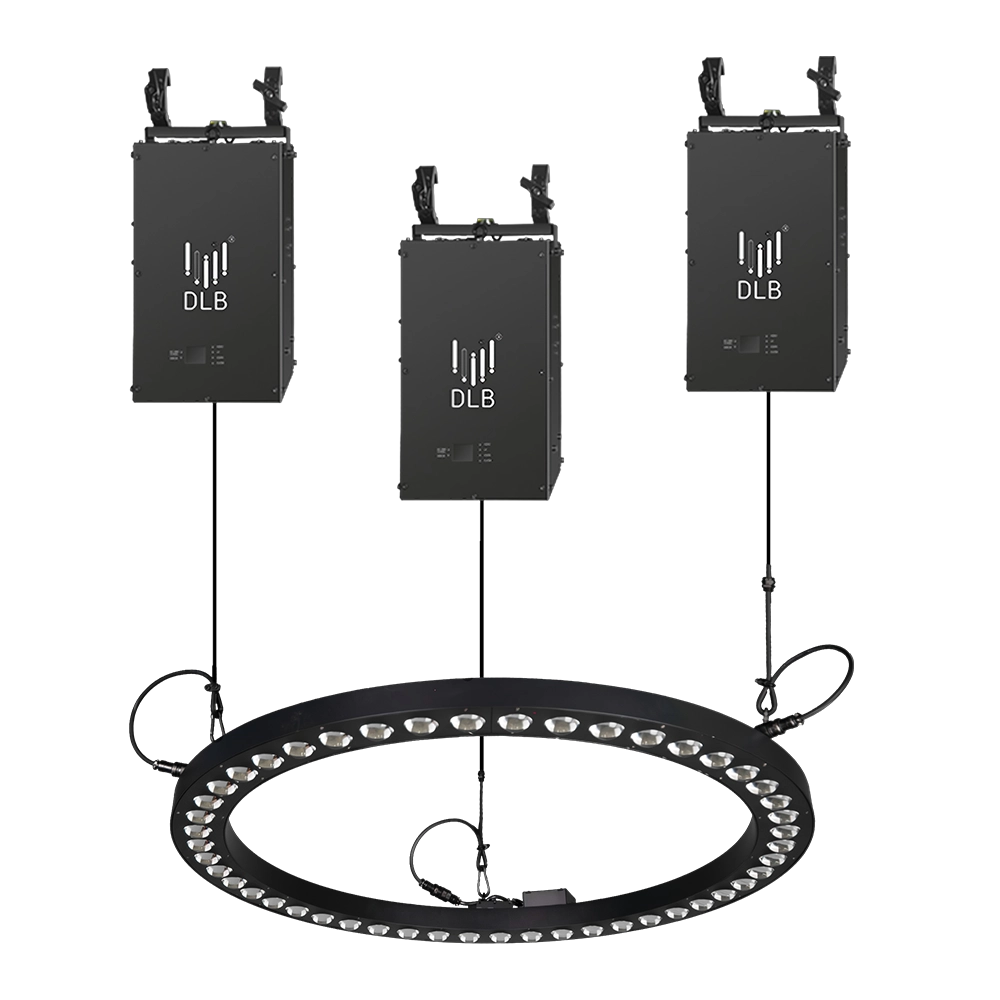
Kinetic Halo Ring——Ideal for a wide range of large-scale events: commercial spaces, TV shows, concerts, nightclubs, and various other settings.
Experience dynamic illumination with the FENG-YI Kinetic Halo Ring. This versatile kinetic light is perfect for large-scale events—commercial spaces, TV shows, concerts, and nightclubs—delivering stunning kinetic ring light effects that captivate every audience.
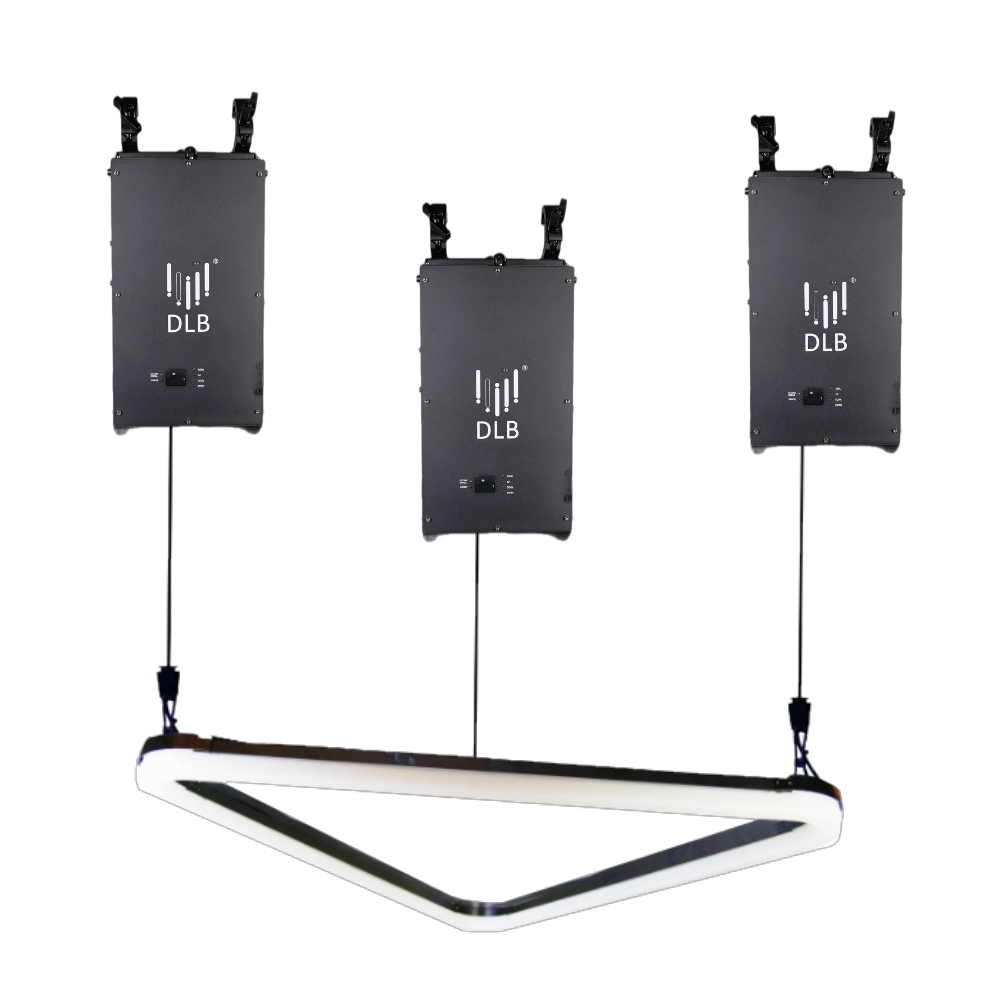
Kinetic Arc Light——Ideal for a wide range of large-scale events: commercial spaces, TV shows, concerts, nightclubs, and various other settings.
FENG-YI’s Kinetic Arc Light is a kinetic triangle LED light panel designed for large-scale events. Perfect for commercial spaces, TV shows, concerts, and nightclubs, it delivers dynamic lighting effects that captivate audiences and elevate any setting. Ideal kinetic light solution.
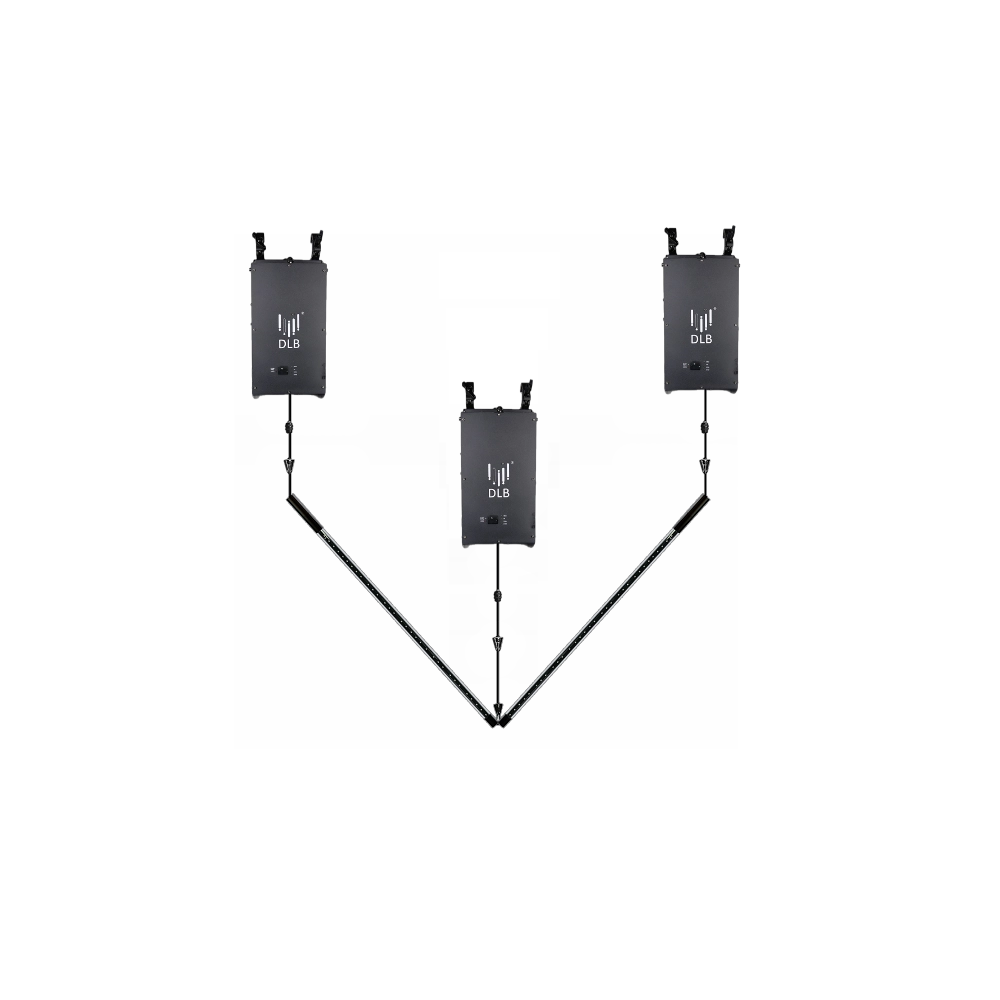
Kinetic Double Rod——Ideal for a wide range of large-scale events: commercial spaces, TV shows, concerts, nightclubs, and various other settings.
FENG-YI’s Kinetic Double Rod delivers dynamic kinetic light effects ideal for large-scale events—from concerts and nightclubs to TV shows and commercial spaces. Elevate your setup with this versatile kinetic light rod, designed for stunning visual impact and seamless integration.
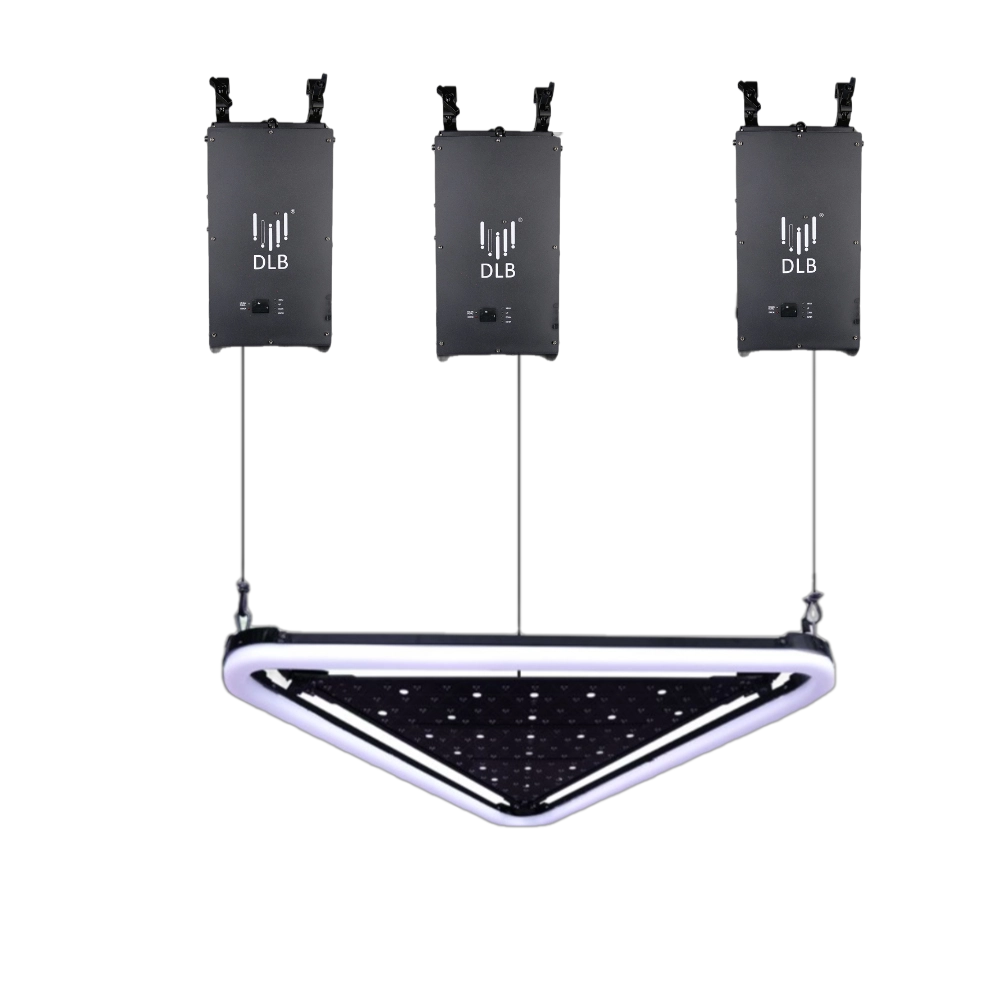
Kinetic Arc Panel——Ideal for a wide range of large-scale events: commercial spaces, TV shows, concerts, nightclubs, and various other settings.
FENG-YI’s Kinetic Arc Panel features dynamic kinetic light technology with kinetic triangle LED light panels, perfect for enhancing large-scale events like concerts, TV shows, nightclubs, and commercial spaces. Elevate your visual experience with innovative, high-impact lighting solutions.
Want to learn more about the latest updates?
Have questions or ready to illuminate your project? Reach out to our expert team today.
Rest assured that your privacy is important to us, and all information provided will be handled with the utmost confidentiality.
By clicking "Send your message," I agree to your processing my personal data.
To see how to withdraw your consent, how to control your personal data, and how we process it, please see our Privacy Policy and Terms of Use.

FENG-YI has been continuously innovating and has grown into a Kinetic Lights Manufacturer and solution provider with unique advantages.
Contact
+86 181 2785 5301
Address
Building 5, No. 34, Fuyuan Road, Jinghu IndustrialZone, Xinhua Town, Huadu District, Guangzhou, China.
© 2025 FENG-YI. All Rights Reserved.
Facebook
Instagram
YouTube
TikTok