










Sustainable and eco-friendly kinetic lighting materials
A practical guide to selecting sustainable materials and strategies for kinetic lighting. Covers energy-efficient LEDs and controls, recyclable structural materials, biopolymers, coatings, design-for-disassembly, certifications, lifecycle cost comparisons, and how FENG-YI delivers eco-conscious kinetic lighting solutions.
- Sustainable and Eco-friendly Kinetic Lighting Materials — kinetic lighting
- Why sustainable materials matter for kinetic lighting solutions
- Energy-efficient components: LEDs and smart controls in kinetic lighting products
- Structural choices: aluminum, stainless steel and recycled plastics for kinetic lighting solutions
- Biobased and recyclable polymers for kinetic lighting products
- Surface finishes and coatings that reduce environmental impact in kinetic lighting installation
- Design for disassembly and circularity in kinetic lighting solutions
- Testing, standards and certifications for eco-friendly kinetic lighting products
- Cost vs sustainability: lifecycle cost comparisons for buyers of kinetic lighting
- FENG-YI: Leading provider of sustainable kinetic lighting solutions
- How to choose and buy kinetic lighting products
- Installation, maintenance and end-of-life management for sustainable kinetic lighting solutions
- FAQ — Sustainable and eco-friendly kinetic lighting
- Contact us / See products — buy kinetic lighting
- Sources and references
Sustainable and Eco-friendly Kinetic Lighting Materials — kinetic lighting
Why sustainable materials matter for kinetic lighting solutions
Kinetic lighting combines movement, light and control to create dynamic environments. As these systems become more widespread in entertainment, commercial and public installations, choosing sustainable materials is essential to reduce embodied carbon, minimize waste, and lower operating costs. Sustainable choices in kinetic lighting solutions not only improve environmental performance but also increase project longevity and reduce total cost of ownership for buyers of kinetic lighting.
Energy-efficient components: LEDs and smart controls in kinetic lighting products
At the heart of eco-friendly kinetic lighting products are high-efficiency light sources and intelligent controls. Modern LEDs use significantly less energy than legacy lamps and can be precisely dimmed, color-tuned and networked with motion or occupancy algorithms to reduce wasted light. According to the US Department of Energy, LEDs can use at least 75% less energy and last up to 25 times longer than incandescent sources, which translates directly into lower energy consumption and maintenance for kinetic lighting installations.
Smart control systems—DMX, Art-Net, sACN, and proprietary platforms—enable scene orchestration that minimizes on-time for high-power states and uses motion profiles to avoid unnecessary illumination. When selecting kinetic lighting solutions, insist on high-quality LED engines (tight binning, high CRI where required) and drivers that support dim-to-zero and remote diagnostics to extend service life and reduce replacement frequency.
Structural choices: aluminum, stainless steel and recycled plastics for kinetic lighting solutions
Structural materials determine weight, strength, recyclability and embodied energy. Aluminum and stainless steel are commonly used in kinetic light frames and mechanical elements because they provide high strength-to-weight ratios and excellent durability. Recycled and post-consumer plastics are increasingly used for lightweight diffusers, housings and decorative elements in kinetic lighting products to lower embodied carbon and support circularity.
Choosing materials for kinetic lighting solutions should be driven by the intended lifecycle: temporary installations may favor low-cost, recyclable plastics; permanent installations should prioritize durable metals with defined recycling streams. Below is a concise comparison to help specifiers and buyers of kinetic lighting evaluate options.
| Material | Recyclability | Durability | Typical Use in Kinetic Lighting | Environmental Notes |
|---|---|---|---|---|
| Aluminum | Highly recyclable (recycling saves up to ~95% energy vs primary) | Excellent; lightweight | Frames, arms, brackets | Low weight reduces transport emissions; well-established recycling |
| Stainless steel | High recyclability | Very high; corrosion-resistant | Joints, bearings, load-bearing elements | Long life but heavier; recycling common |
| PET/PETG (recycled) | Recyclable where collection exists | Good; impact resistant | Diffusers, decorative panels | Lower embodied energy if recycled content used |
| PLA (bioplastic) | Industrial composting needed | Moderate; heat sensitivity | Prototypes, temporary decorative parts | Biobased but not always suitable for long-term outdoor use |
Sources for table data: Aluminum Association; European Bioplastics; industry material datasheets.
Biobased and recyclable polymers for kinetic lighting products
Polymers offer design flexibility and weight savings. PET (polyethylene terephthalate) and PETG are common choices for diffusers and light guides: they have good optical clarity, are lightweight and can be sourced with recycled content. Bioplastics such as PLA (polylactic acid) provide a renewable raw material option, but they require industrial composting to biodegrade properly and may have limited thermal stability in long-running installations.
For buyers of kinetic lighting, require suppliers to specify recycled content, post-consumer recycling ability, UV and heat resistance, and end-of-life options. Material safety declarations and supplier chain transparency help ensure that the selected polymer aligns with project sustainability goals.
Surface finishes and coatings that reduce environmental impact in kinetic lighting installation
Surface treatment affects durability and environmental performance. Powder coatings are preferred for many kinetic lighting frames because they produce less volatile organic compounds (VOCs) than liquid paints and deliver a durable finish that reduces the need for frequent recoating. Low-VOC liquid coatings are an alternative when specific colors or textures are required.
For kinetic lighting installation, specifying finishes that extend life and are repairable reduces resource use. Where galvanization or passivation is needed for corrosion resistance, choose methods with controlled effluent treatment and documented environmental controls. When possible, avoid heavy metal-containing paints or finishes restricted by RoHS or local environmental standards.
Design for disassembly and circularity in kinetic lighting solutions
Design for disassembly (DfD) is a principle that significantly improves the sustainability profile of kinetic lighting solutions. DfD emphasizes modular fasteners, avoidance of permanent adhesives, standardized connectors and accessible electronics so that components can be repaired, upgraded or recycled separately. This approach reduces waste at end-of-life and enables easier maintenance during operation.
Examples of DfD applied to kinetic lighting products include plug-and-play LED modules, driver units that can be swapped without cutting wires, and mechanical joints that allow easy removal of plastic or textile elements. Specifiers should evaluate product maintenance manuals and ask suppliers for expected serviceability metrics (MTTR—mean time to repair) and availability of spare parts over the projected life.
Testing, standards and certifications for eco-friendly kinetic lighting products
Certifications and compliance demonstrate that kinetic lighting products meet recognized safety and environmental standards. Important certifications to check when procuring kinetic lighting solutions include:
- RoHS and REACH compliance for hazardous substance restrictions
- UL/CE safety listings for electrical safety
- Energy performance labels where applicable (ENERGY STAR for fixtures in some regions)
- ISO 14001 or other environmental management system evidence from manufacturers
Vendors who can provide third-party test reports for driver lifetime (LM-80/TM-21), IP rating verification for weatherproof fixtures, and vibration/fatigue testing for moving systems add credibility and protect long-term performance in kinetic lighting installations.
Cost vs sustainability: lifecycle cost comparisons for buyers of kinetic lighting
Upfront material choices influence both capital expenditure and lifecycle costs. LEDs and smart controls typically require higher initial investment than basic fixtures but deliver lower operating costs due to energy savings and reduced maintenance. A simple lifecycle comparison across a hypothetical 10-year period often favors higher-quality components and repairable mechanical designs when energy, maintenance and replacement are considered.
To illustrate, consider a common metric: energy savings and lifetime. LEDs can reduce energy consumption by up to 75% and have dramatically longer life than incandescent sources; combined with intelligent controls, energy use during inactive or low-intensity movement phases can be reduced further. When evaluating kinetic lighting solutions, include energy modelling and maintenance schedules to quantify payback and total cost of ownership.
FENG-YI: Leading provider of sustainable kinetic lighting solutions
Since its establishment in 2011, FENG-YI has been continuously innovating and has grown into a creative kinetic light manufacturing service provider with unique advantages. The company is committed to exploring new lighting effects, new technologies, new stage designs, and new experiences. Through professional Kinetic Light art solutions, FENG-YI empowers emerging performance spaces, supports the development of new performance formats, and meets the diverse needs of different scenarios.
Located in Huadu District, Guangzhou, the company currently has 62 employees, including an 8-member professional design team and 20 highly experienced technical service staff. FENG-YI has become a High Quality user of Madrix software in mainland China, offering both on-site installation & programming as well as remote technical guidance services for Kinetic Light projects.
With a total area of 6,000㎡, FENG-YI owns China’s largest 300㎡ art installation exhibition area and operates 10 overseas offices worldwide. Our completed Kinetic Light projects have successfully reached over 90 countries and regions, covering television stations, commercial spaces, cultural tourism performances, and entertainment venues.
Today, FENG-YI is recognized as a leading kinetic lights scene solution provider in the industry, delivering innovative lighting experiences that integrate technology and creativity. FENG-YI integrates sustainability into its kinetic lighting solutions by prioritizing repairable mechanical systems, efficient LED engines, and material choices that support recycling and reduced embodied carbon. Core products include motorized kinetic light arrays, modular LED fixtures, programmable controllers and turnkey installation & programming services. The company’s core competitive advantages are end-to-end delivery (design, manufacturing, on-site programming), a professional design and technical service team, and global installation experience that ensures both performance and lifecycle stewardship for clients buying kinetic lighting.
How to choose and buy kinetic lighting products
When you buy kinetic lighting, follow a checklist to align sustainability and performance goals: verify LED and driver specs (efficacy, lifetime, dimming compatibility); request materials declarations (recycled content, recyclability); confirm modularity and spare parts availability; check certifications; and ask for energy modelling based on expected movement profiles. Request case studies showing long-term maintenance experience and, where available, life-cycle assessment (LCA) summaries.
Installation, maintenance and end-of-life management for sustainable kinetic lighting solutions
Sustainable performance extends beyond procurement. Proper installation and preventive maintenance reduce failures and prolong life: use balanced movement programming to avoid unnecessary mechanical stress, inspect moving joints and bearings on a scheduled basis, and keep driver firmware up to date. At end-of-life, disassemble systems into metal, electronic, and polymer fractions and route them to appropriate recycling streams. Work with manufacturers—such as FENG-YI—that provide spare parts, programming support and guidance for responsible disposal or take-back schemes.
FAQ — Sustainable and eco-friendly kinetic lighting
Q: Are kinetic lighting systems energy-efficient?
A: Yes. When combined with high-efficiency LEDs and intelligent controls, kinetic lighting systems can be very energy-efficient. Efficiency depends on component selection, control strategies and movement programming.
Q: Which materials are best for long-lasting kinetic lighting installations?
A: Metals such as aluminum and stainless steel are preferred for structural components due to durability. Use UV-stable polymers or recycled PETG for diffusers when weight savings are important.
Q: Can kinetic lighting be recycled?
A: Many components are recyclable. Metals and many electronics have established recycling streams. Polymers may be recyclable depending on resin type and local facilities. Design for disassembly improves recyclability.
Q: How important are controls for sustainability?
A: Controls are critical. They reduce operating hours, manage intensity, and can prolong component life through optimized movement profiles. Smart control systems multiply energy savings from efficient light sources.
Q: What certification should I ask for when buying kinetic lighting products?
A: Ask for RoHS/REACH compliance, UL or CE safety listings, LED lifetime test reports (LM-80/TM-21), IP ratings for weatherproofing, and any ISO environmental management credentials held by the manufacturer.
Contact us / See products — buy kinetic lighting
If you're interested in sustainable kinetic lighting products or turnkey kinetic lighting solutions, contact FENG-YI for a consultation. We provide project-specific design, on-site installation & programming, and remote technical guidance to ensure systems are efficient, maintainable and aligned with your sustainability goals. Request a product brochure or a pilot demonstration in our 300㎡ exhibition area.
Sources and references
- U.S. Department of Energy (DOE) – LED Lighting Facts and energy-saving statistics
- Aluminum Association – Recycling and energy savings data for aluminum
- European Bioplastics – PLA properties and composting requirements
- International Energy Agency (IEA) – Reports on lighting and energy efficiency
- Industry material datasheets and manufacturer technical specifications (for PETG, stainless steel, coatings)
Tags
Kinetic lights
Kinetic lights
Kinetic Crystal light string
Kinetic Crystal light string
programmable kinetic lighting system
programmable kinetic lighting system
buy kinetic triangle led light panel
buy kinetic triangle led light panel
Kinetic Feather Lamp
Kinetic Feather Lamp
kinetic triangle moving led light panel
kinetic triangle moving led light panel
Recommended for you
Cost estimates for building kinetic light sculptures
What is kinetic lighting? A beginner's guide
Cost and ROI of kinetic lighting for businesses
How to photograph and film kinetic lighting installations
Prdoucts Categories
Question you may concern
Logistics Services
How is the lamp packaging protected? What if damage occurs during transportation?
The packaging adopts three-layer protection: shockproof foam + hard carton + wooden box (for large equipment such as elevating lights). Key parts of the lamp (e.g., moving head light lens, elevating structure) are individually wrapped with EPE foam. If damage occurs during transportation, the customer must take photos (of the damaged packaging and the faulty part of the product) and send them to the logistics department within 24 hours of receipt. We will give priority to reissuing new products (or arranging repairs) and hold the logistics company responsible. The customer does not need to bear additional costs.
Products
What light control modes does the 7-lamp 60W wash light support? Is it compatible with DMX consoles of other brands?
It supports three control modes: DMX512, sound activation, and auto-run. The channels can be selected as 23CH/35CH/51CH (the 51CH mode enables independent R/G/B/W dimming for each individual lamp bead). It complies with the international universal DMX512 protocol and is compatible with mainstream brand consoles (e.g., MA, Good, Pearl consoles). When connecting, it is recommended to connect a 120Ω terminator to the output end of the last light to reduce signal interference.
Wholesale Cooperation
Is there a regional protection policy to avoid competition among multiple wholesalers in the same region?
For prefecture-level cities and above, an "exclusive wholesale cooperation" policy is implemented: If there is already a cooperative wholesaler in a region (with an annual purchase amount of ≥ 300,000 RMB), no second wholesaler of the same type will be developed. For county-level regions, 2-3 wholesalers can be developed based on market demand, but clear sales scopes must be divided (e.g., by town) to avoid vicious competition.
What is the MOQ for wholesale cooperation? Is there a tiered pricing policy?
MOQ for wholesale: ≥ 10 units for a single model of conventional lights, and ≥ 5 units for a single model of elevating lights/moving head lights. Tiered pricing is supported: Taking conventional PAR lights as an example, a 5% discount is offered for 10-50 units, a 10% discount for 51-100 units, and a 15% discount for over 100 units. Specific quotations can be negotiated with the account manager based on the cooperation scale (e.g., annual purchase volume).
You may also like
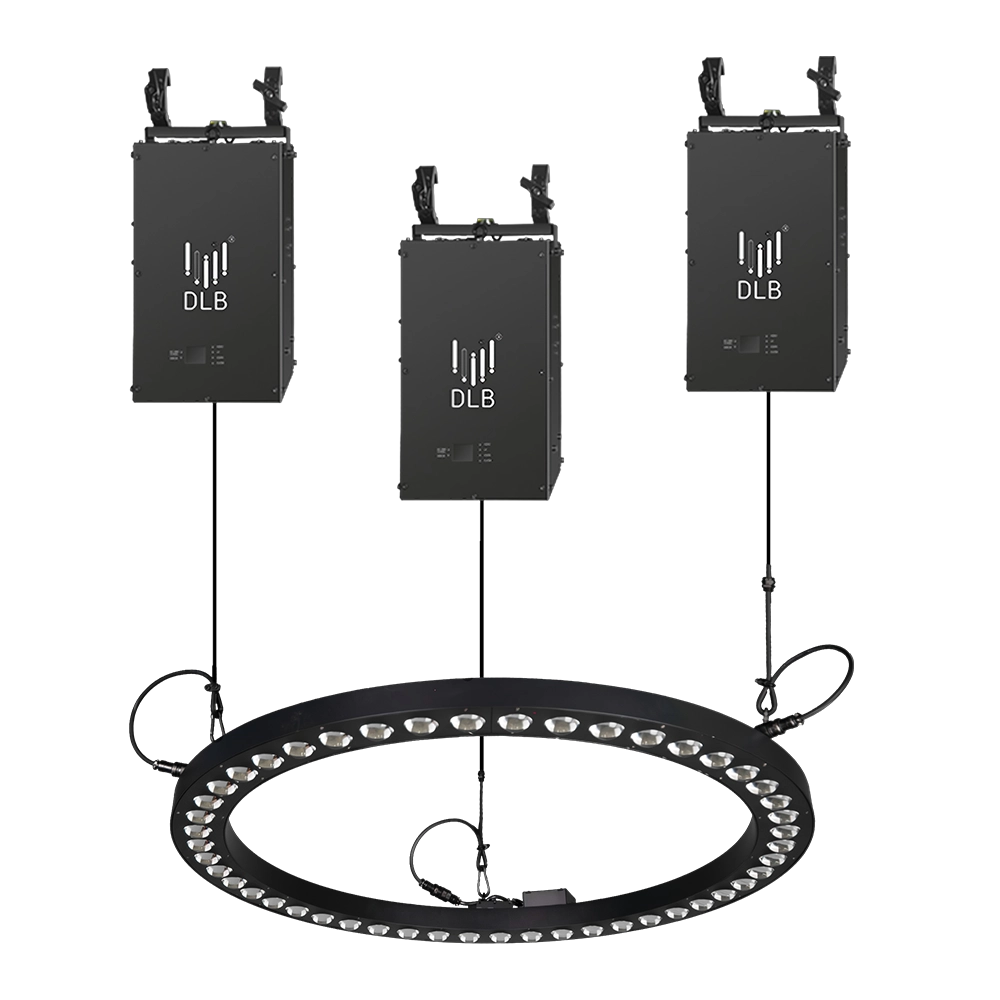
Kinetic Halo Ring——Ideal for a wide range of large-scale events: commercial spaces, TV shows, concerts, nightclubs, and various other settings.
Experience dynamic illumination with the FENG-YI Kinetic Halo Ring. This versatile kinetic light is perfect for large-scale events—commercial spaces, TV shows, concerts, and nightclubs—delivering stunning kinetic ring light effects that captivate every audience.
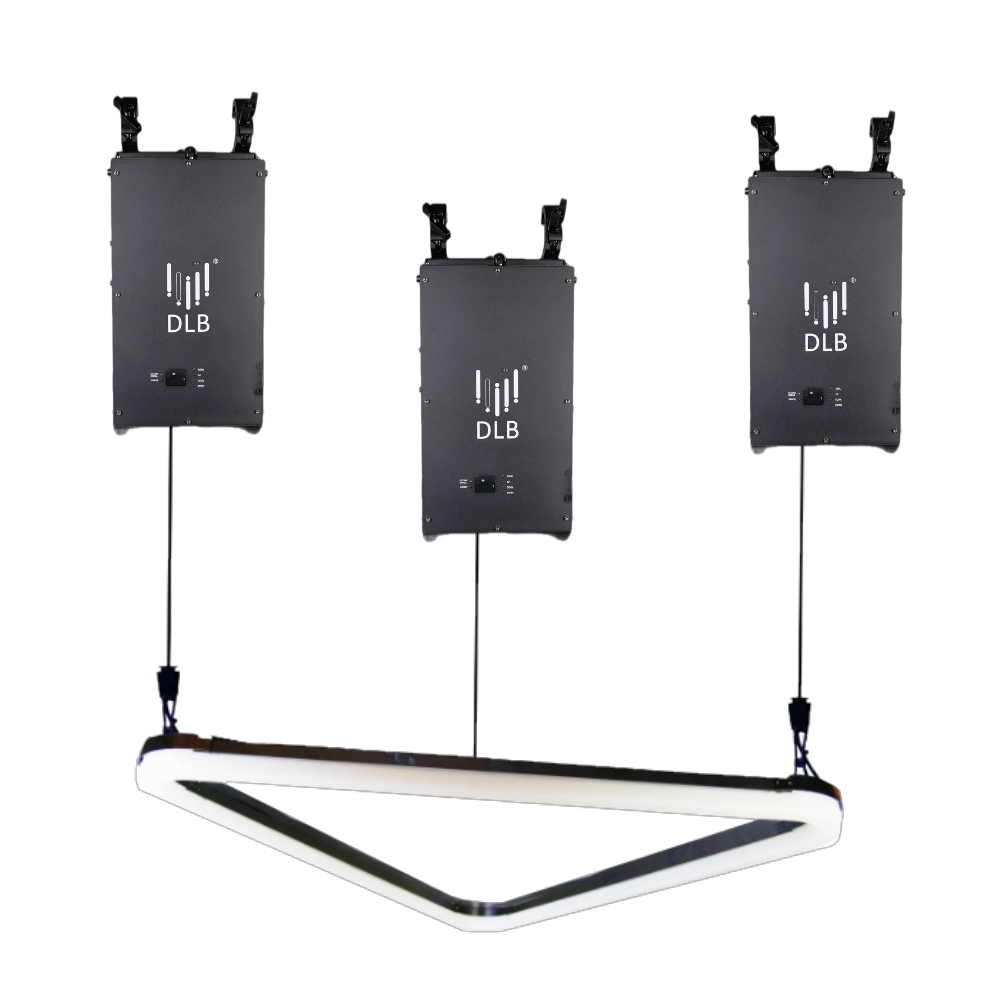
Kinetic Arc Light——Ideal for a wide range of large-scale events: commercial spaces, TV shows, concerts, nightclubs, and various other settings.
FENG-YI’s Kinetic Arc Light is a kinetic triangle LED light panel designed for large-scale events. Perfect for commercial spaces, TV shows, concerts, and nightclubs, it delivers dynamic lighting effects that captivate audiences and elevate any setting. Ideal kinetic light solution.
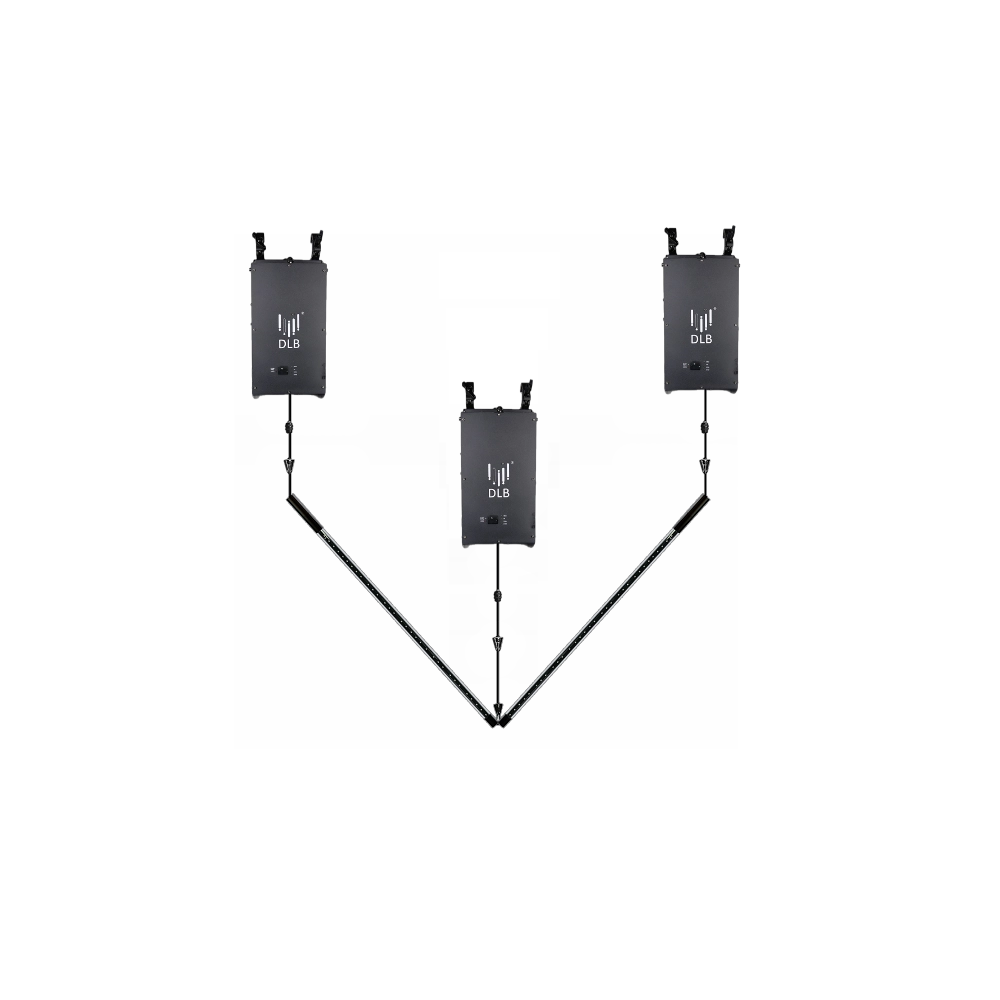
Kinetic Double Rod——Ideal for a wide range of large-scale events: commercial spaces, TV shows, concerts, nightclubs, and various other settings.
FENG-YI’s Kinetic Double Rod delivers dynamic kinetic light effects ideal for large-scale events—from concerts and nightclubs to TV shows and commercial spaces. Elevate your setup with this versatile kinetic light rod, designed for stunning visual impact and seamless integration.
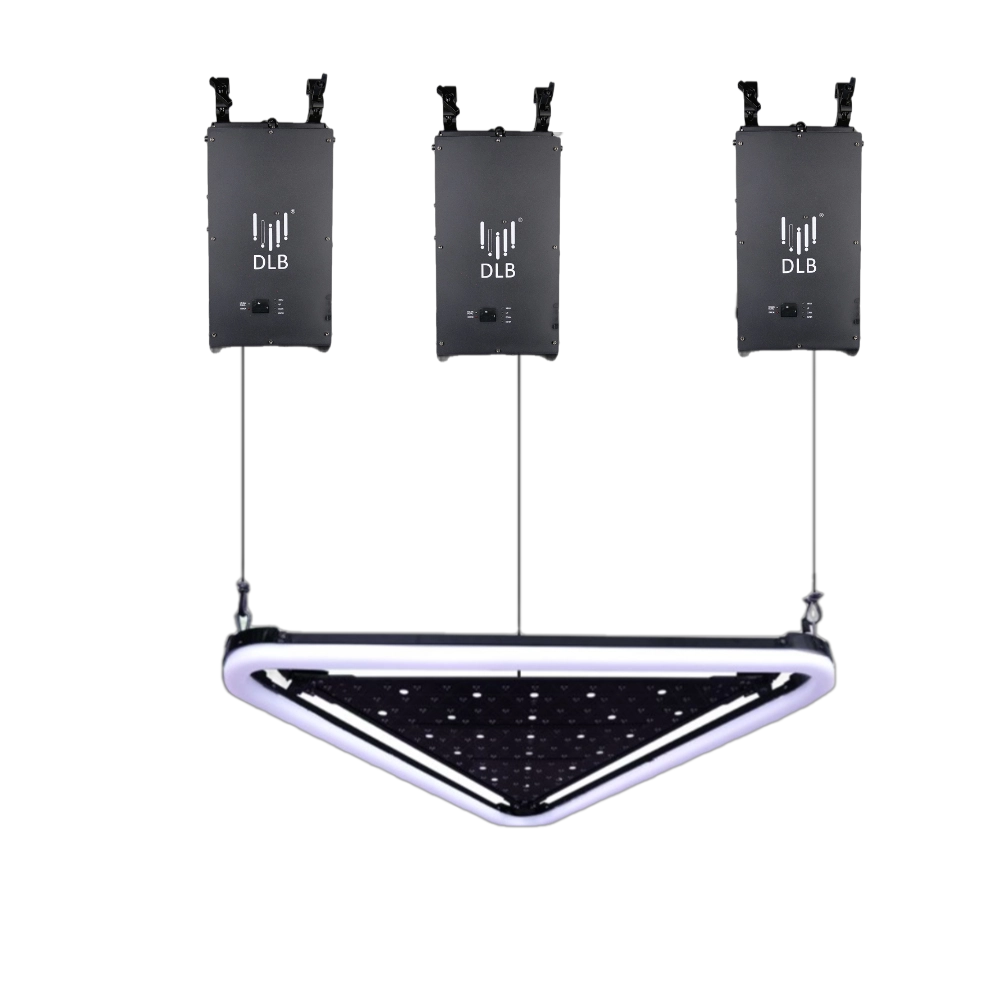
Kinetic Arc Panel——Ideal for a wide range of large-scale events: commercial spaces, TV shows, concerts, nightclubs, and various other settings.
FENG-YI’s Kinetic Arc Panel features dynamic kinetic light technology with kinetic triangle LED light panels, perfect for enhancing large-scale events like concerts, TV shows, nightclubs, and commercial spaces. Elevate your visual experience with innovative, high-impact lighting solutions.
Want to learn more about the latest updates?
Have questions or ready to illuminate your project? Reach out to our expert team today.
Rest assured that your privacy is important to us, and all information provided will be handled with the utmost confidentiality.
By clicking "Send your message," I agree to your processing my personal data.
To see how to withdraw your consent, how to control your personal data, and how we process it, please see our Privacy Policy and Terms of Use.

FENG-YI has been continuously innovating and has grown into a Kinetic Lights Manufacturer and solution provider with unique advantages.
Contact
+86 181 2785 5301
Address
Building 5, No. 34, Fuyuan Road, Jinghu IndustrialZone, Xinhua Town, Huadu District, Guangzhou, China.
© 2025 FENG-YI. All Rights Reserved.
Facebook
Instagram
YouTube
TikTok