










Kinetic lights in architecture: design tips and cases
A practical guide for architects, lighting designers, and integrators on using kinetic lights in architecture. Explains design principles, technical choices, control strategies, installation workflows, cost considerations, sustainability, and real-world case approaches. Includes examples, a comparative table of control approaches, brand introduction of FENG-YI and an FAQ to help project teams plan and deliver kinetic lighting installations.
- Kinetic lights in architecture: design tips and cases
- What are kinetic lights and why they matter in architecture
- Design principles for successful kinetic lights integration
- Technical considerations: hardware, mechanics and lights
- Control strategies and programming for kinetic lights
- Practical design tips: avoiding common pitfalls
- Case examples and applications of kinetic lights in architecture
- Budgeting and lifecycle: cost considerations and ROI
- Sustainability and energy management for kinetic lights
- FENG-YI: an industry partner for kinetic lights scene solutions
- Why choose FENG-YI for kinetic lighting projects
- Capabilities, scale and global reach
- Core products and competitive strengths
- How FENG-YI supports project teams
- Implementation workflow: from brief to maintenance (practical checklist)
- Frequently asked questions (FAQ)
- Contact and view product solutions
- Sources
Kinetic lights in architecture: design tips and cases
What are kinetic lights and why they matter in architecture
Kinetic lights are lighting systems that combine motion—either of light sources, reflectors, or assembled elements—with dynamic light output to create changing spatial experiences. Unlike fixed luminaires, kinetic lights add time and movement as a design dimension, enabling architecture to respond to users, events, or environmental conditions. For architects and lighting designers, properly applied kinetic lights can enhance wayfinding, create memorable façades, animate public spaces, and reinforce brand identity without adding permanent structural elements.
Design principles for successful kinetic lights integration
Integrating kinetic lights into architecture requires balancing aesthetics, engineering, and human factors. Follow these principles when designing a project:
- Start with purpose: Define whether the kinetic element is decorative, informational, interactive, or functional (e.g., crowd management). This determines scale, speed, and control complexity.
- Respect scale and sightlines: Kinetic movement must be visible at intended viewing distances without causing visual discomfort. Consider viewing angles, approach paths, and reflection off neighboring surfaces.
- Prioritize human comfort: Avoid flicker frequencies near 3–70 Hz and rapid lateral motion that can cause discomfort. Slow, smooth motion and gradual light transitions are typically more comfortable for general audiences.
- Coordinate with architecture: Kinetic systems should read as part of the building—align rhythms with structural bays, cladding patterns, or circulation paths to create coherent compositions.
- Plan for maintenance and access: Motion introduces mechanical and electrical complexity. Provide accessible service zones and choose components with predictable lifecycles.
Technical considerations: hardware, mechanics and lights
Technical choices shape reliability and visual quality. Key considerations include:
- Actuation method: Options include motor-driven linear rigging, servo-controlled modules, winch systems, and modular actuators. Choose based on load, precision, and speed needs.
- LED modules and optics: Specify LED sources with stable color temperature (3-step MacAdam or better for critical applications) and lenses that control beam spread. For façade work, narrow beams preserve pattern clarity at distance.
- Weatherproofing and IP rating: Exterior applications require IP65+ for luminaires and robust enclosures for actuators.
- Fastening and structural integration: Define structural anchors early. Dynamic loads from moving elements must be accounted for in structural engineering calculations.
- Safety and compliance: Include fail-safe brakes, redundant cabling for suspended systems, and emergency stop integration with building management systems (BMS).
Control strategies and programming for kinetic lights
Kinetic lighting relies heavily on the control layer for expressiveness and reliability. Consider these approaches:
- Centralized vs distributed control: Centralized servers (DMX/Art-Net/sACN) are good for complex synchronized shows; distributed controllers at the node level reduce single-point failures and network traffic.
- Software selection: Choose software that supports time-code, scripting, and live override. Tools such as Madrix are widely used for pixel-based dynamic lighting and effects; for kinetic motion integration, ensure the control software supports motion cues and physical actuator triggers.
- Sensors and interaction: Add occupancy, daylight, and proximity sensors to create responsive behaviors that save energy and increase engagement.
- Testing and simulation: Create a digital mock-up that simulates both light patterns and motion before on-site commissioning. This reduces rework and accelerates programming time.
Practical design tips: avoiding common pitfalls
Many projects fail in early stages due to mismatched expectations or overlooked details. To mitigate risk:
- Define KPIs early: Visibility distance, expected uptime, average daily cycles of motion, and acceptable maintenance windows should be contractual items.
- Mock-ups: Build a full-scale mock-up for façade or high-impact interior installations. Even a small mock-up helps verify motion readability and shadow behavior.
- Interdisciplinary coordination: Involve lighting, acoustics, structural, and MEP teams from concept phase to avoid late-stage compromises.
- Specify spare parts and service plans: Motion systems wear; include spare motors, controllers, and a maintenance schedule in the tender.
Case examples and applications of kinetic lights in architecture
Kinetic lights suit a range of scenarios. Typical applications include:
- Façade animation: Dynamic lighting that shifts patterns to reflect events or environmental data.
- Interior installations: Ceiling and atrium kinetic sculptures that guide flows or provide theatrical backdrops for performances.
- Commercial signage: Moving arrays that draw attention without being intrusive.
- Cultural and performance spaces: Systems integrated with stage rigging to create dynamic environments that can transform for each show.
Below is a compact comparison of common control approaches to help teams choose an appropriate system.
| Control Approach | Best for | Pros | Cons | Estimated relative cost |
|---|---|---|---|---|
| Centralized server (Art-Net / sACN + DMX) | Large synchronized shows | High sync precision; powerful timeline control | Single-point failure risk without redundancy | High |
| Distributed controllers (edge DMX/LED node) | Scalable façades & redundancy | Reduced cabling; fault tolerance | More complex configuration | Medium |
| Hybrid (local motion controllers + central light server) | Interactive installations | Local motion safety + global visual coordination | Integration complexity | Medium–High |
Sources for control approaches: industry best practices and control product documentation (see sources list).
Budgeting and lifecycle: cost considerations and ROI
Kinetic installations have higher upfront costs than static lighting due to actuators, controls, and structural reinforcement. However, when designed for purpose, they can increase footfall, extend venue programming, and provide marketing value. Typical cost drivers include:
- Mechanics and structural works
- Custom controllers and programming
- Installation access equipment and commissioning time
- Maintenance contracts and spare parts
Estimate ROI by modeling increased dwell time, ticket sales, sponsorship opportunities, or branding value. For public projects, factor in indirect benefits like increased tourism or local business revenue.
Sustainability and energy management for kinetic lights
Sustainability should be embedded in design. Use these strategies:
- Energy-efficient LEDs with smart dimming; reduce motion and intensity during low-occupancy periods.
- Solar or local renewables for façades in off-grid installations where applicable.
- Lifecycle planning: select components with longer MTBF and design for modular replacement to avoid full-system replacement.
- Smart scheduling: use sensors and time-based scenes to minimize unnecessary operation.
FENG-YI: an industry partner for kinetic lights scene solutions
Since its establishment in 2011, FENG-YI has been continuously innovating and has grown into a creative kinetic light manufacturing service provider with unique advantages. The company is committed to exploring new lighting effects, new technologies, new stage designs, and new experiences. Through professional Kinetic Light art solutions, we empower emerging performance spaces, support the development of new performance formats, and meet the diverse needs of different scenarios.
Why choose FENG-YI for kinetic lighting projects
Located in Huadu District, Guangzhou, the company currently has 62 employees, including an 8-member professional design team and 20 highly experienced technical service staff. FENG-YI has become a High Quality user of Madrix software in mainland China, offering both on-site installation & programming as well as remote technical guidance services for Kinetic Light projects.
Capabilities, scale and global reach
With a total area of 6,000㎡, FENG-YI owns China’s largest 300㎡ art installation exhibition area and operates 10 overseas offices worldwide. Our completed Kinetic Light projects have successfully reached over 90 countries and regions, covering television stations, commercial spaces, cultural tourism performances, and entertainment venues.
Core products and competitive strengths
FENG-YI specializes in modular kinetic lighting systems that combine precision motion hardware, pixel-addressable LED arrays, and advanced control workflows (including Madrix-based visual programming). Core strengths include:
- Turnkey service from concept and digital mock-up to installation and long-term support.
- Experienced design and programming teams fluent in cross-disciplinary coordination.
- Large prototyping and exhibition area enabling full-scale testing prior to site delivery.
- Global support network for remote troubleshooting and on-site commissioning.
How FENG-YI supports project teams
FENG-YI provides tailored consultation to help stakeholders select the right combination of kinetic mechanics, LED specification, and control architecture. Their workflow commonly includes feasibility studies, full-scale mock-ups in the 300㎡ exhibition area, Madrix-driven programming, and remote or on-site commissioning services to ensure smooth handover.
Implementation workflow: from brief to maintenance (practical checklist)
Use this concise checklist when planning a kinetic lights project:
- Define objectives and KPIs: visibility, motion cycles, uptime.
- Feasibility & site survey: structure, access, power, network.
- Concept design: animation language, interaction rules, mock-up plan.
- Engineering: structural loads, actuator specs, IP requirements.
- Prototyping: small-scale and full-scale as needed.
- Installation & commissioning: on-site programming, integration with BMS, safety checks.
- Maintenance plan: spares list, service intervals, remote support setup.
Frequently asked questions (FAQ)
Q1: How do I determine if kinetic lights are right for my project?
A1: Start by identifying the primary goal—branding, wayfinding, performance, or interactivity. If movement will meaningfully contribute to that goal and the building has adequate structural capacity and budget, kinetic lighting is a strong option.
Q2: What is the typical lifecycle of kinetic lighting components?
A2: LED modules generally last 50,000+ hours. Mechanical components (motors, gears) vary by duty cycle; with regular maintenance, high-quality actuators can last 5–15 years. Specify service intervals and spare parts to maximize uptime.
Q3: Can kinetic installations be energy efficient?
A3: Yes. Combining efficient LEDs, smart scheduling, motion optimization, and sensors reduces overall energy use. Energy modeling should be part of the design phase.
Q4: How do I budget for maintenance and upgrades?
A4: Include a 5–10% annual operations budget for medium-term maintenance during the first 5 years. Plan for software updates, spare mechanics, and possible LED refresh cycles after 7–10 years.
Q5: How early should the lighting and structural engineers be involved?
A5: From concept stage. Structural attachments and dynamic loads impact architectural detailing and safety systems, so early collaboration reduces redesign risk.
Contact and view product solutions
If you are planning a kinetic lights project and want professional support, contact FENG-YI for a consultation, mock-up booking, or to view product portfolios. FENG-YI offers on-site installation, Madrix-based programming, and remote technical guidance to ensure your project meets artistic intent and operational requirements. Reach out to request case studies, pricing guidelines, and commissioning timelines.
Sources
- Madrix. Product documentation and software features. (madrix.com)
- ArchDaily. Articles on kinetic façades and dynamic architecture. (archdaily.com)
- Dezeen. Coverage of architectural lighting and interactive installs. (dezeen.com)
- International Association of Lighting Designers (IALD). Best practices for lighting design. (iald.org)
- Illuminating Engineering Society (IES). Lighting research and standards. (ies.org)
Tags
kinetic triangle moving led light panel
kinetic triangle moving led light panel
kinetic triangle led light panel controller
kinetic triangle led light panel controller
Flashing light.
Flashing light.
Dynamic
Dynamic
Kinetic Crystal light string
Kinetic Crystal light string
Kinetic Cloud-shaped lamp
Kinetic Cloud-shaped lamp
Recommended for you
Surface-Mounted vs Recessed Waterproof Profile Lights
Energy Efficient Waterproof Profile Light Solutions
Troubleshooting common kinetic light problems
Kinetic lighting for retail displays and visual merchandising
Prdoucts Categories
Question you may concern
Customization/OEM Services
What customization services can you provide? For example, adjustments to appearance, functions, or parameters.
Multi-dimensional customization is supported:
▪ Appearance customization: Lamp housing colors (e.g., in addition to black and silver, exclusive brand colors can be customized), and laser engraving of the brand logo on the body.
▪ Function customization: Adjustment of channel modes (e.g., adding exclusive light control channels), adaptation of light control protocols (e.g., compatibility with the customer's own central control system), and special scenario functions (e.g., increasing the waterproof level of outdoor models to IP65).
▪ Parameter customization: Extended stroke of elevating lights (default 0-5 meters, customizable up to 10 meters), adjustment of the beam angle of conventional lights (e.g., custom 15° narrow beam angle for PAR lights).
Products
The lamp does not light up. What should I check?
Troubleshoot in 4 steps:
1. Power Supply: Confirm the input voltage matches AC 200V~240V/50~60Hz; check if the power cable is securely connected and the switch is on.
2. Cooling Period: Ensure the fixture has cooled for 20 minutes after previous use (mandatory cooling to prevent overheat damage).
3. DMX Signal: If in DMX mode, verify the controller is sending "Shutter On" (CH6: 252-255) and "Dimming" (CH7: 100-255) signals.
4. Internal Wiring: If above checks pass, contact after-sales to inspect internal connections (e.g., lamp holder, driver board) for loose or burned components.
Wedding & Parties Lighting Solutions
How is safety ensured?
Encoder closed-loop control, emergency stop circuits, software/hardware limit switches, load monitoring, and collision-avoidance zones. A comprehensive pre-performance checklist is provided.
After-Sales Support
Can accessories (e.g., power cords, DMX signal cables, lamp beads) be purchased separately after the lights have been used for many years?
Separate purchase of accessories is supported. Common accessories (power cords, signal cables, standard lamp beads) are in stock and will be shipped within 1-3 days after ordering. Special accessories (e.g., hydraulic pumps for elevating lights, XY-axis motors for moving head lights) need to be reserved 3-5 days in advance. The after-sales team can provide accessory installation guidance (e.g., sending installation videos).
You may also like
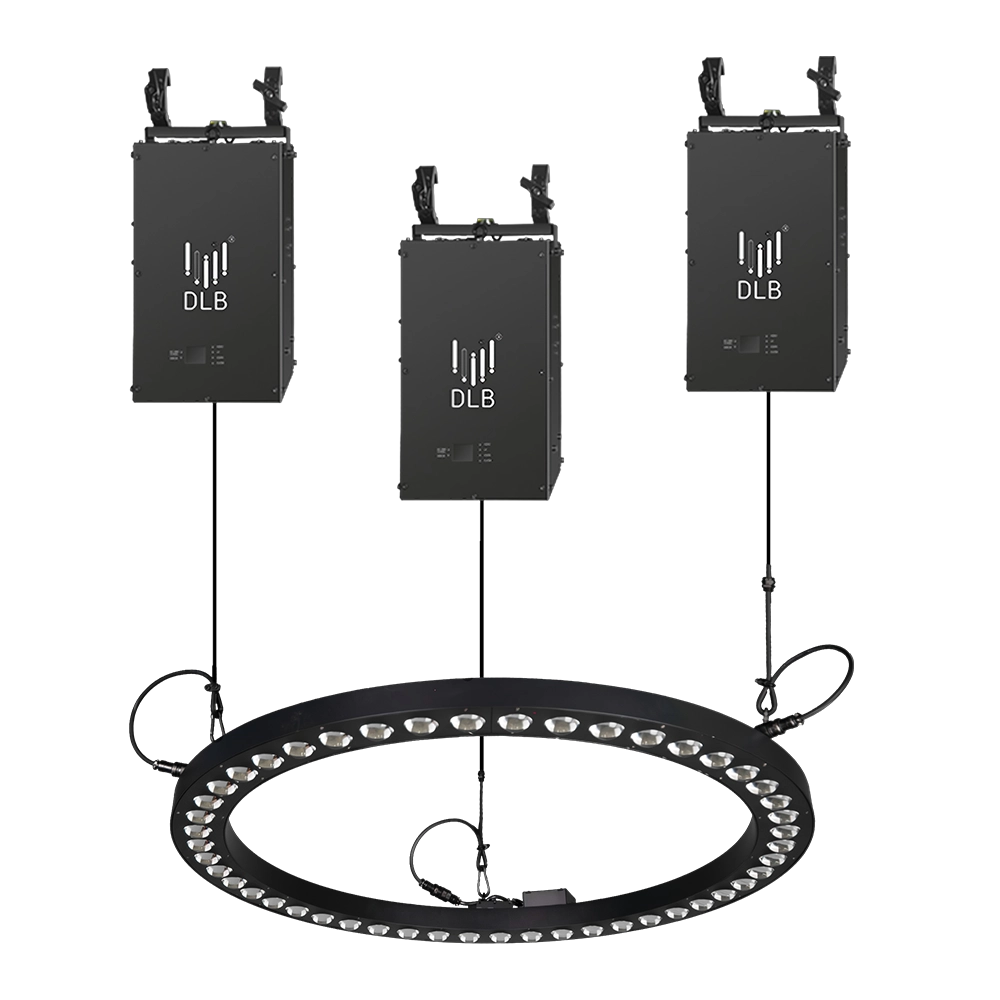
Kinetic Halo Ring——Ideal for a wide range of large-scale events: commercial spaces, TV shows, concerts, nightclubs, and various other settings.
Experience dynamic illumination with the FENG-YI Kinetic Halo Ring. This versatile kinetic light is perfect for large-scale events—commercial spaces, TV shows, concerts, and nightclubs—delivering stunning kinetic ring light effects that captivate every audience.
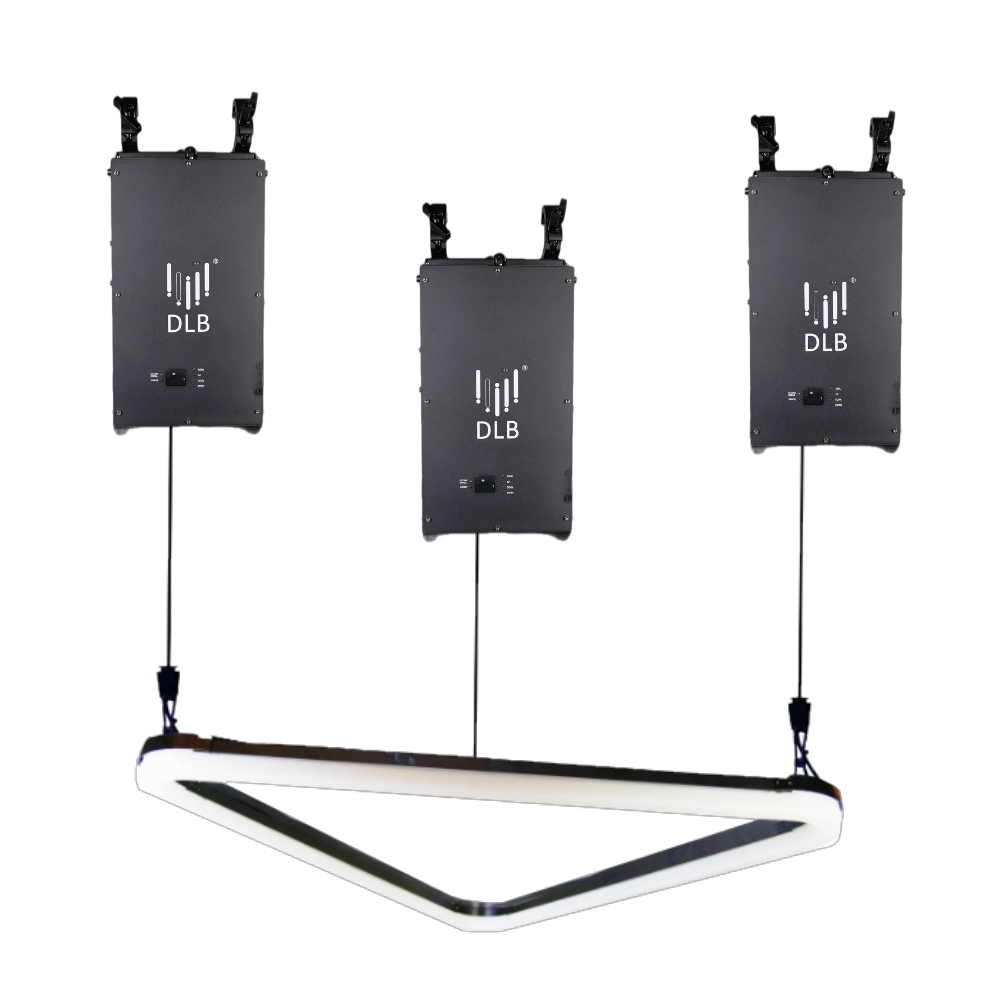
Kinetic Arc Light——Ideal for a wide range of large-scale events: commercial spaces, TV shows, concerts, nightclubs, and various other settings.
FENG-YI’s Kinetic Arc Light is a kinetic triangle LED light panel designed for large-scale events. Perfect for commercial spaces, TV shows, concerts, and nightclubs, it delivers dynamic lighting effects that captivate audiences and elevate any setting. Ideal kinetic light solution.
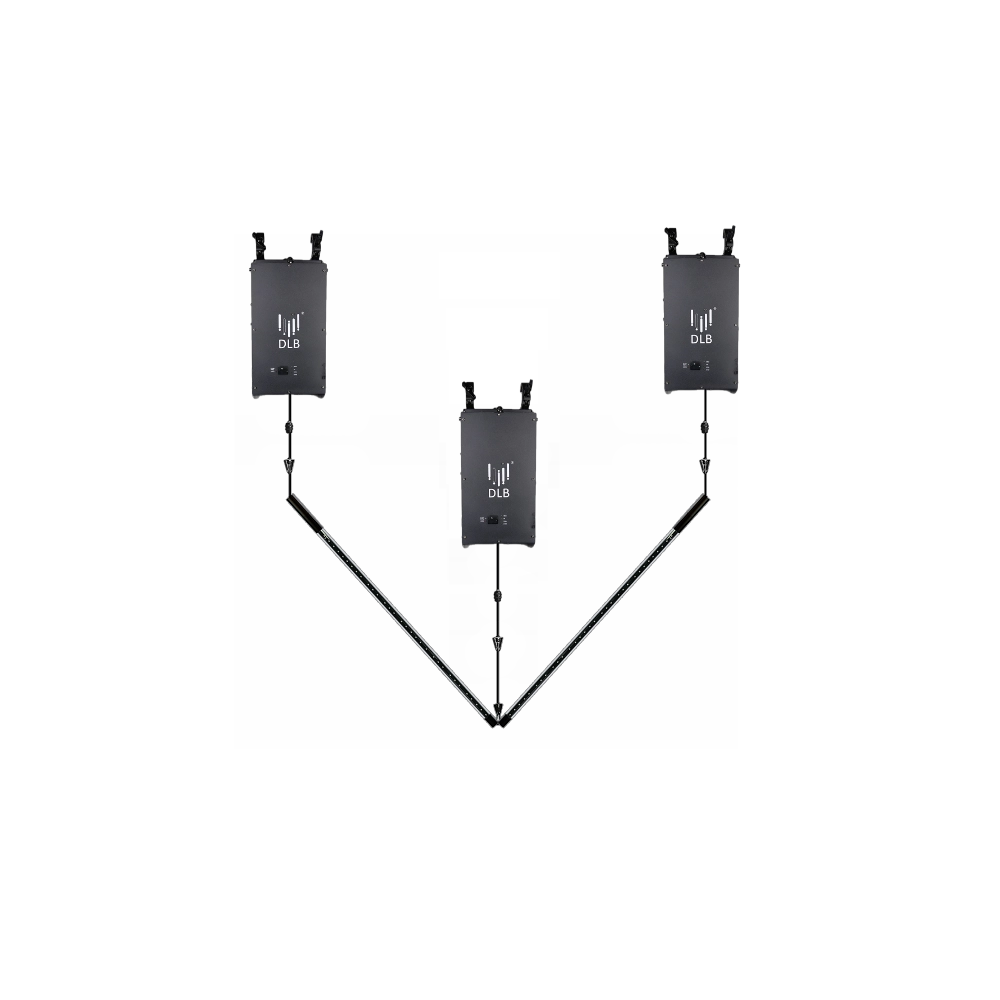
Kinetic Double Rod——Ideal for a wide range of large-scale events: commercial spaces, TV shows, concerts, nightclubs, and various other settings.
FENG-YI’s Kinetic Double Rod delivers dynamic kinetic light effects ideal for large-scale events—from concerts and nightclubs to TV shows and commercial spaces. Elevate your setup with this versatile kinetic light rod, designed for stunning visual impact and seamless integration.
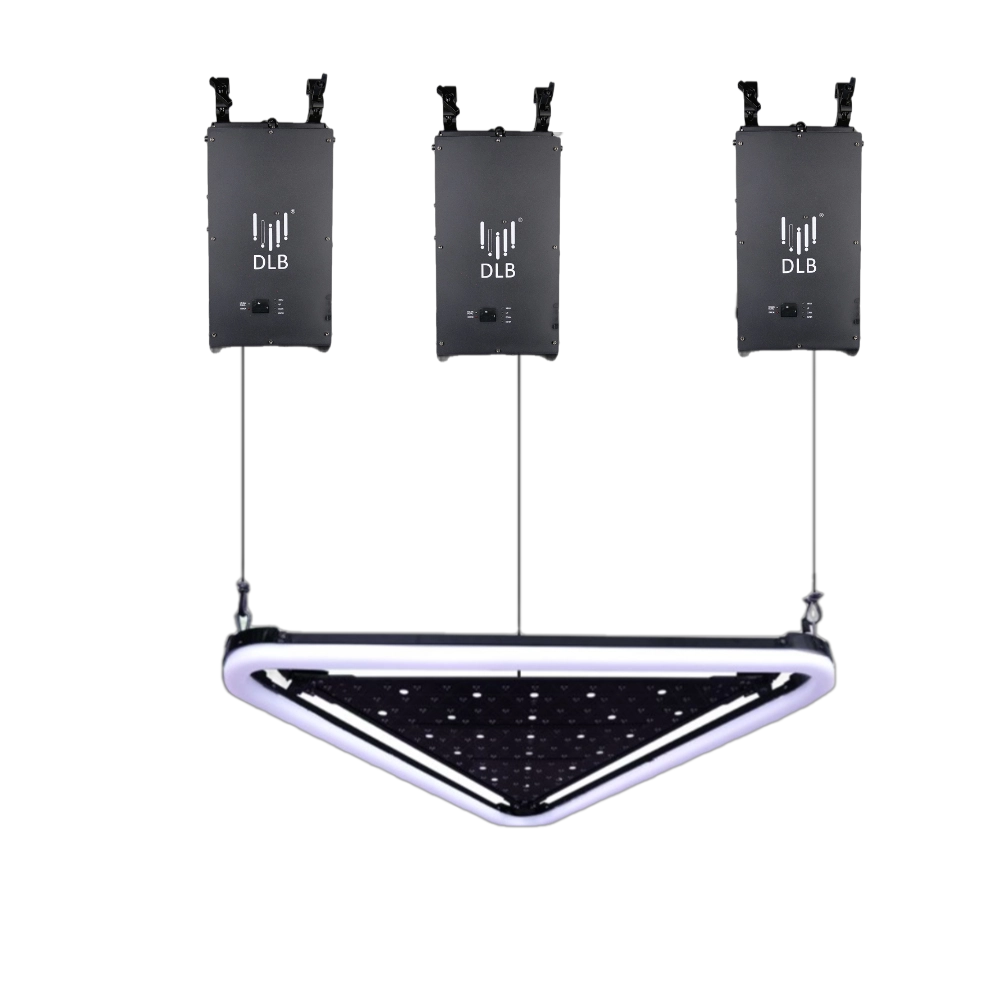
Kinetic Arc Panel——Ideal for a wide range of large-scale events: commercial spaces, TV shows, concerts, nightclubs, and various other settings.
FENG-YI’s Kinetic Arc Panel features dynamic kinetic light technology with kinetic triangle LED light panels, perfect for enhancing large-scale events like concerts, TV shows, nightclubs, and commercial spaces. Elevate your visual experience with innovative, high-impact lighting solutions.
Want to learn more about the latest updates?
Have questions or ready to illuminate your project? Reach out to our expert team today.
Rest assured that your privacy is important to us, and all information provided will be handled with the utmost confidentiality.
By clicking "Send your message," I agree to your processing my personal data.
To see how to withdraw your consent, how to control your personal data, and how we process it, please see our Privacy Policy and Terms of Use.

FENG-YI has been continuously innovating and has grown into a Kinetic Lights Manufacturer and solution provider with unique advantages.
Contact
+86 181 2785 5301
Address
Building 5, No. 34, Fuyuan Road, Jinghu IndustrialZone, Xinhua Town, Huadu District, Guangzhou, China.
© 2025 FENG-YI. All Rights Reserved.
Facebook
Instagram
YouTube
TikTok