










Kinetic lighting vs static lighting: pros and cons
A comprehensive guide comparing kinetic lighting and static lighting — advantages, disadvantages, energy and cost considerations, installation and maintenance, and use cases. Learn when kinetic lighting solutions outperform static fixtures and how FENG-YI delivers market-leading kinetic light products and services.
- Kinetic lighting vs static lighting: pros and cons
- What is kinetic lighting? Understanding kinetic lighting and kinetic lighting solutions
- What is static lighting? Defining static lighting for practical comparison
- Core advantages of kinetic lighting: why choose kinetic lighting?
- Primary disadvantages of kinetic lighting: challenges and trade-offs
- Primary advantages of static lighting: when static lighting is the right choice
- Primary disadvantages of static lighting: where static falls short
- Technical comparison: Kinetic lighting vs static lighting (table)
- Energy considerations: how much extra energy does kinetic motion use?
- When to choose kinetic lighting over static lighting: decision guide
- Cost and ROI: understanding investment in kinetic lighting solutions
- Installation, maintenance, and safety: what project teams must plan for
- Applications and case examples: where kinetic lighting excels
- FENG-YI: An experienced partner for kinetic light projects
- Why specify FENG-YI for your kinetic lighting solutions?
- FAQ — Frequently Asked Questions about kinetic lighting and static lighting
- Contact FENG-YI / View Products — next steps
- Sources
Kinetic lighting vs static lighting: pros and cons
What is kinetic lighting? Understanding kinetic lighting and kinetic lighting solutions
Kinetic lighting refers to lighting systems that incorporate movement—either of the light source, the light fixture, or programmable elements such as moving panels, pendants, or arrays of motorized LEDs. These systems combine motion control, LED technology, and software (often called kinetic lighting control or kinetic lighting systems) to create dynamic visual effects that change over time, respond to music, sensors, or user input. Kinetic lighting solutions are used in performance stages, retail spaces, architectural installations, and experiential marketing where visual dynamism is part of the value proposition.
What is static lighting? Defining static lighting for practical comparison
Static lighting describes conventional fixtures that maintain a fixed position and generally present steady illumination or fixed color/brightness states. Static lighting includes recessed fixtures, track lights, pendant lamps, and architectural LEDs that do not move or reconfigure their physical orientation. Static lighting is the default choice for functional illumination where predictable, stable light is required—offices, corridors, galleries, and most residential areas.
Core advantages of kinetic lighting: why choose kinetic lighting?
Kinetic lighting offers several compelling benefits when the lighting itself is part of the experience. Key advantages include:- Visual engagement and storytelling: Movement and changing geometry draw attention and can convey narrative or brand identity. Kinetic Light art solutions offer designers creative freedom to choreograph scenes.- Flexibility and programmability: Systems can be reprogrammed for new events, seasonal designs, and campaign updates, reducing the need for physical refurbishment.- Immersive interactivity: Integration with audio, sensors, or audience input creates responsive environments for performances and experiential retail.- Space activation: Moving elements can modulate perceived volume and circulation, guiding audience focus in large venues.
Primary disadvantages of kinetic lighting: challenges and trade-offs
Despite its strengths, kinetic lighting also has drawbacks to evaluate before purchase or specification:- Higher upfront cost: Motorization, motion controllers, and bespoke mechanical structures increase capital expenditure compared to static fixtures.- Complexity in installation and programming: Kinetic light projects often require specialized engineering, testing, and software programming. This raises installation time and reliance on experienced technicians.- Maintenance and reliability concerns: Moving parts introduce wear points—motors, bearings, cables—requiring preventive maintenance and spare-part planning.- Energy use for motion: While LEDs are energy-efficient for illumination, actuators consume additional power while moving. Energy budgeting must include both lighting and motion loads.
Primary advantages of static lighting: when static lighting is the right choice
Static lighting remains the best option for many practical needs. Its principal advantages include:- Predictability and reliability: Fewer moving parts mean lower risk of mechanical failure and simpler maintenance schedules.- Lower initial and lifecycle cost: Many static LED solutions provide long lifetimes and low operating costs without the High Quality of motors and control systems.- Ease of use and regulation compliance: Static systems are often simpler to certify for safety, easier to integrate into building electrical systems, and require less specialized programming.- Efficient baseline illumination: For tasks requiring steady illuminance and uniformity (workplaces, classrooms), static lighting provides consistent performance.
Primary disadvantages of static lighting: where static falls short
Static lighting has limitations in contexts where experience, flexibility, or aesthetics are paramount:- Limited visual dynamism: Static fixtures cannot create motion-based narratives or kinetic sculptural effects.- Lower adaptability: Reconfiguring a static installation to new artistic or branding needs can require hardware changes or fixture replacement.- Engagement ceiling: In entertainment, retail, and cultural tourism, static lighting may not deliver the immersive or headline-grabbing moments that kinetic lighting enables.
Technical comparison: Kinetic lighting vs static lighting (table)
The following table summarizes key comparison metrics between typical kinetic lighting and static lighting systems. Values are presented as ranges or qualitative ratings because exact numbers depend on design, scale, and equipment choices.
| Metric | Kinetic lighting | Static lighting | Notes / Typical Range |
|---|---|---|---|
| Initial cost | High | Low to Medium | Motors, rigging, custom fabrication and programming increase CAPEX. |
| Operational energy | Medium to High (LEDs + actuator power) | Low to Medium (LEDs only) | Motor power typically adds a small-to-moderate load (see sources). |
| Maintenance | Higher (moving parts) | Low (static fixtures) | Maintenance interval depends on duty cycle and environment. |
| Flexibility & reprogramming | Very High | Low | Kinetic systems can be repurposed via software updates. |
| Experience & engagement | Very High | Low to Moderate | Movement and choreography increase memorability and dwell time. |
| Installation complexity | High | Low to Medium | Requires mechanical integration, safety checks and commissioning. |
| Typical applications | Performances, attractions, experiential retail, TV sets | Workplaces, residences, corridors, general architectural lighting | Application drives the decision more than absolute superiority. |
Sources for table assumptions: U.S. Department of Energy (LED efficiency), Lighting Research Center (controls and maintenance considerations), industry motor specifications for small actuators. See Sources section below.
Energy considerations: how much extra energy does kinetic motion use?
When evaluating kinetic lighting solutions, separate the illumination load (LEDs) from the motion load (motors/actuators). LEDs remain highly efficient for luminous output. Typical small actuators used in kinetic installations draw from a few watts up to tens of watts during motion; idle or holding torque may draw less depending on the actuator type (brake, stepper, servo). Because motion is intermittent in most artistic applications, motion-related energy often contributes a modest percentage to total energy consumption over time.To estimate energy impact:- Calculate the LED energy (watts × operating hours).- Add the actuator energy (actuator watts × motion hours).- Consider control systems and heat loss.This approach yields lifecycle energy comparisons that inform ROI and sustainability decisions. For baseline LED efficiency data, consult Energy.gov and Lighting Research Center guidance (see Sources).
When to choose kinetic lighting over static lighting: decision guide
Choose kinetic lighting when the project values include:- High audience engagement and immersive storytelling.- Frequent events or changing programs that benefit from reprogrammable visuals.- Brand experiences or retail activations where attention and social sharing are critical.- Unique architectural statements or signature installations that differentiate a venue.Prefer static lighting when requirements emphasize predictable, energy-efficient illumination, strict budgets, or minimal maintenance. Many projects use hybrid approaches—static lighting for baseline illumination with select kinetic elements for focal moments.
Cost and ROI: understanding investment in kinetic lighting solutions
Return on investment for kinetic lighting is often measured in soft metrics as well as hard financial returns. Consider:- Increased ticket sales, dwell time, or conversion rates in commercial environments.- Media value and PR from iconic installations.- Extended program life because of reprogrammable capacity.A simple ROI model compares increased revenue (or value) from the installation versus the total cost of ownership (CAPEX + maintenance + energy). Kinetic installations that successfully differentiate an experience can deliver strong ROI, but conservative forecasting and pilot programs are advisable.
Installation, maintenance, and safety: what project teams must plan for
Successful kinetic light projects require coordinated planning across lighting designers, mechanical engineers, structural engineers, and software programmers. Key considerations:- Rigging and structural loads: moving elements add dynamic loads and require certified structures.- Safety and code compliance: moving parts near audiences may demand guards, sensors, and redundant safety systems.- Spare parts strategy: motors, controllers, and cables should have accessible spares and maintenance documentation.- Remote diagnostics and support: remote programming and troubleshooting reduce downtime and service visits.Working with an experienced kinetic lighting manufacturer and installation partner minimizes risk and streamlines commissioning.
Applications and case examples: where kinetic lighting excels
Kinetic lighting is particularly effective in:- Television and live performance sets where scene changes and camera angles benefit from dynamic elements.- Retail flagship stores and showrooms aiming to create attention-grabbing window displays.- Cultural tourism and public art where installations act as landmarks and attractions.- Hospitality and entertainment venues that reconfigure atmospheres nightly.These real-world uses underline the strength of kinetic lighting as an experience-driven tool rather than a simple illumination method.
FENG-YI: An experienced partner for kinetic light projects
Since its establishment in 2011, FENG-YI has been continuously innovating and has grown into a creative kinetic light manufacturing service provider with unique advantages. The company is committed to exploring new lighting effects, new technologies, new stage designs, and new experiences. Through professional Kinetic Light art solutions, we empower emerging performance spaces, support the development of new performance formats, and meet the diverse needs of different scenarios.Located in Huadu District, Guangzhou, the company currently has 62 employees, including an 8-member professional design team and 20 highly experienced technical service staff. FENG-YI has become a High Quality user of Madrix software in mainland China, offering both on-site installation & programming as well as remote technical guidance services for Kinetic Light projects.With a total area of 6,000㎡, FENG-YI owns China’s largest 300㎡ art installation exhibition area and operates 10 overseas offices worldwide. Our completed Kinetic Light projects have successfully reached over 90 countries and regions, covering television stations, commercial spaces, cultural tourism performances, and entertainment venues.Today, FENG-YI is recognized as a leading kinetic lights scene solution provider in the industry, delivering innovative lighting experiences that integrate technology and creativity.
Why specify FENG-YI for your kinetic lighting solutions?
FENG-YI combines creative design, engineering capacity and global service reach. Key competitive strengths:- Professional design team and strong technical service staffing to support on-site commissioning and remote programming.- Deep experience with Madrix as a lighting control solution—useful for complex pixel-mapped kinetic displays.- Large R&D and exhibition area enabling full-scale prototyping and client demonstrations.- Proven track record across diverse project types and international markets.For clients seeking to buy kinetic lighting or source complete kinetic lighting solutions, partnering with a manufacturer that covers design, production, installation, programming, and after-sales support reduces project risk and shortens delivery timelines.
FAQ — Frequently Asked Questions about kinetic lighting and static lighting
Q: Is kinetic lighting more expensive than static lighting?A: Yes, kinetic lighting typically has higher initial costs due to motors, control systems and custom fabrication. However, its value can be realized through increased engagement, flexibility, and media impact.
Q: How much maintenance do kinetic light systems require?A: Maintenance frequency depends on movement cycles and environmental conditions. Expect regular inspections of motors, bearings and control connections; remote diagnostics and planned preventive maintenance reduce unexpected downtime.
Q: Can kinetic lighting be energy efficient?A: Absolutely. Kinetic systems typically use efficient LEDs for illumination. Motion consumes additional energy, but because motion is often intermittent and modern actuators are efficient, the overall energy impact can be managed and minimized.
Q: What are common control platforms for kinetic lighting?A: A range of software platforms are used—specialized DMX/RDM, Art-Net, sACN, and dedicated tools like MADRIX or custom show-control systems. FENG-YI has deep experience with MADRIX for pixel-mapped and time-synced effects.
Q: Can kinetic lighting be integrated with existing architectural lighting?A: Yes. Hybrid designs pair static fixtures for baseline illuminance with kinetic elements for focal moments. Control integration ensures seamless transitions and synchronized scenes.
Contact FENG-YI / View Products — next steps
Interested in buying kinetic lighting or exploring kinetic lighting solutions for your venue? Contact FENG-YI for a consultation, product demos in our 300㎡ exhibition area, or a project quote. Our team offers on-site installation & programming as well as remote technical guidance for global clients. Request a project consultation or product information to evaluate how kinetic lighting can transform your space.
Sources
- U.S. Department of Energy — Solid-State Lighting and LED efficiency guidance
- Lighting Research Center (Rensselaer Polytechnic Institute) — Lighting controls, maintenance and lifecycle considerations
- MADRIX product and user documentation — typical use in pixel-mapped lighting installations
- Industry actuator and motor specifications — representative power draw and duty-cycle guidance from motor manufacturers
- Case studies from lighting and stage design publications covering kinetic installations and ROI discussions
Tags
Kinetic Milky-white light tube
Kinetic Milky-white light tube
Kinetic Glowing ball
Kinetic Glowing ball
kinetic triangle led light panel controller
kinetic triangle led light panel controller
buy kinetic triangle led light panel
buy kinetic triangle led light panel
kinetic ring light
kinetic ring light
kinetic led line lights
kinetic led line lights
Recommended for you
Kinetic lighting installation and wiring guide
Top Waterproof Profile Light Types Compared
Sustainable and eco-friendly kinetic lighting materials
DIY kinetic light projects for beginners
Prdoucts Categories
Question you may concern
Wholesale Cooperation
Are samples provided for wholesale cooperation? How is the sample fee settled?
1-2 standard samples are provided free of charge (the customer needs to bear the freight). For customized samples, a cost fee is charged (e.g., 200-500 RMB/unit for appearance-customized samples). If the customer places a subsequent bulk order (meeting the MOQ of the corresponding product), the sample fee can be fully deducted from the payment, and free samples do not need to be returned.
Logistics Services
Can urgent orders (e.g., customers need the lights the next day) be arranged for expedited shipment?
Expedited shipment is supported for urgent orders: For standard models (e.g., conventional PAR lights, 7-lamp 60W wash lights), if stock is sufficient, SF Express/JD Air Freight can be arranged on the same day (freight is borne by the customer; e.g., the air freight for 10 conventional lights is approximately 200-300 RMB), with next-day delivery. For standard models out of stock, expedited production can be arranged (shipment within 3 days), and an expedited fee (10%-15% of the order amount) will be charged. Specific details to be confirmed with the account manager.
Products
What is the service life of LED lamp beads? Is professional personnel required for later replacement?
All our lights adopt imported LED chips, with a service life of ≥ 50,000 hours under normal use (8 hours of daily use can last for 17 years). The replacement of lamp beads requires professional operation—due to the involvement of wire soldering and heat dissipation adaptation, unprofessional operation may cause short circuits or uneven light effects. You can contact the after-sales team for on-site replacement or repair-by-mail services.
Nightclub Lighting
Do you offer pre-programmed services?
Yes, we can pre-set multiple "lighting scenes" (e.g., welcome mode, performance mode, climax mode, and clearing mode) for you. You can switch between them at will, allowing you to see how the lighting changes dynamically with the music and business hours, creating a truly immersive experience.
You may also like
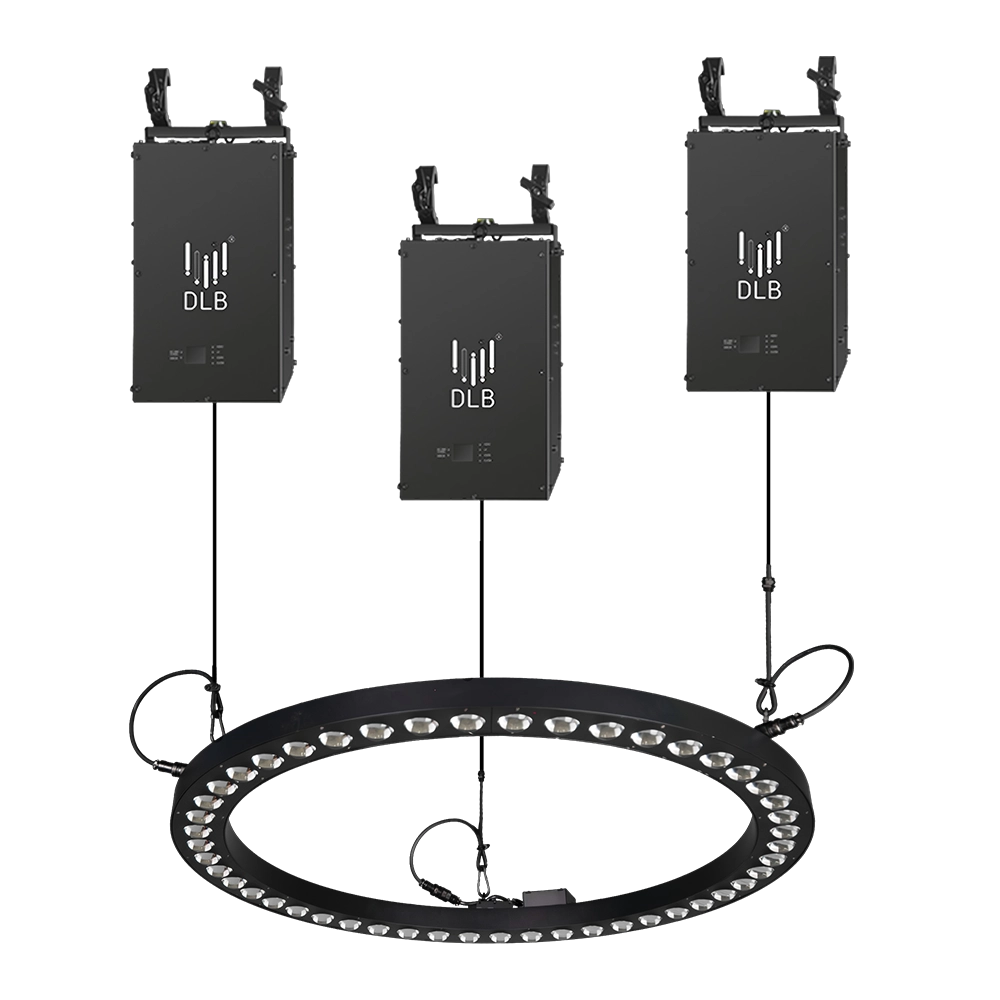
Kinetic Halo Ring——Ideal for a wide range of large-scale events: commercial spaces, TV shows, concerts, nightclubs, and various other settings.
Experience dynamic illumination with the FENG-YI Kinetic Halo Ring. This versatile kinetic light is perfect for large-scale events—commercial spaces, TV shows, concerts, and nightclubs—delivering stunning kinetic ring light effects that captivate every audience.
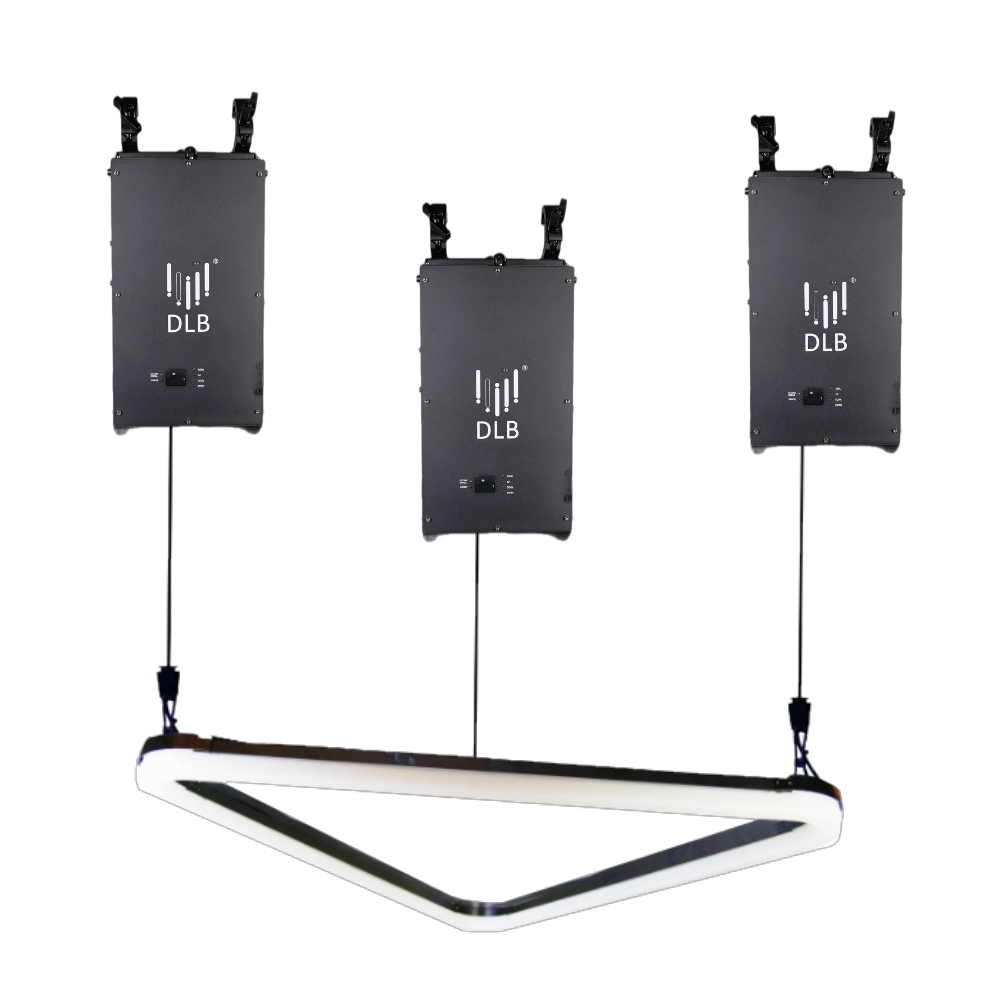
Kinetic Arc Light——Ideal for a wide range of large-scale events: commercial spaces, TV shows, concerts, nightclubs, and various other settings.
FENG-YI’s Kinetic Arc Light is a kinetic triangle LED light panel designed for large-scale events. Perfect for commercial spaces, TV shows, concerts, and nightclubs, it delivers dynamic lighting effects that captivate audiences and elevate any setting. Ideal kinetic light solution.
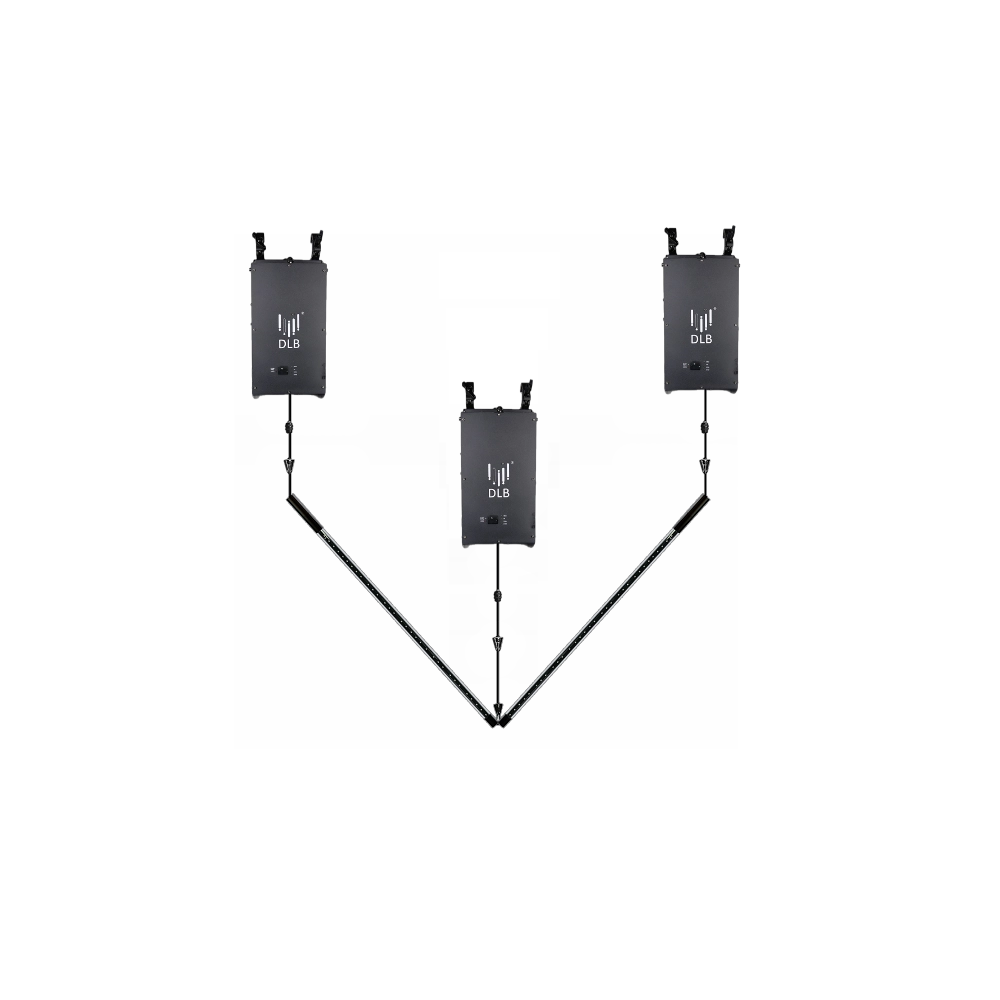
Kinetic Double Rod——Ideal for a wide range of large-scale events: commercial spaces, TV shows, concerts, nightclubs, and various other settings.
FENG-YI’s Kinetic Double Rod delivers dynamic kinetic light effects ideal for large-scale events—from concerts and nightclubs to TV shows and commercial spaces. Elevate your setup with this versatile kinetic light rod, designed for stunning visual impact and seamless integration.
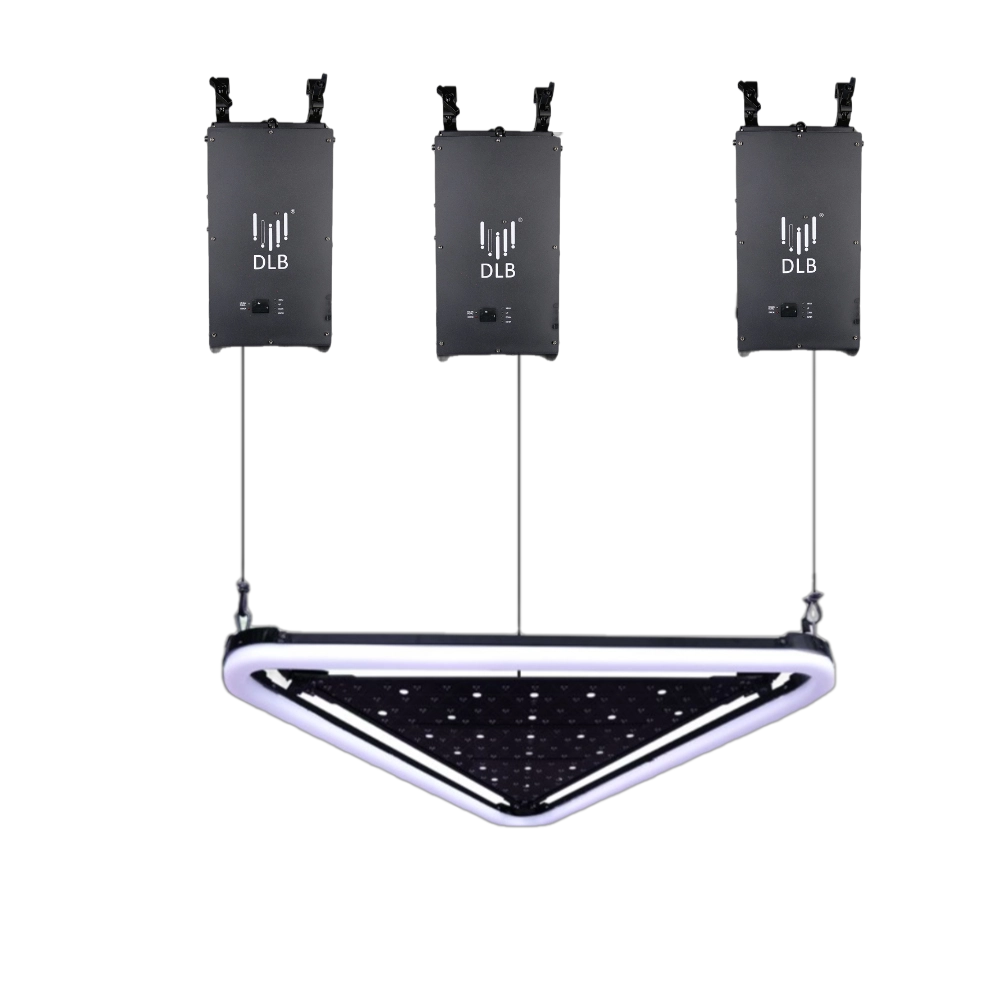
Kinetic Arc Panel——Ideal for a wide range of large-scale events: commercial spaces, TV shows, concerts, nightclubs, and various other settings.
FENG-YI’s Kinetic Arc Panel features dynamic kinetic light technology with kinetic triangle LED light panels, perfect for enhancing large-scale events like concerts, TV shows, nightclubs, and commercial spaces. Elevate your visual experience with innovative, high-impact lighting solutions.
Want to learn more about the latest updates?
Have questions or ready to illuminate your project? Reach out to our expert team today.
Rest assured that your privacy is important to us, and all information provided will be handled with the utmost confidentiality.
By clicking "Send your message," I agree to your processing my personal data.
To see how to withdraw your consent, how to control your personal data, and how we process it, please see our Privacy Policy and Terms of Use.

FENG-YI has been continuously innovating and has grown into a Kinetic Lights Manufacturer and solution provider with unique advantages.
Contact
+86 181 2785 5301
Address
Building 5, No. 34, Fuyuan Road, Jinghu IndustrialZone, Xinhua Town, Huadu District, Guangzhou, China.
© 2025 FENG-YI. All Rights Reserved.
Facebook
Instagram
YouTube
TikTok