









Safety standards and regulations for kinetic lighting
This comprehensive guide explains safety standards, regulations and best practices for kinetic lighting installations. It covers mechanical, electrical, photobiological and fire safety; applicable regional and international standards; design, installation, testing, maintenance and documentation processes; how to select a compliant supplier; and an industry example with FENG-YI’s capabilities. Includes an actionable compliance checklist and FAQ.
- Safety standards and regulations for kinetic lighting
- Why compliance matters for kinetic lighting
- Primary risk categories for kinetic lighting (: installation, service)
- Key international and regional standards for kinetic lighting
- Design and engineering best practices to meet regulations (: supplier selection, buy)
- Installation, commissioning and testing protocols (: installation, on-site service)
- Operation, maintenance and training requirements
- Specific venue and project considerations (TV, outdoor public art, touring)
- How to choose a compliant kinetic lighting supplier (: buy, supplier selection)
- FENG-YI: a compliant partner for Kinetic Light projects
- Compliance checklist (table) — practical tests and documentation to request from suppliers
- Practical mitigation strategies to reduce regulatory friction
- FAQs — common questions about safety and regulations for kinetic lighting
- Contact & next steps — request compliance support or view our Kinetic Lighting products
- Sources
Safety standards and regulations for kinetic lighting
Why compliance matters for kinetic lighting
Kinetic lighting—dynamic, motorized arrays of luminaires and moving elements—is increasingly used in entertainment, public art, retail, and broadcast. While kinetic lighting enables dramatic effects, it also introduces additional risks compared with static lighting: moving masses, mechanical drive failures, complex control networks and increased electrical loads. Compliance with safety standards and regulations protects audiences, performers, technicians and property, reduces liability for venue operators and suppliers, and helps projects pass inspections and secure insurance. This article focuses on practical regulatory guidance for designers, integrators and decision-makers involved in kinetic lighting projects.
Primary risk categories for kinetic lighting (: installation, service)
To design for compliance, start by understanding the main hazard categories:
- Mechanical risks: moving parts, falling fixtures, gear or cable failures and unexpected motion that can injure personnel or damage property.
- Structural/rigging risks: incorrect load calculations, inadequate fixings, fatigue of suspension points, and unsafe travel paths in touring rigs.
- Electrical risks: improper wiring, overcurrent, inadequate earthing, incompatible control gear, and power distribution failures.
- Photobiological and glare risks: high-intensity LEDs can introduce retinal hazards (blue light) and intense strobing can cause photosensitive reactions.
- Fire and thermal risks: poorly ventilated drivers, overheating of fittings and combustible material near fixtures.
- Control and cyber risks: unsafe control behaviours due to software bugs, network interference (e.g., DMX collisions) or malicious access.
- Environmental and ingress risks: outdoor installations require higher IP ratings, corrosion-resistant materials and protection from wind and vandalism.
Key international and regional standards for kinetic lighting
Different jurisdictions reference overlapping standards. The table below summarizes principal standards relevant to kinetic lighting projects and their relevance to design, installation and testing. Use this summary for planning, but always verify local building codes and venue-specific requirements.
| Region | Key standards / regulations | Relevance to kinetic lighting |
|---|---|---|
| International / Global | IEC 60598-1, IEC 60529 (IP), IEC 62471 (photobiological), IEC 62368, IEC 60068 (environmental) | Luminaire safety, ingress protection, photobiological safety of LEDs, electronic equipment safety and environmental testing. |
| Europe | EN 60598 series, CE marking directives, Machinery Directive (2006/42/EC) for moving parts, EN 62368, EN 12999 (suspended structures) | Mandatory CE conformity for products; additional machinery/rigging requirements for moving systems; structural rules for suspended installations. |
| United States | UL 1598 / UL 8750 (LED), NEC (NFPA 70), NFPA 101 (Life Safety), ANSI E1.11 (DMX512), OSHA rigging rules | Electrical safety, installation wiring rules, life-safety/egress considerations, control protocol standards and workplace rigging safety. |
| China | GB/T and GB standards (e.g., GB 7000 series), CCC mark where required, local building & fire codes | Local luminaire standards and mandatory marks; regional approvals and installation inspections. |
Sources for the table are listed at the end of the article. Note: specific standard numbers and clauses should be referenced during design and procurement for contractual compliance.
Design and engineering best practices to meet regulations (: supplier selection, buy)
Design teams must integrate regulatory requirements early. Key practices include:
- Perform a formal risk assessment (e.g., per ISO 12100 risk assessment principles) identifying failure modes for mechanical drives, suspension, electrical faults and control errors.
- Structural and load calculations done by qualified structural/rigging engineers. Use appropriate safety factors for static and dynamic loads, shock loads for touring, and fatigue where movements are repetitive.
- Redundancy and fail-safe mechanisms: use mechanical locks, positive brakes, secondary safety cables and emergency brakes where required by local standards.
- Emergency stop and interlocks: hardwired emergency stop circuits independent of the main control network, complying with Machinery Directive logic where applicable.
- Electrical protection: compliant protective devices (MCCBs, RCDs/GFCIs), correct conductor sizing per NEC/GB/EN, surge protection for outdoor or long cable runs.
- Ingress and thermal management: choose fixtures with appropriate IP rating and thermal design to avoid driver overheating or accelerated LED degradation.
- Photobiological assessment: evaluate retinal hazard risk using IEC 62471 methods and minimize dangerous exposure through beam shaping, diffusion and control limits.
Installation, commissioning and testing protocols (: installation, on-site service)
Proper commissioning and documentation are often mandated by venue authorities and insurers. A robust process includes:
- Certified installers: use personnel trained in rigging and electrical installation with verifiable qualifications.
- Pre-installation inspection: verify product certifications, load ratings and material conformity.
- Mechanical tests: static load tests at defined safety factors, dynamic cycle tests to validate motion profiles and brake performance.
- Electrical testing: continuity, earth resistance, insulation resistance testing and verification of correct circuit protection; functional testing of emergency stop circuits.
- Control verification: DMX/Art-Net/sACN mapping tests, RDM discovery where used, and validation of safe motion limits and software interlocks.
- Documentation: hand over full as-built drawings, control maps, test reports, maintenance schedules and operating procedures to the client.
Operation, maintenance and training requirements
Standards and good practice require regular inspection and maintenance. Include these items in contracts and O&M manuals:
- Scheduled inspections: daily visual checks for touring/production; periodic full inspections (often every 6–12 months depending on use) that include rigging hardware and structural anchors.
- Planned preventative maintenance: lubrication, cable replacement cycles, LED driver checks and firmware updates.
- Technician training: train venue staff on safe operation, emergency procedures and permitted access zones during motion.
- Incident reporting and investigations: implement a formal process to capture near-misses and incidents to improve safety and demonstrate due diligence to inspectors/insurers.
Specific venue and project considerations (TV, outdoor public art, touring)
Different applications trigger different regulatory checkpoints:
- Television studios: dense environments with cables and trusses require strict egress, anti-glare and EMI considerations; cable routing and camera sightlines must be preserved.
- Outdoor public art installations: require vandal-resistant fixings, lightning protection, corrosion-resistant materials and possibly higher wind-load design and public safety zones.
- Touring shows: modular design for dismantling/reassembly, clear transport and re-rigging instructions, and faster but thorough commissioning processes at each venue.
How to choose a compliant kinetic lighting supplier (: buy, supplier selection)
When procuring equipment or services, vet suppliers against the following practical checklist:
- Do they provide product certification (CE, UL, CCC) and test reports (IP, photobiological, EMC)?
- Can they supply structural calculations and load test reports for the delivered system?
- Do they offer on-site installation and programming services, plus remote technical guidance?
- Are their technicians trained in rigging, electrical safety and control systems (DMX, Art-Net, sACN)?
- Do they have documented maintenance programs, spare parts and service response SLAs?
- Can they provide references from completed Kinetic Light projects in similar venue types?
FENG-YI: a compliant partner for Kinetic Light projects
Since its establishment in 2011, FENG-YI has been continuously innovating and has grown into a creative kinetic light manufacturing service provider with unique advantages. The company is committed to exploring new lighting effects, new technologies, new stage designs, and new experiences. Through professional Kinetic Light art solutions, we empower emerging performance spaces, support the development of new performance formats, and meet the diverse needs of different scenarios.
Located in Huadu District, Guangzhou, the company currently has 62 employees, including an 8-member professional design team and 20 highly experienced technical service staff. FENG-YI has become a High Quality user of Madrix software in mainland China, offering both on-site installation & programming as well as remote technical guidance services for Kinetic Light projects.
With a total area of 6,000㎡, FENG-YI owns China’s largest 300㎡ art installation exhibition area and operates 10 overseas offices worldwide. Our completed Kinetic Light projects have successfully reached over 90 countries and regions, covering television stations, commercial spaces, cultural tourism performances, and entertainment venues.
Today, FENG-YI is recognized as a leading kinetic lights scene solution provider in the industry, delivering innovative lighting experiences that integrate technology and creativity.
FENG-YI’s core product offerings for kinetic lighting include modular moving luminaires, control system integration (DMX/Art-Net/sACN), custom rigging and structural engineering support, and on-site commissioning. The company’s strengths lie in combining creative design with technical compliance: certified products, tested motion systems, documented load calculations and experienced installation teams capable of meeting venue and statutory requirements.
Compliance checklist (table) — practical tests and documentation to request from suppliers
| Item | Purpose | Typical Standard / Report | >
|---|---|---|
| Luminaire safety certification | Verify electrical safety of fixtures | CE / UL / CCC; IEC 60598, UL 1598 |
| IP and environmental rating | Confirm suitability for outdoor/wet locations | IEC 60529 (IP code) test report |
| Photobiological report | Assess blue-light and retinal hazard | IEC 62471 measurement report |
| Structural/rigging calculations | Load verification and anchor design | Engineer-signed calculation and FOS |
| Load & dynamic tests | Validate brakes, motors and safety cables | Test certificates showing applied loads and cycles |
| Electrical & EMC testing | Prevent interference and ensure electrical safety | EMC report; insulation resistance; earth continuity |
| Control system validation | Confirm safe motion profiles and emergency stops | Functional test reports, control maps |
Request copies of these reports before signing purchase or installation contracts. A reputable supplier will provide test data and work with venue engineers to ensure local code compliance.
Practical mitigation strategies to reduce regulatory friction
To speed approvals and reduce rework:
- Engage local inspectors early and present design documentation for pre-approval.
- Use standard, certified components where possible to simplify certification trails.
- Build commissioning and testing time into project schedules—regulatory sign-off often takes longer than anticipated.
- Include training sessions and a turnover package as contract deliverables to satisfy venue and insurer expectations.
FAQs — common questions about safety and regulations for kinetic lighting
Q: Do kinetic lighting systems require CE/UL certification?
A: Yes, luminaires and electrical equipment typically must meet regional safety certifications (CE in EU, UL in North America, CCC in China) and applicable product standards (e.g., IEC/EN/UL standards for luminaires and LED equipment). Moving mechanical systems may also be covered by machinery directives or local rigging regulations.
Q: What is the most important test I should ask for?
A: It depends on application, but at minimum request electrical safety certification, structural/rigging calculations and load test reports, and an IEC 62471 photobiological assessment if high-brightness LEDs are used.
Q: How often should kinetic lighting systems be inspected?
A: Frequency depends on use intensity. For fixed installations, annual inspections are common. For touring equipment or heavily used show rigs, inspect before every tour and perform full service every 3–6 months.
Q: Are DMX or Art-Net networks a safety concern?
A: Yes — control networks can cause unsafe behaviours if misconfigured or interfered with. Implement secure network segmentation, use RDM/monitoring for device health, and ensure hardwired emergency stops override software controls.
Q: Can FENG-YI help with compliance documentation and on-site commissioning?
A: Yes. FENG-YI provides on-site installation & programming, remote technical guidance, structural calculations and commissioning support for Kinetic Light projects to help meet local regulatory requirements.
Contact & next steps — request compliance support or view our Kinetic Lighting products
If you are planning a kinetic lighting installation or need compliance documentation, contact FENG-YI to discuss: product certification, structural engineering support, on-site installation & programming, remote technical guidance, and maintenance service plans. Our team can provide pre-project risk assessments and detailed test reports to help you meet regulatory requirements and gain timely approvals.
Sources
The following organizations and standard families were referenced in preparing this guide (consult the specific standard documents for exact clauses and requirements):
- International Electrotechnical Commission (IEC) — IEC 60598 (luminaire safety), IEC 60529 (IP codes), IEC 62471 (photobiological safety), IEC 62368 (equipment safety)
- European Union directives and EN standards — EN 60598 series, Machinery Directive (2006/42/EC)
- Underwriters Laboratories (UL) — UL 1598 (luminaire safety), UL 8750 (LED)
- National Fire Protection Association (NFPA) — NEC (NFPA 70), NFPA 101 Life Safety Code
- American National Standards Institute / ESTA — ANSI E1.11 (DMX512), RDM/related control protocols
- Occupational Safety and Health Administration (OSHA) — workplace rigging and safety guidance
- Illuminating Engineering Society (IES) — technical guidance on lighting practice and photobiological considerations
- Local national standards bodies (e.g., GB standards in China) and building/fire authorities for regional requirements
Note: This article is informational and does not replace consultation with qualified structural engineers, certified electricians or local regulatory authorities. Always obtain the current version of referenced standards and verify the local code requirements for your project.
Tags
kinetic triangle led wall panels for stage
kinetic triangle led wall panels for stage
380W dustproof and waterproof sealed beam lamp
380W dustproof and waterproof sealed beam lamp
kinetic pendant light
kinetic pendant light
kinetic light manufacturer
kinetic light manufacturer
Full color.
Full color.
Kinetic Milky-white light tube
Kinetic Milky-white light tube
Recommended for you
Waterproof Profile Light Maintenance and Troubleshooting
Kinetic lighting for retail displays and visual merchandising
DIY kinetic light projects for beginners
Top kinetic lights Manufacturers and Suppliers in 2026
Prdoucts Categories
Question you may concern
Products
The X/Y axis moves abnormally (jitter, no response). What causes this?
Address the issue as follows:
1. Mechanical Check: Open the fixture (after power-off) to inspect if the X/Y axis belts are loose or broken; re-tighten or replace belts if needed.
2. Optical Coupling Calibration: Enter "Settings → Motor Calibration → X/Y Axis" to adjust the offset (-128~+127) or enable "Optical Coupling" (auto-corrects step loss).
3. Reset & Restart: Press "Menu → Reset → XY Reset" to reposition the axes; if no response, check the X/Y axis photoelectric switches (replace if "X/Y Hall Error" appears in the error menu).
Nightclub Lighting
Can the lighting, screens, and other equipment be combined to achieve integrated sound, lighting, and visuals?
Programming is possible through Madrix and MA consoles, using timecode synchronization to achieve a precise "programmed show" effect.
Wedding & Parties Lighting Solutions
Is the control system compatible with existing consoles?
Supports DMX / Art-Net / sACN for seamless integration with mainstream consoles; also enables Timecode-driven operation and multimedia synchronized control.
Wholesale Cooperation
What is the MOQ for wholesale cooperation? Is there a tiered pricing policy?
MOQ for wholesale: ≥ 10 units for a single model of conventional lights, and ≥ 5 units for a single model of elevating lights/moving head lights. Tiered pricing is supported: Taking conventional PAR lights as an example, a 5% discount is offered for 10-50 units, a 10% discount for 51-100 units, and a 15% discount for over 100 units. Specific quotations can be negotiated with the account manager based on the cooperation scale (e.g., annual purchase volume).
You may also like
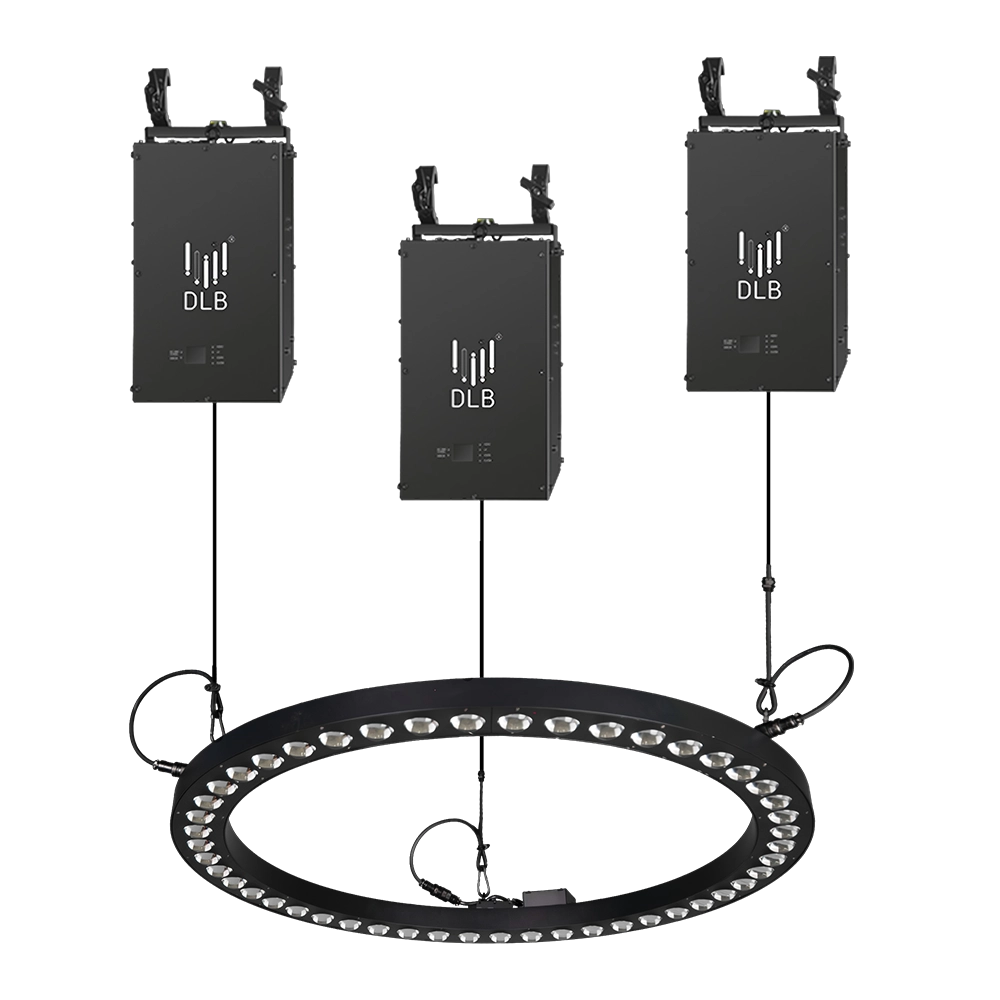
Kinetic Halo Ring——Ideal for a wide range of large-scale events: commercial spaces, TV shows, concerts, nightclubs, and various other settings.
Experience dynamic illumination with the FENG-YI Kinetic Halo Ring. This versatile kinetic light is perfect for large-scale events—commercial spaces, TV shows, concerts, and nightclubs—delivering stunning kinetic ring light effects that captivate every audience.
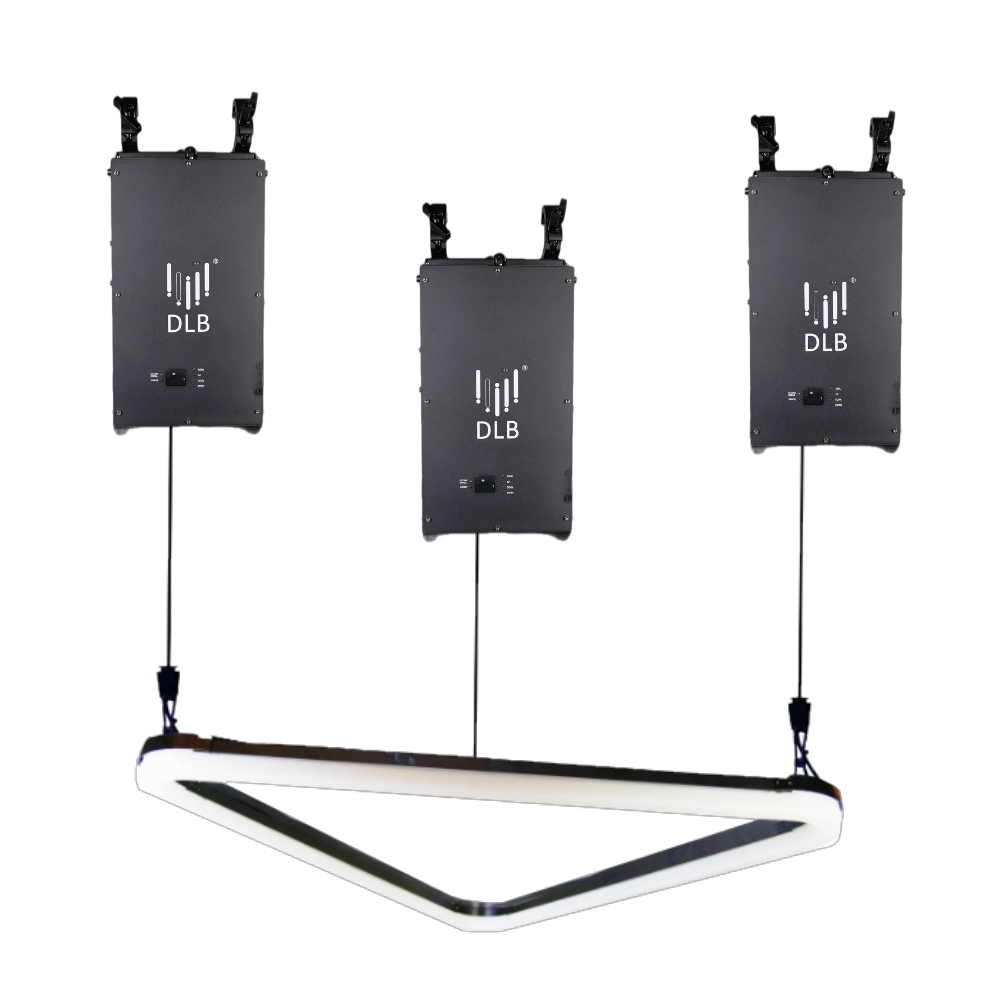
Kinetic Arc Light——Ideal for a wide range of large-scale events: commercial spaces, TV shows, concerts, nightclubs, and various other settings.
FENG-YI’s Kinetic Arc Light is a kinetic triangle LED light panel designed for large-scale events. Perfect for commercial spaces, TV shows, concerts, and nightclubs, it delivers dynamic lighting effects that captivate audiences and elevate any setting. Ideal kinetic light solution.
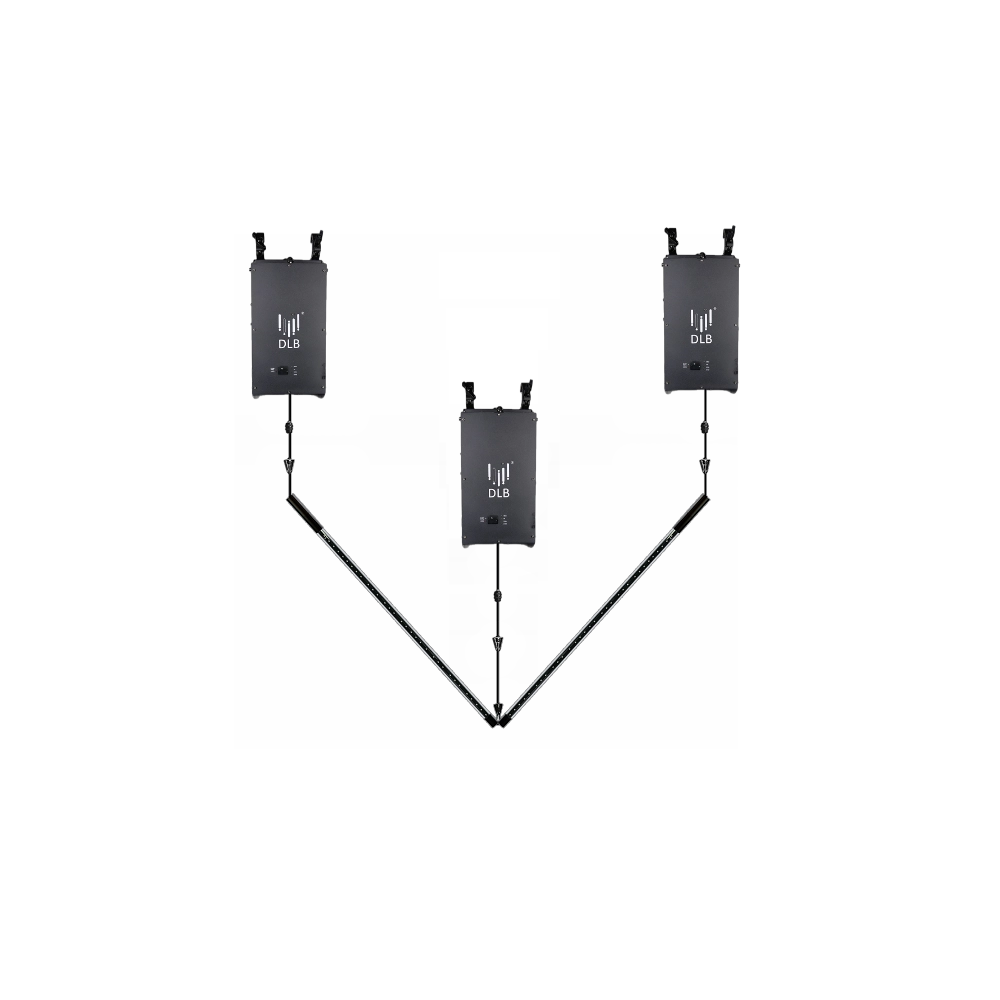
Kinetic Double Rod——Ideal for a wide range of large-scale events: commercial spaces, TV shows, concerts, nightclubs, and various other settings.
FENG-YI’s Kinetic Double Rod delivers dynamic kinetic light effects ideal for large-scale events—from concerts and nightclubs to TV shows and commercial spaces. Elevate your setup with this versatile kinetic light rod, designed for stunning visual impact and seamless integration.
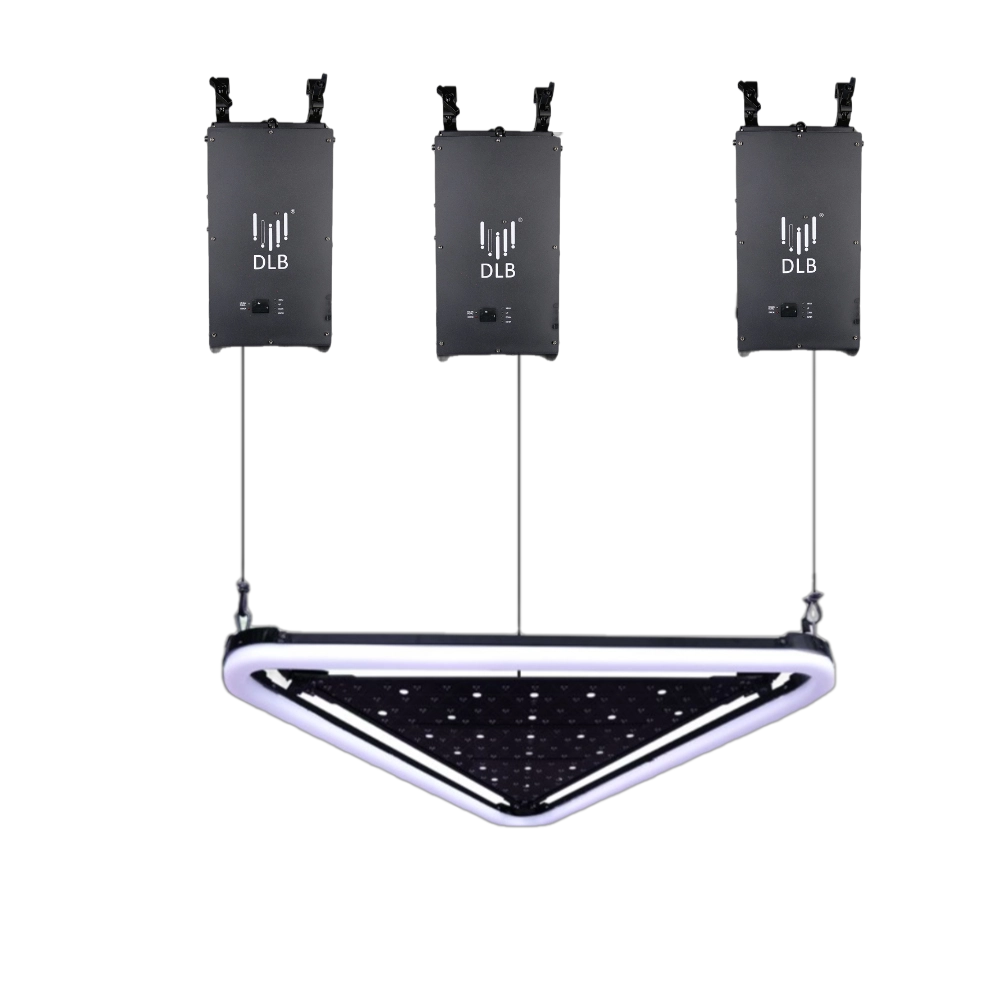
Kinetic Arc Panel——Ideal for a wide range of large-scale events: commercial spaces, TV shows, concerts, nightclubs, and various other settings.
FENG-YI’s Kinetic Arc Panel features dynamic kinetic light technology with kinetic triangle LED light panels, perfect for enhancing large-scale events like concerts, TV shows, nightclubs, and commercial spaces. Elevate your visual experience with innovative, high-impact lighting solutions.
Want to learn more about the latest updates?
Have questions or ready to illuminate your project? Reach out to our expert team today.
Rest assured that your privacy is important to us, and all information provided will be handled with the utmost confidentiality.
By clicking "Send your message," I agree to your processing my personal data.
To see how to withdraw your consent, how to control your personal data, and how we process it, please see our Privacy Policy and Terms of Use.

FENG-YI has been continuously innovating and has grown into a Kinetic Lights Manufacturer and solution provider with unique advantages.
Contact
+86 181 2785 5301
Address
Building 5, No. 34, Fuyuan Road, Jinghu IndustrialZone, Xinhua Town, Huadu District, Guangzhou, China.
© 2025 FENG-YI. All Rights Reserved.
Facebook
Instagram
YouTube
TikTok