










Kinetic lighting for residential interiors: ideas and tips
A practical guide to using kinetic lighting in residential interiors. Learn what kinetic lighting is, how to design dynamic scenes for different rooms, selection and installation tips, energy and maintenance considerations, integration with smart home systems, and inspiration examples. Includes a brand profile of FENG-YI and FAQs to help homeowners and designers choose and buy kinetic lighting systems.
- Kinetic lighting for residential interiors: ideas and tips
- What is kinetic lighting and why consider it for homes? (kinetic lighting)
- Benefits of kinetic lighting in residential spaces (kinetic lighting benefits)
- Design ideas by room: where kinetic lighting works best (kinetic lighting ideas)
- Living room: centerpiece motion and layered scenes
- Dining area: table-focused choreography
- Bedroom: gentle motion for circadian comfort
- Home office: visual interest without distraction
- Hallways and entryways: kinetic wayfinding and drama
- Practical selection tips for homeowners (kinetic lighting systems)
- Scale and proportion
- Noise and motor type
- Control and integration
- Maintenance and accessibility
- Installation and safety tips (kinetic light installation)
- Energy, cost and performance: realistic expectations (kinetic lighting energy and cost)
- Integrating kinetic lighting with smart homes and scenes (kinetic lighting smart integration)
- Material, finish and aesthetic choices (kinetic lighting finishes)
- Case studies and inspiration (kinetic lighting examples)
- Why choose a professional kinetic light provider? (buy kinetic lighting)
- FENG-YI: a leading partner for residential and small-scale kinetic lighting projects (FENG-YI kinetic lighting)
- FAQ — Frequently asked questions (kinetic lighting FAQ)
- Contact and next steps — view products or talk to an expert (buy kinetic lighting, kinetic lighting systems)
- Sources
Kinetic lighting for residential interiors: ideas and tips
What is kinetic lighting and why consider it for homes? (kinetic lighting)
Kinetic lighting uses movement—driven by motors, actuators or intelligent mounting—to create shifting light patterns, dynamic textures, and programmable motion within a room. Unlike static fixtures, kinetic lighting turns light into a moving design element. For residential interiors, kinetic lighting can improve ambiance, emphasize architecture, support circadian comfort, and create memorable focal points in living rooms, bedrooms, kitchens and entryways. The keyword to remember is kinetic lighting: it denotes systems designed to move light, not just switch it on or off.
Benefits of kinetic lighting in residential spaces (kinetic lighting benefits)
Kinetic lighting offers several advantages for homes:
- Dynamic ambiance: Motion adds emotional warmth and interest—perfect for entertaining or creating relaxing transitions between dayparts.
- Architectural emphasis: Moving fixtures can highlight textures, art or wall niches in changing ways throughout the day.
- Flexible scenes: One installation can create many moods—dinner, movie night, morning energize—without rewiring.
- Circadian-friendly transitions: Gradual movement and light-temperature shifts can support natural waking and winding down routines when paired with tunable white LEDs.
- Personalization and interaction: Kinetic lighting responds to user input, schedules, or music for immersive experiences.
These benefits make kinetic lighting an attractive option for homeowners and interior designers seeking both function and emotional impact.
Design ideas by room: where kinetic lighting works best (kinetic lighting ideas)
Different rooms call for different kinetic strategies. Below are practical, apartment- and house-friendly ideas you can adapt.
Living room: centerpiece motion and layered scenes
Use a kinetic installation above a seating area as a rotating constellation or gently shifting ribbon. Combine moving light with fixed downlights to preserve task lighting. Program scenes: slow, warm motion for relaxation; brighter, faster dynamics for gatherings. Consider reversible movement or hideable positions so the installation doesn’t compete with TV viewing.
Dining area: table-focused choreography
Kinetic fixtures can lower, tilt, or rotate to create sculptural focus above a dining table. Use motion to reveal decorative surfaces, cast patterns on the table, or transition from daytime to candle-like evening scenes. Integrate with a dimmable driver and scene recall for easy use during meals.
Bedroom: gentle motion for circadian comfort
Bedrooms benefit from slow, subtle kinetic patterns. Think soft-moving panels that shift color temperature from warm evening tones to cooler morning hues. Movement should be quiet and slow to avoid disturbing sleep—prioritize whisper-quiet actuators and low-vibration mounts.
Home office: visual interest without distraction
In a workspace, small-scale kinetic accents—like a moving backlight or an adjustable task-head—can increase stimulation without causing distraction. Use programmable time-based rules: minimal motion during focused work, more dynamic scenes during breaks.
Hallways and entryways: kinetic wayfinding and drama
Linear kinetic arrays in corridors can create directional flow and welcome guests. Motion can subtly indicate direction, highlight artwork, or increase perceived ceiling height. For safety and practicality, ensure motion does not obstruct passageways.
Practical selection tips for homeowners (kinetic lighting systems)
Selecting the right kinetic lighting system requires balancing aesthetics, noise, performance, and control. Here are decisive factors to evaluate before you buy.
Scale and proportion
Match the kinetic element to room size. Large moving sculptures work in vaulted living rooms, but compact panels or linear movers suit apartments. Measure sightlines: motion should be viewable from primary seating locations without overwhelming the space.
Noise and motor type
Noise is one of the most important practical considerations. Choose systems with low-noise motors (stepper motors with microstepping, brushless DC motors) and vibration isolation mountings. If you plan to install kinetic lighting near bedrooms or TVs, request decibel (dB) specs from manufacturers and test in-situ when possible.
Control and integration
Smart controls make kinetic lighting useful rather than gimmicky. Look for systems compatible with common smart-home ecosystems (Zigbee, Z-Wave, Matter, or Wi-Fi) or that can be integrated via DMX/Art-Net for larger custom installs. Scene recall, scheduling, and sensor-driven behavior (occupancy, ambient light, audio) enhance daily usability.
Maintenance and accessibility
Consider how you will service motors, drivers and LED modules. Choose modular designs that allow easy replacement of parts or remote diagnostics. Ask about warranties and on-site vs remote support options from the supplier.
Installation and safety tips (kinetic light installation)
Proper installation ensures safety and longevity. Follow these rules:
- Engage a qualified electrician and a certified installer experienced with kinetic systems.
- Verify mounting points, load ratings and ceiling structure. Kinetic fixtures introduce dynamic loads—fasteners and anchors must be rated for movement and vibration.
- Ensure electrical drivers and controllers are accessible for maintenance but protected from moisture and dust.
- Program safety limits: include collision detection, soft stops, and manual override in control software.
- Consider regulatory compliance for motorized systems in your jurisdiction (electrical codes, safety regulations).
Energy, cost and performance: realistic expectations (kinetic lighting energy and cost)
Homeowners often ask about energy and cost differences between kinetic lighting and traditional static LED lighting. Kinetic systems add actuators and control electronics, so they typically consume more power than a comparable static LED install when the motors are active. However, because LEDs remain the primary light source, overall energy use is still dominated by the LEDs themselves. Thoughtful control strategies (timers, motion sensors, low-power idle modes) minimize extra consumption.
| Characteristic | Static LED Lighting | Kinetic Lighting (LED + motion) |
|---|---|---|
| Primary light source | LED modules (10–100+ lm/W) | LED modules (10–100+ lm/W) |
| Additional power draw | Minimal (drivers only) | Motors/actuators add intermittent draw (depends on size & frequency) |
| Complexity | Low | Medium–High (mechanics + controls) |
| Maintenance | Low | Medium (periodic motor/service checks) |
Data note: LED efficacy varies by product and manufacturer; for guidance, refer to authoritative lighting publications (see sources).
Integrating kinetic lighting with smart homes and scenes (kinetic lighting smart integration)
To make kinetic lighting a daily utility rather than a novelty, integrate it with your existing smart-home system. Useful integrations include:
- Scene automation: combine kinetic motion with dimming and color temperature shifts for routines like “Wake,” “Dinner,” or “Relax.”
- Sensor triggers: occupancy sensors can enable motion only when people are present, preserving energy and reducing wear.
- Audio-reactive motion: sync subtle motion to music for parties or home theater enhancements.
- Voice control: expose scene changes and manual override via voice assistants for easy user control.
Confirm communication protocols (MQTT, Zigbee, DMX, Art-Net, or manufacturer APIs) before purchase so that your integrator can program reliable scenes and failsafes.
Material, finish and aesthetic choices (kinetic lighting finishes)
Choose materials and finishes that support both the motion and the room’s aesthetic: lightweight aluminum or carbon-fiber arms reduce motor load, while acoustic-friendly fabrics can diffuse light without creating audible flutter. Metallic finishes (brushed brass, matte black, anodized aluminum) pair well with modern interiors; translucent materials provide softer silhouettes. Always evaluate samples in your planned location under real lighting conditions.
Case studies and inspiration (kinetic lighting examples)
Examples that translate well into residential settings:
- Modular moving panels above a dining table that fold up to clear the space.
- Ribbon-like LED arrays that gently undulate to emphasize length in an open-plan living/dining room.
- Small motorized pendant clusters that raise and lower to change scale between day and evening use.
Each design prioritizes silent operation, programmable scenes, and modular maintenance access to ensure long-term satisfaction.
Why choose a professional kinetic light provider? (buy kinetic lighting)
Because kinetic installations blend electrical, mechanical and creative disciplines, engaging a specialist reduces risk. A professional provider will offer integrated design, engineering, installation, programming and aftercare—critical services if you plan to buy kinetic lighting for your home. Look for suppliers that provide warranties, remote diagnostic services, and proven projects in similar environments.
FENG-YI: a leading partner for residential and small-scale kinetic lighting projects (FENG-YI kinetic lighting)
Since its establishment in 2011, FENG-YI has been continuously innovating and has grown into a creative kinetic light manufacturing service provider with unique advantages. The company is committed to exploring new lighting effects, new technologies, new stage designs, and new experiences. Through professional Kinetic Light art solutions, we empower emerging performance spaces, support the development of new performance formats, and meet the diverse needs of different scenarios.
Located in Huadu District, Guangzhou, the company currently has 62 employees, including an 8-member professional design team and 20 highly experienced technical service staff. FENG-YI has become a High Quality user of Madrix software in mainland China, offering both on-site installation & programming as well as remote technical guidance services for Kinetic Light projects.
With a total area of 6,000㎡, FENG-YI owns China’s largest 300㎡ art installation exhibition area and operates 10 overseas offices worldwide. Our completed Kinetic Light projects have successfully reached over 90 countries and regions, covering television stations, commercial spaces, cultural tourism performances, and entertainment venues.
Today, FENG-YI is recognized as a leading kinetic lights scene solution provider in the industry, delivering innovative lighting experiences that integrate technology and creativity.
How this helps residential buyers: FENG-YI’s combined design team, technical service staff, and Madrix expertise mean homeowners and designers can access tailored kinetic lighting systems with professional programming, installation support and remote troubleshooting—making complex projects realistic for private residences and small venues. FENG-YI’s strengths include customizable kinetic fixtures, integration capabilities, modular maintenance design, and global service reach.
FAQ — Frequently asked questions (kinetic lighting FAQ)
Q: Is kinetic lighting suitable for small apartments?
A: Yes—small-scale kinetic elements (compact panels, mini pendants, moving backlights) can provide impact without occupying floor space. Choose quiet, low-profile actuators and modular designs for easier installation.
Q: Will motors make noise during operation?
A: Quality systems use low-noise motors and vibration isolation; typical well-designed installations produce minimal audible noise at normal operating speeds. Ask for measured decibel levels and on-site demos before purchase.
Q: How much additional energy does kinetic motion use?
A: Most of the energy in kinetic systems powers the LEDs; motors draw additional intermittent power when moving. With good control strategies (idle/park modes and sensor triggers), the extra consumption can be modest. Refer to product specifications for exact power numbers.
Q: Can kinetic lighting be integrated with smart home platforms?
A: Yes. Many providers support DMX/Art-Net, wired/wireless protocols or custom APIs. Confirm compatibility with your home automation platform before purchase.
Q: How durable are kinetic lighting systems?
A: Durability depends on build quality, motor type, and maintenance. Reputable suppliers provide warranties and modular components to simplify repairs—choose systems designed for easy service access.
Contact and next steps — view products or talk to an expert (buy kinetic lighting, kinetic lighting systems)
If you’re considering kinetic lighting for your home, start with a consultation. Request project-specific advice, acoustic/noise specifications, and maintenance plans. To explore finished work and professional support, contact FENG-YI’s sales and technical team to view product options, request a site visit, or arrange remote programming guidance. Their experience with Madrix software and global project portfolio makes them a practical partner for residential kinetic lighting projects.
Ready to see kinetic lighting options or get a quote? Contact customer service or view FENG-YI’s product portfolio today.
Sources
- U.S. Department of Energy — Solid-State Lighting: technical information on LED efficacy and trends.
- Illuminating Engineering Society (IES) — guidance on lighting design best practices and metrics.
- Manufacturer technical datasheets for motorized lighting and actuators (industry-standard product specifications).
Tags
kinetic light manufacturer
kinetic light manufacturer
Kinetic Butterfly-shaped lamp
Kinetic Butterfly-shaped lamp
Kinetic Glass Raindrop
Kinetic Glass Raindrop
motorized kinetic light sculpture
motorized kinetic light sculpture
kinetic light exhibit for events
kinetic light exhibit for events
kinetic triangle led light panel controller
kinetic triangle led light panel controller
Recommended for you
Design Ideas with Waterproof Profile Light in Landscaping
Top Waterproof Profile Light Types Compared
Sustainable materials for kinetic lighting installations
Case studies: memorable kinetic light installations
Prdoucts Categories
Question you may concern
Products
The fixture overheats and shuts down. What should I do?
Resolve overheating issues:
1. Environment Check: Ensure the operating temperature ≤60℃; move the fixture away from heat sources (e.g., stage heaters) and ensure 50cm clearance around the fan grille.
2. Fan Maintenance: Clean the fan and fan grille with compressed air (remove dust buildup); check if the fan runs when the fixture is powered on (replace fan if silent).
3. Protection Threshold: Enter "Settings → Temperature Protection" to adjust the threshold (default 60℃, max 80℃) if the environment requires higher operating temperatures.
The fixture does not respond to the DMX controller. How to fix it?
Resolve with these checks:
1. DMX Address & Channels: Ensure the fixture’s starting address is correct (e.g., 34CH fixture 1: A001, fixture 2: A035) and the controller’s channel count ≥ total fixture channels.
2. Signal Wiring: Use shielded twisted-pair DMX cables (≤150m); install a 120Ω terminal resistor between pins 2-3 of the last fixture’s XLR connector.
3. Signal Amplification: For cable lengths >150m, add a DMX signal amplifier to avoid signal loss; separate DMX cables from high-voltage power cables (≥1m apart) to prevent interference.
Customization/OEM Services
What is the production cycle for customized products? Is sample trial production supported?
The production cycle for regular customization (e.g., appearance logo, parameter fine-tuning) is 15-20 days, and the cycle for complex function customization (e.g., development of a new elevating structure) is 30-45 days. Sample trial production is supported. The sample fee is charged based on the customization cost (the fee can be deducted from the payment after bulk ordering). The trial production cycle is 7-10 days, and bulk production will start only after the customer confirms the sample is qualified.
After-Sales Support
What is included in the product warranty scope? How to handle human-induced damage (e.g., falling, water ingress)?
Warranty scope: Hardware faults caused by non-human factors (e.g., motor failure, lamp bead non-illumination, light control failure). The whole machine is warranted for 1 year, LED lamp beads for 2 years, and core components of the elevating structure (e.g., hydraulic pump, motor) for 2 years. For human-induced damage, a cost fee will be charged for repairs (e.g., replacing the elevating motor requires charging the motor cost + repair fee). The after-sales team will first provide a fault detection report and repair quotation, and repairs will start only after the customer confirms.
You may also like
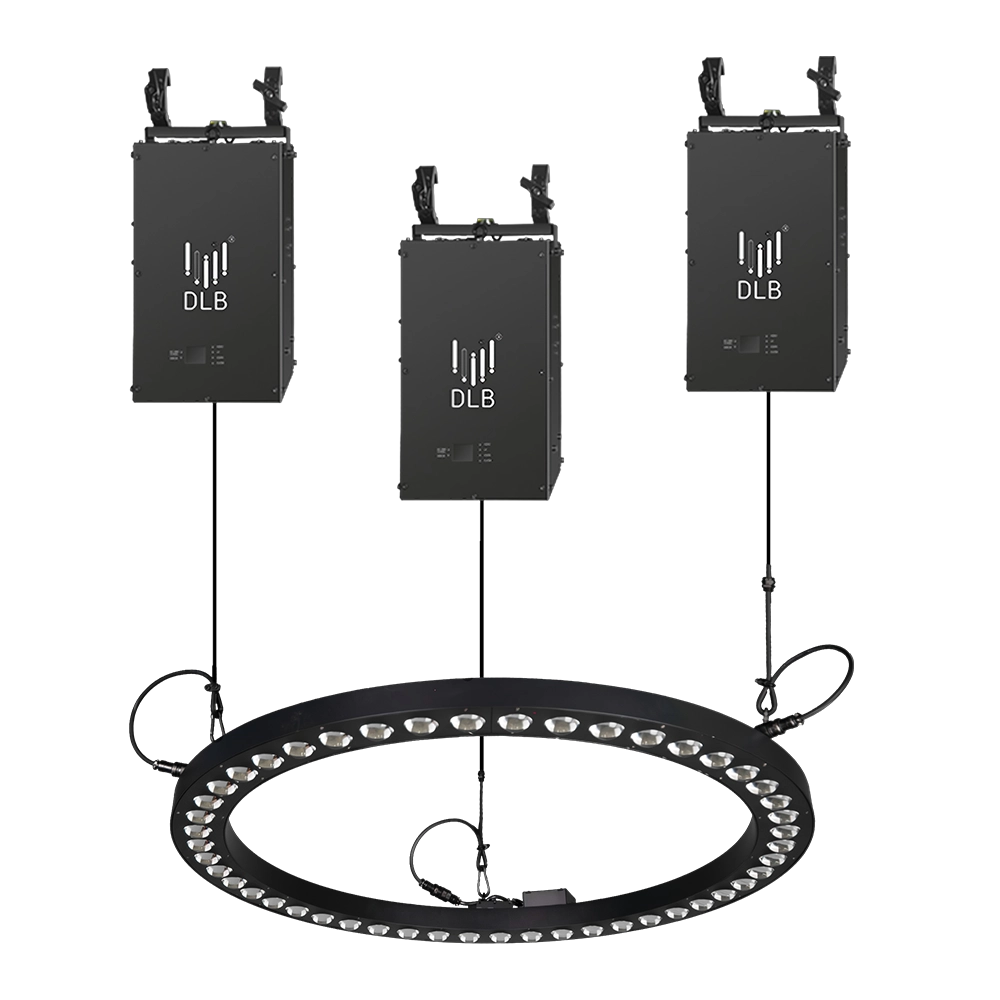
Kinetic Halo Ring——Ideal for a wide range of large-scale events: commercial spaces, TV shows, concerts, nightclubs, and various other settings.
Experience dynamic illumination with the FENG-YI Kinetic Halo Ring. This versatile kinetic light is perfect for large-scale events—commercial spaces, TV shows, concerts, and nightclubs—delivering stunning kinetic ring light effects that captivate every audience.
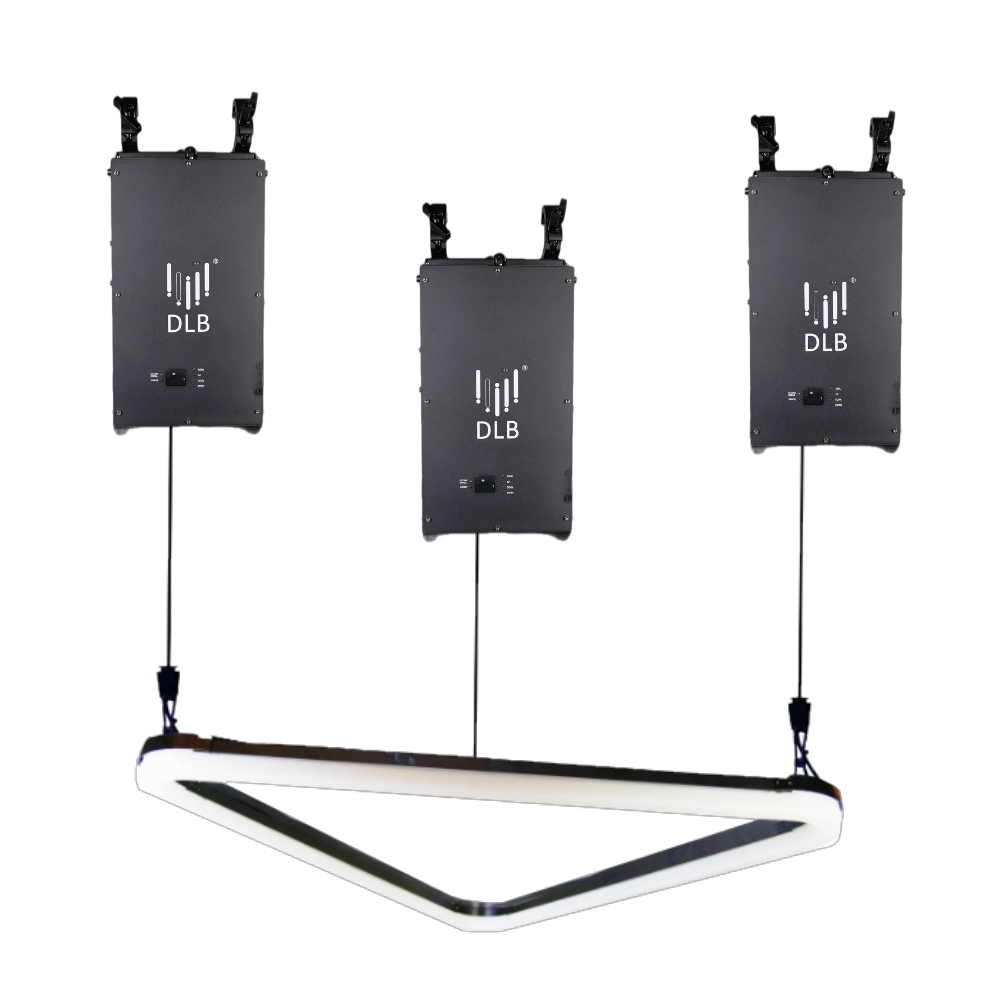
Kinetic Arc Light——Ideal for a wide range of large-scale events: commercial spaces, TV shows, concerts, nightclubs, and various other settings.
FENG-YI’s Kinetic Arc Light is a kinetic triangle LED light panel designed for large-scale events. Perfect for commercial spaces, TV shows, concerts, and nightclubs, it delivers dynamic lighting effects that captivate audiences and elevate any setting. Ideal kinetic light solution.
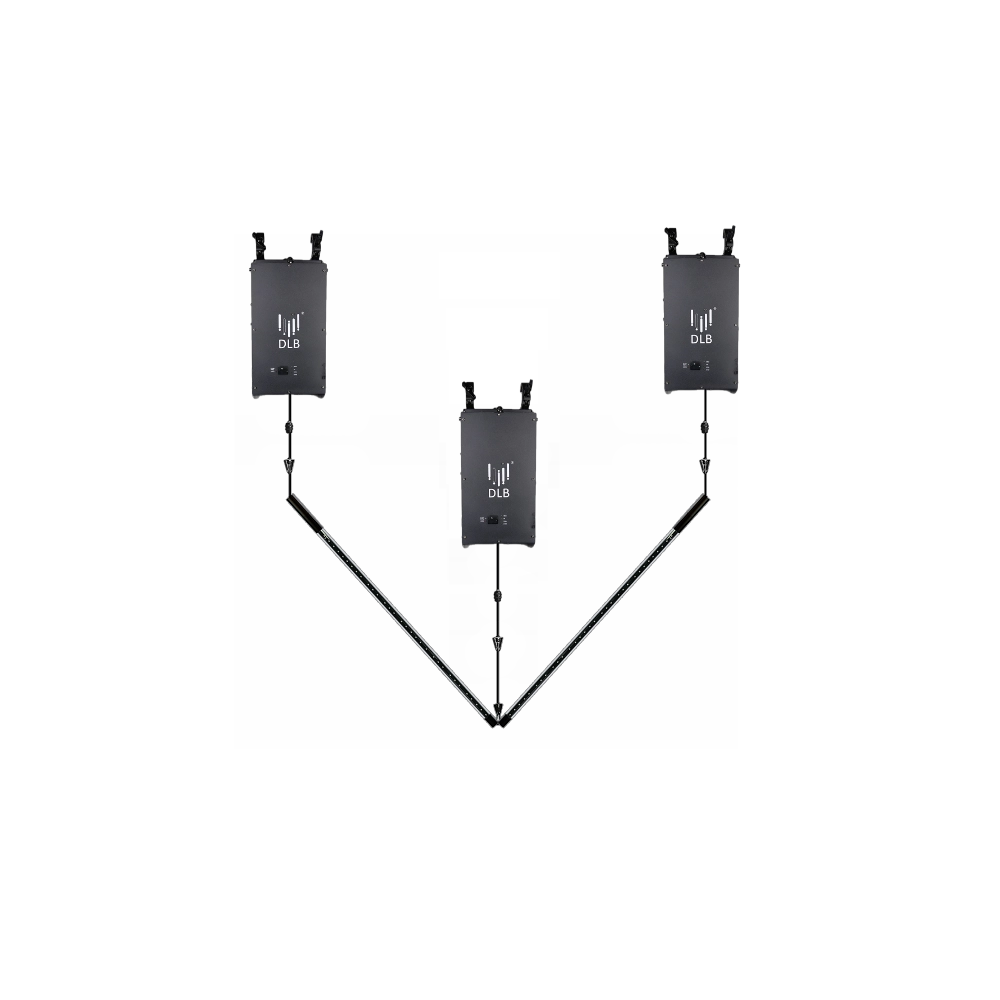
Kinetic Double Rod——Ideal for a wide range of large-scale events: commercial spaces, TV shows, concerts, nightclubs, and various other settings.
FENG-YI’s Kinetic Double Rod delivers dynamic kinetic light effects ideal for large-scale events—from concerts and nightclubs to TV shows and commercial spaces. Elevate your setup with this versatile kinetic light rod, designed for stunning visual impact and seamless integration.
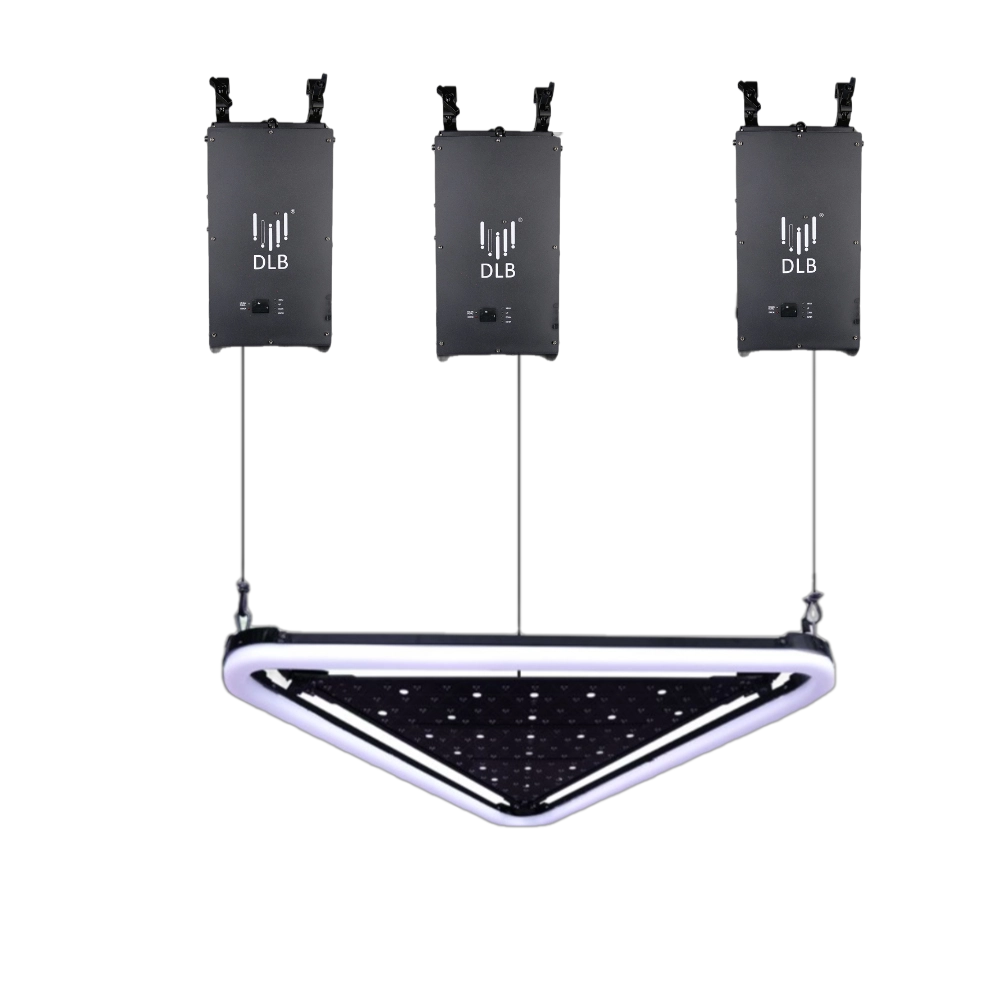
Kinetic Arc Panel——Ideal for a wide range of large-scale events: commercial spaces, TV shows, concerts, nightclubs, and various other settings.
FENG-YI’s Kinetic Arc Panel features dynamic kinetic light technology with kinetic triangle LED light panels, perfect for enhancing large-scale events like concerts, TV shows, nightclubs, and commercial spaces. Elevate your visual experience with innovative, high-impact lighting solutions.
Want to learn more about the latest updates?
Have questions or ready to illuminate your project? Reach out to our expert team today.
Rest assured that your privacy is important to us, and all information provided will be handled with the utmost confidentiality.
By clicking "Send your message," I agree to your processing my personal data.
To see how to withdraw your consent, how to control your personal data, and how we process it, please see our Privacy Policy and Terms of Use.

FENG-YI has been continuously innovating and has grown into a Kinetic Lights Manufacturer and solution provider with unique advantages.
Contact
+86 181 2785 5301
Address
Building 5, No. 34, Fuyuan Road, Jinghu IndustrialZone, Xinhua Town, Huadu District, Guangzhou, China.
© 2025 FENG-YI. All Rights Reserved.
Facebook
Instagram
YouTube
TikTok