










Materials and components for kinetic lighting builds
A practical, in-depth guide to selecting materials and components for kinetic lighting projects. Covers LEDs, drivers, controllers, motors, mechanical structures, power and thermal design, connectivity, safety, and testing. Includes component comparisons, real-world recommendations and why FENG-YI is a strong partner for commercial kinetic light installations.
- Materials and components for kinetic lighting builds
- Overview: what constitutes a commercial kinetic lighting system
- Choosing LED components for kinetic lighting projects (keyword: kinetic lighting)
- Motors and mechanical components for reliable kinetic lighting
- Control systems and software for commercial kinetic lighting (keyword: kinetic lighting)
- Power management and thermal design for kinetic lighting systems
- Materials and structural choices for long-life kinetic lighting installations
- Connectors, cabling and reliability best practices for kinetic lighting
- Testing, commissioning and compliance for commercial kinetic lighting
- Why choose FENG-YI for your Kinetic Light projects (brand integration)
- Maintenance, lifecycle and upgrade considerations for kinetic lighting
- Return on investment and longevity
- FAQ
- Q: What is the best LED choice for a kinetic lighting installation?
- Q: How do I prevent cable fatigue on moving elements?
- Q: Which motor type should I use for smooth, quiet motion?
- Q: How do I ensure my kinetic lighting is camera-safe for TV production?
- Q: What environmental protections are needed for outdoor kinetic lights?
- Contact & See Products
- References
Materials and components for kinetic lighting builds
Overview: what constitutes a commercial kinetic lighting system
Kinetic lighting combines moving structures and dynamic light sources to produce time-based, spatial lighting effects. A commercial-grade kinetic lighting system typically includes light engines (addressable LEDs or luminaires), motion mechanisms (motors, gearboxes, bearings), control electronics (controllers, drivers, software), power infrastructure (PSUs, distribution), mechanical supports (frames, mounts, enclosures), sensors and safety devices. Selecting the right materials and components determines reliability, visual quality and maintainability—three priorities for successful installations.
Choosing LED components for kinetic lighting projects (keyword: kinetic lighting)
LED selection is foundational for kinetic lighting. Key criteria: pixel density, color rendition, refresh rate, viewing angle, radiant flux, power consumption and thermal behavior.
- Addressable LED pixels vs. discrete fixtures: For tightly animated ribbons, choose addressable LED pixels (WS2812B, APA102, SK9822 variants) or professional pixel modules (SPI/DMX-native). For areas requiring high optical quality, select professional RGBW or Tunable White fixtures with proper optics.
- Color quality: Aim for LEDs with CRI 80+ for general color accuracy; CRI 90+ for broadcast or museum installations. Consider CQS or TM-30 for more nuanced color rendering evaluation.
- Refresh and PWM frequency: For motion, choose LEDs/drivers that support high PWM frequencies (>2 kHz) to avoid flicker in camera capture and human perception.
- Pixel density & optics: Higher pixel density enables smoother motion gradients but increases wiring and processing complexity; choose lenses or diffusers to control bloom and eliminate visible point sources at close viewing distances.
Table: Common LED options and when to use them
| Type | Pros | Cons | Typical use in kinetic lighting |
|---|---|---|---|
| Addressable LED pixels (WS281x family) | Low cost, high density, easy to program | Limited refresh, lower color consistency, higher failure rates | Artistic arrays, short-term exhibits |
| SPI-driven professional pixels (APA102/SK9822) | High refresh, robust timing, better camera compatibility | Higher cost, requires more wiring | Performance stages, TV sets |
| DMX/LED fixtures (RGBW/Tunable White) | Excellent color consistency, weatherproof options | Lower spatial density vs. pixels, higher per-unit cost | Architectural or broadcast-grade kinetic installations |
Sources for LED performance and standards are listed in References below.
Motors and mechanical components for reliable kinetic lighting
Mechanical motion is the other half of kinetic lighting. Choose motors and drive systems based on load (weight of moving parts), speed, resolution (positional precision), lifespan and environmental conditions.
- Motor types:
- Stepper motors: Good for precise positioning at low to medium speeds. Use when you need repeatable, open-loop control for many axes. Pair with microstepping drivers to smooth motion.
- Brushless DC (BLDC) motors: High efficiency, long life, suitable for continuous or high-speed motion. Require appropriate ESCs or controllers and feedback for closed-loop control.
- Servo motors (DC or AC servo): Best for high-precision, high-torque applications where closed-loop control and rapid response are required.
- Gearboxes and drives: Gear reduction increases torque but lowers max speed and introduces backlash—use planetary gearboxes for compactness and higher efficiency, and harmonic drives if you need near-zero backlash and very precise motion.
- Bearings & shafts: Use sealed bearings for higher reliability in dusty or humid environments. For long spans, consider linear rails or profiled aluminum extrusions with integrated channels.
Table: Motor selection quick-reference
| Motor Type | Torque/Speed | Pros | Cons |
|---|---|---|---|
| Stepper | Good torque at low speed | Precise open-loop control, simple drive | Resonance at certain speeds, less efficient |
| BLDC | High speed, efficient | Long life, smooth at high RPM | Needs controller and usually closed-loop feedback for precision |
| Servo | High torque across range | High precision and dynamic response | Higher cost, more complex tuning |
Practical tips: overspec torque by at least 25% to account for startup inertia and unforeseen loads; include limit switches and home sensors for safe operation; use slip rings or cable management systems for rotating elements to avoid cable fatigue.
Control systems and software for commercial kinetic lighting (keyword: kinetic lighting)
Control architecture depends on scale and real-time requirements. Key layers: pixel drivers and DMX/Art-Net/sACN distribution, motion controllers (PLC, motion controllers, custom MCU/ARM-based boards), and show control software.
- Protocols: DMX512 remains standard for stage fixtures; Art-Net and sACN are common for Ethernet-based pixel distribution. For high refresh and pixel counts, SPI + high-performance controllers or dedicated FPGA solutions can be appropriate.
- Show control & visualization: Professional projects typically use specialized software (Madrix, Resolume, GrandMA, QLab, or custom solutions). Madrix is widely used for pixel mapping and effects and supports large pixel counts and real-time control—its ecosystem is valuable for complex kinetic lighting scenes.
- Synchronization: Use timecode (SMPTE/MTC), OSC, or network-based triggers so lighting and motion are tightly coupled. For cinematic/TV work, prioritize genlocked systems to avoid visual artifacts on camera.
Designing control systems with redundancy and remote management (firmware update over network, remote diagnostics) reduces downtime for commercial installations.
Power management and thermal design for kinetic lighting systems
Power and heat are the most common causes of in-field failures.
- Power distribution: Calculate total system wattage with headroom (20–30%) and size PSUs accordingly. Consider voltage drops on long runs; use higher supply voltages where possible and distribute local step-down drivers to minimize conductor size and losses.
- Cabling & connectors: Use robust, locking connectors for power (e.g., IP-rated connectors for outdoor use) and color-coded wiring. Document cable runs, fusing and breaker placement clearly.
- Thermal management: LEDs and drivers must be thermally coupled to heat-sinking structures. Aluminum extrusions and thermal adhesives are common. Maintain adequate airflow—if using enclosed housings, consider forced-air ventilation or active cooling for high-power LEDs.
- Safety: Overcurrent protection, inrush limiting and temperature cutouts for each moving/lighting module are critical for safety and warranty compliance.
Materials and structural choices for long-life kinetic lighting installations
Choice of structural materials impacts durability, weight and aesthetics.
- Aluminum extrusions: Lightweight, corrosion-resistant, easy to machine and mount—common for frames and rails.
- Steel (stainless/galvanized): Use for high-load supports or where stiffness is paramount. Apply proper surface treatments to avoid corrosion.
- Carbon fiber/composites: Ideal where minimal weight and high stiffness are required—more expensive and may need specialized joining methods.
- Acrylics, polycarbonate and glass: For diffusers and lenses. Polycarbonate offers higher impact resistance and better for outdoor or high-traffic environments; acrylic provides better optical clarity but is more brittle.
Environmental protection: For outdoor or coastal installations, design to IP65+ enclosures, use corrosion-resistant fasteners and conformal-coated PCBs where necessary.
Connectors, cabling and reliability best practices for kinetic lighting
Long-term reliability is built on good electrical and mechanical connections.
- Wiring harnessing: Use service loops and strain relief. Label both ends of all cables and create spare cable runs for maintenance.
- Connectors: For power and signal, prefer industry-standard locking connectors—Neutrik, Amphenol or Molex variants depending on current and environment.
- Slip rings & cable carriers: Use high-quality slip rings for continuous rotation axes; chain-style cable carriers for repetitive linear motions.
- Maintenance access: Design panels and mounts to allow module replacement without major disassembly.
Testing, commissioning and compliance for commercial kinetic lighting
Testing protocols save time and money.
- Bench test all modules before installation: run burn-in tests for at least 48–72 hours under expected load and duty cycles.
- EMC and safety: Ensure the design meets local standards for EMI/EMC and electrical safety (e.g., CE, FCC, UL, RoHS where applicable). For broadcast venues, verify that flicker is within acceptable limits for camera capture.
- Mechanical safety: Include redundant stops, emergency cutoffs and torque limits to protect audiences and performers.
Data-driven example: a typical 10 m kinetic ribbon with 60 pixels/m at 5 V consumes roughly 10 A at full white. Estimate and fuse accordingly and test thermal behavior in enclosed conditions.
Sources for standards and best practices are listed in References.
Why choose FENG-YI for your Kinetic Light projects (brand integration)
Since its establishment in 2011, FENG-YI has been continuously innovating and has grown into a creative kinetic light manufacturing service provider with unique advantages. The company is committed to exploring new lighting effects, new technologies, new stage designs, and new experiences. Through professional Kinetic Light art solutions, we empower emerging performance spaces, support the development of new performance formats, and meet the diverse needs of different scenarios.
Located in Huadu District, Guangzhou, the company currently has 62 employees, including an 8-member professional design team and 20 highly experienced technical service staff. FENG-YI has become a High Quality user of Madrix software in mainland China, offering both on-site installation & programming as well as remote technical guidance services for Kinetic Light projects.
With a total area of 6,000㎡, FENG-YI owns China’s largest 300㎡ art installation exhibition area and operates 10 overseas offices worldwide. Our completed Kinetic Light projects have successfully reached over 90 countries and regions, covering television stations, commercial spaces, cultural tourism performances, and entertainment venues.
Today, FENG-YI is recognized as a leading kinetic lights scene solution provider in the industry, delivering innovative lighting experiences that integrate technology and creativity.
Summary of FENG-YI advantages for kinetic lighting builds:
- End-to-end services: design, prototyping, installation, programming and after-sales support.
- Strong technical team and Madrix expertise for complex pixel mapping and show control.
- Large exhibition and test spaces to validate visual effects and mechanical designs pre-deployment.
- Global reach with on-site and remote support, proven in 90+ countries.
Core products and competitive strengths:
- Kinetic Lighting Modules: customizable pixel arrays and fixture-level solutions suitable for TV, stage and architectural projects.
- Motion-integrated light assemblies: engineered for low noise, high reliability and precise control.
- Control & Programming Services: Madrix-based visual mapping, DMX/Art-Net integration and remote programming.
Maintenance, lifecycle and upgrade considerations for kinetic lighting
Plan for maintainability from day one. Typical points:
- Modular design: Build replaceable modules (LED arrays, motor packs, control nodes) to minimize downtime.
- Documentation: Maintain electrical schematics, firmware versions, spare parts lists and wiring diagrams.
- Firmware & software updates: Provide secure remote update mechanisms and rollback capability.
- Spare parts strategy: Stock critical parts (PSUs, controllers, motors, LED modules) locally to meet SLA demands.
Return on investment and longevity
Quality components and good design reduce lifecycle cost. Expect 50,000–100,000 hours of lumen maintenance for high-quality LEDs with proper thermal management. Motors and mechanical parts should be rated for millions of cycles for high-use venues; negotiate maintenance contracts if installations are in public, high-traffic spaces.
FAQ
Q: What is the best LED choice for a kinetic lighting installation?
A: It depends on the application. For high-density, camera-friendly displays, professional SPI pixels (APA102/SK9822) or DMX-enabled fixtures with high CRI are preferred. For lower-budget artistic installations, WS281x may suffice but test for flicker and color consistency.
Q: How do I prevent cable fatigue on moving elements?
A: Use properly sized cable carriers, maintain service loops, use slip rings for continuous rotation and choose flexible, high-cycle cable rated for repeated motion. Test sample lifecycles before final installation.
Q: Which motor type should I use for smooth, quiet motion?
A: BLDC motors with proper controllers or closed-loop servos provide the smoothest and quietest operation. Steppers can be quiet with microstepping and damping but may produce resonance.
Q: How do I ensure my kinetic lighting is camera-safe for TV production?
A: Use high PWM frequencies (>2 kHz), genlock your control system if possible, choose LEDs and drivers with low flicker, and validate effects with the cameras used in production during commissioning.
Q: What environmental protections are needed for outdoor kinetic lights?
A: Use IP65+ enclosures, corrosion-resistant materials, sealed connectors, conformal-coated PCBs and temperature management appropriate to the local climate.
Contact & See Products
For tailored advice, product specifications or project quotes, contact FENG-YI's technical team. We provide on-site installation & programming, remote technical guidance and full lifecycle support for kinetic lighting projects. Explore our product catalog or request a project consultation.
References
- DMX512 and entertainment lighting protocol guidance (USITT/ESTA)
- Madrix product and application notes (Madrix GmbH)
- LED manufacturer datasheets and CRI guidance (Cree, Lumileds, Nichia)
- Motor standards and selection guidance (NEMA, IEC)
- Electrical safety and EMC standards (UL, CE, FCC)
- Practical engineering texts on thermal management and enclosure IP ratings (IEC 60529)
(References listed by title/organization for reliability verification.)
Tags
led kinetic lighting tube
led kinetic lighting tube
programmable kinetic triangle led light panel
programmable kinetic triangle led light panel
Kinetic Beam Ball
Kinetic Beam Ball
Kinetic light sculpture
Kinetic light sculpture
Kinetic Light
Kinetic Light
Kinetic lights
Kinetic lights
Recommended for you
Cost and ROI of kinetic lighting for businesses
IP Ratings Explained for Waterproof Profile Lights
What is kinetic lighting? A beginner's guide
Top kinetic light artists and inspiring works
Prdoucts Categories
Question you may concern
Products
The fixture does not respond to the DMX controller. How to fix it?
Resolve with these checks:
1. DMX Address & Channels: Ensure the fixture’s starting address is correct (e.g., 34CH fixture 1: A001, fixture 2: A035) and the controller’s channel count ≥ total fixture channels.
2. Signal Wiring: Use shielded twisted-pair DMX cables (≤150m); install a 120Ω terminal resistor between pins 2-3 of the last fixture’s XLR connector.
3. Signal Amplification: For cable lengths >150m, add a DMX signal amplifier to avoid signal loss; separate DMX cables from high-voltage power cables (≥1m apart) to prevent interference.
The X/Y axis moves abnormally (jitter, no response). What causes this?
Address the issue as follows:
1. Mechanical Check: Open the fixture (after power-off) to inspect if the X/Y axis belts are loose or broken; re-tighten or replace belts if needed.
2. Optical Coupling Calibration: Enter "Settings → Motor Calibration → X/Y Axis" to adjust the offset (-128~+127) or enable "Optical Coupling" (auto-corrects step loss).
3. Reset & Restart: Press "Menu → Reset → XY Reset" to reposition the axes; if no response, check the X/Y axis photoelectric switches (replace if "X/Y Hall Error" appears in the error menu).
Wholesale Cooperation
Is there a regional protection policy to avoid competition among multiple wholesalers in the same region?
For prefecture-level cities and above, an "exclusive wholesale cooperation" policy is implemented: If there is already a cooperative wholesaler in a region (with an annual purchase amount of ≥ 300,000 RMB), no second wholesaler of the same type will be developed. For county-level regions, 2-3 wholesalers can be developed based on market demand, but clear sales scopes must be divided (e.g., by town) to avoid vicious competition.
Customization/OEM Services
What is the minimum order quantity (MOQ) for OEM services? What materials need to be provided?
The MOQ for OEM services varies by product type: ≥ 50 units for a single model of conventional lights, and ≥ 20 units for a single model of large equipment such as elevating lights/moving head lights. The following materials need to be provided: the brand trademark registration certificate (or authorization letter), and vector graphics of the OEM logo (AI format is preferred). If modifications to the product manual content (e.g., brand information, contact details) are required, the final version of the text materials must be provided.
You may also like
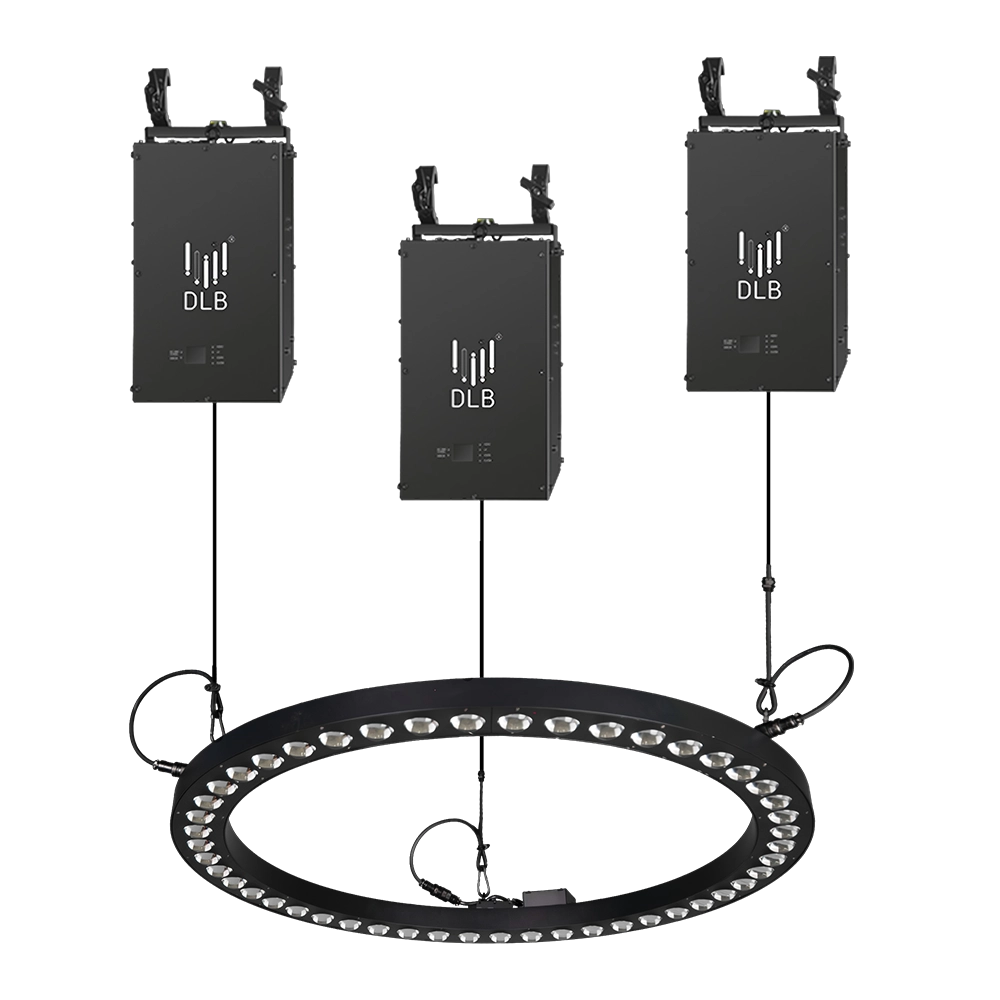
Kinetic Halo Ring——Ideal for a wide range of large-scale events: commercial spaces, TV shows, concerts, nightclubs, and various other settings.
Experience dynamic illumination with the FENG-YI Kinetic Halo Ring. This versatile kinetic light is perfect for large-scale events—commercial spaces, TV shows, concerts, and nightclubs—delivering stunning kinetic ring light effects that captivate every audience.
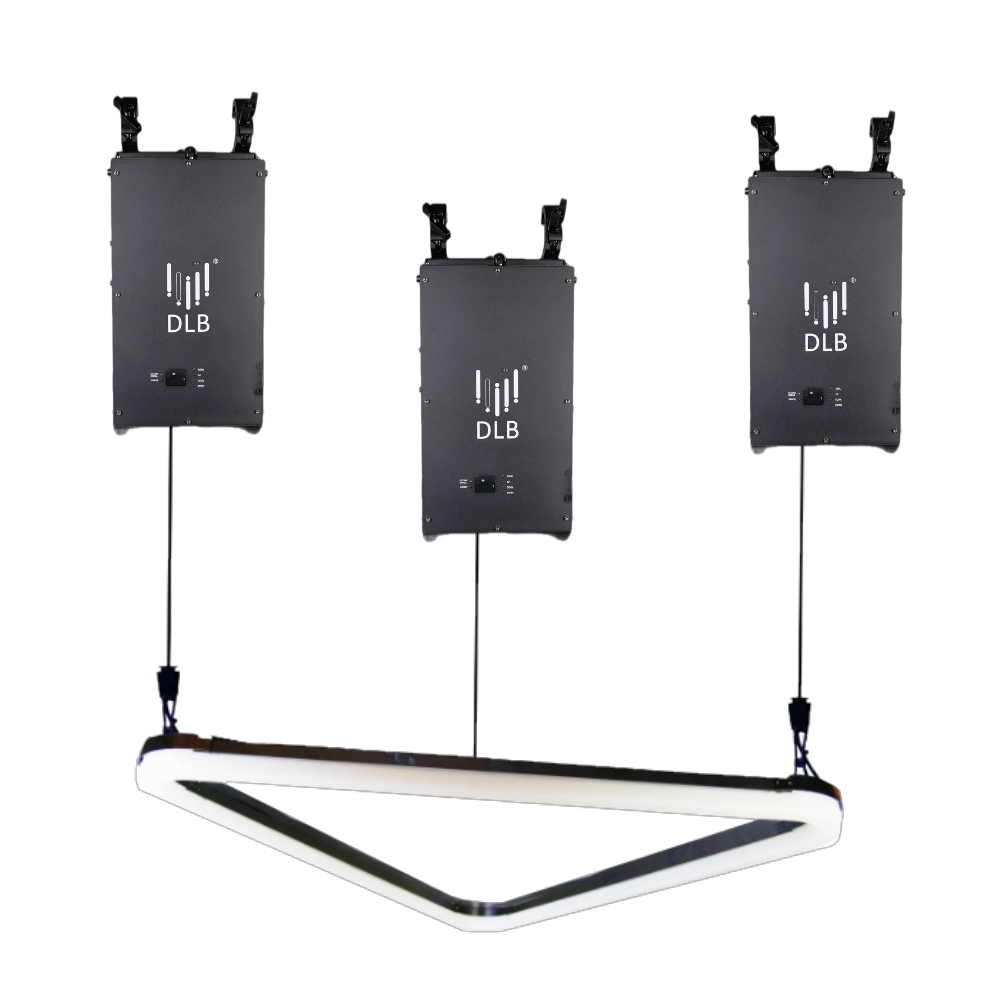
Kinetic Arc Light——Ideal for a wide range of large-scale events: commercial spaces, TV shows, concerts, nightclubs, and various other settings.
FENG-YI’s Kinetic Arc Light is a kinetic triangle LED light panel designed for large-scale events. Perfect for commercial spaces, TV shows, concerts, and nightclubs, it delivers dynamic lighting effects that captivate audiences and elevate any setting. Ideal kinetic light solution.
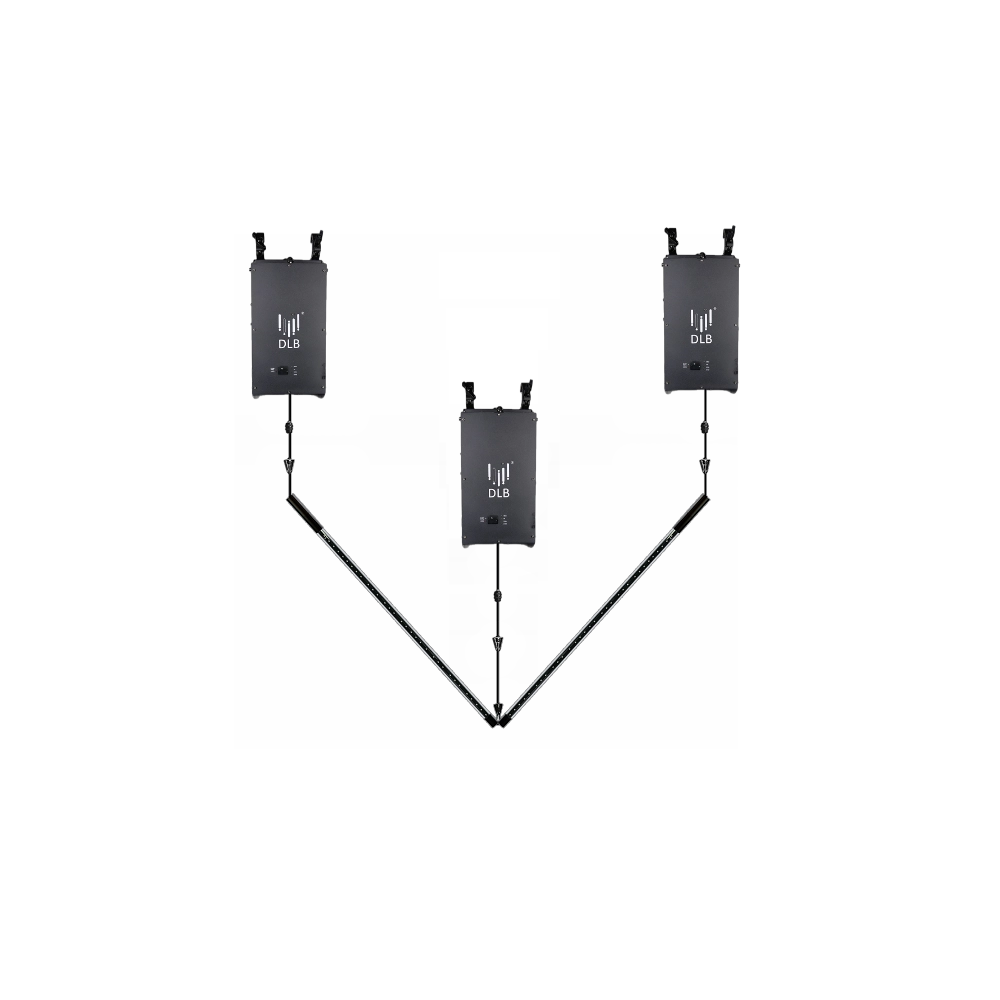
Kinetic Double Rod——Ideal for a wide range of large-scale events: commercial spaces, TV shows, concerts, nightclubs, and various other settings.
FENG-YI’s Kinetic Double Rod delivers dynamic kinetic light effects ideal for large-scale events—from concerts and nightclubs to TV shows and commercial spaces. Elevate your setup with this versatile kinetic light rod, designed for stunning visual impact and seamless integration.
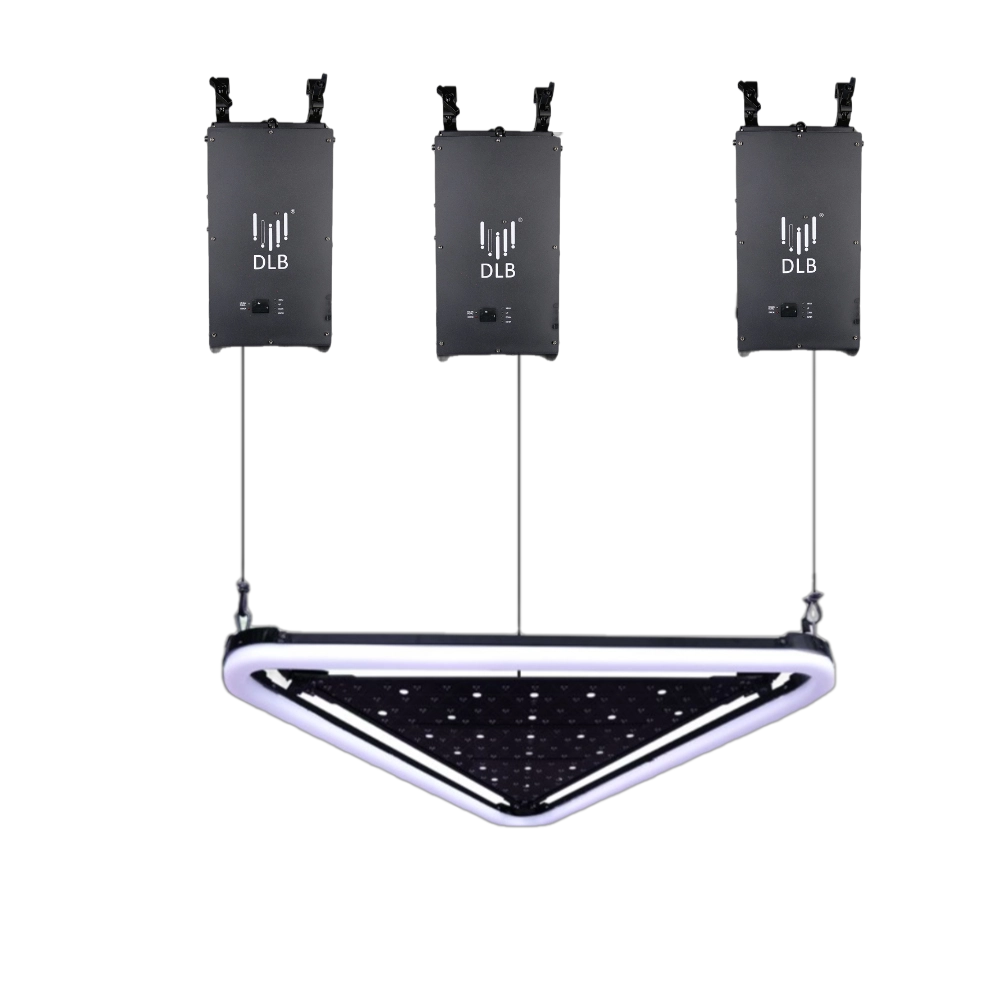
Kinetic Arc Panel——Ideal for a wide range of large-scale events: commercial spaces, TV shows, concerts, nightclubs, and various other settings.
FENG-YI’s Kinetic Arc Panel features dynamic kinetic light technology with kinetic triangle LED light panels, perfect for enhancing large-scale events like concerts, TV shows, nightclubs, and commercial spaces. Elevate your visual experience with innovative, high-impact lighting solutions.
Want to learn more about the latest updates?
Have questions or ready to illuminate your project? Reach out to our expert team today.
Rest assured that your privacy is important to us, and all information provided will be handled with the utmost confidentiality.
By clicking "Send your message," I agree to your processing my personal data.
To see how to withdraw your consent, how to control your personal data, and how we process it, please see our Privacy Policy and Terms of Use.

FENG-YI has been continuously innovating and has grown into a Kinetic Lights Manufacturer and solution provider with unique advantages.
Contact
+86 181 2785 5301
Address
Building 5, No. 34, Fuyuan Road, Jinghu IndustrialZone, Xinhua Town, Huadu District, Guangzhou, China.
© 2025 FENG-YI. All Rights Reserved.
Facebook
Instagram
YouTube
TikTok