










Market trends and outlook for kinetic lighting 2026
This article examines market trends and the 2026 outlook for kinetic lighting, covering demand drivers, technology advances, commercial use cases, procurement and ROI guidance, supply-chain and regulatory considerations, and how FENG-YI's kinetic lighting solutions and services align with market needs.
- Market trends and outlook for kinetic lighting 2026
- Why kinetic lighting matters in the 2026 commercial landscape
- Market drivers: demand, technology, and experiential economics
- Key market segments for kinetic lighting adoption
- Technology trends shaping kinetic lighting to 2026
- Competitive landscape and procurement tips for buyers of kinetic lighting
- Table: Comparative attributes — Kinetic lighting vs Traditional stage lighting vs Architectural dynamic facade
- Economics and ROI: how to justify a kinetic lighting investment
- Supply chain, manufacturing, and installation considerations
- Regulations, safety, and sustainability expectations
- How software ecosystems will influence kinetic lighting adoption
- Use-case playbook: successful applications through 2026
- FENG-YI: aligning industrial capability with market trends
- FENG-YI’s scale and service model
- Why commercial buyers choose FENG-YI kinetic lighting solutions
- Practical checklist: commissioning a kinetic lighting project in 2026
- Outlook summary and recommendations to 2026
- FAQ — Frequently asked questions about kinetic lighting market and procurement
- Q: What is the expected adoption curve for kinetic lighting by 2026?
- Q: How energy-efficient is kinetic lighting compared to traditional lighting?
- Q: What should be included in a warranty for kinetic lighting?
- Q: Can kinetic lighting be integrated with existing lighting control systems?
- Q: How do I evaluate the total cost of ownership (TCO)?
- Contact and product CTA
- Sources
Market trends and outlook for kinetic lighting 2026
Why kinetic lighting matters in the 2026 commercial landscape
Kinetic lighting — programmable, moving, and dynamically reconfigurable light installations — is shifting from a creative novelty to a business-oriented lighting solution. As venues, brands, and urban planners seek differentiated experiences, kinetic lighting answers both experiential and operational needs: it delivers attention-capturing visuals, flexible programming for multi-use spaces, and the potential for energy-efficient LED-driven motion systems. For buyers searching to buy kinetic lighting or commission kinetic lighting systems in 2026, understanding market forces can help justify budgets, select partners, and design scalable projects.
Market drivers: demand, technology, and experiential economics
Kinetic lighting demand is propelled by three converging forces: rising experiential marketing budgets, advances in LED and control technologies, and the maturation of creative and technical talent. Retail, entertainment, cultural tourism, and broadcast sectors are increasing spend on immersive staging; kinetic lighting systems amplify both advertising recall and visitor dwell time. On the technology side, micro-actuators, lightweight frameworks, and integrated DMX/Art-Net/LED drivers have reduced the complexity and cost of creating large-scale moving light arrays. For commercial buyers, these drivers translate into clearer ROI propositions when kinetic lighting is used to increase ticket revenue, sponsorship income, or tenant value in mixed-use developments.
Key market segments for kinetic lighting adoption
Understanding where kinetic lighting is most likely to be purchased helps procurement teams prioritize. Primary segments include:
- Broadcast and television studios — for signature show openings and graphics-driven sets.
- Live entertainment and touring shows — where lightweight, repeatable rigging matters.
- Retail and flagship stores — to create branded, attention-drawing installations.
- Commercial and cultural attractions — theme parks, museums, and cultural performances.
- Architectural facades and public art — large-scale kinetic facades for urban identity.
Each segment places different priorities on factors such as portability, control integration, maintenance, and lifetime cost — critical considerations when evaluating kinetic lighting systems for purchase.
Technology trends shaping kinetic lighting to 2026
Between 2023 and 2026, several technical trends will make kinetic lighting more accessible and reliable for commercial projects. These include:
- Integrated LED-and-actuator modules: reducing installation time and simplifying programming.
- Edge computing and local control: enabling synchronized motion and pixel-level effects with lower latency and less reliance on cloud connectivity.
- Standardized protocols and software plugins: improved compatibility between kinetic hardware and lighting control ecosystems (e.g., Madrix, DMX, Art-Net, sACN).
- Predictive maintenance and remote diagnostics: using IoT sensors to minimize downtime and reduce in-person service visits.
For organizations planning purchases, these trends lower the total cost of ownership and increase uptime — two commercially compelling outcomes when deciding to invest in kinetic lighting solutions.
Competitive landscape and procurement tips for buyers of kinetic lighting
The supplier landscape blends creative studios, mechanical manufacturers, LED OEMs, and systems integrators. Buyers seeking kinetic lighting solutions should evaluate suppliers on five practical criteria: technical reliability, software compatibility, installation and programming services, after-sales support, and demonstrated case studies in the buyer's sector. When evaluating proposals, ask for references showing long-term performance in real-world environments (outdoor facades vs. indoor touring will have different failure modes). keywords to prioritize in RFPs include “kinetic lighting installation”, “kinetic lighting programming”, “kinetic lighting systems warranty”, and “kinetic lighting maintenance plan”.
Table: Comparative attributes — Kinetic lighting vs Traditional stage lighting vs Architectural dynamic facade
| Attribute | Kinetic lighting | Traditional stage lighting | Architectural dynamic facade |
|---|---|---|---|
| Interactivity | High (programmable motion & pixel effects) | Medium (lighting cues, limited movement) | Medium–High (pixel mapping, limited physical motion) |
| Typical Complexity (design/install) | High (mechanical + electrical + software) | Medium (electrical + rigging) | High (structural + electrical + weatherproofing) |
| Maintenance Needs | Medium–High (moving parts require services) | Medium (bulb/driver replacement) | Medium–High (exposure to elements) |
| Best commercial use | Brand activation, shows, multi-use venues | Concerts, theatrical productions | Façades, public art, building identity |
Sources for comparative criteria: industry case studies and technical briefs from integrators and lighting manufacturers (see cited sources below).
Economics and ROI: how to justify a kinetic lighting investment
Buyers often ask whether kinetic lighting is a justified capital expense. The ROI case is strongest when kinetic lighting serves multiple revenue or cost-saving functions: enhanced ticket sales and sponsorship for venues, increased footfall and higher conversions for retail, or High Quality lease rates for buildings with iconic facades. When calculating ROI, include both direct revenue drivers (ticket sales, sponsorships, retail uplift) and indirect value (brand equity, social media reach, PR). Also factor in operating costs: power consumption, scheduled maintenance for moving parts, software licensing, and staff or vendor programming fees. For many medium-to-large projects, a 3–7 year payback horizon is a realistic planning assumption when activities are designed to monetize the experience.
Supply chain, manufacturing, and installation considerations
Global supply chain stability and the availability of skilled integrators can be limiting factors. Projects requiring custom mechanical assemblies or long touring cycles need robust component sourcing and pre-shipment testing. For organizations planning procurement in 2026, look for suppliers that provide factory acceptance testing (FAT), detailed installation drawings, and clear spare-parts strategies. Commercial buyers should also specify lead times, warranty terms, and options for remote technical support in their contracts to minimize schedule and operational risks.
Regulations, safety, and sustainability expectations
Safety for moving installations is paramount. Compliance with local building, electrical, and rigging codes should be demonstrated by suppliers. Increasingly, clients expect sustainability in lighting projects: energy-efficient LEDs, recyclable materials, and modular components that can be reused across shows or venue changes. For exterior kinetic facades, environmental resilience (IP ratings, corrosion resistance) and light-pollution considerations (timers, dimming profiles) will influence approvals from local authorities. Buyers should request compliance documentation, risk assessments, and environmental impact statements during procurement.
How software ecosystems will influence kinetic lighting adoption
Software is the connective tissue for kinetic lighting. Control platforms that can orchestrate motion, pixel-mapped content, audio triggers, and external sensors determine how flexible an installation will be. In the Chinese market and globally, platforms such as Madrix have become popular for pixel control; compatibility with widely-used control protocols simplifies integration with existing lighting consoles and media servers. For commercial projects, demand keywords such as “kinetic lighting programming services” and “Madrix kinetic lighting” are increasingly common in procurement documents. Buyers should insist on source-available or well-supported control architectures to reduce vendor lock-in risks.
Use-case playbook: successful applications through 2026
To clarify practical deployment strategies, here are five tested use cases that buyers can adapt:
- TV shows and live broadcast openings — short-duration, high-impact kinetic moments that require rapid setup and repeatability.
- Retail flagship activations — semi-permanent installations that support seasonal programming and promotional events.
- Cultural performances and touring exhibits — adaptable kinetic rigs designed for repeated load-ins and load-outs.
- Public installations and festivals — large-scale, site-specific works that prioritize durability and remote control.
- Corporate lobbies and experiential offices — kinetic installations used to signal brand identity and host events.
Each use case requires tailored contractual terms for warranty, programming, and maintenance. When engaging vendors, ask for a documented lifecycle plan for content refresh and mechanical servicing.
FENG-YI: aligning industrial capability with market trends
Since its establishment in 2011, FENG-YI has been continuously innovating and has grown into a creative kinetic light manufacturing service provider with unique advantages. The company is committed to exploring new lighting effects, new technologies, new stage designs, and new experiences. Through professional Kinetic Light art solutions, we empower emerging performance spaces, support the development of new performance formats, and meet the diverse needs of different scenarios.
FENG-YI’s scale and service model
Located in Huadu District, Guangzhou, the company currently has 62 employees, including an 8-member professional design team and 20 highly experienced technical service staff. FENG-YI has become a High Quality user of Madrix software in mainland China, offering both on-site installation & programming as well as remote technical guidance services for Kinetic Light projects. With a total area of 6,000㎡, FENG-YI owns China’s largest 300㎡ art installation exhibition area and operates 10 overseas offices worldwide. Our completed Kinetic Light projects have successfully reached over 90 countries and regions, covering television stations, commercial spaces, cultural tourism performances, and entertainment venues.
Why commercial buyers choose FENG-YI kinetic lighting solutions
FENG-YI’s advantages align with the market needs identified above: integrated design-to-install services, Madrix expertise for pixel control, and global delivery capability. For buyers focused on quality assurance, FENG-YI provides factory acceptance, on-site programming, and remote technical guidance — reducing installation risk and accelerating time-to-market. The company’s combined design and technical teams enable turnkey kinetic lighting projects from concept to commissioning, making FENG-YI a compelling partner for customers who want to buy kinetic lighting installations with predictable outcomes.
Practical checklist: commissioning a kinetic lighting project in 2026
To help procurement and project teams, use this practical checklist when evaluating suppliers and scoping projects:
- Define the business goal (revenue, experience, PR) and measurable KPIs.
- Specify life-cycle requirements: runtime per day, maintenance windows, expected lifespan.
- Request detailed technical deliverables: mechanical drawings, electrical schematics, control diagrams, and FAT reports.
- Validate software compatibility and request sample content creation workflows.
- Get a spare-parts list and defined SLA for on-site service or remote diagnostics.
- Confirm regulatory compliance and sustainability statements for materials and energy consumption.
Outlook summary and recommendations to 2026
Going into 2026, kinetic lighting is positioned to continue growing as a specialized yet commercially viable segment of the broader lighting and experiential markets. The key recommendations for buyers and vendors are:
- Buyers: prioritize suppliers that demonstrate lifecycle thinking, software openness, and proven case studies in your segment.
- Vendors: invest in modular mechanical designs, remote diagnostics, and standard protocol support to reduce friction for global projects.
- Both parties: plan for content refresh cycles and allocate budgets for programming and maintenance to protect your investment.
FAQ — Frequently asked questions about kinetic lighting market and procurement
Q: What is the expected adoption curve for kinetic lighting by 2026?
A: Adoption will be strongest in broadcast, retail flagships, and cultural attractions where experience-based ROI is easiest to quantify. Broader architectural adoption will grow more slowly due to regulatory and maintenance requirements.
Q: How energy-efficient is kinetic lighting compared to traditional lighting?
A: Kinetic systems increasingly use LED sources, which are more energy-efficient than legacy lamps. However, energy use from motors and continuous motion can offset some LED savings. A full lifecycle energy calculation should include motion schedules, duty cycles, and control strategies (dimming, occupancy).
Q: What should be included in a warranty for kinetic lighting?
A: A comprehensive warranty should cover LEDs/drivers, actuators/motors, control electronics, and programming validation for a defined period. It should also specify SLAs for on-site repair, remote support, and spare parts availability.
Q: Can kinetic lighting be integrated with existing lighting control systems?
A: Yes — when hardware and software support standard protocols (DMX, Art-Net, sACN) and media servers. Confirm compatibility and request a demonstration of integrated control during vendor selection.
Q: How do I evaluate the total cost of ownership (TCO)?
A: Include initial capital expenditure, installation and programming fees, annual maintenance costs, energy consumption, spare parts, and expected content refresh or reprogramming fees. Modeling revenues or value uplift tied to your KPIs will help justify expenditures.
Contact and product CTA
If you are planning a kinetic lighting project in 2026 or would like to review turnkey kinetic lighting solutions, contact FENG-YI for consultation, site assessment, and a proposal. View our kinetic lighting products and case studies, request a demo at our 300㎡ exhibition area, or schedule remote technical guidance. For inquiries, ask for our installation & programming packages and spare-parts SLA options to ensure your project meets performance and maintenance expectations.
Sources
- MarketsandMarkets — Smart Lighting Market Reports and Lighting Control Forecasts.
- Grand View Research — LED & Smart Lighting Market Analyses.
- Deloitte and McKinsey industry briefs on experiential retail and entertainment technology investments.
- Madrix product and application notes (control and pixel mapping best practices).
- Industry case studies from lighting integrators and manufacturers (product datasheets, FAT procedures).
Tags
kinetic light fixtures
kinetic light fixtures
Kinetic Laser light
Kinetic Laser light
kinetic light ball
kinetic light ball
Kinetic Butterfly-shaped lamp
Kinetic Butterfly-shaped lamp
kinetic light installation
kinetic light installation
Kinetic Glass Raindrop
Kinetic Glass Raindrop
Recommended for you
Smart kinetic lighting systems: integration guide
How Kinetic Arc Light Works: Mechanism & Design
Best kinetic lighting installations in public art
Top kinetic lights Manufacturers and Suppliers in 2026
Prdoucts Categories
Question you may concern
Logistics Services
What logistics method is used by default for products? What is the delivery time for different regions in China?
Dedicated line logistics (e.g., Anneng, Best Express) is used by default. Express delivery (e.g., SF Express, JD Express) or full-truck transportation can also be arranged according to customer needs. Delivery time:
▪ East China/South China/Central China: 3-5 days.
▪ North China/Southwest China: 5-7 days.
▪ Northeast China/Northwest China: 7-10 days.
▪ Remote areas (e.g., Xinjiang, Tibet): 10-15 days, with an additional remote area freight charge (calculated by weight, specific details to be confirmed with the logistics department).
Wedding & Parties Lighting Solutions
Is the control system compatible with existing consoles?
Supports DMX / Art-Net / sACN for seamless integration with mainstream consoles; also enables Timecode-driven operation and multimedia synchronized control.
Products
What light control modes does the 7-lamp 60W wash light support? Is it compatible with DMX consoles of other brands?
It supports three control modes: DMX512, sound activation, and auto-run. The channels can be selected as 23CH/35CH/51CH (the 51CH mode enables independent R/G/B/W dimming for each individual lamp bead). It complies with the international universal DMX512 protocol and is compatible with mainstream brand consoles (e.g., MA, Good, Pearl consoles). When connecting, it is recommended to connect a 120Ω terminator to the output end of the last light to reduce signal interference.
Wholesale Cooperation
Are samples provided for wholesale cooperation? How is the sample fee settled?
1-2 standard samples are provided free of charge (the customer needs to bear the freight). For customized samples, a cost fee is charged (e.g., 200-500 RMB/unit for appearance-customized samples). If the customer places a subsequent bulk order (meeting the MOQ of the corresponding product), the sample fee can be fully deducted from the payment, and free samples do not need to be returned.
You may also like
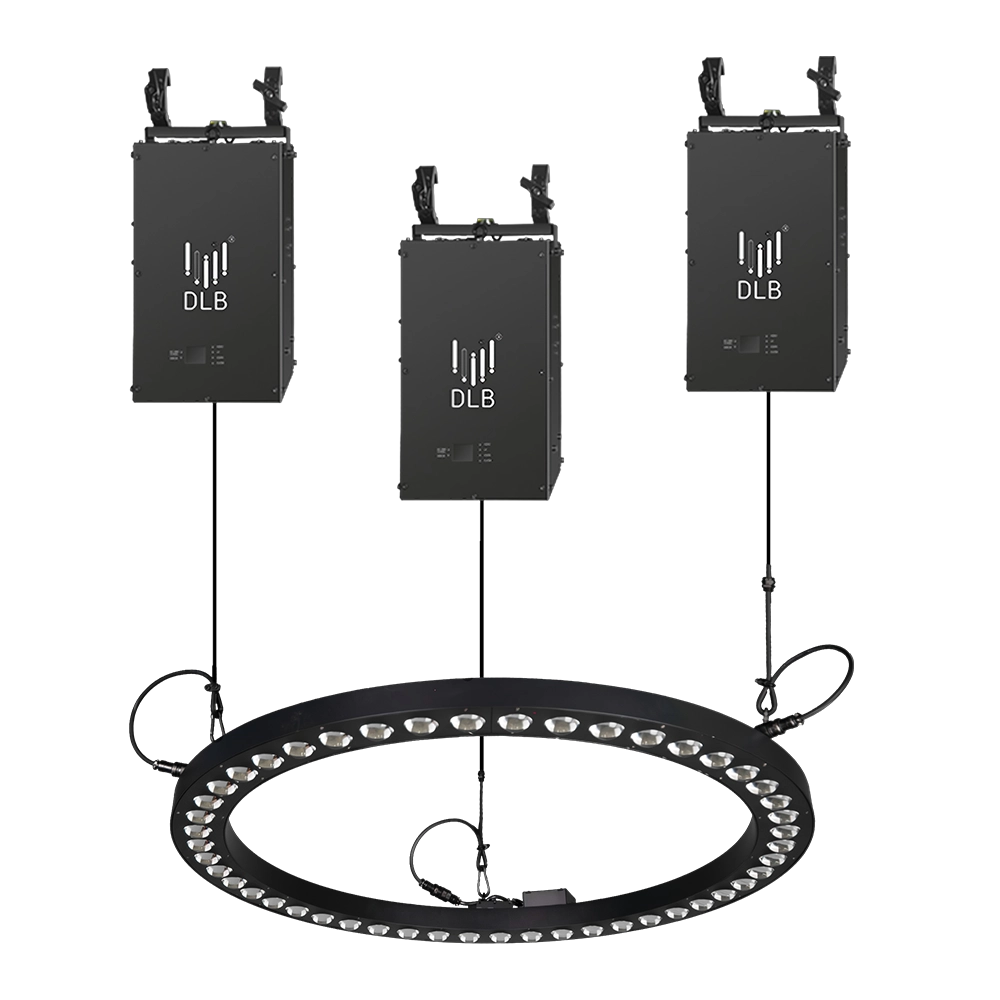
Kinetic Halo Ring——Ideal for a wide range of large-scale events: commercial spaces, TV shows, concerts, nightclubs, and various other settings.
Experience dynamic illumination with the FENG-YI Kinetic Halo Ring. This versatile kinetic light is perfect for large-scale events—commercial spaces, TV shows, concerts, and nightclubs—delivering stunning kinetic ring light effects that captivate every audience.
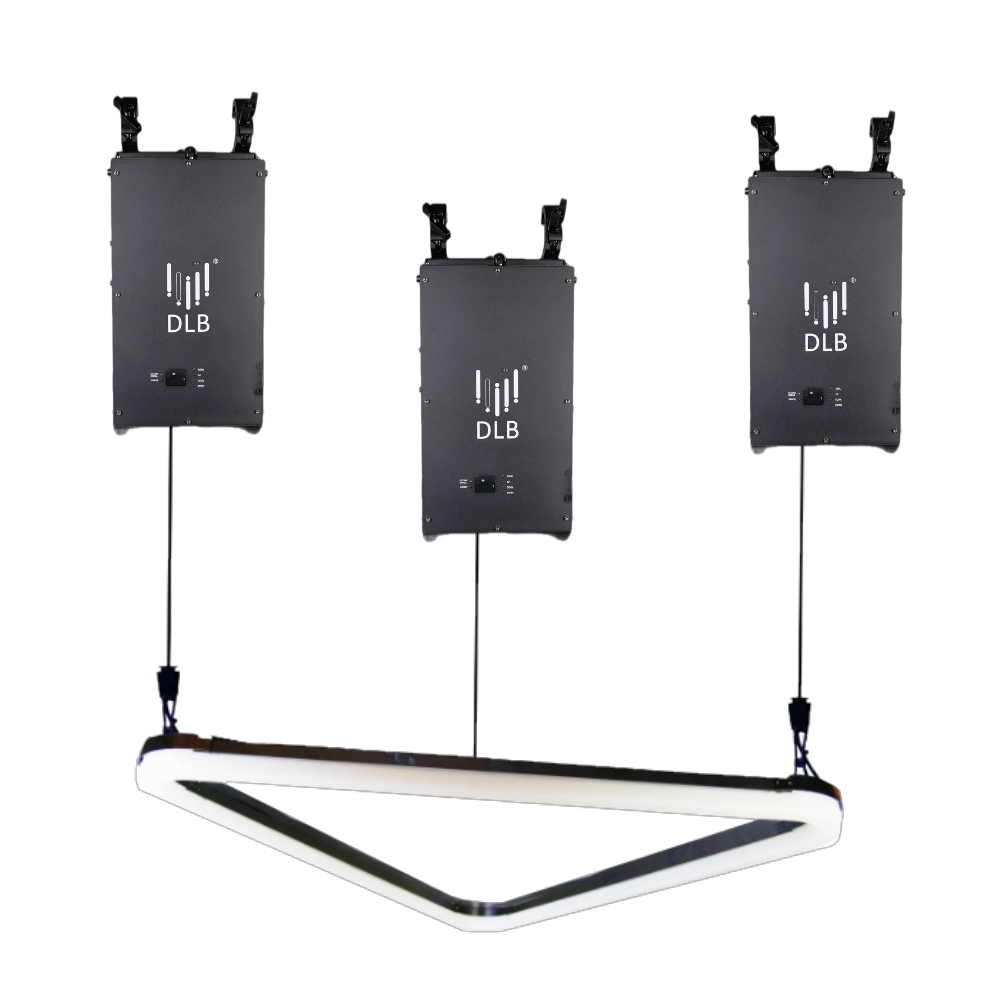
Kinetic Arc Light——Ideal for a wide range of large-scale events: commercial spaces, TV shows, concerts, nightclubs, and various other settings.
FENG-YI’s Kinetic Arc Light is a kinetic triangle LED light panel designed for large-scale events. Perfect for commercial spaces, TV shows, concerts, and nightclubs, it delivers dynamic lighting effects that captivate audiences and elevate any setting. Ideal kinetic light solution.
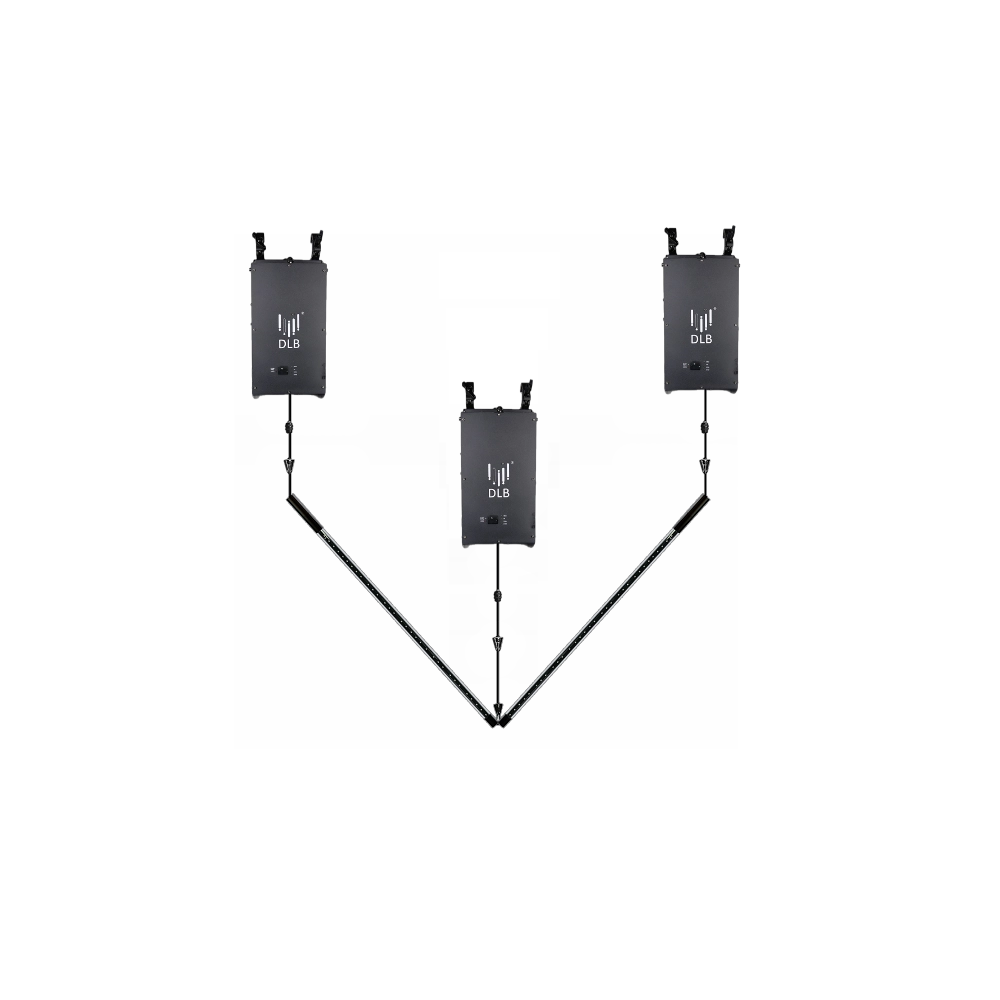
Kinetic Double Rod——Ideal for a wide range of large-scale events: commercial spaces, TV shows, concerts, nightclubs, and various other settings.
FENG-YI’s Kinetic Double Rod delivers dynamic kinetic light effects ideal for large-scale events—from concerts and nightclubs to TV shows and commercial spaces. Elevate your setup with this versatile kinetic light rod, designed for stunning visual impact and seamless integration.
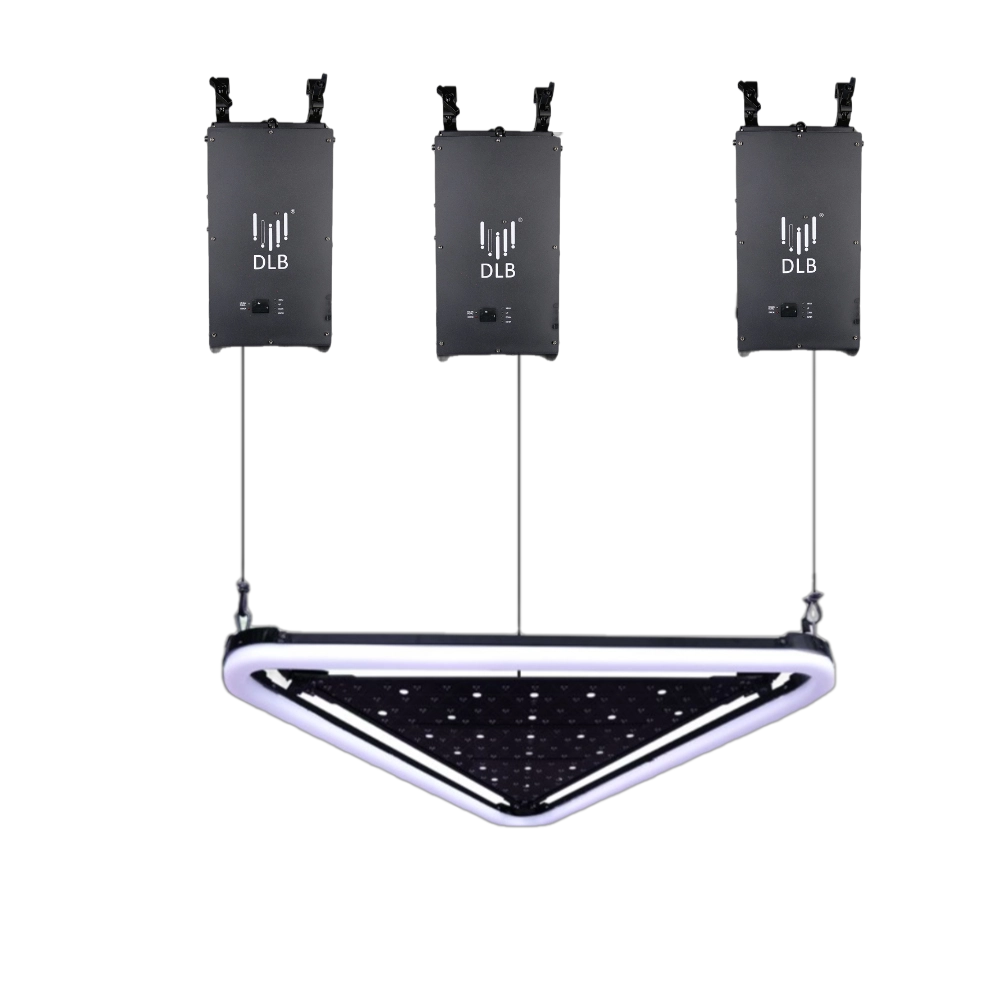
Kinetic Arc Panel——Ideal for a wide range of large-scale events: commercial spaces, TV shows, concerts, nightclubs, and various other settings.
FENG-YI’s Kinetic Arc Panel features dynamic kinetic light technology with kinetic triangle LED light panels, perfect for enhancing large-scale events like concerts, TV shows, nightclubs, and commercial spaces. Elevate your visual experience with innovative, high-impact lighting solutions.
Want to learn more about the latest updates?
Have questions or ready to illuminate your project? Reach out to our expert team today.
Rest assured that your privacy is important to us, and all information provided will be handled with the utmost confidentiality.
By clicking "Send your message," I agree to your processing my personal data.
To see how to withdraw your consent, how to control your personal data, and how we process it, please see our Privacy Policy and Terms of Use.

FENG-YI has been continuously innovating and has grown into a Kinetic Lights Manufacturer and solution provider with unique advantages.
Contact
+86 181 2785 5301
Address
Building 5, No. 34, Fuyuan Road, Jinghu IndustrialZone, Xinhua Town, Huadu District, Guangzhou, China.
© 2025 FENG-YI. All Rights Reserved.
Facebook
Instagram
YouTube
TikTok