










Kinetic lighting in hospitality: hotels and restaurants
This guide explains how kinetic lighting transforms hotels and restaurants—design principles, technical integration, guest experience and ROI, implementation steps, and how FENG-YI delivers professional kinetic light solutions for hospitality spaces.
- Kinetic lighting in hospitality: hotels and restaurants
- What is kinetic lighting and why it matters for hospitality
- : kinetic lighting to elevate guest experience
- Design principles for successful kinetic lighting in hotels and restaurants
- Key use cases: where kinetic lighting creates the most impact
- Lobbies and arrival sequences
- Restaurants, bars and F&B zones
- Event spaces and ballrooms
- Facade and exterior installations
- Technical considerations: hardware, control and content
- : ensuring reliability and predictable operating costs
- Performance and ROI: how kinetic lighting delivers value
- Comparison: kinetic lighting versus static LED and projection mapping
- Implementation roadmap: from concept to daily operation
- : mitigating risk and delivering measurable outcomes
- Operational realities: maintenance, energy and lifecycle
- FENG-YI: a partner for kinetic lighting in hospitality
- Why choose FENG-YI for hotels and restaurants
- Core products and competencies
- Practical tips for operators considering kinetic lighting
- FAQ
- How much does a kinetic lighting installation typically cost?
- Will kinetic lighting increase my energy bills?
- How disruptive is installation in an operating hotel or restaurant?
- Can kinetic lighting be updated or reprogrammed later?
- Are kinetic installations safe around guests?
- Next steps and contact
- References and sources
Kinetic lighting in hospitality: hotels and restaurants
What is kinetic lighting and why it matters for hospitality
Kinetic lighting refers to lighting installations that move, change form, or vary visual parameters over time to create dynamic, time-based experiences. In hospitality—hotels and restaurants—kinetic lighting goes beyond illumination. It becomes an experience layer: guiding arrival, accentuating architecture, creating atmosphere for dining, or transforming event spaces on demand. For hotel and restaurant operators seeking to differentiate their brands and increase guest engagement, kinetic lighting is a visible, flexible tool that blends art, architecture and technology.
: kinetic lighting to elevate guest experience
Hotel and restaurant operators investing in kinetic lighting are typically responding to clear s: increase guest satisfaction and dwell time, create shareable moments that drive earned media, and enable multi-use spaces that can change mood and function quickly. When thoughtfully applied, kinetic lighting can contribute to higher average spend in F&B areas, stronger brand recall for boutique hotels, and more successful events in ballrooms and meeting spaces.
Design principles for successful kinetic lighting in hotels and restaurants
Successful kinetic lighting is a blend of concept, human-centered design, and reliable control systems. Designers and decision-makers should consider:
- Purpose first: define whether the installation is decorative, narrative (telling a brand story), functional (wayfinding, safety), or multi-purpose.
- Human comfort: prioritize glare control, appropriate light levels for dining or reading, and circadian-friendly choices in guest rooms and staff areas.
- Scale and sightlines: kinetic elements should be visible from primary guest points—lobby entrances, dining tables, terraces—without overwhelming intimate spaces.
- Content strategy: movement patterns, color palettes and transitions should align with brand identity and time-of-day programming (e.g., energetic mornings, relaxed evenings).
- Integration: coordinate with architecture, acoustics, and HVAC to avoid conflicts and support maintenance access.
Key use cases: where kinetic lighting creates the most impact
Below are high-impact placements and how they support operational or experiential goals.
Lobbies and arrival sequences
First impressions matter. A kinetic installation above a lobby atrium or behind the reception desk sets tone, signals brand personality and helps guests orient. Subtle motion or slow color shifts can reduce perceived waiting time and create memorable check-in experiences.
Restaurants, bars and F&B zones
Kinetic lighting can shape dining rhythms: bright, crisp stimuli for brunch or daytime service, warm and intimate patterns for dinner, and more kinetic, colorful shows for late-night bar atmospheres. In open-plan restaurants, programmable sequences allow operators to switch scenes between service periods or private events.
Event spaces and ballrooms
Ballrooms and meeting rooms benefit from rapid scene changes that match event content. Kinetic lighting eliminates the need for expensive scenic changes by converting a neutral room into a branded gala, product launch or conference backdrop using motion, color and structure.
Facade and exterior installations
Building facades equipped with kinetic lighting amplify a hotel or restaurant’s presence in the urban fabric. Nighttime motion draws attention and can be programmed for special dates, promotions, or local events.
Technical considerations: hardware, control and content
Operators must balance creative ambition with technical feasibility. Key technical considerations include:
- Actuator choice: motorized panels, linear motor arrays, or modular LED pixel elements each have different maintenance and performance profiles.
- Lighting modules: LED quality, CRI, color gamut and dimming range determine visual quality and long-term color stability.
- Control system: choose a robust control platform that supports scheduling, pixel mapping, DMX/Art-Net/sACN where needed, and remote monitoring.
- Content pipeline: develop reusable content templates to adapt shows across locations, and plan for content updates to keep installations fresh.
- Maintenance and service: specify access routes, spare parts, and remote diagnostics to minimize downtime.
: ensuring reliability and predictable operating costs
For hospitality, uptime and operating costs matter. Open architectures, standardized components, and vendor-supported remote diagnostics help control maintenance budgets. When selecting suppliers, prioritize proven installations, service agreements, and clear escalation paths.
Performance and ROI: how kinetic lighting delivers value
Calculating ROI for kinetic lighting should include both direct and indirect benefits:
- Revenue effects: increased F&B spend, higher event rental rates, or High Quality room pricing associated with enhanced experiential offerings.
- Marketing value: social sharing and earned media from visually striking installations.
- Operational efficiency: quicker scene changes reduce labor and turnaround time between events.
- Longevity and flexibility: reprogrammable kinetic systems serve multiple scenarios over years, amortizing capital outlay.
Comparison: kinetic lighting versus static LED and projection mapping
| Feature | Kinetic lighting | Static LED | Projection mapping |
|---|---|---|---|
| Visual dynamism | High: motion plus light changes create 3D interest | Low: color/brightness changes only | High: detailed imagery but flat on surfaces |
| Installation complexity | Medium–High: mechanical + electrical | Low–Medium: electrical only | Medium: projection hardware and mapping |
| Maintenance | Medium: moving parts require service | Low: fewer moving parts | Medium: projector lamp life, alignment |
| Flexibility | High: movement + light content | Medium: color scenes only | High: rich imagery, but environment dependent |
| Best uses | Lobbies, façades, feature installations | Wayfinding, general illumination, accents | Large-scale storytelling, temporary shows |
Sources for comparison methodology are listed at article end.
Implementation roadmap: from concept to daily operation
Adopt a structured process to reduce risk and control budget:
- Discovery: define objectives, success metrics, and operational constraints.
- Concept design: schematic visuals and storyboards showing daily sequences and event modes.
- Technical design: engineering drawings, actuator selection, electrical load calculations and safety reviews.
- Prototyping: build a small-scale mockup or digital simulation to validate sightlines, motion profiles and content.
- Installation & commissioning: staged installation, control integration, and staff training.
- Post-occupancy tuning: refine sequences based on guest feedback and operational patterns.
: mitigating risk and delivering measurable outcomes
Define KPIs up front—guest satisfaction scores, F&B revenue per seat, event booking rates—and tie scenes and operating schedules to measurable periods (e.g., pre-launch and post-launch analysis). This helps demonstrate commercial value to stakeholders.
Operational realities: maintenance, energy and lifecycle
Kinetic lighting installations combine mechanical systems and electronics; both require lifecycle planning:
- Planned maintenance: scheduled inspections of motors, bearings, and connectors.
- Energy management: while LEDs are energy-efficient, motors add consumption; optimize motion to balance effect with cost.
- Remote monitoring: telemetry for lamp hours, motor cycles, temperature and fault reporting reduces on-site service calls.
- Spare parts strategy: maintain a small spare parts inventory for quick repairs, and negotiate service SLAs with the vendor.
FENG-YI: a partner for kinetic lighting in hospitality
Since its establishment in 2011, FENG-YI has been continuously innovating and has grown into a creative kinetic light manufacturing service provider with unique advantages. The company is committed to exploring new lighting effects, new technologies, new stage designs, and new experiences. Through professional Kinetic Light art solutions, FENG-YI empowers emerging performance spaces, supports the development of new performance formats, and meets the diverse needs of different scenarios.
Located in Huadu District, Guangzhou, the company currently has 62 employees, including an 8-member professional design team and 20 highly experienced technical service staff. FENG-YI has become a High Quality user of Madrix software in mainland China, offering both on-site installation & programming as well as remote technical guidance services for Kinetic Light projects.
With a total area of 6,000㎡, FENG-YI owns China’s largest 300㎡ art installation exhibition area and operates 10 overseas offices worldwide. Our completed Kinetic Light projects have successfully reached over 90 countries and regions, covering television stations, commercial spaces, cultural tourism performances, and entertainment venues.
Today, FENG-YI is recognized as a leading kinetic lights scene solution provider in the industry, delivering innovative lighting experiences that integrate technology and creativity.
Why choose FENG-YI for hotels and restaurants
FENG-YI combines creative design, production capacity and international service reach. The company’s advantages for hospitality clients include on-site installation and programming expertise, proficiency with industry control software (including Madrix), and a large exhibition area for live prototyping. These strengths reduce project risk, shorten delivery cycles, and enable operators to visualize and refine kinetic experiences before full deployment.
Core products and competencies
FENG-YI’s core offering centers on modular kinetic lighting systems: motorized elements, LED pixel modules, and integrated control solutions. The company’s competitive edge lies in custom mechanical design, content programming, remote support, and an experienced service team that understands the constraints and commercial requirements of hospitality projects.
Practical tips for operators considering kinetic lighting
To get the best outcomes, operators should:
- Start small: pilot a lobby panel or a restaurant feature wall before scaling to façade or multiple spaces.
- Prioritize guest comfort: maintain appropriate light levels for dining and avoid high-frequency flicker or rapid motion in areas where people eat or relax.
- Plan content governance: assign content owners and schedules to keep visuals fresh and on-brand.
- Budget for lifecycle: include service contracts and spare parts in total cost of ownership calculations.
FAQ
How much does a kinetic lighting installation typically cost?
Costs vary widely depending on scale, materials and control complexity. Small feature installations can be in the low five-figure range, while large façades or ballroom systems may extend into six or seven figures. Budget for design, hardware, control, installation and service. A detailed quote from a supplier like FENG-YI after a site survey is the best way to obtain accurate pricing.
Will kinetic lighting increase my energy bills?
LED lighting is energy-efficient, but kinetic systems include motors and control electronics that add power draw. Well-designed systems optimize motion profiles and scheduling to limit unnecessary activity. In many cases, the marketing and revenue uplift from kinetic installations outweighs incremental energy costs, but operators should model energy usage during the design phase.
How disruptive is installation in an operating hotel or restaurant?
Installation can be staged to minimize guest disruption. Suppliers experienced in hospitality will coordinate work during off-peak hours, use temporary measures for safety, and provide clear service windows. Pilot installations and off-site testing reduce on-site surprises.
Can kinetic lighting be updated or reprogrammed later?
Yes. Reprogrammable control systems let operators change scenes, update content for events, or refresh branding. Choose open control architectures or vendors who provide ongoing content services or training.
Are kinetic installations safe around guests?
Safety is a primary design consideration. Mechanical elements must meet local building codes, have redundant safety stops, and be inaccessible to guests. Work with experienced vendors to ensure compliance and reliable operation.
Next steps and contact
If you are considering kinetic lighting for a hotel or restaurant, start with a discovery call or site survey. FENG-YI provides on-site installation & programming, remote technical guidance, prototyping in a 300㎡ exhibition area, and global support through 10 overseas offices. To explore concepts, request case studies, or arrange a demo of kinetic lighting solutions, contact a FENG-YI representative or request a project consultation.
References and sources
Below are authoritative sources referenced for design principles, control platforms and industry best practice:
- Illuminating Engineering Society (IES) - guidance on lighting quality and human factors.
- Philips Lighting / Signify - documentation on LED performance and dynamic lighting solutions.
- Madrix - pixel and matrix control software for LED and kinetic installations.
- Cornell Center for Hospitality Research - reports on guest experience and hotel operations (general hospitality industry insights).
- Industry case studies from leading hospitality design firms and kinetic lighting manufacturers.
For detailed technical advice or a site assessment, reach out to FENG-YI to discuss how kinetic lighting can align with your commercial goals and operational needs.
Contact FENG-YI to view product demos, schedule a site survey, or obtain a custom proposal for kinetic lighting in your hotel or restaurant.
Tags
380W dustproof and waterproof sealed beam lamp
380W dustproof and waterproof sealed beam lamp
Kinetic LED lights
Kinetic LED lights
outdoor kinetic light installation
outdoor kinetic light installation
firefly stage lights
firefly stage lights
Kinetic Lights
Kinetic Lights
Kinetic Laser light
Kinetic Laser light
Recommended for you
Design Ideas with Waterproof Profile Light in Landscaping
Kinetic lighting for residential interiors: ideas and tips
Top kinetic light artists and inspiring works
Cost estimates for building kinetic light sculptures
Prdoucts Categories
Question you may concern
Logistics Services
How is the lamp packaging protected? What if damage occurs during transportation?
The packaging adopts three-layer protection: shockproof foam + hard carton + wooden box (for large equipment such as elevating lights). Key parts of the lamp (e.g., moving head light lens, elevating structure) are individually wrapped with EPE foam. If damage occurs during transportation, the customer must take photos (of the damaged packaging and the faulty part of the product) and send them to the logistics department within 24 hours of receipt. We will give priority to reissuing new products (or arranging repairs) and hold the logistics company responsible. The customer does not need to bear additional costs.
Products
How to set the DMX starting address via the panel?
Follow these steps:
1. Press "Left" (multiple times if needed) to return to the main interface.
2. Press "Up/Down" to select "Settings", then press "OK" to enter.
3. Select "DMX Address" and press "OK" to enter edit mode.
4. Adjust the hundreds digit (e.g., 2 for address 286) with "Up/Down", press "OK" to confirm; repeat for tens (8) and units (6) digits.
5. Press "OK" again to save the address (e.g., A286) and exit edit mode.
The cutting blades do not move linearly. How to troubleshoot?
Fix with these steps:
1. Channel Check: Ensure the correct cutting channel (e.g., Cut 1: CH24) is selected on the controller; set the channel value to 100-255 (0=no movement).
2. Motor Calibration: Enter "Factory Settings → Motor Calibration → Cut 1" and adjust the offset (-128~+127) to compensate for mechanical errors.
3. Mechanical Blockage: Power off the fixture and check if debris (dust, wire) is blocking the blade’s travel path; clean the path with a soft brush and re-test.
The lamp does not light up. What should I check?
Troubleshoot in 4 steps:
1. Power Supply: Confirm the input voltage matches AC 200V~240V/50~60Hz; check if the power cable is securely connected and the switch is on.
2. Cooling Period: Ensure the fixture has cooled for 20 minutes after previous use (mandatory cooling to prevent overheat damage).
3. DMX Signal: If in DMX mode, verify the controller is sending "Shutter On" (CH6: 252-255) and "Dimming" (CH7: 100-255) signals.
4. Internal Wiring: If above checks pass, contact after-sales to inspect internal connections (e.g., lamp holder, driver board) for loose or burned components.
You may also like
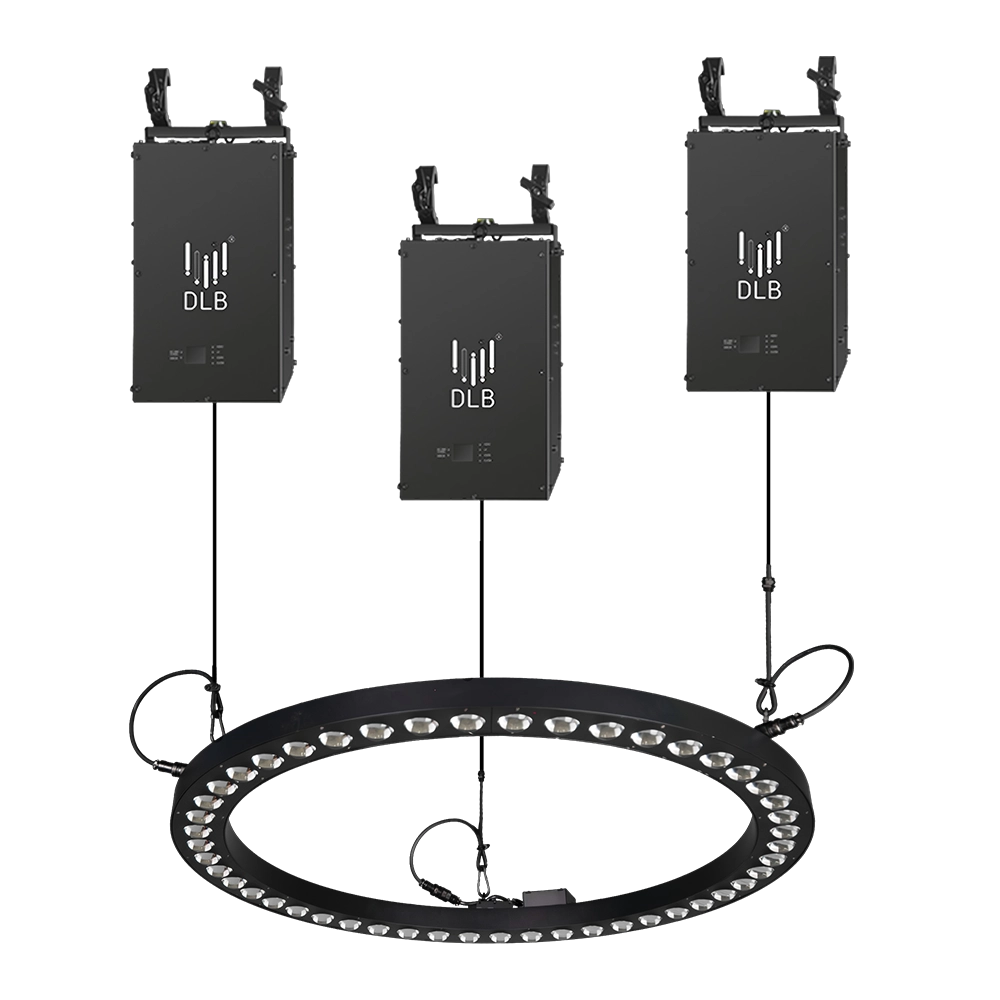
Kinetic Halo Ring——Ideal for a wide range of large-scale events: commercial spaces, TV shows, concerts, nightclubs, and various other settings.
Experience dynamic illumination with the FENG-YI Kinetic Halo Ring. This versatile kinetic light is perfect for large-scale events—commercial spaces, TV shows, concerts, and nightclubs—delivering stunning kinetic ring light effects that captivate every audience.
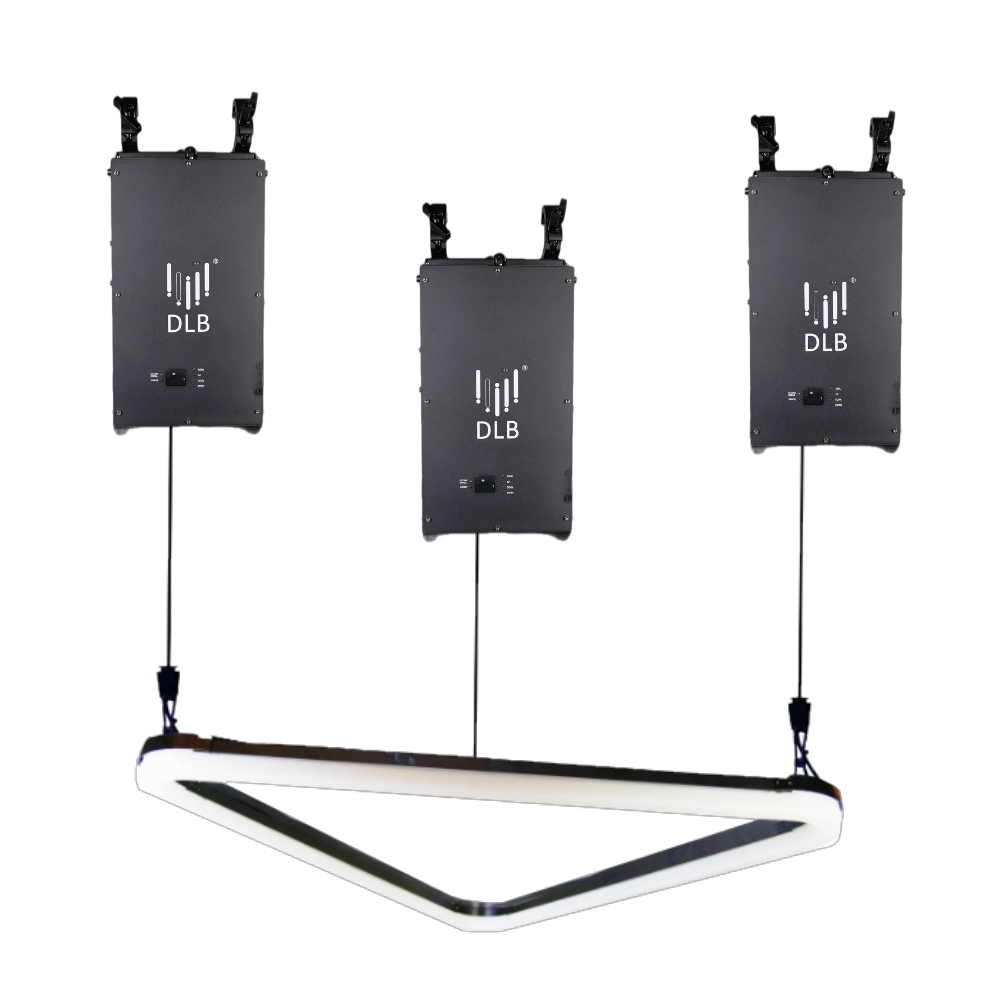
Kinetic Arc Light——Ideal for a wide range of large-scale events: commercial spaces, TV shows, concerts, nightclubs, and various other settings.
FENG-YI’s Kinetic Arc Light is a kinetic triangle LED light panel designed for large-scale events. Perfect for commercial spaces, TV shows, concerts, and nightclubs, it delivers dynamic lighting effects that captivate audiences and elevate any setting. Ideal kinetic light solution.
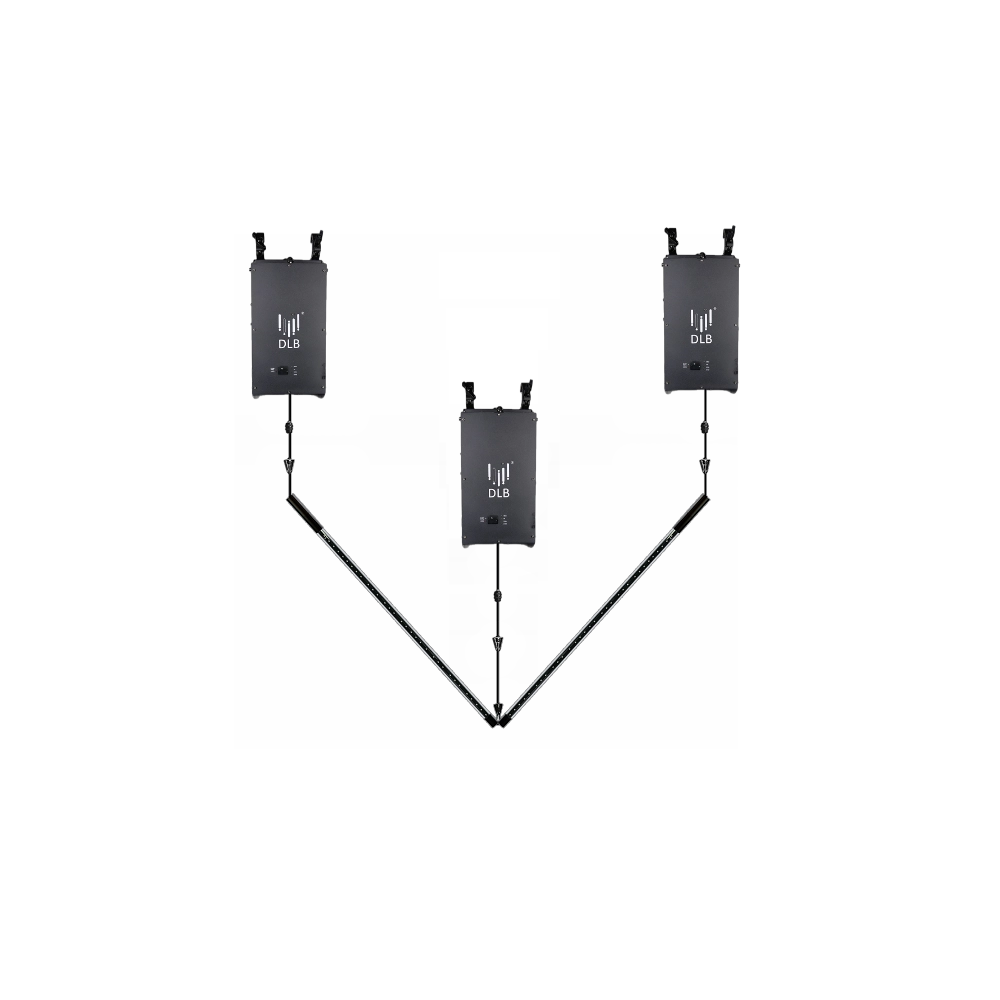
Kinetic Double Rod——Ideal for a wide range of large-scale events: commercial spaces, TV shows, concerts, nightclubs, and various other settings.
FENG-YI’s Kinetic Double Rod delivers dynamic kinetic light effects ideal for large-scale events—from concerts and nightclubs to TV shows and commercial spaces. Elevate your setup with this versatile kinetic light rod, designed for stunning visual impact and seamless integration.
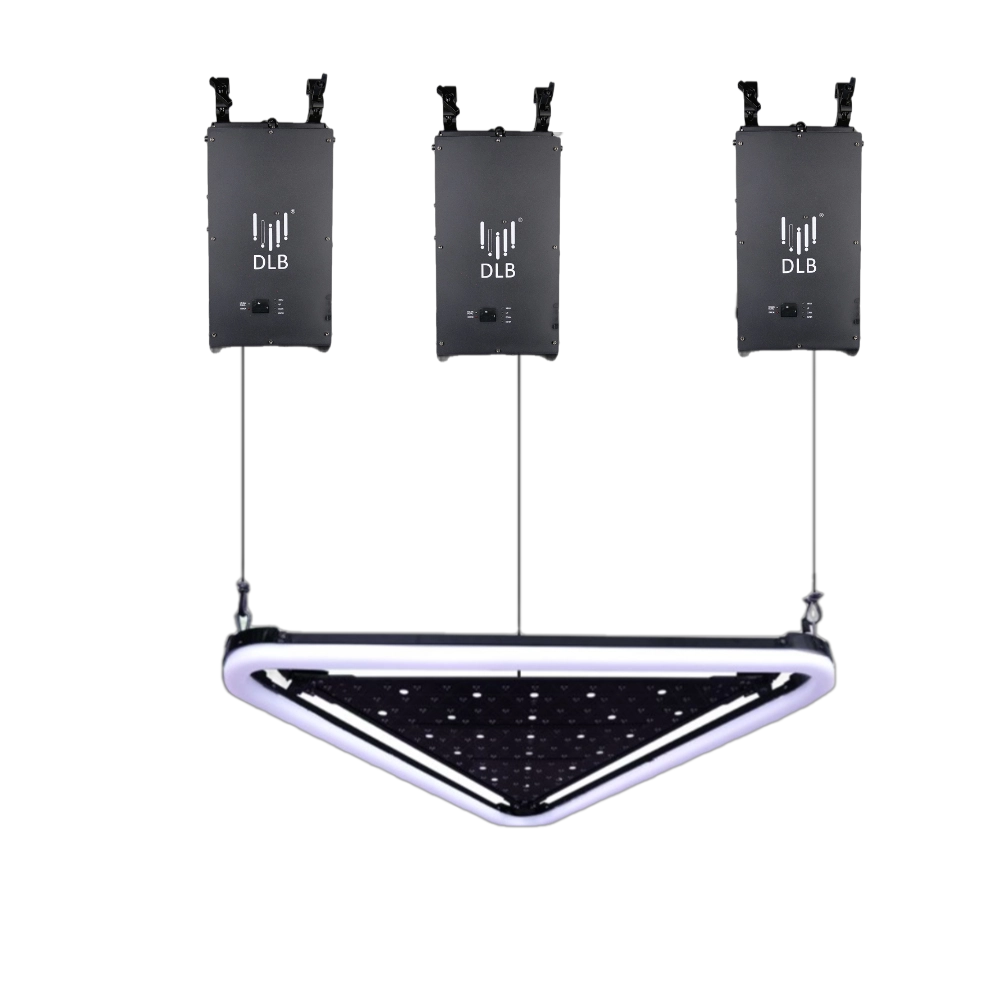
Kinetic Arc Panel——Ideal for a wide range of large-scale events: commercial spaces, TV shows, concerts, nightclubs, and various other settings.
FENG-YI’s Kinetic Arc Panel features dynamic kinetic light technology with kinetic triangle LED light panels, perfect for enhancing large-scale events like concerts, TV shows, nightclubs, and commercial spaces. Elevate your visual experience with innovative, high-impact lighting solutions.
Want to learn more about the latest updates?
Have questions or ready to illuminate your project? Reach out to our expert team today.
Rest assured that your privacy is important to us, and all information provided will be handled with the utmost confidentiality.
By clicking "Send your message," I agree to your processing my personal data.
To see how to withdraw your consent, how to control your personal data, and how we process it, please see our Privacy Policy and Terms of Use.

FENG-YI has been continuously innovating and has grown into a Kinetic Lights Manufacturer and solution provider with unique advantages.
Contact
+86 181 2785 5301
Address
Building 5, No. 34, Fuyuan Road, Jinghu IndustrialZone, Xinhua Town, Huadu District, Guangzhou, China.
© 2025 FENG-YI. All Rights Reserved.
Facebook
Instagram
YouTube
TikTok