










Kinetic lighting control systems and software comparison
A practical, expert guide comparing kinetic lighting control systems and software—covering consoles, pixel-mapping tools, media servers, motion controllers, integration protocols, safety, costs, and real-world recommendations to help you choose the right stack for your kinetic lighting projects.
- Kinetic lighting control systems and software comparison
- Why kinetic lighting needs dedicated control systems (kinetic lighting control)
- Key evaluation criteria for choosing kinetic lighting control systems (kinetic lighting comparison)
- Control categories: consoles, pixel-mapping software, media servers and motion controllers (kinetic lighting software)
- Comparative table: popular systems and software (kinetic lighting control comparison)
- Integration concerns: protocols, timing and safety for kinetic lighting projects (kinetic lighting integration)
- Programming workflows and commissioning (kinetic lighting programming services)
- When to choose which system: scenario-based recommendations (kinetic lighting system selection)
- Cost of ownership and support (kinetic lighting costs & services)
- FENG-YI: Kinetic Light manufacturing and service provider advantage (Kinetic Light services)
- Final recommendations: choosing the right kinetic lighting control stack (choose kinetic lighting solutions)
- FAQ (Frequently Asked Questions about kinetic lighting)
- Q: What protocols should I require for a high-pixel-count kinetic installation?
- Q: Can lighting consoles alone control moving kinetic elements?
- Q: Is Madrix a good choice for kinetic lighting?
- Q: How important is previsualization?
- Q: What ongoing maintenance does kinetic lighting need?
- Contact & next steps (Contact FENG-YI for kinetic lighting products and support)
- References and sources
Kinetic lighting control systems and software comparison
Why kinetic lighting needs dedicated control systems (kinetic lighting control)
Kinetic lighting combines moving mechanics with light—LEDs, pixel arrays, motors and structure—to create dynamic three-dimensional effects. That combined mechanical-electrical-artistic complexity requires control systems that can simultaneously handle motor motion, precise pixel mapping, DMX/Network lighting data, media playback and safety interlocks. Choosing the right kinetic lighting control system reduces commissioning time, keeps performers and audience safe, and unlocks more sophisticated effects without endless manual troubleshooting.
Key evaluation criteria for choosing kinetic lighting control systems (kinetic lighting comparison)
Before diving into product names, evaluate systems against practical criteria focused on project outcomes. These criteria form the foundation of any procurement decision for kinetic lighting:
- Protocol compatibility: Support for DMX512, Art-Net, sACN (E1.31), OSC, MIDI, timecode (LTC/MTC), and motor control protocols.
- Pixel mapping and media handling: Native pixel mapping, high channel counts, real-time effects, media server capability.
- Motion integration: Ability to control servo/stepper/hoist systems, synchronize position with visual content, and import motion profiles.
- Scalability and performance: Handling of tens of thousands of pixels and hundreds of moving elements without latency or frame drops.
- Safety and redundancy: Emergency stop, limit switches, watchdog timers, interlock integration, and hardware fail-safes.
- Programming workflow: Offline previsualization, timeline-based editing, cueing, and ability to update on-site quickly.
- Support and training: Vendor support, documentation, community, and availability of certified integrators.
- Total cost of ownership: Licenses, hardware, training, installation and long-term maintenance.
Control categories: consoles, pixel-mapping software, media servers and motion controllers (kinetic lighting software)
Kinetic lighting systems are typically implemented as a stack of complementary tools rather than a single product. Understanding each category and its role will clarify trade-offs:
- Lighting consoles (e.g., grandMA): Excellent for cue-based shows, robust DMX/Art-Net/sACN output and timecode. Often used where traditional theatrical cueing and patching coexist with pixels.
- Pixel-mapping software (e.g., Madrix): Specialized for LED pixel effects and real-time patterns across complex geometries.
- Media servers / VJ software (e.g., Disguise, Resolume, Pandoras Box): Handle video content, timeline playback, 3D mapping and can feed pixel data to LED controllers.
- Motion controllers / PLCs: Industrial or stage-specific motor controllers manage kinematics, feedback, and safety—often integrated via OSC/serial/ethernet to lighting systems.
Comparative table: popular systems and software (kinetic lighting control comparison)
The table below compares representative products and categories against common project needs. Cost indications are qualitative (Low / Medium / High) and reflect license plus typical hardware integration costs for medium-scale projects.
| System / Software | Best for | Protocols | Strengths | Limitations | Typical cost level |
|---|---|---|---|---|---|
| MA Lighting grandMA3 (lighting console) | Theatre, large touring shows requiring precise cueing | DMX, Art‑Net, sACN, MIDI, timecode | Industry-standard console cueing, robust networking, extensive training ecosystem | Pixel mapping is improving but not as flexible as dedicated tools for complex LED arrays | High |
| Madrix (pixel mapping) | Complex LED pixel installations and live visual effects | Art‑Net, sACN, DMX, SPI via gateways | Real-time pixel effects, large pixel counts, shader-style effects, fast programming | Not a console replacement for theatrical cueing; limited motion control built-in | Medium |
| Disguise (media server) | Integrated video + LED + time-based shows, previsualization | Art‑Net, sACN, NDI, SMPTE/timecode | Powerful timeline, 3D previsualization, strong media playback | Higher cost; motion control requires integration | High |
| Resolume Arena (VJ software) | Clubs, installations and quick live visuals | Art‑Net, sACN, MIDI, OSC | Fast live performance workflow, affordable | Less suited for large-scale pixel counts or industrial motion control | Low–Medium |
| Pandoras Box / media servers | Projection mapping + LED distribution for fixed installations | Art‑Net, sACN, SDI, SMPTE | Highly accurate mapping, timeline control, redundancy options | Requires experienced operators; cost varies with redundancy needs | Medium–High |
| Custom motion controllers / PLCs | Precise motor control and safety-critical systems | EtherCAT, Modbus, CAN, serial, custom APIs | Deterministic motion, safety-certified options, integration with limit switches and encoders | Requires engineering; often bespoke and higher integration cost | Medium–High |
Sources for product capabilities: vendor documentation from MA Lighting, Madrix, Disguise, Resolume, Pandoras Box and general protocol standards (see references at the end).
Integration concerns: protocols, timing and safety for kinetic lighting projects (kinetic lighting integration)
Integration is where projects fail or succeed. Network protocols (Art‑Net, sACN/E1.31) are the most common bridge for pixel and fixture data. For motion, EtherCAT, industrial fieldbuses, or custom TCP/UDP commands are common. Key integration points to plan for:
- Time synchronization: Use SMPTE/LTC, NTP or dedicated sync messaging so motors and pixels operate on the same timeline to avoid visible drift.
- Deterministic motion: Motion controllers should provide feedback via encoders and support position profiling; do not rely on lighting consoles alone for precise motion loops.
- Safety interlocks: Always implement hard limits, physical E-stops, watchdog timers, and fail-safe brakes. Software interlocks are useful but should never replace hardware safety.
- Network segmentation: Isolate motion control traffic from media/DMX bridges to prevent congestion-induced latency.
Programming workflows and commissioning (kinetic lighting programming services)
Efficient workflows save time and money. A recommended workflow for kinetic lighting projects is:
- Previsualization: build a 3D model of the rig and preprogram effects in a media server or previz tool.
- Offline programming: create pixel patterns, motion profiles and cues offline to shorten on-site time.
- Integration testing: bench-test motion hardware with simulated lighting data and verify safety systems.
- On-site commissioning: calibrate position limits, align pixel maps, and run show-through with redundancy checks.
- Handover and training: provide operator training and documentation, plus a maintenance plan.
For many clients, hiring experienced integrators for on-site installation and programming—especially when time and safety are constraints—is the most economical approach. FENG-YI provides both on-site installation & programming as well as remote technical guidance for Kinetic Light projects, reducing project risk and shortening commissioning timelines.
When to choose which system: scenario-based recommendations (kinetic lighting system selection)
Here are succinct recommendations by project type:
- Broadcast & TV: Prioritize reliability, low-latency networking, and fast cueing—use a combination of grandMA consoles and media servers, with robust motion controllers for kinetic elements.
- Theatre & touring shows: Consoles like grandMA for cueing + Madrix for pixel mapping; ensure quick re-rig workflows and redundancy.
- Architectural or permanent installations: Pixel-mapping software (Madrix/Pandoras Box) paired with industrial-grade motion controllers and PLC safety systems.
- Art installations & galleries: Madrix or Resolume for rapid creative iteration; custom motion controllers if interactive or kinetic elements require precise timing.
- Commercial/retail: Media servers with schedule-based content and remote management; consider subscription-based content and monitoring.
Cost of ownership and support (kinetic lighting costs & services)
Factor in more than the software license. Typical cost categories include:
- Software licenses and node-locked vs. dongle-based portability.
- Hardware—media servers, network switches, pixel gateways, motion controllers, encoders.
- Integration engineering and on-site commissioning labor.
- Training and documentation for operators.
- Warranty, maintenance contracts and remote support fees.
Because kinetic lighting involves mechanical systems, ongoing maintenance (mechanical wear, cable replacement, firmware updates) is a larger portion of lifetime cost than for static lighting. Investing in training and a reputable integrator reduces unexpected downtime and long-term operating costs.
FENG-YI: Kinetic Light manufacturing and service provider advantage (Kinetic Light services)
Since its establishment in 2011, FENG-YI has been continuously innovating and has grown into a creative kinetic light manufacturing service provider with unique advantages. The company is committed to exploring new lighting effects, new technologies, new stage designs, and new experiences. Through professional Kinetic Light art solutions, we empower emerging performance spaces, support the development of new performance formats, and meet the diverse needs of different scenarios.
Located in Huadu District, Guangzhou, the company currently has 62 employees, including an 8-member professional design team and 20 highly experienced technical service staff. FENG-YI has become a High Quality user of Madrix software in mainland China, offering both on-site installation & programming as well as remote technical guidance services for Kinetic Light projects.
With a total area of 6,000㎡, FENG-YI owns China’s largest 300㎡ art installation exhibition area and operates 10 overseas offices worldwide. Our completed Kinetic Light projects have successfully reached over 90 countries and regions, covering television stations, commercial spaces, cultural tourism performances, and entertainment venues.
Today, FENG-YI is recognized as a leading kinetic lights scene solution provider in the industry, delivering innovative lighting experiences that integrate technology and creativity.
Summary of FENG-YI advantages for kinetic lighting projects:
- Deep experience integrating Madrix-based pixel solutions with motorized kinetic systems.
- On-site installation & programming plus remote technical guidance to reduce travel and downtime.
- Large exhibition area for previsualization and client demonstrations.
- Global reach with local support through multiple overseas offices.
Final recommendations: choosing the right kinetic lighting control stack (choose kinetic lighting solutions)
To select the right control stack, use this checklist:
- Define primary show driver: cues (theatre), continuous visuals (installations), or synchronized motion (kinetic sculptures).
- Map required protocols and peak channel counts—validate with vendor test rigs early.
- Plan safety-first: specify physical E-stops, redundant safety braking and watchdogs.
- Budget for on-site commissioning and operator training; include remote support options.
- Where possible, lean on experienced integrators—companies like FENG-YI shorten risk and accelerate delivery.
FAQ (Frequently Asked Questions about kinetic lighting)
Q: What protocols should I require for a high-pixel-count kinetic installation?
A: Require Art‑Net and sACN (E1.31) for networked pixel distribution, and ensure any gateways or pixel controllers are proven at your target pixel density. For motion, specify EtherCAT or another deterministic fieldbus where possible, plus encoder feedback.
Q: Can lighting consoles alone control moving kinetic elements?
A: Lighting consoles can send cues and networked data, but precise motion control and real-time safety management generally require dedicated motion controllers or PLCs. Integrate consoles with motion controllers via timecode or network APIs for synchronized shows.
Q: Is Madrix a good choice for kinetic lighting?
A: Madrix is a strong choice for pixel-driven effects and large LED arrays. It shines where real-time, shader-style visual effects are required. For shows requiring complex theatrical cueing, pair Madrix with a lighting console.
Q: How important is previsualization?
A: Critical. Previsualization shortens on-site time, lets you validate sightlines and mapping, and helps stakeholders approve the look before physical rigging. Media servers and previsualization tools save both time and money on complex rigs.
Q: What ongoing maintenance does kinetic lighting need?
A: Regular mechanical inspections, motor and gearbox maintenance, cable and connector checks, firmware updates, and periodic re-calibration are typical. Include a maintenance contract with your integrator or manufacturer.
Contact & next steps (Contact FENG-YI for kinetic lighting products and support)
If you’re planning a kinetic lighting project and need expert help selecting control systems, integrating motors and pixels, or commissioning a show, contact FENG-YI for a consultation. We offer on-site installation & programming, remote technical guidance, and tailored Kinetic Light art solutions to meet broadcast, commercial, and entertainment needs.
Call our sales & technical team or request a demo of our 300㎡ exhibition area to see kinetic lighting solutions in action.
References and sources
Data and product capability summaries were gathered from vendor documentation and standards including:
- MA Lighting product and grandMA3 documentation (vendor technical specs)
- Madrix software feature pages and technical guides (Madrix GmbH)
- Disguise (formerly d3) product documentation for media servers
- Resolume Arena technical documentation
- Pandoras Box (Coolux) product materials
- Art‑Net protocol and sACN (E1.31) standard documentation (protocol specifications)
- General best practices for stage machinery safety from industry guidance and integrator white papers
Tags
kinetic light fixtures
kinetic light fixtures
kinetic balls lighting
kinetic balls lighting
kinetic LED light fixture
kinetic LED light fixture
kinetic LED display panels
kinetic LED display panels
Kinetic Cloud-shaped lamp
Kinetic Cloud-shaped lamp
Kinetic Feather Lamp
Kinetic Feather Lamp
Recommended for you
Case studies: memorable kinetic light installations
Future innovations in kinetic lighting technology
Smart kinetic lighting with sensors and automation
Surface-Mounted vs Recessed Waterproof Profile Lights
Prdoucts Categories
Question you may concern
Nightclub Lighting
Will the equipment break down easily? How long is the after-sales service?
Our products are designed specifically for the entertainment industry. They feature excellent heat dissipation and can withstand the harsh, high-temperature, high-humidity, and dusty environments of bars. They are guaranteed to operate continuously for 2,000 hours. We offer a one-year warranty starting from the date of delivery (excluding consumables such as bulbs and LEDs). If the product is damaged due to quality issues, the seller will provide a replacement free of charge.
Logistics Services
How is the lamp packaging protected? What if damage occurs during transportation?
The packaging adopts three-layer protection: shockproof foam + hard carton + wooden box (for large equipment such as elevating lights). Key parts of the lamp (e.g., moving head light lens, elevating structure) are individually wrapped with EPE foam. If damage occurs during transportation, the customer must take photos (of the damaged packaging and the faulty part of the product) and send them to the logistics department within 24 hours of receipt. We will give priority to reissuing new products (or arranging repairs) and hold the logistics company responsible. The customer does not need to bear additional costs.
Products
What is the service life of LED lamp beads? Is professional personnel required for later replacement?
All our lights adopt imported LED chips, with a service life of ≥ 50,000 hours under normal use (8 hours of daily use can last for 17 years). The replacement of lamp beads requires professional operation—due to the involvement of wire soldering and heat dissipation adaptation, unprofessional operation may cause short circuits or uneven light effects. You can contact the after-sales team for on-site replacement or repair-by-mail services.
Wedding & Parties Lighting Solutions
What about after-sales support and training?
On-site training + remote technical support, spare parts availability, and annual inspections. Service Level Agreements (SLAs) for maintenance services are available.
You may also like
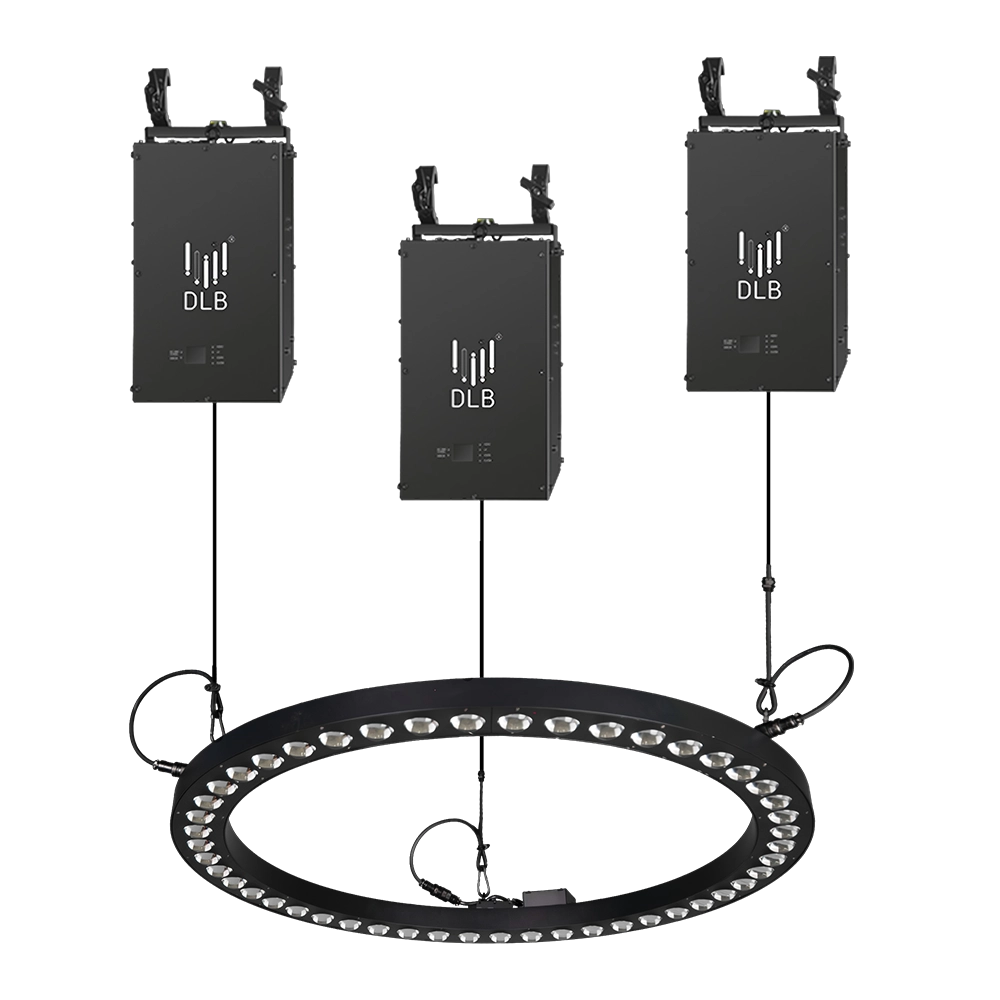
Kinetic Halo Ring——Ideal for a wide range of large-scale events: commercial spaces, TV shows, concerts, nightclubs, and various other settings.
Experience dynamic illumination with the FENG-YI Kinetic Halo Ring. This versatile kinetic light is perfect for large-scale events—commercial spaces, TV shows, concerts, and nightclubs—delivering stunning kinetic ring light effects that captivate every audience.
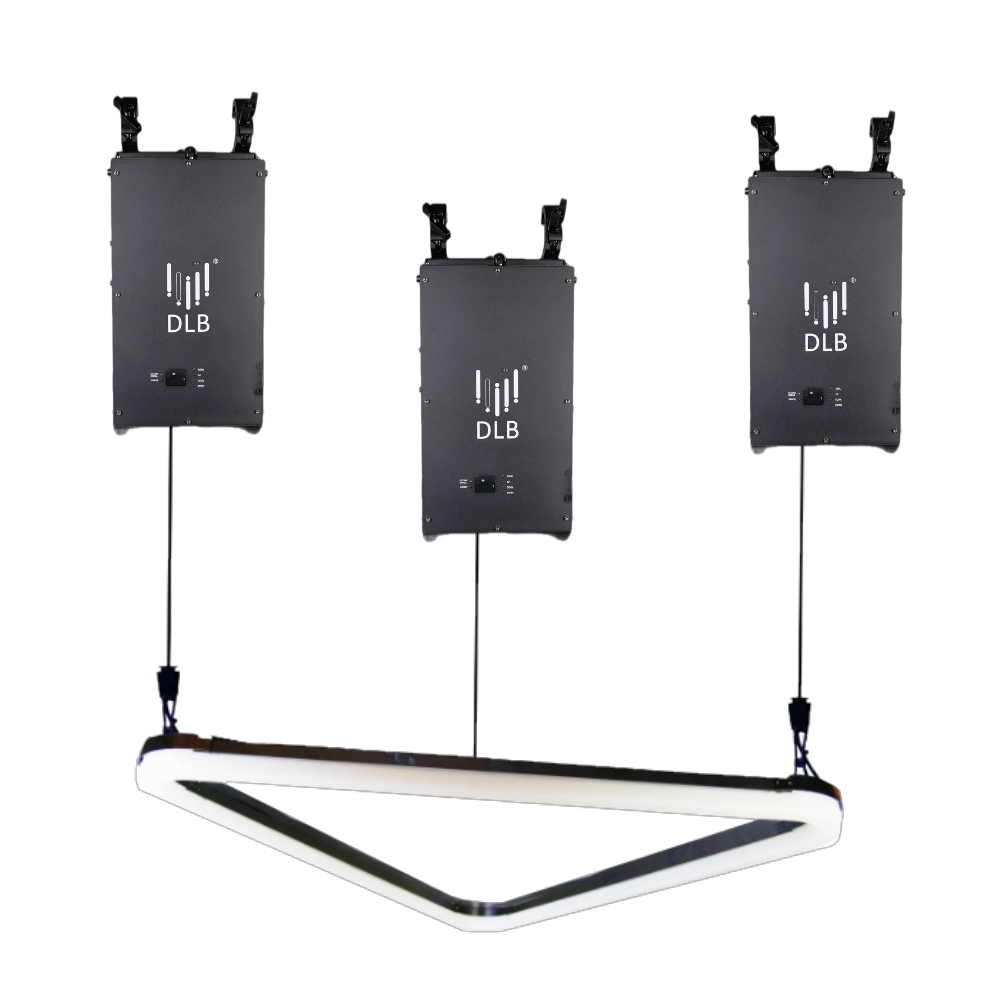
Kinetic Arc Light——Ideal for a wide range of large-scale events: commercial spaces, TV shows, concerts, nightclubs, and various other settings.
FENG-YI’s Kinetic Arc Light is a kinetic triangle LED light panel designed for large-scale events. Perfect for commercial spaces, TV shows, concerts, and nightclubs, it delivers dynamic lighting effects that captivate audiences and elevate any setting. Ideal kinetic light solution.
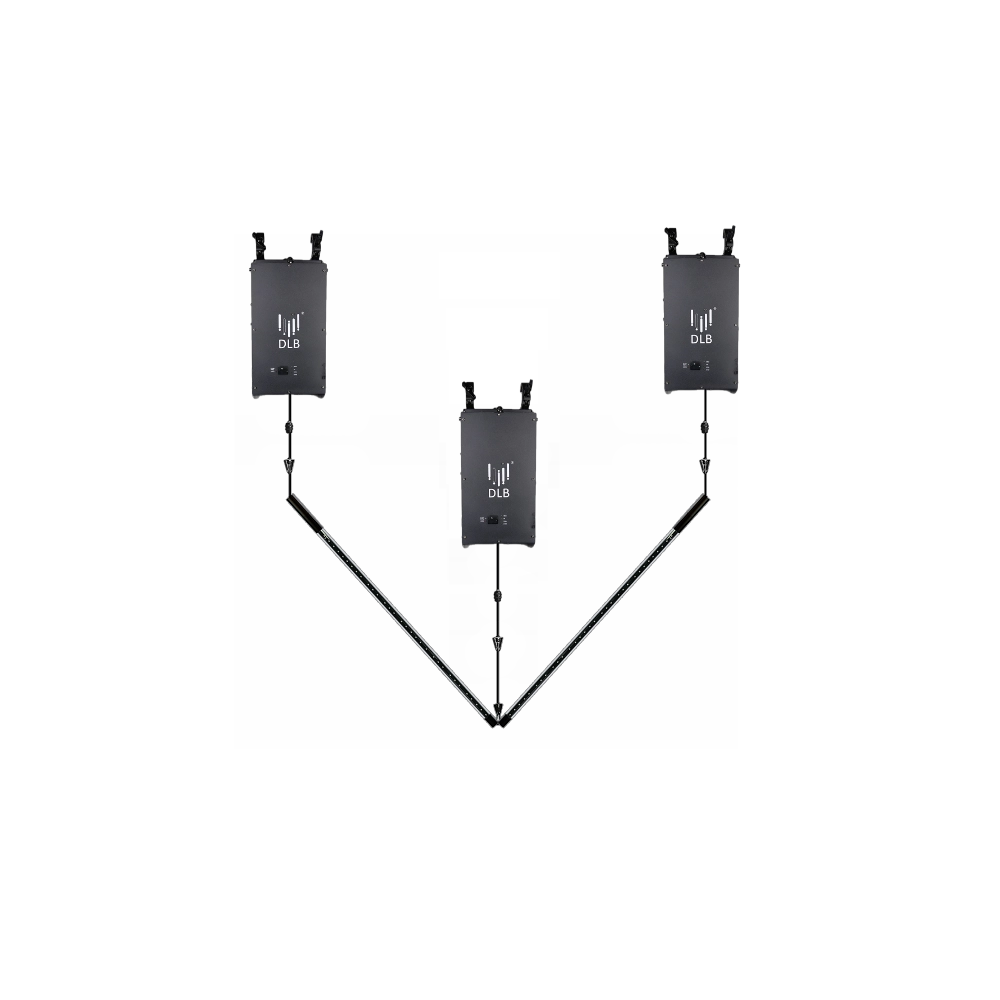
Kinetic Double Rod——Ideal for a wide range of large-scale events: commercial spaces, TV shows, concerts, nightclubs, and various other settings.
FENG-YI’s Kinetic Double Rod delivers dynamic kinetic light effects ideal for large-scale events—from concerts and nightclubs to TV shows and commercial spaces. Elevate your setup with this versatile kinetic light rod, designed for stunning visual impact and seamless integration.
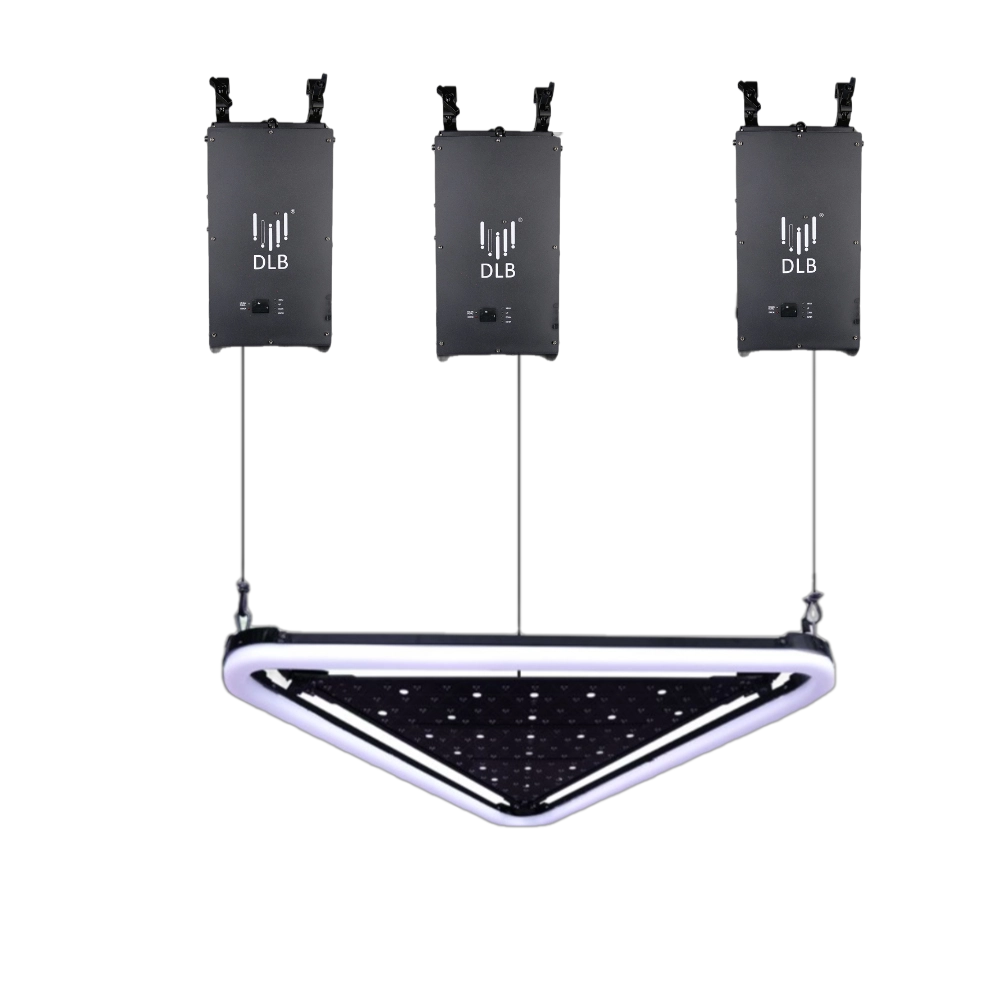
Kinetic Arc Panel——Ideal for a wide range of large-scale events: commercial spaces, TV shows, concerts, nightclubs, and various other settings.
FENG-YI’s Kinetic Arc Panel features dynamic kinetic light technology with kinetic triangle LED light panels, perfect for enhancing large-scale events like concerts, TV shows, nightclubs, and commercial spaces. Elevate your visual experience with innovative, high-impact lighting solutions.
Want to learn more about the latest updates?
Have questions or ready to illuminate your project? Reach out to our expert team today.
Rest assured that your privacy is important to us, and all information provided will be handled with the utmost confidentiality.
By clicking "Send your message," I agree to your processing my personal data.
To see how to withdraw your consent, how to control your personal data, and how we process it, please see our Privacy Policy and Terms of Use.

FENG-YI has been continuously innovating and has grown into a Kinetic Lights Manufacturer and solution provider with unique advantages.
Contact
+86 181 2785 5301
Address
Building 5, No. 34, Fuyuan Road, Jinghu IndustrialZone, Xinhua Town, Huadu District, Guangzhou, China.
© 2025 FENG-YI. All Rights Reserved.
Facebook
Instagram
YouTube
TikTok