










Kinetic light sensors and motion control explained
This in-depth guide explains how kinetic lights use sensors and motion control to create dynamic, programmable lighting installations. It covers sensor types, control protocols (DMX, Art-Net, sACN), integration best practices, design considerations, real-world comparisons, and maintenance. The article also introduces FENG-YI’s capabilities in Kinetic Lighting solutions and includes a practical FAQ and contact CTA.
- Kinetic light sensors and motion control explained
- What are kinetic lights and why sensors matter
- Core components: sensors, actuators, and controllers
- How kinetic light sensors work and what they measure
- Comparing common sensor types for kinetic lights (: kinetic lights sensors)
- Motion-control protocols for kinetic lights (: kinetic lights motion control)
- Integration best practices for reliable kinetic lights deployments
- Design considerations: aesthetics, noise, and power
- Case example: synchronization strategy for a TV broadcast kinetic lights wall
- FENG-YI — Kinetic Lighting expertise and competitive advantages
- Implementation checklist (: buy kinetic lights solutions)
- Maintenance tips to extend life of kinetic lights
- FAQ — Common questions about kinetic lights, sensors, and motion control
- Q: Do kinetic lights need closed-loop control?
- Q: Which sensor is best for positional accuracy in a kinetic light arm?
- Q: Can I use DMX alone to control both light and motion?
- Q: How do I make kinetic lights safe around performers?
- Q: What is the expected lifespan of components in kinetic lights?
- Q: How can FENG-YI support my kinetic lights project?
- Contact & view products (CTA)
- Sources and references
Kinetic light sensors and motion control explained
What are kinetic lights and why sensors matter
Kinetic lights are lighting elements designed to move, change position, or transform visually as part of an installation. They combine mechanical motion, LED light sources, and intelligent control systems to create compelling, time-based effects for stages, commercial spaces, art installations, and broadcast sets. The heart of a responsive kinetic lights system is its sensing and motion-control layer: sensors collect data about position, speed, proximity, and ambient conditions, while motion control systems translate that data into safe, synchronized movement and lighting changes. For anyone evaluating kinetic lights for a project, understanding sensors and motion control is essential to ensure reliability, safety, and the desired creative result.
Core components: sensors, actuators, and controllers
A complete kinetic lights setup contains three categories of components: sensors (input), actuators/drives (mechanical output) and controllers (logic). Sensors detect motion, position, presence, or environmental variables. Common sensors include optical encoders, accelerometers, proximity (IR/PIR), ultrasonic sensors, and hall-effect sensors. Actuators can be servo motors, stepper motors, linear actuators, or custom motorized rigging. Controllers—ranging from dedicated motion controllers to lighting consoles—interpret sensor signals and issue synchronized commands over lighting protocols (DMX, Art-Net, sACN) or motion-specific networks.
How kinetic light sensors work and what they measure
Sensors provide the feedback loop that enables closed-loop motion control. Unlike open-loop systems (which command movement without positional feedback), closed-loop systems constantly measure variables and correct for errors. Typical sensor measurements relevant to kinetic lights include:
- Position (absolute or relative): where a moving element currently is using encoders or potentiometers.
- Velocity and acceleration: derived from differentiating position or measured directly by accelerometers.
- Proximity and presence: to detect people or objects with PIR/IR or ultrasonic sensors for safety and interaction.
- Orientation: IMUs (inertial measurement units) combine accelerometers and gyroscopes to track tilt and angular movement—useful for complex motion or when long runs introduce flex.
- Ambient light and color: photodiodes or color sensors help adjust brightness or color temperature responsively.
Using real-time feedback lets systems maintain repeatable positions, implement smooth starts/stops (ramp profiles), and provide fail-safe responses if an obstruction is detected.
Comparing common sensor types for kinetic lights (: kinetic lights sensors)
Choosing the right sensors depends on precision requirements, environment, cost, and integration complexity. The table below summarizes common sensor types used in kinetic lights.
| Sensor Type | Typical Use | Benefits | Limitations |
|---|---|---|---|
| Optical encoder (absolute/relative) | Position feedback for motors; precise angle/linear position | High precision, repeatability, robust for closed-loop control | Requires clean mounting; more costly than simple switches |
| Potentiometer | Low-cost position sensing for prototypes or simple rigs | Cheap, simple to read | Lower lifespan, reduced precision, susceptible to wear |
| IMU (accelerometer + gyroscope) | Orientation and motion dynamics for floating/long-span elements | Compact, measures multiple axes, good for motion effects | Drift over time; requires sensor fusion algorithms |
| PIR / IR proximity | Human presence detection and interactive triggering | Cost-effective for interaction and safety | Limited range and angle; can be triggered by non-human heat sources |
| Ultrasonic | Object detection and short-range distance measurement | Works in dark environments; unaffected by lighting conditions | Less reliable with soft or angled surfaces; limited range |
| Hall-effect / magnetometer | Non-contact position indicators, proximity to magnets | Durable, good for sealed environments | Requires magnets; range limited by magnetic field strength |
Sources for sensor characteristics are industry sensor datasheets and motion-control application notes (see references at the end).
Motion-control protocols for kinetic lights (: kinetic lights motion control)
Motion and lighting often run on parallel networks that must synchronize. The most common lighting-control protocols used in kinetic lights projects are:
- DMX512 (serial): A long-standing standard for lighting fixtures and pixel control; reliable for small to medium deployments.
- Art-Net: An Ethernet-based protocol that transports DMX data across networks, suitable for large-scale pixel control and distributed systems.
- sACN (Streaming ACN / E1.31): A modern, standardized Ethernet protocol for lighting that scales well in professional installations.
- Dedicated motion-control networks (e.g., EtherCAT, CANopen, or proprietary motion buses): Used where precise motor synchronization and low deterministic latency are required.
Below is a concise comparison of DMX, Art-Net, and sACN for use in kinetic lights projects.
| Protocol | Typical Use | Scalability | Determinism / Latency |
|---|---|---|---|
| DMX512 | Direct fixture control; small to medium rigs | Limited to 512 channels per universe; requires multiple universes for large projects | Low to moderate; serial timing constraints |
| Art-Net | Distributed pixel control over Ethernet | High; many universes possible, dependent on network design | Good, but depends on Ethernet setup and network congestion |
| sACN (E1.31) | Professional lighting networks requiring interoperability | High; standardized handling of multicast/unicast for universes | High; designed for professional latency and reliability |
For motion-critical tasks (precise synchronization between motors), it is common to use a dedicated motion bus with timestamped trajectories and use DMX/Art-Net/sACN for the lighting layer. Synchronization strategies include timecode (LTC/MTC), network time protocols (PTP), or controller-based master timelines.
Integration best practices for reliable kinetic lights deployments
To deploy robust kinetic lights that use sensors and motion control successfully, follow these best practices:
- Design for closed-loop control: use encoders or IMUs for position feedback where safety and repeatability matter.
- Separate networks: put motion-control traffic on a dedicated deterministic bus; keep lighting data on an isolated VLAN to avoid congestion.
- Implement physical safety interlocks: emergency stops, limit switches, and human presence sensors must be hardwired into the drive safety chain.
- Use predictable ramp profiles: acceleration and deceleration curves reduce mechanical stress and create smoother visual motion (ease-in/ease-out).
- Plan for maintenance access: moving elements require inspection points and serviceable cabling paths (flexible cable chains, slack management).
- Test with full load: validate dynamic behavior with final fixtures and payloads; simulate failure modes and recovery behavior.
Design considerations: aesthetics, noise, and power
Kinetic lighting adds moving parts and therefore introduces constraints different from static lighting. Designers must balance creative intent against practical factors:
- Acoustic noise: mechanical drives can be audible. Choose quiet motors (e.g., brushless DC with appropriate gearing) when performances require low noise.
- Weight and balance: moving arrays must account for moment of inertia; misbalanced loads raise power needs and wear on bearings.
- Cable management: moving lights need flexible, rated cable carriers; consider slip rings for power/data if continuous rotation is required.
- Thermal management: enclosed motor housings and LED clusters generate heat; ensure ventilation or conduction paths to avoid premature failure.
Case example: synchronization strategy for a TV broadcast kinetic lights wall
A TV set requires frame-accurate lighting changes synchronized with camera cuts. A reliable approach is:
- Master timeline on a media server or lighting console (timecode-based).
- Motion controllers subscribe to timecode and execute pre-calculated trajectories (position vs time), using encoders for closed-loop verification.
- Lighting pixels receive DMX or sACN frames synchronized to the same timeline, with predefined offsets to match mechanical travel.
- Hardwired safety interlocks prevent motion if cameras or stage areas are unsafe.
This architecture minimizes jitter and maintains predictability for live production.
FENG-YI — Kinetic Lighting expertise and competitive advantages
Since its establishment in 2011, FENG-YI has been continuously innovating and has grown into a creative kinetic light manufacturing service provider with unique advantages. The company is committed to exploring new lighting effects, new technologies, new stage designs, and new experiences. Through professional Kinetic Light art solutions, we empower emerging performance spaces, support the development of new performance formats, and meet the diverse needs of different scenarios.
Located in Huadu District, Guangzhou, the company currently has 62 employees, including an 8-member professional design team and 20 highly experienced technical service staff. FENG-YI has become a High Quality user of Madrix software in mainland China, offering both on-site installation & programming as well as remote technical guidance services for Kinetic Light projects.
With a total area of 6,000㎡, FENG-YI owns China’s largest 300㎡ art installation exhibition area and operates 10 overseas offices worldwide. Our completed Kinetic Light projects have successfully reached over 90 countries and regions, covering television stations, commercial spaces, cultural tourism performances, and entertainment venues.
Today, FENG-YI is recognized as a leading kinetic lights scene solution provider in the industry, delivering innovative lighting experiences that integrate technology and creativity.
How this helps your project: FENG-YI combines in-house design, seasoned technical staff, and extensive installation experience to reduce risk and accelerate delivery. Core product strengths include modular kinetic fixtures designed for reliable long-term operation, native compatibility with industry control systems (DMX/Art-Net/sACN), and tailored motion profiles created with professional control software (e.g., MADRIX). The company’s exhibition space and international footprint mean clients can review prototypes and coordinate remote programming for fast global deployments.
Implementation checklist (: buy kinetic lights solutions)
Before you sign off on a kinetic lights project, confirm the following:
- Required motion precision and sensor types defined (encoders, IMUs, proximity).
- Control protocol selection and network topology documented (including VLANs and timing strategy).
- Safety systems engineered and tested (E-stops, limit switches, presence detection).
- Maintenance plan, spare-parts list, and remote support arrangements (important for international deployments).
- Final commissioning plan that includes full-load dynamic testing and camera/feed integration where required.
Maintenance tips to extend life of kinetic lights
Regular maintenance keeps kinetic lights performing and lowers lifecycle cost. Recommended actions include:
- Monthly visual checks for cable wear and loose fasteners.
- Quarterly testing of safety interlocks and limit switches.
- Annual calibration of encoders and IMUs, and verification of motion profiles under load.
- Firmware and software updates applied in controlled windows with rollback plans.
FAQ — Common questions about kinetic lights, sensors, and motion control
Q: Do kinetic lights need closed-loop control?
A: For most professional installations where repeatability, safety, and synchronization matter, closed-loop control is strongly recommended. Closed-loop systems use feedback sensors (encoders, IMUs) to ensure accuracy and to detect faults.
Q: Which sensor is best for positional accuracy in a kinetic light arm?
A: For high positional accuracy, absolute optical encoders are usually the best choice. They provide direct position readings with high resolution and no requirement for homing after power cycles.
Q: Can I use DMX alone to control both light and motion?
A: DMX can be used to control motion in simpler rigs, but it has limitations in channel count and determinism. For complex, motion-critical systems, pair DMX/Art-Net/sACN for lighting with a dedicated motion-control bus (EtherCAT/CANopen) for motors.
Q: How do I make kinetic lights safe around performers?
A: Incorporate multiple layers of safety: physical barriers or restricted zones, presence sensors (PIR/laser scanners), hardwired emergency stops, and software limits. Always follow local safety standards and rigging best practices.
Q: What is the expected lifespan of components in kinetic lights?
A: Lifespan depends on usage. LEDs can last 30,000–50,000 hours, while mechanical components (bearings, cables) will require periodic replacement based on cycles and load. Design for maintainability to extend lifecycle.
Q: How can FENG-YI support my kinetic lights project?
A: FENG-YI provides design, manufacturing, on-site installation, programming, and remote technical guidance. Their combined design team and technical service staff can help with sensor selection, control architecture, and commissioning to meet both creative and production needs.
Contact & view products (CTA)
If you’re planning a kinetic lights installation or want a consultation on sensor and motion-control strategy, contact FENG-YI’s project team to discuss requirements, review demo capabilities in our 300㎡ exhibition area, or request a proposal. For inquiries, request a technical consultation or product brochure to evaluate Kinetic Lighting modules and full solutions.
Sources and references
- USITT DMX512 Standard — DMX512 specification and common usage notes (industry standard documentation).
- Artistic Licence / Art-Net white papers — protocol descriptions and network guidelines.
- Entertainment Services and Technology Association (ESTA) — sACN (E1.31) specification overview.
- MADRIX product documentation — pixel control software capabilities and common workflows.
- Grand View Research — market analysis on lighting control systems and professional lighting (industry market report summary).
- Manufacturer sensor datasheets and motion-control application notes (e.g., encoder and IMU technical briefs) for characteristic comparisons.
Tags
Kinetic Glass Raindrop
Kinetic Glass Raindrop
kinetic lighting design
kinetic lighting design
Kinetic Cloud-shaped lamp
Kinetic Cloud-shaped lamp
Dynamic
Dynamic
Waterproof Beam Light
Waterproof Beam Light
Kinetic Crystal light string
Kinetic Crystal light string
Recommended for you
Case studies: successful kinetic lighting projects
What are kinetic lights and how do they work?
10 Creative Uses for Kinetic Arc Light in Interiors
Collaborating with artists and engineers on kinetic lights
Prdoucts Categories
Question you may concern
Wholesale Cooperation
What is the restocking cycle for wholesale customers? Can production be prioritized?
The restocking cycle for standard models is 3-7 days (same-day shipment if stock is sufficient), and the restocking cycle for customized models is the same as the initial customization cycle (15-45 days). For annual cooperative customers (with an annual purchase amount of ≥ 500,000 RMB), a "priority restocking agreement" can be signed, and 10%-15% of safety stock will be reserved to ensure emergency restocking needs are met within 3 days.
Logistics Services
How is the lamp packaging protected? What if damage occurs during transportation?
The packaging adopts three-layer protection: shockproof foam + hard carton + wooden box (for large equipment such as elevating lights). Key parts of the lamp (e.g., moving head light lens, elevating structure) are individually wrapped with EPE foam. If damage occurs during transportation, the customer must take photos (of the damaged packaging and the faulty part of the product) and send them to the logistics department within 24 hours of receipt. We will give priority to reissuing new products (or arranging repairs) and hold the logistics company responsible. The customer does not need to bear additional costs.
Products
The fixture overheats and shuts down. What should I do?
Resolve overheating issues:
1. Environment Check: Ensure the operating temperature ≤60℃; move the fixture away from heat sources (e.g., stage heaters) and ensure 50cm clearance around the fan grille.
2. Fan Maintenance: Clean the fan and fan grille with compressed air (remove dust buildup); check if the fan runs when the fixture is powered on (replace fan if silent).
3. Protection Threshold: Enter "Settings → Temperature Protection" to adjust the threshold (default 60℃, max 80℃) if the environment requires higher operating temperatures.
Customization/OEM Services
Do customized products enjoy the same warranty service as standard products?
Yes, customized products have the same warranty policy as standard products (under non-human damage, the whole machine is warranted for 1 year, and LED lamp beads are warranted for 2 years). For faults caused by customized functions (e.g., adaptation issues of the special light control protocol specified by the customer), the after-sales team will give priority to targeted troubleshooting to ensure no impact on use.
You may also like
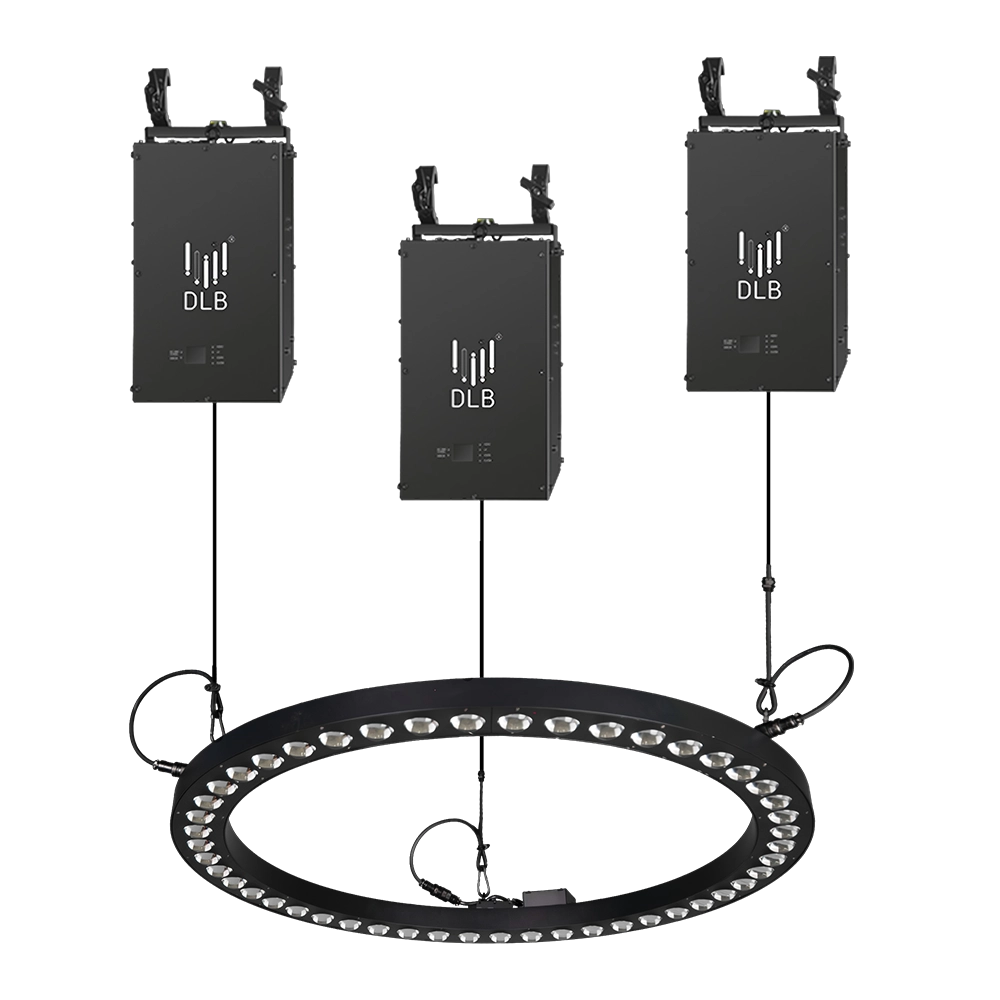
Kinetic Halo Ring——Ideal for a wide range of large-scale events: commercial spaces, TV shows, concerts, nightclubs, and various other settings.
Experience dynamic illumination with the FENG-YI Kinetic Halo Ring. This versatile kinetic light is perfect for large-scale events—commercial spaces, TV shows, concerts, and nightclubs—delivering stunning kinetic ring light effects that captivate every audience.
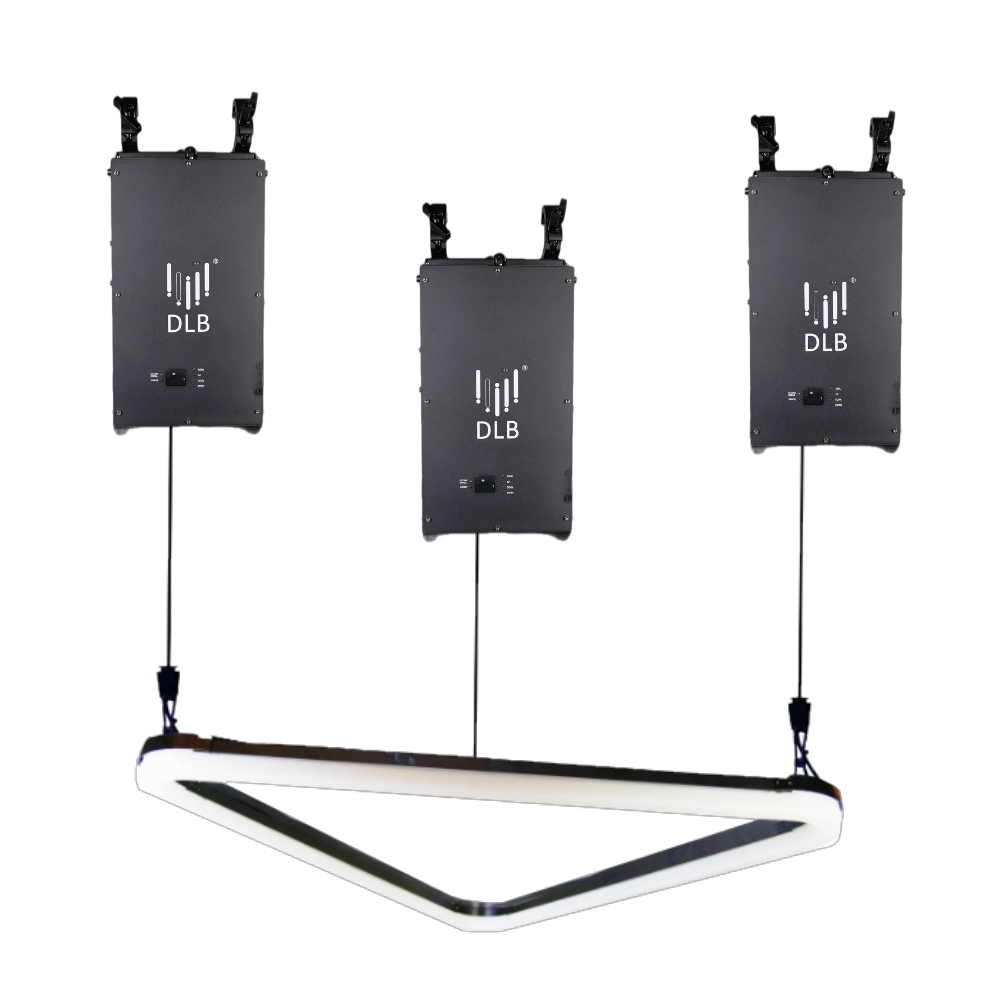
Kinetic Arc Light——Ideal for a wide range of large-scale events: commercial spaces, TV shows, concerts, nightclubs, and various other settings.
FENG-YI’s Kinetic Arc Light is a kinetic triangle LED light panel designed for large-scale events. Perfect for commercial spaces, TV shows, concerts, and nightclubs, it delivers dynamic lighting effects that captivate audiences and elevate any setting. Ideal kinetic light solution.
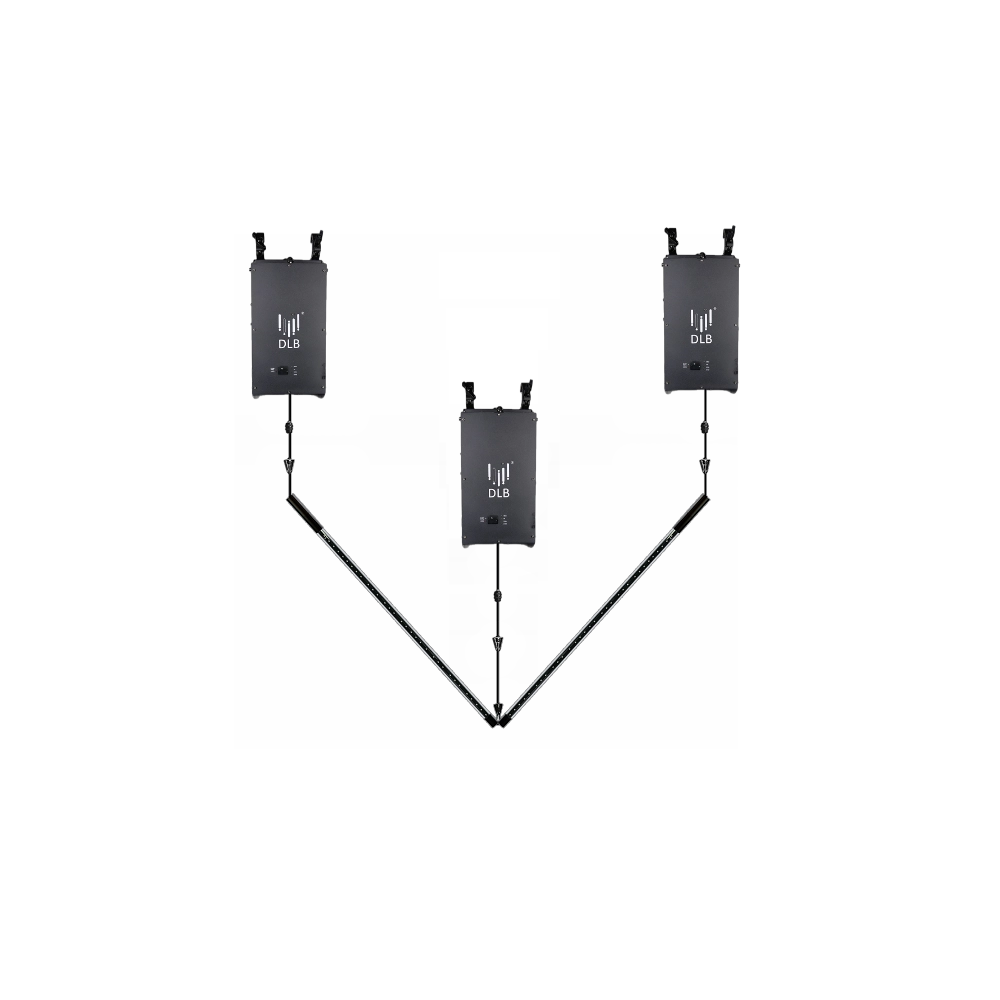
Kinetic Double Rod——Ideal for a wide range of large-scale events: commercial spaces, TV shows, concerts, nightclubs, and various other settings.
FENG-YI’s Kinetic Double Rod delivers dynamic kinetic light effects ideal for large-scale events—from concerts and nightclubs to TV shows and commercial spaces. Elevate your setup with this versatile kinetic light rod, designed for stunning visual impact and seamless integration.
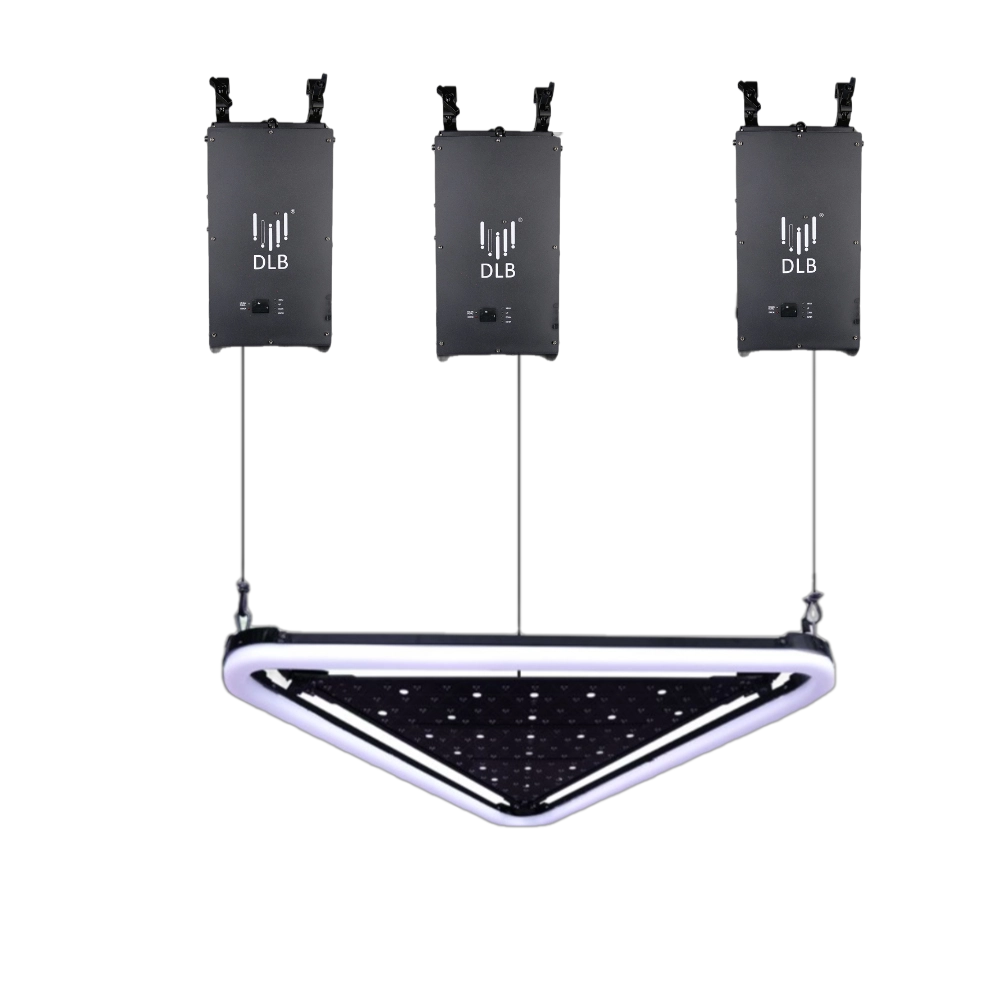
Kinetic Arc Panel——Ideal for a wide range of large-scale events: commercial spaces, TV shows, concerts, nightclubs, and various other settings.
FENG-YI’s Kinetic Arc Panel features dynamic kinetic light technology with kinetic triangle LED light panels, perfect for enhancing large-scale events like concerts, TV shows, nightclubs, and commercial spaces. Elevate your visual experience with innovative, high-impact lighting solutions.
Want to learn more about the latest updates?
Have questions or ready to illuminate your project? Reach out to our expert team today.
Rest assured that your privacy is important to us, and all information provided will be handled with the utmost confidentiality.
By clicking "Send your message," I agree to your processing my personal data.
To see how to withdraw your consent, how to control your personal data, and how we process it, please see our Privacy Policy and Terms of Use.

FENG-YI has been continuously innovating and has grown into a Kinetic Lights Manufacturer and solution provider with unique advantages.
Contact
+86 181 2785 5301
Address
Building 5, No. 34, Fuyuan Road, Jinghu IndustrialZone, Xinhua Town, Huadu District, Guangzhou, China.
© 2025 FENG-YI. All Rights Reserved.
Facebook
Instagram
YouTube
TikTok