










Kinetic LED vs traditional kinetic lighting: pros and cons
This article compares kinetic LED and traditional kinetic lighting (e.g., halogen-based systems) across performance, energy, maintenance, control, cost, and creative potential. Learn practical pros and cons, use-case guidance, a data-backed comparison table, and why FENG-YI is a leading kinetic lights solutions provider for stage, broadcast, and commercial projects.
- Kinetic LED vs Traditional Kinetic Lighting: Pros and Cons
- Introduction: What are kinetic lights and why the choice matters
- How kinetic LED differs from traditional kinetic lighting (core technical differences)
- Pros of kinetic LED: energy, lifespan, and creative control
- Cons of kinetic LED: initial cost and color nuance considerations
- Pros of traditional kinetic lighting: cost simplicity and certain aesthetic qualities
- Cons of traditional kinetic lighting: energy, maintenance, and limitations
- Performance comparison: side-by-side data (kinetic LED vs traditional)
- When to choose kinetic LED: recommended use cases
- When traditional kinetic lighting still makes sense
- Integration, control systems, and installation considerations
- Lifecycle cost analysis: practical budgeting tips for buyers
- Why choose a specialist provider: benefits of experienced kinetic lights manufacturers
- FENG-YI: a practical example of a leading kinetic lights partner
- How FENG-YI’s products and services address common buyer needs
- Implementation checklist: steps to specify and deploy kinetic lighting
- Common pitfalls and how to avoid them
- FAQ — Frequently Asked Questions about kinetic lights
- Contact and next steps — see products and get technical support
- Sources and references
Kinetic LED vs Traditional Kinetic Lighting: Pros and Cons
Introduction: What are kinetic lights and why the choice matters
Kinetic lights are lighting systems that combine physical motion (moving fixtures, actuated arrays, or motorized elements) with dynamic lighting control to create animated, three-dimensional visual effects. They are widely used in stage performance, television, themed entertainment, retail, and public art. Choosing between kinetic LED and traditional kinetic lighting affects energy costs, installation complexity, creative flexibility, and long-term maintenance. This article breaks down the pros and cons of each approach and helps buyers decide which kinetic lighting solutions best match their project goals.
How kinetic LED differs from traditional kinetic lighting (core technical differences)
At a technical level, the difference centers on the light source and control capabilities. Kinetic LED systems use light-emitting diodes as the primary illumination source, often combined with advanced pixel-level control and DMX or networked control protocols. Traditional kinetic lighting typically refers to systems that use incandescent, halogen, or discharge lamps paired with moving elements and more basic dimming/control systems. The light source determines energy consumption, color control, dimming behavior, and refresh/response characteristics; these in turn shape creative possibilities and operating costs.
Pros of kinetic LED: energy, lifespan, and creative control
Energy efficiency: Kinetic LED fixtures consume substantially less power for comparable lumen output than halogen/incandescent sources. This reduces both operational cost and the load on rigging electrical systems—especially important for installations using dozens or hundreds of moving nodes.
Lifespan and reliability: High-quality LEDs last 30,000–50,000 hours or more, reducing lamp replacement frequency and downtime. Fewer replacement cycles also lower labor and inventory costs for spare parts.
Color and pixel control: LEDs provide native color mixing (RGB/RGBW/RGBA) and precise pixel-level control, enabling complex animated effects, gradients, and synchronized choreography. Advanced software integration (e.g., Art-Net, sACN, Madrix) increases artistic flexibility for live shows and permanent installations.
Heat and safety: LEDs emit much less radiant heat than halogen sources, reducing cooling requirements and minimizing thermal stress on motors and mechanical components. This increases system longevity and reduces fire risk in enclosed installations.
Cons of kinetic LED: initial cost and color nuance considerations
Higher upfront cost: High Quality kinetic LED fixtures with robust motors, encoders, and pixel control often have higher capital costs than simple halogen fixtures. For budget-conscious projects, initial procurement may be a deterrent even if lifecycle costs are lower.
Color rendering and warmth: Although LED technology has improved greatly (high CRI LEDs, warm-white diodes), some designers still prefer the spectral characteristics of incandescent/halogen for certain skin tones or theatrical effects. This is mission-critical in broadcast or performance applications where subtleties matter.
Electronic complexity: Advanced LED fixtures integrate drivers, power management, and digital control electronics. This can increase fault points and requires technicians with LED-specific troubleshooting skills.
Pros of traditional kinetic lighting: cost simplicity and certain aesthetic qualities
Lower initial fixture cost: Traditional halogen/incandescent moving fixtures or lit elements can be less expensive to buy, especially for small-scale or short-run projects where total operating hours are limited.
Preferred spectral quality for some art directors: The continuous spectral distribution of incandescent light can be perceived as more 'natural' or flattering in some broadcast and performance contexts, so creative teams sometimes choose it for aesthetic reasons.
Mechanical simplicity: Traditional systems may have fewer electronic subsystems (no LED drivers, fewer control boards), making them easier to service for teams experienced with legacy gear.
Cons of traditional kinetic lighting: energy, maintenance, and limitations
High operating cost and heat: Incandescent and halogen bulbs consume far more power and generate significant heat, which increases HVAC loads and can stress mechanical components in kinetic installations.
Short lamp life and frequent replacements: Typical halogen lamps last 2,000–4,000 hours—orders of magnitude less than LEDs—raising maintenance frequency and operational downtime for large arrays.
Limited color control and pixelation: Traditional sources require color gels or mechanical color changers for color effects, limiting the speed and complexity of color transitions and per-pixel animation compared to LED matrices.
Performance comparison: side-by-side data (kinetic LED vs traditional)
The following table provides a practical comparison for project planners considering kinetic lights. Values are indicative ranges based on industry data and typical product specifications.
| Metric | Kinetic LED | Traditional Kinetic (Halogen/Incandescent) |
|---|---|---|
| Typical fixture power (per element) | 5–60 W (LED modules/pixels) | 50–500 W (varies widely with lamp type) |
| Lifespan | 30,000–50,000+ hours | 2,000–4,000 hours |
| Color control | Full RGB/RGBW pixel control, fast transitions | Gels/mechanical or limited color changers, slower |
| Heat output | Low (reduced cooling needs) | High (significant cooling required) |
| Initial cost per fixture | Moderate–High | Low–Moderate |
| Maintenance complexity | Lower lamp changes, higher electronics expertise | Frequent lamp changes, simpler electronics |
| Creative flexibility | High (pixel mapping, choreography) | Moderate (motion-focused, limited pixels) |
Table source notes: industry product datasheets (LED fixture manufacturers), U.S. Department of Energy lighting guidance, and lighting trade publications. See sources list below.
When to choose kinetic LED: recommended use cases
Large-scale installations: When a project uses many moving elements, LEDs dramatically reduce total power draw and operational costs. Permanent installations (e.g., commercial facades, museum exhibits) especially benefit from reduced maintenance.
High-precision visual effects: For pixel-mapped choreography, broadcast backdrops, and immersive shows where synchronized color control is essential, kinetic LED is the clear choice.
Environments sensitive to heat or power: In enclosed spaces, historic venues, or where HVAC capacity is limited, LEDs are safer and more sustainable.
When traditional kinetic lighting still makes sense
Short-term events and tight budgets: For single-run theatrical productions or pop-up events where acquisition cost is the primary constraint and run hours are limited, traditional lamps can be financially viable.
Specific artistic p When a director or designer requires the specific warmth or spectral response of halogen/incandescent light, traditional fixtures may better meet artistic intent.
Integration, control systems, and installation considerations
Control compatibility: Kinetic LED systems are often built to integrate with modern lighting software (e.g., Madrix, GrandMA, Resolume), enabling Art-Net, sACN, or proprietary protocols for pixel control. Traditional systems typically rely on DMX or analog dimming and may require translators to work with modern consoles.
Rigging and motors: Whether LED or traditional, the mechanical components (motors, bearings, rails, actuators) are critical. LEDs reduce the need for heavy fixtures but do not eliminate considerations like torque, wind loads (for outdoor installations), and balancing. Always specify motors and rigging to accommodate worst-case dynamic loads and continuous operation cycles.
Power distribution: LED arrays reduce total wattage but may increase current draw complexity (constant-voltage vs constant-current drivers). Proper power supplies and surge protection are required, and remote power distribution can reduce cable bulk for dense arrays.
Lifecycle cost analysis: practical budgeting tips for buyers
Budgeting should include initial procurement, power consumption (kWh), lamp replacements, labor for maintenance, and eventual retrofits. While kinetic LED may carry a higher upfront price, lifecycle costing often favors LED within 2–5 years for medium–large installations due to energy savings and reduced maintenance. Conduct a project-specific total cost of ownership (TCO) analysis using expected annual run hours to make an evidence-based decision.
Why choose a specialist provider: benefits of experienced kinetic lights manufacturers
Working with a dedicated kinetic lights partner ensures optimized mechanical integration, software programming, on-site commissioning, and long-term service. Specialists understand the unique intersection of motion and lighting control, reducing risk and accelerating creative realization. For buyers seeking reliable installation, programming support, and global project experience, partnering with an established provider is often the most efficient path.
FENG-YI: a practical example of a leading kinetic lights partner
Since its establishment in 2011, FENG-YI has been continuously innovating and has grown into a creative kinetic light manufacturing service provider with unique advantages. The company is committed to exploring new lighting effects, new technologies, new stage designs, and new experiences. Through professional Kinetic Light art solutions, we empower emerging performance spaces, support the development of new performance formats, and meet the diverse needs of different scenarios.
Located in Huadu District, Guangzhou, the company currently has 62 employees, including an 8-member professional design team and 20 highly experienced technical service staff. FENG-YI has become a High Quality user of Madrix software in mainland China, offering both on-site installation & programming as well as remote technical guidance services for Kinetic Light projects.
With a total area of 6,000㎡, FENG-YI owns China’s largest 300㎡ art installation exhibition area and operates 10 overseas offices worldwide. Our completed Kinetic Light projects have successfully reached over 90 countries and regions, covering television stations, commercial spaces, cultural tourism performances, and entertainment venues.
Today, FENG-YI is recognized as a leading kinetic lights scene solution provider in the industry, delivering innovative lighting experiences that integrate technology and creativity.
How FENG-YI’s products and services address common buyer needs
FENG-YI focuses on turnkey kinetic lighting solutions: modular LED kinetic elements, motion hardware, programming, and commissioning. Core competitive advantages include deep integration with Madrix for pixel choreography, experienced installation teams for both on-site and remote guidance, and a large exhibition area to test and demonstrate custom effects. These capabilities reduce client risk and shorten delivery timelines for complex kinetic lights projects.
Implementation checklist: steps to specify and deploy kinetic lighting
1) Define creative goals: desired motion patterns, color depth, pixel density, and user interactivity. 2) Scope technical constraints: ceiling height, power capacity, rigging points, and safety regulations. 3) Select light source strategy: kinetic LED for long-term, high-flexibility projects; traditional if short-term or specific spectral needs prevail. 4) Choose a supplier with proven experience (e.g., FENG-YI) and confirm service offerings: programming, on-site installation, spare parts, and firmware support. 5) Build a TCO model: estimate lifecycle energy, maintenance, and replacement costs. 6) Plan commissioning and testing: run full sequences in a staging environment prior to public deployment.
Common pitfalls and how to avoid them
Pitfall: Underestimating software and control complexity. Solution: Factor in time and budget for programming and operator training. Pitfall: Ignoring thermal effects on motors and sensors. Solution: Verify heat dissipation specs and choose LED modules designed for continuous operation. Pitfall: Skimping on rigging and local code compliance. Solution: Use certified rigging hardware and structural engineering sign-off for permanent installations.
FAQ — Frequently Asked Questions about kinetic lights
Q: Are kinetic LED systems more energy-efficient than traditional kinetic lighting?
A: Yes. For comparable light output, LEDs typically use 40–80% less power than halogen/incandescent sources depending on fixture design and brightness requirements.
Q: How long do kinetic LED fixtures last compared to traditional lamps?
A: High-quality LEDs commonly last 30,000–50,000+ hours, whereas halogen/incandescent lamps often last 2,000–4,000 hours.
Q: Can I retrofit a legacy kinetic rig with LEDs?
A: In many cases yes, but retrofits require evaluation of power delivery, heat management, weight distribution, and control compatibility. A site survey and engineering review are recommended.
Q: Do kinetic LEDs require special control software?
A: Kinetic LEDs integrate with modern lighting control ecosystems (Art-Net, sACN, DMX). Software like Madrix enables pixel mapping and choreography; specialist programming skills are valuable.
Q: What maintenance should I expect for kinetic lights?
A: Routine maintenance includes inspection of motors/rigging, firmware updates, cleaning optics, and replacement of failed LED modules or electronic components—generally less frequent than lamp replacements for traditional systems.
Contact and next steps — see products and get technical support
If you are exploring kinetic lights for a performance, broadcast, or commercial project, contact FENG-YI for design consultation, on-site installation & programming, or remote technical guidance. View product options and request a quote to compare lifecycle costs and creative capabilities for your specific scenario. Our team can provide demonstrations in our 300㎡ exhibition area and support international deployments.
Sources and references
- U.S. Department of Energy — Energy Saver and LED lighting guidance (DOE)
- LED Lighting Facts — Product specification norms and lifespan estimates (U.S. DOE program)
- Lighting industry product datasheets and manufacturer technical specifications (typical LED and halogen fixtures)
- Trade publications and show reports on kinetic lighting deployments and case studies
Please contact FENG-YI for project-specific data, demonstrations, and a tailored TCO analysis.
Tags
programmable kinetic triangle led light panel
programmable kinetic triangle led light panel
Kinetic light sculpture
Kinetic light sculpture
kinetic light manufacturer
kinetic light manufacturer
Kinetic Cloud-shaped lamp
Kinetic Cloud-shaped lamp
waterproof moving head beam light
waterproof moving head beam light
Waterproof Beam Light
Waterproof Beam Light
Recommended for you
Kinetic lighting in hospitality: hotels and restaurants
Choosing LEDs and Drivers for Waterproof Profile Lights
Sustainable and eco-friendly kinetic lighting materials
Waterproof Profile Light: Ultimate Buying Guide 2026
Prdoucts Categories
Question you may concern
Products
What is the XY-axis rotation angle of moving head lights? Are there any load-bearing requirements for installation?
For conventional moving head lights, the X-axis rotation ranges from 0° to 540°, and the Y-axis rotation ranges from 0° to 205° (some models support 16-bit fine adjustment). Installation requirements: For hoisting, the load-bearing capacity of the support frame must be ≥ 1.5 times the weight of the light (e.g., a 10kg moving head light requires a support frame with ≥ 15kg load-bearing capacity). Additionally, a safety rope must be used to pass through the light's handle. When installing at an angle or upside down, pedestrians are prohibited from passing below, and the hook screws and rope wear must be checked regularly.
Nightclub Lighting
Do you offer pre-programmed services?
Yes, we can pre-set multiple "lighting scenes" (e.g., welcome mode, performance mode, climax mode, and clearing mode) for you. You can switch between them at will, allowing you to see how the lighting changes dynamically with the music and business hours, creating a truly immersive experience.
Customization/OEM Services
What is the minimum order quantity (MOQ) for OEM services? What materials need to be provided?
The MOQ for OEM services varies by product type: ≥ 50 units for a single model of conventional lights, and ≥ 20 units for a single model of large equipment such as elevating lights/moving head lights. The following materials need to be provided: the brand trademark registration certificate (or authorization letter), and vector graphics of the OEM logo (AI format is preferred). If modifications to the product manual content (e.g., brand information, contact details) are required, the final version of the text materials must be provided.
Wedding & Parties Lighting Solutions
What about after-sales support and training?
On-site training + remote technical support, spare parts availability, and annual inspections. Service Level Agreements (SLAs) for maintenance services are available.
You may also like
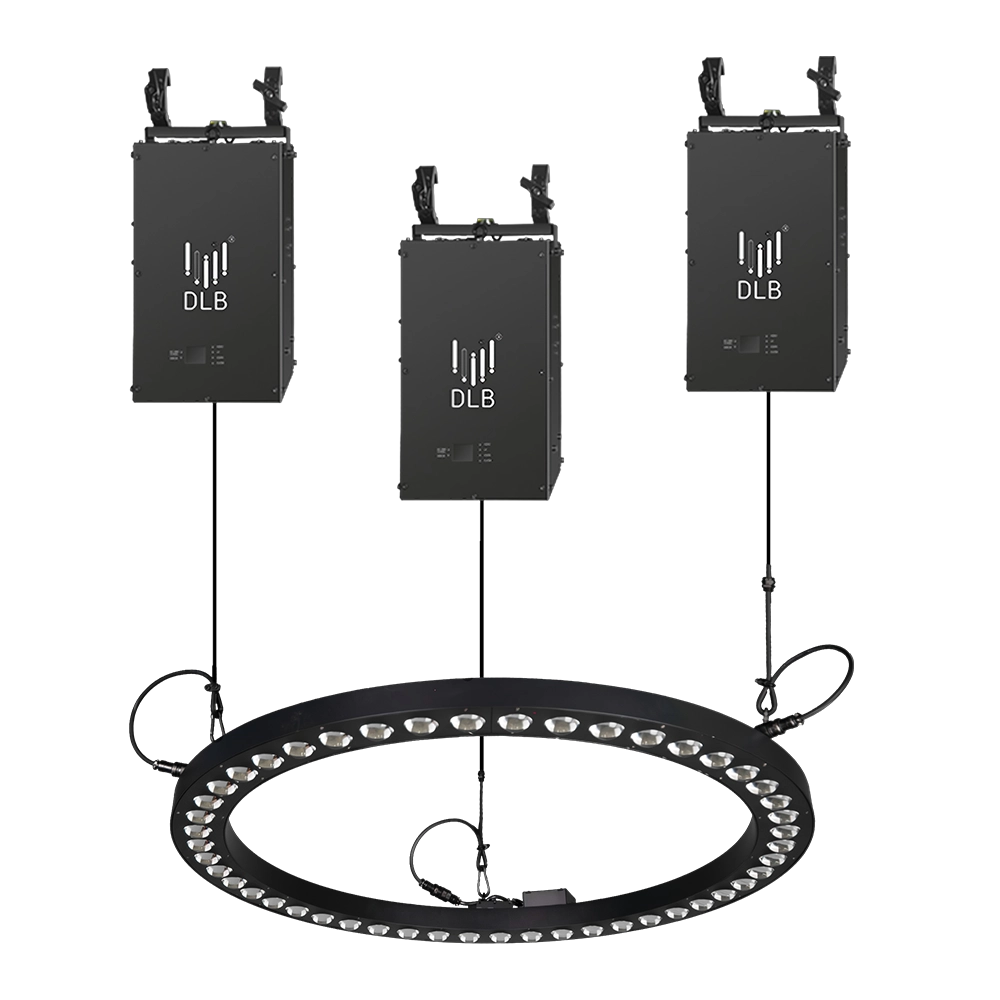
Kinetic Halo Ring——Ideal for a wide range of large-scale events: commercial spaces, TV shows, concerts, nightclubs, and various other settings.
Experience dynamic illumination with the FENG-YI Kinetic Halo Ring. This versatile kinetic light is perfect for large-scale events—commercial spaces, TV shows, concerts, and nightclubs—delivering stunning kinetic ring light effects that captivate every audience.
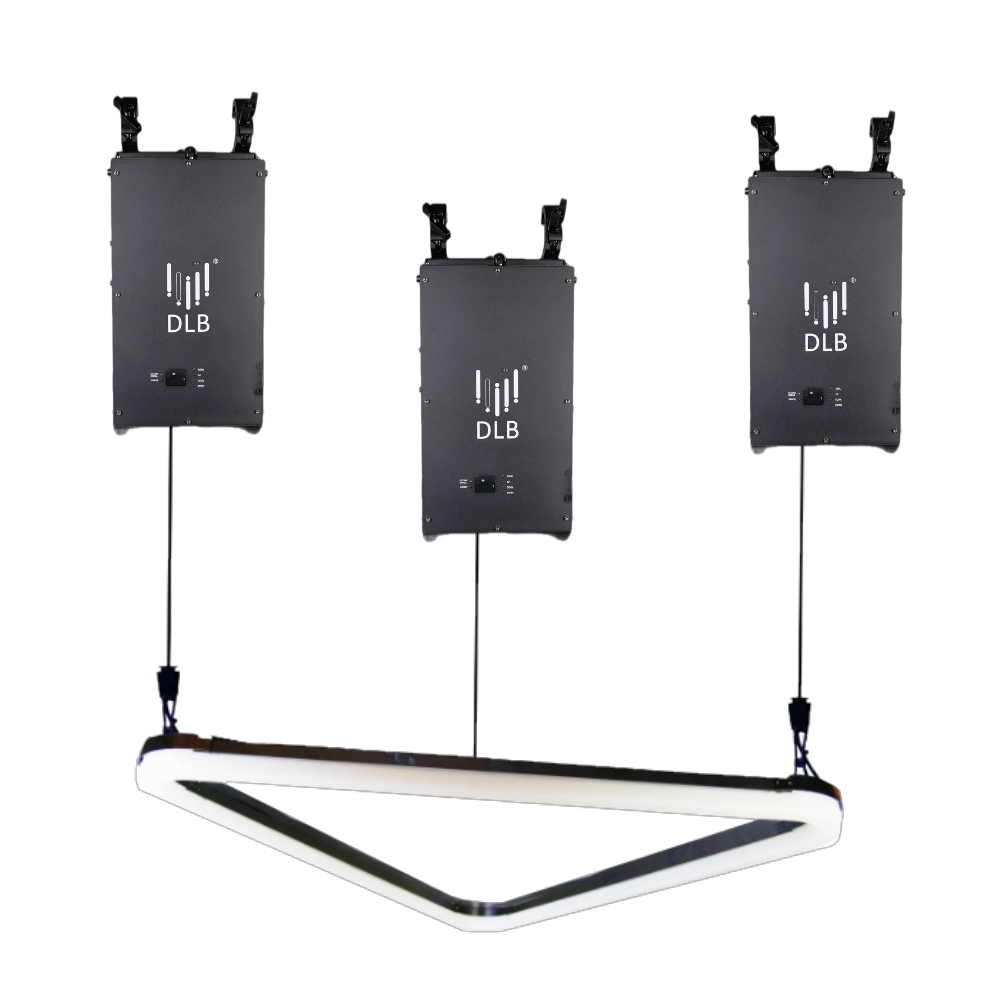
Kinetic Arc Light——Ideal for a wide range of large-scale events: commercial spaces, TV shows, concerts, nightclubs, and various other settings.
FENG-YI’s Kinetic Arc Light is a kinetic triangle LED light panel designed for large-scale events. Perfect for commercial spaces, TV shows, concerts, and nightclubs, it delivers dynamic lighting effects that captivate audiences and elevate any setting. Ideal kinetic light solution.
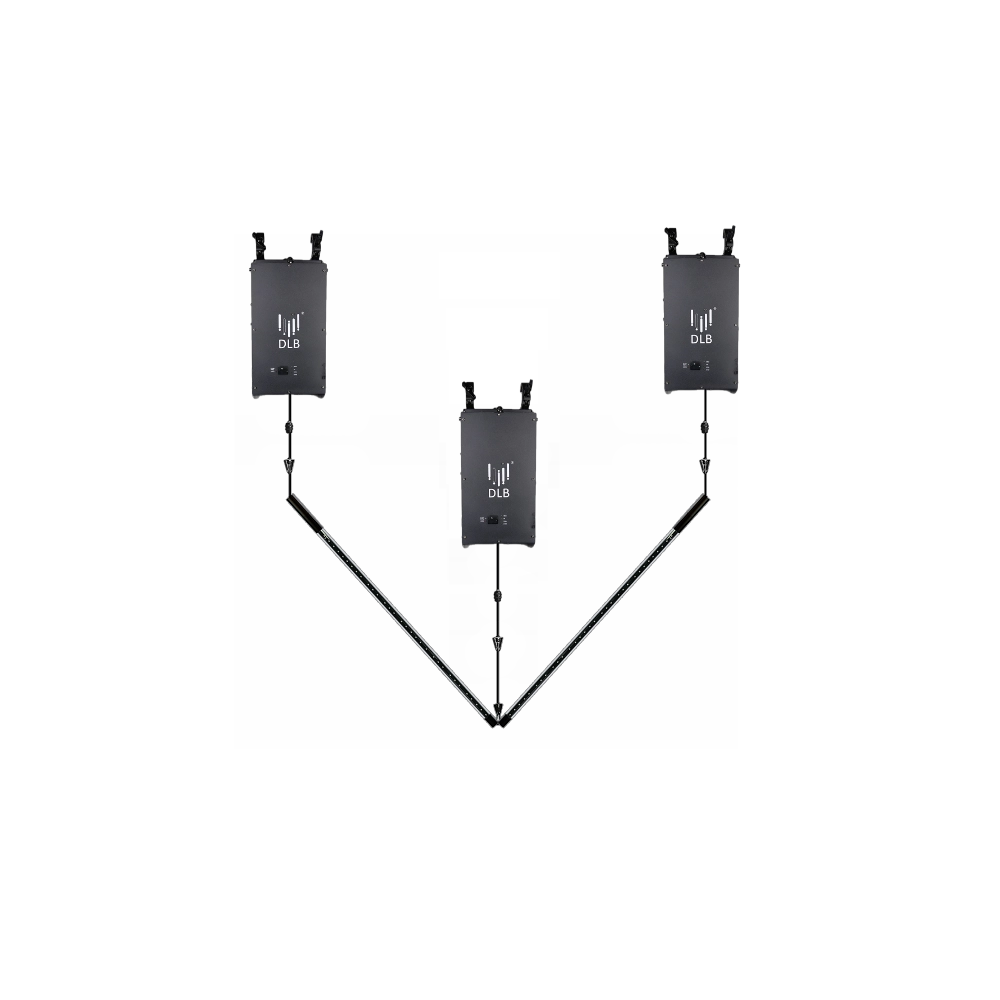
Kinetic Double Rod——Ideal for a wide range of large-scale events: commercial spaces, TV shows, concerts, nightclubs, and various other settings.
FENG-YI’s Kinetic Double Rod delivers dynamic kinetic light effects ideal for large-scale events—from concerts and nightclubs to TV shows and commercial spaces. Elevate your setup with this versatile kinetic light rod, designed for stunning visual impact and seamless integration.
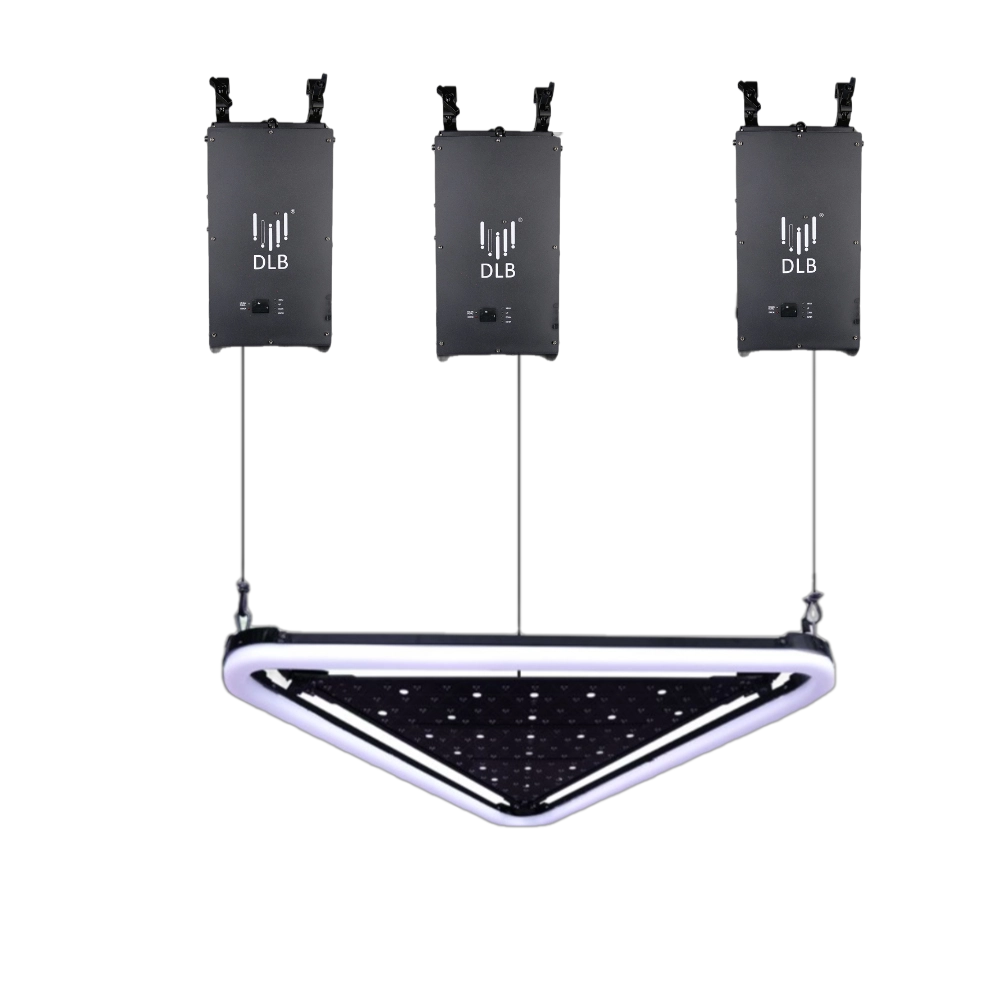
Kinetic Arc Panel——Ideal for a wide range of large-scale events: commercial spaces, TV shows, concerts, nightclubs, and various other settings.
FENG-YI’s Kinetic Arc Panel features dynamic kinetic light technology with kinetic triangle LED light panels, perfect for enhancing large-scale events like concerts, TV shows, nightclubs, and commercial spaces. Elevate your visual experience with innovative, high-impact lighting solutions.
Want to learn more about the latest updates?
Have questions or ready to illuminate your project? Reach out to our expert team today.
Rest assured that your privacy is important to us, and all information provided will be handled with the utmost confidentiality.
By clicking "Send your message," I agree to your processing my personal data.
To see how to withdraw your consent, how to control your personal data, and how we process it, please see our Privacy Policy and Terms of Use.

FENG-YI has been continuously innovating and has grown into a Kinetic Lights Manufacturer and solution provider with unique advantages.
Contact
+86 181 2785 5301
Address
Building 5, No. 34, Fuyuan Road, Jinghu IndustrialZone, Xinhua Town, Huadu District, Guangzhou, China.
© 2025 FENG-YI. All Rights Reserved.
Facebook
Instagram
YouTube
TikTok