










Kinetic LED lighting: benefits and technical tips
A practical guide to kinetic lighting—why Kinetic LED lighting matters, technical components, design and maintenance best practices, programming tips, and how FENG-YI delivers professional kinetic light solutions for venues and productions.
- Kinetic LED lighting: benefits and technical tips
- What is kinetic lighting and why it matters for modern spaces
- Key benefits of kinetic lighting for commercial and production projects
- Technical components in kinetic LED lighting systems
- Design considerations: balancing motion, light, and safety
- Programming and content tips for compelling kinetic lighting
- Installation and maintenance best practices for kinetic LED lighting
- Costs, ROI and energy comparison (table)
- Control protocols and latency: practical guidance
- Why choose a specialist partner for kinetic LED lighting
- FENG-YI: specialized solutions and competitive strengths in kinetic lighting
- Procurement checklist: technical specs to request from vendors
- Common pitfalls and how to avoid them
- FAQ — Frequently Asked Questions
- Contact us / See our products
- Sources
Kinetic LED lighting: benefits and technical tips
What is kinetic lighting and why it matters for modern spaces
Kinetic lighting refers to lighting systems that incorporate motion—either of the light source, the fixture, or of modular elements—to create dynamic, time-based visual effects. When combined with LED technology, kinetic lighting (often called kinetic LED lighting) offers a flexible toolkit for architects, set designers, attractions, retail, and live performance producers who want to create immersive, programmable environments. This section explains the core idea and situates kinetic lighting within typical commercial uses so you can quickly decide whether it fits your project.
Key benefits of kinetic lighting for commercial and production projects
Using kinetic lighting delivers several tangible benefits that go beyond aesthetics. Below are the main advantages project owners should weigh when specifying kinetic LED lighting systems:
- Enhanced audience engagement: Motion paired with light attracts attention and strengthens emotional response—useful in retail, performance, and experiential marketing.
- Programmability and content flexibility: Kinetic lighting systems can display different behaviors and narratives without physical rebuilds, enabling frequent updates or event-specific themes.
- Space reusability: One installation can serve multiple formats—concerts, exhibitions, commercials—reducing long-term capex relative to fixed scenic builds.
- Energy efficiency: LED-based kinetic lighting keeps running costs lower than older light sources, while offering precise dimming and color control.
- Distinctive brand experiences: Moving light elements help define a signature look that differentiates venues and productions.
Technical components in kinetic LED lighting systems
Projects that use kinetic lighting integrate several subsystems. Understanding each component helps with procurement, specification, and troubleshooting.
- LED modules and fixtures: Choose modules rated for the desired color quality (CRI), lumen output, and thermal performance. LEDs form the visual core of the system.
- Motion mechanics: Motors, actuators, winches, and pulleys enable the physical movement of modules or structural elements. Brushless DC motors are common for smooth, quiet operation.
- Control electronics: LED drivers, dimmers, motor controllers, and processors coordinate light output and motion. Robust control simplifies synchronization between moving parts and light content.
- Network protocols: DMX512, sACN, Art-Net, OSC, and proprietary protocols can be used. Choose based on latency, channel count, and integration needs with media servers.
- Software & content engine: Mapping, timecode, and pixel-mapping software (e.g., Madrix or custom engine) generate the visual content and motion timelines.
- Structural and safety elements: Cables, safety lines, motion limiters, and structural supports ensure safe operation—especially when installations are above audiences.
Design considerations: balancing motion, light, and safety
Designing kinetic LED lighting requires multidisciplinary thinking—lighting design, mechanical engineering, and safety engineering. Address these core considerations early:
- Motion profiles: Define acceleration, max speed, and stopping behavior to avoid unwanted vibration, noise, and wear.
- Weight and load paths: Calculate static and dynamic loads. Motion introduces dynamic forces; structural members must be rated accordingly.
- Noise mitigation: Choose quiet motors and use isolation mounts if the venue requires low acoustic signatures.
- Thermal management: Provide adequate heat sinking and ventilation for LEDs and drivers, especially in enclosed moving assemblies.
- Redundancy and fail-safe: Implement limit switches, emergency stops, and redundant suspensions for overhead installations.
Programming and content tips for compelling kinetic lighting
Great kinetic lighting depends on both the hardware and how content is authored. These practical tips help production teams get the most from kinetic LED lighting:
- Simplify motion cues: Use fewer, larger movement gestures rather than constant small adjustments—this reduces mechanical fatigue and is more visually readable at distance.
- Sync light and motion: Use timecode (e.g., SMPTE) or a master timeline to synchronize motors with lighting content for impactful moments.
- Pixel mapping best practice: Map logical pixels consistently and test virtually before committing to hardware runs to avoid costly reprogramming onsite.
- Previsualization: Render content and motion profiles in software to validate scale, speed, and sightlines before installation.
- Content layers: Author content in layers—base ambient, motion highlights, and event-specific overlays—so the same installation supports diverse shows.
Installation and maintenance best practices for kinetic LED lighting
Maintaining uptime and lowering total cost of ownership should be planned from day one. Follow these maintenance-focused guidelines:
- Accessible service points: Design access platforms or service loops so panels, drivers, and motors can be replaced without major deconstruction.
- Preventive maintenance schedule: Inspect mechanical components, safety lines, and electrical connections on a scheduled basis (monthly/quarterly depending on usage).
- Spare parts strategy: Stock critical spares such as driver modules, motor controllers, and fast-connect LED modules to minimize downtime.
- Firmware management: Centralize and document firmware versions for controllers and drivers to avoid compatibility issues after updates.
- Remote diagnostics: Where possible, enable remote monitoring (telemetry) for temperature, motor torque, and drive status to catch issues early.
Costs, ROI and energy comparison (table)
The following table summarizes relative considerations between static LED installations and kinetic LED lighting for venue owners assessing ROI. The numeric entries are representative generalizations; always request project-specific estimates.
| Factor | Static LED Lighting | Kinetic LED Lighting |
|---|---|---|
| Initial equipment cost | Lower (fewer moving parts) | Higher (motors, controllers, structure) |
| Energy consumption | Low (LED-efficient) | Low for LEDs; additional motor power (moderate) |
| Maintenance | Low | Moderate to higher (mechanical wear) |
| Content flexibility | Limited | High (motion + light) |
| Audience impact | Good | Very high (dynamic experiences) |
Source notes: Energy and LED lifetime benchmarks are consistent with data summarized by the U.S. Department of Energy for LED technology (see sources below). Actual costs depend on project scale and local labor rates.
Control protocols and latency: practical guidance
Choose control protocols based on channel count, network complexity, and the need for low latency. For large pixel installations and media-synced shows, Art-Net and sACN are frequently used to transport DMX over Ethernet. Madrix and similar engines are popular for pixel mapping and live control—FENG-YI is a recognized High Quality user of Madrix in mainland China and supports integration and programming services. When synchronization to video or audio is required, plan for precise timecode distribution and verify end-to-end latency in the field.
Why choose a specialist partner for kinetic LED lighting
Kinetic lighting projects intersect multiple disciplines. Using a specialist supplier reduces risk and compresses timelines. A qualified partner provides integrated services: mechanical design, lighting engineering, control programming, installation, and post-install support. For venues and producers who want turn-key outcomes, choosing a provider experienced in live events and permanent installations is often the most cost-effective approach.
FENG-YI: specialized solutions and competitive strengths in kinetic lighting
Since its establishment in 2011, FENG-YI has been continuously innovating and has grown into a creative kinetic light manufacturing service provider with unique advantages. The company is committed to exploring new lighting effects, new technologies, new stage designs, and new experiences. Through professional Kinetic Light art solutions, we empower emerging performance spaces, support the development of new performance formats, and meet the diverse needs of different scenarios.
Located in Huadu District, Guangzhou, the company currently has 62 employees, including an 8-member professional design team and 20 highly experienced technical service staff. FENG-YI has become a High Quality user of Madrix software in mainland China, offering both on-site installation & programming as well as remote technical guidance services for Kinetic Light projects.
With a total area of 6,000㎡, FENG-YI owns China’s largest 300㎡ art installation exhibition area and operates 10 overseas offices worldwide. Our completed Kinetic Light projects have successfully reached over 90 countries and regions, covering television stations, commercial spaces, cultural tourism performances, and entertainment venues.
Today, FENG-YI is recognized as a leading kinetic lights scene solution provider in the industry, delivering innovative lighting experiences that integrate technology and creativity.
FENG-YI's core Kinetic Lighting offerings include modular LED kinetic arrays, integrated motorized structures, pixel mapping and media server integration, complete control systems, and ongoing technical services. The company's competitive edge lies in a combined capability across design, software programming (Madrix expertise), manufacturing, installation, and global support for complex, site-specific projects.
Procurement checklist: technical specs to request from vendors
When requesting quotes for kinetic LED lighting, ask vendors for the following minimum information to ensure apples-to-apples proposals:
- LED module specs (lumens, CRI, color gamut, power draw, IP rating)
- Motor and actuator specifications (torque, speed range, duty cycle, noise level)
- Control architecture (protocols supported, universes, latency tests)
- Structural drawings and load calculations
- Service and warranty terms for electronics and mechanical systems
- Reference installations and on-site commissioning plan
- Spare parts list and recommended maintenance schedule
Common pitfalls and how to avoid them
Many projects underperform because of avoidable mistakes. Common pitfalls include:
- Poor early coordination: Not involving mechanical, structural, and lighting engineers early leads to redesigns and delays. Solve by establishing an integrated design team from kickoff.
- Under-specified control: Selecting a controller with insufficient channel capacity or bandwidth creates bottlenecks. Request future-proofed architectures.
- Ignoring service access: Overlooking maintenance access increases lifecycle costs. Ensure service access is part of the installation design.
- Skipping previsualization: Not simulating content and motion frequently results in mismatched expectations. Use software mockups and physical prototypes when feasible.
FAQ — Frequently Asked Questions
Q: Is kinetic lighting energy efficient compared to traditional fixtures?
A: The lighting component (LED) is energy efficient and comparable to other LED installations. Kinetic systems add motor power consumption, but this is typically modest compared to lighting power. Overall energy efficiency remains favorable versus older light sources.
Q: How noisy are moving kinetic installations?
A: Noise depends on motor choice, gearing, and isolation. Brushless DC motors with proper damping can be very quiet—suitable for theaters and broadcast studios. Specify acoustic requirements early.
Q: How long do LED modules last in kinetic systems?
A: Typical LED life is 25,000–50,000 hours depending on thermal management and operating conditions. Proper heat-sinking and ventilation in moving assemblies extends life.
Q: Can kinetic lighting be integrated with existing stage control systems?
A: Yes. Most kinetic systems support DMX, Art-Net, or sACN and can be integrated with media servers and lighting desks. Confirm protocol compatibility during design.
Q: What safety certifications should I require?
A: Require structural calculations, electrical safety certifications relevant to your region, and documentation for emergency stop and fail-safe mechanisms. For installations over audiences, follow local rigging and public safety codes.
Contact us / See our products
If you are planning a kinetic LED lighting project and need expert guidance—from conceptual design to on-site installation and programming—contact FENG-YI for a consultation. Our team provides on-site installation & programming as well as remote technical guidance to support your project worldwide. Reach out to discuss your requirements, request a quote, or arrange a demo in our 300㎡ exhibition area.
Sources
- U.S. Department of Energy — Solid-State Lighting (LED) technology and benefits (energy efficiency and life expectancy)
- Illuminating Engineering Society (IES) — Lighting design guidance and best practices
- Madrix — Pixel mapping and control software (industry-standard tools for kinetic LED pixel control)
- Signify (formerly Philips Lighting) — LED product whitepapers and specifications
- FENG-YI company data and case portfolio (company-provided operational and project metrics)
Tags
motorized kinetic light sculpture
motorized kinetic light sculpture
kinetic triangle led light panel installation guide
kinetic triangle led light panel installation guide
kinetic light installation
kinetic light installation
sensor-activated kinetic light
sensor-activated kinetic light
kinetic light sculpture
kinetic light sculpture
kinetic retail lighting display
kinetic retail lighting display
Recommended for you
Future innovations in kinetic lighting technology
Top kinetic light artists and inspiring works
Kinetic lighting vs static lighting: pros and cons
Waterproof Profile Light Case Studies: Real Installations
Prdoucts Categories
Question you may concern
Wedding & Parties Lighting Solutions
Are there minimum requirements for venue ceiling height and load capacity?
We recommend a clear height of ≥6–8 m (higher may be required for choreography needs). Load capacity is calculated based on point load plus safety factor. We provide structural calculations and suspension point recommendations.
Customization/OEM Services
What customization services can you provide? For example, adjustments to appearance, functions, or parameters.
Multi-dimensional customization is supported:
▪ Appearance customization: Lamp housing colors (e.g., in addition to black and silver, exclusive brand colors can be customized), and laser engraving of the brand logo on the body.
▪ Function customization: Adjustment of channel modes (e.g., adding exclusive light control channels), adaptation of light control protocols (e.g., compatibility with the customer's own central control system), and special scenario functions (e.g., increasing the waterproof level of outdoor models to IP65).
▪ Parameter customization: Extended stroke of elevating lights (default 0-5 meters, customizable up to 10 meters), adjustment of the beam angle of conventional lights (e.g., custom 15° narrow beam angle for PAR lights).
After-Sales Support
Can technical training be provided? For example, teaching customers how to debug DMX consoles and set light addresses.
Free technical training is supported:
▪ Online training: Operation video tutorials and live teaching (e.g., a "DMX Light Control Practical Course" once a month) are provided.
▪ Offline training: For wholesale customers (with a single purchase of ≥ 100 units), technicians can be arranged for on-site training (1-2 days, including console debugging, address setting, and fault troubleshooting).
▪ Customized training: For large-scale projects (e.g., stadium lighting projects), on-site technical guidance can be provided (charged based on the project cycle, specific details to be negotiated).
Logistics Services
Can urgent orders (e.g., customers need the lights the next day) be arranged for expedited shipment?
Expedited shipment is supported for urgent orders: For standard models (e.g., conventional PAR lights, 7-lamp 60W wash lights), if stock is sufficient, SF Express/JD Air Freight can be arranged on the same day (freight is borne by the customer; e.g., the air freight for 10 conventional lights is approximately 200-300 RMB), with next-day delivery. For standard models out of stock, expedited production can be arranged (shipment within 3 days), and an expedited fee (10%-15% of the order amount) will be charged. Specific details to be confirmed with the account manager.
You may also like
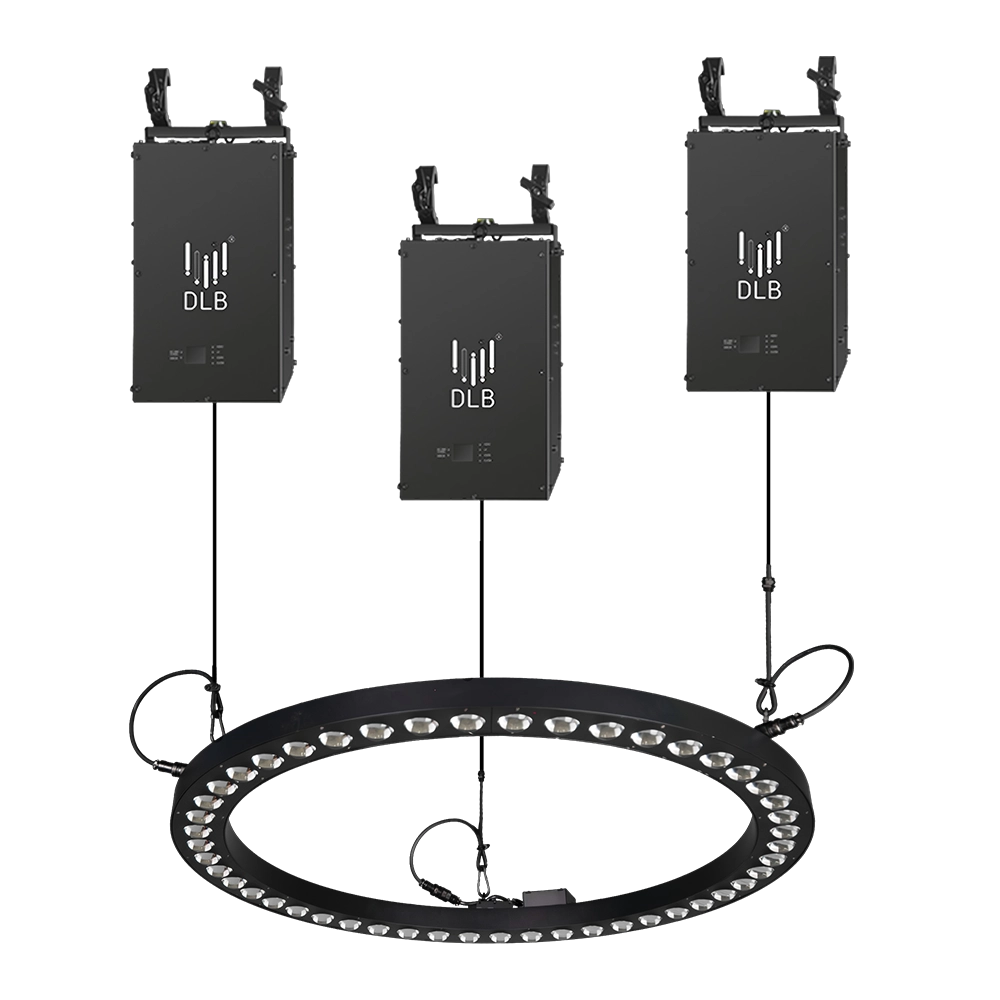
Kinetic Halo Ring——Ideal for a wide range of large-scale events: commercial spaces, TV shows, concerts, nightclubs, and various other settings.
Experience dynamic illumination with the FENG-YI Kinetic Halo Ring. This versatile kinetic light is perfect for large-scale events—commercial spaces, TV shows, concerts, and nightclubs—delivering stunning kinetic ring light effects that captivate every audience.
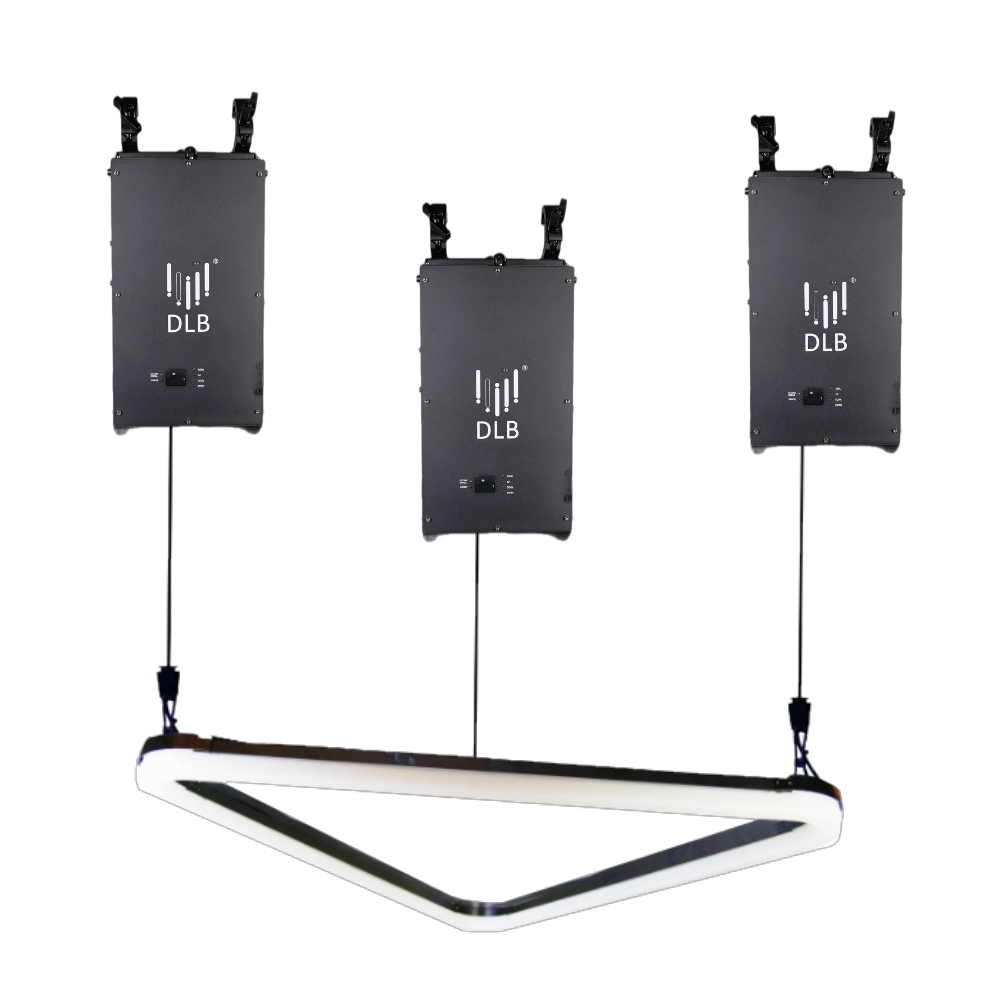
Kinetic Arc Light——Ideal for a wide range of large-scale events: commercial spaces, TV shows, concerts, nightclubs, and various other settings.
FENG-YI’s Kinetic Arc Light is a kinetic triangle LED light panel designed for large-scale events. Perfect for commercial spaces, TV shows, concerts, and nightclubs, it delivers dynamic lighting effects that captivate audiences and elevate any setting. Ideal kinetic light solution.
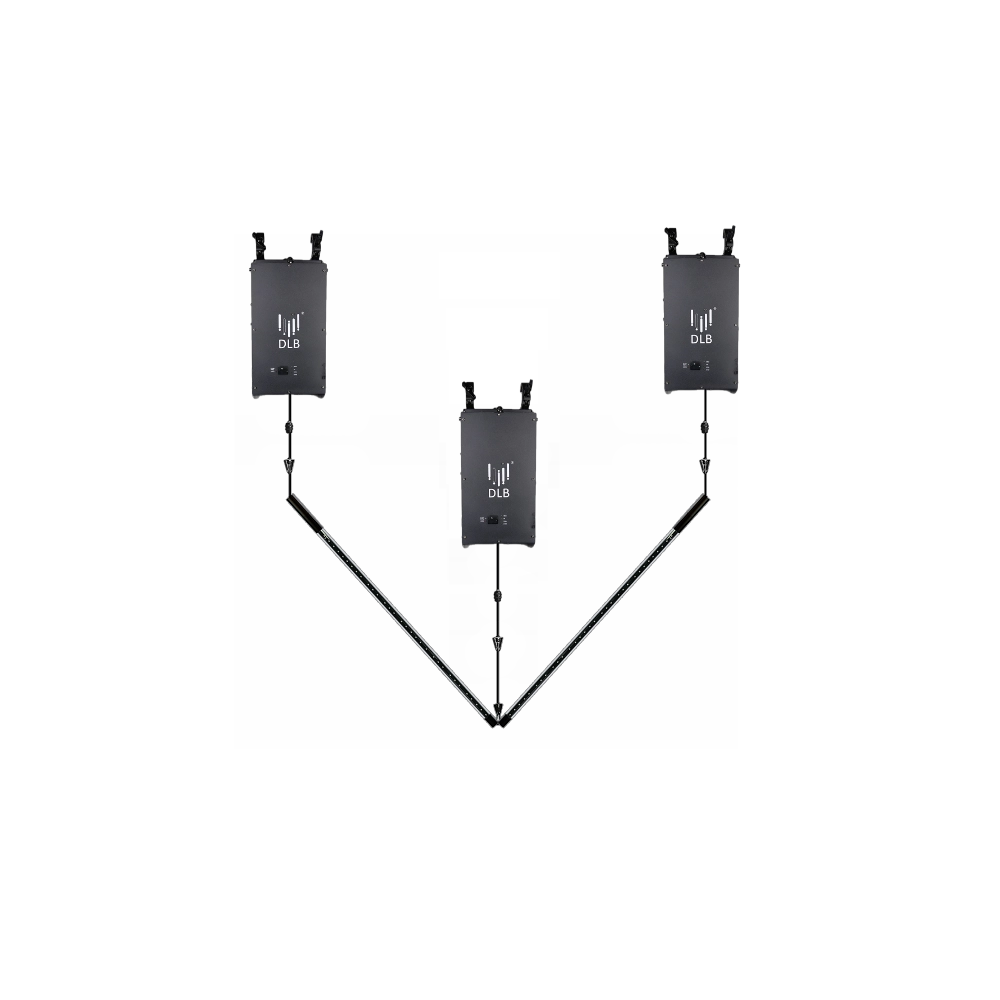
Kinetic Double Rod——Ideal for a wide range of large-scale events: commercial spaces, TV shows, concerts, nightclubs, and various other settings.
FENG-YI’s Kinetic Double Rod delivers dynamic kinetic light effects ideal for large-scale events—from concerts and nightclubs to TV shows and commercial spaces. Elevate your setup with this versatile kinetic light rod, designed for stunning visual impact and seamless integration.
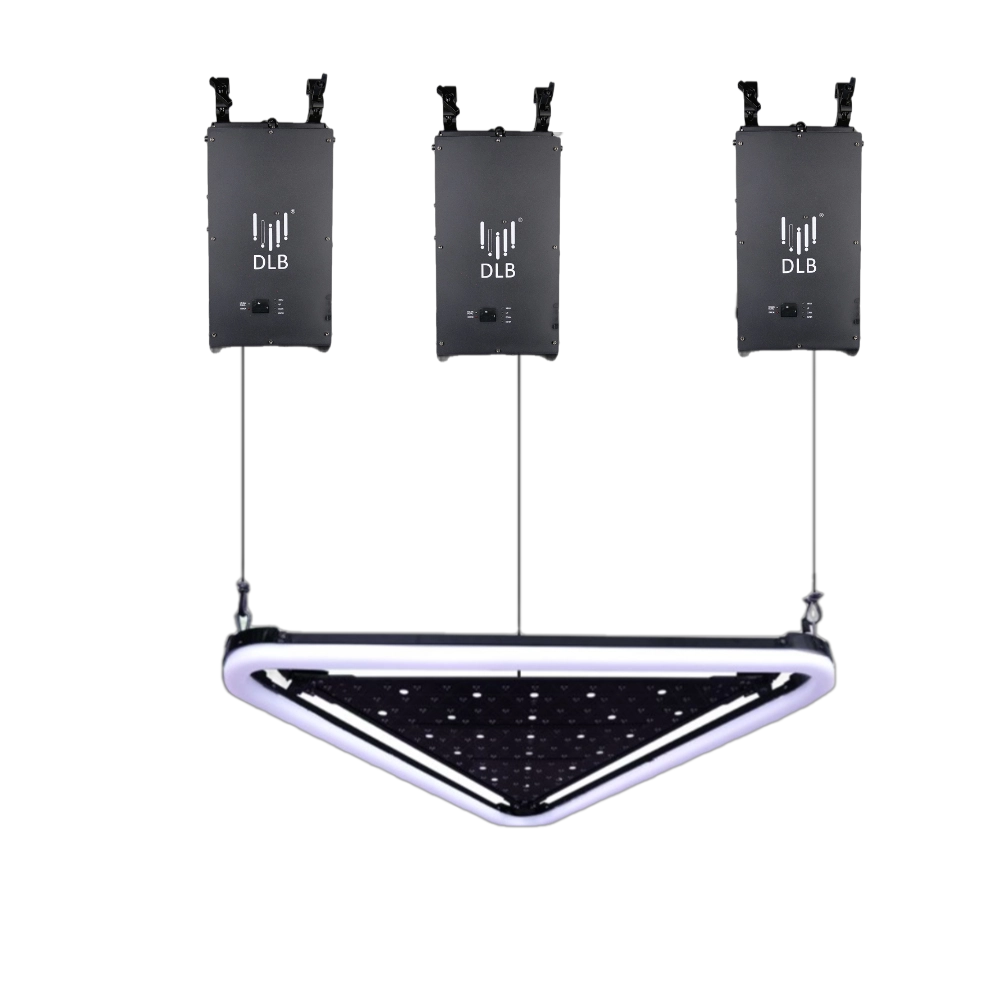
Kinetic Arc Panel——Ideal for a wide range of large-scale events: commercial spaces, TV shows, concerts, nightclubs, and various other settings.
FENG-YI’s Kinetic Arc Panel features dynamic kinetic light technology with kinetic triangle LED light panels, perfect for enhancing large-scale events like concerts, TV shows, nightclubs, and commercial spaces. Elevate your visual experience with innovative, high-impact lighting solutions.
Want to learn more about the latest updates?
Have questions or ready to illuminate your project? Reach out to our expert team today.
Rest assured that your privacy is important to us, and all information provided will be handled with the utmost confidentiality.
By clicking "Send your message," I agree to your processing my personal data.
To see how to withdraw your consent, how to control your personal data, and how we process it, please see our Privacy Policy and Terms of Use.

FENG-YI has been continuously innovating and has grown into a Kinetic Lights Manufacturer and solution provider with unique advantages.
Contact
+86 181 2785 5301
Address
Building 5, No. 34, Fuyuan Road, Jinghu IndustrialZone, Xinhua Town, Huadu District, Guangzhou, China.
© 2025 FENG-YI. All Rights Reserved.
Facebook
Instagram
YouTube
TikTok