










Interactive kinetic light art: techniques and tools
Comprehensive guide to designing, building, and controlling interactive kinetic lights. Covers mechanical systems, LED hardware, control software, sensors, installation best practices, and real-world tools used in professional projects.
- Interactive Kinetic Light Art: Techniques and Tools
- What are kinetic lights and why interactivity matters
- Core mechanical techniques for kinetic lights
- LED hardware choices for kinetic light fixtures
- Control protocols and software for kinetic lights
- Sensors and methods to create interactivity
- Design workflow: from concept to show-ready kinetic lights
- Installation, safety, and maintenance for kinetic lights
- Comparing common control tools for kinetic lights
- Best practices for performance spaces and broadcast
- Scaling, costs, and return on experience for kinetic lights
- FENG-YI: a partner for professional kinetic lights solutions
- Practical tips before starting a kinetic lights project
- FAQ
- Contact and product viewing
Interactive Kinetic Light Art: Techniques and Tools
What are kinetic lights and why interactivity matters
Kinetic lights are lighting elements that move, change shape, or alter physical arrangement to produce dynamic visual experiences. When combined with interactivity, kinetic lights respond to people, music, environmental data, or pre-programmed inputs, creating immersive installations and performance effects. For designers and producers, interactivity raises audience engagement, enables adaptive experiences, and opens creative possibilities across venues such as theaters, broadcast studios, museums, and retail spaces.
This article focuses on practical techniques and tools to design, build, control, and maintain interactive kinetic lights. It is written for lighting designers, technical producers, stage managers, and product teams exploring kinetic light installations with professional outcomes.
Core mechanical techniques for kinetic lights
Movement systems define the character and reliability of kinetic lights. Selecting the right mechanical approach depends on scale, speed, accuracy, noise constraints, and safety requirements.
- Motorized linear actuators: Provide precise linear motion for vertical or telescoping elements. Ideal for synchronized rise and fall movements in kinetic light arrays.
- Rotary motors and servo systems: Used for pan, tilt, or rotational effects. Servos offer high responsiveness for smaller elements while stepper motors give repeatable accuracy for larger loads.
- Cable and winch systems: Efficient for larger, suspended installations. Motorized winches can retract or deploy fixtures; important to include load monitoring and redundant braking.
- Gimbals and bearings: Reduce friction and extend life when continuous or complex motion is needed. Proper bearing selection reduces wear and audible noise on stage.
Design tip: Prioritize redundancy and safety. Use mechanical stops, overload protection, and fail-safe braking for all moving kinetic lights to protect performers and audiences.
LED hardware choices for kinetic light fixtures
Selecting lighting hardware determines color quality, resolution, and effects capability. Modern kinetic lights typically use pixel-addressable LEDs integrated into moving structures.
- Pixel-mappable LED strips and modules: Provide high-resolution color control along linear elements. Choose IP-rated modules for outdoor or moisture-prone installations.
- Wash and beam pixels: Use higher-power LEDs or COBs when brighter output or longer throw is required for stage reading or broadcast.
- Integrated luminaires with motion: Some fixtures combine motorized movement and LED sources into a single package, simplifying mounting and cabling.
- Optical considerations: Lenses, diffusers, and tube housings alter beam spread and perceived continuity between moving elements.
Specification checklist: CRI and color temperature range for camera-friendly scenes, refresh rates to avoid flicker on camera, and power efficiency to manage thermal constraints in moving elements.
Control protocols and software for kinetic lights
Control is the bridge between creative intent and mechanical/lighting execution. Professional kinetic lights rely on established protocols and specialized software.
- DMX512: The industry standard for lighting fixtures. Use DMX for individual fixture parameters and as an interface layer where lighting consoles are in use.
- Art-Net and sACN (E1.31): Network-based transport of DMX data, enabling high-channel counts and distributed nodes. Essential for large kinetic projects with pixel mapping over Ethernet.
- Madrix: A pixel-mapping software optimized for LED arrays and effects. Madrix is widely used in kinetic lighting projects for real-time control and pre-programmed shows.
- Resolume and media servers: Useful when integrating video content or complex mapping into moving arrays. Media servers can output visual data that drives pixels via Art-Net or sACN.
Control architecture tip: Separate motion control from pixel control where possible. Use timecode or network triggers to sync motion controllers (motor drives, PLCs) with pixel control software for tight synchronization.
Sensors and methods to create interactivity
Interactivity lets kinetic lights respond to human behavior, sound, and environmental inputs. Choose sensors and algorithms that match the latency and fidelity requirements of the experience.
- Audio analysis: Real-time beat detection and frequency analysis can trigger motion accents or color changes. Low-latency audio FFT libraries are suitable for live music-driven interactivity.
- Cameras and computer vision: Use cameras with OpenCV or depth sensing to detect audience position, gestures, or crowd density. Consider privacy and low-light performance for installed systems.
- Lidar and distance sensors: Provide reliable distance measurements for real-time proximity-triggered movement without capturing identifying visual data.
- Touch and pressure sensors: Suitable for interactive exhibits where direct tactile engagement is intended.
- Networked inputs and APIs: Integrate external data sources such as social media, weather, or scheduled event cues to drive kinetic lights programmatically.
Interactivity design note: Define acceptable latency for each interaction. For gestures and proximity, aim for sub-100ms response; for mood or ambient changes, higher latency is usually acceptable.
Design workflow: from concept to show-ready kinetic lights
A structured workflow reduces risk and accelerates delivery:
- Concept and storyboarding: Define the narrative role of kinetic lights within the performance or installation. Establish how movement and light convey meaning.
- Previsualization: Use 3D software or lightweight mockups to validate scale, sightlines, and motion paths. Previs prevents costly rework during installation.
- Prototyping: Build small-scale prototypes to test motion mechanics, heat dissipation, and pixel mapping strategies.
- Control mapping and programming: Develop control patches and effects in the chosen software. Use virtual fixtures and timeline tools to preprogram sequences.
- Integration testing: Perform full-stack tests with motion controllers, lighting nodes, and sensor inputs in a lab or rehearsal space.
- On-site installation and tuning: Calibrate movement timing, color fidelity for the venue lighting conditions, and safety systems.
Documentation tip: Maintain electrical diagrams, rigging drawings, and software backups. Version control for show files and control scripts is critical for reliability.
Installation, safety, and maintenance for kinetic lights
Installing moving lights introduces mechanical and electrical risks. Follow regulations and best practices:
- Rigging standards: Use rated hardware and certified riggers. Include secondary safety wires and redundant attachment points for all suspended kinetic lights.
- Electrical safety: Implement circuit protection, appropriate grounding, and emergency power-off systems. Plan cable runs to avoid pinch points in movement paths.
- Routine maintenance: Schedule bearings lubrication, cable inspection, motor current checks, and LED module health scans. Moving elements require more frequent preventative maintenance than static lighting.
- Noise and heat management: Select quiet motors for theater or broadcast environments and design ventilation or thermal management for dense LED assemblies.
Regulatory compliance: Adhere to local safety codes and industry standards for rigging and electrical systems. Obtain necessary inspections for public venues.
Comparing common control tools for kinetic lights
Selecting software and control platforms depends on project scale, pixel count, and interactivity needs. The table below summarizes typical choices.
| Tool | Primary Strength | Typical Use Case | Notes |
|---|---|---|---|
| Madrix | High-quality pixel mapping and effects | Large LED arrays, architectural facades, kinetic light arrays | Optimized for pixel control and real-time effects; widely used in professional installations |
| Resolume / Media Servers | Video playback and compositing | Installations requiring video integration and complex mapping | Great for visual artists combining video with pixel mapping |
| Custom DMX/PLC + Art-Net | Maximum flexibility for bespoke motion control | Large kinetic mechanics where precise motion control and sensor integration needed | Requires more engineering but integrates directly with motor controllers and sensors |
Sources for tool characteristics are listed at the end of this article.
Best practices for performance spaces and broadcast
- Camera considerations: For broadcast, ensure LED refresh rates are configured to avoid flicker or rolling shutter artifacts. Test your design under camera conditions early.
- Sightlines and occlusion: Motion paths should be designed to avoid blocking performers or important visual elements. Coordinate with scenic and camera teams.
- Audio-visual sync: Use SMPTE timecode or network time protocols to synchronize motion, lighting, and audio when exact timing is required.
- Load-in and strike: Plan for access to motor controllers and fixture connections for efficient load-in and maintenance during runs.
Scaling, costs, and return on experience for kinetic lights
Budgeting for kinetic lights should include hardware, structural support, control systems, programming, and ongoing maintenance. While initial costs can be higher than static lighting, kinetic lights often increase audience dwell time, ticket value, and broadcast appeal.
Consider lifecycle costs: modular designs enable swapping LED strips or motors without full replacement. Remote support and over-the-air updates reduce on-site technician costs for installations in multiple regions.
FENG-YI: a partner for professional kinetic lights solutions
Since its establishment in 2011, FENG-YI has been continuously innovating and has grown into a creative kinetic light manufacturing service provider with unique advantages. The company is committed to exploring new lighting effects, new technologies, new stage designs, and new experiences. Through professional Kinetic Light art solutions, FENG-YI empowers emerging performance spaces, supports the development of new performance formats, and meets the diverse needs of different scenarios.
Located in Huadu District, Guangzhou, the company currently has 62 employees, including an 8-member professional design team and 20 highly experienced technical service staff. FENG-YI has become a High Quality user of Madrix software in mainland China, offering both on-site installation & programming as well as remote technical guidance services for Kinetic Light projects.
With a total area of 6,000㎡, FENG-YI owns China’s largest 300㎡ art installation exhibition area and operates 10 overseas offices worldwide. Our completed Kinetic Light projects have successfully reached over 90 countries and regions, covering television stations, commercial spaces, cultural tourism performances, and entertainment venues.
Today, FENG-YI is recognized as a leading kinetic lights scene solution provider in the industry, delivering innovative lighting experiences that integrate technology and creativity.
FENG-YI core products and competitive strengths:
- Kinetic Lighting systems: Integrated LED pixel arrays with dedicated motion frames and control architecture tailored to performance and installation needs.
- Full-service delivery: From conceptual design and prototyping to installation, programming, and long-term technical support.
- Software proficiency: Deep expertise in Madrix and Art-Net/sACN deployments for robust, high-channel-count pixel control.
- International experience: Project execution across broadcast, commercial, and cultural venues in many regions, enabling scalable solutions and local support.
If your team needs a partner to specify, build, and operate interactive kinetic lights, FENG-YI offers an experienced, technically capable option with proven delivery across multiple contexts.
Practical tips before starting a kinetic lights project
- Start with a prototype to validate motion and pixel mapping rather than final materials.
- Lock integration points early: power, network, and rigging locations are costly to change on-site.
- Choose hardware with spares available and a vendor that supports long-term maintenance.
- Build conservative timelines for safety checks and rehearsal with moving elements.
FAQ
Q: What is the typical lifespan of kinetic lights?A: Lifespan depends on mechanical design and LED quality. Well-designed systems with professional maintenance can operate reliably for 5 to 10+ years. Replaceable modules and serviceable motors extend practical life.
Q: Can kinetic lights be retrofitted into existing sets?A: Yes, many systems can be modularized to fit existing structures. Retrofitting often requires load assessments, new power distribution, and control integration.
Q: How do you prevent flicker on camera with LED kinetic lights?A: Use pixel controllers and LED drivers with high refresh rates and test under representative camera shutter speeds. Configuring PWM frequencies and using professional drivers minimizes flicker.
Q: What sensors work best for audience interaction?A: For anonymity and robustness, Lidar and distance sensors are excellent for proximity. Cameras provide richer input but require privacy considerations. Audio analysis is effective for music-driven interactions.
Q: Do I need a dedicated server for pixel mapping?A: For large pixel counts or complex effects, a dedicated media server or a machine running software such as Madrix is recommended. Small installations can run on compact controllers or integrated processors.
Contact and product viewing
For consultancy, system specification, or to view FENG-YI kinetic light products and prototypes, contact our team. We provide on-site installation and programming as well as remote technical guidance. Reach out to discuss your project needs and schedule a demonstration.
Sources:
- Madrix product information and pixel mapping features, madrix.com
- Resolume software capabilities for media servers and mapping, resolume.com
- Art-Net protocol and technical details, artisticlicence.com and art-net.org
- Industry best practices for DMX and sACN, ESTA E1.31 and USITT guidelines
Tags
kinetic LED light fixture
kinetic LED light fixture
kinetic triangle modular led light panels
kinetic triangle modular led light panels
kinetic triangle interactive led light panel
kinetic triangle interactive led light panel
kinetic light for stage production
kinetic light for stage production
kinetic led line lights
kinetic led line lights
kinetic ring light
kinetic ring light
Recommended for you
Kinetic lighting design ideas for modern architecture
Kinetic light sensors and motion control explained
Safety standards and regulations for kinetic lighting
Kinetic lighting vs static lighting: pros and cons
Prdoucts Categories
Question you may concern
Wedding & Parties Lighting Solutions
What about after-sales support and training?
On-site training + remote technical support, spare parts availability, and annual inspections. Service Level Agreements (SLAs) for maintenance services are available.
Wholesale Cooperation
Is there a regional protection policy to avoid competition among multiple wholesalers in the same region?
For prefecture-level cities and above, an "exclusive wholesale cooperation" policy is implemented: If there is already a cooperative wholesaler in a region (with an annual purchase amount of ≥ 300,000 RMB), no second wholesaler of the same type will be developed. For county-level regions, 2-3 wholesalers can be developed based on market demand, but clear sales scopes must be divided (e.g., by town) to avoid vicious competition.
Nightclub Lighting
Can the lighting, screens, and other equipment be combined to achieve integrated sound, lighting, and visuals?
Programming is possible through Madrix and MA consoles, using timecode synchronization to achieve a precise "programmed show" effect.
Products
What is the service life of LED lamp beads? Is professional personnel required for later replacement?
All our lights adopt imported LED chips, with a service life of ≥ 50,000 hours under normal use (8 hours of daily use can last for 17 years). The replacement of lamp beads requires professional operation—due to the involvement of wire soldering and heat dissipation adaptation, unprofessional operation may cause short circuits or uneven light effects. You can contact the after-sales team for on-site replacement or repair-by-mail services.
You may also like
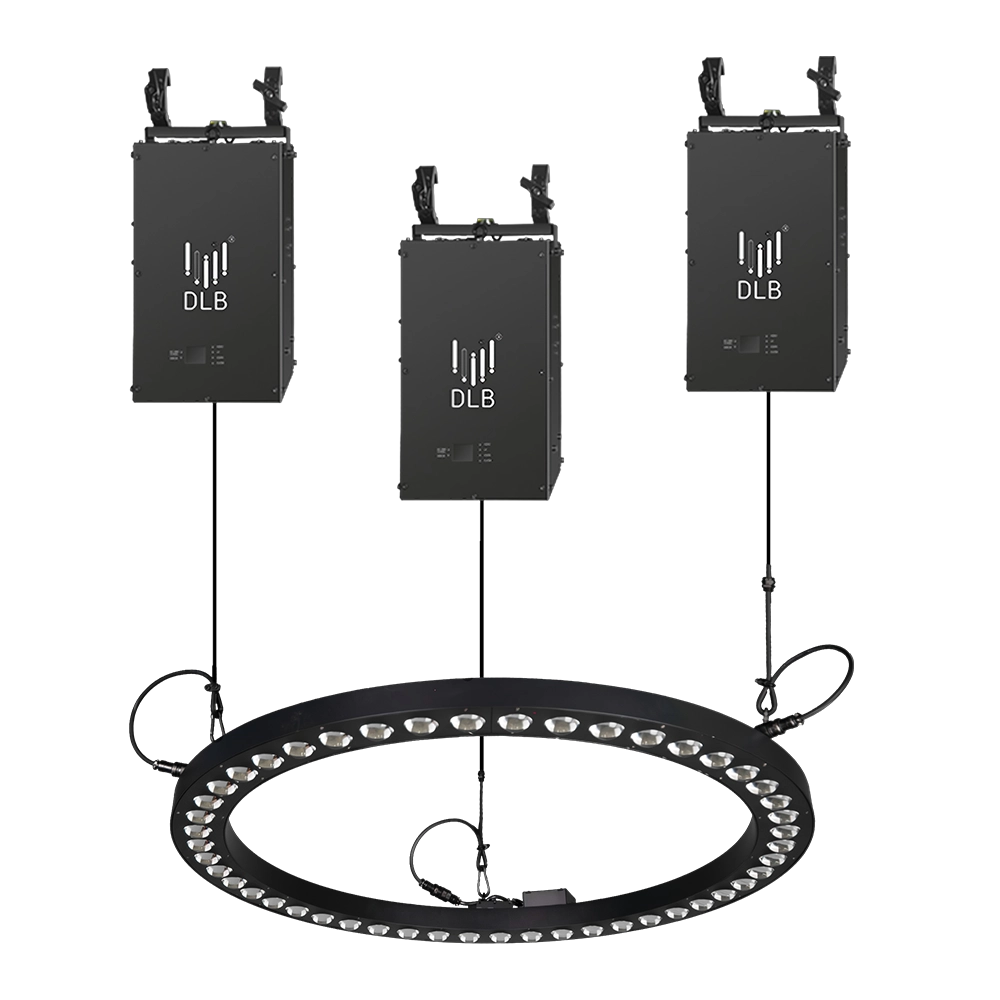
Kinetic Halo Ring——Ideal for a wide range of large-scale events: commercial spaces, TV shows, concerts, nightclubs, and various other settings.
Experience dynamic illumination with the FENG-YI Kinetic Halo Ring. This versatile kinetic light is perfect for large-scale events—commercial spaces, TV shows, concerts, and nightclubs—delivering stunning kinetic ring light effects that captivate every audience.
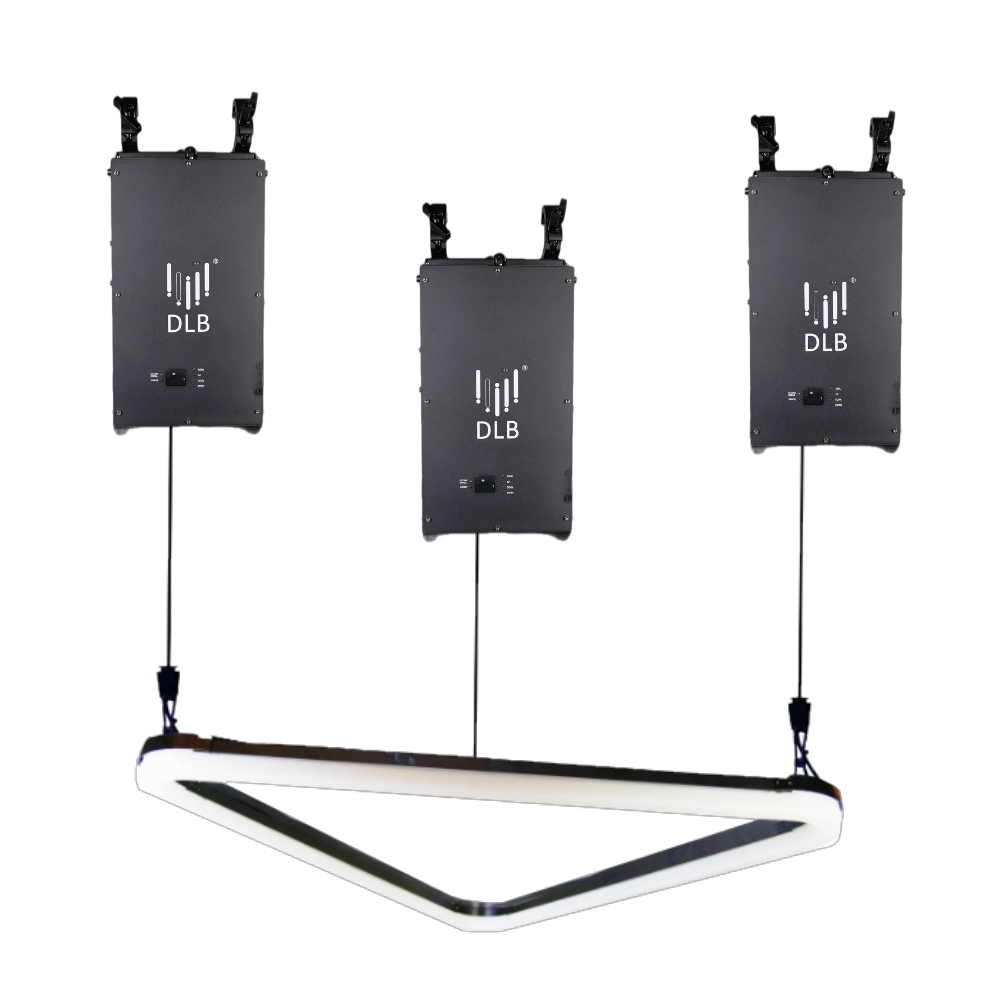
Kinetic Arc Light——Ideal for a wide range of large-scale events: commercial spaces, TV shows, concerts, nightclubs, and various other settings.
FENG-YI’s Kinetic Arc Light is a kinetic triangle LED light panel designed for large-scale events. Perfect for commercial spaces, TV shows, concerts, and nightclubs, it delivers dynamic lighting effects that captivate audiences and elevate any setting. Ideal kinetic light solution.
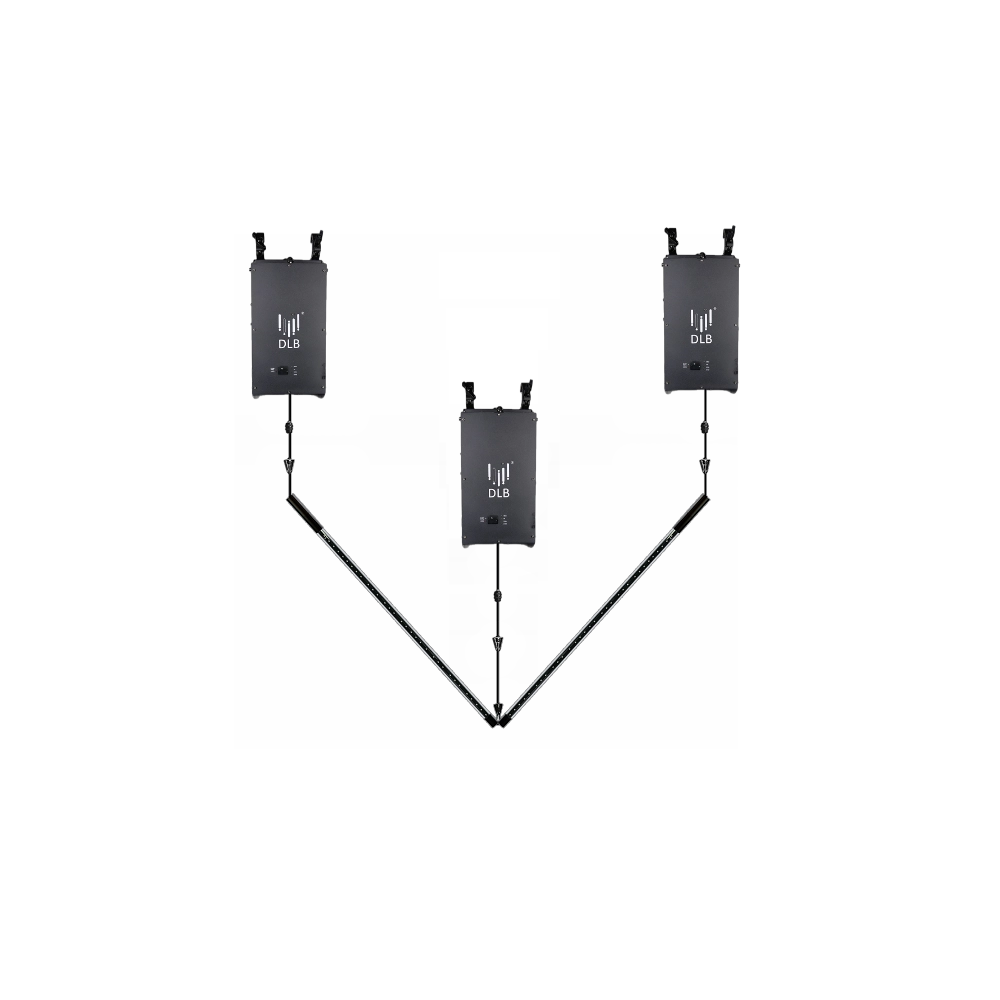
Kinetic Double Rod——Ideal for a wide range of large-scale events: commercial spaces, TV shows, concerts, nightclubs, and various other settings.
FENG-YI’s Kinetic Double Rod delivers dynamic kinetic light effects ideal for large-scale events—from concerts and nightclubs to TV shows and commercial spaces. Elevate your setup with this versatile kinetic light rod, designed for stunning visual impact and seamless integration.
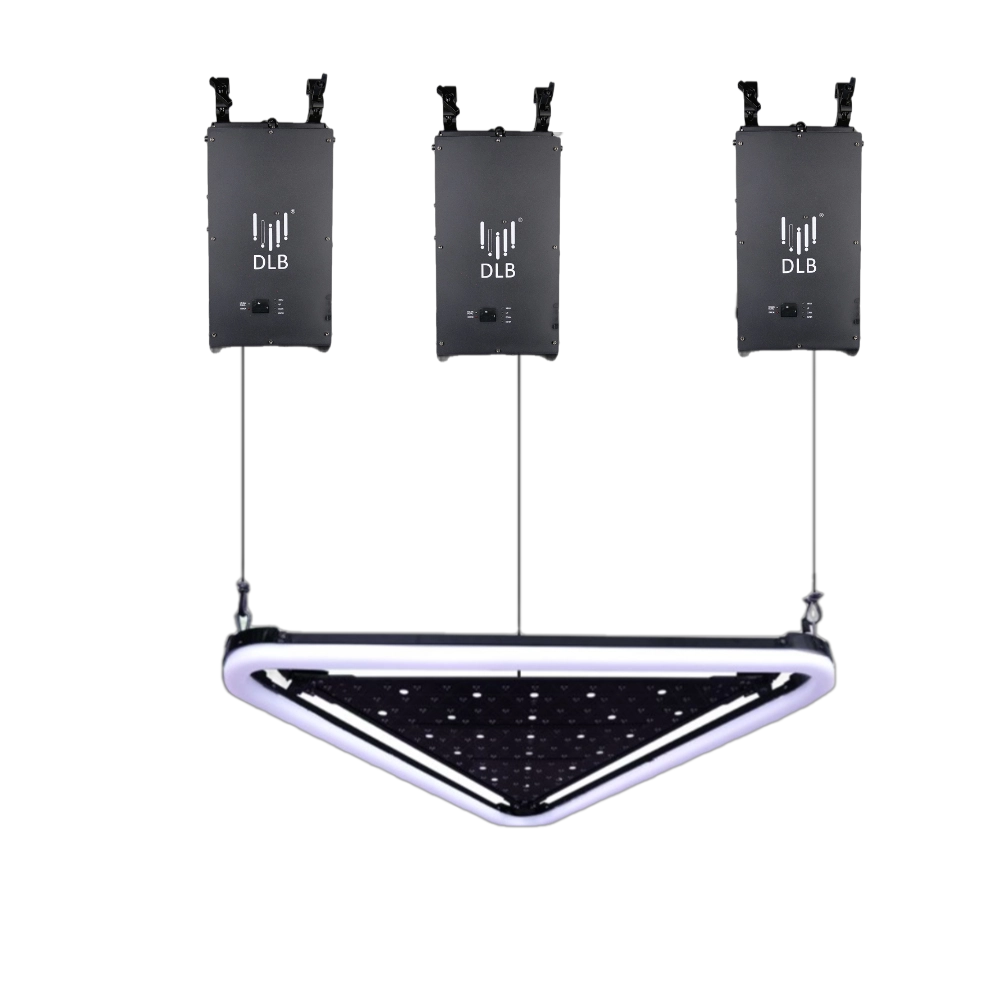
Kinetic Arc Panel——Ideal for a wide range of large-scale events: commercial spaces, TV shows, concerts, nightclubs, and various other settings.
FENG-YI’s Kinetic Arc Panel features dynamic kinetic light technology with kinetic triangle LED light panels, perfect for enhancing large-scale events like concerts, TV shows, nightclubs, and commercial spaces. Elevate your visual experience with innovative, high-impact lighting solutions.
Want to learn more about the latest updates?
Have questions or ready to illuminate your project? Reach out to our expert team today.
Rest assured that your privacy is important to us, and all information provided will be handled with the utmost confidentiality.
By clicking "Send your message," I agree to your processing my personal data.
To see how to withdraw your consent, how to control your personal data, and how we process it, please see our Privacy Policy and Terms of Use.

FENG-YI has been continuously innovating and has grown into a Kinetic Lights Manufacturer and solution provider with unique advantages.
Contact
+86 181 2785 5301
Address
Building 5, No. 34, Fuyuan Road, Jinghu IndustrialZone, Xinhua Town, Huadu District, Guangzhou, China.
© 2025 FENG-YI. All Rights Reserved.
Facebook
Instagram
YouTube
TikTok