










How kinetic lighting works: mechanisms and technologies
An in-depth, practical guide to how kinetic lighting systems work — covering mechanical actuators, LED optics, control protocols (DMX, Art-Net), software (including Madrix), power and safety considerations, actuator comparisons, maintenance, and real-world applications. Includes FAQs and FENG-YI’s capabilities in delivering turnkey kinetic lighting solutions.
- How kinetic lighting works: mechanisms and technologies
- What is kinetic lighting and why it matters
- Core mechanical components of kinetic lighting systems
- Light sources and optics used in kinetic lighting
- Control systems and protocols for kinetic lighting
- Software, visual programming and Madrix in kinetic lighting
- Power, data and safety considerations in kinetic lighting installations
- Designing synchronized motion and light: techniques and algorithms
- Comparing actuator types for kinetic lighting
- Maintenance, reliability and lifecycle of kinetic lighting systems
- Applications where kinetic lighting delivers value
- FENG-YI: a leader in kinetic lighting production and services
- Why choose FENG-YI for your kinetic lighting projects
- FAQ — Common questions about kinetic lighting
- Q: How does kinetic lighting differ from regular lighting installations?
- Q: What control protocols should I expect for kinetic lighting?
- Q: Are kinetic lighting systems safe for public venues?
- Q: What is the typical lifespan of a kinetic lighting installation?
- Contact FENG-YI / View products
- Sources
How kinetic lighting works: mechanisms and technologies
What is kinetic lighting and why it matters
Kinetic lighting is the integration of motion and illumination to create dynamic, responsive lighting experiences. It combines moving elements (rotating arms, translating arrays, pendulums, or modular motors) with programmable light sources—usually LEDs—to produce changing patterns, animated visuals, and synchronized shows. For venues, brands, and designers, kinetic lighting adds spatial depth, emotional engagement, and narrative capability beyond static luminaires, making it a high-value commercial and artistic tool.
Core mechanical components of kinetic lighting systems
A robust kinetic lighting installation relies on several mechanical subsystems: the actuator(s) that produce motion, the structural rigging and bearings that guide movement, and mounting hardware that integrates lights with motion. Common actuators include stepper motors (good for incremental control), servo motors (high-torque, closed-loop), and brushless DC motors (efficient, quiet). Linear actuators enable translation instead of rotation. Precision bearings, slip rings (for continuous rotation and power/data transfer), and custom brackets are essential to ensure long-term reliability and smooth motion.
Light sources and optics used in kinetic lighting
Modern kinetic lighting projects almost universally use LEDs because of their compactness, efficiency, and controllability. LED modules can be individually addressable (pixels) and paired with optics—lenses, diffusers, or collimators—to shape beams and color mixing. Key considerations when specifying LEDs for kinetic lighting include luminous efficacy (lumens per watt), color rendering (CRI), beam angle, thermal management, and pixel density (for pixel-mapped effects). The choice of optics determines how motion translates into perceived patterns: tighter beams make sharp streaks; wide-angle optics generate softer washes as elements move.
Control systems and protocols for kinetic lighting
Control is the brain of a kinetic lighting system. Common industry protocols include DMX512 (widely adopted for lighting fixtures), Art-Net and sACN (for networked transmission of DMX data over Ethernet). Motion control often runs alongside lighting control and can be integrated through timecode (SMPTE), show control systems (e.g., TouchDesigner, QLab), or custom middleware. For pixel-based kinetic lighting, software maps visual content to physical coordinates and sends frame-by-frame pixel data to controllers. Reliable synchronization—between motion and light—is achieved by clocking systems, precise timing references, and closed-loop feedback from encoders on moving parts.
Software, visual programming and Madrix in kinetic lighting
Software converts design intent into actionable control signals. Media servers and visual programming tools (e.g., Madrix, Resolume, GrandMA2/3, and TouchDesigner) provide timelines, effect engines, and pixel mapping utilities. Madrix is widely used for pixel-based LED control—offering effects, pixel-mapping, and DMX/Art-Net output suited to kinetic lighting. A mature software workflow includes pre-visualization, mapping of physical coordinates, show programming, live control interfaces, and remote diagnostics. For complex moving fixtures, software often supports layered effects that feed both motion parameters and light intensity/color simultaneously.
Power, data and safety considerations in kinetic lighting installations
Power and data infrastructure are often the most overlooked aspects of kinetic lighting. Power budgets must account for peak LED consumption plus actuator start currents. Use appropriately rated PSU units, include inrush-current mitigation, and provide redundant circuits for critical installations. Data cabling should be chosen to minimize latency and interference; for Ethernet-based protocols, use shielded CAT6 or fiber for long runs. Safety is paramount: moving parts require physical guards, emergency stop systems, torque limiting, and routine inspections. Compliance with local building, electrical and rigging codes is mandatory. For continuous rotation elements, slip rings and rotary power/data joints must be specified for current capacity and signal integrity.
Designing synchronized motion and light: techniques and algorithms
Synchronization is both an artistic and technical challenge. Designers use keyframing, timeline-based cues, and generative algorithms (particle systems, wave equations, LFOs) to coordinate motion with color and intensity. Physics-aware simulations (considering acceleration, deceleration, and inertial limits) prevent mechanical stress while preserving the visual effect. For large arrays, spatial algorithms map 2D or 3D content onto moving coordinates; interpolation techniques and look-up tables (LUTs) compensate for non-linear movement or mounting geometry. Using closed-loop control with encoder feedback ensures motion accuracy so that pixel mapping remains stable over time.
Comparing actuator types for kinetic lighting
Choosing the right actuator depends on required precision, noise, speed, cost, and maintainability. The table below summarizes common actuator categories and their characteristics.
| Actuator Type | Precision | Noise | Typical Cost | Best Uses in Kinetic Lighting |
|---|---|---|---|---|
| Stepper Motor | High (open-loop), higher with microstepping | Moderate | Low–Medium | Stage props, repeated indexing motions |
| Servo Motor (closed-loop) | Very High | Low–Moderate | Medium–High | Precision rotation, fast dynamic cues |
| Brushless DC (BLDC) | High (with controllers) | Low | Medium | Quiet continuous rotation, large arrays |
| Linear Actuator | High | Variable | Medium | Lift, extension, telescoping elements |
Note: cost and noise are generalized; exact values depend on manufacturer and system scale.
Maintenance, reliability and lifecycle of kinetic lighting systems
Kinetic lighting combines the maintenance needs of moving machinery and electronics. Preventive maintenance plans should include lubrication of bearings, inspection of slip rings, firmware updates for controllers, thermal checks of LED modules, and verification of safety interlocks. Lifecycle planning must consider replaceable modules (LED strips, drivers, motor controllers) to reduce downtime. Designing for serviceability—quick access panels, modular cabling, and spare-part strategy—keeps operating costs lower over the installation lifespan.
Applications where kinetic lighting delivers value
Kinetic lighting excels in environments where engagement and storytelling matter. Common applications include television studios (dynamic backdrops and animated logos), stage performances (synchronized choreography), retail and flagship stores (eye-catching displays), cultural tourism and themed attractions (immersive scenes), and architectural façades (dynamic cityscapes). Beyond spectacle, kinetic lighting can direct attention, adapt to audiences, and create memorable brand moments that static lighting cannot.
FENG-YI: a leader in kinetic lighting production and services
Since its establishment in 2011, FENG-YI has been continuously innovating and has grown into a creative kinetic light manufacturing service provider with unique advantages. The company is committed to exploring new lighting effects, new technologies, new stage designs, and new experiences. Through professional Kinetic Light art solutions, we empower emerging performance spaces, support the development of new performance formats, and meet the diverse needs of different scenarios.
Located in Huadu District, Guangzhou, the company currently has 62 employees, including an 8-member professional design team and 20 highly experienced technical service staff. FENG-YI has become a High Quality user of Madrix software in mainland China, offering both on-site installation & programming as well as remote technical guidance services for Kinetic Light projects.
With a total area of 6,000㎡, FENG-YI owns China’s largest 300㎡ art installation exhibition area and operates 10 overseas offices worldwide. Our completed Kinetic Light projects have successfully reached over 90 countries and regions, covering television stations, commercial spaces, cultural tourism performances, and entertainment venues.
Today, FENG-YI is recognized as a leading kinetic lights scene solution provider in the industry, delivering innovative lighting experiences that integrate technology and creativity.
Why choose FENG-YI for your kinetic lighting projects
FENG-YI combines design expertise, technical service, and global experience. Key competitive advantages include:
- End-to-end capabilities: concept design, engineering, manufacturing, installation, and programming.
- Experienced team: dedicated designers and veteran technical staff familiar with large-scale kinetic installations.
- Software proficiency: High Quality Madrix user status enables sophisticated pixel mapping and effect design workflows.
- Large R&D and exhibition area: a 300㎡ art installation space for prototyping, testing, and client demonstrations.
- Global delivery: 10 overseas offices and projects spanning 90+ countries, ensuring logistical and local regulatory experience.
FENG-YI’s core products include modular kinetic lighting fixtures, pixel-mapped LED modules, actuator-driven assemblies, and integrated control systems. The company focuses on reliability, modularity, and serviceability—ensuring projects are visually compelling and operable for the long term.
FAQ — Common questions about kinetic lighting
Q: How does kinetic lighting differ from regular lighting installations?
A: Kinetic lighting combines motion and illumination in a coordinated way. Unlike static lighting, it requires mechanical systems (motors, bearings), motion control integration, and timing/synchronization with lighting data. This complexity yields dynamic spatial effects but also requires specialized engineering and maintenance.
Q: What control protocols should I expect for kinetic lighting?
A: Expect DMX512 for fixture-level control, and Ethernet-based protocols like Art-Net or sACN for larger pixel-mapped networks. For motion synchronization, show control systems or timecode (SMPTE) are commonly used. Many projects use Madrix or media servers to bridge visuals and DMX/Art-Net outputs.
Q: Are kinetic lighting systems safe for public venues?
A: Yes, when engineered and installed correctly. Safety measures include physical guards, emergency-stop systems, torque-limited actuators, redundant supports, and code-compliant electrical installations. Regular maintenance and inspections are essential to ensure ongoing safety.
Q: What is the typical lifespan of a kinetic lighting installation?
A: Lifespan depends on usage intensity and maintenance. LEDs can reliably run for 50,000+ hours; mechanical parts’ longevity depends on duty cycle and environment. With a preventive maintenance program and modular spare parts, installations can remain operational for 10–20 years.
Contact FENG-YI / View products
Interested in a kinetic lighting solution? Contact FENG-YI for project consultation, on-site installation, or remote programming support. Our team can provide feasibility studies, visualizations, and turnkey delivery options tailored to your venue or production. Reach out to discuss products, request demonstrations in our 300㎡ exhibition area, or schedule site surveys.
Sources
- USITT DMX512-A standard documentation (US Institute for Theatre Technology)
- Art-Net protocol documentation (Artistic Licence)
- Madrix official product documentation and case studies
- Illuminating Engineering Society (IES) lighting design guidance
- LEDs Magazine — articles on LED performance and thermal management
- NEMA and IEEE publications on motor selection and reliability
Tags
colour kinetic light
colour kinetic light
Kinetic Butterfly-shaped lamp
Kinetic Butterfly-shaped lamp
kinetic retail lighting display
kinetic retail lighting display
kinetic triangle led light panel installation guide
kinetic triangle led light panel installation guide
kinetic triangle rgb led light panel
kinetic triangle rgb led light panel
Kinetic Glass Raindrop
Kinetic Glass Raindrop
Recommended for you
Cost estimates for building kinetic light sculptures
IP Ratings Explained for Waterproof Profile Lights
Sustainable and eco-friendly kinetic lighting materials
Dimmable Waterproof Profile Lights: How to Choose
Prdoucts Categories
Question you may concern
After-Sales Support
What is included in the product warranty scope? How to handle human-induced damage (e.g., falling, water ingress)?
Warranty scope: Hardware faults caused by non-human factors (e.g., motor failure, lamp bead non-illumination, light control failure). The whole machine is warranted for 1 year, LED lamp beads for 2 years, and core components of the elevating structure (e.g., hydraulic pump, motor) for 2 years. For human-induced damage, a cost fee will be charged for repairs (e.g., replacing the elevating motor requires charging the motor cost + repair fee). The after-sales team will first provide a fault detection report and repair quotation, and repairs will start only after the customer confirms.
Logistics Services
Can urgent orders (e.g., customers need the lights the next day) be arranged for expedited shipment?
Expedited shipment is supported for urgent orders: For standard models (e.g., conventional PAR lights, 7-lamp 60W wash lights), if stock is sufficient, SF Express/JD Air Freight can be arranged on the same day (freight is borne by the customer; e.g., the air freight for 10 conventional lights is approximately 200-300 RMB), with next-day delivery. For standard models out of stock, expedited production can be arranged (shipment within 3 days), and an expedited fee (10%-15% of the order amount) will be charged. Specific details to be confirmed with the account manager.
Products
How to set the DMX starting address via the panel?
Follow these steps:
1. Press "Left" (multiple times if needed) to return to the main interface.
2. Press "Up/Down" to select "Settings", then press "OK" to enter.
3. Select "DMX Address" and press "OK" to enter edit mode.
4. Adjust the hundreds digit (e.g., 2 for address 286) with "Up/Down", press "OK" to confirm; repeat for tens (8) and units (6) digits.
5. Press "OK" again to save the address (e.g., A286) and exit edit mode.
Wedding & Parties Lighting Solutions
Is system operation quiet?
We offer noise-optimized solutions (vibration damping/soft start/low-noise wire rope guidance) to meet acoustic requirements for TV studios and commercial spaces.
You may also like
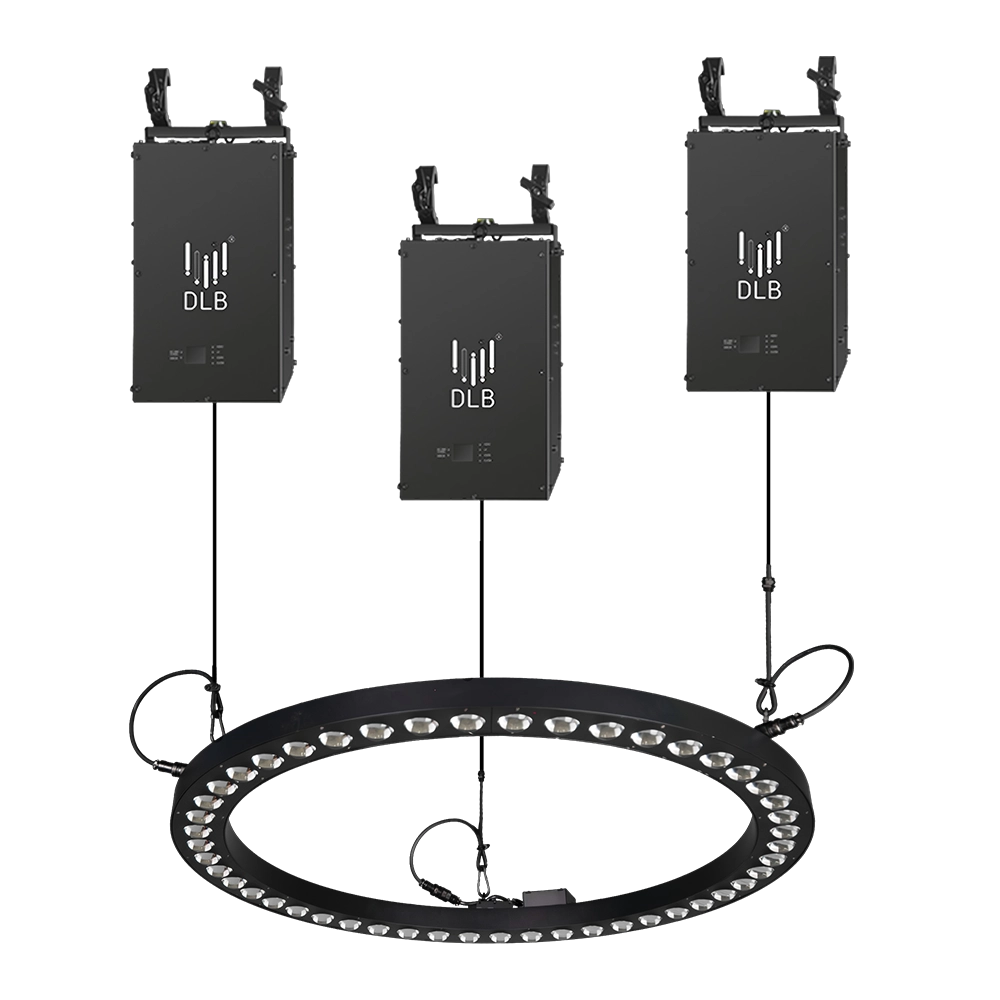
Kinetic Halo Ring——Ideal for a wide range of large-scale events: commercial spaces, TV shows, concerts, nightclubs, and various other settings.
Experience dynamic illumination with the FENG-YI Kinetic Halo Ring. This versatile kinetic light is perfect for large-scale events—commercial spaces, TV shows, concerts, and nightclubs—delivering stunning kinetic ring light effects that captivate every audience.
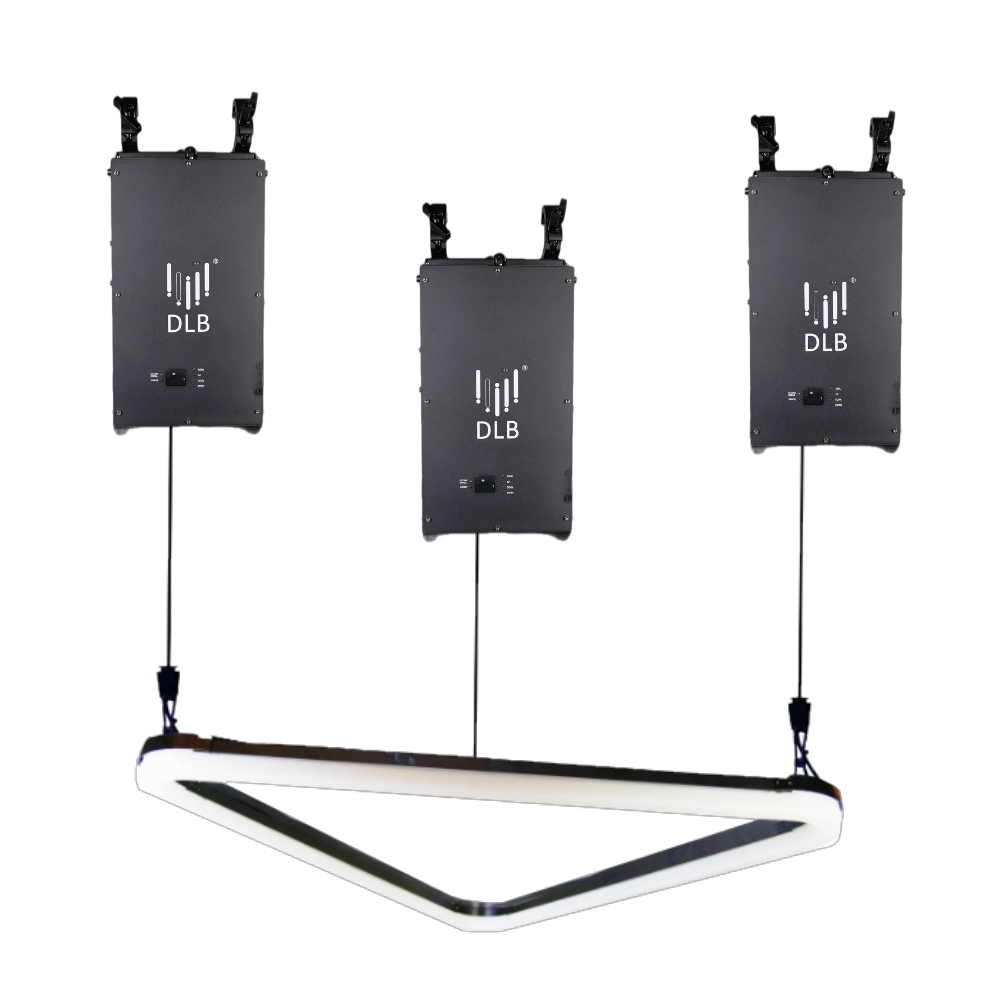
Kinetic Arc Light——Ideal for a wide range of large-scale events: commercial spaces, TV shows, concerts, nightclubs, and various other settings.
FENG-YI’s Kinetic Arc Light is a kinetic triangle LED light panel designed for large-scale events. Perfect for commercial spaces, TV shows, concerts, and nightclubs, it delivers dynamic lighting effects that captivate audiences and elevate any setting. Ideal kinetic light solution.
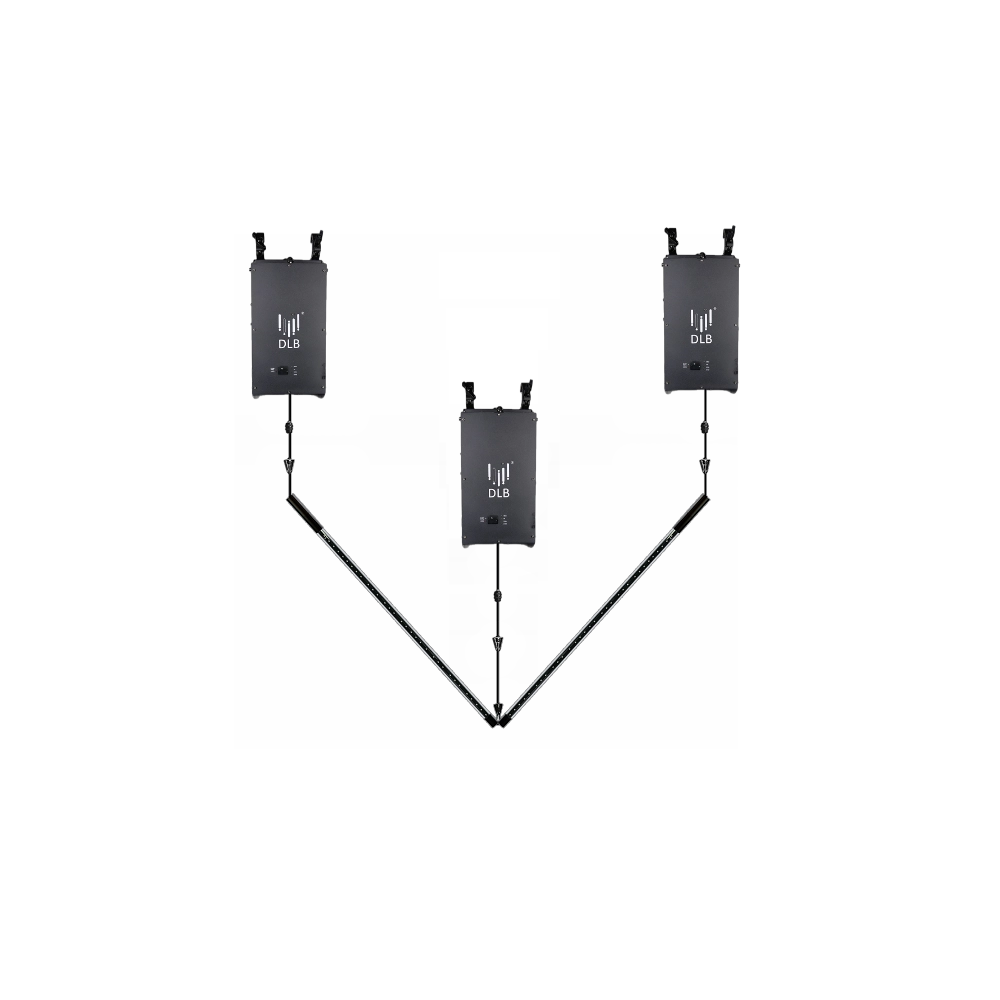
Kinetic Double Rod——Ideal for a wide range of large-scale events: commercial spaces, TV shows, concerts, nightclubs, and various other settings.
FENG-YI’s Kinetic Double Rod delivers dynamic kinetic light effects ideal for large-scale events—from concerts and nightclubs to TV shows and commercial spaces. Elevate your setup with this versatile kinetic light rod, designed for stunning visual impact and seamless integration.
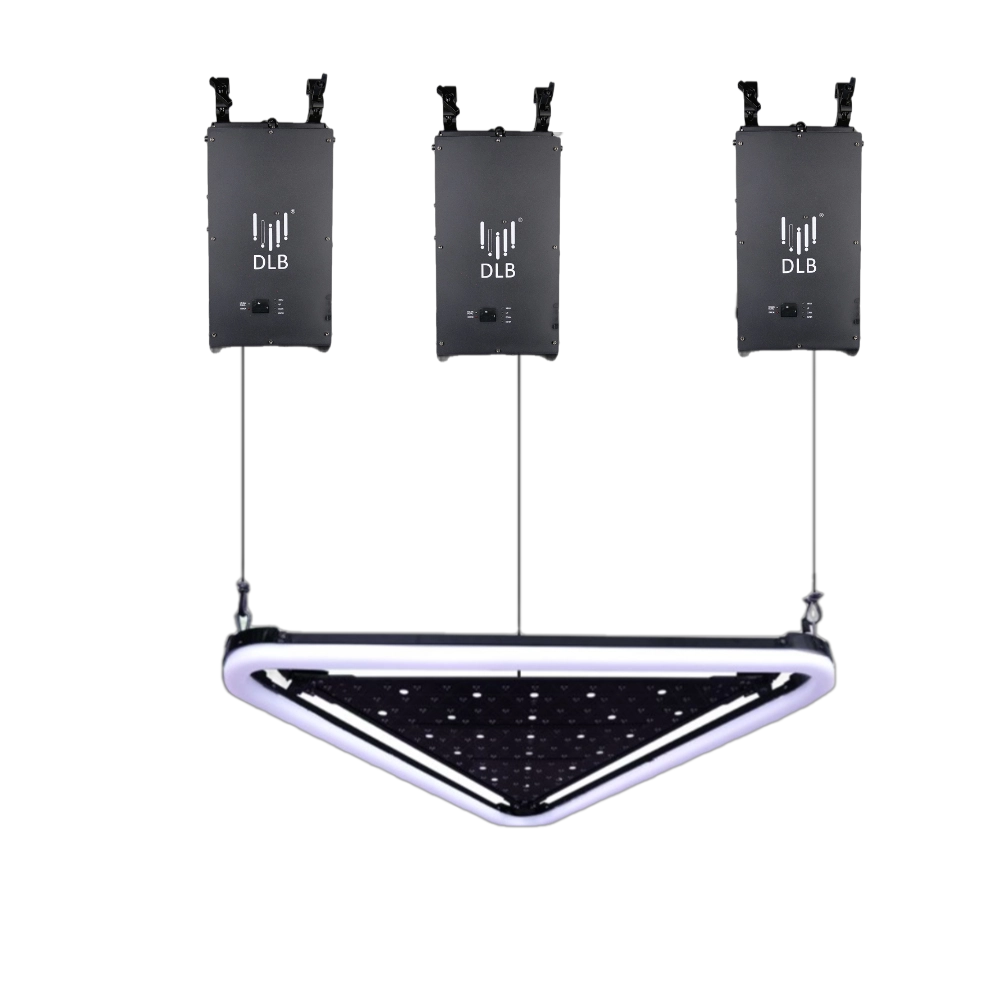
Kinetic Arc Panel——Ideal for a wide range of large-scale events: commercial spaces, TV shows, concerts, nightclubs, and various other settings.
FENG-YI’s Kinetic Arc Panel features dynamic kinetic light technology with kinetic triangle LED light panels, perfect for enhancing large-scale events like concerts, TV shows, nightclubs, and commercial spaces. Elevate your visual experience with innovative, high-impact lighting solutions.
Want to learn more about the latest updates?
Have questions or ready to illuminate your project? Reach out to our expert team today.
Rest assured that your privacy is important to us, and all information provided will be handled with the utmost confidentiality.
By clicking "Send your message," I agree to your processing my personal data.
To see how to withdraw your consent, how to control your personal data, and how we process it, please see our Privacy Policy and Terms of Use.

FENG-YI has been continuously innovating and has grown into a Kinetic Lights Manufacturer and solution provider with unique advantages.
Contact
+86 181 2785 5301
Address
Building 5, No. 34, Fuyuan Road, Jinghu IndustrialZone, Xinhua Town, Huadu District, Guangzhou, China.
© 2025 FENG-YI. All Rights Reserved.
Facebook
Instagram
YouTube
TikTok