










Future innovations in kinetic lighting technology
This article examines future innovations in kinetic lighting, covering technological breakthroughs, energy and lifecycle considerations, creative and operational practices, market drivers, and how to select a reliable partner. Includes a practical comparison table, sources, and a profile of FENG-YI's capabilities and offerings.
- The Next Wave of Motion-Driven Illumination
- Why kinetic lighting matters for venues and brands
- Technological breakthroughs shaping kinetic lighting
- Materials, motors and control systems in kinetic lighting
- Energy efficiency, sustainability and lifecycle costs of kinetic lighting
- Creative possibilities: content, choreography and audience experience with kinetic lighting
- Operational considerations: installation, maintenance, and software for kinetic lighting projects
- Market trends and adoption drivers for kinetic lighting
- FENG-YI: Proven capabilities and how to choose a kinetic lighting partner
- How to plan a future-ready kinetic lighting project
- FAQ — Frequently Asked Questions about kinetic lighting
- Contact and product inquiry
- References
The Next Wave of Motion-Driven Illumination
Kinetic lighting—dynamic systems that combine motion, programmable LEDs, precision mechanics and interactive controls—is shifting from novelty installations to mainstream solutions for broadcast, entertainment, retail and public art. As clients demand memorable experiences and flexible venues seek to maximize reuse and content-driven revenue, innovation in kinetic lighting will determine which suppliers and venues lead the market in the next five years.
Why kinetic lighting matters for venues and brands
Kinetic lighting delivers more than illumination: it creates motion-based storytelling, improves stage versatility, and enables rapid visual reprogramming for different events. For venues and brands, this translates into tangible commercial benefits: higher audience engagement, increased event turnover, and differentiated brand experiences. Decision-makers evaluating kinetic lighting projects typically ask about cost of ownership, return on experience (ROE), integration with existing show control systems, and operational complexity. Addressing these concerns requires both technological maturity and reliable service models.
Technological breakthroughs shaping kinetic lighting
Several parallel innovations will define the next generation of kinetic lighting systems:
- Precision, low-noise actuation: Advances in brushless motors, closed-loop encoders and compact harmonic drives reduce jitter and audible noise while increasing positional accuracy. This enables choreographies that are both subtle and repeatable in broadcast and theatrical contexts.
- Integrated smart LEDs and pixel-level control: Higher-density LED modules, smarter drivers and faster pixel protocols (e.g., Art-Net, sACN, and next-gen DMX-over-IP) allow complex visuals to be mapped onto moving arrays with low latency.
- Edge computing and distributed control: On-device processing permits local choreography, motion safety limits and fault tolerance. Systems that combine distributed controllers with centralized show servers reduce single-point failures and simplify scaling.
- Interactivity and sensors: LiDAR, computer vision and audience-triggered inputs enable kinetic lighting to respond to live movement, sound or biometric cues, making each performance unique.
These technical elements are converging toward systems that are more reliable, easier to program, and more cost-effective to operate, which is crucial for broader commercial adoption.
Materials, motors and control systems in kinetic lighting
Choosing mechanical components and control architectures determines long-term reliability and maintenance costs. Key trends:
- Lightweight composites and modular frames: Reduce inertia and motor torque requirements, allowing smaller motors and lower power draw.
- Modular motor units: Swappable motor modules reduce downtime; predictive maintenance is enabled by motor telemetry.
- Open control standards: Systems built on established protocols such as sACN and OSC improve interoperability with lighting consoles, media servers and building management systems.
For procurement, evaluate motor MTBF (mean time between failures), availability of spare parts, and whether controls support encrypted or authenticated remote access for programming and diagnostics.
Energy efficiency, sustainability and lifecycle costs of kinetic lighting
Energy and maintenance costs are frequent questions from facility managers. Kinetic lighting combines mechanical motion with LED arrays, so the total lifecycle cost depends on both electrical consumption and mechanical service intervals.
| Parameter | Static LED Systems | Kinetic Lighting Systems |
|---|---|---|
| Average power draw (per fixture) | 50–200 W (LED panels typical) | 60–350 W (LED + motors, range depends on motion frequency) |
| Maintenance (annual) | Low (LED replacement, cleaning) | Moderate (motors, bearings, control checks) |
| Lifespan (expected) | 10–15 years (LEDs and drivers) | 8–12 years (mechanical components often require earlier service) |
| Operational benefits | Low complexity | High flexibility & reconfigurability |
Sources: U.S. Department of Energy (LED energy baseline), industry motor specifications and supplier datasheets. Energy management strategies—such as dynamic power scaling, motion profiles that minimize peak torque, and reuse of kinetic energy via regenerative drives—can reduce operational costs. When estimating total cost of ownership (TCO), include spare motor modules, routine bearing replacement, and software license fees for control suites.
Creative possibilities: content, choreography and audience experience with kinetic lighting
Kinetic lighting unlocks new visual grammars. Instead of static backdrops, designers can sculpt light in 3D space: swarms, waves, and formations that move through a venue. Practical advances to watch:
- 3D pixel mapping: Content tools are improving to map media directly to moving fixtures, allowing designers to author animations in 3D space rather than per fixture.
- Time-synced motion and light: Synchronization with audio and video timelines reduces manual programming and supports complex cues that are reliable under live conditions.
- Adaptive shows: AI-assisted choreography can dynamically vary movement intensity based on crowd density or narrative beats.
For creative teams, the critical path is a concise authoring workflow: content creation tools that export show files into the lighting control system without per-fixture reprogramming will accelerate deployment and reduce production labor.
Operational considerations: installation, maintenance, and software for kinetic lighting projects
Operational excellence determines long-term client satisfaction. Key areas to evaluate when planning a kinetic lighting deployment:
- Installation and rigging: Due to moving masses, rigging analysis and safety factors are stricter than for static fixtures. Verify structural ratings and redundant safety lines.
- Programming and on-site commissioning: Vendors offering both on-site programming and remote support reduce the learning curve for venue staff. Look for providers who offer training and documentation tied to the delivered show files.
- Remote diagnostics: Systems that stream error logs and allow secure remote updates reduce downtime. Built-in health monitoring (motor temps, current draw, encoder consistency) enables predictive maintenance.
Software platforms are central to this workflow. Solutions like Madrix and other media servers are increasingly adopted for pixel control and advanced effects; compatibility with established consoles (GrandMA, Hog) is a practical requirement for tour-ready productions.
Market trends and adoption drivers for kinetic lighting
Market momentum for kinetic lighting is driven by several converging trends:
- Experience economy: Brands and venues invest in immersive and shareable experiences that boost attendance and social content generation.
- Modular venue design: Multi-purpose venues require systems that switch between configurations quickly—kinetic lighting supports rapid visual transformation without physical construction.
- Declining hardware costs: As LED density increases and motor costs stabilize, upfront investment thresholds lower for mid-market venues.
Market data for related sectors (smart lighting and immersive entertainment) shows double-digit CAGR in recent reports; while dedicated data for kinetic lighting is niche, its growth tracks broader investments in experiential production and smart venue infrastructure.
FENG-YI: Proven capabilities and how to choose a kinetic lighting partner
Selecting a partner for kinetic lighting requires assessing design expertise, manufacturing capability, software proficiency, and service reach. Below is a profile of a proven supplier that illustrates the organizational attributes to look for.
Since its establishment in 2011, FENG-YI has been continuously innovating and has grown into a creative kinetic light manufacturing service provider with unique advantages. The company is committed to exploring new lighting effects, new technologies, new stage designs, and new experiences. Through professional Kinetic Light art solutions, we empower emerging performance spaces, support the development of new performance formats, and meet the diverse needs of different scenarios.
Located in Huadu District, Guangzhou, the company currently has 62 employees, including an 8-member professional design team and 20 highly experienced technical service staff. FENG-YI has become a High Quality user of Madrix software in mainland China, offering both on-site installation & programming as well as remote technical guidance services for Kinetic Light projects.
With a total area of 6,000㎡, FENG-YI owns China’s largest 300㎡ art installation exhibition area and operates 10 overseas offices worldwide. Our completed Kinetic Light projects have successfully reached over 90 countries and regions, covering television stations, commercial spaces, cultural tourism performances, and entertainment venues.
Today, FENG-YI is recognized as a leading kinetic lights scene solution provider in the industry, delivering innovative lighting experiences that integrate technology and creativity.
FENG-YI's strengths and product advantages for kinetic lighting projects include:
- Integrated design-to-install services: End-to-end capabilities from concept, mechanical design, motion control programming, to on-site commissioning and after-sales support.
- Madrix proficiency and pixel control expertise: Ensures advanced pixel mapping workflows and compatibility with common media servers and consoles.
- Exhibition-grade R&D facilities: A 300㎡ art installation area allows full-system prototyping and client preview prior to deployment.
- Global delivery and service network: Ten international offices and projects in 90+ countries lower logistical and support friction for multinational productions.
When comparing potential suppliers, prioritize proven project references, transparent maintenance schedules, software compatibility, and the availability of training for venue staff. A partner that demonstrates both creative leadership and measurable operational discipline will reduce risk and increase long-term value.
How to plan a future-ready kinetic lighting project
Practical steps for procurement and implementation:
- Define performance requirements: Programmatic needs (movement range, speed, payload), pixel density, and show repertoire.
- Scope lifecycle costs: Include mechanical spare parts, software licenses, training, and potential structural upgrades.
- Specify safety and redundancy: Secondary safety lines, emergency stop behavior, and control failover strategies.
- Iterate with prototyping: Use a vendor’s test area or digital twin modelling to validate choreographies before full installation.
- Plan for upgrades: Choose modular hardware and open control standards to future-proof against new pixel drivers or protocol changes.
Following these steps helps ensure that the kinetic lighting investment is not only visually compelling but operationally sustainable and adaptable over time.
FAQ — Frequently Asked Questions about kinetic lighting
Q1: What is the typical ROI timeline for a kinetic lighting installation?
A: ROI depends on venue use. For broadcast or touring productions with frequent reprogramming and high ticketing/advertising value, ROI can be 2–4 years. For retail or permanent installations, ROI is often longer (4–8 years); measure ROI as increased bookings, sponsorships, or higher ticket prices attributed to enhanced experiences.
Q2: How noisy are kinetic lighting systems on stage?
A: Modern kinetic systems using brushless motors with dampers can be nearly silent (<35 dB at typical auditorium distances). Always request on-site noise measurements from the vendor and, if needed, specify acoustic isolation or schedule adjustments for quiet segments.
Q3: Can kinetic lighting integrate with existing lighting consoles and media servers?
A: Yes—most professional kinetic lighting systems support standard protocols (Art-Net, sACN, OSC) and can be controlled via GrandMA, Hog, or similar consoles. Confirm compatibility and request integration tests during commissioning.
Q4: What are the main maintenance tasks for kinetic lighting?
A: Regular inspections of bearings, motor telemetry checks, firmware updates, encoder calibration, and cleaning of LED modules. A preventive maintenance schedule every 6–12 months is typical; critical moving components may need replacement on multi-year intervals.
Q5: Are there safety standards I should require?
A: Require compliance with local rigging and electrical codes plus documented safety factors for load-bearing structures. Ask for risk assessments, emergency-stop logic, and redundant safety lines. Vendors should provide clear SOPs for inspection and operation.
Q6: How scalable are kinetic lighting installations?
A: Very scalable when designed modularly. Distributed control architectures and standardized mounting/modular motor units allow phased rollouts and easier replacement of defective modules with minimal downtime.
Contact and product inquiry
If you are planning a kinetic lighting project or want technical consulting, contact FENG-YI for design reviews, on-site programming, and global deployment support. Request a site assessment or schedule a demo in the 300㎡ exhibition area to preview full-system behavior. For inquiries: visit the FENG-YI website or contact their international offices for localized support and quotations.
References
- Grand View Research — Smart Lighting Market Analysis. https://www.grandviewresearch.com/industry-analysis/smart-lighting-market. Accessed 2025-11-24.
- Madrix — Official product and capabilities. https://www.madrix.com/. Accessed 2025-11-24.
- U.S. Department of Energy — Solid-State Lighting Program. https://www.energy.gov/eere/ssl/solid-state-lighting. Accessed 2025-11-24.
- Signify / Philips Lighting — Human-centric lighting concepts. https://www.signify.com/global/brands/philips-hue. Accessed 2025-11-24.
- Industry motor supplier datasheets and MTBF reports (sample references provided on request for specific motor models). Accessed 2025-11-24.
Tags
Kinetic Butterfly-shaped lamp
Kinetic Butterfly-shaped lamp
Kinetic Opal Raindrop Light
Kinetic Opal Raindrop Light
outdoor kinetic light installation
outdoor kinetic light installation
Kinetic chandelier
Kinetic chandelier
sensor-activated kinetic light
sensor-activated kinetic light
DIY kinetic light kit
DIY kinetic light kit
Recommended for you
Case studies: memorable kinetic light installations
Waterproof Profile Light: Ultimate Buying Guide 2026
Waterproof Profile Light LED Strip Compatibility Guide
Waterproof Profile Light Case Studies: Real Installations
Prdoucts Categories
Question you may concern
Customization/OEM Services
What is the minimum order quantity (MOQ) for OEM services? What materials need to be provided?
The MOQ for OEM services varies by product type: ≥ 50 units for a single model of conventional lights, and ≥ 20 units for a single model of large equipment such as elevating lights/moving head lights. The following materials need to be provided: the brand trademark registration certificate (or authorization letter), and vector graphics of the OEM logo (AI format is preferred). If modifications to the product manual content (e.g., brand information, contact details) are required, the final version of the text materials must be provided.
After-Sales Support
What is the after-sales process when a product malfunctions? How long is the repair cycle?
After-sales process:
01. The customer contacts the after-sales team (by phone/WeChat) and provides the product model, fault description, and purchase certificate.
02. Technicians conduct remote troubleshooting (e.g., guiding parameter debugging, checking circuits). If the problem cannot be solved, repair by mail or on-site repair will be arranged.
03. Repairs for products sent by mail will be completed and returned within 3-5 days after receipt (freight is borne by us). On-site repair (limited to prefecture-level cities and above) will respond within 48 hours, with a repair cycle of 1-3 days.
Wholesale Cooperation
What is the MOQ for wholesale cooperation? Is there a tiered pricing policy?
MOQ for wholesale: ≥ 10 units for a single model of conventional lights, and ≥ 5 units for a single model of elevating lights/moving head lights. Tiered pricing is supported: Taking conventional PAR lights as an example, a 5% discount is offered for 10-50 units, a 10% discount for 51-100 units, and a 15% discount for over 100 units. Specific quotations can be negotiated with the account manager based on the cooperation scale (e.g., annual purchase volume).
Logistics Services
Can on-site installation services be provided? How is the installation fee calculated?
On-site installation services are supported, and the fee is calculated based on the installation difficulty and region:
▪ Regular installation (e.g., bar PAR lights, front lights in small studios): 50-100 RMB/unit in prefecture-level cities and above, 80-150 RMB/unit in county-level regions.
▪ Large-scale installation (e.g., elevating lights in stadiums, moving head light groups for music festivals): Quoted based on the overall project (including travel expenses of installers and tool usage fees). Specific details require providing the installation site floor plan and the number of lights, and the engineering team will formulate a plan before quoting.
You may also like
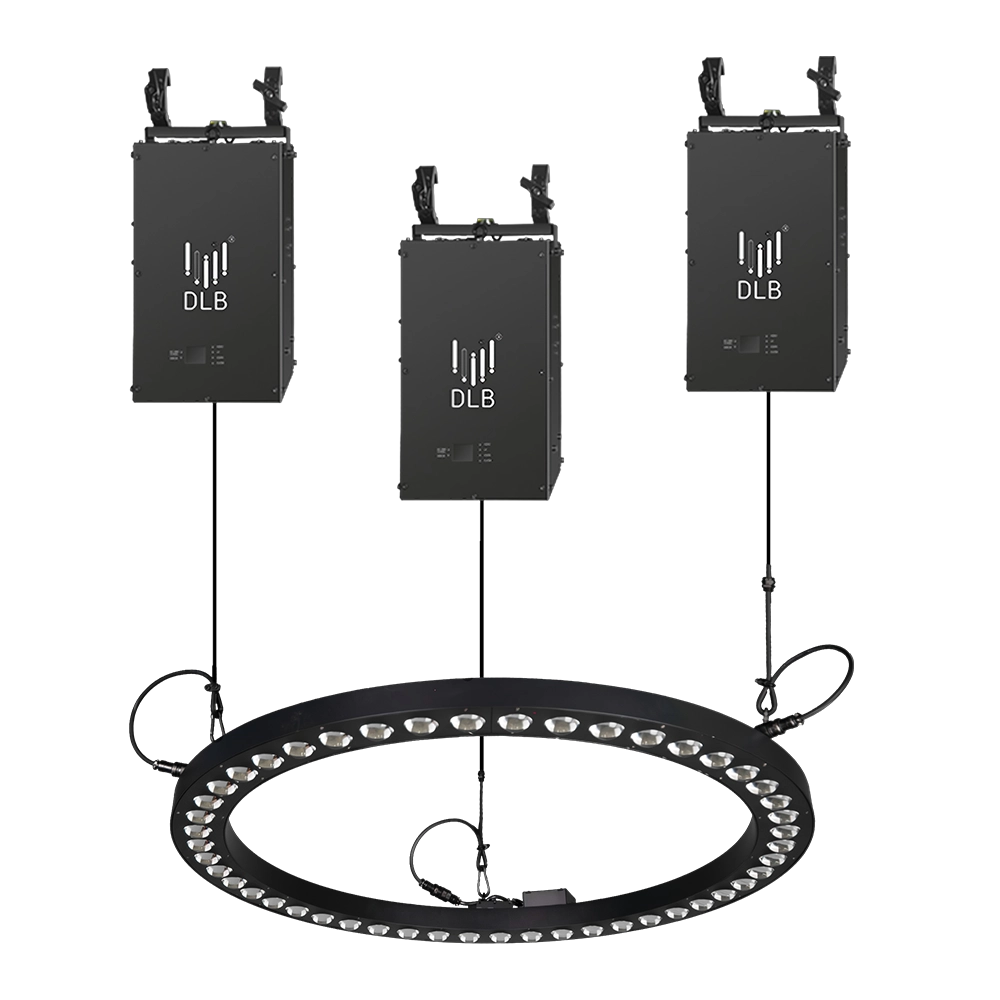
Kinetic Halo Ring——Ideal for a wide range of large-scale events: commercial spaces, TV shows, concerts, nightclubs, and various other settings.
Experience dynamic illumination with the FENG-YI Kinetic Halo Ring. This versatile kinetic light is perfect for large-scale events—commercial spaces, TV shows, concerts, and nightclubs—delivering stunning kinetic ring light effects that captivate every audience.
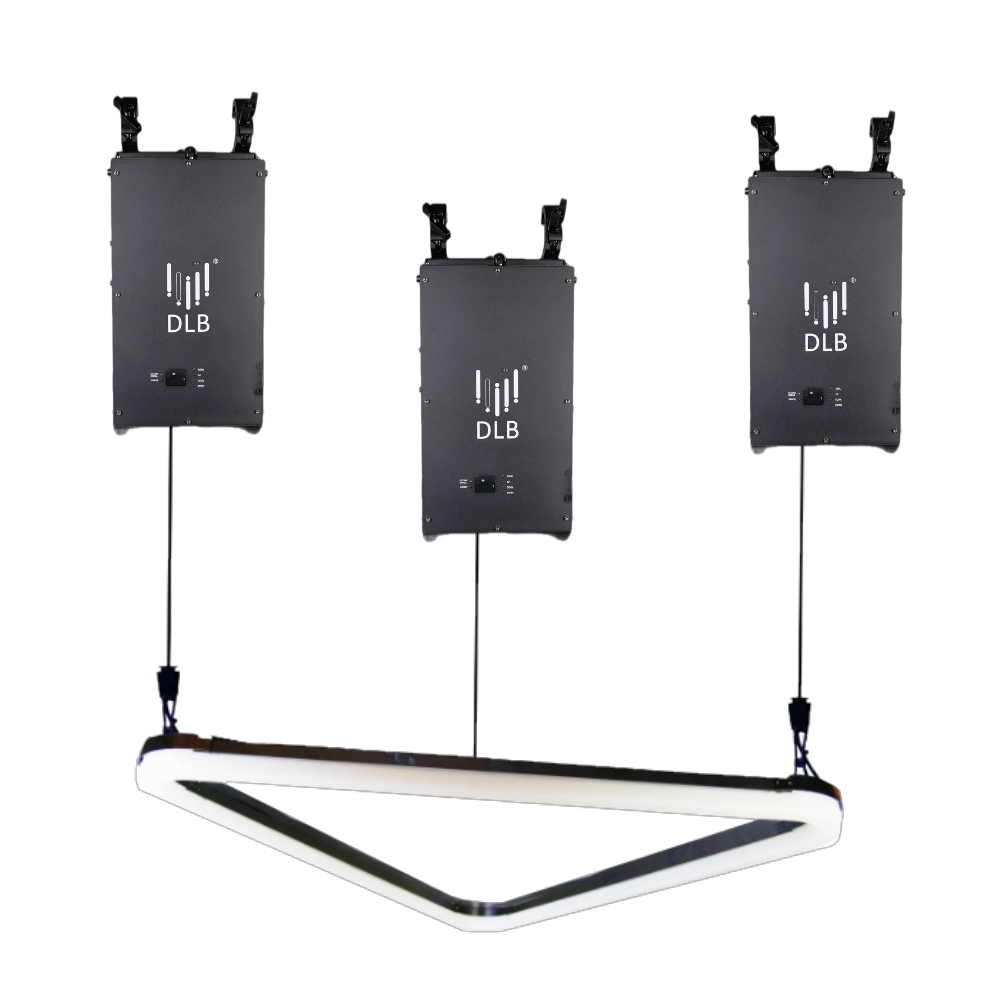
Kinetic Arc Light——Ideal for a wide range of large-scale events: commercial spaces, TV shows, concerts, nightclubs, and various other settings.
FENG-YI’s Kinetic Arc Light is a kinetic triangle LED light panel designed for large-scale events. Perfect for commercial spaces, TV shows, concerts, and nightclubs, it delivers dynamic lighting effects that captivate audiences and elevate any setting. Ideal kinetic light solution.
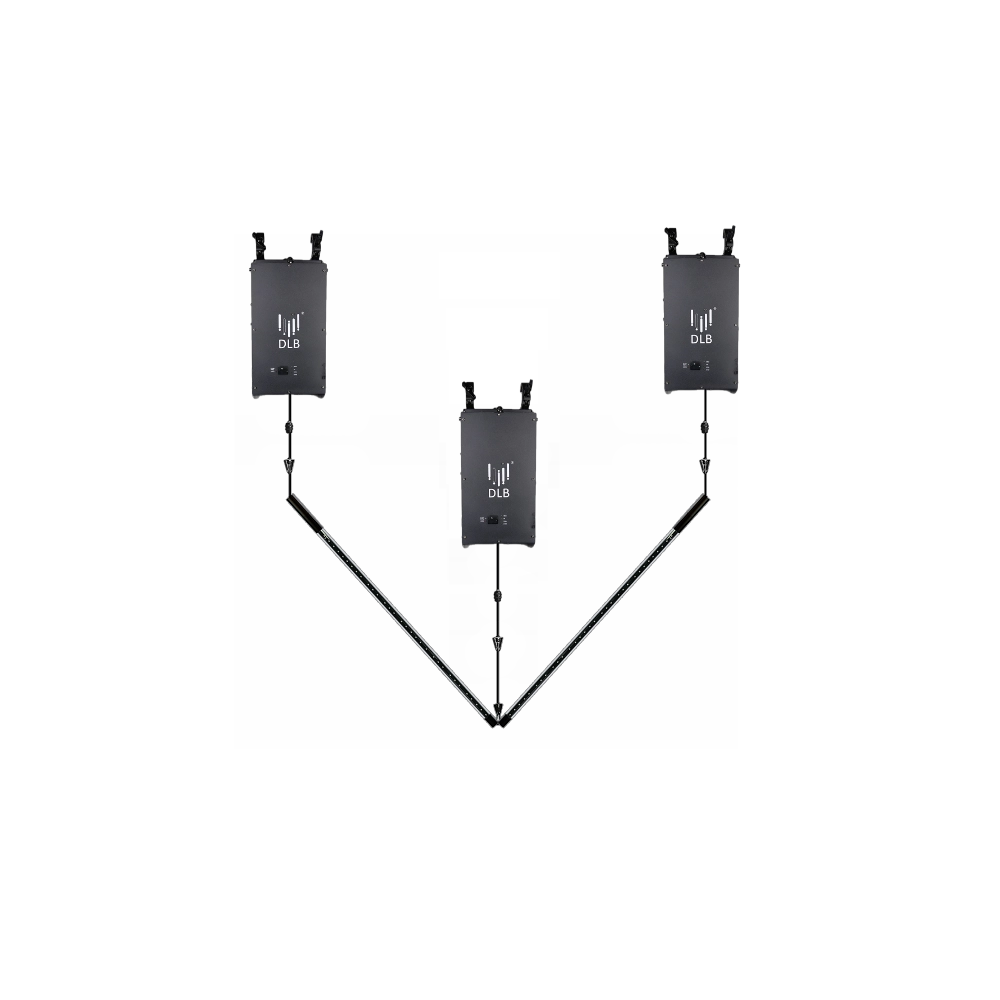
Kinetic Double Rod——Ideal for a wide range of large-scale events: commercial spaces, TV shows, concerts, nightclubs, and various other settings.
FENG-YI’s Kinetic Double Rod delivers dynamic kinetic light effects ideal for large-scale events—from concerts and nightclubs to TV shows and commercial spaces. Elevate your setup with this versatile kinetic light rod, designed for stunning visual impact and seamless integration.
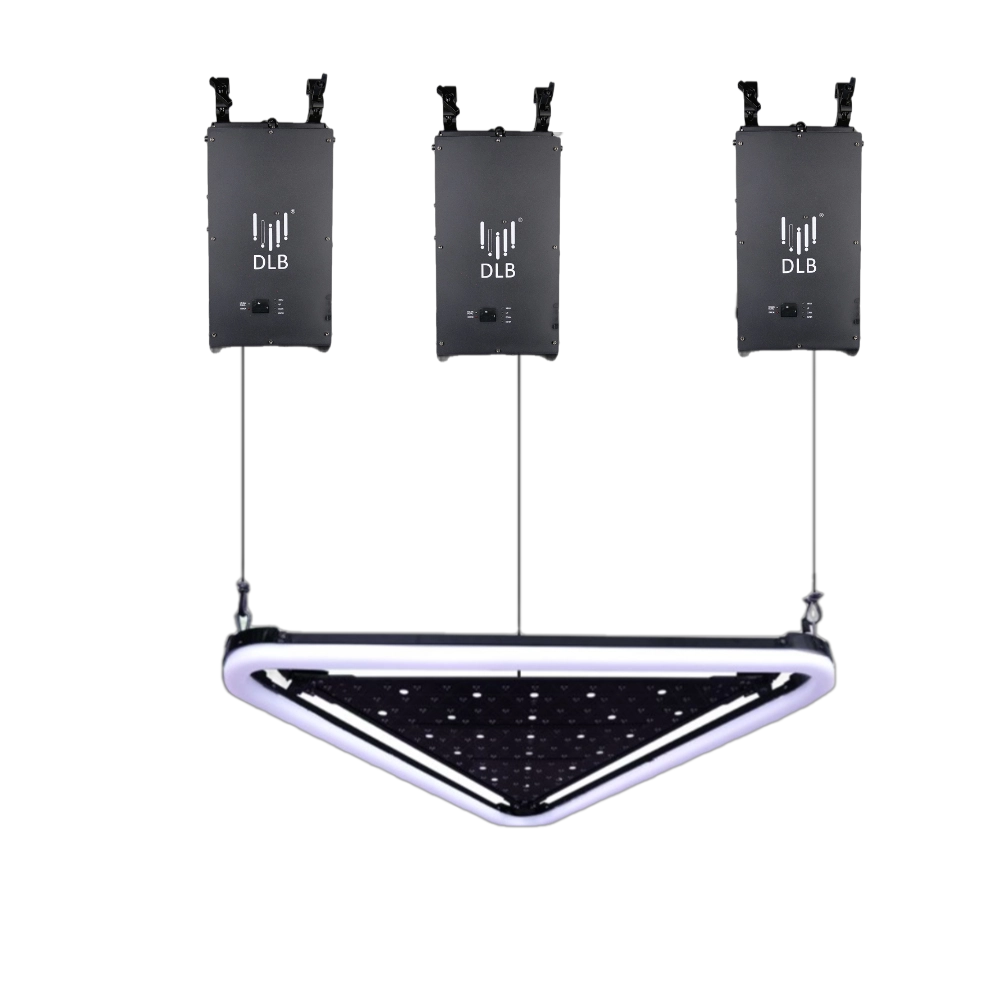
Kinetic Arc Panel——Ideal for a wide range of large-scale events: commercial spaces, TV shows, concerts, nightclubs, and various other settings.
FENG-YI’s Kinetic Arc Panel features dynamic kinetic light technology with kinetic triangle LED light panels, perfect for enhancing large-scale events like concerts, TV shows, nightclubs, and commercial spaces. Elevate your visual experience with innovative, high-impact lighting solutions.
Want to learn more about the latest updates?
Have questions or ready to illuminate your project? Reach out to our expert team today.
Rest assured that your privacy is important to us, and all information provided will be handled with the utmost confidentiality.
By clicking "Send your message," I agree to your processing my personal data.
To see how to withdraw your consent, how to control your personal data, and how we process it, please see our Privacy Policy and Terms of Use.

FENG-YI has been continuously innovating and has grown into a Kinetic Lights Manufacturer and solution provider with unique advantages.
Contact
+86 181 2785 5301
Address
Building 5, No. 34, Fuyuan Road, Jinghu IndustrialZone, Xinhua Town, Huadu District, Guangzhou, China.
© 2025 FENG-YI. All Rights Reserved.
Facebook
Instagram
YouTube
TikTok