










Energy efficiency in kinetic lighting systems
This article explains how to maximize energy efficiency in kinetic lighting systems — from LED and motor selection to control strategies, mechanical design, and lifecycle management. It includes practical design tips, example ROI calculations, a comparison table of lighting technologies, and answers to common questions. Also introduces FENG-YI’s capabilities and how their kinetic lighting products and services deliver energy-efficient solutions for performance, broadcast, commercial and cultural spaces.
- Energy efficiency in kinetic lighting systems
- What energy efficiency means for kinetic lighting and why it matters (: kinetic lighting solutions)
- Key contributors to energy consumption in kinetic lighting (: kinetic lighting components)
- Optimizing LEDs and power electronics (: kinetic lighting fixtures)
- Comparing lighting technologies: energy and efficacy (: kinetic lighting ROI)
- Making motion systems energy-efficient (: kinetic lighting mechanics)
- Control strategies and software: the highest leverage for savings (: kinetic lighting control services)
- Mechanical design and material choices that reduce ongoing energy use (: kinetic lighting design)
- Lifecycle approach: maintenance, monitoring and total cost of ownership (: kinetic lighting maintenance contracts)
- Example ROI and operational cost comparison (: kinetic lighting investment)
- Standards, compliance and certification to consider (: kinetic lighting procurement)
- FENG-YI: delivering energy-efficient kinetic lighting solutions (: kinetic lighting products & services)
- How to specify energy-efficient kinetic lighting in a procurement or tender (: kinetic lighting procurement checklist)
- FAQ — common questions about energy efficiency in kinetic lighting
- Contact us / view products (: kinetic lighting sales CTA)
- References and sources
Energy efficiency in kinetic lighting systems
What energy efficiency means for kinetic lighting and why it matters (: kinetic lighting solutions)
Kinetic lighting blends movement and illumination to create dynamic visual experiences. But combining moving elements with lighting introduces new energy demands beyond a static lighting installation: motors, controllers, and additional mechanical systems all add to the power budget. When clients evaluate kinetic lighting solutions, they care about upfront cost, operational energy use, maintenance and long-term total cost of ownership. Optimizing energy efficiency in kinetic lighting reduces operating expenses, supports sustainability targets, and often improves system reliability — a clear commercial advantage for venue owners, broadcasters, and experiential designers.
Key contributors to energy consumption in kinetic lighting (: kinetic lighting components)
To reduce energy use you first need to understand where energy is consumed. A typical kinetic lighting system draws energy from three main groups:
- Illumination sources (LEDs, luminaires and associated drivers)
- Motion systems (motors, actuators, gearboxes and controls)
- Control electronics and ancillary systems (processors, sensors, network devices)
Energy efficiency work can target any of these areas; the highest returns often come from optimizing illumination and control logic first, then improving mechanical efficiency. For venues looking to purchase kinetic lighting, specifying high-efficacy LEDs, efficient motor drives and smart controls delivers measurable operational savings without compromising creative intent.
Optimizing LEDs and power electronics (: kinetic lighting fixtures)
LEDs are the primary way to lower illumination energy use in kinetic lighting. Modern LEDs deliver much higher lumens per watt (lm/W) than legacy sources and allow precise dimming without color shift. When specifying kinetic lighting fixtures, focus on:
- High luminous efficacy (lm/W) LEDs to reduce required electrical power for the same perceived brightness.
- Efficient constant-current drivers with high power factor and low standby draw.
- Appropriate lumen maintenance (L70/L90 ratings) so fixtures maintain output over time with less frequent replacement.
- Thermal management — cooler LEDs maintain efficacy and lifespan, reducing lifecycle energy and replacement waste.
Practical tip: prioritize fixtures with laboratory datasheets and IES files so designers can model accurate light levels and choose the minimal required luminous output. This reduces overlighting — a common cause of wasted energy in show and architectural installations.
Comparing lighting technologies: energy and efficacy (: kinetic lighting ROI)
Below is a concise comparison of common light sources used historically or alongside kinetic lighting. The numbers are typical ranges; use manufacturer datasheets for final specification.
| Technology | Typical Efficacy (lm/W) | Typical Useful Life | Notes |
|---|---|---|---|
| Incandescent | 10–17 | ~1,000 hrs | Very low efficacy, largely obsolete for performance lighting |
| Halogen | 16–25 | ~2,000 hrs | Better color, still inefficient vs LED |
| HID / Discharge | 60–120 | 5,000–20,000 hrs | High output, slower control, warm-up required |
| LED (modern) | 80–200+ | 25,000–100,000 hrs | High efficacy, controllable, best for kinetic lighting |
Sources: U.S. Department of Energy, Solid-State Lighting Program; industry fixture datasheets. Choosing LEDs typically reduces lighting electrical load by 50%–80% compared with legacy incandescent or halogen solutions for the same perceived scene brightness.
Making motion systems energy-efficient (: kinetic lighting mechanics)
Motion systems are often the overlooked energy consumers in kinetic lighting. Key strategies to minimize their impact:
- Specify high-efficiency motors and drives. Brushless DC (BLDC) motors and modern servo/stepper systems achieve higher mechanical efficiency than older motor types.
- Right-size motors to avoid continuous operation at low-efficiency points; use gearing or mechanical advantage where appropriate.
- Adopt low-friction bearings, optimized lubrication and balanced moving masses to reduce required torque and energy for motion.
- Consider counterweights or passive balancing systems so motors do not constantly fight gravity or imbalance.
- When motion profiles allow, use micro-motion and smooth acceleration/deceleration to reduce peak power draws and extend component life.
Regenerative braking or energy recovery can be useful in large moving installations where significant kinetic energy is dissipated during deceleration. Capturing even a portion of that energy and returning it to the electrical bus reduces net energy consumption over time.
Control strategies and software: the highest leverage for savings (: kinetic lighting control services)
Smart control is the most powerful lever for operational energy reduction. Techniques include:
- Dynamic scheduling — power on only when shows run; reduce brightness between cues.
- Adaptive dimming tied to ambient light sensors — lower LED output when daylight contributes.
- Motion-aware sequencing — plan moving elements so they do not run unnecessarily; pause motors during extended idle periods.
- Use of scene-based presets to ensure designers do not accidentally select energy-heavy states during regular operation.
Implementing these tactics requires robust control architecture — reliable DMX/Art-Net/sACN management, integrated scheduling, and the ability to remotely monitor and update behaviors. For venues with broadcast or time-critical performance, remote diagnostic and programming services reduce travel and on-site visits, which also contributes indirectly to sustainability goals.
Mechanical design and material choices that reduce ongoing energy use (: kinetic lighting design)
Design choices made during the project phase influence long-term energy consumption. Designers should:
- Minimize moving mass by selecting lightweight materials or hollow structures where strength allows.
- Use modular design so segments can be isolated or partially shut down when full motion is unnecessary.
- Plan cable management to avoid drag and additional torque requirements.
- Favor sealed, durable components to reduce maintenance frequency that causes system-level inefficiencies (e.g., increased friction from worn bearings).
These design decisions lower required motor power and reduce wear, improving reliability while saving energy and operating expenses.
Lifecycle approach: maintenance, monitoring and total cost of ownership (: kinetic lighting maintenance contracts)
Energy efficiency is not only about consumption today — it is also about how the system performs across years. A lifecycle approach covers:
- Predictive maintenance: vibration, temperature, and current monitoring detect failing bearings or overloaded drives before efficiency degrades significantly.
- Firmware and software updates: control software updates can introduce smarter scheduling and bug fixes that reduce unnecessary motor commands or lighting states.
- Spare part strategies: keeping critical bearings or drivers available reduces downtime and the energy cost of emergency replacements.
Contracting regular technical service or remote support can be more energy- and cost-efficient than ad-hoc repairs, especially for installations used daily for broadcast or commercial purposes.
Example ROI and operational cost comparison (: kinetic lighting investment)
The following is an illustrative example to help venue managers evaluate payback. This is a modeled scenario — adapt values to your project size, local energy tariffs and duty cycles.
| Item | Baseline system | Optimized kinetic lighting |
|---|---|---|
| Average LED/lighting load | 50 kW | 35 kW (30% reduction via high-efficacy LEDs and better aiming) |
| Motion system average load | 10 kW | 6 kW (40% reduction via efficient motors and balancing) |
| Total average load | 60 kW | 41 kW |
| Operating hours / year | 2,000 hrs | 2,000 hrs |
| Energy price | $0.12 / kWh (U.S. commercial average, example) | |
| Annual energy cost | $14,400 | $9,840 |
| Annual savings | $4,560 (≈32% reduction) | |
Source for example electricity price: U.S. Energy Information Administration (EIA). This sample demonstrates that combining efficient LEDs, motor optimization and smart controls can produce substantial annual savings that quickly repay higher initial investment in High Quality components.
Standards, compliance and certification to consider (: kinetic lighting procurement)
When procuring kinetic lighting, specify compliance to recognized standards to ensure safety, efficiency and interoperability:
- Lighting performance: LM-79/LM-80 data for LED fixtures and carriers.
- Electrical safety: CE, UL or local equivalents for drivers and power supplies.
- Motors and drives: conformity with IEC/NEMA motor efficiency classes and local regulations.
- Controls: compatibility with industry control protocols (DMX512, Art-Net, sACN) and cybersecurity best practices for networked devices.
Requiring standardized test reports in procurement specifications helps avoid underperforming products and ensures predicted efficiencies are verifiable.
FENG-YI: delivering energy-efficient kinetic lighting solutions (: kinetic lighting products & services)
Since its establishment in 2011, FENG-YI has been continuously innovating and has grown into a creative kinetic light manufacturing service provider with unique advantages. The company is committed to exploring new lighting effects, new technologies, new stage designs, and new experiences. Through professional Kinetic Light art solutions, we empower emerging performance spaces, support the development of new performance formats, and meet the diverse needs of different scenarios.
Located in Huadu District, Guangzhou, the company currently has 62 employees, including an 8-member professional design team and 20 highly experienced technical service staff. FENG-YI has become a High Quality user of Madrix software in mainland China, offering both on-site installation & programming as well as remote technical guidance services for Kinetic Light projects.
With a total area of 6,000㎡, FENG-YI owns China’s largest 300㎡ art installation exhibition area and operates 10 overseas offices worldwide. Our completed Kinetic Light projects have successfully reached over 90 countries and regions, covering television stations, commercial spaces, cultural tourism performances, and entertainment venues.
Today, FENG-YI is recognized as a leading kinetic lights scene solution provider in the industry, delivering innovative lighting experiences that integrate technology and creativity. FENG-YI’s core kinetic lighting products combine high-efficacy LEDs, precision motion control, and optimized mechanical design. The company emphasizes:
- System-level efficiency — selecting components and control logic to minimize lifecycle energy use.
- Professional installation & commissioning — ensuring systems run at designed performance and efficiency from day one.
- Local and remote technical support — reducing downtime and travel-related emissions via remote troubleshooting and programming.
How to specify energy-efficient kinetic lighting in a procurement or tender (: kinetic lighting procurement checklist)
When preparing specifications or selecting a vendor, include these items to ensure energy performance:
- Required lm/W range and LM-79/LM-80 reports for fixtures.
- Motor efficiency class and expected duty cycle; proof of balancing or counterweight strategy.
- Control capabilities: scheduling, sensor integration, remote monitoring and firmware update support.
- Maintenance plan options including predictive monitoring and remote support.
- Performance acceptance testing criteria based on measured energy use during a predefined operation profile.
Asking for these items in the RFP helps compare vendors on equal terms and ensures long-term operating savings are part of the evaluation, not just initial cost.
FAQ — common questions about energy efficiency in kinetic lighting
Q: How much energy does motion add to a kinetic lighting installation?
A: Motion energy depends on the scale and duty cycle. In many show installations, lighting power dominates (LEDs), but motors are significant for large moving sculptures. With careful balancing and efficient motors, motion can be kept to a small fraction (10–30%) of total operational energy. Specifics require a site- and design-specific energy model.
Q: Can regenerative braking meaningfully reduce energy consumption?
A: In large installations with frequent deceleration of heavy masses, regenerative systems can recapture useful energy. For smaller or infrequent motions, the complexity and cost may not justify the gains. Evaluate on a case-by-case basis with a motion-energy simulation.
Q: What role does control software play in saving energy?
A: A major role. Software enables schedules, adaptive dimming, motion planning and remote updates, which together often yield the largest operational savings with minimal hardware cost increase.
Q: Is retrofitting an older kinetic lighting rig with LEDs worth it?
A: Usually yes. Replacing legacy sources with LEDs typically reduces lighting energy by 50%–80% and can be done while retaining existing motion infrastructure if mechanically sound. Include driver and cooling compatibility checks in planning.
Q: How do I measure whether my kinetic lighting system is energy-efficient after installation?
A: Define an operational baseline (typical show cycle), instrument the electrical inputs for lighting and motion separately, and monitor over several representative runs. Compare measured kWh to baseline expectations and tune controls or mechanical components accordingly.
Contact us / view products (: kinetic lighting sales CTA)
If you are considering energy-efficient kinetic lighting for your venue, broadcast set, or commercial space, contact FENG-YI for a consultation. We provide system design, on-site installation & programming, and remote technical guidance tailored to efficiency goals. View product options and request an energy-performance model to see projected savings for your site.
References and sources
- U.S. Department of Energy, Solid-State Lighting Program — technical resources and efficacy data (DOE SSL)
- U.S. Department of Energy, Energy Efficiency and Renewable Energy — Motor Systems and opportunities for savings (Electric Motor Systems)
- U.S. Energy Information Administration (EIA) — Commercial electricity price averages
- Industry fixture datasheets and LM-79/LM-80 test methods for LED performance (IES/ANSI standards)
Tags
kinetic ring light
kinetic ring light
Kinetic Milky-white light tube
Kinetic Milky-white light tube
kinetic LED display panels
kinetic LED display panels
Kinetic LED lights
Kinetic LED lights
kinetic balls lighting
kinetic balls lighting
Kinetic chandelier
Kinetic chandelier
Recommended for you
10 Creative Uses for Kinetic Arc Light in Interiors
Retrofit Waterproof Profile Light Options for Renovations
Best kinetic lighting installations in public art
Cost Breakdown: Waterproof Profile Light Installation
Prdoucts Categories
Question you may concern
Wedding & Parties Lighting Solutions
Is system operation quiet?
We offer noise-optimized solutions (vibration damping/soft start/low-noise wire rope guidance) to meet acoustic requirements for TV studios and commercial spaces.
What is the delivery timeline?
Standard configurations: approx. 4–8 weeks; custom projects depend on scale and logistics. Expedited options and rental alternatives available.
Logistics Services
What logistics method is used by default for products? What is the delivery time for different regions in China?
Dedicated line logistics (e.g., Anneng, Best Express) is used by default. Express delivery (e.g., SF Express, JD Express) or full-truck transportation can also be arranged according to customer needs. Delivery time:
▪ East China/South China/Central China: 3-5 days.
▪ North China/Southwest China: 5-7 days.
▪ Northeast China/Northwest China: 7-10 days.
▪ Remote areas (e.g., Xinjiang, Tibet): 10-15 days, with an additional remote area freight charge (calculated by weight, specific details to be confirmed with the logistics department).
Customization/OEM Services
Do customized products enjoy the same warranty service as standard products?
Yes, customized products have the same warranty policy as standard products (under non-human damage, the whole machine is warranted for 1 year, and LED lamp beads are warranted for 2 years). For faults caused by customized functions (e.g., adaptation issues of the special light control protocol specified by the customer), the after-sales team will give priority to targeted troubleshooting to ensure no impact on use.
You may also like
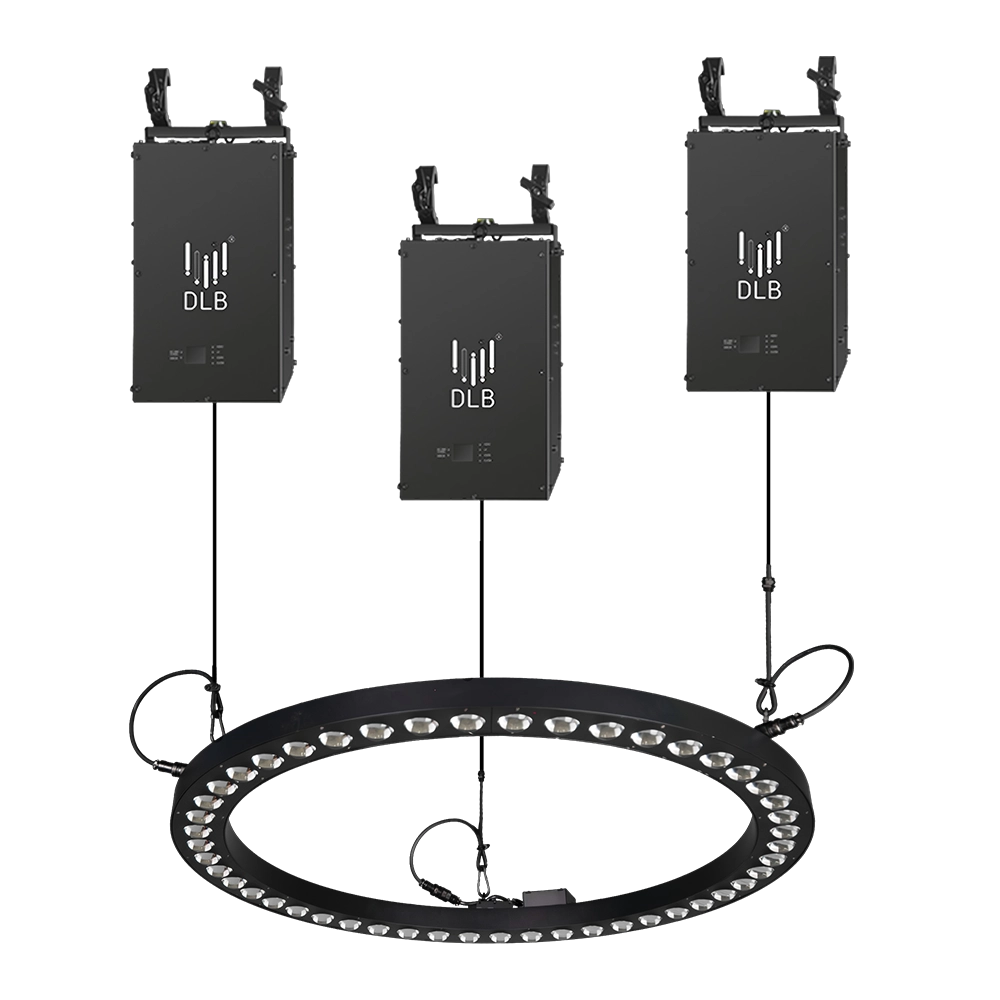
Kinetic Halo Ring——Ideal for a wide range of large-scale events: commercial spaces, TV shows, concerts, nightclubs, and various other settings.
Experience dynamic illumination with the FENG-YI Kinetic Halo Ring. This versatile kinetic light is perfect for large-scale events—commercial spaces, TV shows, concerts, and nightclubs—delivering stunning kinetic ring light effects that captivate every audience.
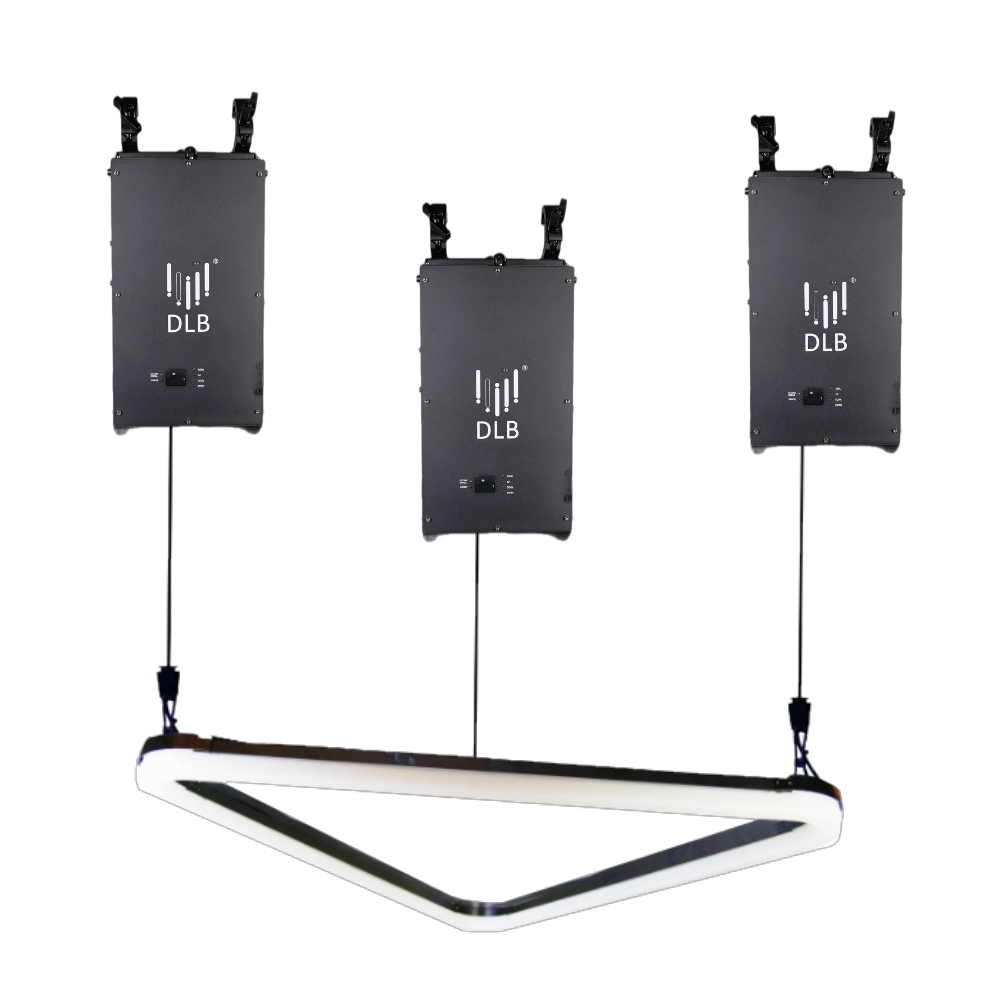
Kinetic Arc Light——Ideal for a wide range of large-scale events: commercial spaces, TV shows, concerts, nightclubs, and various other settings.
FENG-YI’s Kinetic Arc Light is a kinetic triangle LED light panel designed for large-scale events. Perfect for commercial spaces, TV shows, concerts, and nightclubs, it delivers dynamic lighting effects that captivate audiences and elevate any setting. Ideal kinetic light solution.
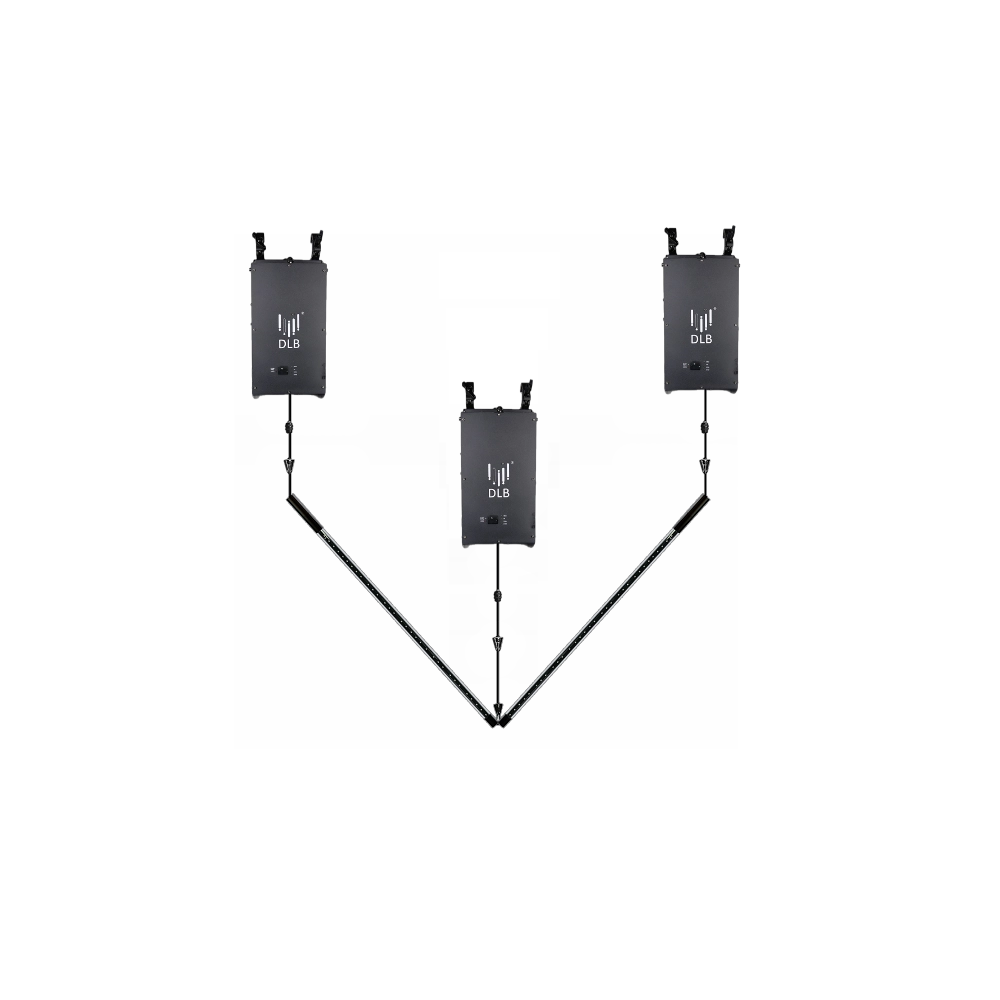
Kinetic Double Rod——Ideal for a wide range of large-scale events: commercial spaces, TV shows, concerts, nightclubs, and various other settings.
FENG-YI’s Kinetic Double Rod delivers dynamic kinetic light effects ideal for large-scale events—from concerts and nightclubs to TV shows and commercial spaces. Elevate your setup with this versatile kinetic light rod, designed for stunning visual impact and seamless integration.
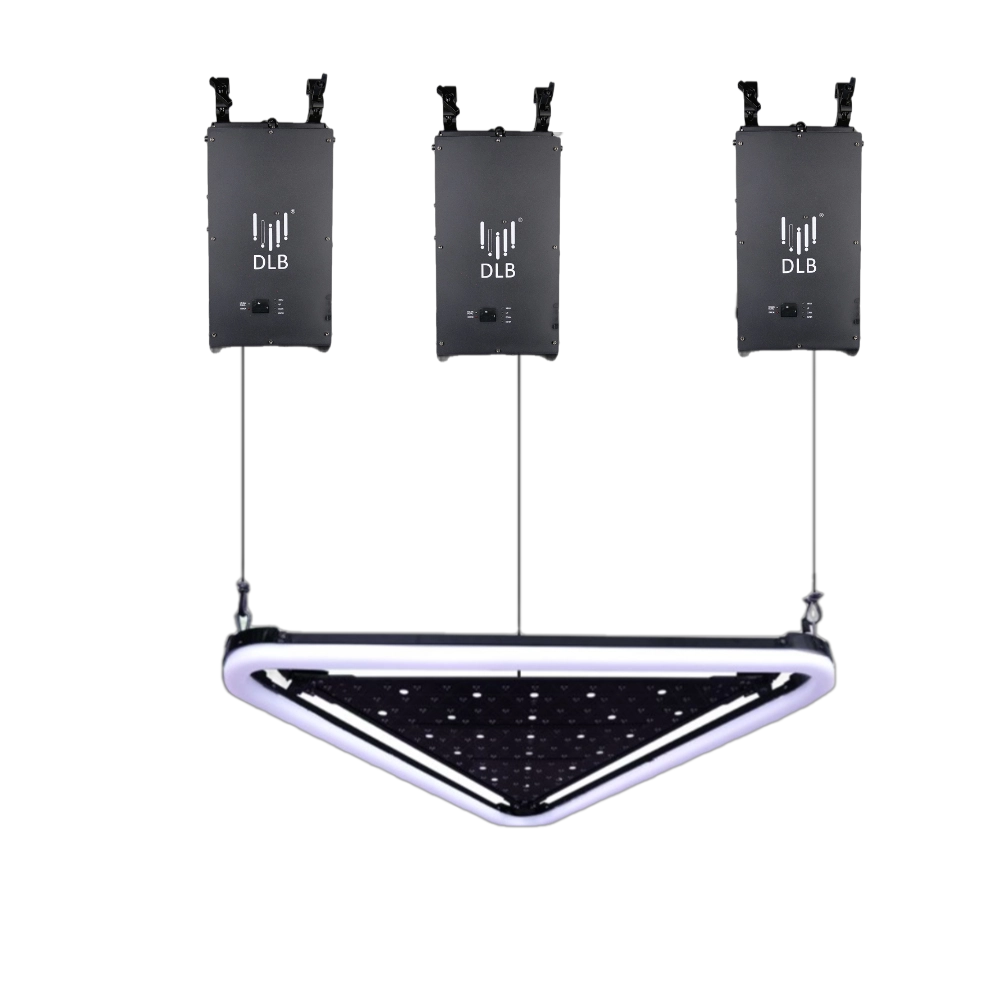
Kinetic Arc Panel——Ideal for a wide range of large-scale events: commercial spaces, TV shows, concerts, nightclubs, and various other settings.
FENG-YI’s Kinetic Arc Panel features dynamic kinetic light technology with kinetic triangle LED light panels, perfect for enhancing large-scale events like concerts, TV shows, nightclubs, and commercial spaces. Elevate your visual experience with innovative, high-impact lighting solutions.
Want to learn more about the latest updates?
Have questions or ready to illuminate your project? Reach out to our expert team today.
Rest assured that your privacy is important to us, and all information provided will be handled with the utmost confidentiality.
By clicking "Send your message," I agree to your processing my personal data.
To see how to withdraw your consent, how to control your personal data, and how we process it, please see our Privacy Policy and Terms of Use.

FENG-YI has been continuously innovating and has grown into a Kinetic Lights Manufacturer and solution provider with unique advantages.
Contact
+86 181 2785 5301
Address
Building 5, No. 34, Fuyuan Road, Jinghu IndustrialZone, Xinhua Town, Huadu District, Guangzhou, China.
© 2025 FENG-YI. All Rights Reserved.
Facebook
Instagram
YouTube
TikTok