










Cost estimates for building kinetic light sculptures
This comprehensive guide explains the cost components of building kinetic light sculptures (kinetic lights), provides realistic budget ranges for small, medium, and large projects, and offers practical tips to control expenditures. It also introduces FENG-YI’s capabilities as a leading kinetic lighting solutions provider and includes FAQ and reliable reference points for budgeting decisions.
- Cost estimates for building kinetic light sculptures
- Why understanding cost matters for kinetic lights projects
- Primary cost drivers for kinetic lights
- Design, engineering and art direction
- Detailed component breakdown: typical cost categories
- Sample budget ranges: small, medium, large kinetic lights projects
- Why costs escalate for large projects
- Mechanical and structural costs explained
- Lighting components and optical systems
- Electronics, control systems and software
- Software licensing & control examples
- Installation, testing and commissioning
- Ongoing maintenance, warranty and lifecycle costs
- Ways to reduce costs without sacrificing quality
- Financing, ROI and value justification for kinetic lights
- How professional manufacturers and integrators lower risk
- FENG-YI: partner profile and how we help
- FENG-YI core products and competitive strengths
- Practical checklist before you budget for kinetic lights
- FAQ — Common questions about cost and building kinetic lights
- How much should I budget for a reliable medium-sized kinetic lights installation?
- Are off-the-shelf kits available for kinetic lights to cut costs?
- What are typical ongoing maintenance costs?
- Can I reduce costs by using lower-grade LEDs or motors?
- How long does it take from concept to installation?
- Contact sales / View products
- References
Cost estimates for building kinetic light sculptures
Why understanding cost matters for kinetic lights projects
Investing in kinetic lights—dynamic installations that combine motion, lighting and control systems—requires more than a ballpark figure. Owners, production managers, architects and venue operators need clear cost estimates to secure funding, design to scale, and plan logistics. This article breaks down the main cost drivers, gives realistic ranges for different project sizes, and provides practical approaches to optimize your budget while maintaining artistic and technical integrity.
Primary cost drivers for kinetic lights
Three broad categories determine most of the expense for kinetic light sculptures: design & engineering, fabrication & materials (mechanical and lighting components), and electronics & control systems. Installation, testing and ongoing maintenance add significant lifetime costs. Understanding these drivers helps you prioritize where to invest for performance, safety and reliability.
Design, engineering and art direction
Concept and engineering transform an idea into a buildable kinetic lights installation. Costs include:
- Artistic concept and storyboarding (creative fees)
- Mechanical and structural engineering (load calculations, safety factors)
- Electrical design and control architecture
- Prototyping and testing
Expect design fees to range from 8%–20% of total project budget depending on complexity and required engineering certification. For installations that must meet public-safety codes or have moving overhead parts, engineering time and liability insurance push costs higher.
Detailed component breakdown: typical cost categories
Below is a practical component breakdown that you can use to build a project estimate. Each project is unique, but the percentage ranges are generally industry-tested for kinetic lights work.
| Cost Category | What it covers | Percent of total (typical) |
|---|---|---|
| Design & Engineering | Concept, mechanical/electrical engineering, modeling, firmware | 8%–20% |
| Mechanical Structure & Fabrication | Frames, arms, bearings, motors, safety gear, finishes | 25%–40% |
| Lighting (LEDs, optics, fixtures) | LED modules, lenses, diffusers, mounting hardware | 15%–30% |
| Electronics & Control | Drivers, DMX/Art-Net nodes, controllers, software licenses | 10%–20% |
| Installation & Commissioning | On-site labor, rigging, programming, testing | 10%–20% |
| Contingency & Compliance | Insurance, testing, certifications, unforeseen items | 5%–15% |
Source notes: industry averages and project data from manufacturer and installation reports (see references).
Sample budget ranges: small, medium, large kinetic lights projects
Below are practical budget ranges to help you set expectations. These are estimates for total installed cost and assume professional design and safe installation.
| Project Size | Description | Typical Installed Cost (USD) |
|---|---|---|
| Small | Tabletop or small gallery piece, simple movement (single axis), limited control | $5,000 – $30,000 |
| Medium | Medium gallery or retail ceiling installation, several moving elements, integrated lighting | $30,000 – $150,000 |
| Large | Large-scale public art, stage set pieces, multi-axis motion, custom control systems | $150,000 – $1,000,000+ |
Notes: Costs vary widely with scale, safety requirements, site access, and the degree of automation or bespoke engineering. For touring stage pieces or high-reliability commercial installations, expect the higher end of ranges or beyond.
Why costs escalate for large projects
Large kinetic lights sculptures bring extra complexity: structural engineering for overhead loads, redundancy for moving parts, higher-grade industrial motors, custom software and networking, logistics for shipping and installation, and often longer commissioning cycles. Public-safety compliance and insurance also add project-level fixed costs.
Mechanical and structural costs explained
Physical components—frames, bearings, motors, counterweights, and protective housings—are often the single largest cost. High-precision motors (servo or stepper), industrial-grade bearings, and corrosion-resistant materials increase both durability and price. If the kinetic lights are installed overhead or in a public venue, structural engineering and certified anchoring systems are mandatory and can add 10%–25% to mechanical costs.
Lighting components and optical systems
LED technology allows for brilliant effects with lower energy needs, but high-quality optics, lenses, and diffusion systems are essential to achieve the intended visual outcome. Choose LEDs with appropriate CRI, color stability and thermal management. Lighting costs scale with pixel density, control resolution, and precision optics.
Electronics, control systems and software
Control architecture includes drivers, DMX/Art-Net/sACN nodes, processors, and software licensing. Madrix and similar software platforms are commonly used for pixel mapping, effects and show control. For complex kinetic lights applications, costs include custom firmware and integration with motion control—often requiring both on-site programming and remote commissioning support.
Software licensing & control examples
Expect software and control licensing to range from a few hundred dollars for single-device licenses to tens of thousands for enterprise-level licenses, network nodes and show-control integrations. Always budget for remote support and on-site commissioning time if your project requires synchronized motion and lighting effects.
Installation, testing and commissioning
On-site labor includes rigging, cabling, structural integration, programming and safety testing. Projects in difficult access locations or requiring scaffolding/cranes will be significantly more expensive. Commissioning often uncovers mechanical or programming adjustments that require iterative work, so include contingency time and budget.
Ongoing maintenance, warranty and lifecycle costs
Kinetic lights are mechanical systems—wear and tear is expected. Budget for periodic maintenance: lubrication, motor replacement, LED module replacements, software updates and spare parts. For public or high-usage installations, annual maintenance contracts (AMC) are typical. AMC rates commonly run 5%–10% of the installation cost per year depending on SLA and response time.
Ways to reduce costs without sacrificing quality
- Modular design: build using repeatable modules to reduce custom fabrication costs.
- Use standard motors and off-the-shelf components where possible.
- Phased implementation: start with a pilot or smaller installation and scale up.
- Leverage remote commissioning: reduces on-site programming time and travel costs.
- Plan for maintenance access during design to avoid costly disassembly later.
Financing, ROI and value justification for kinetic lights
Kinetic lights can be a capital investment that enhances visitor engagement, drives footfall in commercial spaces, or creates memorable broadcast/entertainment moments. Calculate ROI using increased ticket sales, sponsorship, or branding value. For commercial venues, consider lease or sponsorship models, or amortize the cost over expected lifetime (often 7–15 years depending on usage and maintenance).
How professional manufacturers and integrators lower risk
Working with an experienced integrator reduces unknowns: proven supply chains, tested control architectures, trained installation crews, and maintenance plans. Professional partners also provide necessary certifications and insurance support which are critical for public and commercial projects.
FENG-YI: partner profile and how we help
Since its establishment in 2011, FENG-YI has been continuously innovating and has grown into a creative kinetic light manufacturing service provider with unique advantages. The company is committed to exploring new lighting effects, new technologies, new stage designs, and new experiences. Through professional Kinetic Light art solutions, we empower emerging performance spaces, support the development of new performance formats, and meet the diverse needs of different scenarios.
Located in Huadu District, Guangzhou, the company currently has 62 employees, including an 8-member professional design team and 20 highly experienced technical service staff. FENG-YI has become a High Quality user of Madrix software in mainland China, offering both on-site installation & programming as well as remote technical guidance services for Kinetic Light projects.
With a total area of 6,000㎡, FENG-YI owns China’s largest 300㎡ art installation exhibition area and operates 10 overseas offices worldwide. Our completed Kinetic Light projects have successfully reached over 90 countries and regions, covering television stations, commercial spaces, cultural tourism performances, and entertainment venues.
Today, FENG-YI is recognized as a leading kinetic lights scene solution provider in the industry, delivering innovative lighting experiences that integrate technology and creativity.
FENG-YI core products and competitive strengths
- Custom Kinetic Lighting systems: modular moving light arrays, pixel-mapped kinetic elements, and stage-ready touring rigs.
- End-to-end service: concept design, engineering, fabrication, software integration, and commissioning.
- Technical advantage: High Quality Madrix expertise, on-site installation teams, and remote programming services to reduce travel and downtime.
- Scale and testing: large in-house exhibition area to prototype and demonstrate full effects prior to shipping.
- Global reach: 10 overseas offices for local support, reducing logistical friction and improving SLA response.
Practical checklist before you budget for kinetic lights
- Define scope: artistic goals, audience, duration and interactivity level.
- Site survey: access, structural capacity, power availability and safety constraints.
- Define reliability: daily runtime, exposure, maintenance capabilities.
- Choose a partner: request design + BOM + installation quote and timeline.
- Set contingency: include 10%–20% contingency for complex projects.
FAQ — Common questions about cost and building kinetic lights
How much should I budget for a reliable medium-sized kinetic lights installation?
A medium installation typically ranges from $30,000 to $150,000 installed. This assumes professional design, structural support, quality LEDs and a reliable control system. Exact pricing depends on motion complexity, number of pixels, and site logistics.
Are off-the-shelf kits available for kinetic lights to cut costs?
Yes — there are modular kits and components that reduce custom fabrication. Kits can work well for small or experimental projects, but for public or large-scale installations we recommend using proven integrators to ensure safety and longevity.
What are typical ongoing maintenance costs?
Annual maintenance contracts often range from 5%–10% of the installation cost. This covers routine inspections, part replacements, software updates and technical support.
Can I reduce costs by using lower-grade LEDs or motors?
Lower-grade components reduce initial costs but often increase lifetime expense due to more frequent failures, poorer color stability and potential safety risks. For public installations or high-visibility commercial work, invest in quality components.
How long does it take from concept to installation?
Small projects can take 6–12 weeks from concept to install. Medium-to-large projects typically require 4–9 months, depending on approvals, engineering, fabrication lead times and commissioning schedules.
Contact sales / View products
If you’re planning a kinetic lights project and need a detailed cost estimate, contact FENG-YI for a project consultation and sample budgets tailored to your venue and artistic goals. We can provide conceptual pricing, BOMs, and a staged plan to manage cost and risk. To view product examples and book a consultation, contact our sales team or request a project quote.
References
- FENG-YI internal project data and experience (2011–2024)
- U.S. Bureau of Labor Statistics — Occupational Employment and Wages (for technician and installer labor rates)
- Madrix software product information and typical licensing models (2023–2024)
- Electronics and component pricing trends from major distributors (Digi-Key, Mouser — 2023–2024 price data)
- Industry installation reports and event production guidelines (professional integrators’ whitepapers, 2020–2024)
Tags
Kinetic Bulb
Kinetic Bulb
buy kinetic triangle led light panel
buy kinetic triangle led light panel
kinetic light sculpture
kinetic light sculpture
Kinetic Glass Raindrop
Kinetic Glass Raindrop
kinetic triangle modular led light panels
kinetic triangle modular led light panels
kinetic light exhibit for events
kinetic light exhibit for events
Recommended for you
Top Waterproof Profile Light Types Compared
Sustainable materials for kinetic lighting installations
Kinetic lighting for retail displays and visual merchandising
Case studies: successful kinetic lighting projects
Prdoucts Categories
Question you may concern
Products
What is the XY-axis rotation angle of moving head lights? Are there any load-bearing requirements for installation?
For conventional moving head lights, the X-axis rotation ranges from 0° to 540°, and the Y-axis rotation ranges from 0° to 205° (some models support 16-bit fine adjustment). Installation requirements: For hoisting, the load-bearing capacity of the support frame must be ≥ 1.5 times the weight of the light (e.g., a 10kg moving head light requires a support frame with ≥ 15kg load-bearing capacity). Additionally, a safety rope must be used to pass through the light's handle. When installing at an angle or upside down, pedestrians are prohibited from passing below, and the hook screws and rope wear must be checked regularly.
What is the service life of LED lamp beads? Is professional personnel required for later replacement?
All our lights adopt imported LED chips, with a service life of ≥ 50,000 hours under normal use (8 hours of daily use can last for 17 years). The replacement of lamp beads requires professional operation—due to the involvement of wire soldering and heat dissipation adaptation, unprofessional operation may cause short circuits or uneven light effects. You can contact the after-sales team for on-site replacement or repair-by-mail services.
Wedding & Parties Lighting Solutions
What is the delivery timeline?
Standard configurations: approx. 4–8 weeks; custom projects depend on scale and logistics. Expedited options and rental alternatives available.
Is the control system compatible with existing consoles?
Supports DMX / Art-Net / sACN for seamless integration with mainstream consoles; also enables Timecode-driven operation and multimedia synchronized control.
You may also like
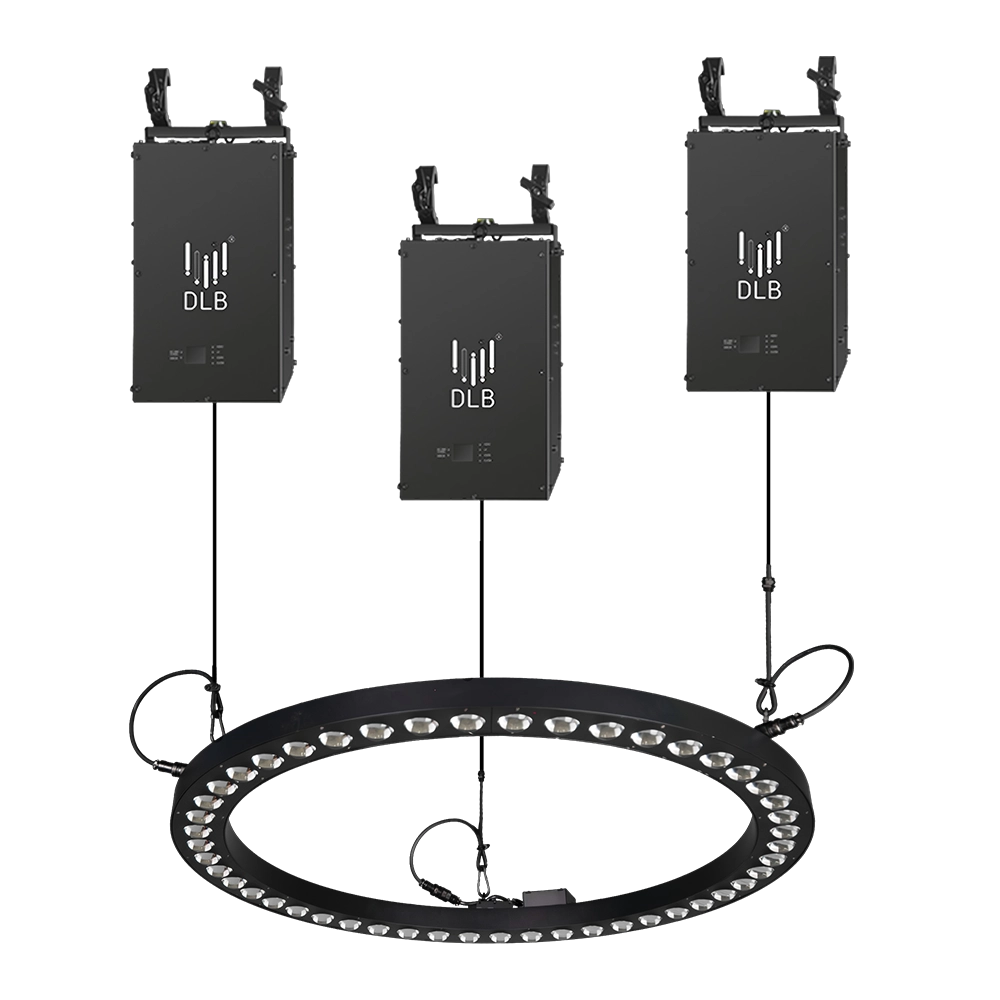
Kinetic Halo Ring——Ideal for a wide range of large-scale events: commercial spaces, TV shows, concerts, nightclubs, and various other settings.
Experience dynamic illumination with the FENG-YI Kinetic Halo Ring. This versatile kinetic light is perfect for large-scale events—commercial spaces, TV shows, concerts, and nightclubs—delivering stunning kinetic ring light effects that captivate every audience.
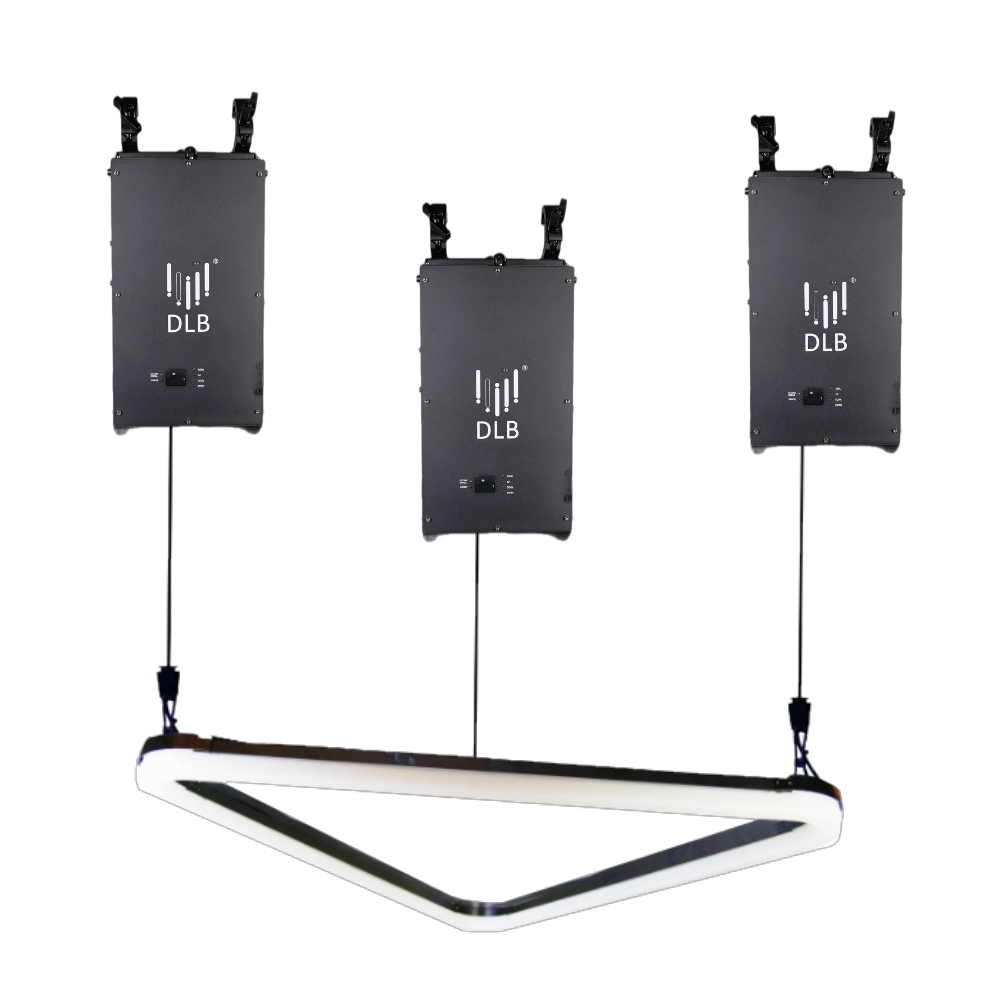
Kinetic Arc Light——Ideal for a wide range of large-scale events: commercial spaces, TV shows, concerts, nightclubs, and various other settings.
FENG-YI’s Kinetic Arc Light is a kinetic triangle LED light panel designed for large-scale events. Perfect for commercial spaces, TV shows, concerts, and nightclubs, it delivers dynamic lighting effects that captivate audiences and elevate any setting. Ideal kinetic light solution.
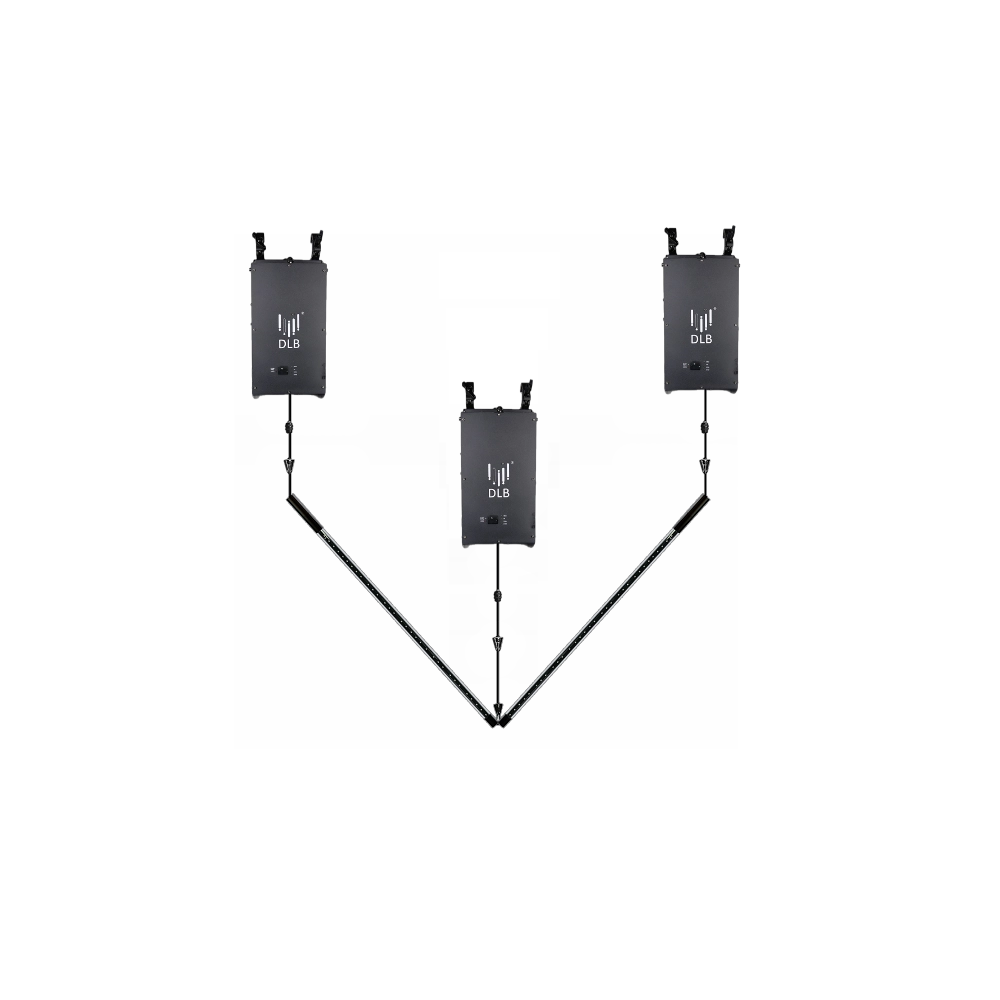
Kinetic Double Rod——Ideal for a wide range of large-scale events: commercial spaces, TV shows, concerts, nightclubs, and various other settings.
FENG-YI’s Kinetic Double Rod delivers dynamic kinetic light effects ideal for large-scale events—from concerts and nightclubs to TV shows and commercial spaces. Elevate your setup with this versatile kinetic light rod, designed for stunning visual impact and seamless integration.
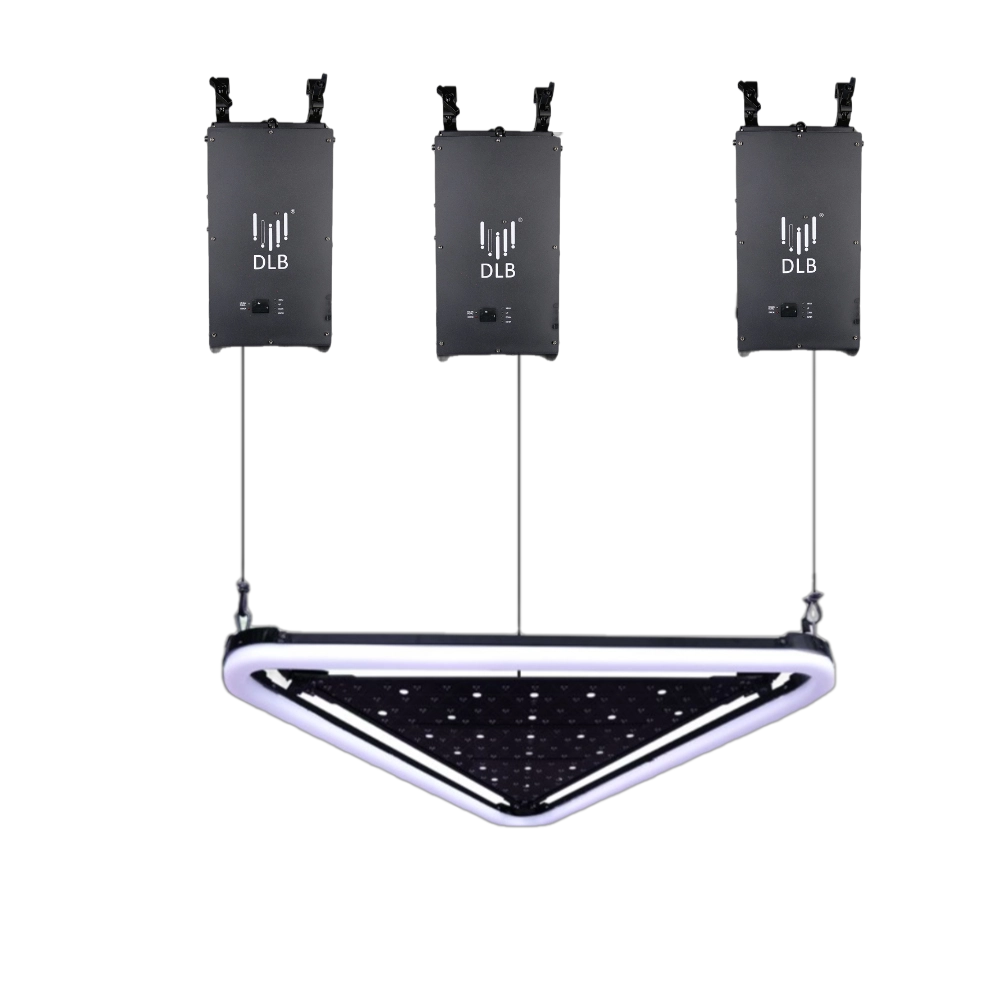
Kinetic Arc Panel——Ideal for a wide range of large-scale events: commercial spaces, TV shows, concerts, nightclubs, and various other settings.
FENG-YI’s Kinetic Arc Panel features dynamic kinetic light technology with kinetic triangle LED light panels, perfect for enhancing large-scale events like concerts, TV shows, nightclubs, and commercial spaces. Elevate your visual experience with innovative, high-impact lighting solutions.
Want to learn more about the latest updates?
Have questions or ready to illuminate your project? Reach out to our expert team today.
Rest assured that your privacy is important to us, and all information provided will be handled with the utmost confidentiality.
By clicking "Send your message," I agree to your processing my personal data.
To see how to withdraw your consent, how to control your personal data, and how we process it, please see our Privacy Policy and Terms of Use.

FENG-YI has been continuously innovating and has grown into a Kinetic Lights Manufacturer and solution provider with unique advantages.
Contact
+86 181 2785 5301
Address
Building 5, No. 34, Fuyuan Road, Jinghu IndustrialZone, Xinhua Town, Huadu District, Guangzhou, China.
© 2025 FENG-YI. All Rights Reserved.
Facebook
Instagram
YouTube
TikTok