










Collaborating with artists and engineers on kinetic lights
A practical guide for creative teams, procurement managers, and venue operators on collaborating with artists and engineers to design, purchase, install, and maintain kinetic lighting systems. Covers roles, technical considerations, procurement checklists, workflow, risk management, and the advantages of partnering with FENG-YI for end-to-end kinetic lighting solutions.
- Bridging Art and Engineering in Kinetic Lighting Projects
- What is Kinetic Lighting and why organizations purchase it
- Why close collaboration matters for procurement and installation
- Key stakeholders and their procurement-relevant concerns
- Roles and responsibilities: a quick comparison
- Project workflow and procurement checklist for kinetic lighting
- Technical considerations procurement teams must evaluate
- Control software and visual content: an often underestimated procurement item
- Prototype, testing, and factory acceptance — reduce rework and buy with confidence
- Onsite commissioning and programming — buy clarity on responsibilities
- Cost drivers and budget planning
- Selecting suppliers and evaluating bids — procurement tips
- FENG-YI: capabilities, product focus, and why procurement teams choose them
- Why choose FENG-YI — procurement-relevant advantages
- Main product: Kinetic Lighting
- Risk management and maintenance planning
- Maintenance checklist
- Final recommendations for procurement managers and creative leads
- Frequently Asked Questions (FAQ)
- 1. What is the typical lead time for a kinetic lighting project?
- 2. How do I choose between on-site programming and remote commissioning?
- 3. What safety standards should be required in contracts?
- 4. Can kinetic lighting be integrated with existing building automation?
- 5. What ongoing costs should be budgeted beyond the purchase price?
- 6. How do I evaluate a vendor's programming competency?
- Call to Action
- References:
Bridging Art and Engineering in Kinetic Lighting Projects
Kinetic lighting merges motion, control systems, and aesthetic intent to create dynamic environments that engage audiences. Whether you are planning to buy a kinetic lighting installation for a stage, retail environment, or public art piece, successful delivery depends on close collaboration between artists, engineers, and procurement stakeholders. This article gives a practical, experience-driven roadmap for commissioning, procuring, installing, and operating high-quality kinetic lighting systems.
What is Kinetic Lighting and why organizations purchase it
Kinetic lighting refers to lighting systems that incorporate movement—rotating fixtures, moving arrays, motorized elements, or programmable rigs—combined with dynamic LED/color control and show programming. Organizations purchase kinetic lighting to:
- Deliver immersive visitor or audience experiences
- Create signature visual identities for retail and brand spaces
- Enhance live performance staging with synchronized motion and light
- Support flexible scenography for multi-use venues
Why close collaboration matters for procurement and installation
Buying kinetic lighting is not just a hardware purchase. It is a systems project that integrates structural engineering, electrical infrastructure, control software, artistic direction, and ongoing technical support. Common failures arise when procurement separates buying decisions (cost, vendor selection) from creative and technical decision-making (mechanical tolerances, control protocols, sightlines). Early and continuous collaboration reduces rework, unexpected costs, and schedule delay.
Key stakeholders and their procurement-relevant concerns
- Artists / Creative Directors: creative intent, choreography of light and motion, responsiveness, and user experience.
- Design Engineers: structural load, mounting strategies, motors and actuators, safety factors, and compliance.
- Controls Engineers / Programmers: choice of protocols (DMX, Art-Net, sACN), software ecosystems (Madrix, Resolume), and latency/refresh requirements.
- Venue Owners / Facility Managers: power capacity, maintenance access, warranties, and lifecycle cost.
- Procurement / Contracting Teams: contract scope, delivery milestones, procurement compliance, supplier qualification, and total cost of ownership (TCO).
Roles and responsibilities: a quick comparison
| Role | Main Responsibilities | Procurement Keywords |
|---|---|---|
| Artist / Creative Lead | Concept, choreography, content requirements, creative acceptance criteria | specification, deliverables, creative sign-off |
| Mechanical / Structural Engineer | Load calculations, safety factors, mounting details, code compliance | installation drawings, compliance, site survey |
| Electrical / Controls Engineer | Power distribution, grounding, control protocols, latency, redundancy | power schedule, protocol, compatibility |
| Manufacturer / Supplier (Vendor) | Supply of motors, fixtures, controllers, programming and commissioning services | quotation, lead time, warranty |
| Integrator / Contractor | On-site installation, testing, training, maintenance agreements | installation, commissioning, service contract |
Project workflow and procurement checklist for kinetic lighting
Below is a practical phase-based workflow you can adapt when issuing RFPs, evaluating vendors, or planning installation. The table includes suggested procurement outputs for each phase.
| Phase | Primary Activities | Procurement Outputs / Questions to Ask |
|---|---|---|
| Concept & Feasibility | Artistic concept, initial site survey, high-level budget estimate | Scope of work, preliminary budget, feasibility report |
| Design Development | Engineering drawings, control architecture, risk assessment | Detailed specifications, bill of materials (BOM), supplier prequalification |
| Procurement & Contracting | Sourcing components, selecting manufacturer/integrator, negotiating lead times | Purchase orders, supplier agreements, delivery schedule, warranty terms |
| Fabrication & Programming | Production of motorized elements, control programming, pre-commission testing | Factory acceptance test (FAT) reports, software license details, training plan |
| Installation & Commissioning | On-site installation, integration, final programming, safety certifications | Commissioning report, as-built drawings, handover package |
| Maintenance & Operations | Scheduled maintenance, remote support, content updates | Service level agreement (SLA), spare parts list, remote support terms |
Technical considerations procurement teams must evaluate
When comparing vendors or approving purchase orders, ensure the technical specifications answer these critical questions:
- Motion mechanics: What motors/actuators are used? What are rated lifetimes and maintenance intervals?
- Control system compatibility: Which protocols and software are supported (e.g., DMX512, Art-Net, sACN, Madrix)?
- Power and cabling: What are the power demands and distribution strategies? Is isolated grounding required?
- Safety and code: Does the design meet local building codes, rigging standards, and electrical regulations?
- Environmental resilience: Are fixtures rated for humidity, dust, or outdoor exposure if applicable?
- Integration with existing systems: Can it tie into venue automation or broadcast systems?
Control software and visual content: an often underestimated procurement item
Software and content licensing can become a major recurring cost. Ask vendors for a clear breakdown: perpetual licenses vs. subscriptions, programming labor, remote vs. onsite programming support, and compatibility with widely supported ecosystems like Madrix (noted for pixel mapping and LED control).
Prototype, testing, and factory acceptance — reduce rework and buy with confidence
Before final acceptance, insist on staged validation: mock-ups, bench testing of mechanical assemblies, and a Factory Acceptance Test (FAT) that includes motion sequences, power cycling, and communication reliability tests. FAT reports should become contractual deliverables before shipment and installation. This reduces onsite surprises that inflate installation costs and extend schedules.
Onsite commissioning and programming — buy clarity on responsibilities
Clarify whether programming and cueing will be performed by the manufacturer, a third-party content house, or your in-house team. Procurement documents should specify who provides show files, the upload process, and whether remote support is available after handover.
Cost drivers and budget planning
Major cost drivers for kinetic lighting projects include:
- Custom mechanical fabrication vs. off-the-shelf modules
- Number and size of moving elements (motors, actuators)
- Control and software complexity, licensing fees
- Onsite rigging and structural reinforcement requirements
- Testing, commissioning, and skilled labor time
Procurement should budget not only for capital purchase but also for installation, spare parts, extended warranties, and an annual maintenance plan.
Selecting suppliers and evaluating bids — procurement tips
When evaluating vendors, use a scoring methodology that balances creative capability, technical competence, and commercial terms. Suggested weighted criteria:
- Technical compliance and engineering documentation (30%)
- Creative understanding and portfolio relevance (20%)
- Warranty, support, and training offerings (20%)
- Price and total cost of ownership (15%)
- Project management and delivery capability (15%)
Ask for references from similar projects and request evidence of successful FATs, site installations, and client testimonials.
FENG-YI: capabilities, product focus, and why procurement teams choose them
Since its establishment in 2011, FENG-YI has been continuously innovating and has grown into a creative kinetic light manufacturing service provider with unique advantages. The company is committed to exploring new lighting effects, new technologies, new stage designs, and new experiences. Through professional Kinetic Light art solutions, we empower emerging performance spaces, support the development of new performance formats, and meet the diverse needs of different scenarios.
Located in Huadu District, Guangzhou, the company currently has 62 employees, including an 8-member professional design team and 20 highly experienced technical service staff. FENG-YI has become a High Quality user of Madrix software in mainland China, offering both on-site installation & programming as well as remote technical guidance services for Kinetic Light projects.
With a total area of 6,000㎡, FENG-YI owns China’s largest 300㎡ art installation exhibition area and operates 10 overseas offices worldwide. Our completed Kinetic Light projects have successfully reached over 90 countries and regions, covering television stations, commercial spaces, cultural tourism performances, and entertainment venues.
Today, FENG-YI is recognized as a leading kinetic lights scene solution provider in the industry, delivering innovative lighting experiences that integrate technology and creativity.
Why choose FENG-YI — procurement-relevant advantages
- End-to-end service: design, manufacture, programming, on-site installation, and after-sales support reduce the need to manage multiple vendors.
- Madrix expertise: being a High Quality Madrix user ensures best practices in pixel mapping and LED control are applied to content and show delivery.
- Large exhibition and test facility: a 300㎡ installation area enables realistic FATs and client demo sessions before shipment.
- Global delivery footprint: 10 overseas offices and projects in 90+ countries reduce logistical risk and support local compliance needs.
- Skilled technical staff: in-house technical service team accelerates commissioning and offers reliable remote guidance.
Main product: Kinetic Lighting
FENG-YI’s core product line centers on configurable kinetic lighting modules that integrate motors, LED fixtures, controllers, and content-ready workflows. Products are offered as modular systems for easier procurement and reduced installation time, with options for custom fabrication for landmark or bespoke artistic requirements.
Risk management and maintenance planning
Key risk mitigations to include in contracts and procurement documents:
- Detailed warranty terms covering motor wear, LED failure rates, and control electronics.
- Defined spare parts packages and guaranteed lead times for replacements.
- Clear responsibilities for structural certification and liability for rigging work.
- Scheduled preventative maintenance plans and SLAs for remote troubleshooting.
Maintenance checklist
| Item | Frequency | Notes |
|---|---|---|
| Motor inspection & lubrication | 6–12 months | Follow manufacturer torque and lubrication guidelines |
| Control firmware & software updates | As released / annually | Test in staging before production rollout |
| Power distribution check | Annually | Verify neutral/ground integrity and overcurrent protection |
| Full system functional test | Quarterly | Run representative show file for performance verification |
Final recommendations for procurement managers and creative leads
- Start collaboration early: involve engineers when concept is drafted to avoid costly redesigns.
- Make FATs contractual: require factory acceptance testing and on-site commissioning deliverables.
- Score proposals holistically: balance creative pedigree with demonstrated technical delivery and local support.
- Clarify ownership of software and content rights up front to avoid future licensing disputes.
- Plan for lifecycle costs: include spares, training, and maintenance in the initial budget.
Frequently Asked Questions (FAQ)
1. What is the typical lead time for a kinetic lighting project?
Lead times vary with complexity. Modular off-the-shelf systems can ship in 8–12 weeks, whereas bespoke kinetic sculptures with custom fabrication and control programming typically require 4–9 months from design approval to commissioning. Include time for FAT and shipping in procurement schedules.
2. How do I choose between on-site programming and remote commissioning?
On-site programming is essential when physical choreography and sightline adjustments are critical. Remote commissioning can be efficient for software updates, parameter tuning, and follow-up support if the initial onsite commissioning is thorough. Ensure SLAs for remote response are included in contracts.
3. What safety standards should be required in contracts?
Require compliance with local building and electrical codes, rigging standards (e.g., local equivalents of ANSI E1.6 or EN standards for entertainment rigging), and manufacturer-recommended safety factors for moving loads. Request certificates of conformity and third-party structural sign-off when necessary.
4. Can kinetic lighting be integrated with existing building automation?
Yes. Modern control systems support open protocols (e.g., Art-Net, sACN) and can integrate with building automation and AV control via gateways or APIs. Confirm compatibility during the design phase and include integration scope in procurement documents.
5. What ongoing costs should be budgeted beyond the purchase price?
Budget for annual maintenance, spare motors and LEDs, software license renewals if applicable, periodic programming updates, and contingency for repairs. Typically, lifecycle costs can represent 10–20% of initial capital per year depending on usage intensity.
6. How do I evaluate a vendor's programming competency?
Request sample show files, references, a demo in a controlled environment (or recorded FAT), and ask about experience with the software you plan to use (e.g., Madrix). Verify whether they provide documentation and training for in-house operators.
Call to Action
Ready to procure or install kinetic lighting that balances artistry and engineering? Contact us for a tailored quote, view FENG-YI’s product catalog, or request a demo in the 300㎡ exhibition area. Get a project consultation and precise cost estimate to move from concept to show-ready deployment.
References:
- Madrix GmbH — Official product and software documentation: https://www.madrix.com/
- Illuminating Engineering Society (IES) — Technical guidance on lighting practice: https://www.ies.org/
- EN Standards and entertainment rigging guidance — European Committee for Standardization
- Design and case studies on kinetic lighting installations — Dezeen and ArchDaily project archives: https://www.dezeen.com/ and https://www.archdaily.com/
- Guidance on procurement and project management best practices — Project Management Institute (PMI): https://www.pmi.org/
Tags
kinetic light ball
kinetic light ball
Full color.
Full color.
Kinetic Milky-white light tube
Kinetic Milky-white light tube
Kinetic Opal Raindrop Light
Kinetic Opal Raindrop Light
waterproof moving head light
waterproof moving head light
Kinetic Light
Kinetic Light
Recommended for you
Kinetic lights in architecture: design tips and cases
Interactive kinetic lighting for museums and exhibitions
Kinetic lighting for retail displays and visual merchandising
IP Ratings Explained for Waterproof Profile Lights
Prdoucts Categories
Question you may concern
Wedding & Parties Lighting Solutions
How is safety ensured?
Encoder closed-loop control, emergency stop circuits, software/hardware limit switches, load monitoring, and collision-avoidance zones. A comprehensive pre-performance checklist is provided.
Products
The cutting blades do not move linearly. How to troubleshoot?
Fix with these steps:
1. Channel Check: Ensure the correct cutting channel (e.g., Cut 1: CH24) is selected on the controller; set the channel value to 100-255 (0=no movement).
2. Motor Calibration: Enter "Factory Settings → Motor Calibration → Cut 1" and adjust the offset (-128~+127) to compensate for mechanical errors.
3. Mechanical Blockage: Power off the fixture and check if debris (dust, wire) is blocking the blade’s travel path; clean the path with a soft brush and re-test.
Nightclub Lighting
Do you offer pre-programmed services?
Yes, we can pre-set multiple "lighting scenes" (e.g., welcome mode, performance mode, climax mode, and clearing mode) for you. You can switch between them at will, allowing you to see how the lighting changes dynamically with the music and business hours, creating a truly immersive experience.
Wholesale Cooperation
What is the restocking cycle for wholesale customers? Can production be prioritized?
The restocking cycle for standard models is 3-7 days (same-day shipment if stock is sufficient), and the restocking cycle for customized models is the same as the initial customization cycle (15-45 days). For annual cooperative customers (with an annual purchase amount of ≥ 500,000 RMB), a "priority restocking agreement" can be signed, and 10%-15% of safety stock will be reserved to ensure emergency restocking needs are met within 3 days.
You may also like
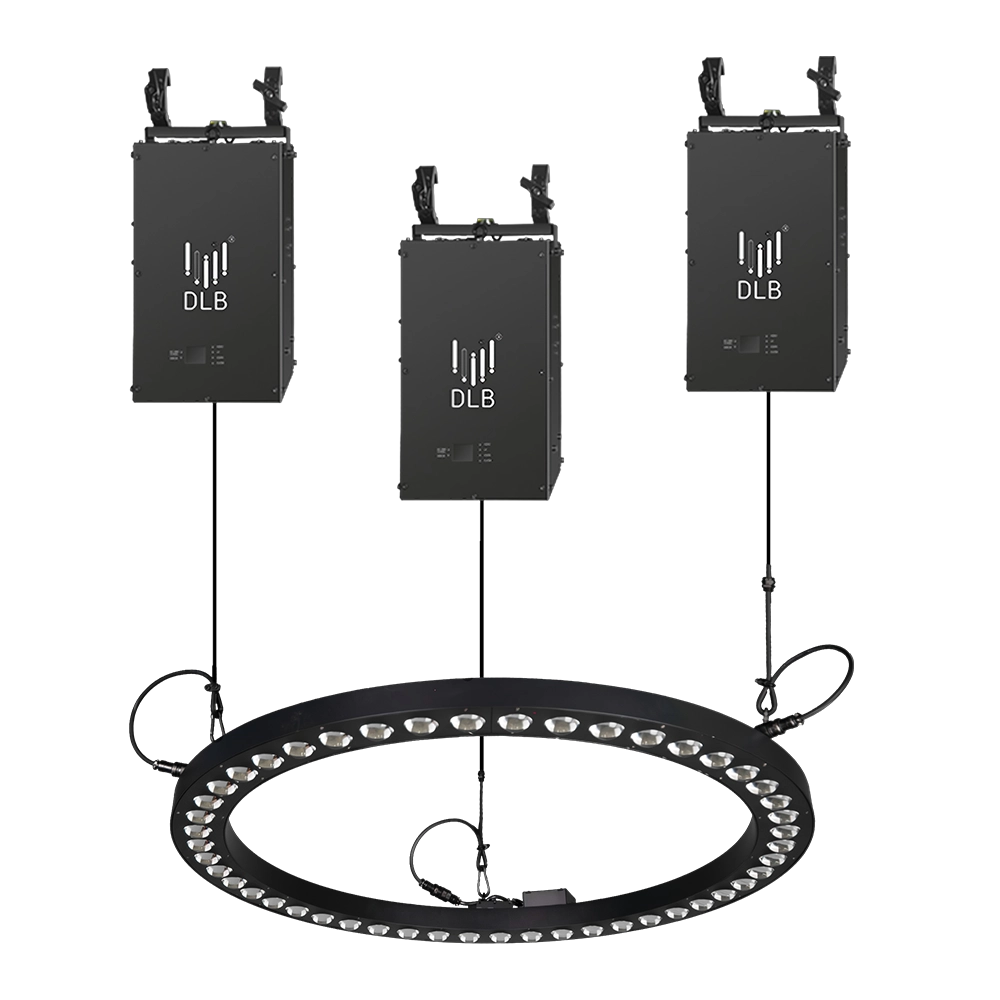
Kinetic Halo Ring——Ideal for a wide range of large-scale events: commercial spaces, TV shows, concerts, nightclubs, and various other settings.
Experience dynamic illumination with the FENG-YI Kinetic Halo Ring. This versatile kinetic light is perfect for large-scale events—commercial spaces, TV shows, concerts, and nightclubs—delivering stunning kinetic ring light effects that captivate every audience.
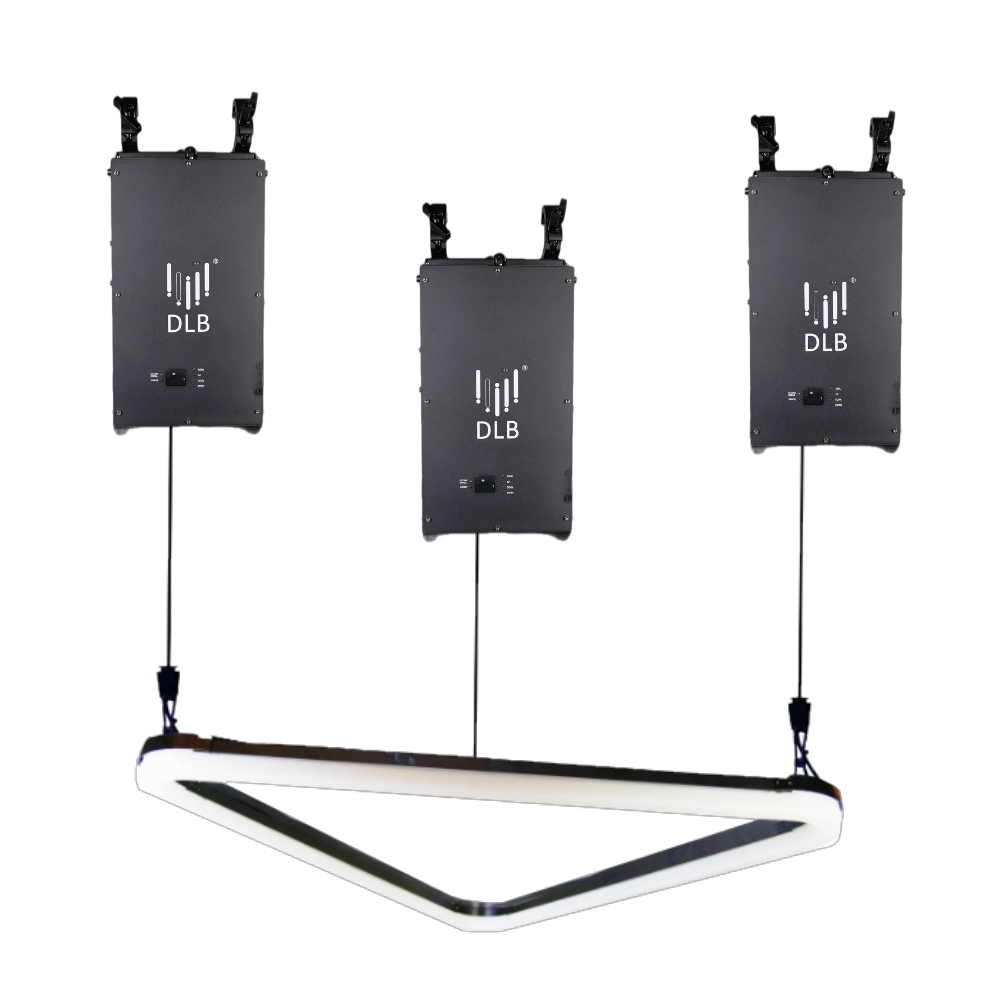
Kinetic Arc Light——Ideal for a wide range of large-scale events: commercial spaces, TV shows, concerts, nightclubs, and various other settings.
FENG-YI’s Kinetic Arc Light is a kinetic triangle LED light panel designed for large-scale events. Perfect for commercial spaces, TV shows, concerts, and nightclubs, it delivers dynamic lighting effects that captivate audiences and elevate any setting. Ideal kinetic light solution.
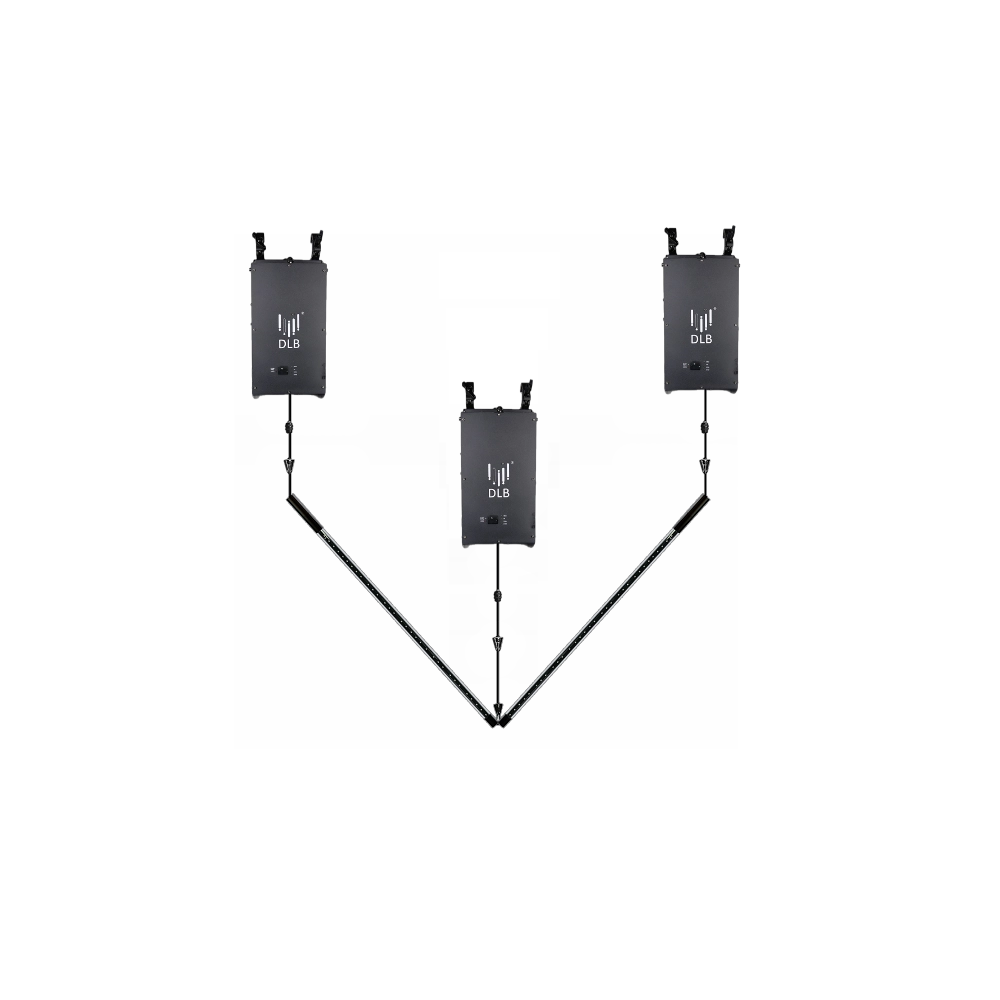
Kinetic Double Rod——Ideal for a wide range of large-scale events: commercial spaces, TV shows, concerts, nightclubs, and various other settings.
FENG-YI’s Kinetic Double Rod delivers dynamic kinetic light effects ideal for large-scale events—from concerts and nightclubs to TV shows and commercial spaces. Elevate your setup with this versatile kinetic light rod, designed for stunning visual impact and seamless integration.
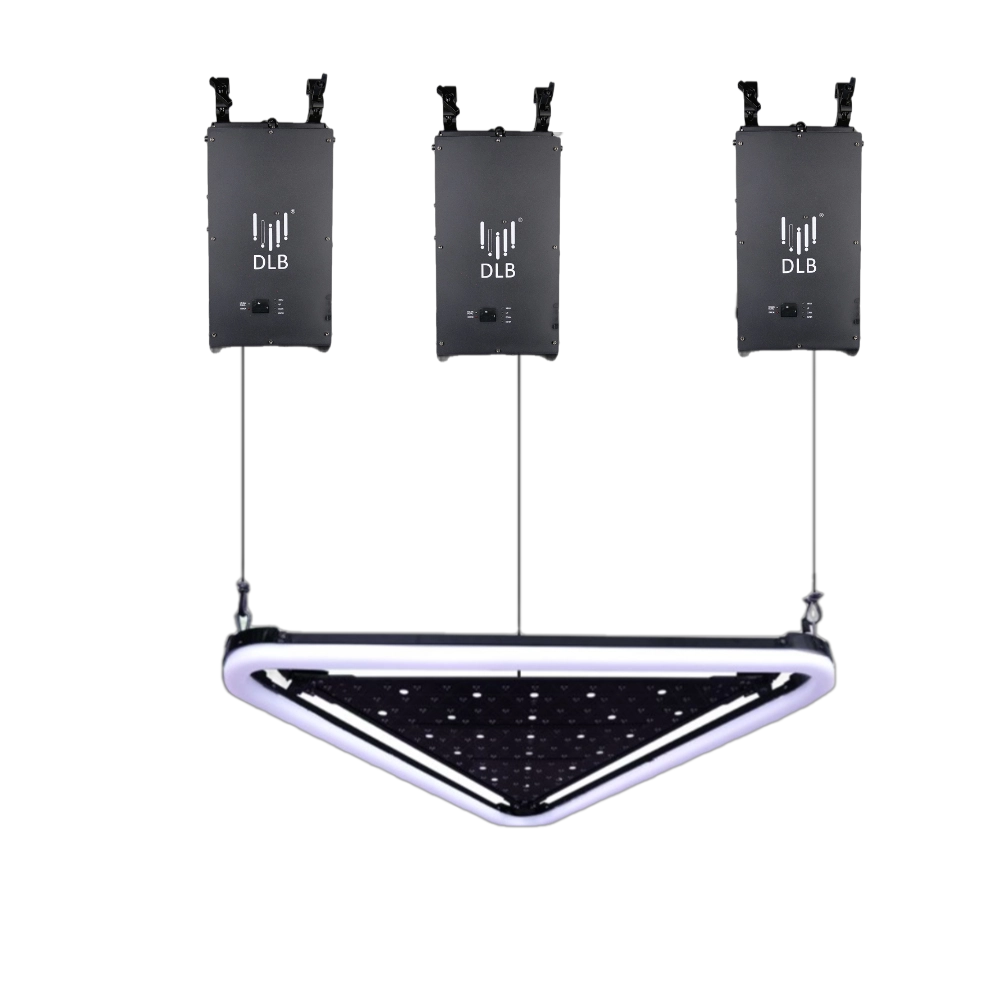
Kinetic Arc Panel——Ideal for a wide range of large-scale events: commercial spaces, TV shows, concerts, nightclubs, and various other settings.
FENG-YI’s Kinetic Arc Panel features dynamic kinetic light technology with kinetic triangle LED light panels, perfect for enhancing large-scale events like concerts, TV shows, nightclubs, and commercial spaces. Elevate your visual experience with innovative, high-impact lighting solutions.
Want to learn more about the latest updates?
Have questions or ready to illuminate your project? Reach out to our expert team today.
Rest assured that your privacy is important to us, and all information provided will be handled with the utmost confidentiality.
By clicking "Send your message," I agree to your processing my personal data.
To see how to withdraw your consent, how to control your personal data, and how we process it, please see our Privacy Policy and Terms of Use.

FENG-YI has been continuously innovating and has grown into a Kinetic Lights Manufacturer and solution provider with unique advantages.
Contact
+86 181 2785 5301
Address
Building 5, No. 34, Fuyuan Road, Jinghu IndustrialZone, Xinhua Town, Huadu District, Guangzhou, China.
© 2025 FENG-YI. All Rights Reserved.
Facebook
Instagram
YouTube
TikTok