










Choosing motors and actuators for kinetic lighting
This comprehensive guide explains how to choose motors and actuators for kinetic lighting installations. It covers motion requirements, motor and actuator types, control and feedback options, power and thermal considerations, installation best practices, maintenance, and a comparison table. The article includes practical advice for designers, integrators, and purchasers and introduces FENG-YI as a leading Kinetic Light solution provider.
- Choosing Motors and Actuators for Kinetic Lighting: an overview
- Why precise motion matters in kinetic lighting projects
- Define motion requirements before you buy motors for kinetic lighting
- Start with the use case and performance targets
- Compare motor types used in kinetic lighting
- Overview of common motor families and when to use them
- Motor vs actuator: choose the right motion component
- Quick comparison table: motors and actuators for kinetic lighting
- Specification summary to guide selection
- Selecting the right actuator type for Kinetic Light installations
- Rotary vs linear: match motion to the visual effect
- Feedback and control: ensure danceable accuracy for Kinetic Light
- Encoders, resolvers, and sensors matter
- Drive electronics and software integration
- Control architecture for synchronized kinetic lighting
- Power, thermal, and mechanical considerations
- Plan for energy, heat dissipation, and mechanical loads
- Noise, smoothness, and user experience
- Minimize audible noise and visible stepping
- Reliability, maintenance, and lifecycle costs for kinetic lighting hardware
- Plan maintenance strategies and spare parts
- Vendor selection and procurement for Kinetic Light projects
- How to select suppliers and specify contracts
- Practical integration tips and checklist for system designers
- Checklist to reduce integration risk
- How FENG-YI supports Kinetic Light projects
- Company strengths and how they fit motor and actuator decisions
- Kinetic Lighting products and core competencies at FENG-YI
- What FENG-YI provides and why it matters
- Estimated budgeting and procurement timelines
- Typical cost drivers and delivery considerations
- FAQ — Frequently Asked Questions about motors and actuators for kinetic lighting
- What motor type is best for smooth, quiet motion in galleries?
- Do I need absolute encoders for a kinetic lighting installation?
- How do I size a motor for a rotating sculpture with uneven loads?
- Can I use DMX to control motors directly?
- What maintenance is required for actuators in kinetic lighting?
- Contact FENG-YI or view our products
- Ready to start your Kinetic Light project?
- References and data sources
- Authoritative sources used for specifications and best practices
Choosing Motors and Actuators for Kinetic Lighting: an overview
Why precise motion matters in kinetic lighting projects
Kinetic lighting blends illumination with motion to produce dynamic visual effects for stages, installations, and experiential spaces. Choosing the right motors and actuators is central to reliable, expressive Kinetic Light designs. The motion hardware determines achievable speeds, positioning accuracy, smoothness, noise, energy consumption, and long-term reliability — all of which affect the final artistic outcome and operational cost.
Define motion requirements before you buy motors for kinetic lighting
Start with the use case and performance targets
Before selecting motors or actuators, quantify the project requirements: expected degrees of freedom (rotary, linear, pan/tilt), required range of travel, positioning accuracy (absolute or relative), maximum speed and acceleration, payload (mass and moment of inertia), duty cycle, ambient environment (indoor/outdoor, humidity, dust), noise limits, and safety constraints. For commercial and theatrical Kinetic Light installations, common targets include smooth continuous motion at low speeds (0.1–60 RPM for rotary elements), sub-degree positional repeatability for choreographed shows, and high duty cycles for daily performances.
Compare motor types used in kinetic lighting
Overview of common motor families and when to use them
The primary motor categories you'll encounter are stepper motors, servo motors (brushless DC and brushed DC), and AC gearmotors. Each has strengths and trade-offs for kinetic lighting:
- Stepper motors: low cost, simple control, good for open-loop positioning at low to moderate speeds. Better for simpler, cost-sensitive moving elements where microstepping can improve smoothness.
- Servo motors (BLDC/brushless or brushed DC with encoder): deliver high torque-to-weight, closed-loop accuracy, smooth motion across speed range, and fast dynamic response — ideal for high-precision choreographed Kinetic Light.
- AC motors / gearmotors: robust and cost-effective for slow, high-load rotary applications but often bulkier and less precise unless combined with encoders and advanced control.
Motor vs actuator: choose the right motion component
In many projects you will choose between selecting a motor (rotary) plus transmission (belts, gears, spindles) or an integrated actuator (linear, rotary actuator). Integrated actuators simplify mechanical design and often include built-in feedback and limits, lowering installation time and risk — desirable for commercial Kinetic Light installations that require predictable commissioning.
Quick comparison table: motors and actuators for kinetic lighting
Specification summary to guide selection
| Type | Typical Torque Range | Positioning Accuracy | Speed Range | Relative Cost | Best for Kinetic Lighting |
|---|---|---|---|---|---|
| Stepper (open-loop) | 0.05–5 N·m | 0.1°–1° (with microstepping) | 0–3000 RPM | Low | Low-cost articulations, simple moving elements |
| Brushless DC Servo (BLDC) | 0.01–10+ N·m | 0.01°–0.1° | 0–10,000 RPM | Medium–High | High-precision, continuous-smooth motion, complex choreography |
| Brushed DC with encoder | 0.1–20 N·m | 0.1°–0.5° | 0–6000 RPM | Medium | Cost-aware servo solutions, retrofit projects |
| AC gearmotor | 1–200 N·m | 1°–10° (unless closed-loop) | 0–1000 RPM | Low–Medium | Heavy payload, slow motion, scenic elements |
| Linear actuator (electric) | (force) 50–5000 N | 0.1 mm–1 mm | 0–200 mm/s | Medium | Linear lifts, telescopic arms, height adjustments |
Notes: ranges are indicative. For precise values consult manufacturers’ datasheets and perform a system-level motion simulation. Sources for typical ranges are listed at the end of the article.
Selecting the right actuator type for Kinetic Light installations
Rotary vs linear: match motion to the visual effect
Rotary actuators are the most common choice for kinetic lighting fixtures that rotate discs, rings, or arrays of luminaires. Linear actuators are chosen for lifts, sliding elements, or push/pull effects. Consider mechanical transmission: direct-drive motors (motor connected directly to moving part) offer the best smoothness and responsiveness, whereas gearboxes, belts, or lead screws change torque, speed, and backlash — choose based on desired responsiveness and acceptable tolerance for backlash.
Feedback and control: ensure danceable accuracy for Kinetic Light
Encoders, resolvers, and sensors matter
Closed-loop control with encoders (magnetic or optical) or resolvers provides position and velocity feedback, essential for repeatable choreography and safety. For theatrical and broadcast Kinetic Light shows where frame-perfect synchronization with music or visuals is required, absolute encoders allow systems to recover position after power cycles. For softer ambient installations, incremental encoders plus homing routines may suffice. Integrate limit switches and current monitoring to detect stalls and protect fixtures.
Drive electronics and software integration
Control architecture for synchronized kinetic lighting
Choose motor drivers that support the control modes you need (position, velocity, torque) and communication protocols compatible with your show controller (DMX512, Art-Net, sACN, Ethernet-based motion protocols, or custom serial interfaces). Many modern kinetic lighting systems use a higher-level show controller to send setpoints while motor controllers handle low-level loops. For commercial Kinetic Light projects, working with integrators experienced in Madrix and lighting control ecosystems can speed commissioning and ensure smooth visual integration.
Power, thermal, and mechanical considerations
Plan for energy, heat dissipation, and mechanical loads
Estimate peak and continuous power draws for motors and drives; include startup currents and regenerative energy if deceleration recovers energy. Thermal dissipation is critical in enclosed sculptures or lighting fixtures — excessive heat affects motor life and light output. Mechanically, account for dynamic loads (inertia during acceleration), wind or audience interaction (if exposed), and mounting stiffness. Over-engineer safety factors for point loads and fasteners; a loose coupling or underspecified bearing can convert a smooth design into a noisy or failing system.
Noise, smoothness, and user experience
Minimize audible noise and visible stepping
In galleries, theaters, and hospitality spaces, audible motor noise and micro-vibrations can break immersion. Brushless servos with closed-loop control provide the smoothest motion; microstepping and current-tuning improve stepper noise but may not match servo smoothness under variable load. Use compliant couplings and vibration-damping mounts to reduce transmitted noise and avoid resonance. Addressing smoothness at the motor, mechanical transmission, and software motion-profile levels yields the best results.
Reliability, maintenance, and lifecycle costs for kinetic lighting hardware
Plan maintenance strategies and spare parts
Kinetic lighting installations often operate for many hours per day. Choose motors and actuators with proven MTBF (mean time between failures) and ensure spare parts are available locally or from reliable distributors. Factor in routine maintenance: lubrication of gears and lead screws, encoder cleaning, cable integrity checks, and firmware updates. Consider remote diagnostics and modular replaceability to reduce downtime and service costs.
Vendor selection and procurement for Kinetic Light projects
How to select suppliers and specify contracts
Prefer suppliers who understand both motion control and lighting integration. Vendor capabilities to provide on-site commissioning, programming, and documentation are especially valuable when projects require synchronized choreography or compliance with venue safety codes. When procuring, specify acceptance tests (repeatability, noise, thermal behavior), warranty terms, and service-level agreements. For international projects, confirm shipping lead times, customs, and on-site technical support availability.
Practical integration tips and checklist for system designers
Checklist to reduce integration risk
- Define payload and inertia, then pick motor/gear ratio to achieve acceleration targets.
- Specify encoder type (absolute vs incremental) based on recovery needs.
- Simulate worst-case thermal scenarios for enclosed fixtures.
- Plan cable routing and use flexible, drag-rated cable for moving parts.
- Design modular mechanical mounts for quick replacement and tuning.
- Include safety interlocks and emergency stop logic tied to the show controller.
- Test full show sequences early to tune motion profiles and avoid resonances.
How FENG-YI supports Kinetic Light projects
Company strengths and how they fit motor and actuator decisions
Since its establishment in 2011, FENG-YI has been continuously innovating and has grown into a creative kinetic light manufacturing service provider with unique advantages. The company is committed to exploring new lighting effects, new technologies, new stage designs, and new experiences. Through professional Kinetic Light art solutions, we empower emerging performance spaces, support the development of new performance formats, and meet the diverse needs of different scenarios.
Located in Huadu District, Guangzhou, FENG-YI currently has 62 employees, including an 8-member professional design team and 20 highly experienced technical service staff. FENG-YI has become a High Quality user of Madrix software in mainland China, offering both on-site installation & programming as well as remote technical guidance services for Kinetic Light projects.
With a total area of 6,000㎡, FENG-YI owns China’s largest 300㎡ art installation exhibition area and operates 10 overseas offices worldwide. Our completed Kinetic Light projects have successfully reached over 90 countries and regions, covering television stations, commercial spaces, cultural tourism performances, and entertainment venues.
Today, FENG-YI is recognized as a leading kinetic lights scene solution provider in the industry, delivering innovative lighting experiences that integrate technology and creativity. When you select motors and actuators for Kinetic Light projects and partner with FENG-YI, you gain access to experienced motion designers, field technicians, and integration workflows tuned to deliver synchronized, reliable, and artistically compelling installations.
Kinetic Lighting products and core competencies at FENG-YI
What FENG-YI provides and why it matters
FENG-YI's core product portfolio emphasizes Kinetic Lighting fixtures and modular motion systems designed specifically for creative installations. Core competencies include:
- Custom motorized fixtures integrated with lighting control and Madrix programming for pixel-level effects.
- Turnkey solutions including mechanical design, motor/actuator selection, control electronics, and on-site commissioning.
- Remote and on-site technical support with experienced service teams to maintain uptime and perform upgrades.
FENG-YI’s combination of in-house design talent, a large testing exhibition area, and global offices makes the company well-suited for delivering projects that require careful motor and actuator selection, rigorous testing, and fast support during live operation.
Estimated budgeting and procurement timelines
Typical cost drivers and delivery considerations
Project budgets for kinetic lighting motion hardware vary widely: a single small rotary axis with a stepper and basic driver can cost under a few hundred USD, while a high-performance servo axis with encoder, custom gearbox, and integrated mounting can exceed several thousand USD. Budget drivers include motor and drive class, custom housings, sensors, cabling, and commissioning labor. Lead times for custom fixtures are often 4–12+ weeks; include contingency for long-lead components (encoders, custom cabling) in procurement schedules.
FAQ — Frequently Asked Questions about motors and actuators for kinetic lighting
What motor type is best for smooth, quiet motion in galleries?
Brushless DC servos with closed-loop control and high-resolution encoders generally provide the smoothest, quietest motion. If budget is constrained, microstepped steppers with proper current tuning and damping can be acceptable for low-speed effects.
Do I need absolute encoders for a kinetic lighting installation?
Absolute encoders are highly recommended when installations must recover exact positions after power loss without a homing routine — typical in broadcast, permanent installations, and venues where downtime is unacceptable.
How do I size a motor for a rotating sculpture with uneven loads?
Calculate the worst-case moment of inertia and required acceleration; add a safety factor (typically 1.5–2×) and account for gearbox inefficiencies. Run a brief motion simulation or consult with a motion control engineer to verify torque and motor heating under duty cycles.
Can I use DMX to control motors directly?
DMX is designed for lighting dimming and simple parameters and lacks deterministic motion control features. Use DMX or Art-Net as a high-level interface for show cues, but rely on dedicated motion controllers/drivers to handle real-time motor control and safety interlocks.
What maintenance is required for actuators in kinetic lighting?
Routine checks include mechanical fastener tightness, lubrication of bearings or lead screws as specified, encoder and cable inspection, firmware updates, and periodic performance tests under load. Establish a simple preventative maintenance schedule aligned with show frequency.
Contact FENG-YI or view our products
Ready to start your Kinetic Light project?
If you need help selecting motors, actuators, or end-to-end Kinetic Light solutions, contact FENG-YI for consultation, prototyping, and on-site commissioning. Our teams provide both product offerings and technical services — from motor selection and mechanical design to Madrix programming and remote support. To discuss a project, request a quote, or arrange a site visit to our 300㎡ exhibition area, please contact our sales & support team.
References and data sources
Authoritative sources used for specifications and best practices
- Maxon Motor — motor and encoder datasheets and application notes (Maxon Motor documentation)
- Kollmorgen — motion control whitepapers and servo selection guides (Kollmorgen application notes)
- Thomson/SMC — linear actuator catalogs and sizing guides (manufacturer specification documents)
- NEMA standards and technical references for stepper motors and mounts
- Madrix documentation — professional lighting control software capabilities and integration practices
- Industry whitepapers on motor noise, thermal management, and MTBF (manufacturer technical notes)
Note: Specific numeric ranges in the article are indicative and derived from the combined referenced manufacturer datasheets and industry application notes. For project-critical dimensioning, consult the exact datasheets of candidate motors/actuators and perform system-level validation.
Tags
kinetic light exhibit for events
kinetic light exhibit for events
kinetic pendant light
kinetic pendant light
kinetic led line lights
kinetic led line lights
kinetic retail lighting display
kinetic retail lighting display
motorized kinetic light sculpture
motorized kinetic light sculpture
programmable kinetic lighting system
programmable kinetic lighting system
Recommended for you
Top kinetic lights Manufacturers and Suppliers in 2026
Case studies: memorable kinetic light installations
Waterproof Profile Light LED Strip Compatibility Guide
How Kinetic Arc Light Works: Mechanism & Design
Prdoucts Categories
Question you may concern
Wedding & Parties Lighting Solutions
What about after-sales support and training?
On-site training + remote technical support, spare parts availability, and annual inspections. Service Level Agreements (SLAs) for maintenance services are available.
Logistics Services
Can urgent orders (e.g., customers need the lights the next day) be arranged for expedited shipment?
Expedited shipment is supported for urgent orders: For standard models (e.g., conventional PAR lights, 7-lamp 60W wash lights), if stock is sufficient, SF Express/JD Air Freight can be arranged on the same day (freight is borne by the customer; e.g., the air freight for 10 conventional lights is approximately 200-300 RMB), with next-day delivery. For standard models out of stock, expedited production can be arranged (shipment within 3 days), and an expedited fee (10%-15% of the order amount) will be charged. Specific details to be confirmed with the account manager.
What logistics method is used by default for products? What is the delivery time for different regions in China?
Dedicated line logistics (e.g., Anneng, Best Express) is used by default. Express delivery (e.g., SF Express, JD Express) or full-truck transportation can also be arranged according to customer needs. Delivery time:
▪ East China/South China/Central China: 3-5 days.
▪ North China/Southwest China: 5-7 days.
▪ Northeast China/Northwest China: 7-10 days.
▪ Remote areas (e.g., Xinjiang, Tibet): 10-15 days, with an additional remote area freight charge (calculated by weight, specific details to be confirmed with the logistics department).
Nightclub Lighting
Do you offer pre-programmed services?
Yes, we can pre-set multiple "lighting scenes" (e.g., welcome mode, performance mode, climax mode, and clearing mode) for you. You can switch between them at will, allowing you to see how the lighting changes dynamically with the music and business hours, creating a truly immersive experience.
You may also like
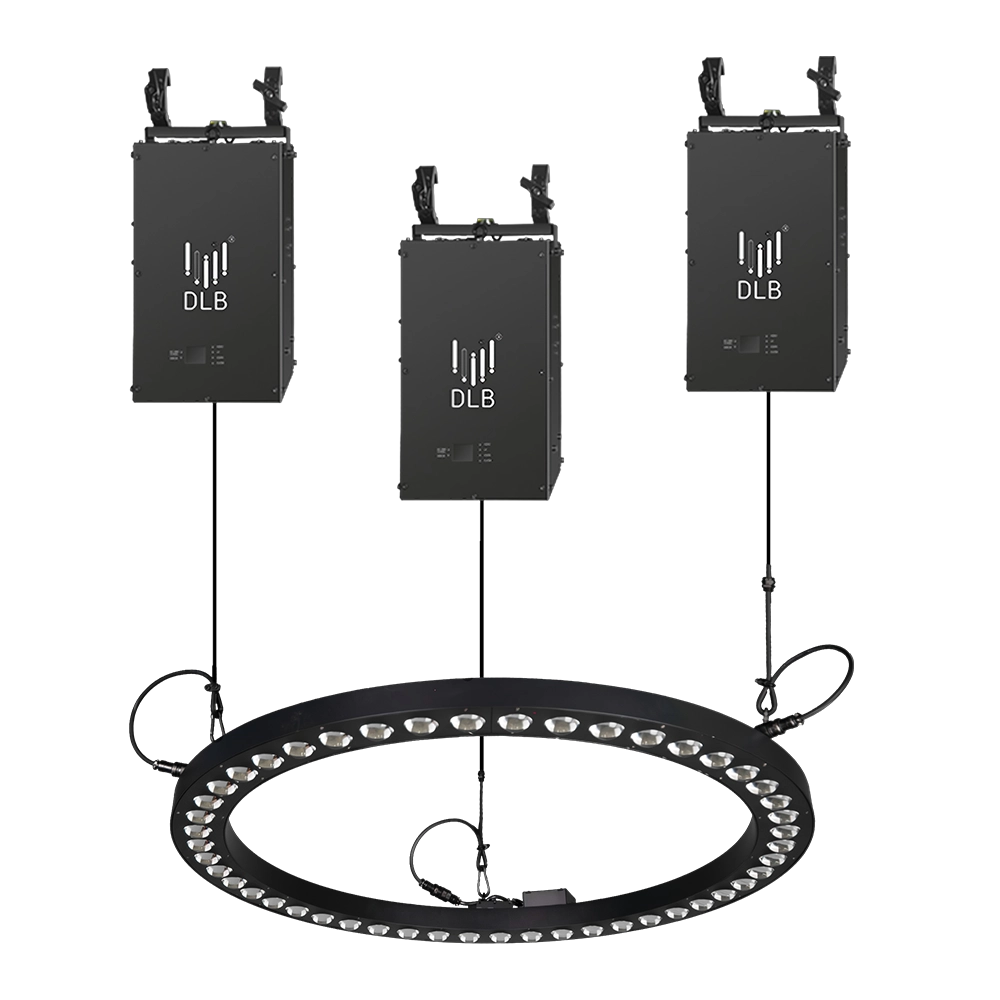
Kinetic Halo Ring——Ideal for a wide range of large-scale events: commercial spaces, TV shows, concerts, nightclubs, and various other settings.
Experience dynamic illumination with the FENG-YI Kinetic Halo Ring. This versatile kinetic light is perfect for large-scale events—commercial spaces, TV shows, concerts, and nightclubs—delivering stunning kinetic ring light effects that captivate every audience.
Kinetic Arc Light——Ideal for a wide range of large-scale events: commercial spaces, TV shows, concerts, nightclubs, and various other settings.
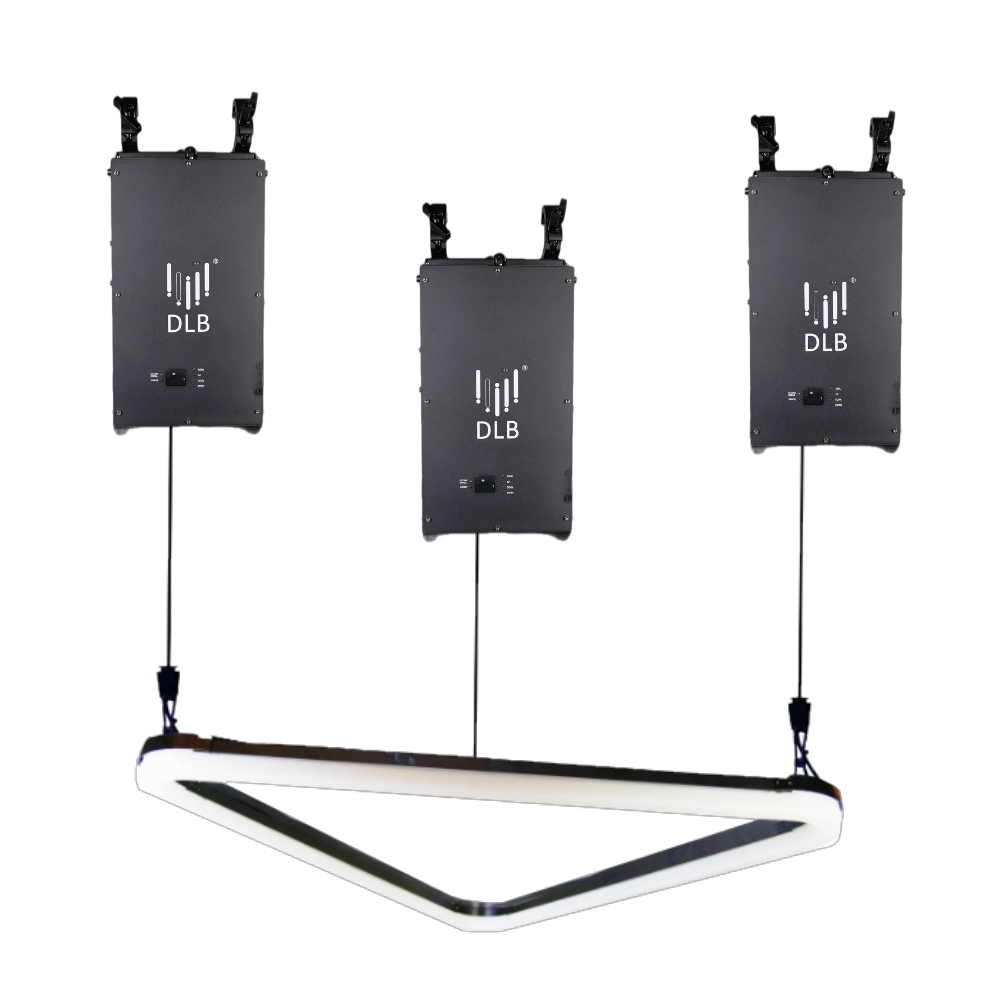
FENG-YI’s Kinetic Arc Light is a kinetic triangle LED light panel designed for large-scale events. Perfect for commercial spaces, TV shows, concerts, and nightclubs, it delivers dynamic lighting effects that captivate audiences and elevate any setting. Ideal kinetic light solution.
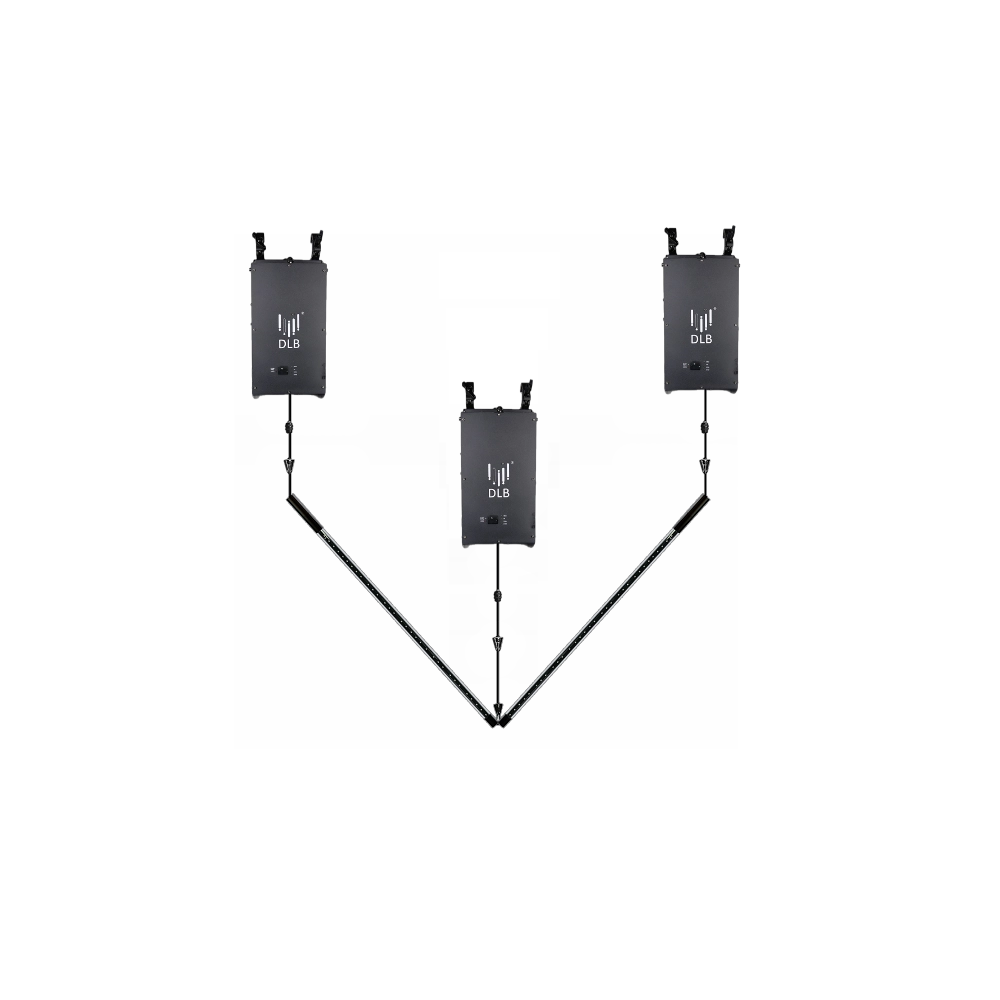
Kinetic Double Rod——Ideal for a wide range of large-scale events: commercial spaces, TV shows, concerts, nightclubs, and various other settings.
FENG-YI’s Kinetic Double Rod delivers dynamic kinetic light effects ideal for large-scale events—from concerts and nightclubs to TV shows and commercial spaces. Elevate your setup with this versatile kinetic light rod, designed for stunning visual impact and seamless integration.
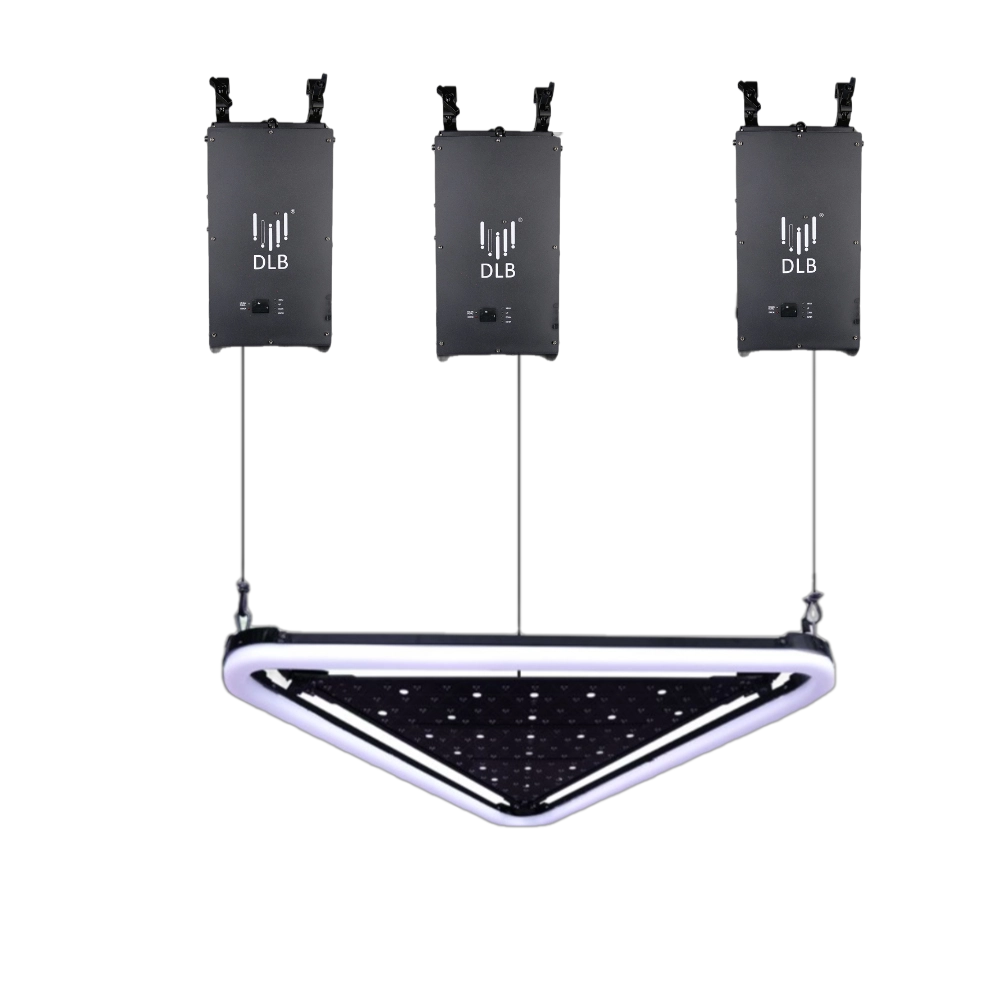
Kinetic Arc Panel——Ideal for a wide range of large-scale events: commercial spaces, TV shows, concerts, nightclubs, and various other settings.
FENG-YI’s Kinetic Arc Panel features dynamic kinetic light technology with kinetic triangle LED light panels, perfect for enhancing large-scale events like concerts, TV shows, nightclubs, and commercial spaces. Elevate your visual experience with innovative, high-impact lighting solutions.
Want to learn more about the latest updates?
Have questions or ready to illuminate your project? Reach out to our expert team today.
Rest assured that your privacy is important to us, and all information provided will be handled with the utmost confidentiality.
By clicking "Send your message," I agree to your processing my personal data.
To see how to withdraw your consent, how to control your personal data, and how we process it, please see our Privacy Policy and Terms of Use.

FENG-YI has been continuously innovating and has grown into a Kinetic Lights Manufacturer and solution provider with unique advantages.
Contact
+86 181 2785 5301
Address
Building 5, No. 34, Fuyuan Road, Jinghu IndustrialZone, Xinhua Town, Huadu District, Guangzhou, China.
© 2025 FENG-YI. All Rights Reserved.
Facebook
Instagram
YouTube
TikTok