










Case studies: memorable kinetic light installations
Explore memorable kinetic lights installations—how they were designed, technical challenges, audience impact, and lessons for venues and brands. Includes detailed case studies (Kinetic Rain, The Bay Lights), a comparison table, and how FENG-YI’s kinetic lighting solutions support creative, scalable installations.
- Case studies: memorable kinetic light installations
- The rise of kinetic lights: why dynamic installations matter
- Defining KPI-driven goals for kinetic lights projects
- Kinetic Rain (Changi Airport) — a benchmark in commercial kinetic lights
- The Bay Lights (San Francisco) — algorithmic sequences and urban storytelling
- Comparing memorable kinetic lights installations: scope, tech, and outcomes
- Design and technical considerations when specifying kinetic lights
- Operational ROI: measuring the value of kinetic lights
- Why choose a specialist provider for kinetic lights projects
- FENG-YI: specialist capabilities in kinetic lights scene solutions
- FENG-YI’s product focus and competitive strengths in kinetic lighting
- Procurement checklist: commissioning kinetic lights with
- FAQ — Kinetic lights (common questions answered)
- Q: What are kinetic lights and how do they differ from conventional lighting?
- Q: Are kinetic lights suitable for outdoor installations?
- Q: How much do kinetic lights installations cost?
- Q: How do I measure success after installation?
- Q: What control systems are recommended for kinetic lights?
- Contact & next steps — see kinetic lights products and get support
- Sources and references
Case studies: memorable kinetic light installations
The rise of kinetic lights: why dynamic installations matter
Kinetic lights—installations that combine motion, programmable luminaires, and often mechanical elements—are reshaping public spaces, retail environments, museums, and entertainment stages. Audiences respond to movement; motion creates temporal narratives and a stronger emotional bond than static lighting. For owners and producers, kinetic light installations improve visitor engagement, extend dwell time, and create highly shareable moments that raise brand visibility. This article presents real-world case studies, technical and creative lessons, and practical guidance for commissioning and operating kinetic lights in commercial and cultural settings.
Defining KPI-driven goals for kinetic lights projects
Before reviewing case studies, clarify and measurable goals: brand awareness (social impressions), visitor dwell time, ticket sales uplift, wayfinding clarity, or broadcast/TV impact. Identifying KPIs early guides scale, motion complexity, control architecture, and maintenance budgets. For venues considering kinetic lights, typical KPIs include:
- Visitor dwell time change (%)
- Social media reach/engagement tied to the installation
- System uptime (%) over 12 months
- Operational maintenance hours per month
Setting targets helps vendors propose robust solutions that align artistic ambition with operational reality.
Kinetic Rain (Changi Airport) — a benchmark in commercial kinetic lights
Case summary: Kinetic Rain in Singapore’s Changi Airport Terminal 1 is often cited as a benchmark in large-scale kinetic light sculpture. It features hundreds of moving elements forming changing silhouettes and narratives above a public atrium. The artwork succeeds because it combines mechanical choreography, silent motion, and controlled lighting to create emotive scenes without intrusive noise or obstruction.
Key takeaways:
- Integration: mechanical motion and lighting control must be designed together; motion timing drives perceived light rhythm.
- Reliability: airport installations require redundancy, easy access for maintenance, and fail-safe motion profiles to avoid safety risks.
- User experience: subtle motion with slow transformations works better for high-traffic, transit-oriented environments than high-speed effects.
Sources documenting Kinetic Rain’s design and reception include official Changi Airport communications and industry coverage that discuss its technical and experiential impact.
The Bay Lights (San Francisco) — algorithmic sequences and urban storytelling
Case summary: Leo Villareal’s The Bay Lights transformed the western span of the San Francisco Bay Bridge into a 1.8-mile-long, algorithmically driven light sculpture. While the installation uses LED nodes (not mechanically moving parts), it exemplifies how kinetic lights—understood more broadly as time-based, dynamic light—can become an urban landmark and a platform for narrative programming.
Key takeaways:
- Scale & visibility: algorithmic kinetic sequences can be designed for very large canvases using distributed control and redundancy.
- Storytelling: generative programming enables unique sequences tied to events, seasons, or collaborations with artists.
- Operational model: long-term installations require a maintenance partner, remote monitoring, and clear governance for scheduling sequences.
Sources include project documentation, press coverage, and artist statements describing the project’s technical and civic objectives.
Comparing memorable kinetic lights installations: scope, tech, and outcomes
Below is a concise comparison of the two high-profile projects and typical commercial goals to help buyers consider trade-offs. Data summarizes public reports and industry sources.
| Project | Primary technology | Scale | Operational considerations | Business outcome |
|---|---|---|---|---|
| Kinetic Rain (Changi) | Motorized moving elements + integrated lighting | Hundreds of moving droplets over an atrium | Periodic mechanical maintenance, quiet drives, safety inspections | Strong brand differentiation for the airport; high visitor recall |
| The Bay Lights (San Francisco) | LED nodes + generative control (no mechanical motion) | 1.8 miles of bridge span | Remote monitoring, weatherproofing, high-power LED management | Iconic civic artwork; significant media coverage and tourism draw |
Sources for table data are industry reports, official project pages, and artist documentation (listed at the article end).
Design and technical considerations when specifying kinetic lights
Architects, lighting designers, and venue managers must balance artistry with practicality. Key decisions include:
- Motion type: mechanical (moving parts) vs. perceptual motion (LED animation). Each has different engineering, redundancy, and maintenance profiles.
- Control system: choose robust show-control platforms (e.g., MADRIX, DMX over Ethernet, Art-Net, sACN) with adequate channel capacity.
- Maintenance access: design installations for safe, rapid access (modular components, quick-swap motors/drivers).
- Safety & codes: ensure structural supports, electrical safety, and public-safety compliance in the relevant jurisdiction.
- Content strategy: allocate budget for content creation (programming), recurring updates, and seasonal variations to sustain public interest.
These considerations tie directly to commercial outcomes—higher uptime and programmable flexibility translate to better ROI and lower long-term costs.
Operational ROI: measuring the value of kinetic lights
Quantifying return on investment depends on project goals. Example measurable benefits include:
- Increased dwell time (retail/entertainment): biometric or observational studies can show +10–30% dwell time near a compelling installation.
- Media value: iconic kinetic lights projects generate earned media and social shares that reduce advertising spend.
- Sponsorship & partnerships: programmable shows can be monetized via sponsor-driven content (events, product launches).
Collect baseline metrics before installation (visitor counts, average dwell time, social mentions) to demonstrate uplift after commissioning the kinetic lights.
Why choose a specialist provider for kinetic lights projects
Delivering memorable kinetic lights requires integrated expertise: mechanical engineering, lighting control, software programming, artistic direction, and on-site commissioning. A specialist provider reduces fragmentation risks (mismatched sub-systems, unclear warranties, or unsupported software). Commercially oriented suppliers also provide lifecycle services—installation, remote support, spare-parts supply, and content updates—that protect the investment and ensure consistent visitor experiences.
FENG-YI: specialist capabilities in kinetic lights scene solutions
Since its establishment in 2011, FENG-YI has been continuously innovating and has grown into a creative kinetic light manufacturing service provider with unique advantages. The company is committed to exploring new lighting effects, new technologies, new stage designs, and new experiences. Through professional kinetic light art solutions, we empower emerging performance spaces, support the development of new performance formats, and meet the diverse needs of different scenarios.
Located in Huadu District, Guangzhou, the company currently has 62 employees, including an 8-member professional design team and 20 highly experienced technical service staff. FENG-YI has become a High Quality user of MADRIX software in mainland China, offering both on-site installation & programming as well as remote technical guidance services for kinetic light projects.
With a total area of 6,000㎡, FENG-YI owns China’s largest 300㎡ art installation exhibition area and operates 10 overseas offices worldwide. Our completed kinetic light projects have successfully reached over 90 countries and regions, covering television stations, commercial spaces, cultural tourism performances, and entertainment venues.
Today, FENG-YI is recognized as a leading kinetic lights scene solution provider in the industry, delivering innovative lighting experiences that integrate technology and creativity.
FENG-YI’s product focus and competitive strengths in kinetic lighting
FENG-YI’s core offerings include modular motorized units, DMX/Art-Net-enabled LED fixtures, custom controllers pre-integrated with MADRIX, and turnkey installation & programming services. Key competitive strengths:
- Integrated design team: close collaboration between creative designers and engineers to reduce change orders and deliver to schedule.
- MADRIX expertise: deep knowledge of a leading pixel-control platform for fast programming and flexible content playback.
- Exhibition & testing facilities: a dedicated 300㎡ gallery for prototyping and client demonstrations, enabling risk reduction before deployment.
- Global service network: overseas offices and remote support capabilities for international projects and long-term maintenance.
For venues and producers seeking a partner that can deliver both artistic vision and reliable technical operations, an established kinetic lights specialist like FENG-YI provides a lower-risk path from concept to sustained operation.
Procurement checklist: commissioning kinetic lights with
Use this short checklist when preparing an RFP or request for proposal:
- Define KPIs and expected lifespan (temporary vs. permanent).
- Request total-cost-of-ownership (TCO) estimates including maintenance, spare parts, and software licensing.
- Verify vendor control-system compatibility (MADRIX, sACN, Art-Net, etc.).
- Ask for a commissioning and training plan for in-house staff and remote diagnostics.
- Require warranty and SLA terms tied to uptime and response times.
FAQ — Kinetic lights (common questions answered)
Q: What are kinetic lights and how do they differ from conventional lighting?
A: Kinetic lights are systems that incorporate motion (mechanical movement or time-based LED animation) as a core expressive element. Unlike static lighting, kinetic installations tell a temporal story—through movement, choreography, or changing patterns—creating dynamic environments rather than fixed illumination.
Q: Are kinetic lights suitable for outdoor installations?
A: Yes. Outdoor kinetic lights are common, but they require weatherproofing, robust materials, corrosion-resistant mechanics, and specialized thermal management for LEDs. Remote monitoring and redundant controls are recommended for large outdoor projects.
Q: How much do kinetic lights installations cost?
A: Costs vary widely depending on scale, mechanical complexity, and content needs. Small indoor kinetic light features might start in the low five-figure range (USD), while large civic or airport-scale installations can reach six- to seven-figure budgets. Include lifecycle costs—maintenance, spare parts, and programming—when budgeting.
Q: How do I measure success after installation?
A: Measure against pre-defined KPIs such as changes in visitor numbers, dwell time, social media mentions, ticket sales, and system uptime. Use before-and-after studies and, where possible, analytics (Wi-Fi footfall, camera-based dwell metrics, or POS data) to quantify impact.
Q: What control systems are recommended for kinetic lights?
A: Common control systems include MADRIX for pixel mapping, Art-Net or sACN for networked DMX, and bespoke show-control systems for synchronized motion and audio. Choose platforms offering remote diagnostics and an active support community.
Contact & next steps — see kinetic lights products and get support
If you’re planning a new kinetic lights installation or want to explore prototypes and demonstrations, contact FENG-YI for a consultation. We offer on-site installation, programming, and remote technical guidance. Request a meeting to review your KPIs and receive a tailored proposal and site-read plan.
To get started: reach out to FENG-YI’s sales team to schedule a demo in our 300㎡ exhibition area or request a remote presentation of MADRIX-driven control workflows and sample motion scripts.
Sources and references
- Changi Airport official project communications and press materials on Kinetic Rain (publicly reported).
- Wikipedia — The Bay Lights; Leo Villareal official project documentation and press releases.
- MADRIX — product information and use cases (vendor documentation).
- Industry coverage and design publications on kinetic art and architectural lighting (trade journals, 2010–2023 reports).
Author: This article was prepared by an experienced lighting industry writer with practical project experience in kinetic lights design, specifying control systems, and evaluating vendor capabilities. If you need a tailored project assessment or an RFP template, contact FENG-YI for a practical consultation and on-site demonstration.
Tags
kinetic light exhibit for events
kinetic light exhibit for events
interactive kinetic light art
interactive kinetic light art
stage light
stage light
kinetic triangle moving led light panel
kinetic triangle moving led light panel
kinetic pendant light
kinetic pendant light
kinetic triangle modular led light panels
kinetic triangle modular led light panels
Recommended for you
What are kinetic lights and how do they work?
Kinetic lighting vs static lighting: pros and cons
Smart kinetic lighting systems: integration guide
Interactive kinetic light art: techniques and tools
Prdoucts Categories
Question you may concern
Wedding & Parties Lighting Solutions
Are there minimum requirements for venue ceiling height and load capacity?
We recommend a clear height of ≥6–8 m (higher may be required for choreography needs). Load capacity is calculated based on point load plus safety factor. We provide structural calculations and suspension point recommendations.
Logistics Services
Can on-site installation services be provided? How is the installation fee calculated?
On-site installation services are supported, and the fee is calculated based on the installation difficulty and region:
▪ Regular installation (e.g., bar PAR lights, front lights in small studios): 50-100 RMB/unit in prefecture-level cities and above, 80-150 RMB/unit in county-level regions.
▪ Large-scale installation (e.g., elevating lights in stadiums, moving head light groups for music festivals): Quoted based on the overall project (including travel expenses of installers and tool usage fees). Specific details require providing the installation site floor plan and the number of lights, and the engineering team will formulate a plan before quoting.
Wholesale Cooperation
What is the restocking cycle for wholesale customers? Can production be prioritized?
The restocking cycle for standard models is 3-7 days (same-day shipment if stock is sufficient), and the restocking cycle for customized models is the same as the initial customization cycle (15-45 days). For annual cooperative customers (with an annual purchase amount of ≥ 500,000 RMB), a "priority restocking agreement" can be signed, and 10%-15% of safety stock will be reserved to ensure emergency restocking needs are met within 3 days.
What is the MOQ for wholesale cooperation? Is there a tiered pricing policy?
MOQ for wholesale: ≥ 10 units for a single model of conventional lights, and ≥ 5 units for a single model of elevating lights/moving head lights. Tiered pricing is supported: Taking conventional PAR lights as an example, a 5% discount is offered for 10-50 units, a 10% discount for 51-100 units, and a 15% discount for over 100 units. Specific quotations can be negotiated with the account manager based on the cooperation scale (e.g., annual purchase volume).
You may also like
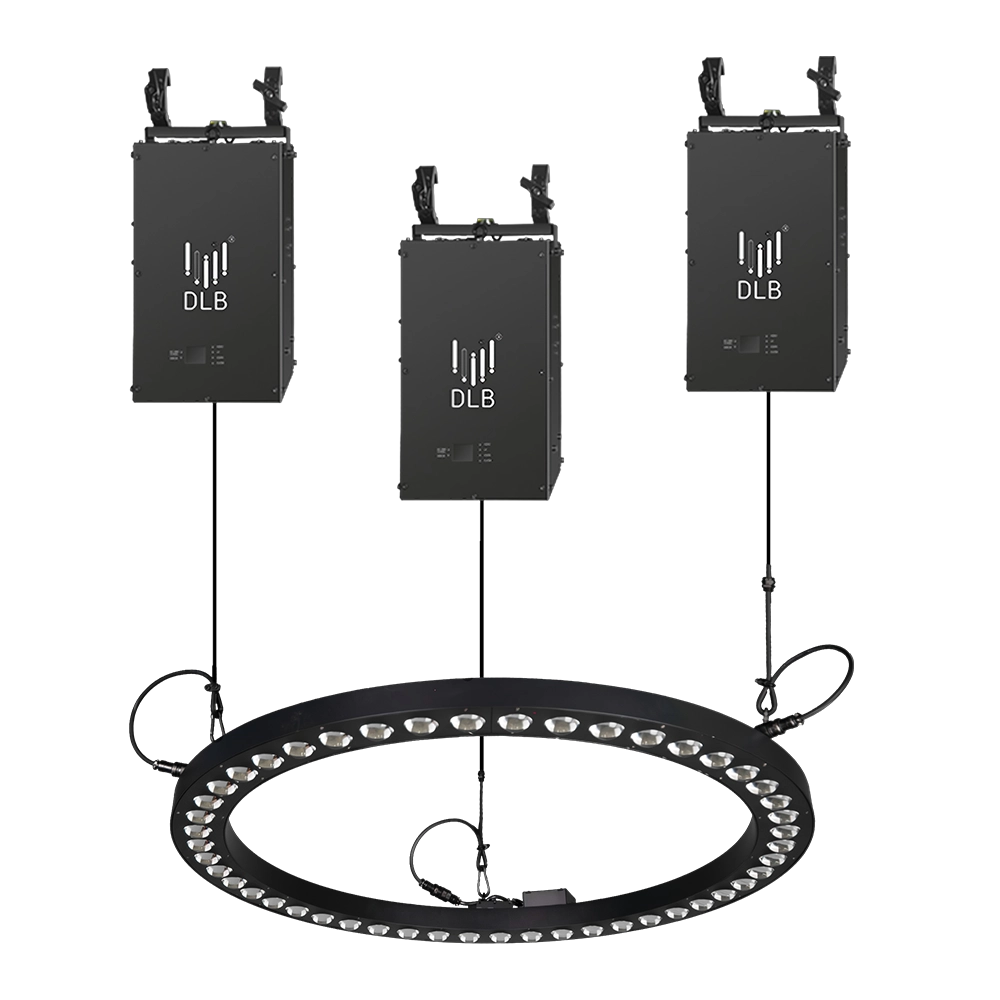
Kinetic Halo Ring——Ideal for a wide range of large-scale events: commercial spaces, TV shows, concerts, nightclubs, and various other settings.
Experience dynamic illumination with the FENG-YI Kinetic Halo Ring. This versatile kinetic light is perfect for large-scale events—commercial spaces, TV shows, concerts, and nightclubs—delivering stunning kinetic ring light effects that captivate every audience.
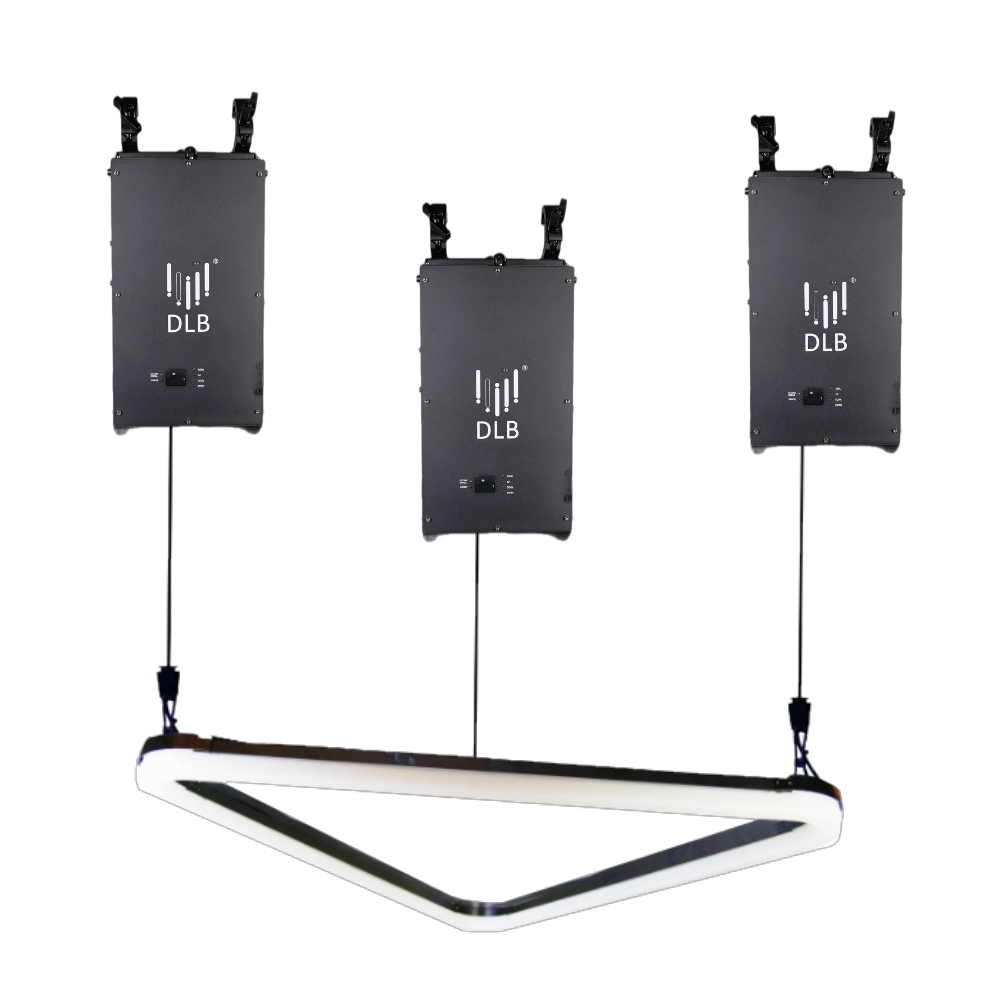
Kinetic Arc Light——Ideal for a wide range of large-scale events: commercial spaces, TV shows, concerts, nightclubs, and various other settings.
FENG-YI’s Kinetic Arc Light is a kinetic triangle LED light panel designed for large-scale events. Perfect for commercial spaces, TV shows, concerts, and nightclubs, it delivers dynamic lighting effects that captivate audiences and elevate any setting. Ideal kinetic light solution.
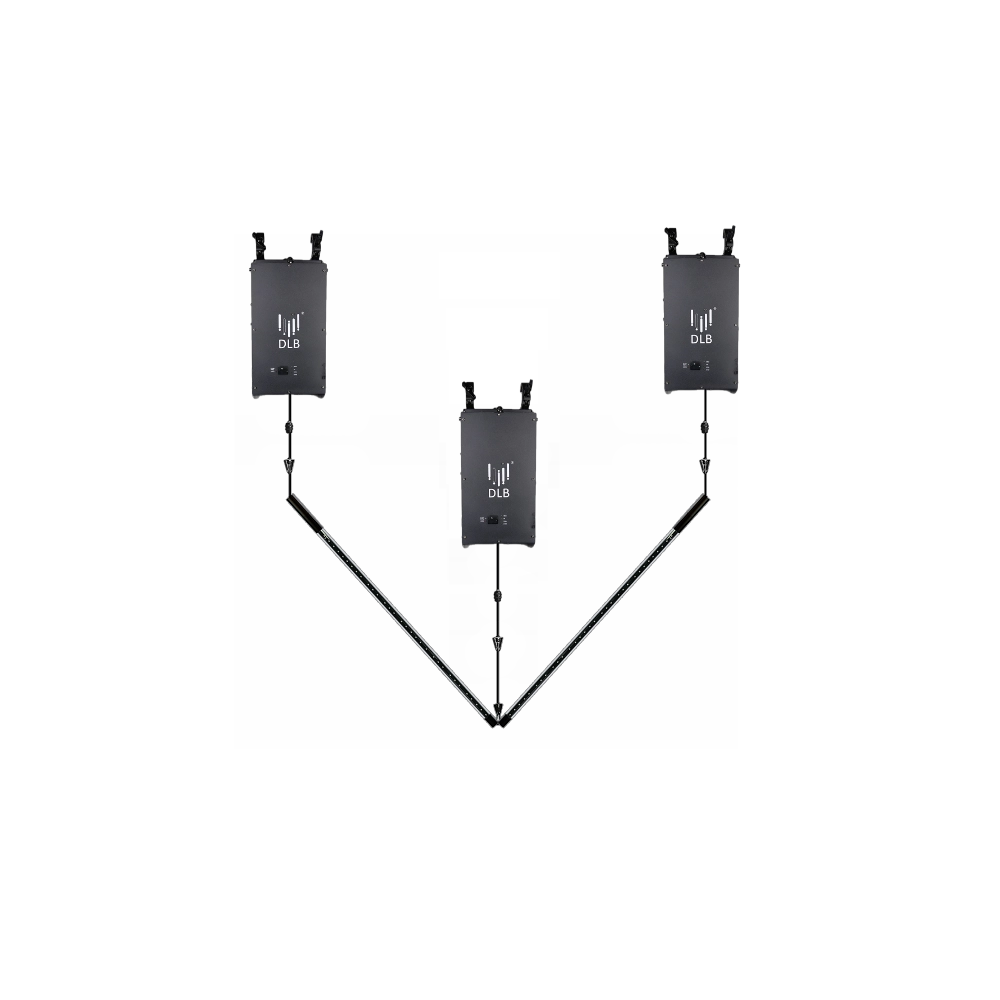
Kinetic Double Rod——Ideal for a wide range of large-scale events: commercial spaces, TV shows, concerts, nightclubs, and various other settings.
FENG-YI’s Kinetic Double Rod delivers dynamic kinetic light effects ideal for large-scale events—from concerts and nightclubs to TV shows and commercial spaces. Elevate your setup with this versatile kinetic light rod, designed for stunning visual impact and seamless integration.
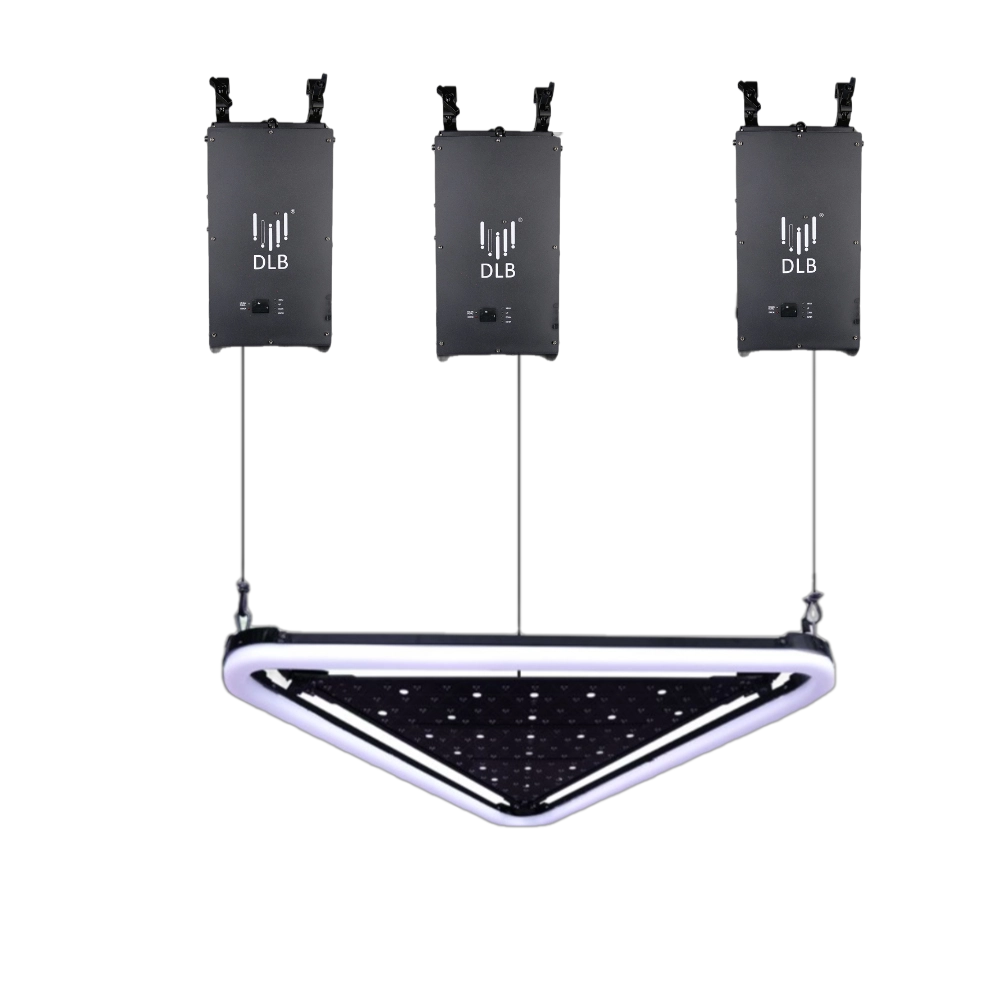
Kinetic Arc Panel——Ideal for a wide range of large-scale events: commercial spaces, TV shows, concerts, nightclubs, and various other settings.
FENG-YI’s Kinetic Arc Panel features dynamic kinetic light technology with kinetic triangle LED light panels, perfect for enhancing large-scale events like concerts, TV shows, nightclubs, and commercial spaces. Elevate your visual experience with innovative, high-impact lighting solutions.
Want to learn more about the latest updates?
Have questions or ready to illuminate your project? Reach out to our expert team today.
Rest assured that your privacy is important to us, and all information provided will be handled with the utmost confidentiality.
By clicking "Send your message," I agree to your processing my personal data.
To see how to withdraw your consent, how to control your personal data, and how we process it, please see our Privacy Policy and Terms of Use.

FENG-YI has been continuously innovating and has grown into a Kinetic Lights Manufacturer and solution provider with unique advantages.
Contact
+86 181 2785 5301
Address
Building 5, No. 34, Fuyuan Road, Jinghu IndustrialZone, Xinhua Town, Huadu District, Guangzhou, China.
© 2025 FENG-YI. All Rights Reserved.
Facebook
Instagram
YouTube
TikTok