










Best kinetic lighting installations in public art
A practical guide to the world’s most influential kinetic lighting public artworks, why they matter, technical and design considerations, and how to choose a partner for large-scale kinetic lighting projects. Includes case studies and FENG-YI’s capabilities in delivering professional kinetic lighting solutions.
- Best Kinetic Lighting Installations in Public Art
- Why kinetic lighting transforms public art
- How we define kinetic lighting for public installations
- Top public kinetic lighting installations and what they teach us
- Kinetic Rain (Changi Airport) — ART+COM: sophistication in suspended kinetic lighting
- The Bay Lights (San Francisco) — Leo Villareal: algorithmic lighting at scale
- Pulse Room (Rafael Lozano-Hemmer): interactive, human-driven kinetic lighting
- Crown Fountain (Chicago) — Jaume Plensa: video, water, and programmable light
- Comparative table: notable kinetic lighting public artworks
- Design and technical considerations for successful kinetic lighting projects
- 1) Defining experience goals and KPIs — what should the installation achieve?
- 2) Choosing between physical motion and light-motion (or hybrid)
- 3) Control architecture and content pipeline
- 4) Durability, safety, and accessibility
- Operations, maintenance, and lifecycle planning
- Routine and preventive maintenance
- Software updates, content refresh, and security
- How to choose a kinetic lighting partner
- Credentials and multidisciplinary experience
- Procurement tips
- Why FENG-YI is positioned to deliver High Quality kinetic lighting solutions
- Company snapshot and core advantages
- Scale, team, and software expertise
- Facilities, global reach, and project experience
- Core products and differentiators
- Budgeting and procurement: practical guidance
- Estimating cost components in kinetic lighting projects
- FAQ — Common questions about kinetic lighting in public art
- Q: What distinguishes kinetic lighting from regular architectural lighting?
- Q: How long do kinetic lighting installations last?
- Q: Are kinetic lighting installations energy-intensive?
- Q: Can kinetic lighting be interactive and ADA-accessible?
- Q: How do I select between an artistic studio and a systems integrator?
- Contact and next steps — get a kinetic lighting proposal
- References
- FAQ — Contact & product support
Best Kinetic Lighting Installations in Public Art
Why kinetic lighting transforms public art
Kinetic lighting combines movement, light, and control systems to create dynamic public artworks that respond to environment, time, and people. Unlike static monuments, kinetic lighting installations invite continuous discovery — viewers experience changing patterns, reflections, and narratives over minutes, hours, or seasons. For city planners, museums, and commercial venues, kinetic lighting is an effective tool to increase dwell time, reinforce branding, and create memorable civic moments.
How we define kinetic lighting for public installations
For clarity, this article uses kinetic lighting to describe public artworks where motion (either physical movement of elements or time-based light choreography) is an essential part of the aesthetic or interaction. That includes suspended moving sculptures with integrated LEDs, façade systems with shifting light patterns, and interactive light arrays that change in response to human input. The distinction matters because design, control, and maintenance strategies differ between physical-kinetic and purely pixel-based (LED-only) systems.
Top public kinetic lighting installations and what they teach us
Kinetic Rain (Changi Airport) — ART+COM: sophistication in suspended kinetic lighting
Why it matters: Kinetic Rain (Changi Airport, Terminal 1) is an iconic suspended kinetic sculpture that integrates motion and lighting to produce poetic sequences. The installation uses hundreds of modular droplets that move on cables, choreographed with subtle light to create spatial narratives that are visible from multiple vantage points. For public venues, Kinetic Rain demonstrates how kinetic lighting can be both contemplative and brand-defining.
The Bay Lights (San Francisco) — Leo Villareal: algorithmic lighting at scale
Why it matters: The Bay Lights (originally installed 2013) envelopes a large infrastructure element — the Bay Bridge — with algorithmically generated LED animations. Although largely a light-based (rather than physically moving) work, its scale and algorithmic motion place it within the kinetic lighting conversation. It shows how pixel-mapped lighting and dynamic sequences transform architecture into a canvas for public storytelling.
Pulse Room (Rafael Lozano-Hemmer): interactive, human-driven kinetic lighting
Why it matters: Pulse Room invites visitors to leave a biometric imprint — a heartbeat captured and converted into a rhythmic light. While the installation does not move physically, the human-triggered timing and ephemeral presence make the work kinetic in experience. This case highlights the power of interactivity and the need for robust input sensors, fail-safe controls, and privacy-aware system design.
Crown Fountain (Chicago) — Jaume Plensa: video, water, and programmable light
Why it matters: Crown Fountain combines LED video, water features, and dynamic timing in a public plaza. The interplay between light and movement (of water and projected faces) demonstrates how multi-modal installations can create strong community attractions. For practitioners, Crown Fountain emphasizes the importance of materials selection, outdoor-rated displays, and integration between mechanical elements and pixel-based lighting.
Comparative table: notable kinetic lighting public artworks
| Installation | Year | Location | Artist / Studio | Type | Scale / Key tech |
|---|---|---|---|---|---|
| Kinetic Rain | 2012 | Changi Airport, Singapore | ART+COM | Suspended kinetic sculpture + lighting | 1,216 moving droplets; cable-actuated motors; integrated LEDs |
| The Bay Lights | 2013 | San Francisco Bay Bridge, USA | Leo Villareal | Large-scale LED animation | 25,000+ white LEDs; algorithmic control; pixel mapping |
| Pulse Room | 2006 | Various museums and public exhibitions | Rafael Lozano-Hemmer | Interactive LED installation | Light bulbs/LEDs responsive to biometric input; real-time controllers |
| Crown Fountain | 2004 | Millennium Park, Chicago, USA | Jaume Plensa | LED video facade + water | Two 15m glass brick towers with LED matrices; video playback systems |
Sources for the table and installation data are listed at the end of the article.
Design and technical considerations for successful kinetic lighting projects
1) Defining experience goals and KPIs — what should the installation achieve?
Before selecting hardware, decide whether the installation’s primary goal is: wayfinding and branding, audience engagement, public art & placemaking, or adaptive environmental response (e.g., daylight-aware sequences). Establish measurable KPIs — visitor dwell time, social media mentions, maintenance downtime, or energy consumption targets. These goals drive decisions about motion complexity, control systems, and materials.
2) Choosing between physical motion and light-motion (or hybrid)
Physical motion (moving elements) delivers tactile drama but increases mechanical complexity and maintenance. Light-motion (pixel-driven LEDs) offers lower mechanical risk and easier remote updates. Hybrids combine both for maximum effect but require interdisciplinary teams: structural engineers, mechanical designers, lighting control programmers, and artists. Use the word kinetic lighting in specifications to ensure integrators address both motion and illumination needs.
3) Control architecture and content pipeline
Robust kinetic lighting installations rely on deterministic, networked control systems with failover modes. Key choices include whether to use off-the-shelf lighting control software (e.g., MADRIX for pixel mapping) or custom control stacks for motion synchronization. For public art, content management must allow scheduled shows, real-time interaction, and remote diagnostics. Ensure the project scope includes on-site installation & programming plus remote technical guidance for long-term support.
4) Durability, safety, and accessibility
Outdoor kinetic lighting demands IP-rated components, corrosion-resistant hardware, and safety interlocks for moving parts. Accessibility considerations — sightlines, audible cues, and tactile signage — broaden engagement to diverse audiences. Regular maintenance access and replaceable modular components reduce lifecycle costs.
Operations, maintenance, and lifecycle planning
Routine and preventive maintenance
Kinetic lighting systems require scheduled checks for motors, bearings, cable integrity, and LED health. Remote monitoring reduces on-site troubleshooting time; predictive maintenance programs often use logged motor currents and LED channel feedback to anticipate failures. Contract clauses for service level agreements (SLA) should specify response times for public-facing works.
Software updates, content refresh, and security
Content refresh keeps installations relevant. However, remote update paths must be secure; networked control systems should be segmented and hardened against unauthorized access. Plan for both firmware and content workflows, including rollback procedures if an update affects synchronized motion.
How to choose a kinetic lighting partner
Credentials and multidisciplinary experience
Choose teams with demonstrable experience in mechanical systems, lighting design, software programming, and large-scale installations. Verify past projects and request references. keywords to look for in proposals include Kinetic Light art solutions, on-site installation & programming, and remote technical guidance. These indicate the provider understands both creative and operational needs.
Procurement tips
Request a deliverables-based proposal that separates concept, engineering, installation, programming, and post-installation support. Insist on warranties for mechanical parts and clearly defined endpoints for acceptance testing, including functional tests of motion/lighting synchronization and environmental resilience.
Why FENG-YI is positioned to deliver High Quality kinetic lighting solutions
Company snapshot and core advantages
Since its establishment in 2011, FENG-YI has been continuously innovating and has grown into a creative kinetic light manufacturing service provider with unique advantages. The company is committed to exploring new lighting effects, new technologies, new stage designs, and new experiences. Through professional Kinetic Light art solutions, FENG-YI empowers emerging performance spaces, supports the development of new performance formats, and meets the diverse needs of different scenarios.
Scale, team, and software expertise
Located in Huadu District, Guangzhou, FENG-YI currently has 62 employees, including an 8-member professional design team and 20 highly experienced technical service staff. FENG-YI has become a High Quality user of MADRIX software in mainland China, offering both on-site installation & programming as well as remote technical guidance services for Kinetic Light projects. This combination of design talent and software proficiency enables accurate pixel mapping, motion synchronization, and remote content management for complex projects.
Facilities, global reach, and project experience
With a total area of 6,000㎡, FENG-YI owns China’s largest 300㎡ art installation exhibition area and operates 10 overseas offices worldwide. FENG-YI’s completed Kinetic Light projects have successfully reached over 90 countries and regions, covering television stations, commercial spaces, cultural tourism performances, and entertainment venues. Today, FENG-YI is recognized as a leading kinetic lights scene solution provider in the industry, delivering innovative lighting experiences that integrate technology and creativity.
Core products and differentiators
FENG-YI’s main products include suspended kinetic modules, pixel-mapped LED arrays, integrated motor-control units, and turnkey control software configurations. Their core competitiveness lies in tightly integrated mechanical-electrical assemblies, a strong design team that understands artistic briefs, and professional services that cover concept, manufacturing, on-site installation & programming, and long-term remote technical guidance. For clients seeking a partner who can deliver both the creative intent and operational reliability of kinetic lighting, FENG-YI provides a full lifecycle solution.
Budgeting and procurement: practical guidance
Estimating cost components in kinetic lighting projects
Budgets typically break down into engineering & design, hardware (motors, LEDs, structural elements), control systems and software, installation & commissioning, and ongoing maintenance. Large-scale public projects can vary widely based on scale and complexity; early investment in prototyping reduces change orders later in the schedule. When evaluating proposals, compare total cost of ownership (TCO) including expected maintenance intervals and component lifespans.
FAQ — Common questions about kinetic lighting in public art
Q: What distinguishes kinetic lighting from regular architectural lighting?
A: Kinetic lighting integrates time-based motion — either physical movement or choreographed light sequences — as a central design element. It therefore requires additional mechanical, control, and synchronization considerations beyond static architectural lighting.
Q: How long do kinetic lighting installations last?
A: With proper design and preventive maintenance, well-built kinetic lighting installations can operate reliably for 10+ years. Component lifetimes vary: LEDs may last 50,000 hours or more; motors and mechanical parts require periodic servicing or replacement depending on duty cycles.
Q: Are kinetic lighting installations energy-intensive?
A: Energy consumption depends on configuration. LED-based systems are efficient compared to older light sources, and motion mechanisms typically draw power intermittently. Designers can optimize energy use through dimming strategies, scheduling, and adaptive control tied to ambient conditions.
Q: Can kinetic lighting be interactive and ADA-accessible?
A: Yes. Interactivity should be designed with accessibility in mind: multiple input modes (touch, proximity, audio triggers) and clear, inclusive interfaces. ADA compliance also includes accessible sightlines and tactile signage where relevant.
Q: How do I select between an artistic studio and a systems integrator?
A: If your priority is a strong artistic concept, start with an art studio that has experience in engineering collaborations. If you require turnkey delivery at scale, seek a systems integrator with a proven track record in public installations and the ability to supply on-site installation & programming and long-term remote technical guidance.
Contact and next steps — get a kinetic lighting proposal
Interested in bringing a kinetic lighting public artwork to life? For professional Kinetic Light art solutions, on-site installation & programming, and remote technical guidance, contact FENG-YI for a consultation and proposal. Our team can provide feasibility studies, prototyping, and full project delivery tailored to public spaces, cultural venues, and commercial environments.
References
- Changi Airport / ART+COM — documentation on Kinetic Rain installation and specifications.
- The Bay Lights project materials — Leo Villareal / project archives describing LED count and installation years.
- Rafael Lozano-Hemmer — Pulse Room project documentation and exhibition history.
- Millennium Park / Chicago Park District — information on Crown Fountain and its LED/video system.
FAQ — Contact & product support
For detailed product information, site assessments, or to request a quotation for Kinetic Lighting installations, please contact FENG-YI’s technical sales team. We provide on-site installation & programming and remote technical guidance to ensure successful long-term operation.
Tags
outdoor kinetic light installation
outdoor kinetic light installation
kinetic ring light
kinetic ring light
DIY kinetic light kit
DIY kinetic light kit
firefly stage lighting
firefly stage lighting
Kinetic light sculpture
Kinetic light sculpture
kinetic light sculpture
kinetic light sculpture
Recommended for you
Energy efficiency in kinetic lighting systems
Sustainable and eco-friendly kinetic lighting materials
Kinetic light sensors and motion control explained
Top Waterproof Profile Light Types Compared
Prdoucts Categories
Question you may concern
Products
What is the XY-axis rotation angle of moving head lights? Are there any load-bearing requirements for installation?
For conventional moving head lights, the X-axis rotation ranges from 0° to 540°, and the Y-axis rotation ranges from 0° to 205° (some models support 16-bit fine adjustment). Installation requirements: For hoisting, the load-bearing capacity of the support frame must be ≥ 1.5 times the weight of the light (e.g., a 10kg moving head light requires a support frame with ≥ 15kg load-bearing capacity). Additionally, a safety rope must be used to pass through the light's handle. When installing at an angle or upside down, pedestrians are prohibited from passing below, and the hook screws and rope wear must be checked regularly.
The cutting blades do not move linearly. How to troubleshoot?
Fix with these steps:
1. Channel Check: Ensure the correct cutting channel (e.g., Cut 1: CH24) is selected on the controller; set the channel value to 100-255 (0=no movement).
2. Motor Calibration: Enter "Factory Settings → Motor Calibration → Cut 1" and adjust the offset (-128~+127) to compensate for mechanical errors.
3. Mechanical Blockage: Power off the fixture and check if debris (dust, wire) is blocking the blade’s travel path; clean the path with a soft brush and re-test.
Nightclub Lighting
Will the equipment break down easily? How long is the after-sales service?
Our products are designed specifically for the entertainment industry. They feature excellent heat dissipation and can withstand the harsh, high-temperature, high-humidity, and dusty environments of bars. They are guaranteed to operate continuously for 2,000 hours. We offer a one-year warranty starting from the date of delivery (excluding consumables such as bulbs and LEDs). If the product is damaged due to quality issues, the seller will provide a replacement free of charge.
After-Sales Support
Can accessories (e.g., power cords, DMX signal cables, lamp beads) be purchased separately after the lights have been used for many years?
Separate purchase of accessories is supported. Common accessories (power cords, signal cables, standard lamp beads) are in stock and will be shipped within 1-3 days after ordering. Special accessories (e.g., hydraulic pumps for elevating lights, XY-axis motors for moving head lights) need to be reserved 3-5 days in advance. The after-sales team can provide accessory installation guidance (e.g., sending installation videos).
You may also like
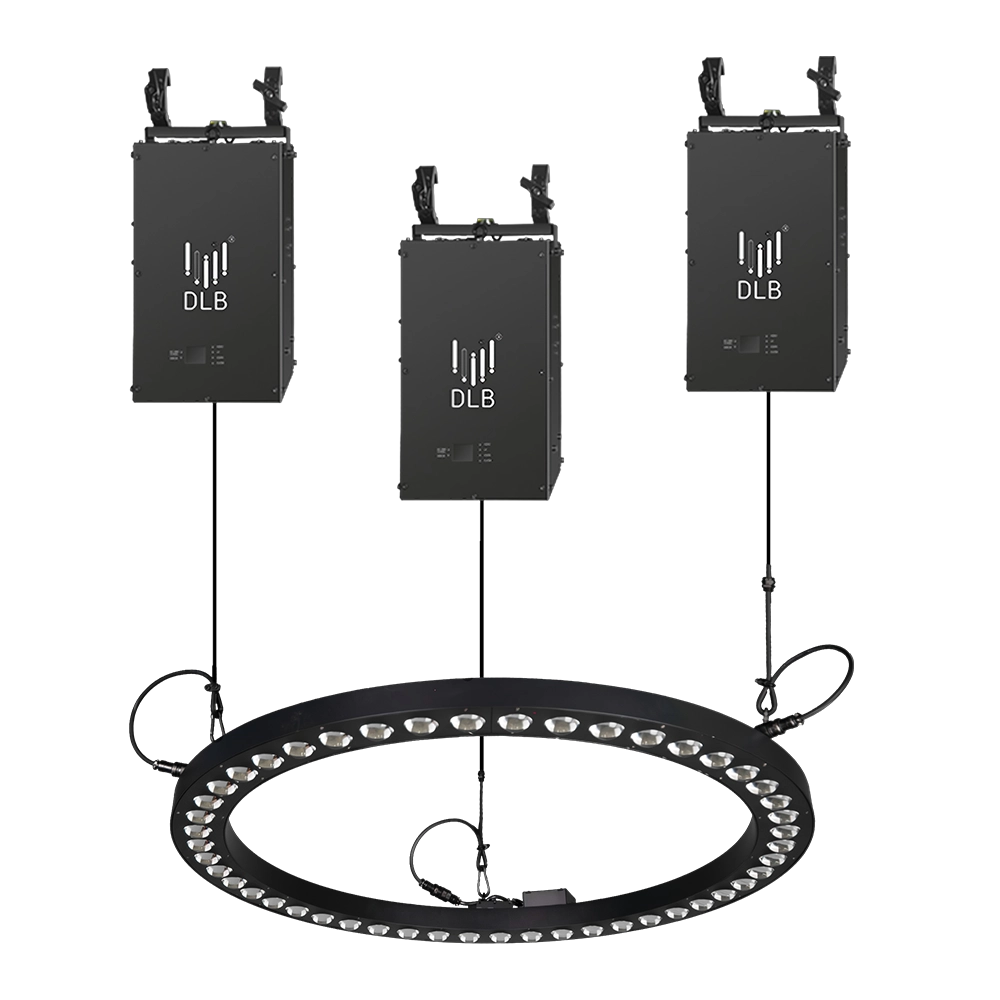
Kinetic Halo Ring——Ideal for a wide range of large-scale events: commercial spaces, TV shows, concerts, nightclubs, and various other settings.
Experience dynamic illumination with the FENG-YI Kinetic Halo Ring. This versatile kinetic light is perfect for large-scale events—commercial spaces, TV shows, concerts, and nightclubs—delivering stunning kinetic ring light effects that captivate every audience.
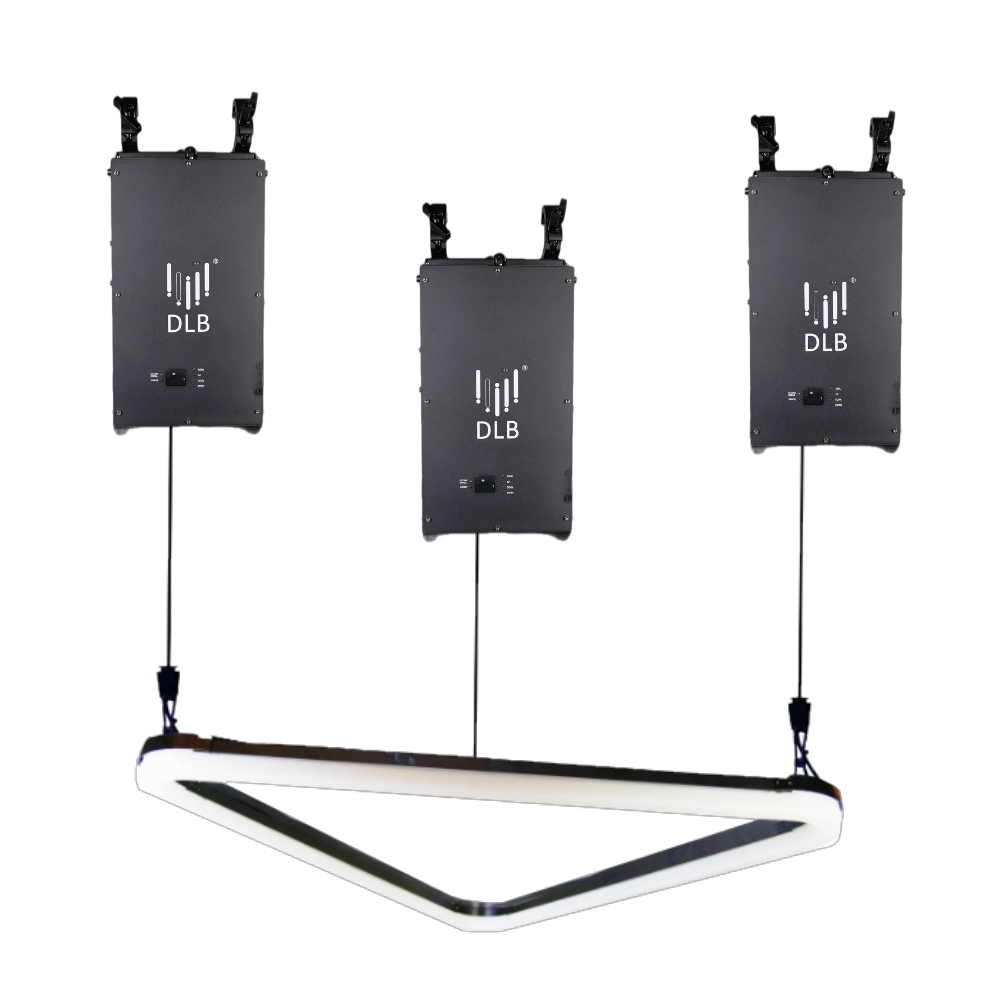
Kinetic Arc Light——Ideal for a wide range of large-scale events: commercial spaces, TV shows, concerts, nightclubs, and various other settings.
FENG-YI’s Kinetic Arc Light is a kinetic triangle LED light panel designed for large-scale events. Perfect for commercial spaces, TV shows, concerts, and nightclubs, it delivers dynamic lighting effects that captivate audiences and elevate any setting. Ideal kinetic light solution.
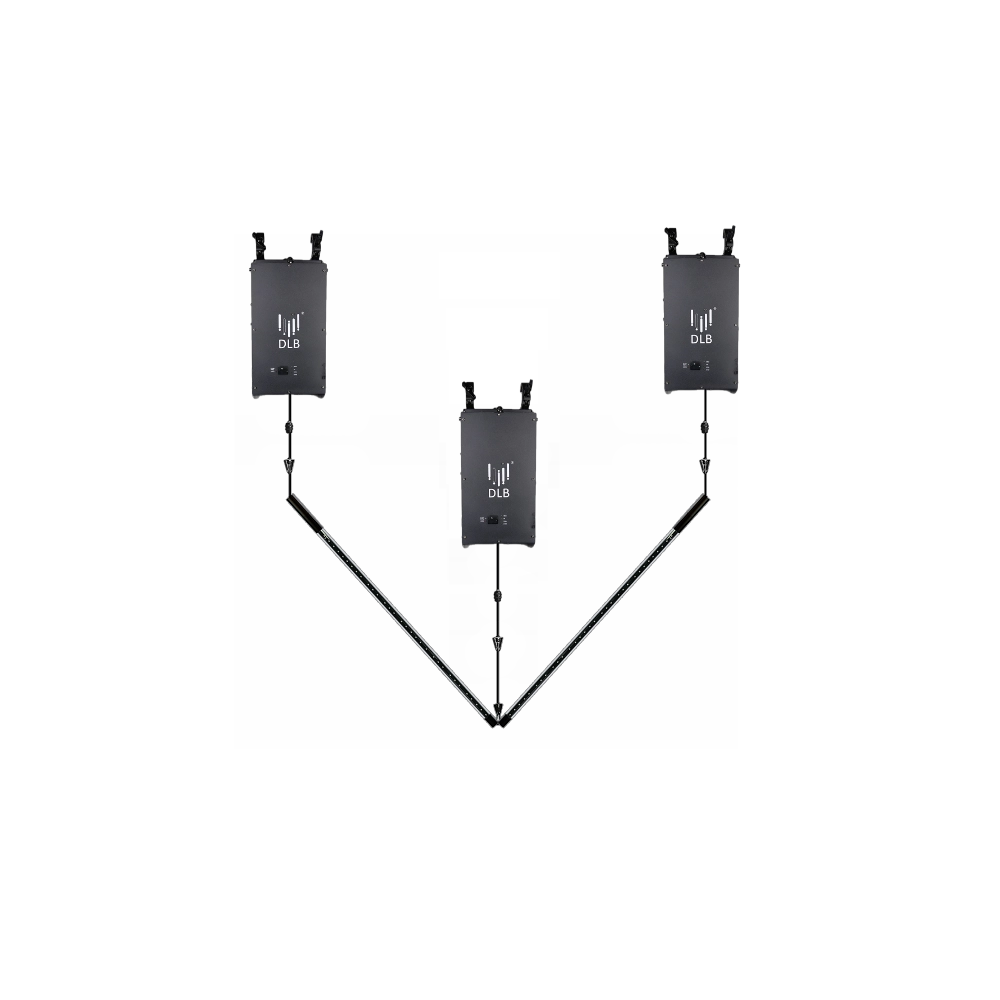
Kinetic Double Rod——Ideal for a wide range of large-scale events: commercial spaces, TV shows, concerts, nightclubs, and various other settings.
FENG-YI’s Kinetic Double Rod delivers dynamic kinetic light effects ideal for large-scale events—from concerts and nightclubs to TV shows and commercial spaces. Elevate your setup with this versatile kinetic light rod, designed for stunning visual impact and seamless integration.
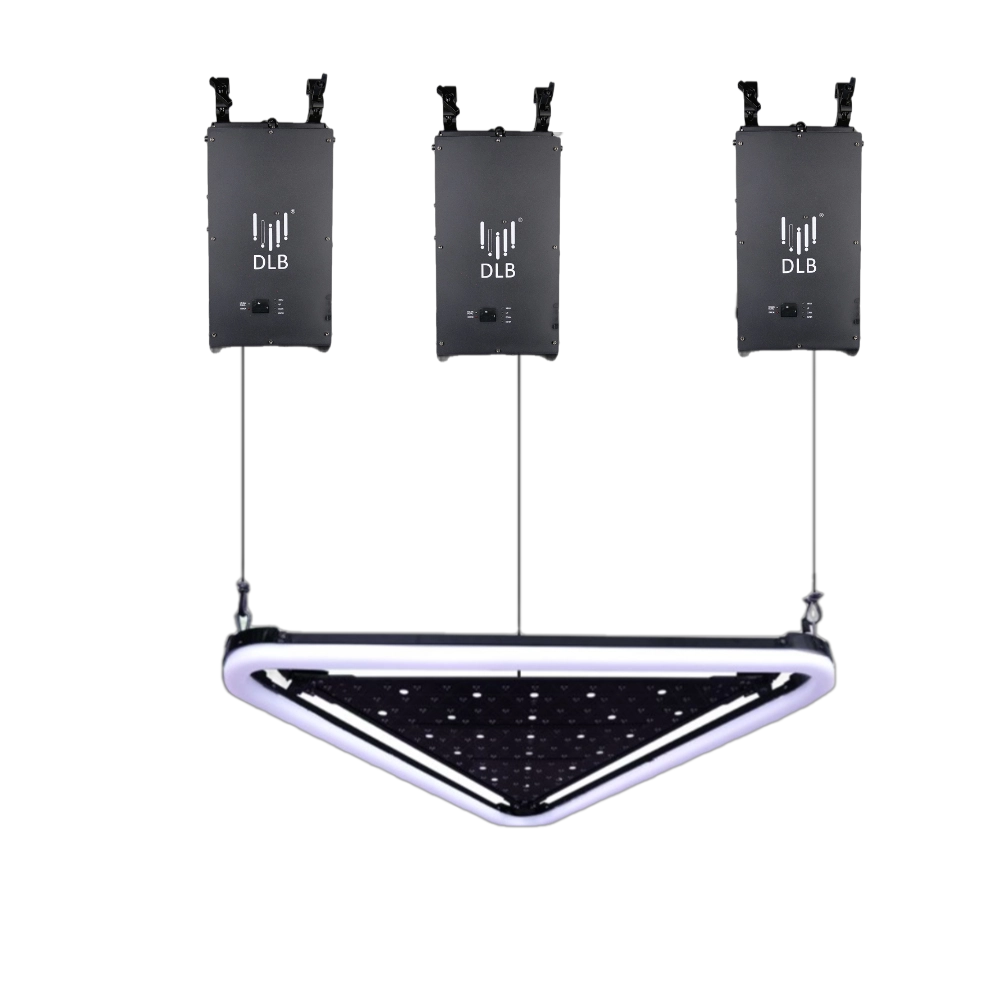
Kinetic Arc Panel——Ideal for a wide range of large-scale events: commercial spaces, TV shows, concerts, nightclubs, and various other settings.
FENG-YI’s Kinetic Arc Panel features dynamic kinetic light technology with kinetic triangle LED light panels, perfect for enhancing large-scale events like concerts, TV shows, nightclubs, and commercial spaces. Elevate your visual experience with innovative, high-impact lighting solutions.
Want to learn more about the latest updates?
Have questions or ready to illuminate your project? Reach out to our expert team today.
Rest assured that your privacy is important to us, and all information provided will be handled with the utmost confidentiality.
By clicking "Send your message," I agree to your processing my personal data.
To see how to withdraw your consent, how to control your personal data, and how we process it, please see our Privacy Policy and Terms of Use.

FENG-YI has been continuously innovating and has grown into a Kinetic Lights Manufacturer and solution provider with unique advantages.
Contact
+86 181 2785 5301
Address
Building 5, No. 34, Fuyuan Road, Jinghu IndustrialZone, Xinhua Town, Huadu District, Guangzhou, China.
© 2025 FENG-YI. All Rights Reserved.
Facebook
Instagram
YouTube
TikTok