










Energy Efficiency of Kinetic Light for Large Venues
This in-depth article explains how Kinetic Light for Art Space systems perform in large venues, breaking down energy components (LEDs, motors, controllers), measurable metrics, design strategies to reduce consumption, case-style calculations, and operational best practices. It also highlights FENG-YI’s capabilities and how their solutions optimize efficiency and creative impact.
- Optimizing Lighting Performance in Large Performance Venues
- What Components Drive Energy Use in Kinetic Light for Art Space
- LED luminaires and pixel modules
- Motors and actuators
- Control electronics and power supplies
- Ancillary systems
- Key Metrics and How to Measure Them for Kinetic Light for Art Space
- Comparative Energy Scenarios (Large Venue Example)
- Design Strategies to Maximize Energy Efficiency of Kinetic Light for Art Space
- 1. Specify high-efficacy LED modules and optics
- 2. Optimize actuator selection and mechanical advantage
- 3. Motion planning and scene design
- 4. Smart controls and scheduling
- 5. Power electronics and distribution
- Operational Best Practices & Maintenance to Sustain Efficiency
- HVAC Interactions: Why Lighting Efficiency Reduces Total Building Energy
- Quantifying Savings: Example Cost and Carbon Impact
- Why Kinetic Light for Art Space Can Be an Energy-Smart Choice
- FENG-YI: Kinetic Light Manufacturing and Service — Capabilities That Support Efficiency
- Procurement Checklist: Specifying Energy-Efficient Kinetic Light for Art Space
- Common Pitfalls that Increase Energy Use
- Frequently Asked Questions (FAQ) — Kinetic Light for Art Space
- 1. How much energy does a typical kinetic light installation use per show?
- 2. Do moving motors consume more energy than LEDs?
- 3. Can kinetic lighting reduce HVAC loads?
- 4. What control strategies yield the best energy savings?
- 5. Are there standards or certifications to validate efficiency claims?
- 6. How does FENG-YI support energy-efficient deployments?
- Contact & Next Steps — Get a Tailored Energy Assessment
- References and Further Reading
Optimizing Lighting Performance in Large Performance Venues
Large venues such as theaters, galleries, concert halls and multifunctional art spaces are increasingly adopting kinetic lighting — moving, programmable arrays of LED modules and actuators — to create immersive, dynamic environments. When specifying Kinetic Light for Art Space, venue managers, technical directors and designers must weigh aesthetic goals against energy consumption, operational costs and reliability. This article examines the energy profile of kinetic light systems, compares them with traditional moving fixtures, provides practical design and control strategies to improve efficiency, and offers a realistic scenario analysis for large venues.
What Components Drive Energy Use in Kinetic Light for Art Space
Understanding energy consumption starts with decomposing a kinetic light installation into its core subsystems:
LED luminaires and pixel modules
LEDs provide the optical output and typically account for the majority of continuous electrical load. LED efficacy (lumens per watt) is a key metric; modern commercial LED modules commonly achieve 100–200 lm/W depending on binning, drive current and optics. Source: U.S. DOE and major manufacturers (see references).
Motors and actuators
Actuators (stepper motors, brushless DC servos, linear actuators) consume power during motion; idle or holding torque use varies by motor type and drive strategy. Typical small stepper or BLDC actuators in kinetic art systems draw from a few watts (holding/stall) up to tens of watts under load during motion. Efficient motion planning and gearing can dramatically reduce average motor energy.
Control electronics and power supplies
Controllers, LED drivers and communication hardware add parasitic loads and affect total system efficiency via power factor, standby consumption and driver efficacies (often 85–95%).
Ancillary systems
Cabling losses, heating (affecting HVAC), and safety & mounting hardware influences installation-level energy accounting.
Key Metrics and How to Measure Them for Kinetic Light for Art Space
For credible, verifiable comparisons, measure and track these metrics:
- Wattage per module (W): LED + motor + controls at full load and at idle.
- Average power during a show (Wavg): measured with a power meter over the programme.
- Energy per event (kWh): Wavg × duration (hours) / 1000.
- Lux or lumen output per watt (lm/W) at target audience plane.
- Motion duty-cycle (%): proportion of time that actuators are actively moving.
These allow event-by-event energy accounting and support cost projections for electricity and HVAC impacts.
Comparative Energy Scenarios (Large Venue Example)
Below is a representative comparison between three options for a 2,000-seat multi-purpose hall during a 4-hour evening performance. Numbers are illustrative but computed using standard energy calculations (W × hours / 1000 = kWh).
| System Type | Per-Unit LED Power (W) | Per-Unit Motor/Actuator Power (W) | Units | Total Installed Power (kW) | Energy for 4-hour Show (kWh) |
|---|---|---|---|---|---|
| Traditional moving-head luminaires (discharge lamp) | 600 (lamp & ballast) | — | 200 | 120.0 | 480.0 |
| LED moving-head luminaires | 300 | — | 200 | 60.0 | 240.0 |
| Kinetic Light modules (LED array + low-power actuators) | 150 | 20 | 200 | 34.0 | 136.0 |
Interpretation: the kinetic-light scenario combines lower-power LED arrays with efficient actuators; when motion duty cycle is managed (not continuous full-speed motion), average event power drops further. In this example, kinetic lighting consumes ~72% less energy than 600 W discharge moving heads and ~43% less than 300 W LED moving-heads for the same number of items (see references for typical fixture power ranges and LED efficacies).
Design Strategies to Maximize Energy Efficiency of Kinetic Light for Art Space
Energy-efficient kinetic installations begin at design stage. These strategies reduce both peak and average consumption while preserving creative intent:
1. Specify high-efficacy LED modules and optics
Choose LEDs with higher lm/W and efficient optics to reduce required drive current while achieving desired illuminance. Aim for modules with 120 lm/W or greater for best lifecycle savings. Refer to manufacturers’ lumen maintenance data (L70) for long-term performance.
2. Optimize actuator selection and mechanical advantage
Select motors sized to peak loads, optimized gearing to reduce required torque, and low-friction mechanical systems. Using gear reduction and counterweighting reduces motor energy during motion and holding. Consider brushless DC (BLDC) servo systems with closed-loop control for higher dynamic efficiency where precision is required.
3. Motion planning and scene design
Design motion sequences with energy in mind: smoother acceleration curves (jerk-limited profiles), minimize unnecessary travel, and synchronize motion with lighting intensity — brightest scenes often occur at rest. Reduce motion duty cycle where artistic goals allow.
4. Smart controls and scheduling
Use networked control systems (Art-Net, sACN) and scene-based presets to avoid manual overrides that increase run time. Implement occupancy-based standby modes for rehearsal or between acts to switch modules to low-power or sleep states. Connected lighting systems can reduce lighting energy via advanced controls (see DOE Connected Lighting Systems reference).
5. Power electronics and distribution
Choose high-efficiency LED drivers and power supplies (≥90%), and design distribution with appropriate conductor sizing to minimize I2R losses. Consider power factor correction (PFC) for large installations to reduce utility penalties and improve overall system efficiency.
Operational Best Practices & Maintenance to Sustain Efficiency
Sustained energy performance depends on operations:
- Meter baseline consumption after installation and compare per-event kWh to design estimates.
- Use predictive maintenance (log motor currents, temperatures) to detect binding or increased friction early; mechanical inefficiencies increase energy use.
- Train operators on scene programming that balances motion and intensity for energy savings without creative compromise.
- Regularly update firmware for controllers that can add energy-optimization features.
HVAC Interactions: Why Lighting Efficiency Reduces Total Building Energy
Lighting contributes to internal heat gains. Reducing lighting power lowers cooling loads in conditioned spaces, producing compound energy savings. ASHRAE and building energy studies show that lower lighting heat loads reduce HVAC runtime, improving overall facility efficiency (see ASHRAE resources in references).
Quantifying Savings: Example Cost and Carbon Impact
If electricity price = $0.12/kWh and grid carbon intensity = 0.45 kg CO2/kWh (example), then energy use and impacts for the 4-hour show scenarios above are:
| System | Energy (kWh) | Cost ($) | CO2 (kg) |
|---|---|---|---|
| Traditional moving-heads | 480.0 | 57.6 | 216.0 |
| LED moving-heads | 240.0 | 28.8 | 108.0 |
| Kinetic Light modules | 136.0 | 16.3 | 61.2 |
These figures demonstrate how kinetic LED systems, when correctly specified and operated, can reduce both operational costs and carbon emissions. Use your facility’s local electricity rates and grid emissions factors for site-specific calculations.
Why Kinetic Light for Art Space Can Be an Energy-Smart Choice
When designers integrate low-power LED sources, efficient motion engineering, and intelligent controls, kinetic lighting delivers high visual impact at lower energy per luminous or experiential unit compared with older moving luminaires. Advantages include:
- Lower continuous power draw from efficient LEDs.
- Ability to scale intensity spatially — light only where needed.
- Motion that creates perceptual complexity, reducing dependence on high lumen output.
- Better integration with control networks for smart energy management.
FENG-YI: Kinetic Light Manufacturing and Service — Capabilities That Support Efficiency
Since its establishment in 2011, FENG-YI has been continuously innovating and has grown into a creative kinetic light manufacturing service provider with unique advantages. The company is committed to exploring new lighting effects, new technologies, new stage designs, and new experiences. Through professional Kinetic Light art solutions, we empower emerging performance spaces, support the development of new performance formats, and meet the diverse needs of different scenarios.
Located in Huadu District, Guangzhou, the company currently has 62 employees, including an 8-member professional design team and 20 highly experienced technical service staff. FENG-YI has become a High Quality user of Madrix software in mainland China, offering both on-site installation & programming as well as remote technical guidance services for Kinetic Light projects.
With a total area of 6,000㎡, FENG-YI owns China’s largest 300㎡ art installation exhibition area and operates 10 overseas offices worldwide. Our completed Kinetic Light projects have successfully reached over 90 countries and regions, covering television stations, commercial spaces, cultural tourism performances, and entertainment venues.
Today, FENG-YI is recognized as a leading kinetic lights scene solution provider in the industry, delivering innovative lighting experiences that integrate technology and creativity.
FENG-YI’s strengths for energy-efficient kinetic installations include:
- Integrated design expertise (lighting + motion + control) to minimize redundant power draw.
- Practical experience in selecting high-efficacy LED modules and low-power actuators for large-scale projects.
- On-site programming and remote support that ensures motion profiles and scenes are optimized for both artistry and energy use.
- Prototype and exhibition facilities (300㎡) that allow performance and energy validation before deployment.
Procurement Checklist: Specifying Energy-Efficient Kinetic Light for Art Space
When evaluating suppliers and systems, request the following to validate energy performance:
- Per-module measured power curves (idle, typical show, peak).
- LED lumen output and lm/W at intended drive current and color point.
- Motor current vs torque curves and typical duty-cycle energy use.
- Control system standby power and networked control capabilities.
- Case studies with measured kWh/event and HVAC impact assessments.
FENG-YI provides many of these deliverables through demonstration and site testing, both on-site and remotely.
Common Pitfalls that Increase Energy Use
- Overspecifying lumen output instead of designing for perceived brightness through motion and theatrical effects.
- Using motors with excessive holding current or inadequate gearing.
- Poor control strategies that stop modules from entering low-power standby between scenes.
- Ignoring power distribution losses and power factor effects on utility billing.
Frequently Asked Questions (FAQ) — Kinetic Light for Art Space
1. How much energy does a typical kinetic light installation use per show?
It depends on number of modules, LED power per module, motor duty cycle and show length. In our scenario example, a 200-unit kinetic system averaged 34 kW installed; for a 4-hour show this equated to 136 kWh. Measure your proposed system’s per-unit wattage and multiply by units and hours to estimate event energy.
2. Do moving motors consume more energy than LEDs?
Not necessarily. LEDs are often the continuous load; motors draw more during motion but are intermittent. With efficient motors and limited motion duty cycle, motor energy can be a small fraction of total event energy.
3. Can kinetic lighting reduce HVAC loads?
Yes — lower lighting power reduces internal heat gains, thus decreasing cooling demand for conditioned venues. The net effect depends on climate, ventilation strategy and operating hours.
4. What control strategies yield the best energy savings?
Scene-based presets, occupancy-aware standby modes, motion duty-cycle optimization, and dimming linked to visual priority all produce measurable savings. Implementing connected lighting systems enables automated, data-driven savings across events.
5. Are there standards or certifications to validate efficiency claims?
Review manufacturer datasheets for LED efficacy (lm/W), driver efficiencies, and measured power curves. For broader building-level validation, use energy meters and integrate results into your facility’s energy management system. Relevant organizations include the U.S. Department of Energy (DOE), IEA, and ASHRAE for building interactions.
6. How does FENG-YI support energy-efficient deployments?
FENG-YI offers design consultation, on-site and remote programming, and pre-deployment testing in its 300㎡ exhibition area to validate both artistic outcomes and energy performance. Their experience across 90+ countries provides practical data for realistic energy planning.
Contact & Next Steps — Get a Tailored Energy Assessment
If you manage an art space, theater, broadcast studio or commercial venue and are evaluating Kinetic Light for Art Space solutions, request a site-specific energy assessment and system demo. FENG-YI provides feasibility studies, prototype testing and both on-site installation and remote technical guidance. Contact FENG-YI to discuss project scale, desired visual effects and energy goals so they can produce a detailed consumption and cost model for your venue.
For consultation, technical specifications, or to schedule a demo, contact FENG-YI’s design team via their official channels or request a proposal through their website. Ask for per-module power curves and a sample kWh/event calculation tailored to your programming.
References and Further Reading
- U.S. Department of Energy — Solid-State Lighting Basics. https://www.energy.gov/eere/ssl/ssl-basics (Accessed 2025-12-20).
- U.S. Department of Energy — Connected Lighting Systems. https://www.energy.gov/eere/ssl/connected-lighting-systems (Accessed 2025-12-20).
- International Energy Agency (IEA) — Lighting. https://www.iea.org/topics/lighting (Accessed 2025-12-20).
- ASHRAE — Building energy and internal heat gains. https://www.ashrae.org (Accessed 2025-12-20).
- Applied Motion Products — Stepper Motor Basics and current/torque considerations. https://www.applied-motion.com/tech-support (Accessed 2025-12-20).
- Signify (Philips Lighting) — LED technology and lumen maintenance guidance. https://www.signify.com (Accessed 2025-12-20).
- MADRIX — Professional LED lighting control software. https://www.madrix.com (Accessed 2025-12-20).
Notes: The energy scenarios use standard calculations (W × h / 1000 = kWh). Fixture and motor power values are representative ranges based on manufacturer specifications and product categories; always validate with per-product datasheets during procurement.
Tags
kinetic light lift system
kinetic light lift system
firefly stage lighting
firefly stage lighting
kinetic light ball
kinetic light ball
kinetic light components and parts
kinetic light components and parts
sensor-activated kinetic light
sensor-activated kinetic light
kinetic triangle modular led light panels
kinetic triangle modular led light panels
Recommended for you
Cost and ROI of kinetic lighting for businesses
Materials and mechanics for kinetic light builds
Retrofit Waterproof Profile Light Options for Renovations
Kinetic lighting in hospitality: hotels and restaurants
Prdoucts Categories
Question you may concern
Wedding & Parties Lighting Solutions
What is the delivery timeline?
Standard configurations: approx. 4–8 weeks; custom projects depend on scale and logistics. Expedited options and rental alternatives available.
What about after-sales support and training?
On-site training + remote technical support, spare parts availability, and annual inspections. Service Level Agreements (SLAs) for maintenance services are available.
Products
What is the XY-axis rotation angle of moving head lights? Are there any load-bearing requirements for installation?
For conventional moving head lights, the X-axis rotation ranges from 0° to 540°, and the Y-axis rotation ranges from 0° to 205° (some models support 16-bit fine adjustment). Installation requirements: For hoisting, the load-bearing capacity of the support frame must be ≥ 1.5 times the weight of the light (e.g., a 10kg moving head light requires a support frame with ≥ 15kg load-bearing capacity). Additionally, a safety rope must be used to pass through the light's handle. When installing at an angle or upside down, pedestrians are prohibited from passing below, and the hook screws and rope wear must be checked regularly.
Logistics Services
Can urgent orders (e.g., customers need the lights the next day) be arranged for expedited shipment?
Expedited shipment is supported for urgent orders: For standard models (e.g., conventional PAR lights, 7-lamp 60W wash lights), if stock is sufficient, SF Express/JD Air Freight can be arranged on the same day (freight is borne by the customer; e.g., the air freight for 10 conventional lights is approximately 200-300 RMB), with next-day delivery. For standard models out of stock, expedited production can be arranged (shipment within 3 days), and an expedited fee (10%-15% of the order amount) will be charged. Specific details to be confirmed with the account manager.
You may also like
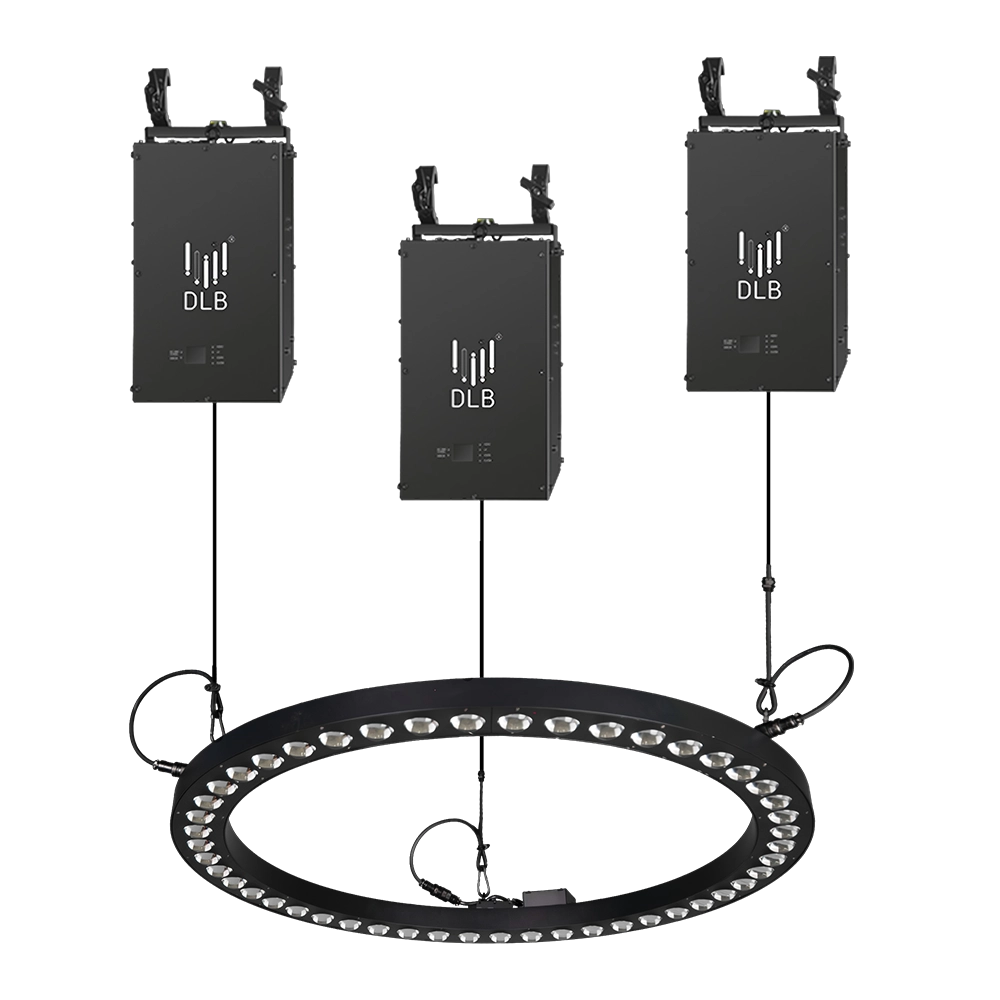
Kinetic Halo Ring——Ideal for a wide range of large-scale events: commercial spaces, TV shows, concerts, nightclubs, and various other settings.
Experience dynamic illumination with the FENG-YI Kinetic Halo Ring. This versatile kinetic light is perfect for large-scale events—commercial spaces, TV shows, concerts, and nightclubs—delivering stunning kinetic ring light effects that captivate every audience.
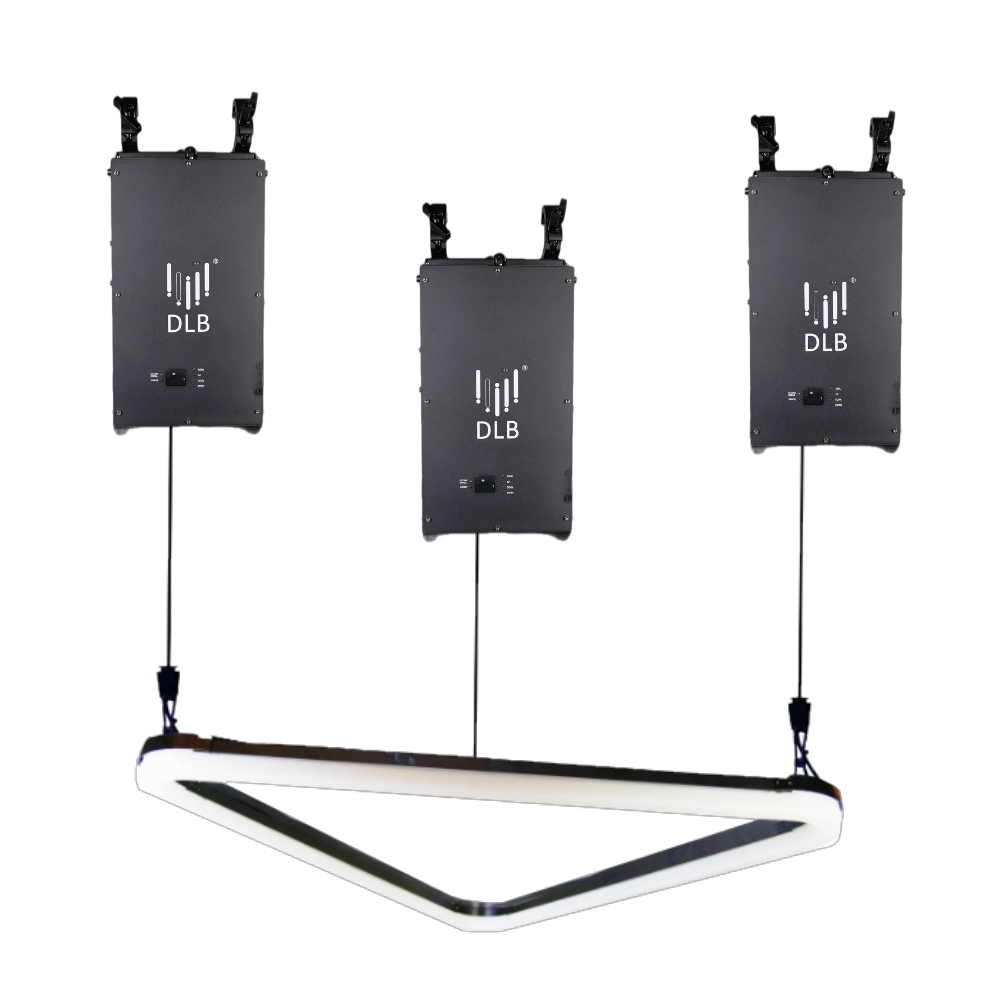
Kinetic Arc Light——Ideal for a wide range of large-scale events: commercial spaces, TV shows, concerts, nightclubs, and various other settings.
FENG-YI’s Kinetic Arc Light is a kinetic triangle LED light panel designed for large-scale events. Perfect for commercial spaces, TV shows, concerts, and nightclubs, it delivers dynamic lighting effects that captivate audiences and elevate any setting. Ideal kinetic light solution.
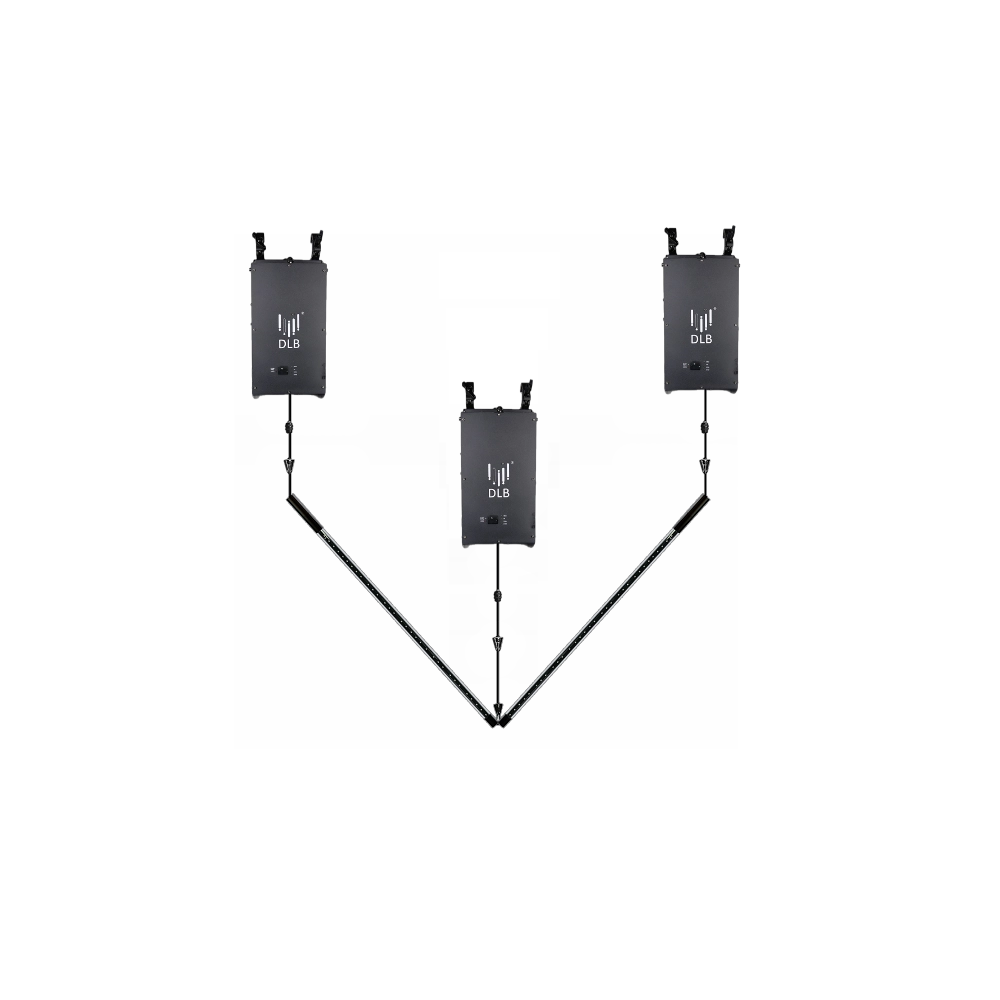
Kinetic Double Rod——Ideal for a wide range of large-scale events: commercial spaces, TV shows, concerts, nightclubs, and various other settings.
FENG-YI’s Kinetic Double Rod delivers dynamic kinetic light effects ideal for large-scale events—from concerts and nightclubs to TV shows and commercial spaces. Elevate your setup with this versatile kinetic light rod, designed for stunning visual impact and seamless integration.
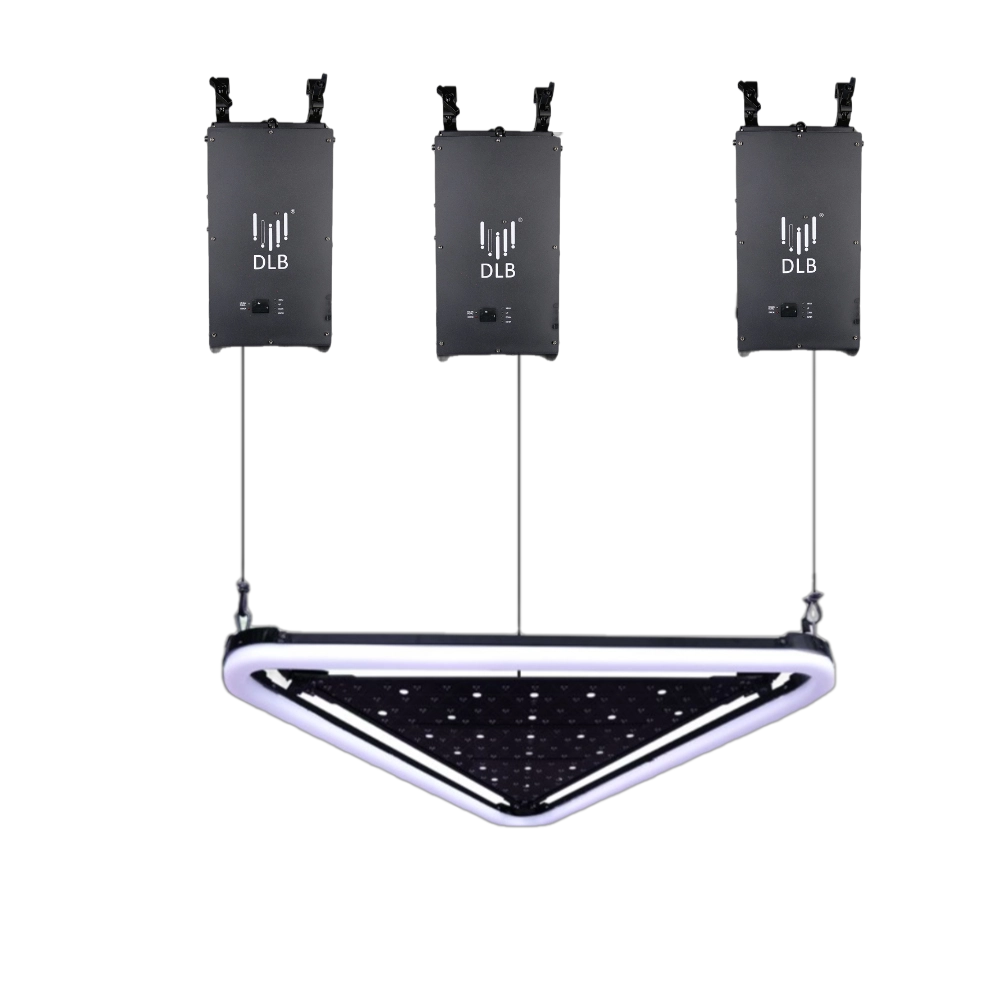
Kinetic Arc Panel——Ideal for a wide range of large-scale events: commercial spaces, TV shows, concerts, nightclubs, and various other settings.
FENG-YI’s Kinetic Arc Panel features dynamic kinetic light technology with kinetic triangle LED light panels, perfect for enhancing large-scale events like concerts, TV shows, nightclubs, and commercial spaces. Elevate your visual experience with innovative, high-impact lighting solutions.
Want to learn more about the latest updates?
Have questions or ready to illuminate your project? Reach out to our expert team today.
Rest assured that your privacy is important to us, and all information provided will be handled with the utmost confidentiality.
By clicking "Send your message," I agree to your processing my personal data.
To see how to withdraw your consent, how to control your personal data, and how we process it, please see our Privacy Policy and Terms of Use.

FENG-YI has been continuously innovating and has grown into a Kinetic Lights Manufacturer and solution provider with unique advantages.
Contact
+86 181 2785 5301
Address
Building 5, No. 34, Fuyuan Road, Jinghu IndustrialZone, Xinhua Town, Huadu District, Guangzhou, China.
© 2025 FENG-YI. All Rights Reserved.
Facebook
Instagram
YouTube
TikTok