










How Kinetic Arc Light Works: Mechanism & Design
This article explains how the Kinetic Arc Light (DLB-026) works — from LED pixel architecture and DMX512 control to mechanical design, winch channels, and materials. Learn how kinetic lights create synchronized triangle projections, design trade-offs, installation best practices, performance comparisons, and why the Arc Light is ideal for large-scale events.
- How Kinetic Arc Light Works: Mechanism & Design
- Introduction to kinetic lights and the Kinetic Arc Light
- Core components: What makes kinetic lights like the Arc Light tick
- LED architecture and pixel mapping (includes keyword: kinetic lights)
- DMX512 and channel allocation for precise control (includes keyword: kinetic lights)
- Mechanical design: winches, frame, and materials
- Winch integration and motion programming (includes keyword: Kinetic Arc Light)
- Optical systems and projection behavior
- Design trade-offs for large venues (includes keyword: kinetic lights)
- Electrical and thermal considerations
- Power, cabling and safety standards (includes keyword: Kinetic Arc Light)
- Programming and content creation for kinetic lighting
- Software workflows and optimization (includes keyword: kinetic lights)
- Installation, rigging, and maintenance best practices
- Checklist for reliable operation (includes keyword: kinetic lights)
- Performance comparison: Kinetic Arc Light vs typical kinetic lights
- Design considerations for creatives and engineers
- Scalability and modularity (includes keyword: Kinetic Arc Light)
- Why choose the Arc Light: brand and product advantages
- Engineering quality and E-E-A-T considerations (includes keyword: kinetic lights)
- Control flexibility and creative freedom (includes keyword: Kinetic Arc Light)
- Serviceability and event support (includes keyword: kinetic lights)
- FAQ — Frequently Asked Questions about Kinetic Arc Light and kinetic lights
- Q: What kind of control console do I need to run the Kinetic Arc Light?
- Q: How many fixtures can I chain on a single DMX universe?
- Q: Is the Arc Light suitable for outdoor events?
- Q: What is the expected lifespan of the LEDs in the Arc Light?
- Q: How do I maintain safe rigging for moving kinetic lights?
- Contact us / View Product
- Sources and further reading
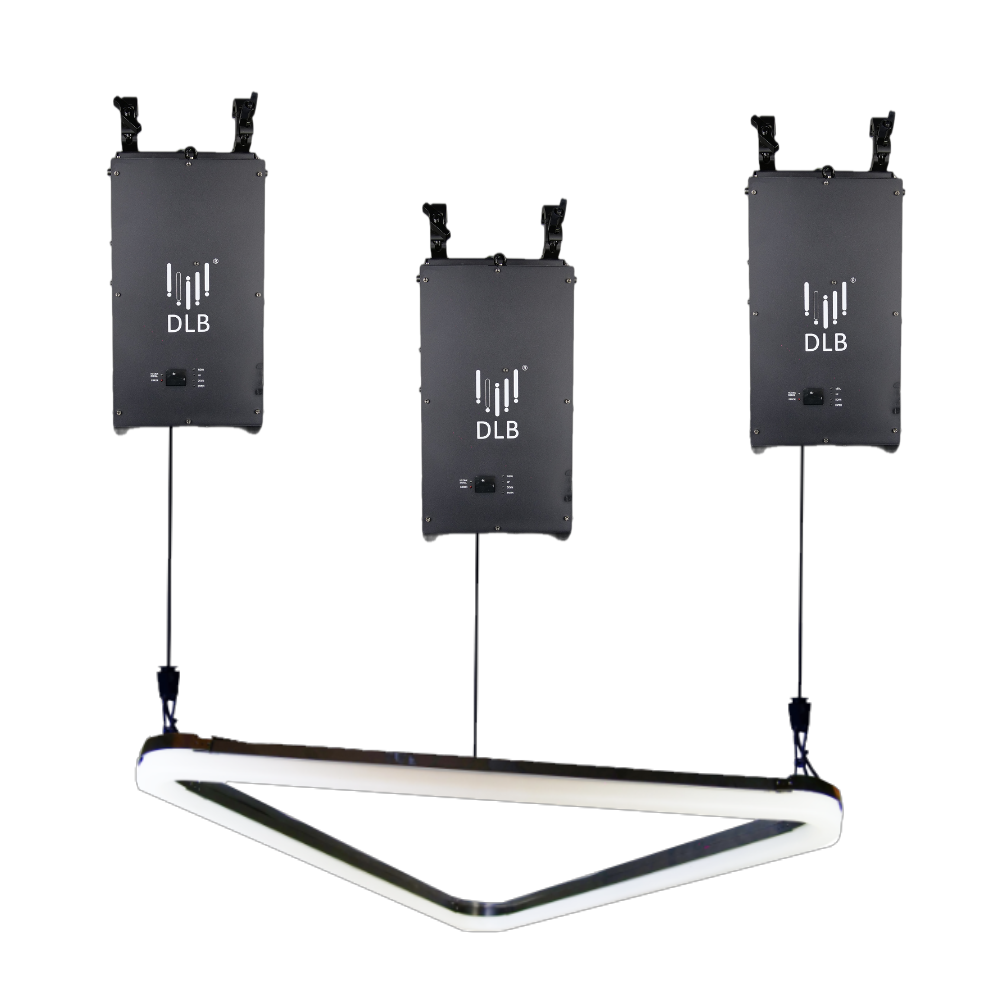
How Kinetic Arc Light Works: Mechanism & Design
Introduction to kinetic lights and the Kinetic Arc Light
Kinetic lights have transformed live events by combining motion, color, and precise control to create immersive visual narratives. The Kinetic Arc Light (Item No.: DLB-026) is a high-performance LED triangle projection system engineered to deliver immersive visual experiences for large-scale events. It is representative of the latest generation of kinetic lights designed for nightclubs, concerts, and staged performances where both visual impact and reliability matter.
The Arc Light (Item No.: DLB-026) is a high-performance LED triangle projection system engineered to deliver immersive visual experiences for large-scale events.
Featuring 72 pixels with 432 pieces of 0.2W RGB 3-in-1 LEDs, it supports precise DMX512 control via multi-channel winches (Winch A: 222ch, Winch B: 4ch, Winch C: 4ch).
Constructed from aluminum, PE, and PCB, this system ensures durability while producing vibrant, synchronized lighting effects, making it ideal for venues like nightclubs, concerts, and stage performances.
Core components: What makes kinetic lights like the Arc Light tick
Kinetic lights are systems of three primary domains: light engines (LEDs and optics), control electronics (drivers, DMX interface), and motion mechanics (winches, frames). The Kinetic Arc Light integrates these domains into an LED triangle projection array. By understanding each component, designers and technicians can optimize performance and reliability.
LED architecture and pixel mapping (includes keyword: kinetic lights)
The Arc Light uses 72 pixels composed of 432 RGB 3-in-1 LEDs (each LED chip contains red, green, and blue emitters). Pixel arrangement and individual LED driver control allow each pixel to display millions of colors and smooth gradients. Pixel-level control is essential for kinetic lights because motion effects rely on rapid spatial color changes that sync with movement.
DMX512 and channel allocation for precise control (includes keyword: kinetic lights)
DMX512 is the standard protocol for stage lighting control. The Arc Light supports DMX512 via multi-channel winches: Winch A with 222 channels and Winch B and C with 4 channels each. This allocation lets a lighting designer independently control pixel color, intensity, strobe effects, and additional device functions. For designers, understanding channel budgeting is crucial when programming complex scenes across multiple kinetic fixtures.
Mechanical design: winches, frame, and materials
The mechanical system in kinetic lights governs motion precision, safety, and repeatability. The Arc Light’s construction materials—aluminum, PE (polyethylene), and PCB—strike a balance between light weight and structural strength. Aluminum reduces overall mass for safer hoisting, PE offers impact resistance for exterior housings or diffusers, and PCBs hold the LED arrays and electronics securely.
Winch integration and motion programming (includes keyword: Kinetic Arc Light)
Winches move the fixture along programmed paths. Winch A’s larger channel count reflects fine-grained motion and pixel control integration; with 222 channels, designers can map motion cues and pixel parameters simultaneously. Winch B and C, having fewer channels, typically handle auxiliary motions or safety interlocks. Properly configured winch motion profiles ensure smooth acceleration and deceleration, preventing visible jitter that undermines the visual effect.
Optical systems and projection behavior
Optics shape how each pixel’s light projects onto surfaces or the audience. The Arc Light’s triangular projection geometry creates unique visual motifs—arcs, bands, and converging triangles—used to draw attention and define stage depth. Lenses and diffusers influence beam spread, edge softness, and perceived brightness; tighter optics increase throw distance but narrow the effective coverage area.
Design trade-offs for large venues (includes keyword: kinetic lights)
In large venues, you must balance brightness, pixel density, and viewing angles. The Arc Light’s 0.2W LEDs per chip offer good energy efficiency while maintaining strong color saturation at scale. Increasing pixel density enhances detail but demands more channels and processing power. For kinetic lights used in concerts, a mid-to-high pixel density with robust DMX mapping often yields the best visual results without overcomplicating rigging and control.
Electrical and thermal considerations
Efficient LED drivers and thermal management extend fixture life and maintain color consistency. The Arc Light’s aluminum framework doubles as a heat sink, conducting heat away from the PCB-mounted LEDs. Adequate ventilation and thermal coupling are critical because overheating can shift color balance, reduce brightness, and shorten LED lifespan.
Power, cabling and safety standards (includes keyword: Kinetic Arc Light)
Cabling must support both power and DMX/control signals while allowing movement. Use moving-cable-rated connectors and strain-relief systems to prevent wear. Adhering to venue safety standards and local electrical codes ensures consistent operation and reduces downtime. For permanent installs, consider redundant power feeds and emergency stop circuits for winches and motion systems.
Programming and content creation for kinetic lighting
Kinetic lights like the Arc Light are only as effective as the creative programming behind them. Designers use timeline-based lighting consoles and media servers to choreograph pixel maps against motion cues. Syncing audio, visual content, and motion requires tight timecode discipline (e.g., SMPTE timecode) and pre-visualization tools to iterate rapidly during rehearsals.
Software workflows and optimization (includes keyword: kinetic lights)
Common workflows involve pre-rendering pixel animations in a pixel-mapping environment, assigning those maps to DMX channels or Art-Net/sACN universes, and then linking motion cues to winch channels. For kinetic lights with many pixels, optimizing frame rates and compression ensures smooth output while avoiding network saturation.
Installation, rigging, and maintenance best practices
Safe installation begins with structural assessment of rigging points and load calculations. Kinetic installations require dynamic load ratings (to account for motion forces), not just static weights. Regular maintenance of bearings, winch cables, and connectors reduces the risk of in-show failures. The Arc Light’s aluminum construction reduces corrosion risk, but periodic inspection of electrical seals and connectors remains essential.
Checklist for reliable operation (includes keyword: kinetic lights)
- Verify load ratings of rigging points and safety backups.
- Test DMX signal integrity and shielded cable routing.
- Validate thermal performance under expected duty cycles.
- Schedule preventive maintenance for moving parts and electronics.
Performance comparison: Kinetic Arc Light vs typical kinetic lights
Below is a concise comparison highlighting features that matter to production managers when choosing kinetic lights for large venues.
| Feature | Kinetic Arc Light (DLB-026) | Typical Kinetic Fixture |
|---|---|---|
| Pixel Count | 72 pixels (432 x 0.2W RGB LEDs) | Variable (20–200+) pixels |
| Control Protocol | DMX512; multi-channel winch control (222ch + 4ch + 4ch) | DMX512 / Art-Net; but fewer dedicated motion channels |
| Material | Aluminum, PE, PCB | Aluminum or steel, plastics |
| Designed Use | Large-scale events, concerts, nightclubs | Variable; often small-to-medium venues |
| Typical Advantages | High synchronization capability, robust rigging-ready design | Lower cost, lighter controls |
Sources for typical fixture specs and control protocols are listed at the end of this article.
Design considerations for creatives and engineers
When specifying kinetic lights like the Kinetic Arc Light, teams should align creative intent with technical constraints. Early-stage decisions should include pixel density targets, motion complexity, DMX allocation, and rigging logistics. Prototyping scenes on a small scale or using 3D visualization tools prevents costly revisions during load-in.
Scalability and modularity (includes keyword: Kinetic Arc Light)
The Arc Light’s modular pixel structure enables scalable installations: multiple triangles can be networked into larger arrays. Modularity reduces replacement costs and simplifies on-site troubleshooting—swap a module and keep the show running.
Why choose the Arc Light: brand and product advantages
Choosing the right kinetic lights vendor impacts reliability, support, and long-term usability. The Kinetic Arc Light stands out in three areas: engineering quality, control flexibility, and venue-focused durability.
Engineering quality and E-E-A-T considerations (includes keyword: kinetic lights)
Built with industry-standard materials and control protocols, the Arc Light adheres to best practices for safety and performance. Aluminum housings provide thermal management and durability, while the DMX512 control scheme ensures compatibility with existing lighting consoles and workflows—key factors for technical directors prioritizing predictable results.
Control flexibility and creative freedom (includes keyword: Kinetic Arc Light)
The extensive channel allocation (Winch A: 222ch, Winch B: 4ch, Winch C: 4ch) gives designers granular control over pixel behavior and motion. This flexibility supports highly synchronized audiovisual designs that are increasingly demanded in High Quality live experiences.
Serviceability and event support (includes keyword: kinetic lights)
Design choices like modular PCBs and accessible winch interfaces reduce mean time to repair (MTTR). For production companies that rotate equipment between venues, fast troubleshooting and parts availability are major advantages of thoughtfully engineered kinetic lights like the Arc Light.
FAQ — Frequently Asked Questions about Kinetic Arc Light and kinetic lights
Q: What kind of control console do I need to run the Kinetic Arc Light?
A: Any console that outputs DMX512 can control the Arc Light. For complex scenes, a console or media server that supports extensive channel mapping or Art-Net/sACN is recommended to simplify networked control.
Q: How many fixtures can I chain on a single DMX universe?
A: A standard DMX512 universe has 512 channels. Because Winch A alone uses 222 channels, planning is necessary: often, multiple universes (or Art-Net/sACN over Ethernet) are employed for installations with several Arc Light units.
Q: Is the Arc Light suitable for outdoor events?
A: The Arc Light’s materials provide robustness, but outdoor use depends on the specific IP rating and local weather protection measures. Confirm environmental protection specs and use weatherproof cabling and housings for outdoor deployments.
Q: What is the expected lifespan of the LEDs in the Arc Light?
A: High-quality LEDs typically have L70 lifetimes in the 30,000–50,000 hour range depending on thermal management and duty cycle. The Arc Light’s aluminum construction assists thermal dissipation, which helps approach the upper end of expected LED lifetimes when properly maintained.
Q: How do I maintain safe rigging for moving kinetic lights?
A: Use certified rigging points, dynamic load calculations, secondary safety cables, regular inspection of moving parts, and adhere to local regulations and venue requirements. Engage a qualified rigger for installation and testing.
Contact us / View Product
If you’re planning a show and want to evaluate Kinetic Arc Light (DLB-026) for your next production, contact our sales team for technical datasheets, rigging specs, and demo videos. Request a quote or schedule an on-site consultation to see how this kinetic lights solution can increase the impact of your event.
Sources and further reading
- DMX512 protocol overview — Wikipedia: https://en.wikipedia.org/wiki/DMX512
- LED lighting basics — Wikipedia: https://en.wikipedia.org/wiki/Light-emitting_diode
- Thermal management in LED fixtures — LED industry technical papers (example overviews available at major LED manufacturers' white papers)
- Rigging safety and dynamic loads — Event Safety Alliance / ESTA documentation and rigging guidelines (https://tsp.esta.org/)
For more detailed technical support, product datasheets, or to arrange a demo of the Kinetic Arc Light (DLB-026), please contact our sales team through the product page or email our support line.
Tags
kinetic LED light fixture
kinetic LED light fixture
programmable kinetic lighting system
programmable kinetic lighting system
kinetic winch
kinetic winch
Kinetic lights
Kinetic lights
Kinetic Opal Raindrop Light
Kinetic Opal Raindrop Light
kinetic triangle led light panel controller
kinetic triangle led light panel controller
Recommended for you
Choosing LEDs and Drivers for Waterproof Profile Lights
Kinetic lighting for residential interiors: ideas and tips
Case studies: successful kinetic lighting projects
Case studies: memorable kinetic light installations
Prdoucts Categories
Question you may concern
After-Sales Support
What is included in the product warranty scope? How to handle human-induced damage (e.g., falling, water ingress)?
Warranty scope: Hardware faults caused by non-human factors (e.g., motor failure, lamp bead non-illumination, light control failure). The whole machine is warranted for 1 year, LED lamp beads for 2 years, and core components of the elevating structure (e.g., hydraulic pump, motor) for 2 years. For human-induced damage, a cost fee will be charged for repairs (e.g., replacing the elevating motor requires charging the motor cost + repair fee). The after-sales team will first provide a fault detection report and repair quotation, and repairs will start only after the customer confirms.
Products
The fixture overheats and shuts down. What should I do?
Resolve overheating issues:
1. Environment Check: Ensure the operating temperature ≤60℃; move the fixture away from heat sources (e.g., stage heaters) and ensure 50cm clearance around the fan grille.
2. Fan Maintenance: Clean the fan and fan grille with compressed air (remove dust buildup); check if the fan runs when the fixture is powered on (replace fan if silent).
3. Protection Threshold: Enter "Settings → Temperature Protection" to adjust the threshold (default 60℃, max 80℃) if the environment requires higher operating temperatures.
Logistics Services
Can on-site installation services be provided? How is the installation fee calculated?
On-site installation services are supported, and the fee is calculated based on the installation difficulty and region:
▪ Regular installation (e.g., bar PAR lights, front lights in small studios): 50-100 RMB/unit in prefecture-level cities and above, 80-150 RMB/unit in county-level regions.
▪ Large-scale installation (e.g., elevating lights in stadiums, moving head light groups for music festivals): Quoted based on the overall project (including travel expenses of installers and tool usage fees). Specific details require providing the installation site floor plan and the number of lights, and the engineering team will formulate a plan before quoting.
Customization/OEM Services
What is the minimum order quantity (MOQ) for OEM services? What materials need to be provided?
The MOQ for OEM services varies by product type: ≥ 50 units for a single model of conventional lights, and ≥ 20 units for a single model of large equipment such as elevating lights/moving head lights. The following materials need to be provided: the brand trademark registration certificate (or authorization letter), and vector graphics of the OEM logo (AI format is preferred). If modifications to the product manual content (e.g., brand information, contact details) are required, the final version of the text materials must be provided.
You may also like
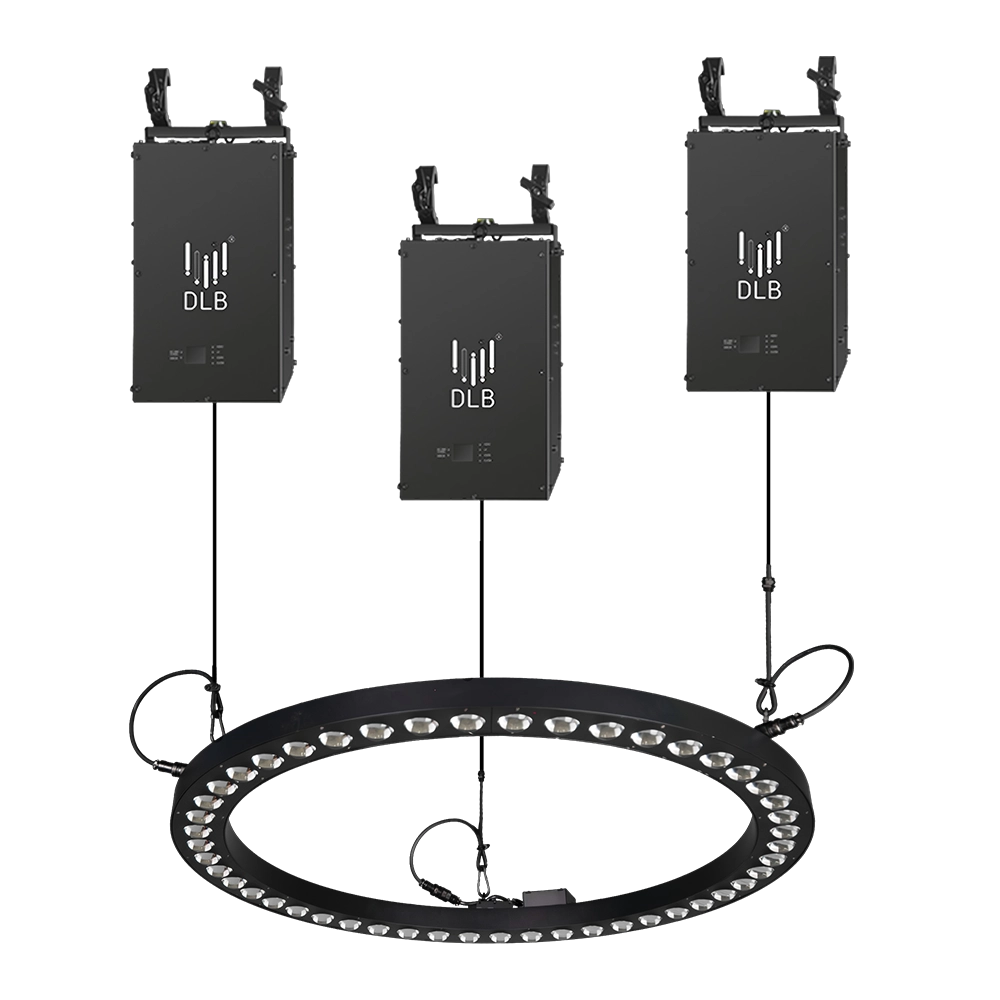
Kinetic Halo Ring——Ideal for a wide range of large-scale events: commercial spaces, TV shows, concerts, nightclubs, and various other settings.
Experience dynamic illumination with the FENG-YI Kinetic Halo Ring. This versatile kinetic light is perfect for large-scale events—commercial spaces, TV shows, concerts, and nightclubs—delivering stunning kinetic ring light effects that captivate every audience.
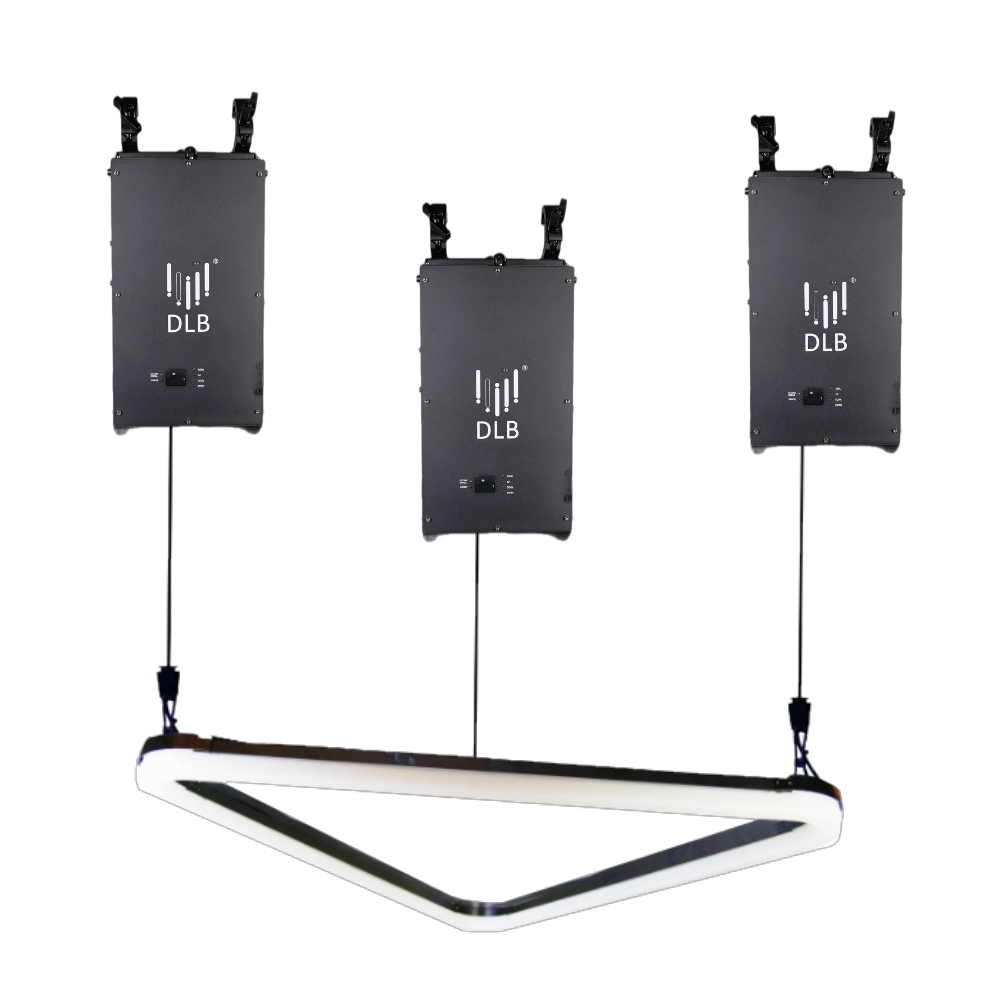
Kinetic Arc Light——Ideal for a wide range of large-scale events: commercial spaces, TV shows, concerts, nightclubs, and various other settings.
FENG-YI’s Kinetic Arc Light is a kinetic triangle LED light panel designed for large-scale events. Perfect for commercial spaces, TV shows, concerts, and nightclubs, it delivers dynamic lighting effects that captivate audiences and elevate any setting. Ideal kinetic light solution.
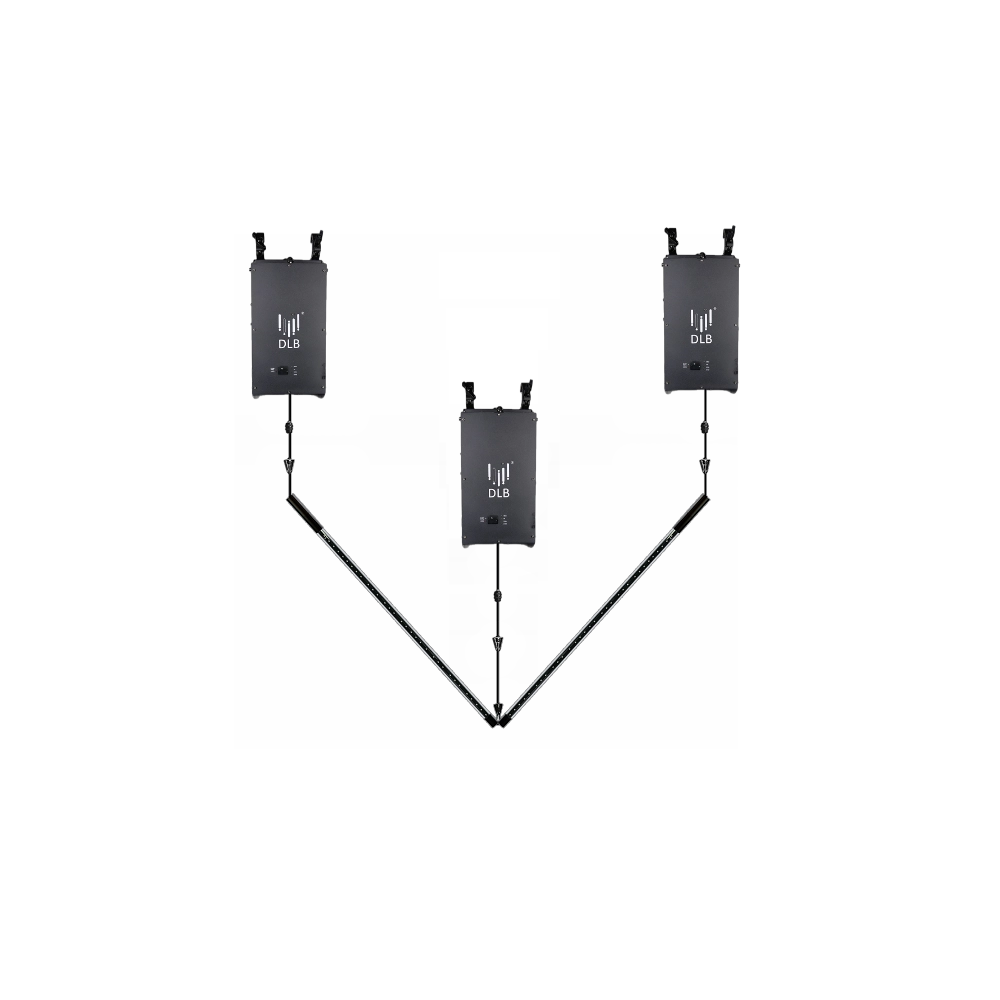
Kinetic Double Rod——Ideal for a wide range of large-scale events: commercial spaces, TV shows, concerts, nightclubs, and various other settings.
FENG-YI’s Kinetic Double Rod delivers dynamic kinetic light effects ideal for large-scale events—from concerts and nightclubs to TV shows and commercial spaces. Elevate your setup with this versatile kinetic light rod, designed for stunning visual impact and seamless integration.
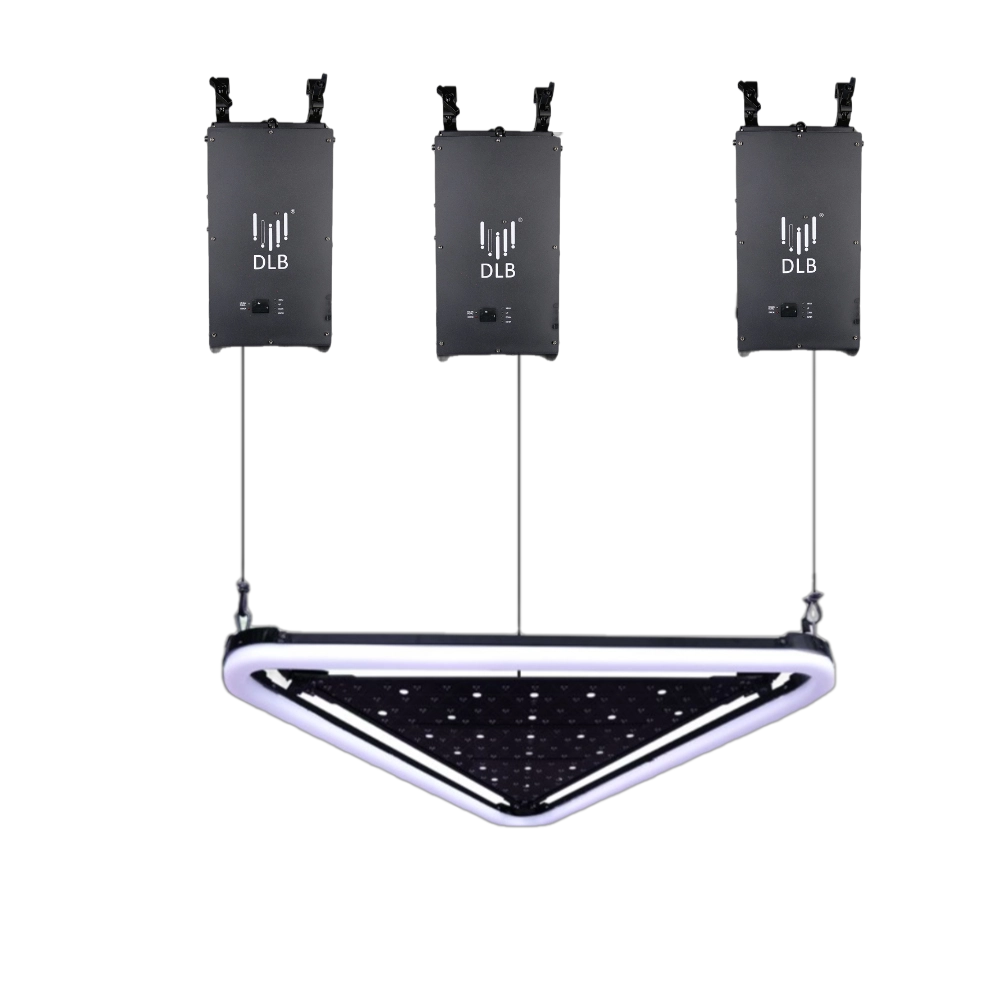
Kinetic Arc Panel——Ideal for a wide range of large-scale events: commercial spaces, TV shows, concerts, nightclubs, and various other settings.
FENG-YI’s Kinetic Arc Panel features dynamic kinetic light technology with kinetic triangle LED light panels, perfect for enhancing large-scale events like concerts, TV shows, nightclubs, and commercial spaces. Elevate your visual experience with innovative, high-impact lighting solutions.
Want to learn more about the latest updates?
Have questions or ready to illuminate your project? Reach out to our expert team today.
Rest assured that your privacy is important to us, and all information provided will be handled with the utmost confidentiality.
By clicking "Send your message," I agree to your processing my personal data.
To see how to withdraw your consent, how to control your personal data, and how we process it, please see our Privacy Policy and Terms of Use.

FENG-YI has been continuously innovating and has grown into a Kinetic Lights Manufacturer and solution provider with unique advantages.
Contact
+86 181 2785 5301
Address
Building 5, No. 34, Fuyuan Road, Jinghu IndustrialZone, Xinhua Town, Huadu District, Guangzhou, China.
© 2025 FENG-YI. All Rights Reserved.
Facebook
Instagram
YouTube
TikTok