










Smart kinetic lighting with sensors and automation
Explore how smart kinetic lighting with sensors and automation transforms performance spaces, retail, and installations. This guide explains technologies, design considerations, energy and operational benefits, integration strategies, and how FENG-YI delivers turnkey kinetic lighting solutions for diverse scenarios.
- Smart kinetic lighting with sensors and automation: an introduction to kinetic lighting innovation
- What is kinetic lighting and why combine it with sensors?
- How sensors and automation reshape kinetic lighting solutions
- Benefits of smart kinetic lighting for commercial spaces and performances
- Operational efficiency and energy savings with kinetic lighting systems
- Enhanced audience engagement and brand experience
- Key sensor types and how they integrate with kinetic lighting
- Occupancy and proximity sensors
- Ambient light sensors and photosensors
- Audio and timecode triggers (for performance automation)
- Camera and people-counting systems for analytics
- Automation platforms and protocols for reliable kinetic lighting control
- Common protocols: DMX, Art-Net, sACN, and networked control
- Software orchestration and content management
- Design considerations: mechanical, electrical, and safety aspects
- Mechanics and motion profiles for long-term reliability
- Electrical and thermal management
- Safety and regulatory compliance
- Comparing control strategies and expected benefits
- Which control strategy fits your project?
- Implementation roadmap for kinetic lighting with sensors and automation
- Phase 1 — Concept and feasibility
- Phase 2 — Detailed design and prototyping
- Phase 3 — Installation, commissioning, and training
- Why choose a specialist provider: FENG-YI's role in kinetic lighting innovation
- FENG-YI: experience, scale, and creative engineering for kinetic light solutions
- Capabilities that matter for sensor-driven kinetic lighting projects
- Scale, global reach, and project diversity
- Core products and competitive advantages
- Maintenance, lifecycle costs, and ROI considerations
- Planned maintenance and predictive servicing
- Lifecycle costs and return on investment
- Practical case scenarios and quick deployment tips
- Small-scale installations (retail, pop-ups)
- Large-scale venues (theaters, stadia, façades)
- Frequently Asked Questions (FAQ) about kinetic lighting with sensors and automation
- Q1: Are kinetic lighting systems with sensors energy-efficient?
- Q2: How safe are moving lighting installations in public spaces?
- Q3: Can I retrofit sensors and automation to an existing kinetic lighting installation?
- Q4: What ongoing support is required for kinetic lighting systems?
- Q5: How do I measure the success of a smart kinetic lighting installation?
- Contact FENG-YI or view kinetic lighting products
- Ready to explore a kinetic lighting solution?
- Sources and references
Smart kinetic lighting with sensors and automation: an introduction to kinetic lighting innovation
What is kinetic lighting and why combine it with sensors?
Kinetic lighting refers to lighting systems that incorporate movement—either of the light source, reflective surfaces, or suspended elements—to create dynamic visual effects. When kinetic lighting is combined with sensors and automation, the result is an adaptive, interactive installation that responds to environment, audience behavior, time schedules, or remote commands. For architects, production designers, and venue operators, smart kinetic lighting systems offer expressive possibilities and measurable operational benefits, from energy savings to enhanced visitor engagement.
How sensors and automation reshape kinetic lighting solutions
Adding sensors (occupancy, ambient light, proximity, audio, and cameras) and a programmable automation layer enables kinetic lighting to perform contextually. Examples: a kinetic chandelier that contracts when crowds arrive to reduce glare and expands for an event; suspended LED arrays that shift color and motion patterns based on stage cues; retail kinetic walls that react to footfall to highlight products. By integrating motion profiles, safety limits, and light levels, automation makes kinetic lighting systems predictable, safe, and easy to operate.
Benefits of smart kinetic lighting for commercial spaces and performances
Operational efficiency and energy savings with kinetic lighting systems
Smart kinetic lighting systems are not just visual spectacles — they are engineered systems. Automation can schedule movement to off-peak hours, dim LEDs based on ambient light, and stop motion when areas are unoccupied. These controls significantly reduce energy consumption and mechanical wear. For venue operators, that translates to lower utility bills and lower maintenance costs while keeping the immersive experience intact. Keywords: kinetic lighting solutions, kinetic lighting systems, kinetic light installation.
Enhanced audience engagement and brand experience
Kinetic lighting, when controlled intelligently, becomes a storytelling tool. Sensors let lighting react to live music tempo, audience density, or interactive triggers in installations and experiential marketing. This responsiveness increases dwell time in retail, improves memorability for cultural tourism shows, and elevates broadcast set design. Using automation also ensures consistent repeatability across shows and locations — critical for touring productions and franchised venues.
Key sensor types and how they integrate with kinetic lighting
Occupancy and proximity sensors
Occupancy (PIR, microwave) and proximity sensors detect presence and trigger motion or light level changes. For kinetic installations, they can activate movement patterns only when a person approaches, enhancing longevity and conserving energy. : kinetic lighting installations often include occupancy sensors to optimize performance and cost.
Ambient light sensors and photosensors
Photosensors adjust LED brightness and color temperature in response to natural light, ensuring visual balance and energy efficiency. In daylight-facing atriums or outdoor-facing façades, ambient sensors prevent over-illumination and harmonize kinetic movement with the changing daylight cycle.
Audio and timecode triggers (for performance automation)
In live performance settings, audio analysis and SMPTE timecode triggers synchronize kinetic motion with music and cues. This level of integration transforms kinetic lighting into a choreographed element of the production, enabling designers to create complex, repeatable shows with precise timing.
Camera and people-counting systems for analytics
Camera-based analytics can tailor kinetic behavior to crowd flow and demographics while providing valuable data for venue managers: peak visitation times, dwell locations, and engagement metrics. This data supports ongoing optimization of kinetic lighting patterns for business outcomes such as retail conversion or ticket renewals. Commercial keywords: kinetic lighting analytics, kinetic light solutions.
Automation platforms and protocols for reliable kinetic lighting control
Common protocols: DMX, Art-Net, sACN, and networked control
Professional kinetic lighting systems rely on established lighting control protocols like DMX, Art-Net, and sACN for LED and fixture control, combined with building automation protocols (BACnet, KNX) when integrated with HVAC and facility controls. Selecting the right protocol ensures interoperability with lighting consoles, show control systems, and remote management tools.
Software orchestration and content management
Automation software manages motion profiles, safety limits, scheduling, and remote monitoring. Platforms that support timeline-based sequences and real-time triggers (from sensors or live operators) are essential for venues needing both creative flexibility and operational stability. : many kinetic lighting suppliers offer both on-site programming and remote support to manage these systems effectively.
Design considerations: mechanical, electrical, and safety aspects
Mechanics and motion profiles for long-term reliability
Designing movement for kinetic lighting requires careful specification of motors, gearboxes, slip-clutches, and cabling to withstand cyclical loads. Automation reduces unnecessary motion, but mechanical components should be selected for lifespan and ease of maintenance. Motion profiles (acceleration/deceleration curves) limit stress on components and reduce audible noise.
Electrical and thermal management
LED drivers, power distribution, and thermal management are critical. Kinetic elements often carry LEDs that shift position; cables and slip rings must be rated for cyclic bending. Automation can manage LED intensity to limit heat generation during periods of high motion or extended run times.
Safety and regulatory compliance
Safety systems — emergency stop, limit switches, redundant brakes — must be integrated into automation logic. Compliance with local electrical and mechanical codes, as well as fire and accessibility regulations, is mandatory for commercial installations. Incorporating sensors for obstacle detection and fail-safe behavior is best practice for public spaces.
Comparing control strategies and expected benefits
Which control strategy fits your project?
Choosing between simple time-based automation, sensor-driven behavior, or fully responsive, AI-assisted systems depends on the project’s goals, budget, and maintenance capacity. Below is a concise comparison to guide decisions.
| Control Strategy | Typical Use Case | Energy Savings | Complexity |
|---|---|---|---|
| Schedule-based automation | Museum shows, nightly façade sequences | Low–Medium (up to 10–20%) | Low |
| Sensor-driven (occupancy/ambient) | Retail, lobbies, temporary exhibits | Medium–High (20–50%) | Medium |
| Interactive (audio/video/camera) | Experiential marketing, live shows | Variable (depends on usage) | High |
| AI/analytics-enabled | Smart campuses, data-driven optimization | High (ongoing optimization) | High |
Sources for energy savings: U.S. Department of Energy and lighting industry case studies (see sources section).
Implementation roadmap for kinetic lighting with sensors and automation
Phase 1 — Concept and feasibility
Define the creative objectives, user experience goals, and measurable KPIs (energy, footfall, dwell time). Conduct site surveys and technical feasibility studies to assess mounting points, power access, and structural loads. At this stage, specify preferred sensors and control platforms.
Phase 2 — Detailed design and prototyping
Produce mechanical and electrical engineering packages, motion simulations, and safety analyses. Build and test a prototype or scale mockup to validate motion profiles and sensor responses. This is where coordination between creative teams and engineers prevents surprises during installation.
Phase 3 — Installation, commissioning, and training
Install mechanical assemblies, wire sensors, and configure automation. Commissioning should include safety checks, calibration of sensors, and rehearsed show playback. Provide operator training and documentation for maintenance staff. Commercial providers often offer extended support packages including remote diagnostics.
Why choose a specialist provider: FENG-YI's role in kinetic lighting innovation
FENG-YI: experience, scale, and creative engineering for kinetic light solutions
Since its establishment in 2011, FENG-YI has been continuously innovating and has grown into a creative kinetic light manufacturing service provider with unique advantages. The company is committed to exploring new lighting effects, new technologies, new stage designs, and new experiences. Through professional Kinetic Light art solutions, we empower emerging performance spaces, support the development of new performance formats, and meet the diverse needs of different scenarios.
Capabilities that matter for sensor-driven kinetic lighting projects
Located in Huadu District, Guangzhou, the company currently has 62 employees, including an 8-member professional design team and 20 highly experienced technical service staff. FENG-YI has become a High Quality user of Madrix software in mainland China, offering both on-site installation & programming as well as remote technical guidance services for Kinetic Light projects.
Scale, global reach, and project diversity
With a total area of 6,000㎡, FENG-YI owns China’s largest 300㎡ art installation exhibition area and operates 10 overseas offices worldwide. Our completed Kinetic Light projects have successfully reached over 90 countries and regions, covering television stations, commercial spaces, cultural tourism performances, and entertainment venues.
Core products and competitive advantages
Today, FENG-YI is recognized as a leading kinetic lights scene solution provider in the industry, delivering innovative lighting experiences that integrate technology and creativity. FENG-YI’s core products include modular kinetic arrays, motorized rigging systems optimized for LED integration, and turnkey control packages that support DMX/Art-Net/sACN and higher-level automation. Their strengths lie in custom design capability, end-to-end project execution (engineering, installation, programming), and post-deployment technical support — vital for sensor-integrated kinetic lighting projects.
Maintenance, lifecycle costs, and ROI considerations
Planned maintenance and predictive servicing
Automation platforms can report motor hours, temperature, and sensor status. Combining these telemetry streams with scheduled inspections minimizes downtime and extends system life. Predictive maintenance reduces the probability of unexpected outages during public performances.
Lifecycle costs and return on investment
Initial investment in sensors and intelligent controls can be higher than static systems, but the operational savings (energy, maintenance) and increased revenue from better visitor engagement often justify the spend. For venues that monetize experiences—ticketed shows, retail conversions, or broadcast sponsorships—the ROI can be demonstrated through analytics and A/B testing of content strategies.
Practical case scenarios and quick deployment tips
Small-scale installations (retail, pop-ups)
Use sensor-driven presets to react only when customers are present. Keep mechanical movement simple (low cycle count) and choose quick-deploy mounting systems. Opt for remote management to support multiple pop-up sites from a single control center.
Large-scale venues (theaters, stadia, façades)
Prioritize redundancy, rigorous safety interlocks, and integration with show control systems. For façade projects, weatherproof sensors and sealed mechanical components are essential. Employ mockups and full-system rehearsals before public launch.
Frequently Asked Questions (FAQ) about kinetic lighting with sensors and automation
Q1: Are kinetic lighting systems with sensors energy-efficient?
A1: Yes. When combined with occupancy, ambient light sensors, and optimized automation, kinetic lighting can significantly reduce overall energy use compared with always-on or manual systems. Energy savings depend on usage patterns but commonly range from 20% to 50% in sensor-managed scenarios.
Q2: How safe are moving lighting installations in public spaces?
A2: Safety is a primary design consideration. Properly engineered systems include limit switches, emergency stops, redundant brakes, obstacle detection, and certified rigging. Compliance with local codes and third-party testing further ensures safety for audiences and staff.
Q3: Can I retrofit sensors and automation to an existing kinetic lighting installation?
A3: Many systems can be retrofitted, but feasibility depends on the existing mechanical design, motor controllers, and available control interfaces. A site assessment by a specialist will determine scope and cost-effectiveness.
Q4: What ongoing support is required for kinetic lighting systems?
A4: Regular inspections of mechanical and electrical components, firmware updates for control systems, and sensor calibration are typical. Providers often offer service contracts and remote diagnostics to reduce on-site visits.
Q5: How do I measure the success of a smart kinetic lighting installation?
A5: Define KPIs before installation: energy consumption, maintenance incidents, visitor dwell time, sales lift, or broadcast viewer metrics. Use analytics from sensors and control systems to track performance against these KPIs and iterate content or schedules accordingly.
Contact FENG-YI or view kinetic lighting products
Ready to explore a kinetic lighting solution?
For consultations, project quotes, or to view sample installations, contact FENG-YI’s project team. Whether you’re specifying a small interactive installation or a large-scale theatrical rig, FENG-YI offers design, installation, programming, and ongoing technical support. Reach out to learn how smart kinetic lighting with sensors and automation can elevate your space.
Sources and references
- U.S. Department of Energy — Solid-State Lighting: Lighting Controls (energy savings and technologies)
- Illuminating Engineering Society (IES) — Recommended practices for lighting controls and safety
- Statista / Market research reports on smart lighting market trends and growth
- Manufacturers’ technical whitepapers on LED drivers, slip rings, and motor lifecycles
Tags
kinetic LED display panels
kinetic LED display panels
kinetic light ball
kinetic light ball
kinetic led line lights
kinetic led line lights
Kinetic matrix strobe bar
Kinetic matrix strobe bar
Kinetic Glowing ball
Kinetic Glowing ball
Kinetic Light
Kinetic Light
Recommended for you
Materials and mechanics for kinetic light builds
Waterproof Profile Light Case Studies: Real Installations
Safety standards and regulations for kinetic lighting
How to Install Waterproof Profile Light Outdoors Safely
Prdoucts Categories
Question you may concern
After-Sales Support
Can technical training be provided? For example, teaching customers how to debug DMX consoles and set light addresses.
Free technical training is supported:
▪ Online training: Operation video tutorials and live teaching (e.g., a "DMX Light Control Practical Course" once a month) are provided.
▪ Offline training: For wholesale customers (with a single purchase of ≥ 100 units), technicians can be arranged for on-site training (1-2 days, including console debugging, address setting, and fault troubleshooting).
▪ Customized training: For large-scale projects (e.g., stadium lighting projects), on-site technical guidance can be provided (charged based on the project cycle, specific details to be negotiated).
Nightclub Lighting
Do you offer pre-programmed services?
Yes, we can pre-set multiple "lighting scenes" (e.g., welcome mode, performance mode, climax mode, and clearing mode) for you. You can switch between them at will, allowing you to see how the lighting changes dynamically with the music and business hours, creating a truly immersive experience.
Products
What light control modes does the 7-lamp 60W wash light support? Is it compatible with DMX consoles of other brands?
It supports three control modes: DMX512, sound activation, and auto-run. The channels can be selected as 23CH/35CH/51CH (the 51CH mode enables independent R/G/B/W dimming for each individual lamp bead). It complies with the international universal DMX512 protocol and is compatible with mainstream brand consoles (e.g., MA, Good, Pearl consoles). When connecting, it is recommended to connect a 120Ω terminator to the output end of the last light to reduce signal interference.
Wedding & Parties Lighting Solutions
What is the delivery timeline?
Standard configurations: approx. 4–8 weeks; custom projects depend on scale and logistics. Expedited options and rental alternatives available.
You may also like
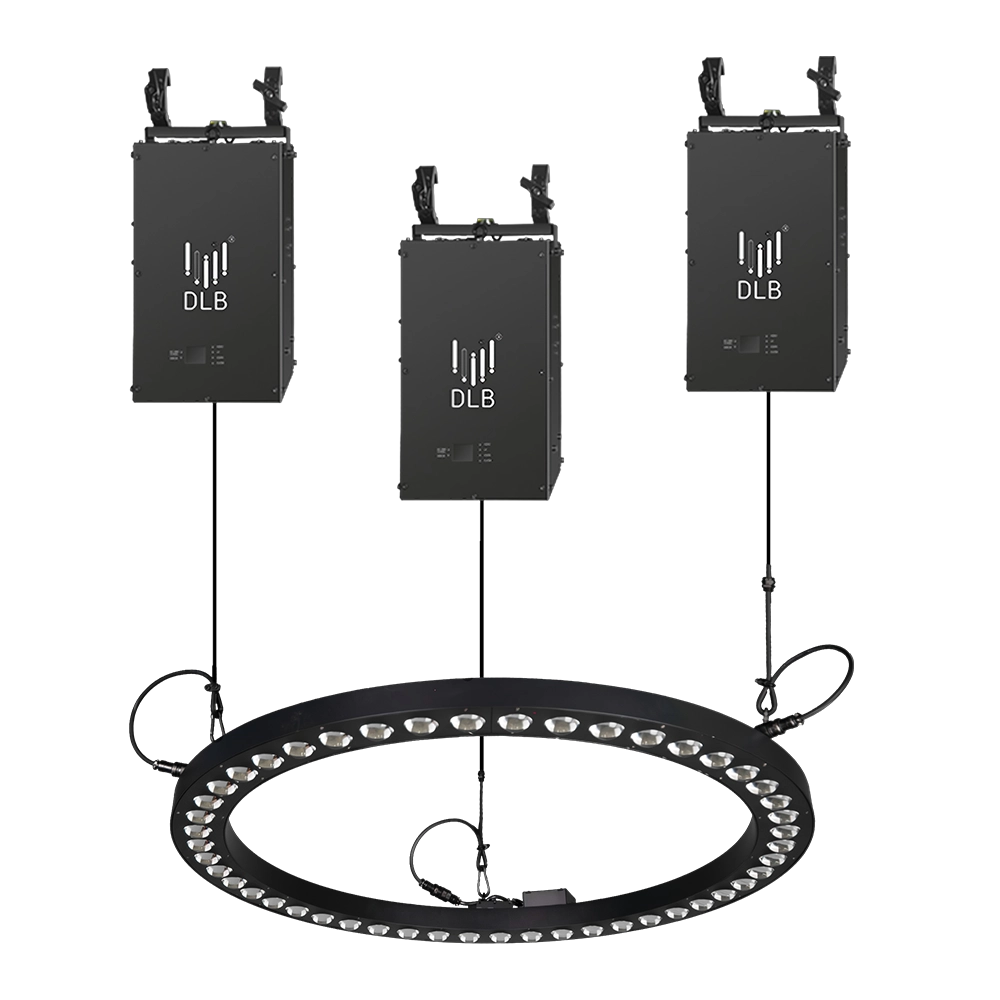
Kinetic Halo Ring——Ideal for a wide range of large-scale events: commercial spaces, TV shows, concerts, nightclubs, and various other settings.
Experience dynamic illumination with the FENG-YI Kinetic Halo Ring. This versatile kinetic light is perfect for large-scale events—commercial spaces, TV shows, concerts, and nightclubs—delivering stunning kinetic ring light effects that captivate every audience.
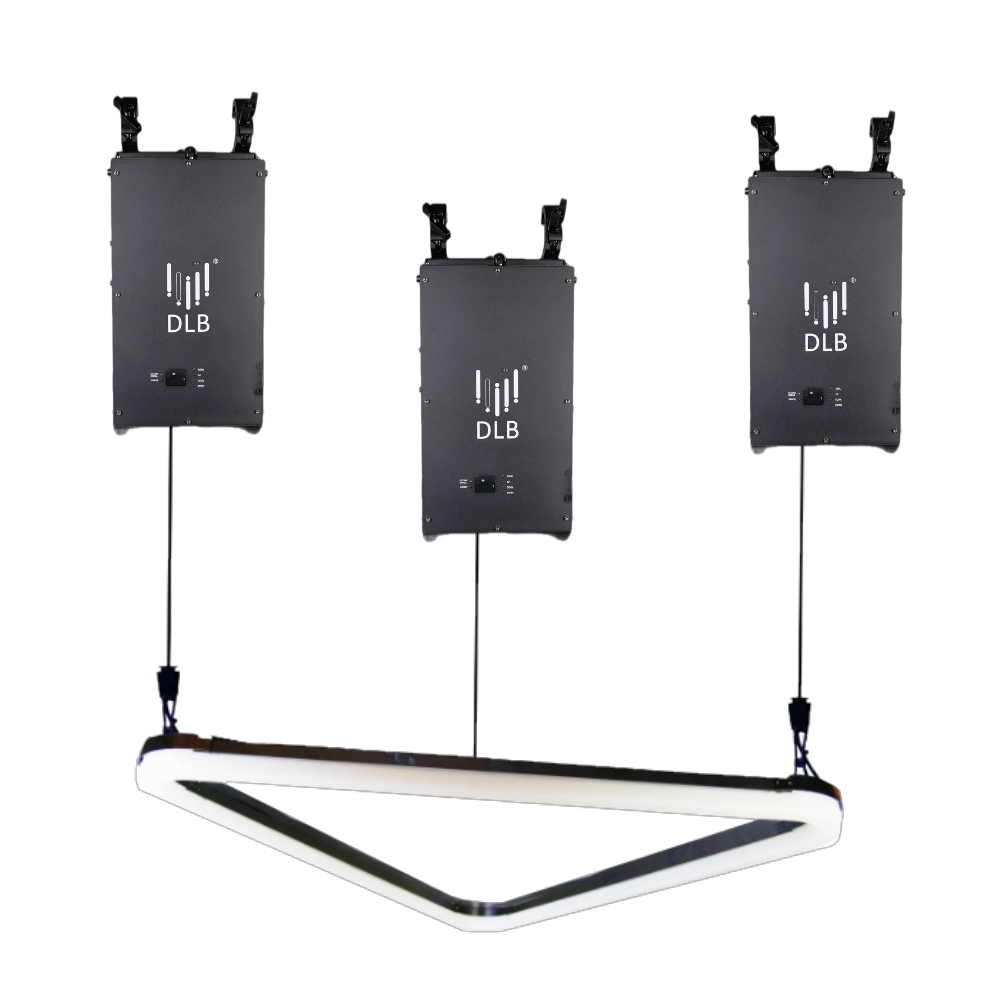
Kinetic Arc Light——Ideal for a wide range of large-scale events: commercial spaces, TV shows, concerts, nightclubs, and various other settings.
FENG-YI’s Kinetic Arc Light is a kinetic triangle LED light panel designed for large-scale events. Perfect for commercial spaces, TV shows, concerts, and nightclubs, it delivers dynamic lighting effects that captivate audiences and elevate any setting. Ideal kinetic light solution.
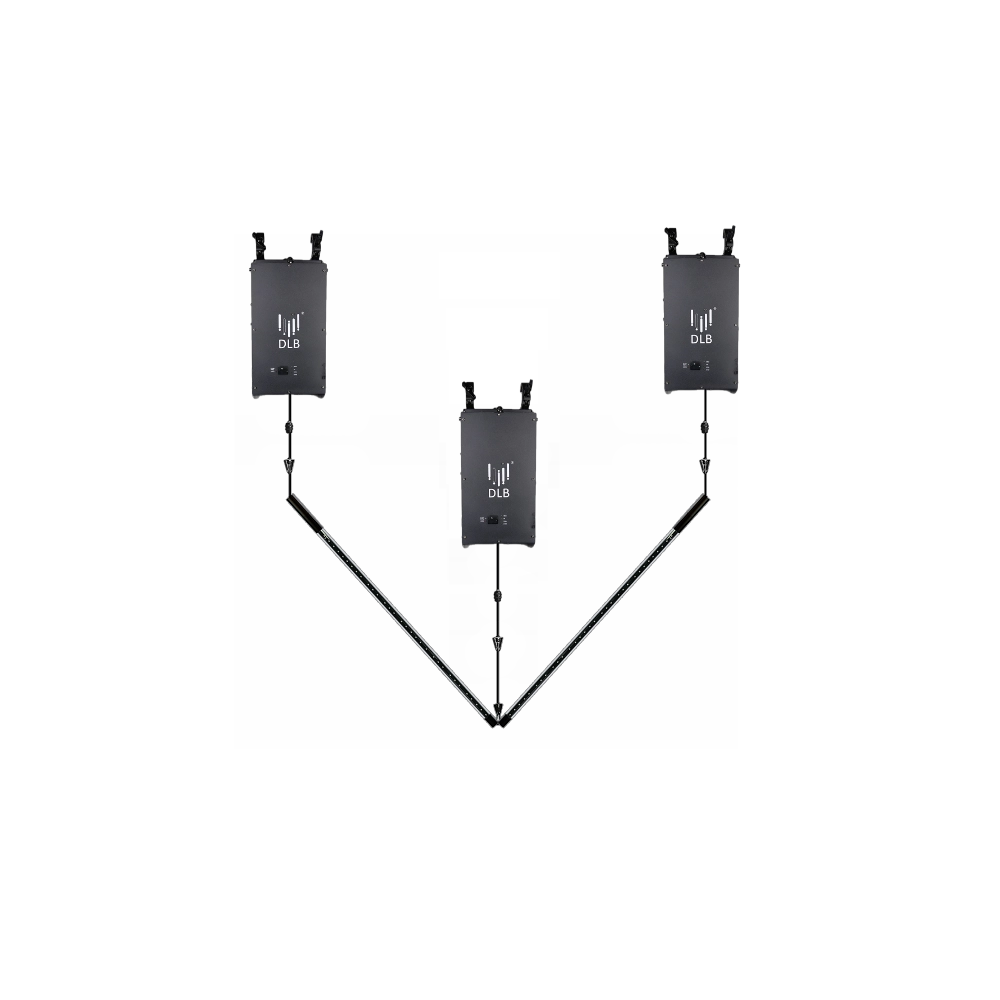
Kinetic Double Rod——Ideal for a wide range of large-scale events: commercial spaces, TV shows, concerts, nightclubs, and various other settings.
FENG-YI’s Kinetic Double Rod delivers dynamic kinetic light effects ideal for large-scale events—from concerts and nightclubs to TV shows and commercial spaces. Elevate your setup with this versatile kinetic light rod, designed for stunning visual impact and seamless integration.
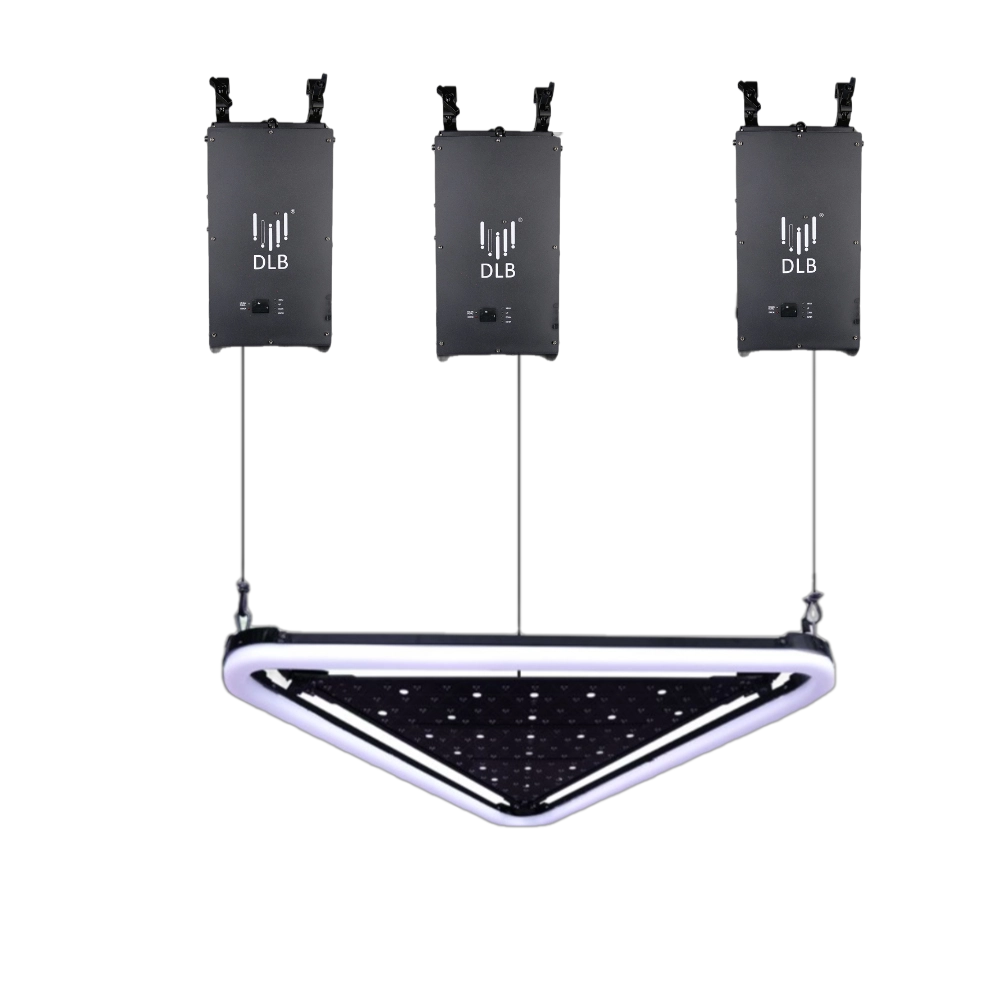
Kinetic Arc Panel——Ideal for a wide range of large-scale events: commercial spaces, TV shows, concerts, nightclubs, and various other settings.
FENG-YI’s Kinetic Arc Panel features dynamic kinetic light technology with kinetic triangle LED light panels, perfect for enhancing large-scale events like concerts, TV shows, nightclubs, and commercial spaces. Elevate your visual experience with innovative, high-impact lighting solutions.
Want to learn more about the latest updates?
Have questions or ready to illuminate your project? Reach out to our expert team today.
Rest assured that your privacy is important to us, and all information provided will be handled with the utmost confidentiality.
By clicking "Send your message," I agree to your processing my personal data.
To see how to withdraw your consent, how to control your personal data, and how we process it, please see our Privacy Policy and Terms of Use.

FENG-YI has been continuously innovating and has grown into a Kinetic Lights Manufacturer and solution provider with unique advantages.
Contact
+86 181 2785 5301
Address
Building 5, No. 34, Fuyuan Road, Jinghu IndustrialZone, Xinhua Town, Huadu District, Guangzhou, China.
© 2025 FENG-YI. All Rights Reserved.
Facebook
Instagram
YouTube
TikTok