










Kinetic lighting for retail displays and visual merchandising
Kinetic lighting transforms static retail displays into dynamic, attention-grabbing experiences. This article explains what kinetic lighting is, how it improves visual merchandising and sales, practical design and implementation strategies, ROI considerations, and why partnering with an experienced provider like FENG-YI accelerates successful installations for stores, malls, and experiential retail formats.
- Kinetic lighting for retail displays and visual merchandising
- What is kinetic lighting and why retailers invest in kinetic lighting solutions
- How kinetic lighting improves visual merchandising and drives commercial outcomes
- Kinetic lighting vs traditional retail lighting: a practical comparison for buying decisions
- Designing kinetic lighting for retail displays: principles and best practices
- Implementation: what to expect when installing kinetic lighting systems
- Kinetic lighting and omnichannel retail: syncing physical and digital experiences
- Measuring success: KPIs and analytics for kinetic lighting projects
- Cost considerations and ROI modelling for buying kinetic lighting
- Case uses: where kinetic lighting is most effective in retail environments
- FENG-YI: a proven partner for kinetic lighting manufacturing and services
- Why choose FENG-YI for your kinetic lighting projects and retail deployments
- Operational support and aftercare: ensuring reliability for retail operations
- Regulatory, safety, and sustainability considerations for kinetic lighting
- Practical checklist for retailers buying kinetic lighting
- Frequently Asked Questions (FAQ) — kinetic lighting for retail displays
- How much does kinetic lighting cost to install in a retail store?
- Will kinetic lighting distract customers or cause sensory overload?
- Can kinetic lighting be integrated with my existing store control systems?
- How long does it take to deploy a kinetic lighting project?
- What maintenance do kinetic lighting systems require?
- Contact us / View products
- References and sources
Kinetic lighting for retail displays and visual merchandising
What is kinetic lighting and why retailers invest in kinetic lighting solutions
Kinetic lighting is the use of movable, programmable light fixtures and arrays to create motion, variation, and temporal effects that change how a retail space is perceived. Unlike static lighting that only illuminates, kinetic lighting adds an element of choreography — shifting direction, intensity, color, and pattern in ways timed to products, promotions, or customer flows. Retailers invest in kinetic lighting solutions to attract attention, guide shoppers, highlight product stories, and differentiate brand experiences in saturated markets.
How kinetic lighting improves visual merchandising and drives commercial outcomes
Kinetic lighting impacts key retail metrics by influencing customer attention and emotions. Well-designed kinetic sequences can increase dwell time in a branded zone, raise perceived product value, and steer traffic toward strategic displays. For visual merchandising, kinetic lighting allows a single physical fixture to deliver multiple moods or campaign looks — for example, a seasonal hue change or a motion accent that mimics product function. For retailers considering whether to buy kinetic lighting, the is clear: kinetic lighting can be a high-impact tool for promotions, product launches, and experiential retail formats.
Kinetic lighting vs traditional retail lighting: a practical comparison for buying decisions
When evaluating lighting purchases, retailers should weigh upfront costs, flexibility, operating cost, maintenance, and measurable returns. Below is a concise comparison to help decision makers choose the right solution for their stores.
| Criteria | Traditional Static Lighting | Kinetic Lighting |
|---|---|---|
| Visual impact | Consistent illumination; limited novelty | Dynamic motion & color; high novelty and recall |
| Flexibility | Low — fixed color/angles | High — programmable scenes for multiple campaigns |
| Average installation cost | Lower initial investment | Higher initial investment (hardware + control systems) |
| Operating cost | Lower complexity; predictable | Higher if motion mechanisms used; mitigated by LED efficiency |
| Maintenance | Routine bulb/driver replacement | Requires mechanical and software support |
| Measurable ROI | Incremental gains from improved lighting quality | Higher potential ROI through promotions, dwell time, and differentiation |
Sources for comparison criteria: Lighting Research Center (RPI) insights on lighting influences and FENG-YI internal project data (2021–2024).
Designing kinetic lighting for retail displays: principles and best practices
Effective kinetic lighting design balances spectacle with subtlety. Overuse of motion can distract or fatigue shoppers; underuse diminishes value. Key principles:
- Hierarchy: Use kinetic motion to emphasize focal points — new arrivals, hero SKUs, or limited-time offers.
- Pacing: Program longer pauses and short motion accents; typical retail sequences run between 10–60 seconds to avoid visual fatigue.
- Contextual color: Match light temperature and color saturation with brand identity and product finishes — cool tones for tech, warm tones for lifestyle or hospitality goods.
- Integration with merchandising: Coordinate kinetic sequences with signage, digital screens, and product placement so lighting augments, not competes with, merchandising messages.
- Accessibility and safety: Ensure moving elements don’t encroach into customer pathways or compromise lighting levels for visibility.
Designers should prototype sequences on a small scale or in a concept store to validate effects on shopper behavior before roll out.
Implementation: what to expect when installing kinetic lighting systems
Installing kinetic lighting for retail displays involves several phases: consultation, design, manufacturing, programming, installation, and post-installation support. Retailers that plan to buy kinetic lighting should budget for the following:
- Site survey and 3D mapping to verify sightlines and mounting points.
- Custom mechanical or modular fixtures, depending on movement complexity.
- Control hardware and software integration (DMX, Art-Net, or proprietary controllers).
- On-site commissioning and staff training to operate scenes and schedules.
- Planned maintenance and remote diagnostics, particularly for large or multi-site deployments.
Experienced kinetic lighting providers offer staged deployment and remote programming services to minimize retail downtime.
Kinetic lighting and omnichannel retail: syncing physical and digital experiences
Kinetic lighting can strengthen omnichannel strategies by linking in-store atmospheres to digital campaigns. Examples include lighting sequences triggered by mobile check-ins, in-store app interactions, or synchronized show times that align with social media livestreams. For retailers, kinetic lighting solutions that support networked control and API integration enable cross-channel promotions and analytics — another commercial benefit when evaluating kinetic lighting vendors.
Measuring success: KPIs and analytics for kinetic lighting projects
To quantify the impact of kinetic lighting, define KPIs up front. Common metrics include:
- Footfall and conversion rate changes in lit zones
- Dwell time near featured displays
- Average transaction value for promoted SKUs
- Social engagement (tags/photos of installations)
- Energy consumption vs. comparable static lighting setups
Combine people-counting sensors and POS data to attribute sales lifts to lighting-driven behavior. Many kinetic lighting solutions can log run times and energy use, enabling ROI modeling over 12–36 months.
Cost considerations and ROI modelling for buying kinetic lighting
Although kinetic lighting often carries a higher initial cost than standard fixtures, its flexibility reduces the need for frequent physical refits and promotional signage changes. When modeling ROI, include:
- Initial hardware & software costs
- Installation and commissioning
- Maintenance & support (onsite and remote)
- Expected revenue uplift over 1–3 years
- Operational energy costs (LED efficiency offsets motor/actuator power)
Many retailers see payback through increased sales for highlighted categories and reduced visual merchandising costs. For multi-site rollouts, economies of scale on programming and hardware sourcing reduce per-store costs.
Case uses: where kinetic lighting is most effective in retail environments
Kinetic lighting excels in situations that require high attention and adaptability. Typical use cases include:
- Flagship stores and brand experience centers — create iconic moments.
- Window displays — attract passersby at different times of day or for special promotions.
- Seasonal pop-ups and temporary activations — reprogram lighting rather than refitting physical elements.
- High-value product zones — highlight jewelry, electronics, or limited-edition products.
- Shopping mall feature installations — draw visitors and improve mall wayfinding.
FENG-YI: a proven partner for kinetic lighting manufacturing and services
Since its establishment in 2011, FENG-YI has been continuously innovating and has grown into a creative kinetic light manufacturing service provider with unique advantages. The company is committed to exploring new lighting effects, new technologies, new stage designs, and new experiences. Through professional Kinetic Light art solutions, we empower emerging performance spaces, support the development of new performance formats, and meet the diverse needs of different scenarios.
Located in Huadu District, Guangzhou, the company currently has 62 employees, including an 8-member professional design team and 20 highly experienced technical service staff. FENG-YI has become a High Quality user of Madrix software in mainland China, offering both on-site installation & programming as well as remote technical guidance services for Kinetic Light projects.
With a total area of 6,000㎡, FENG-YI owns China’s largest 300㎡ art installation exhibition area and operates 10 overseas offices worldwide. Our completed Kinetic Light projects have successfully reached over 90 countries and regions, covering television stations, commercial spaces, cultural tourism performances, and entertainment venues.
Today, FENG-YI is recognized as a leading kinetic lights scene solution provider in the industry, delivering innovative lighting experiences that integrate technology and creativity.
Why choose FENG-YI for your kinetic lighting projects and retail deployments
FENG-YI’s core advantages for retail clients are:
- End-to-end capabilities — design, manufacture, programming, installation and maintenance for kinetic lighting solutions.
- Experienced design team that tailors movement, color, and timing to brand narratives and merchandising goals.
- Proficiency with industry-standard control tools like Madrix for advanced pixel-mapped effects and reliable scheduling.
- Large test & exhibition space (300㎡) to prototype and demo installations before deployment, reducing risk.
- Global delivery experience — projects in over 90 countries and localized support via 10 overseas offices.
FENG-YI’s core product offerings for retail include modular kinetic fixtures, pixel-mapped LED arrays, motion rigging for fixtures and panels, integrated control systems, and ongoing technical services including remote programming and diagnostics. These products are engineered to be serviceable and reconfigurable, so retailers can refresh store atmospheres without costly structural changes.
Operational support and aftercare: ensuring reliability for retail operations
Retailers cannot afford prolonged downtime. FENG-YI provides both on-site installation & programming and remote technical guidance to keep systems operational. The company’s 20-person technical service team and remote diagnostics capability allow rapid troubleshooting, software updates, and seasonal scene updates. For multi-site rollouts, FENG-YI offers standardized scene libraries and remote deployment tools to scale consistent experiences across stores.
Regulatory, safety, and sustainability considerations for kinetic lighting
Kinetic lighting integrates mechanical and electrical systems, so compliance with local electrical codes, fire safety regulations, and accessibility standards is essential. Retailers should verify vendor conformity testing and seek products with energy-efficient LEDs and low-noise actuators. FENG-YI’s solutions prioritize LED efficiency and modular maintenance to lower lifecycle energy use and reduce waste.
Practical checklist for retailers buying kinetic lighting
Use this checklist when evaluating kinetic lighting vendors and solutions:
- Do they provide a site survey and proof-of-concept/demo space?
- Can they provide references from comparable retail projects?
- What control protocols and integration options are supported (DMX, Art-Net, API)?
- Is there a clear model for maintenance and remote support?
- Are lifecycle energy costs and warranty terms transparent?
- Can the solution be reprogrammed for future campaigns without hardware replacement?
Frequently Asked Questions (FAQ) — kinetic lighting for retail displays
How much does kinetic lighting cost to install in a retail store?
Costs vary with complexity: a basic programmable LED kinetic accent system for a single window might be a few thousand USD, while complex spatial installations with moving fixtures and integrated controls can range into tens or hundreds of thousands for flagship spaces. Budget planning should include hardware, control systems, installation, programming, and maintenance. FENG-YI offers project scoping to provide accurate estimates.
Will kinetic lighting distract customers or cause sensory overload?
When properly designed with appropriate pacing and intensity, kinetic lighting attracts attention without causing fatigue. Best practice is to limit rapid motion in high-traffic zones and to use motion as a highlight rather than continuous stimulation. Prototyping and A/B testing in a pilot store helps validate customer response.
Can kinetic lighting be integrated with my existing store control systems?
Yes — many kinetic lighting systems support standard protocols (DMX, Art-Net) and can integrate via APIs or building management systems. Verify integrations during the design phase and confirm remote control and scheduling options.
How long does it take to deploy a kinetic lighting project?
Small window installs can be completed in days to weeks. Full-store or multi-site rollouts require longer lead times for design, manufacturing, testing, and commissioning — typically 6–16 weeks depending on complexity. FENG-YI provides timelines based on scope and site readiness.
What maintenance do kinetic lighting systems require?
Maintenance includes periodic checks of mechanical actuators, firmware and software updates, LED driver replacement as needed, and occasional recalibration of motion sequences. Remote diagnostics reduce onsite visits and enable preventative maintenance scheduling.
Contact us / View products
Ready to explore kinetic lighting for your retail displays? Contact FENG-YI for a project consultation, demo in our 300㎡ exhibition area, or a cost estimate. Our team provides on-site installation and remote programming services to support store launches and seasonal campaigns. Email sales@feng-yi.com or request a demo through our website to see how kinetic lighting can transform your visual merchandising.
References and sources
- FENG-YI company data and project records (internal, 2011–2024).
- Lighting Research Center (RPI) — research and industry guidance on lighting effects on perception and retail environments.
- Madrix product and software information — industry-standard media server and pixel-mapping controls used in kinetic lighting (manufacturer resources).
Tags
Kinetic Light
Kinetic Light
kinetic light sculpture
kinetic light sculpture
kinetic triangle led light panel kit
kinetic triangle led light panel kit
kinetic light ring
kinetic light ring
Kinetic Cloud-shaped lamp
Kinetic Cloud-shaped lamp
kinetic light installation
kinetic light installation
Recommended for you
Kinetic LED vs traditional kinetic lighting: pros and cons
Future innovations in kinetic lighting technology
Smart kinetic lighting systems: integration guide
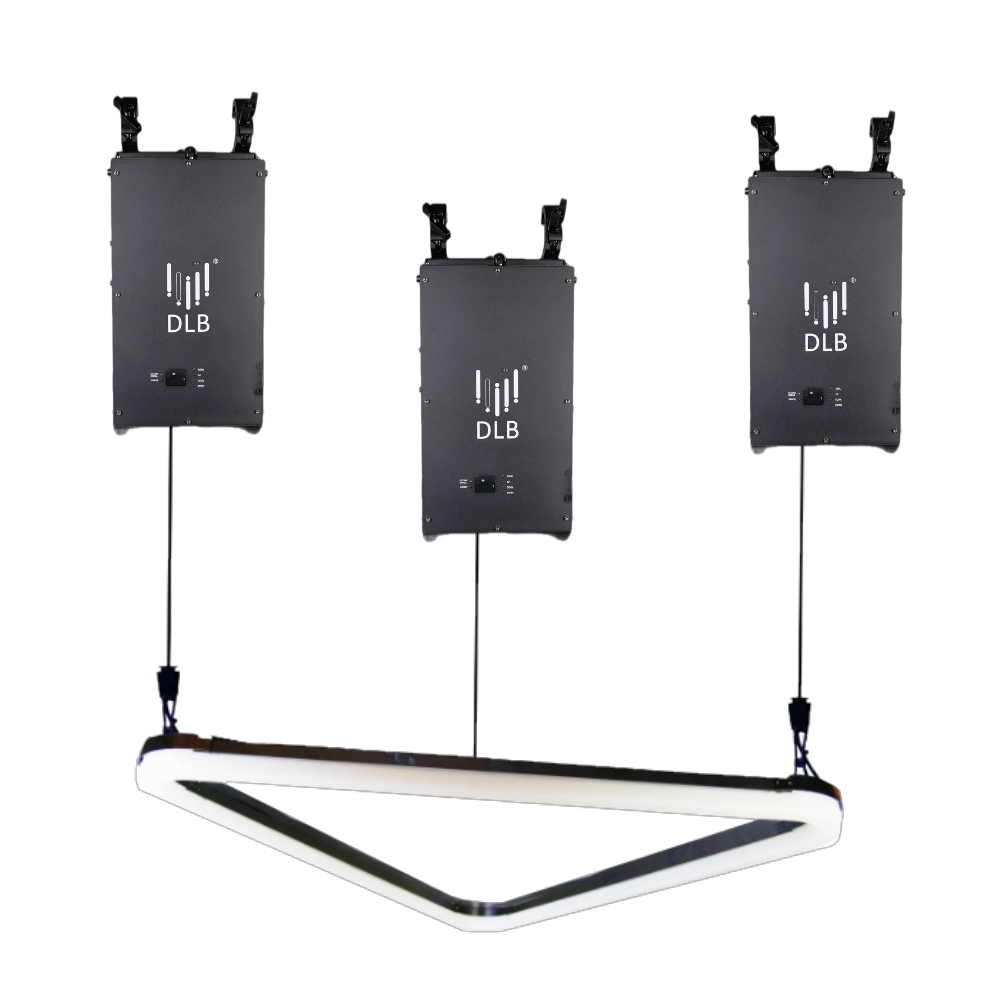
How Kinetic Arc Light Works: Mechanism & Design
Prdoucts Categories
Question you may concern
Products
The X/Y axis moves abnormally (jitter, no response). What causes this?
Address the issue as follows:
1. Mechanical Check: Open the fixture (after power-off) to inspect if the X/Y axis belts are loose or broken; re-tighten or replace belts if needed.
2. Optical Coupling Calibration: Enter "Settings → Motor Calibration → X/Y Axis" to adjust the offset (-128~+127) or enable "Optical Coupling" (auto-corrects step loss).
3. Reset & Restart: Press "Menu → Reset → XY Reset" to reposition the axes; if no response, check the X/Y axis photoelectric switches (replace if "X/Y Hall Error" appears in the error menu).
Nightclub Lighting
Do you offer pre-programmed services?
Yes, we can pre-set multiple "lighting scenes" (e.g., welcome mode, performance mode, climax mode, and clearing mode) for you. You can switch between them at will, allowing you to see how the lighting changes dynamically with the music and business hours, creating a truly immersive experience.
After-Sales Support
What is included in the product warranty scope? How to handle human-induced damage (e.g., falling, water ingress)?
Warranty scope: Hardware faults caused by non-human factors (e.g., motor failure, lamp bead non-illumination, light control failure). The whole machine is warranted for 1 year, LED lamp beads for 2 years, and core components of the elevating structure (e.g., hydraulic pump, motor) for 2 years. For human-induced damage, a cost fee will be charged for repairs (e.g., replacing the elevating motor requires charging the motor cost + repair fee). The after-sales team will first provide a fault detection report and repair quotation, and repairs will start only after the customer confirms.
Wedding & Parties Lighting Solutions
What about after-sales support and training?
On-site training + remote technical support, spare parts availability, and annual inspections. Service Level Agreements (SLAs) for maintenance services are available.
You may also like
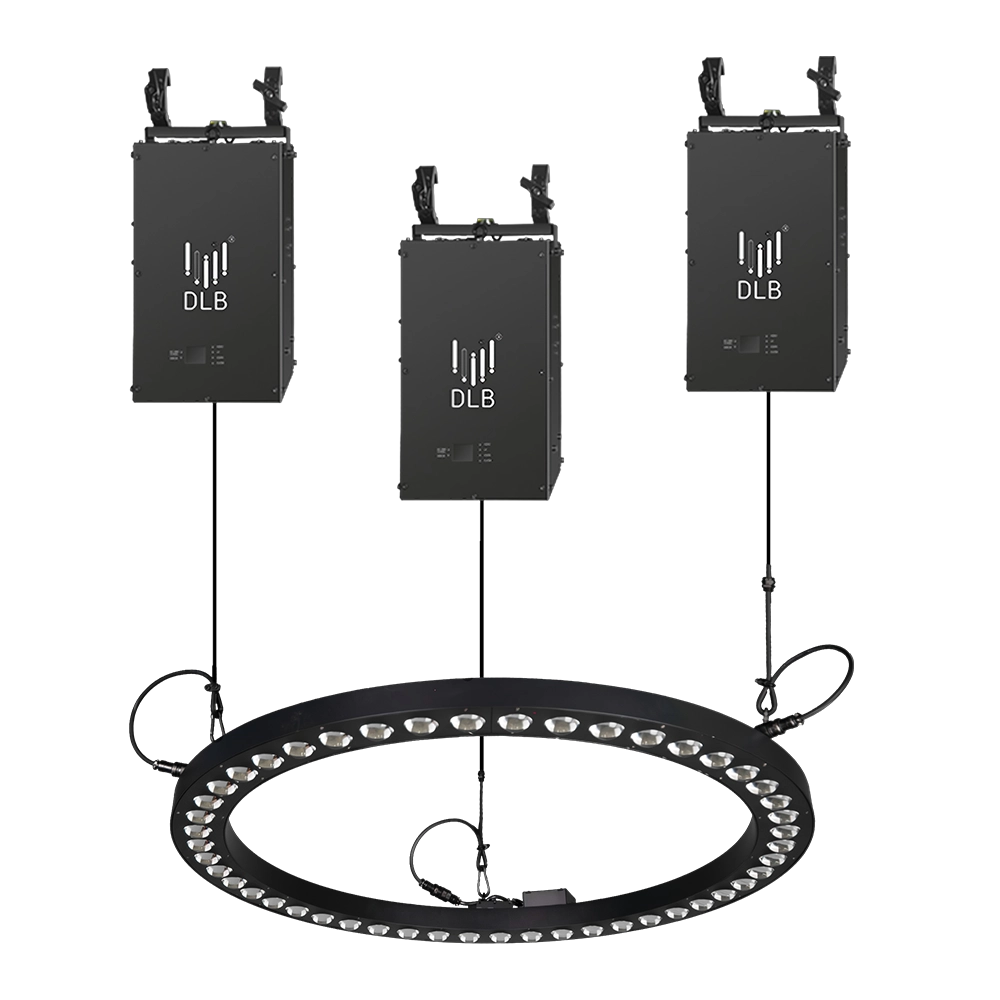
Kinetic Halo Ring——Ideal for a wide range of large-scale events: commercial spaces, TV shows, concerts, nightclubs, and various other settings.
Experience dynamic illumination with the FENG-YI Kinetic Halo Ring. This versatile kinetic light is perfect for large-scale events—commercial spaces, TV shows, concerts, and nightclubs—delivering stunning kinetic ring light effects that captivate every audience.
Kinetic Arc Light——Ideal for a wide range of large-scale events: commercial spaces, TV shows, concerts, nightclubs, and various other settings.
FENG-YI’s Kinetic Arc Light is a kinetic triangle LED light panel designed for large-scale events. Perfect for commercial spaces, TV shows, concerts, and nightclubs, it delivers dynamic lighting effects that captivate audiences and elevate any setting. Ideal kinetic light solution.
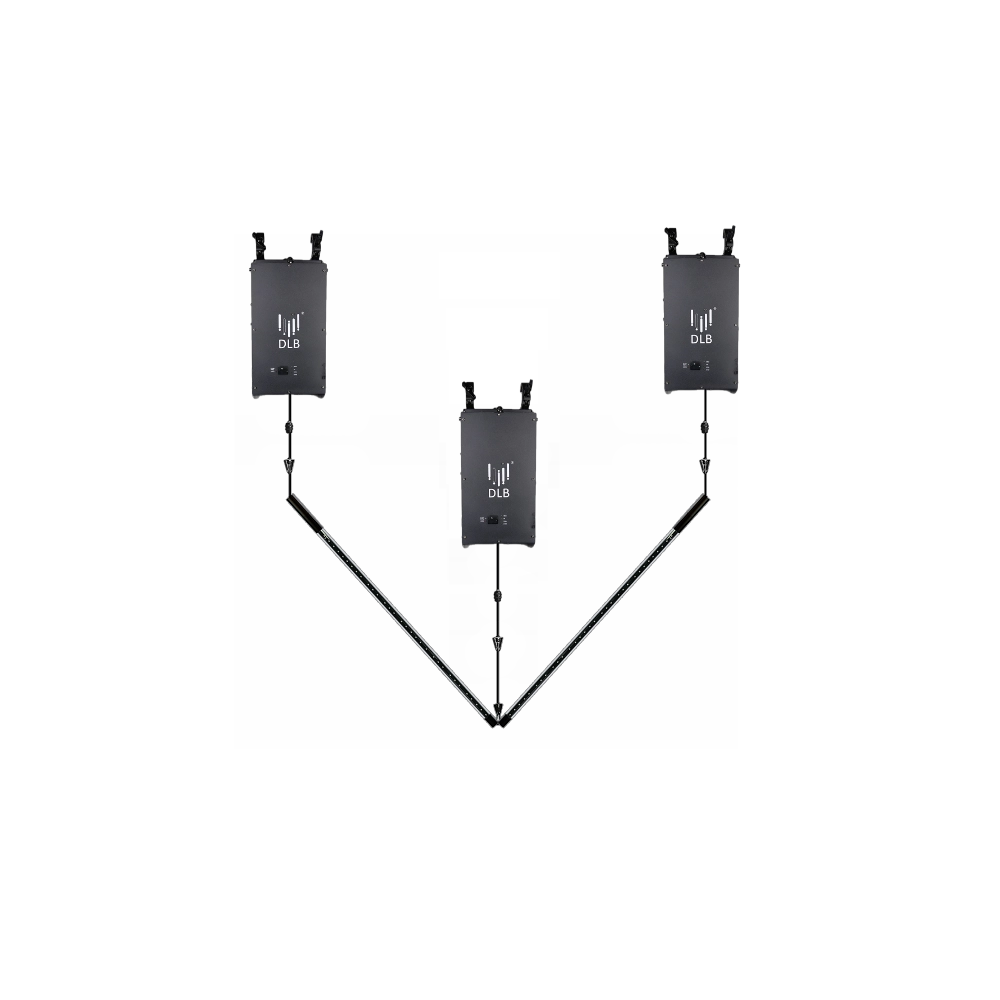
Kinetic Double Rod——Ideal for a wide range of large-scale events: commercial spaces, TV shows, concerts, nightclubs, and various other settings.
FENG-YI’s Kinetic Double Rod delivers dynamic kinetic light effects ideal for large-scale events—from concerts and nightclubs to TV shows and commercial spaces. Elevate your setup with this versatile kinetic light rod, designed for stunning visual impact and seamless integration.
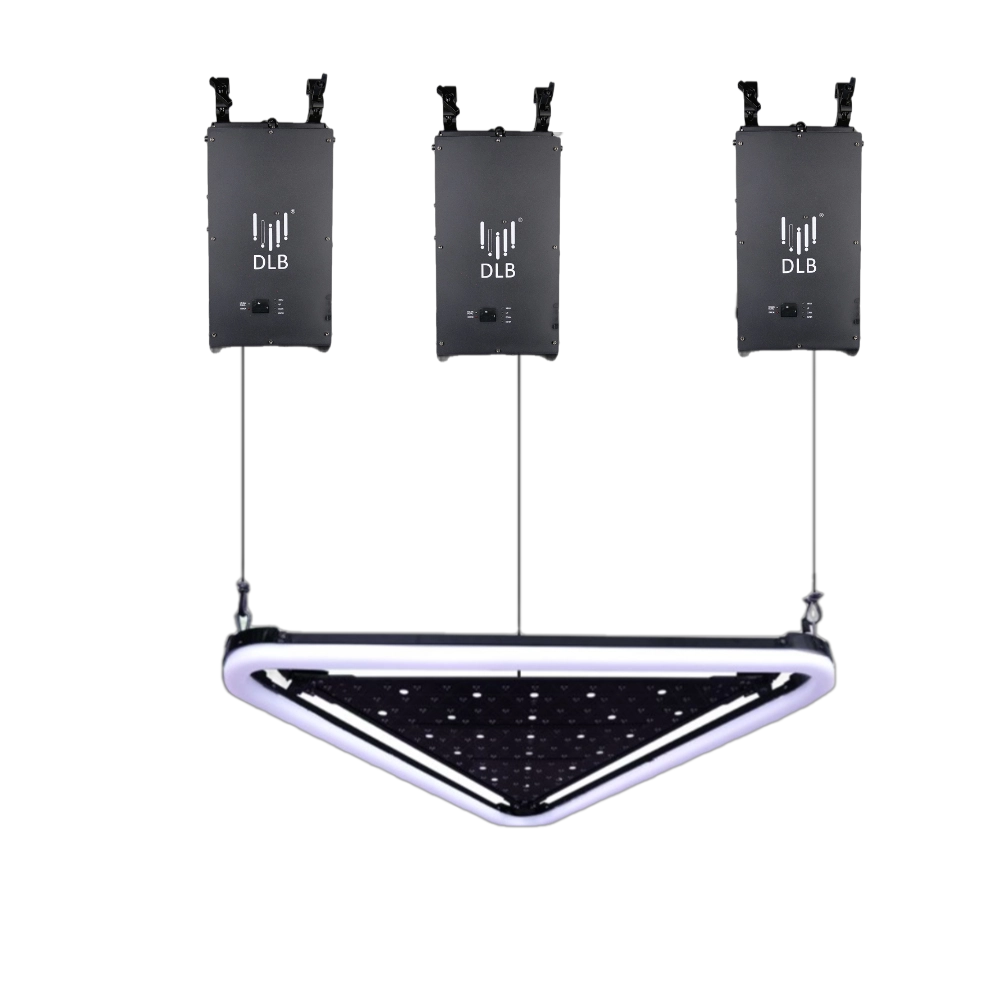
Kinetic Arc Panel——Ideal for a wide range of large-scale events: commercial spaces, TV shows, concerts, nightclubs, and various other settings.
FENG-YI’s Kinetic Arc Panel features dynamic kinetic light technology with kinetic triangle LED light panels, perfect for enhancing large-scale events like concerts, TV shows, nightclubs, and commercial spaces. Elevate your visual experience with innovative, high-impact lighting solutions.
Want to learn more about the latest updates?
Have questions or ready to illuminate your project? Reach out to our expert team today.
Rest assured that your privacy is important to us, and all information provided will be handled with the utmost confidentiality.
By clicking "Send your message," I agree to your processing my personal data.
To see how to withdraw your consent, how to control your personal data, and how we process it, please see our Privacy Policy and Terms of Use.

FENG-YI has been continuously innovating and has grown into a Kinetic Lights Manufacturer and solution provider with unique advantages.
Contact
+86 181 2785 5301
Address
Building 5, No. 34, Fuyuan Road, Jinghu IndustrialZone, Xinhua Town, Huadu District, Guangzhou, China.
© 2025 FENG-YI. All Rights Reserved.
Facebook
Instagram
YouTube
TikTok