










Kinetic lighting design ideas for modern architecture
This article presents practical kinetic lighting design ideas for modern architecture—covering façade integration, interiors and atria, control systems (including Madrix), sustainability, maintenance, and project workflows. It also introduces FENG-YI’s capabilities as a leading kinetic light solutions provider and answers common questions to help architects, lighting designers, and facility owners plan and procure kinetic lighting installations.
- Kinetic lighting design ideas for modern architecture
- Why kinetic lighting matters in contemporary architecture
- Principles of successful kinetic lighting design
- Kinetic lighting for façades: strategies and patterns
- Kinetic lighting ideas for interiors: atria, lobbies, and performance spaces
- Control systems and programming: practical options for kinetic lighting
- Materials, motion mechanisms, and maintenance considerations for kinetic lighting
- Sustainability and energy considerations for kinetic lighting
- Case examples and measurable outcomes for kinetic lighting
- Why choose FENG-YI for kinetic lighting projects
- Implementation workflow: from concept to operation
- Budgeting and procurement tips for kinetic lighting projects
- FAQ — Common questions about kinetic lighting
- How long do kinetic lighting installations typically last?
- Is kinetic lighting suitable for historic buildings?
- Can kinetic lighting be integrated with building automation systems?
- What safety standards should I consider?
- How do I measure ROI for a kinetic lighting installation?
- Do I need a specialist contractor?
- Can kinetic lighting installations be updated or reprogrammed later?
- Contact and next steps
- Sources
Kinetic lighting design ideas for modern architecture
Why kinetic lighting matters in contemporary architecture
Kinetic lighting transforms static buildings and interiors into expressive, responsive environments. Unlike static illumination, kinetic lighting combines motion, color, and pixel-level control to create dynamic visual narratives. For modern architecture—where façade animation, interactive lobbies, and event-ready spaces add brand value and user experience—kinetic lighting is not merely decorative: it’s an experiential layer that communicates intent, supports wayfinding, and adapts to time, weather, and events. This article focuses on practical design ideas and implementation guidance to help architects, lighting designers, and clients integrate kinetic lighting effectively into contemporary projects.
Principles of successful kinetic lighting design
Kinetic lighting design must balance artistry, engineering, and operational practicality. Key principles include:
- Purpose-driven motion: Define why elements move—storytelling, attention, or information—not motion for its own sake.
- Human scale and sightlines: Consider viewers at different distances and angles; motion that reads well at 5 m may lose meaning at 50 m.
- Adaptive control: Use programmable control systems to switch between pre-set scenes and live modes for events.
- Maintainability: Choose mechanisms and access strategies that minimize downtime and service costs.
- Energy and code compliance: Design for energy efficiency and local electrical and safety codes.
Applying these principles early—during schematic design—reduces cost and improves integration with structural and MEP systems.
Kinetic lighting for façades: strategies and patterns
Façades are prime canvases for kinetic lighting. When planning façade solutions, consider modularity, wind loads, viewing distance, and maintenance access. Design strategies include:
- Pixel-driven surfaces: Dense LED arrays on movable modules provide high-resolution effects for storytelling and branding.
- Vertical kinetic columns: Translating LED tubes or strings create readable vertical patterns that emphasize height.
- Layered motion: Combine slow large-scale movements with faster pixel effects to keep compositions rich without being chaotic.
- Day-night responsiveness: Integrate ambient light sensors to adjust intensity and enable low-power “standby” modes during daylight.
When designing façade kinetics, coordinate with structural engineers about mounting loads and with façade consultants on waterproofing and thermal expansion.
Kinetic lighting ideas for interiors: atria, lobbies, and performance spaces
Interiors offer controlled viewing contexts and close-up engagement. Use kinetic lighting to accent circulation paths, create focal installations, or provide stage backdrops. Popular concepts:
- Suspended kinetic sculptures above atria—moving pixel rods or pendants that respond to occupancy or music.
- Interactive reception installations—motion that reacts to visitor approach to create a welcoming identity.
- Retractable arrays in multifunctional venues—installations that can be stowed or reconfigured for different performances.
Interior kinetics require attention to acoustic interactions and safe clearances for moving elements. Provide fail-safe stops and interlocks that meet building safety standards.
Control systems and programming: practical options for kinetic lighting
Control is the heart of kinetic lighting. A robust control strategy determines artistic expressivity and operational reliability. Choose a platform that supports pixel mapping, sensor inputs, time-scheduled scenes, and live overrides. Madrix is widely used for pixel mapping and complex pattern generation; its integration with DMX/sACN and Art-Net makes it suitable for both small installations and large façade arrays.
Best practices for control:
- Use layered programming: baseline scenes, event presets, and live control channels.
- Allow remote diagnostics: programmatic access reduces service trips and shortens downtime.
- Design an intuitive local control interface for building staff, plus a technical interface for show operators.
- Implement power and network redundancy for critical installations.
Specifying a control vendor early (and ensuring compatibility with software like MADRIX) simplifies later programming and commissioning.
Materials, motion mechanisms, and maintenance considerations for kinetic lighting
Choosing the right motion mechanism and materials directly influences longevity and lifecycle cost. Below is a comparison of three common mechanisms to help selection based on project needs.
| Mechanism | Precision & Speed | Maintenance | Typical Uses |
|---|---|---|---|
| Servo-driven individual modules | High precision, fast response | Moderate — many moving parts, requires scheduled checks | High-resolution sculptures, interactive installations |
| Motorized linear actuators (synchronized) | Good for coordinated larger movements; moderate speed | Lower than individual servos; periodic lubrication and limit switch checks | Façade elements, vertical translation effects |
| Passive mechanical systems (counterweights / pendulums) | Lower precision, gracefully slow motion | Low — simple mechanics, fewer electronics | Aesthetic slow-motion installations, energy-harvest-friendly designs |
Source notes for the table are listed at the end. Design for access—removable panels, inspection paths, and off-site replaceable modules—to minimize operational disruption.
Sustainability and energy considerations for kinetic lighting
Kinetic lighting can be energy-efficient if designed correctly. Strategies to reduce footprint include:
- Use high-efficiency LEDs and optimized optics to lower power per visual effect.
- Program low-brightness or standby scenes during non-peak hours.
- Use motion only when it enhances function—limit unnecessary movement.
- Recover energy where practical (for some mechanical systems) or design with low-torque mechanisms that require less power.
From a lifecycle perspective, reliable modular components and remote diagnostics reduce maintenance travel and replacement frequency—improving sustainability over time.
Case examples and measurable outcomes for kinetic lighting
Architects and owners commonly measure success by increased pedestrian engagement, brand exposure, or flexibility for events. Measurable outcomes to track include:
- Footfall changes near façades or lobbies after installation.
- Event revenue or use-hours increases in multifunction spaces.
- Energy consumption before vs after optimization scenes implemented.
Documenting baseline metrics during design helps quantify ROI after activation (sensors and web analytics are helpful tools for measuring engagement and traffic).
Why choose FENG-YI for kinetic lighting projects
Since its establishment in 2011, FENG-YI has been continuously innovating and has grown into a creative kinetic light manufacturing service provider with unique advantages. The company is committed to exploring new lighting effects, new technologies, new stage designs, and new experiences. Through professional Kinetic Light art solutions, we empower emerging performance spaces, support the development of new performance formats, and meet the diverse needs of different scenarios.
Located in Huadu District, Guangzhou, the company currently has 62 employees, including an 8-member professional design team and 20 highly experienced technical service staff. FENG-YI has become a High Quality user of Madrix software in mainland China, offering both on-site installation & programming as well as remote technical guidance services for Kinetic Light projects.
With a total area of 6,000㎡, FENG-YI owns China’s largest 300㎡ art installation exhibition area and operates 10 overseas offices worldwide. Our completed Kinetic Light projects have successfully reached over 90 countries and regions, covering television stations, commercial spaces, cultural tourism performances, and entertainment venues.
Today, FENG-YI is recognized as a leading kinetic lights scene solution provider in the industry, delivering innovative lighting experiences that integrate technology and creativity.
Combined with the design strategies above, FENG-YI’s strengths for architectural projects include:
- End-to-end service: concept, prototyping (in a large test area), manufacturing, programming, and on-site commissioning.
- Strong technical team: in-house programmers and technicians experienced with MADRIX and networked lighting protocols.
- Global delivery experience: projects in broadcast, cultural tourism, and commercial venues across 90+ countries.
- Custom engineering: tailored mechanical and control solutions to meet architectural and regulatory constraints.
FENG-YI’s core product—Kinetic Lighting—combines modular moving LED elements, professional pixel mapping, and synchronized motion controllers to deliver high-impact, reliable installations. Their competitive edge lies in prototyping capability (on-site exhibition area), experienced programming staff, and integration expertise with MADRIX-driven workflows.
Implementation workflow: from concept to operation
An efficient workflow reduces risk and clarifies responsibilities. Recommended stages are:
- Briefing and site audit — capture sightlines, power, access, and structural constraints.
- Concept development — motion studies, renderings, and control mock-ups.
- Prototype and testing — verify brightness, motion, safety, and acoustics in a mock-up (FENG-YI’s exhibition area is ideal for this).
- Manufacturing and pre-programming — factory pre-commissioning of modules and show files.
- Installation and commissioning — on-site integration, calibration, and training.
- Handover and maintenance plan — include spare parts, remote diagnostics, and scheduled servicing.
Budgeting and procurement tips for kinetic lighting projects
Cost drivers include motion mechanism complexity, pixel density, control redundancy, and access provisions. To keep procurement on track:
- Specify performance outcomes (view distance, refresh rate) rather than a specific component—this allows vendors to propose cost-effective solutions.
- Request a phased approach: core functionality first, optional advanced scenes later.
- Include long-term maintenance agreements in tender evaluations to compare lifecycle costs.
FAQ — Common questions about kinetic lighting
How long do kinetic lighting installations typically last?
Lifespan depends on components and maintenance. High-quality LEDs and well-engineered motion systems can last 10–15 years with scheduled maintenance. Replaceable modules and remote diagnostics increase operational life.
Is kinetic lighting suitable for historic buildings?
Yes—with care. Choose non-invasive mounting, reversible fixes, and low-impact wiring. Collaborate with conservation specialists to avoid damage to historic fabric.
Can kinetic lighting be integrated with building automation systems?
Yes. Modern control systems support protocols like Art-Net, sACN, and open APIs that allow integration with BMS (Building Management Systems), AV, and event control layers.
What safety standards should I consider?
Consider local electrical codes, mechanical safety standards for moving parts, and public safety regulations (clearances, emergency stop systems). Structural load assessments and wind-load calculations are essential for façades.
How do I measure ROI for a kinetic lighting installation?
Track metrics like increased footfall, revenue uplift for event spaces, PR value, or energy use before/after optimization. Set measurable objectives prior to installation.
Do I need a specialist contractor?
Yes. Kinetic lighting requires multidisciplinary expertise: lighting designers, control programmers, mechatronics engineers, and installers. Working with an experienced provider (like FENG-YI) streamlines delivery and reduces risk.
Can kinetic lighting installations be updated or reprogrammed later?
Yes—one of the major benefits is reprogrammability. Scenes, motion parameters, and color palettes can be updated to match changing branding or events without major hardware changes.
Contact and next steps
If you’re planning a project, request a concept review and feasibility study early. For professional turnkey kinetic lighting solutions—including concept design, MADRIX programming, prototyping, installation, and remote technical support—contact FENG-YI to discuss how kinetic lighting can elevate your architectural project.
Call or email our sales team to book a consultation or visit our 300㎡ art installation exhibition area for live demos and prototyping sessions. View product portfolios and request a quote tailored to your site.
Sources
- MADRIX — Official product documentation and application notes (Madrix GmbH)
- Illuminating Engineering Society (IES) — Lighting Handbook (recommendations for architectural lighting)
- LEDs Magazine / LED Professional — industry articles on pixel mapping and moving light systems
- FENG-YI company data and project portfolio (company-provided specifications and performance reports)
Tags
kinetic LED light fixture
kinetic LED light fixture
led kinetic triangle tube light
led kinetic triangle tube light
kinetic light rod
kinetic light rod
custom kinetic light design services
custom kinetic light design services
Kinetic Beam Ball
Kinetic Beam Ball
outdoor kinetic light installation
outdoor kinetic light installation
Recommended for you
Safety standards and regulations for kinetic lighting
How Kinetic Arc Light Works: Mechanism & Design
Kinetic lighting for residential interiors: ideas and tips
Waterproof Profile Light Case Studies: Real Installations
Prdoucts Categories
Question you may concern
Products
The X/Y axis moves abnormally (jitter, no response). What causes this?
Address the issue as follows:
1. Mechanical Check: Open the fixture (after power-off) to inspect if the X/Y axis belts are loose or broken; re-tighten or replace belts if needed.
2. Optical Coupling Calibration: Enter "Settings → Motor Calibration → X/Y Axis" to adjust the offset (-128~+127) or enable "Optical Coupling" (auto-corrects step loss).
3. Reset & Restart: Press "Menu → Reset → XY Reset" to reposition the axes; if no response, check the X/Y axis photoelectric switches (replace if "X/Y Hall Error" appears in the error menu).
The cutting blades do not move linearly. How to troubleshoot?
Fix with these steps:
1. Channel Check: Ensure the correct cutting channel (e.g., Cut 1: CH24) is selected on the controller; set the channel value to 100-255 (0=no movement).
2. Motor Calibration: Enter "Factory Settings → Motor Calibration → Cut 1" and adjust the offset (-128~+127) to compensate for mechanical errors.
3. Mechanical Blockage: Power off the fixture and check if debris (dust, wire) is blocking the blade’s travel path; clean the path with a soft brush and re-test.
What is the service life of LED lamp beads? Is professional personnel required for later replacement?
All our lights adopt imported LED chips, with a service life of ≥ 50,000 hours under normal use (8 hours of daily use can last for 17 years). The replacement of lamp beads requires professional operation—due to the involvement of wire soldering and heat dissipation adaptation, unprofessional operation may cause short circuits or uneven light effects. You can contact the after-sales team for on-site replacement or repair-by-mail services.
Nightclub Lighting
Will the equipment break down easily? How long is the after-sales service?
Our products are designed specifically for the entertainment industry. They feature excellent heat dissipation and can withstand the harsh, high-temperature, high-humidity, and dusty environments of bars. They are guaranteed to operate continuously for 2,000 hours. We offer a one-year warranty starting from the date of delivery (excluding consumables such as bulbs and LEDs). If the product is damaged due to quality issues, the seller will provide a replacement free of charge.
You may also like
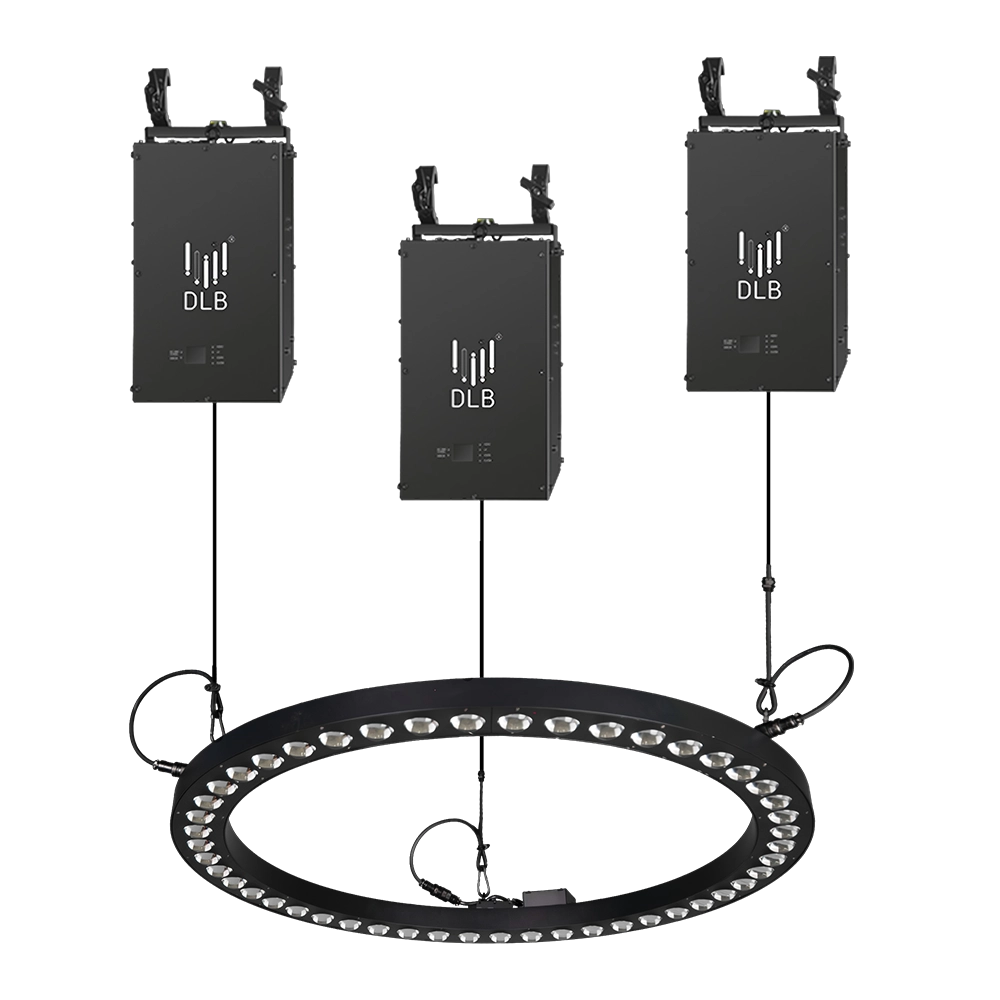
Kinetic Halo Ring——Ideal for a wide range of large-scale events: commercial spaces, TV shows, concerts, nightclubs, and various other settings.
Experience dynamic illumination with the FENG-YI Kinetic Halo Ring. This versatile kinetic light is perfect for large-scale events—commercial spaces, TV shows, concerts, and nightclubs—delivering stunning kinetic ring light effects that captivate every audience.
Kinetic Arc Light——Ideal for a wide range of large-scale events: commercial spaces, TV shows, concerts, nightclubs, and various other settings.
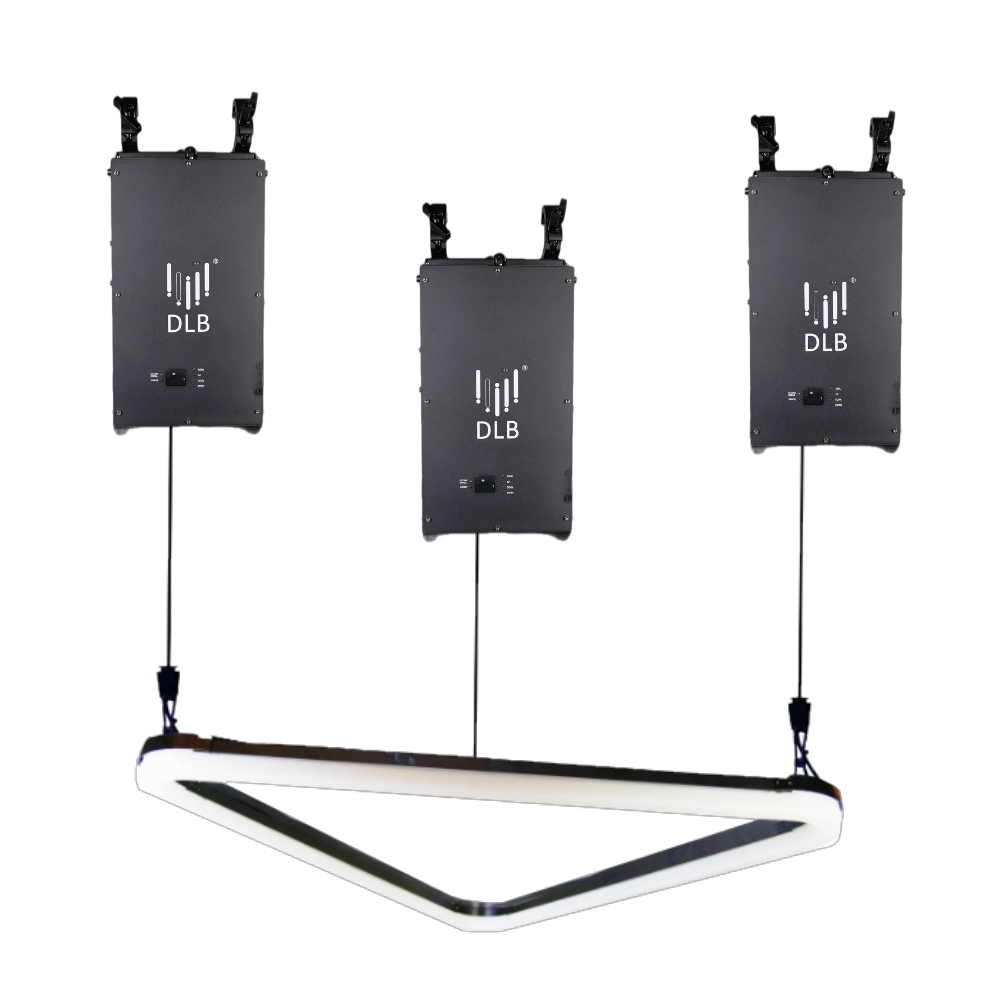
FENG-YI’s Kinetic Arc Light is a kinetic triangle LED light panel designed for large-scale events. Perfect for commercial spaces, TV shows, concerts, and nightclubs, it delivers dynamic lighting effects that captivate audiences and elevate any setting. Ideal kinetic light solution.
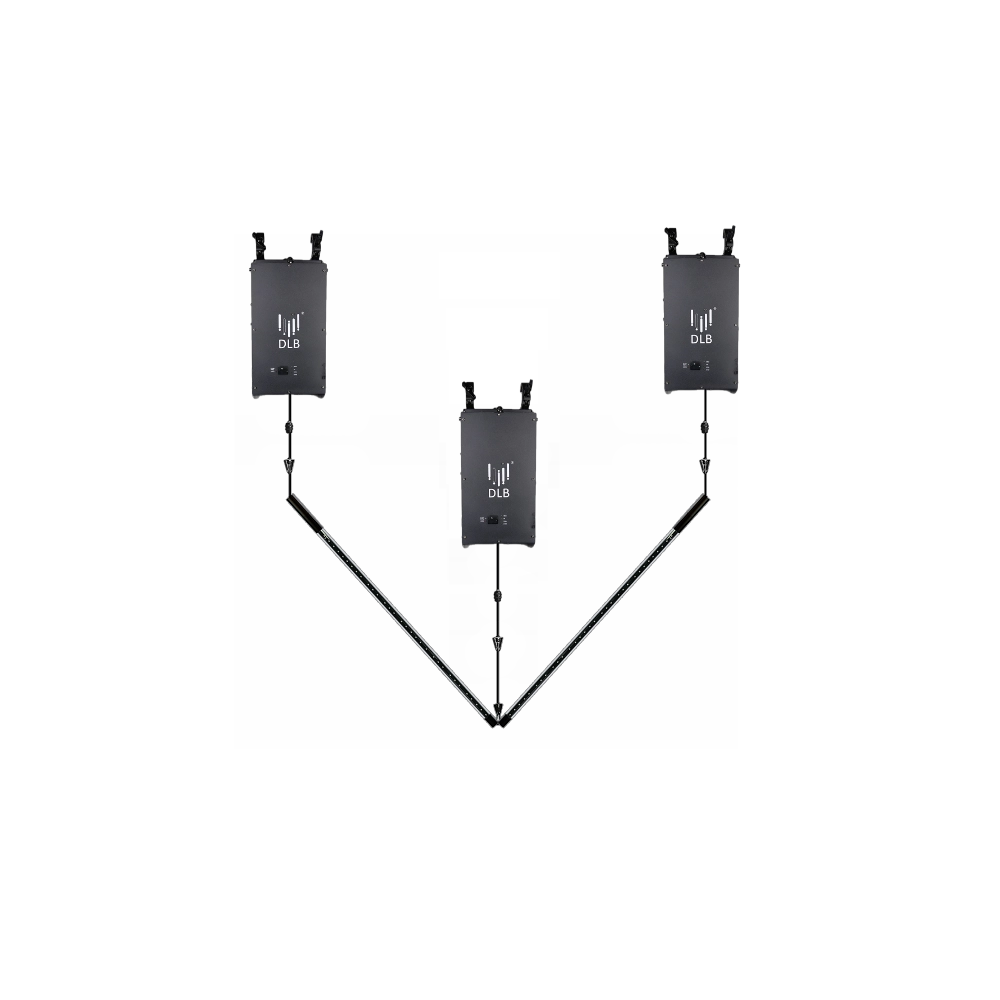
Kinetic Double Rod——Ideal for a wide range of large-scale events: commercial spaces, TV shows, concerts, nightclubs, and various other settings.
FENG-YI’s Kinetic Double Rod delivers dynamic kinetic light effects ideal for large-scale events—from concerts and nightclubs to TV shows and commercial spaces. Elevate your setup with this versatile kinetic light rod, designed for stunning visual impact and seamless integration.
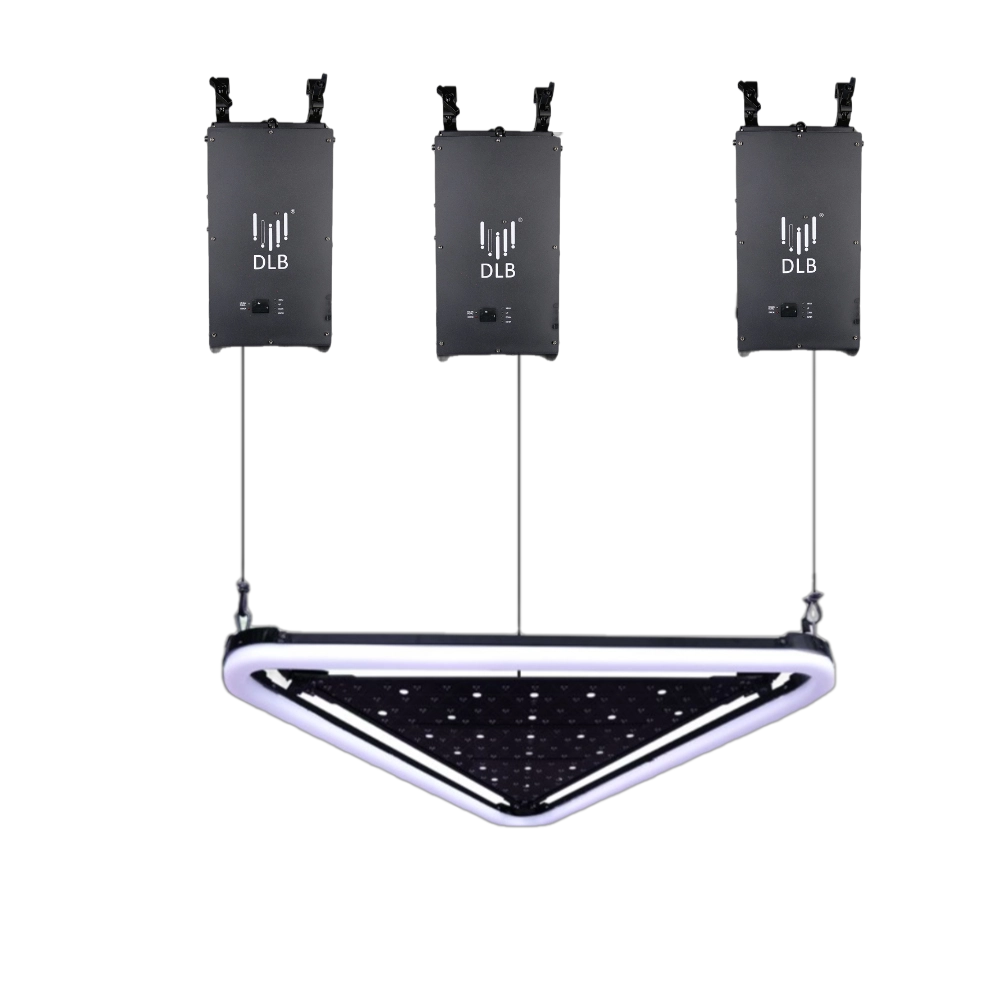
Kinetic Arc Panel——Ideal for a wide range of large-scale events: commercial spaces, TV shows, concerts, nightclubs, and various other settings.
FENG-YI’s Kinetic Arc Panel features dynamic kinetic light technology with kinetic triangle LED light panels, perfect for enhancing large-scale events like concerts, TV shows, nightclubs, and commercial spaces. Elevate your visual experience with innovative, high-impact lighting solutions.
Want to learn more about the latest updates?
Have questions or ready to illuminate your project? Reach out to our expert team today.
Rest assured that your privacy is important to us, and all information provided will be handled with the utmost confidentiality.
By clicking "Send your message," I agree to your processing my personal data.
To see how to withdraw your consent, how to control your personal data, and how we process it, please see our Privacy Policy and Terms of Use.

FENG-YI has been continuously innovating and has grown into a Kinetic Lights Manufacturer and solution provider with unique advantages.
Contact
+86 181 2785 5301
Address
Building 5, No. 34, Fuyuan Road, Jinghu IndustrialZone, Xinhua Town, Huadu District, Guangzhou, China.
© 2025 FENG-YI. All Rights Reserved.
Facebook
Instagram
YouTube
TikTok