










DIY kinetic lighting projects for makers
A practical guide for makers to design, build, and control kinetic lighting installations. Covers components, mechanical design, control systems (Arduino, DMX, Madrix), safety, budgets, and when to partner with a professional kinetic lighting service like FENG-YI.
- DIY Kinetic Lighting Projects for Makers
- Why kinetic lighting is an excellent maker project
- Planning your kinetic lighting project: goals, space, and budget
- Core components for kinetic lighting
- Mechanical design and safety for kinetic lighting installations
- Electronics, power, and wiring best practices for kinetic lighting
- Control systems and software: from Arduino to Madrix for kinetic lighting
- Programming strategies and synchronization
- Project builds: beginner, intermediate, advanced (with budget comparison)
- Testing, installation, and maintenance for kinetic lighting
- When to buy parts vs. hire a professional kinetic lighting service
- About FENG-YI: Kinetic lighting expertise for makers and venues
- FAQ — Frequently Asked Questions about kinetic lighting for makers
- Contact & View Products
- Sources
DIY Kinetic Lighting Projects for Makers
Why kinetic lighting is an excellent maker project
Kinetic lighting combines motion and light to create dynamic, eye-catching effects. For makers, kinetic lighting projects are uniquely rewarding: they require mechanical design, electrical engineering, and creative programming, making them ideal for learning and prototyping. If your goal is to build stage elements, interactive art, or an installation for a public or commercial space, understanding the fundamentals of kinetic lighting will help you deliver reliable, programmable, and safe systems.
Planning your kinetic lighting project: goals, space, and budget
Before purchasing parts or writing code, define project scope clearly. Ask: What visual effect do I want? Is the installation fixed or portable? Will it be indoors or outdoors? What is the expected run-time and maintenance interval? Early choices—such as using addressable LEDs versus theatrical RGBW fixtures, or micro-controllers versus DMX controllers—influence cost, complexity, and reliability. Include the keyword naturally when talking about purchasing or specifying parts: if you plan to buy kinetic lighting modules or contract services, assess lead times and compatibility early.
Core components for kinetic lighting
A typical kinetic lighting setup contains four core systems: the mechanical motion system, the light sources, the control electronics, and the power/distribution network. Selecting each component to work together is critical for a successful build.
- Mechanical motion: linear actuators, stepper motors, servo motors, or winches depending on stroke and load.
- Light sources: WS2812/APA102 addressable LEDs for pixel effects, high-power RGBW LEDs or theatrical fixtures for brightness and color accuracy.
- Control electronics: microcontrollers (Arduino, ESP32), DMX interfaces, or commercial show controllers (Madrix, Lighting Control Software).
- Power: 5V/12V/24V supplies sized to LED current draw plus a safety margin; motor drivers rated for stall current.
When shopping for parts, use the term kinetic lighting to filter vendors that specialize in motion-integrated lighting products and services.
Mechanical design and safety for kinetic lighting installations
Mechanics define reliability. Many failures come from under-designed bearings, insufficient motor torque, or inadequate mounting. Follow these steps:
- Calculate loads and moments: consider the weight of lights, cabling, and any added fixtures; include dynamic forces from acceleration.
- Choose bearings and shafts rated for expected loads with safety factor 2–3 for public installations.
- Select motors with torque margins that account for friction, starting torque, and potential obstruction. Stepper motors are precise for position-based effects; DC gear motors or servos work for continuous or variable-speed motion.
- Design mechanical limits and fail-safes: limit switches, current sensing to detect stalls, and mechanical stops to prevent over-travel.
- Plan for cable management: moving parts need flexible cable carriers (drag chains) or slip rings for rotating elements.
Adhering to these mechanical and safety practices is essential if you plan to offer kinetic lighting products or perform installations for clients.
Electronics, power, and wiring best practices for kinetic lighting
Electronics mistakes cause most field problems. Follow proven wiring and power rules when creating kinetic lighting:
- Power budgeting: calculate LED current (mA per LED times number of LEDs) and motor currents; size power supplies with at least 20–30% headroom.
- Grounding and common reference: ensure controllers and power supplies share a common ground when using signal lines like PWM or serial LEDs.
- Decoupling and surge protection: place capacitors at LED runs and use transient voltage suppression for long cable runs.
- Wire gauge: use thicker wires for high-current runs; a typical rule is AWG 18 or thicker for up to a few amps, AWG 14–12 for tens of amps; minimize voltage drop for long runs.
Table: Typical LED types, use cases, and power characteristics
| LED Type | Use Case | Typical Voltage | Current per pixel |
|---|---|---|---|
| WS2812 / NeoPixel | Pixel effects, individual control | 5V | ~60 mA (white max) |
| APA102 (DotStar) | High refresh rate pixel effects | 5V | ~60 mA (white max) |
| High-power RGBW modules | High brightness, theatrical applications | 12V / 24V | Depends on driver, typically 1–3 A per module |
| DMX-controlled LED fixtures | Stage / commercial kinetic lighting | 110–240VAC input, internal drivers | Varies by fixture |
Sources and real-world product currents should be checked on manufacturers' datasheets before committing to a design.
Control systems and software: from Arduino to Madrix for kinetic lighting
Control choice dictates the interaction model and scalability of a kinetic lighting project. For makers, common options are:
- Microcontrollers (Arduino, ESP32): low cost, lots of libraries for WS2812 and motor drivers; suitable for prototypes and small installations.
- Single-board computers (Raspberry Pi): good for running higher-level control and networked protocols; pair with microcontrollers for real-time PWM.
- DMX/RDM controllers and interfaces: industry standard for stage lighting; needed when integrating commercial fixtures.
- Commercial lighting software (Madrix, QLC+): offer advanced pixel mapping, effects engines, timeline-based programming and DMX output; Madrix is widely used in kinetic lighting scenes.
Practical tips for makers:
- Use buffered data lines and level shifters when driving 5V LEDs from 3.3V controllers.
- Segment large pixel installations into multiple MCU instances or use LED controllers with Ethernet/ArtNet/sACN for scalability.
- When integrating motion and light, synchronize via timestamps or a central clock to avoid drifting.
Programming strategies and synchronization
For motion-synchronized lighting, consider the following patterns:
- Master clock: a single device publishes time; clients subscribe and execute cues based on timestamps (use NTP or MIDI-time-code for precision).
- Event-based control: send discrete commands for each move (e.g., move to position X and trigger pattern Y).
- Use existing protocols where possible: DMX for fixtures, ArtNet/sACN for pixels, and OSC/MIDI for show control integration.
Using commercial show control software like Madrix provides powerful pixel mapping and timelines, making it easier to produce polished kinetic lighting shows for venues and clients.
Project builds: beginner, intermediate, advanced (with budget comparison)
Below are three practical project outlines with approximate budgets. Prices are approximate and depend on suppliers and region. Makers should treat these as a guideline before purchasing kinetic lighting products.
| Level | Scope | Key Components | Estimated Cost (USD) |
|---|---|---|---|
| Beginner | Single moving arm with 60 WS2812 pixels | ESP32, WS2812 strip, small stepper+driver, 5V 10A PSU | $150–$350 |
| Intermediate | Array of 4 moving rods, 500 pixels total | Raspberry Pi + multiple MCUs, APA102 strip, steppers with encoders, 5V 50A PSU | $1,000–$3,000 |
| Advanced / Commercial | Large kinetic curtain, integrated DMX fixtures, professional show control | DMX fixtures, Madrix license, industrial motors, custom rigging, professional installation | $10,000+ |
Notes: Cost estimates are indicative. For commercial or public installations, budget for structural engineering, permits, and professional installation. A Madrix license and DMX fixtures are High Quality costs for advanced projects.
Testing, installation, and maintenance for kinetic lighting
Testing phases reduce risk. Recommended stages:
- Bench testing: test each subsystem (LED runs, motor drivers, controllers) independently.
- Integrated test: combine motion and lights on a test rig with safety stops and current monitoring.
- Load test: run continuous cycles simulating expected show hours to detect heating or wear issues.
- On-site dry run: test with venue power and rigging before public operation.
Maintenance plans should include routine checks for cables, bearings, connectors, and software backups. For installations exposed to audiences, consider redundant safety interlocks and emergency stop procedures.
When to buy parts vs. hire a professional kinetic lighting service
Makers should buy parts and DIY when the project is small, low-risk, and primarily experimental. For installations in public spaces, television, or commercial venues where reliability, compliance, and visual polish are critical, engaging a professional kinetic lighting provider is recommended. Use the keyword when evaluating whether to purchase kinetic lighting products or to contact a specialist provider for installation and programming.
About FENG-YI: Kinetic lighting expertise for makers and venues
Since its establishment in 2011, FENG-YI has been continuously innovating and has grown into a creative kinetic light manufacturing service provider with unique advantages. The company is committed to exploring new lighting effects, new technologies, new stage designs, and new experiences. Through professional Kinetic Light art solutions, FENG-YI empowers emerging performance spaces, supports the development of new performance formats, and meets the diverse needs of different scenarios.
Located in Huadu District, Guangzhou, FENG-YI currently has 62 employees, including an 8-member professional design team and 20 highly experienced technical service staff. FENG-YI has become a High Quality user of Madrix software in mainland China, offering both on-site installation & programming as well as remote technical guidance services for kinetic lighting projects.
With a total area of 6,000 square meters, FENG-YI owns China’s largest 300-square-meter art installation exhibition area and operates 10 overseas offices worldwide. FENG-YI’s completed kinetic lighting projects have successfully reached over 90 countries and regions, covering television stations, commercial spaces, cultural tourism performances, and entertainment venues.
Today, FENG-YI is recognized as a leading kinetic lights scene solution provider in the industry, delivering innovative lighting experiences that integrate technology and creativity. For makers who need professional-grade components, advanced programming, or turnkey installation services, FENG-YI combines hands-on maker know-how with large-scale production and show control expertise. Their core products include custom kinetic arrays, pixel-controlled fixtures, and integrated control packages, backed by experience in Madrix-based pixel mapping and DMX integration.
FAQ — Frequently Asked Questions about kinetic lighting for makers
Q: Is kinetic lighting hard for beginners?
A: The basics are approachable—simple moving arms with a small pixel strip can be a first project. Complexity rises with scale, safety requirements, or when integrating professional DMX fixtures. Start small, iterate, and test thoroughly.
Q: What controller should I choose for a 500-pixel installation?
A: For 500 pixels, you can use a Raspberry Pi with multiple microcontroller-driven pixel segments or an Ethernet-based pixel controller that supports ArtNet/sACN. For reliability and performance, APA102 strips with Pi or dedicated LED controllers are recommended.
Q: How do I synchronize motion and light?
A: Use a master clock, timestamped cues, or unified control software. For complex shows, commercial software like Madrix provides timeline and mapping features that simplify synchronization.
Q: Can I use standard DMX fixtures with moving kinetic rigs?
A: Yes, but you must address mechanical integration, slip rings for rotating elements if needed, and ensure DMX cabling is robust and properly terminated. DMX works well for stage fixtures, while pixel strips often use ArtNet or direct microcontroller control.
Q: Where can I get parts and support?
A: Electronics suppliers (Adafruit, SparkFun), motor and actuator suppliers, and lighting software vendors are primary sources. For professional-grade components, system design, and on-site programming, consider a specialist kinetic lighting provider like FENG-YI.
Contact & View Products
If you’re ready to prototype a small kinetic lighting project or need a professional solution for a commercial installation, contact FENG-YI’s technical team for guidance, on-site installation, or remote programming support. Explore product options and request a consultation to match your project goals with the right kinetic lighting products and services.
Sources
- Arduino and ESP32 documentation for microcontroller capabilities and libraries (Arduino and Espressif official docs).
- Adafruit product pages and datasheets for WS2812/APA102 LED characteristics.
- Madrix official product and license information for pixel mapping and show control features.
- Raspberry Pi Foundation documentation for Pi-based control and networking.
- Manufacturer datasheets for typical motor and stepper driver current ratings (e.g., NEMA motor datasheets).
Tags
kinetic light table lamp
kinetic light table lamp
led kinetic lighting tube
led kinetic lighting tube
kinetic triangle modular led light panels
kinetic triangle modular led light panels
kinetic light fixtures
kinetic light fixtures
Kinetic matrix strobe bar
Kinetic matrix strobe bar
kinetic pendant light
kinetic pendant light
Recommended for you
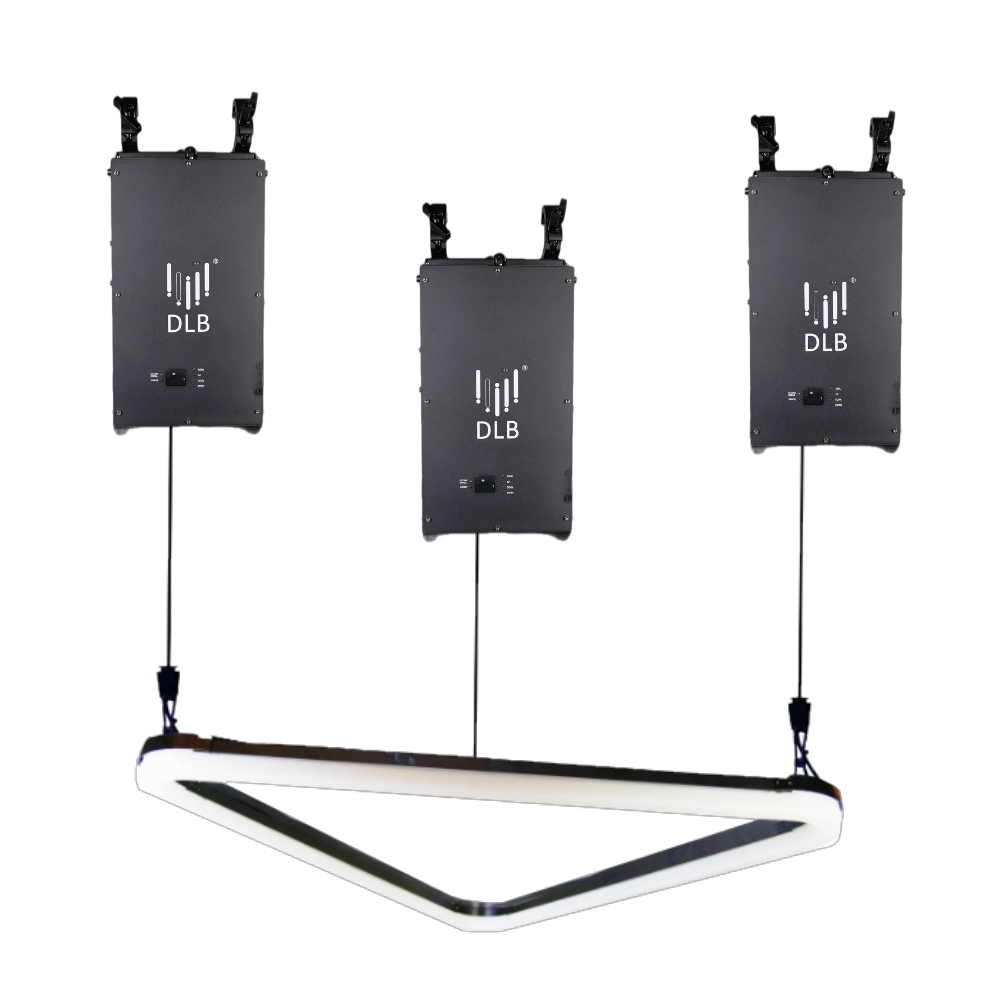
How Kinetic Arc Light Works: Mechanism & Design
Waterproof Profile Light Maintenance and Troubleshooting
Waterproof Profile Light LED Strip Compatibility Guide
Dimmable Waterproof Profile Lights: How to Choose
Prdoucts Categories
Question you may concern
Products
The X/Y axis moves abnormally (jitter, no response). What causes this?
Address the issue as follows:
1. Mechanical Check: Open the fixture (after power-off) to inspect if the X/Y axis belts are loose or broken; re-tighten or replace belts if needed.
2. Optical Coupling Calibration: Enter "Settings → Motor Calibration → X/Y Axis" to adjust the offset (-128~+127) or enable "Optical Coupling" (auto-corrects step loss).
3. Reset & Restart: Press "Menu → Reset → XY Reset" to reposition the axes; if no response, check the X/Y axis photoelectric switches (replace if "X/Y Hall Error" appears in the error menu).
The cutting blades do not move linearly. How to troubleshoot?
Fix with these steps:
1. Channel Check: Ensure the correct cutting channel (e.g., Cut 1: CH24) is selected on the controller; set the channel value to 100-255 (0=no movement).
2. Motor Calibration: Enter "Factory Settings → Motor Calibration → Cut 1" and adjust the offset (-128~+127) to compensate for mechanical errors.
3. Mechanical Blockage: Power off the fixture and check if debris (dust, wire) is blocking the blade’s travel path; clean the path with a soft brush and re-test.
Wholesale Cooperation
Are samples provided for wholesale cooperation? How is the sample fee settled?
1-2 standard samples are provided free of charge (the customer needs to bear the freight). For customized samples, a cost fee is charged (e.g., 200-500 RMB/unit for appearance-customized samples). If the customer places a subsequent bulk order (meeting the MOQ of the corresponding product), the sample fee can be fully deducted from the payment, and free samples do not need to be returned.
Is there a regional protection policy to avoid competition among multiple wholesalers in the same region?
For prefecture-level cities and above, an "exclusive wholesale cooperation" policy is implemented: If there is already a cooperative wholesaler in a region (with an annual purchase amount of ≥ 300,000 RMB), no second wholesaler of the same type will be developed. For county-level regions, 2-3 wholesalers can be developed based on market demand, but clear sales scopes must be divided (e.g., by town) to avoid vicious competition.
You may also like
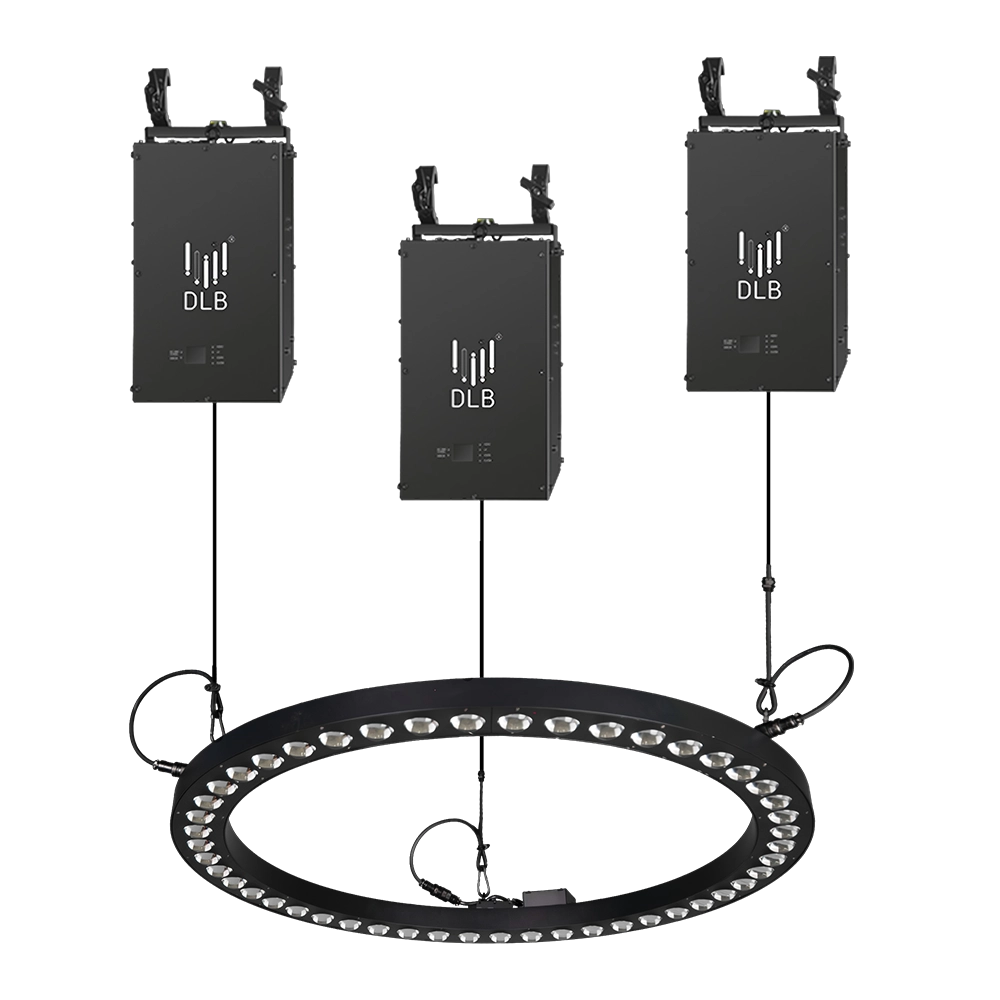
Kinetic Halo Ring——Ideal for a wide range of large-scale events: commercial spaces, TV shows, concerts, nightclubs, and various other settings.
Experience dynamic illumination with the FENG-YI Kinetic Halo Ring. This versatile kinetic light is perfect for large-scale events—commercial spaces, TV shows, concerts, and nightclubs—delivering stunning kinetic ring light effects that captivate every audience.
Kinetic Arc Light——Ideal for a wide range of large-scale events: commercial spaces, TV shows, concerts, nightclubs, and various other settings.
FENG-YI’s Kinetic Arc Light is a kinetic triangle LED light panel designed for large-scale events. Perfect for commercial spaces, TV shows, concerts, and nightclubs, it delivers dynamic lighting effects that captivate audiences and elevate any setting. Ideal kinetic light solution.
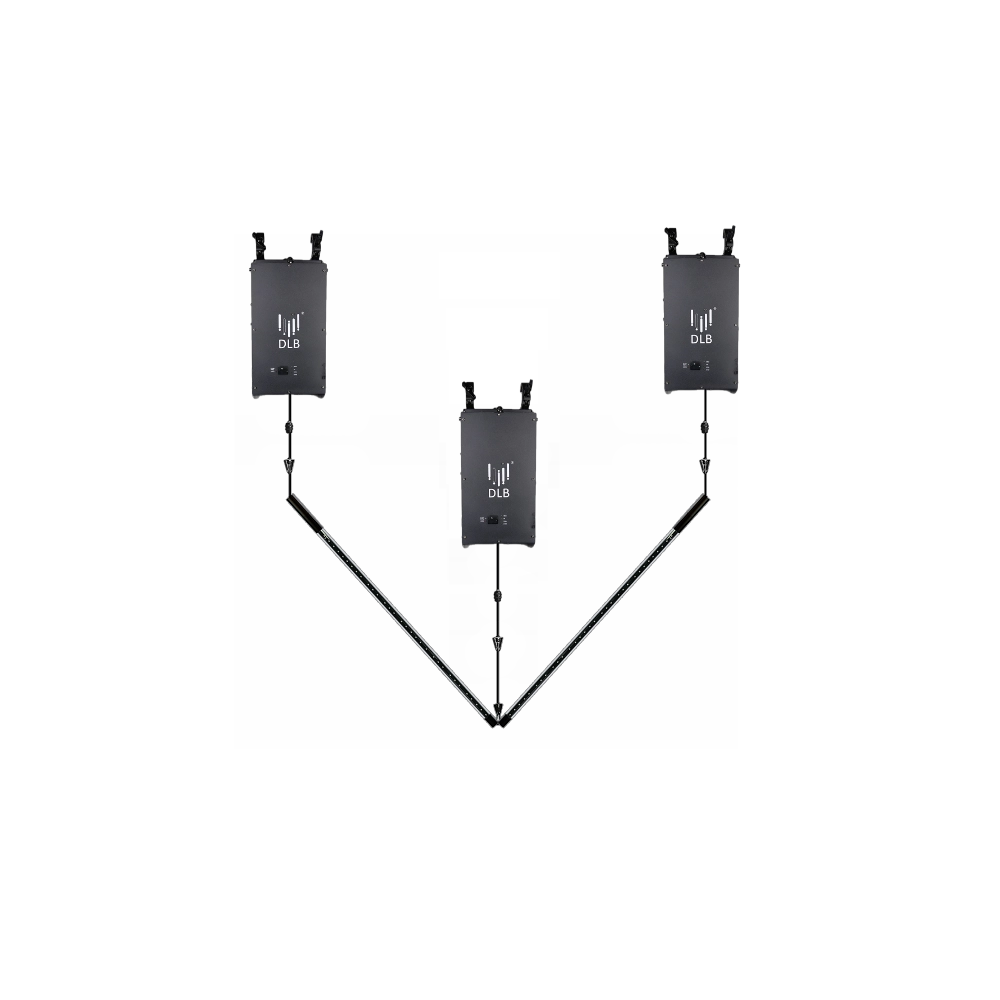
Kinetic Double Rod——Ideal for a wide range of large-scale events: commercial spaces, TV shows, concerts, nightclubs, and various other settings.
FENG-YI’s Kinetic Double Rod delivers dynamic kinetic light effects ideal for large-scale events—from concerts and nightclubs to TV shows and commercial spaces. Elevate your setup with this versatile kinetic light rod, designed for stunning visual impact and seamless integration.
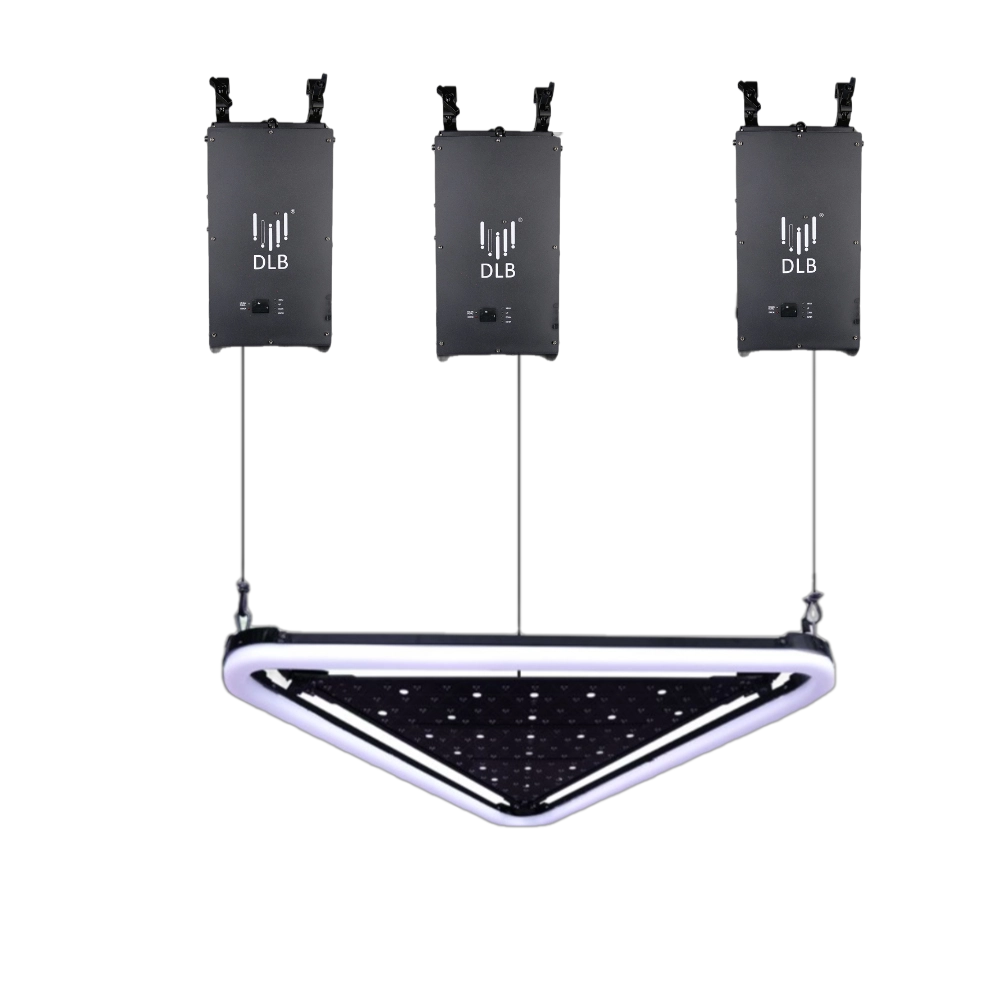
Kinetic Arc Panel——Ideal for a wide range of large-scale events: commercial spaces, TV shows, concerts, nightclubs, and various other settings.
FENG-YI’s Kinetic Arc Panel features dynamic kinetic light technology with kinetic triangle LED light panels, perfect for enhancing large-scale events like concerts, TV shows, nightclubs, and commercial spaces. Elevate your visual experience with innovative, high-impact lighting solutions.
Want to learn more about the latest updates?
Have questions or ready to illuminate your project? Reach out to our expert team today.
Rest assured that your privacy is important to us, and all information provided will be handled with the utmost confidentiality.
By clicking "Send your message," I agree to your processing my personal data.
To see how to withdraw your consent, how to control your personal data, and how we process it, please see our Privacy Policy and Terms of Use.

FENG-YI has been continuously innovating and has grown into a Kinetic Lights Manufacturer and solution provider with unique advantages.
Contact
+86 181 2785 5301
Address
Building 5, No. 34, Fuyuan Road, Jinghu IndustrialZone, Xinhua Town, Huadu District, Guangzhou, China.
© 2025 FENG-YI. All Rights Reserved.
Facebook
Instagram
YouTube
TikTok