










Buying guide: choosing kinetic light fixtures
A comprehensive buying guide to help buyers choose the right kinetic lights for performance, commercial, and installation projects. Covers types, technical specs, control options, installation, budgeting, supplier selection, and FAQs — with practical comparisons and real-world guidance.
- Buying guide: choosing kinetic light fixtures
- Why choose kinetic lights for your space?
- Understand the core components of kinetic lights and what to buy
- Types of kinetic light fixtures: choose by effect and installation
- How to evaluate technical specifications for kinetic lights
- Pixel density and resolution
- Brightness and color quality
- Motion performance
- Control protocols and software
- Design and installation considerations for kinetic lights
- Structural and rigging needs
- Power and signal distribution
- Maintenance access and reliability
- Budgeting: initial cost vs total cost of ownership (TCO) for kinetic lights
- Choosing a supplier and the importance of service and software support
- Why FENG-YI is a strategic partner for kinetic light projects
- Selecting products from FENG-YI: core offerings and competitive strengths
- Case examples: match fixture type to project intent
- FAQ — Frequently asked questions about buying kinetic lights
- Next steps — how to get professional help and request a quote
- Sources
Buying guide: choosing kinetic light fixtures
Why choose kinetic lights for your space?
Kinetic lights combine motion and illumination to create dynamic visual experiences. They are increasingly used in television, stage performances, retail environments, cultural tourism, and large-scale installations to deliver attention-grabbing effects that static lighting cannot. If your project needs programmable motion, pixel-level color control, or a configurable three-dimensional canvas, kinetic lights can transform space into a responsive, narrative-driven environment.
Understand the core components of kinetic lights and what to buy
Kinetic lights are systems composed of three core elements: the motion hardware (motors/actuators and rigging), the light source (LED modules, pixel strips, or fixture heads), and the control system (protocols/software). When evaluating products, look at each of these elements separately — their technical specs and how they integrate.- Motion hardware: torque ratings, speed, accuracy, and duty cycle matter for reliability. For permanent installations choose industrial-grade motors rated for continuous operation (high duty cycle) and IP ratings if outdoors.- Light source: inspect LED type (SMD vs. DIP), pixel pitch (density), brightness (cd/m2 or lumens per pixel), color gamut (CRI and CCT if white light is important), and refresh rate for video-like effects.- Control system: ensure compatibility with DMX, Art-Net, sACN, or proprietary protocols like MADRIX for pixel-mapped effects. Software ease-of-use, timeline editing, and remote management are critical for production workflows.
Types of kinetic light fixtures: choose by effect and installation
Kinetic lighting systems come in many forms. Select a type based on the visual intent, venue constraints, and maintenance capability. Below is a practical comparison table to clarify typical choices.
| Type | Typical uses | Key strengths | Limitations | Estimated price range (component only) |
|---|---|---|---|---|
| Motorized linear bars (moving LED bars) | Stages, TV sets, façades | Strong motion range, easy pixel mapping | Requires rigging; visual effect depends on arrangement | $300–$2,000 per bar |
| Suspended kinetic arrays (hanging pixels) | Large installation art, atriums | Three-dimensional volumetric effects | Complex installation, higher maintenance | $500–$5,000 per axis/module |
| Motorized LED rings and disks | Concerts, feature elements | Striking focal forms, rotational motion | Limited large-scale coverage | $800–$4,000 each |
| Pixel ropes/strips on motorized reels | Architectural accents, flexible forms | Flexible layout, cost-effective pixels | Less precise motion control | $50–$500 per meter |
Note: price ranges are representative industry averages and vary with pixel density, motor quality, and control hardware. (See Sources.)
How to evaluate technical specifications for kinetic lights
When comparing technical data sheets, pay attention to the following parameters that influence both the visual result and lifecycle cost.
Pixel density and resolution
Pixel pitch determines the visual resolution of the kinetic element. For close-view installations (within 3–5 m), choose fine pitch (<10 mm). For large-scale aerial installations or long-throw viewing, coarser pitches (10–30 mm or more) often suffice. Higher pixel density increases processing requirements and cost.
Brightness and color quality
Brightness (measured in nits or lumens per pixel) should meet ambient light conditions. For TV studios or bright stages, choose high-lumen pixels and higher refresh rates to avoid flicker on camera. Color quality (CRI for whites and gamut for RGB/LED pixels) affects skin tones and aesthetic fidelity.
Motion performance
Motor specs include torque (Nm), speed (rpm), positioning accuracy, and rated duty cycle. For kinetic light fixtures, acceleration/deceleration control and smooth micro-motion are essential to avoid jerky movement. Look for closed-loop systems (with encoders) for accurate repeatable motion.
Control protocols and software
Ensure the fixture supports common protocols: DMX512 for simple rigs, Art-Net/sACN for networked pixel control, and compatibility with MADRIX or other pixel-mapping software for complex choreography. Remote diagnostics, on-site programming, and cloud support can greatly reduce commissioning time.
Design and installation considerations for kinetic lights
Designing with kinetic lights requires mechanical, electrical, and creative coordination. Consider these practical points early in the planning stage.
Structural and rigging needs
Kinetic installations impose moving loads and dynamic forces. Structural engineers must confirm attachment points and safety factors. Use certified rigging hardware and follow local codes for fall protection and emergency stops.
Power and signal distribution
Map power runs to minimize voltage drop and ensure consistent pixel brightness. For long runs, use local power injection. Plan network topology for Art-Net/sACN and ensure sufficient bandwidth. Isolate mains and control cabling to reduce interference.
Maintenance access and reliability
Design for maintainability. Provide safe access to motors, LED strips, and control boxes. Choose IP-rated fixtures when exposed to dust or moisture. Consider redundancy for critical components in high-profile installations.
Budgeting: initial cost vs total cost of ownership (TCO) for kinetic lights
When budgeting, account for hardware, software, installation, structural work, commissioning, and lifecycle costs such as consumables and energy. Below is a simplified comparison to help estimate costs for typical projects.
| Cost Category | Small install (theater feature) | Medium install (retail atrium) | Large install (stadium façade) |
|---|---|---|---|
| Hardware (motors, LEDs, controllers) | $5k–$20k | $20k–$100k | $100k–$1M+ |
| Software & control | $1k–$5k | $5k–$25k | $25k–$200k |
| Rigging & structural | $2k–$10k | $10k–$50k | $50k–$500k |
| Installation & commissioning | $2k–$10k | $10k–$50k | $50k–$300k |
| Annual maintenance & energy | $500–$2k/yr | $2k–$15k/yr | $10k–$100k+/yr |
These are broad ranges; exact figures depend on pixel density, motor complexity, and local labor rates. TCO planning helps avoid surprises and supports ROI analysis. (See Sources.)
Choosing a supplier and the importance of service and software support
Buying kinetic lights is as much about software and service as it is about hardware. Key supplier capabilities to evaluate:- On-site installation and programming services — critical for complex choreography.- Remote support and troubleshooting — reduces downtime.- Software training, licensing, and updates — ensure long-term usability.- Spare parts availability and warranty terms — minimize lifecycle risk. keywords to help selection: look for suppliers offering kinetic lights installation, kinetic lights programming, and kinetic lighting service when you evaluate vendors.
Why FENG-YI is a strategic partner for kinetic light projects
Since its establishment in 2011, FENG-YI has been continuously innovating and has grown into a creative kinetic light manufacturing service provider with unique advantages. The company is committed to exploring new lighting effects, new technologies, new stage designs, and new experiences. Through professional Kinetic Light art solutions, we empower emerging performance spaces, support the development of new performance formats, and meet the diverse needs of different scenarios.
Located in Huadu District, Guangzhou, the company currently has 62 employees, including an 8-member professional design team and 20 highly experienced technical service staff. FENG-YI has become a High Quality user of Madrix software in mainland China, offering both on-site installation & programming as well as remote technical guidance services for Kinetic Light projects.
With a total area of 6,000㎡, FENG-YI owns China’s largest 300㎡ art installation exhibition area and operates 10 overseas offices worldwide. Our completed Kinetic Light projects have successfully reached over 90 countries and regions, covering television stations, commercial spaces, cultural tourism performances, and entertainment venues.
Today, FENG-YI is recognized as a leading kinetic lights scene solution provider in the industry, delivering innovative lighting experiences that integrate technology and creativity.
Summary of FENG-YI advantages:- End-to-end service: design, manufacture, on-site installation, programming, and remote support.- Experienced technical team and dedicated design group for creative solutions.- Deep software expertise (MADRIX) enabling advanced pixel-mapped choreography.- Proven global delivery with installations across TV, commercial, and cultural projects.
Selecting products from FENG-YI: core offerings and competitive strengths
FENG-YI’s core product line centers on Kinetic Lighting modules: motorized LED bars, suspended pixel arrays, and custom-configured motion fixtures. Their competitive strengths include custom mechanical design for stability, pixel-level control using industry-standard protocols, and robust on-site programming support to realize creative concepts efficiently.
Case examples: match fixture type to project intent
Below are short profiles showing how different kinetic light fixtures match specific project goals:- TV Variety Show: Use motorized linear bars with high-lumen pixels and closed-loop motors for repeatable camera-friendly motion.- Retail Atrium Installation: Suspended kinetic arrays with medium pixel density create volumetric brand statements with safe maintenance access.- Concert Touring Rig: Rotating LED rings with reinforced motors and rapid rigging features for fast turnaround and roadworthiness.These matchings reflect common industry practice and help buyers formulate an initial spec before reaching out to suppliers for detailed proposals.
FAQ — Frequently asked questions about buying kinetic lights
Q: What is the minimum information a vendor needs to prepare a quote?
A: Provide venue dimensions, viewing distances, desired visual effects (motion types, color effects), power availability, budget range, and whether the installation is temporary or permanent. Also include any camera or broadcast requirements if applicable.
Q: How do kinetic lights differ from conventional moving lights?
A: Conventional moving lights (intelligent fixtures) move the entire head to redirect light. Kinetic lights typically combine motion hardware with individually addressable light pixels to create complex spatial and volumetric motion-driven imagery rather than a single beam.
Q: Can kinetic lights be used outdoors?
A: Yes — but select IP-rated fixtures and motors, design for temperature extremes, and ensure UV-resistant materials. Outdoor installations require more robust structural and electrical planning.
Q: How much power do kinetic light installations consume?
A: Power varies by pixel density and motor count. Small fixtures may draw a few hundred watts; large arrays can draw tens of kilowatts. Always perform a power budget and include diversity factors for safety.
Q: What lead times should I expect?
A: Lead times depend on customization and quantity. Off-the-shelf modules may ship in weeks; custom mechanical solutions often require 8–16 weeks for design and production, plus installation time.
Next steps — how to get professional help and request a quote
If you are planning a kinetic lights project, gather the site plan, desired effects references, power and rigging constraints, and target budget. Contact a supplier with experience in both hardware and software — ideally one that can provide on-site programming and remote support to ensure the final presentation matches creative intent.
To view products or request project consultation, contact FENG-YI customer service or view our product portfolio. Their team can provide tailored proposals including feasibility, cost estimates, timeline, and technical drawings. Contact customer service to schedule a consultation or request product demos.
Sources
- Industry product and tech briefs: MADRIX documentation and pixel control best practices.
- LED technology and luminance guidance: LEDs Magazine technical articles and manufacturer datasheets.
- Rigging and live event standards: industry rigging guidelines and manufacturer motor specifications.
- Market and installation case studies: vendor white papers and professional audiovisual project reports.
Tags
kinetic light exhibit for events
kinetic light exhibit for events
Kinetic light sculpture
Kinetic light sculpture
kinetic triangle moving led light panel
kinetic triangle moving led light panel
outdoor kinetic light installation
outdoor kinetic light installation
kinetic winch
kinetic winch
led kinetic lighting lifting ball light
led kinetic lighting lifting ball light
Recommended for you
Programming kinetic lighting animations: tools and tips
Cost and ROI of kinetic lighting for businesses
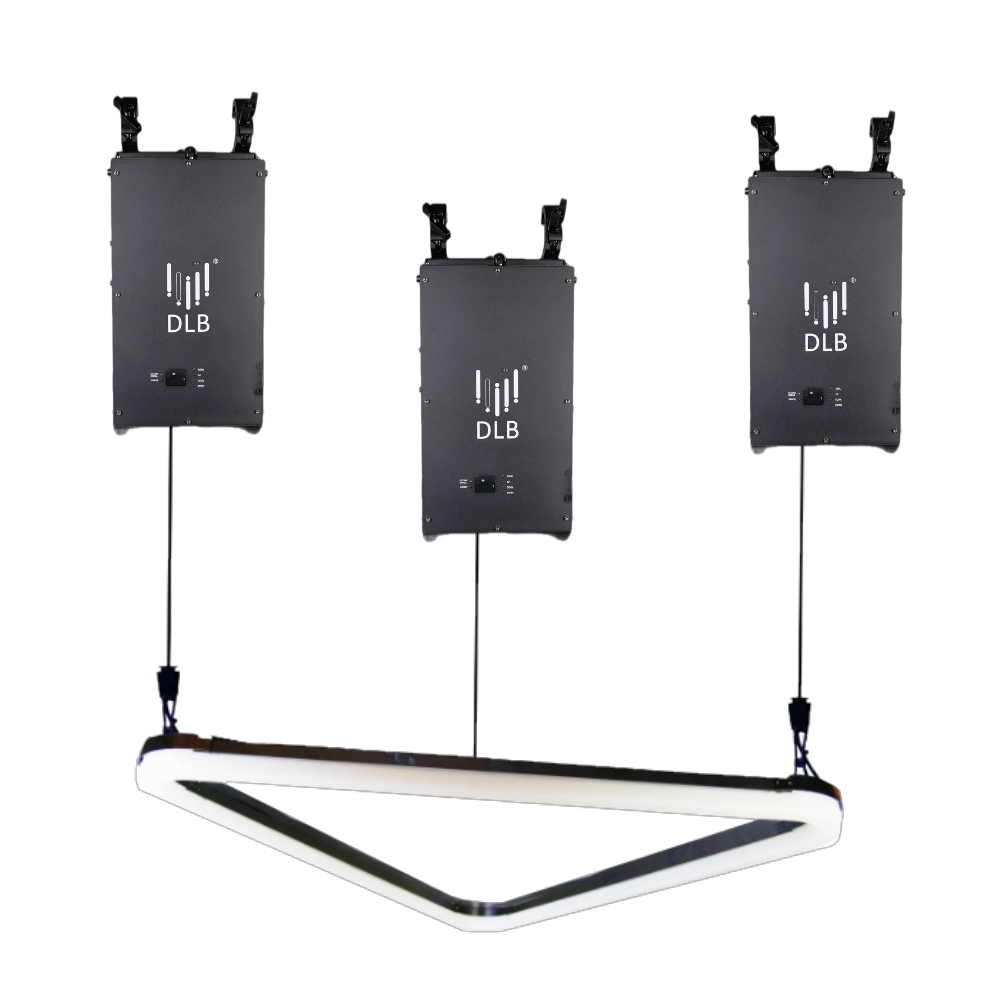
How Kinetic Arc Light Works: Mechanism & Design
10 Creative Uses for Kinetic Arc Light in Interiors
Prdoucts Categories
Question you may concern
Wholesale Cooperation
Are samples provided for wholesale cooperation? How is the sample fee settled?
1-2 standard samples are provided free of charge (the customer needs to bear the freight). For customized samples, a cost fee is charged (e.g., 200-500 RMB/unit for appearance-customized samples). If the customer places a subsequent bulk order (meeting the MOQ of the corresponding product), the sample fee can be fully deducted from the payment, and free samples do not need to be returned.
Products
The X/Y axis moves abnormally (jitter, no response). What causes this?
Address the issue as follows:
1. Mechanical Check: Open the fixture (after power-off) to inspect if the X/Y axis belts are loose or broken; re-tighten or replace belts if needed.
2. Optical Coupling Calibration: Enter "Settings → Motor Calibration → X/Y Axis" to adjust the offset (-128~+127) or enable "Optical Coupling" (auto-corrects step loss).
3. Reset & Restart: Press "Menu → Reset → XY Reset" to reposition the axes; if no response, check the X/Y axis photoelectric switches (replace if "X/Y Hall Error" appears in the error menu).
The lamp does not light up. What should I check?
Troubleshoot in 4 steps:
1. Power Supply: Confirm the input voltage matches AC 200V~240V/50~60Hz; check if the power cable is securely connected and the switch is on.
2. Cooling Period: Ensure the fixture has cooled for 20 minutes after previous use (mandatory cooling to prevent overheat damage).
3. DMX Signal: If in DMX mode, verify the controller is sending "Shutter On" (CH6: 252-255) and "Dimming" (CH7: 100-255) signals.
4. Internal Wiring: If above checks pass, contact after-sales to inspect internal connections (e.g., lamp holder, driver board) for loose or burned components.
What light control modes does the 7-lamp 60W wash light support? Is it compatible with DMX consoles of other brands?
It supports three control modes: DMX512, sound activation, and auto-run. The channels can be selected as 23CH/35CH/51CH (the 51CH mode enables independent R/G/B/W dimming for each individual lamp bead). It complies with the international universal DMX512 protocol and is compatible with mainstream brand consoles (e.g., MA, Good, Pearl consoles). When connecting, it is recommended to connect a 120Ω terminator to the output end of the last light to reduce signal interference.
You may also like
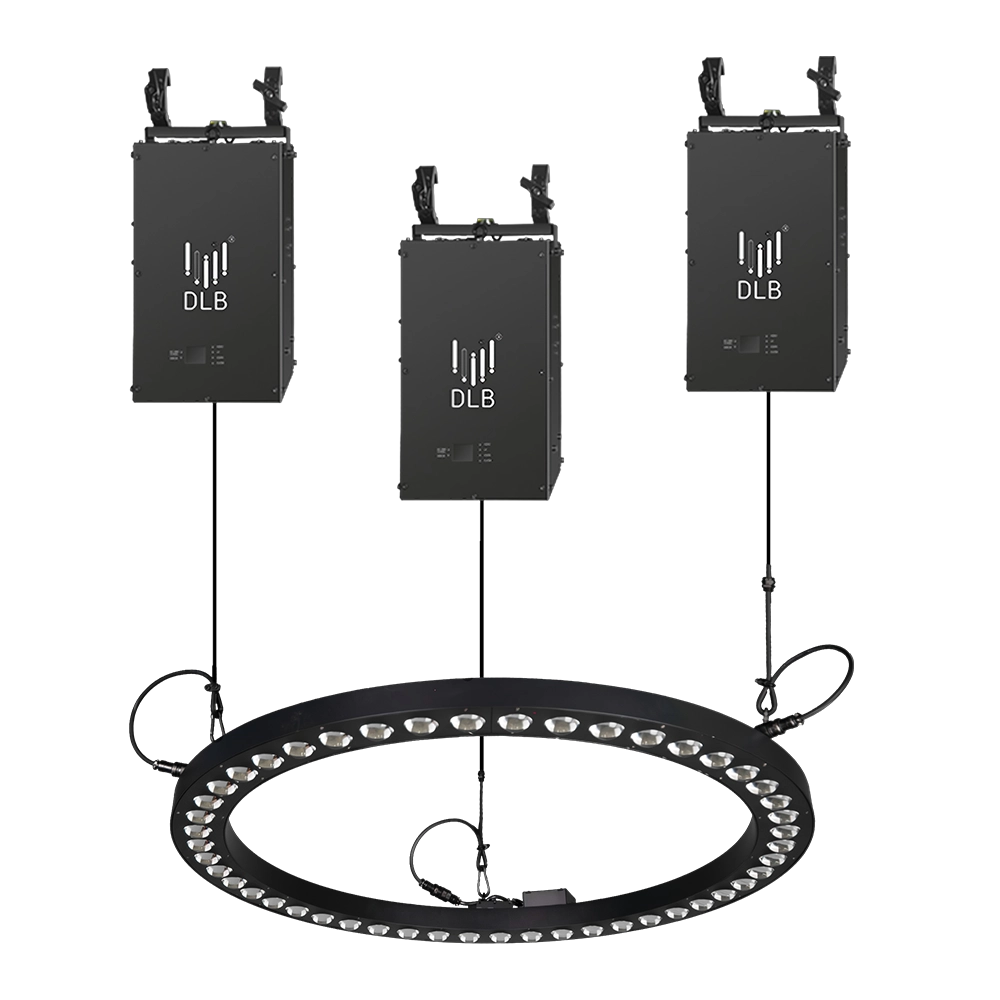
Kinetic Halo Ring——Ideal for a wide range of large-scale events: commercial spaces, TV shows, concerts, nightclubs, and various other settings.
Experience dynamic illumination with the FENG-YI Kinetic Halo Ring. This versatile kinetic light is perfect for large-scale events—commercial spaces, TV shows, concerts, and nightclubs—delivering stunning kinetic ring light effects that captivate every audience.
Kinetic Arc Light——Ideal for a wide range of large-scale events: commercial spaces, TV shows, concerts, nightclubs, and various other settings.
FENG-YI’s Kinetic Arc Light is a kinetic triangle LED light panel designed for large-scale events. Perfect for commercial spaces, TV shows, concerts, and nightclubs, it delivers dynamic lighting effects that captivate audiences and elevate any setting. Ideal kinetic light solution.
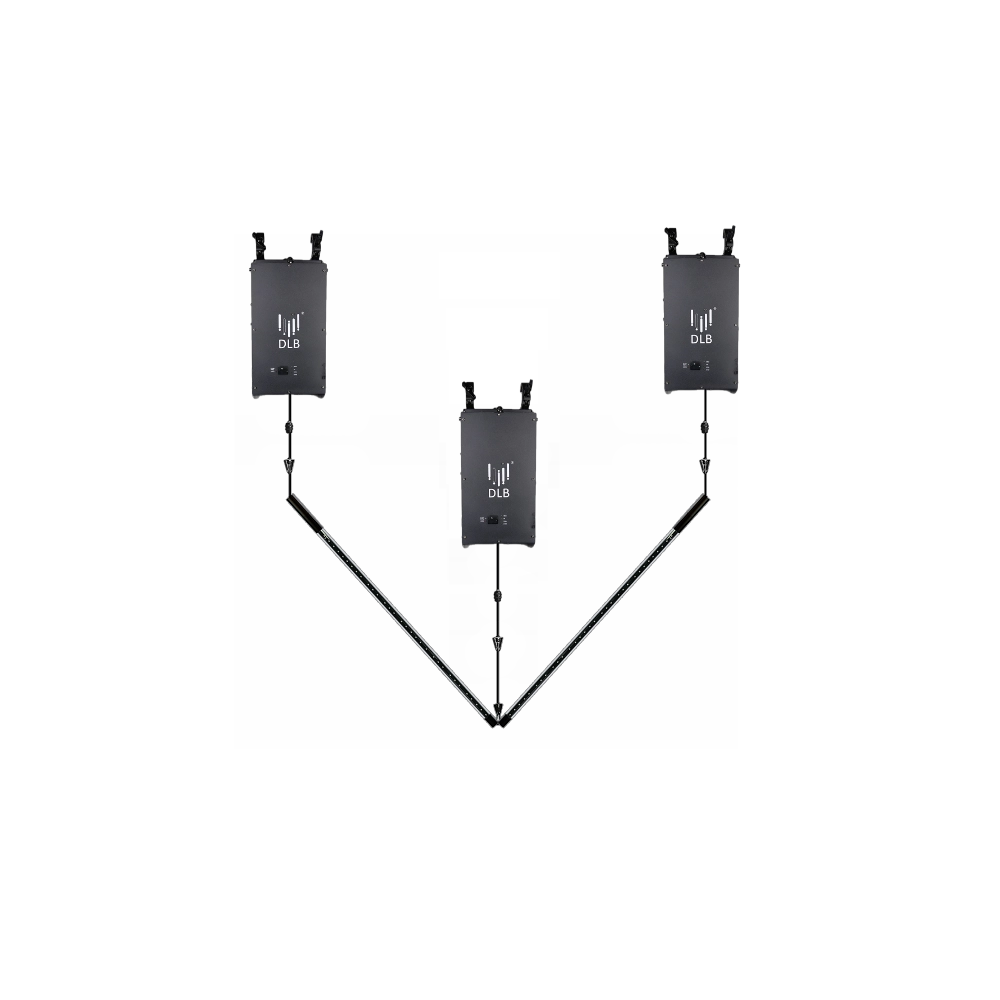
Kinetic Double Rod——Ideal for a wide range of large-scale events: commercial spaces, TV shows, concerts, nightclubs, and various other settings.
FENG-YI’s Kinetic Double Rod delivers dynamic kinetic light effects ideal for large-scale events—from concerts and nightclubs to TV shows and commercial spaces. Elevate your setup with this versatile kinetic light rod, designed for stunning visual impact and seamless integration.
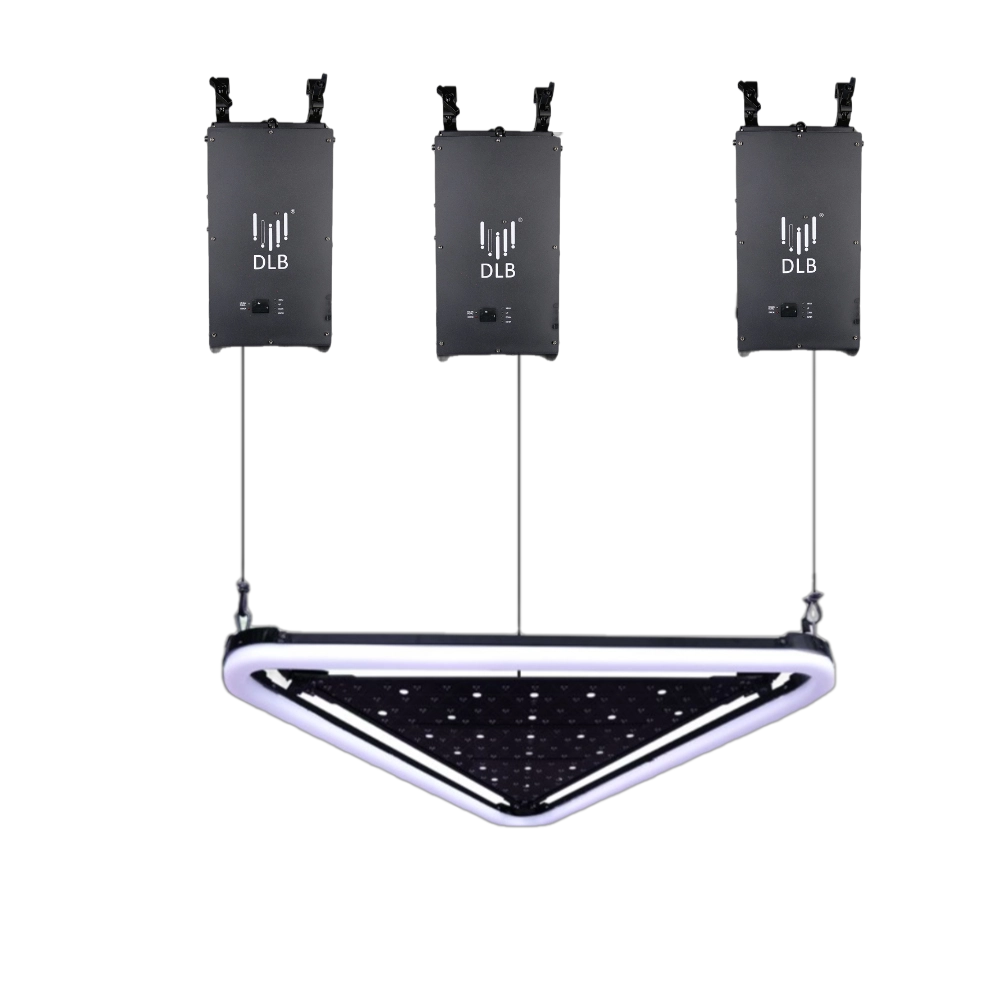
Kinetic Arc Panel——Ideal for a wide range of large-scale events: commercial spaces, TV shows, concerts, nightclubs, and various other settings.
FENG-YI’s Kinetic Arc Panel features dynamic kinetic light technology with kinetic triangle LED light panels, perfect for enhancing large-scale events like concerts, TV shows, nightclubs, and commercial spaces. Elevate your visual experience with innovative, high-impact lighting solutions.
Want to learn more about the latest updates?
Have questions or ready to illuminate your project? Reach out to our expert team today.
Rest assured that your privacy is important to us, and all information provided will be handled with the utmost confidentiality.
By clicking "Send your message," I agree to your processing my personal data.
To see how to withdraw your consent, how to control your personal data, and how we process it, please see our Privacy Policy and Terms of Use.

FENG-YI has been continuously innovating and has grown into a Kinetic Lights Manufacturer and solution provider with unique advantages.
Contact
+86 181 2785 5301
Address
Building 5, No. 34, Fuyuan Road, Jinghu IndustrialZone, Xinhua Town, Huadu District, Guangzhou, China.
© 2025 FENG-YI. All Rights Reserved.
Facebook
Instagram
YouTube
TikTok