










What Are Kinetic Lights? A Beginner's Guide
A practical beginner's guide to kinetic lights explaining how they work, common applications, technical considerations, and why FENG-YI’s Kinetic Arc Light—Ideal for a wide range of large-scale events: commercial spaces, TV shows, concerts, nightclubs, and various other settings.—is an effective solution for large-scale production. Includes buying checklist, comparison table, FAQs, references, and contact CTA.
- What Are Kinetic Lights? A Beginner's Guide
- Understanding kinetic lights: what are kinetic lights and why they matter
- How kinetic lights work: core components used in kinetic lights
- Types and designs: common forms of kinetic lights and the Kinetic Arc Light
- Applications: where kinetic lights are used—events, TV, concerts, nightclubs, and commercial spaces
- Benefits of kinetic lights: why choose kinetic lights for large-scale events
- Technical checklist: what to look for when buying kinetic lights
- Comparison: Kinetic Arc Light vs typical kinetic panels — quick specs comparison
- Installation and safety: practical steps for deploying kinetic lights
- Control, programming, and integration: operating kinetic lights in shows
- Cost, rental vs purchase, and ROI considerations for kinetic lights
- Why choose FENG-YI’s Kinetic Arc Light—brand advantages and practical strengths
- FAQ — Common questions about kinetic lights and the Kinetic Arc Light
- Contact, view product, and next steps — see Kinetic Arc Light in action
- References and further reading
- Legal and safety note
- FAQs — quick answers about purchasing and support
What Are Kinetic Lights? A Beginner's Guide
Understanding kinetic lights: what are kinetic lights and why they matter
Kinetic lights combine dynamic movement and lighting technology to produce changing shapes, patterns, and spatial effects that evolve over time. Unlike static fixtures, kinetic lights are designed with moving elements (rotating panels, sliding LED modules, articulated arms, or shifting surfaces) controlled by lighting consoles, show controllers, or preprogrammed sequences. The movement can be subtle or dramatic, synchronized to music, video, or show cues to increase audience engagement and visual impact. For planners of events, TV production, concerts, nightclubs, and commercial spaces, kinetic lights deliver an extra dimension—motion—that elevates storytelling and atmosphere.
How kinetic lights work: core components used in kinetic lights
At a basic level, a kinetic light system contains several integrated components: the light source (commonly high-output LEDs), a moving mechanism (motors, actuators, or servos), a structural element (panels, rings, arms), power distribution, and a control interface. Control can be via industry standards such as DMX512, Art-Net, sACN, or proprietary protocols. Sensors (light, motion, or audio) and timecode can be added for interactive or tightly synchronized shows. Modern kinetic lights combine robust mechanical design with pixel-mapped LED surfaces, allowing each segment of a moving element to display color and video effects while the element itself moves through space. This combination creates depth and kinetic typography, shapes, and patterns that static lighting cannot achieve.
Types and designs: common forms of kinetic lights and the Kinetic Arc Light
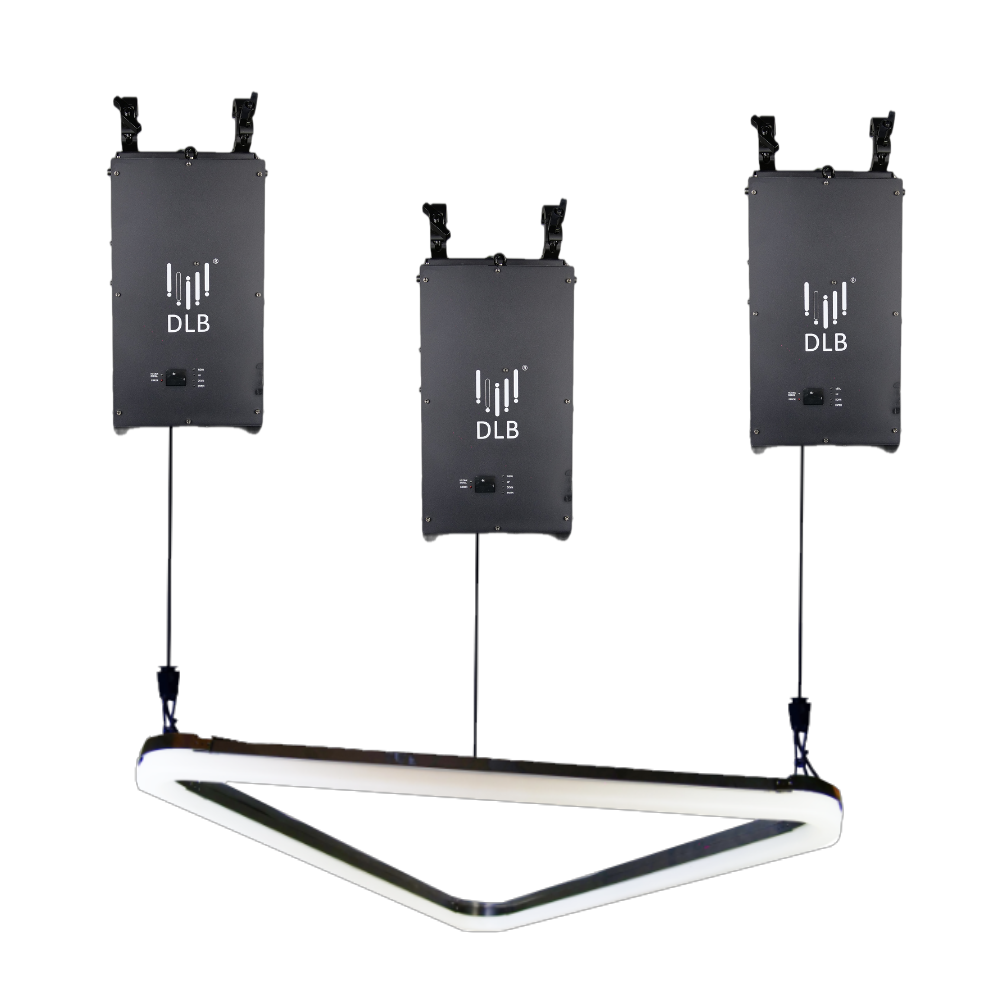
Kinetic lights come in multiple form factors: kinetic panels (flat moving LED surfaces), kinetic rings and hoops (rotating circular elements), moving arms or trusses (articulated linear motion), and modular kinetic arrays. The product Kinetic Arc Light—Ideal for a wide range of large-scale events: commercial spaces, TV shows, concerts, nightclubs, and various other settings.—is FENG-YI’s signature kinetic triangle LED light panel designed for large-scale events. It combines a triangular panel geometry with precision movement to create sweeping arcs and layered visuals that are particularly effective for stage backdrops, television set pieces, and club installations. Because panels are modular, Kinetic Arc Light can be used standalone or tiled into larger kinetic façades.
Applications: where kinetic lights are used—events, TV, concerts, nightclubs, and commercial spaces
Kinetic lights are increasingly common in productions that require visual storytelling and audience engagement. Typical applications include:
- Concerts and touring shows — kinetic arrays add narration and motion to live performances.
- Television and broadcast sets — moving elements create depth for camera shots and can be programmed for quick scene changes.
- Nightclubs and festivals — kinetic installations serve as focal points above dancefloors or on stages.
- Commercial spaces and retail — kinetic façades attract attention and enhance brand messages.
- Corporate events and trade shows — kinetic elements provide memorable stage environments for product launches and keynotes.
Benefits of kinetic lights: why choose kinetic lights for large-scale events
Choosing kinetic lights brings several practical and creative benefits:
- Enhanced audience engagement — moving, color-changing surfaces hold attention more effectively than static fixtures.
- Space modulation — kinetic elements change the perceived architecture of a venue, making small stages feel larger or large spaces feel more intimate.
- Flexible storytelling — motion combined with lighting cues allows designers to create evolving moods and transitions without physical scene changes.
- Energy efficiency — modern LED-based kinetic lights deliver high brightness at lower power consumption compared with legacy lamp-based moving fixtures.
- Brand differentiation — unique kinetic signatures can become part of a brand’s visual identity.
Technical checklist: what to look for when buying kinetic lights
When evaluating kinetic lights, consider these practical technical factors:
- Pixel density and LED type — impacts visual clarity and distance readability.
- Movement range and speed — degrees of articulation, rotation speed, and repeatability.
- Control compatibility — DMX512, Art-Net, sACN, RDM, timecode, and optional network control.
- Rigging and load specs — maximum safe loads, mounting points, and required rigging hardware.
- Power requirements — per-unit power draw and distribution planning for large arrays.
- Serviceability — ease of access for maintenance, modular replacement parts, and firmware updates.
Comparison: Kinetic Arc Light vs typical kinetic panels — quick specs comparison
Use the following table to compare typical factors buyers evaluate. (Values are representative; always confirm exact specs with the manufacturer for your model and configuration.)
| Feature | Kinetic Arc Light (FENG-YI) | Typical Kinetic Panel (Generic) |
|---|---|---|
| Form factor | Triangular arc-capable LED panel | Flat rectangular/hex/round movable panels |
| Primary use | Large-scale events: TV, concerts, nightclubs, commercial | Smaller installations, bespoke art, rentals |
| Control | DMX/Art-Net/sACN compatible, pixel-mapped options | DMX or proprietary; may lack full network control |
| Movement | Precision actuators for smooth arc motion | Basic motors—less smooth at large scale |
| Brightness | High-output LEDs suitable for broadcast | Varies—some not bright enough for TV |
| Rigging | Engineered for large-scale truss systems | Often built for light-duty rigging |
| Service & support | Factory support and parts for events | Varies by vendor—may be limited |
Installation and safety: practical steps for deploying kinetic lights
Rigid safety and engineering practices are essential when installing kinetic lights. Key steps:
- Review rigging load tables and structural calculations — treat moving fixtures as dynamic loads that add forces to trusses and supports.
- Follow local codes and industry best practices (e.g., PLASA, IES guidance) for fall arrest, secondary safety cables, and redundant supports.
- Plan power and data distribution — use dedicated circuits and appropriate surge protection; avoid long daisy chains without proper buffering.
- Commission control systems in a safe environment — calibrate movement limits, test collision avoidance, and verify the emergency-stop behavior.
- Schedule regular maintenance — moving parts need inspection, lubrication, and occasional replacement to ensure long-term reliability.
Control, programming, and integration: operating kinetic lights in shows
Programming kinetic lights requires combining motion cues and pixel-mapped lighting cues. Typical workflow:
- Design visuals in previsualization tools or CAD to define movement paths and timing.
- Map LED pixels and set content (colors, video, patterns) to match movement sequences.
- Use show control protocols (DMX, Art-Net, sACN) and timecode or MIDI for tight synchronization with audio and other stage cues.
- Implement safety macros and interlocks in the control system to handle unexpected conditions.
Cost, rental vs purchase, and ROI considerations for kinetic lights
Costs vary depending on scale, features, and support. Key financial considerations:
- Purchase cost — long-term owners will pay more up front but can amortize across many events.
- Rental model — useful for single productions or tours; rental houses often supply technicians and support.
- Operational costs — transport, rigging labor, power consumption, maintenance, and spare parts.
- ROI — kinetic installations can increase ticket sales, sponsorship value, or viewer engagement; for venues, kinetic fixtures can be a High Quality selling point that justifies higher rental fees.
Why choose FENG-YI’s Kinetic Arc Light—brand advantages and practical strengths
FENG-YI’s Kinetic Arc Light—Ideal for a wide range of large-scale events: commercial spaces, TV shows, concerts, nightclubs, and various other settings.—offers several advantages for production teams and venue operators:
- Designed for scale — triangular, arc-capable panels suit large stages and broadcast compositions.
- Professional control — supports industry-standard protocols and pixel mapping for integration with consoles and media servers.
- Durability and serviceability — engineered for touring and repeated rigging with accessible replacement parts.
- Visual versatility — the combination of movement and pixel mapping creates layered effects for live audiences and camera.
FAQ — Common questions about kinetic lights and the Kinetic Arc Light
Q: What differentiates kinetic lights from moving-head fixtures?
A: Moving-head fixtures move an optical beam or wash; kinetic lights move the light source or the lit surface itself (panels, rings, arms) and often include pixel-mapped surfaces. The effect of motion through space is more architectural and sculptural with kinetic lights.
Q: Can kinetic lights be used outdoors?
A: Some kinetic fixtures are designed for outdoor use, but you should verify IP ratings, wind-loading specs, and manufacturer guidance. Many large-event kinetic systems require weather protection and additional structural engineering for outdoor deployment.
Q: How are kinetic lights controlled for synchronization with music or video?
A: Through protocols like DMX, Art-Net, sACN, or timecode (SMPTE). Media servers can pixel-map content and send cues to the motion controller for frame-accurate synchronization.
Q: What maintenance should I expect for a Kinetic Arc Light?
A: Regular inspection of moving components, lubrication where specified, LED module checks, firmware updates, and ensuring rigging hardware integrity. FENG-YI supplies recommended maintenance schedules and parts support.
Q: Is the Kinetic Arc Light suitable for TV broadcast lighting?
A: Yes. The Kinetic Arc Light is engineered for high brightness and camera-friendly visuals, making it suitable for TV sets and broadcast applications when configured correctly.
Contact, view product, and next steps — see Kinetic Arc Light in action
If you’re planning a production and want to evaluate kinetic lighting options, contact FENG-YI’s sales or technical team to request spec sheets, rigging guides, and a demo. To explore how the Kinetic Arc Light—Ideal for a wide range of large-scale events: commercial spaces, TV shows, concerts, nightclubs, and various other settings.—can fit your event, request a demo or ask for pricing and rental recommendations from authorized representatives. For immediate help, reach out to your FENG-YI representative or visit the product page to view videos, technical documents, and case studies.
References and further reading
Authoritative sources and industry references used for technical context and standards:
- DMX512 — Wikipedia: https://en.wikipedia.org/wiki/DMX512
- Stage lighting — Wikipedia: https://en.wikipedia.org/wiki/Stage_lighting
- Light-emitting diode — Wikipedia: https://en.wikipedia.org/wiki/Light-emitting_diode
- Art-Net — Wikipedia: https://en.wikipedia.org/wiki/Art-Net
- Illuminating Engineering Society (IES) — About: https://www.ies.org/about/
- PLASA (Professional Lighting and Sound Association): https://plasa.org/
- International Electrotechnical Commission (IEC): https://www.iec.ch/
Legal and safety note
Always follow local regulations and engineering standards when rigging kinetic loads. Consult qualified structural engineers and certified riggers for installations in public venues. Product details and specifications should be confirmed with FENG-YI or an authorized distributor before purchase or deployment.
FAQs — quick answers about purchasing and support
If you have specific technical needs (pixel pitch, brightness, rigging, power) or want to book a demo of FENG-YI’s Kinetic Arc Light, please contact FENG-YI directly via their official channels. Ask for full spec sheets, rigging drawings, and reference installations to match your event requirements.
End of guide.
Tags
kinetic light exhibit for events
kinetic light exhibit for events
waterproof stage lighting
waterproof stage lighting
Kinetic pendant lights
Kinetic pendant lights
Kinetic garden lights
Kinetic garden lights
programmable kinetic lighting system
programmable kinetic lighting system
Waterproof Bee Eye Light
Waterproof Bee Eye Light
Recommended for you
Design Ideas with Waterproof Profile Light in Landscaping
Choosing motors and actuators for kinetic lighting
Case studies: memorable kinetic light installations
Programming kinetic lighting animations: tools and tips
Prdoucts Categories
Question you may concern
Products
What is the service life of LED lamp beads? Is professional personnel required for later replacement?
All our lights adopt imported LED chips, with a service life of ≥ 50,000 hours under normal use (8 hours of daily use can last for 17 years). The replacement of lamp beads requires professional operation—due to the involvement of wire soldering and heat dissipation adaptation, unprofessional operation may cause short circuits or uneven light effects. You can contact the after-sales team for on-site replacement or repair-by-mail services.
Wedding & Parties Lighting Solutions
Is the control system compatible with existing consoles?
Supports DMX / Art-Net / sACN for seamless integration with mainstream consoles; also enables Timecode-driven operation and multimedia synchronized control.
What about after-sales support and training?
On-site training + remote technical support, spare parts availability, and annual inspections. Service Level Agreements (SLAs) for maintenance services are available.
After-Sales Support
Can accessories (e.g., power cords, DMX signal cables, lamp beads) be purchased separately after the lights have been used for many years?
Separate purchase of accessories is supported. Common accessories (power cords, signal cables, standard lamp beads) are in stock and will be shipped within 1-3 days after ordering. Special accessories (e.g., hydraulic pumps for elevating lights, XY-axis motors for moving head lights) need to be reserved 3-5 days in advance. The after-sales team can provide accessory installation guidance (e.g., sending installation videos).
You may also like
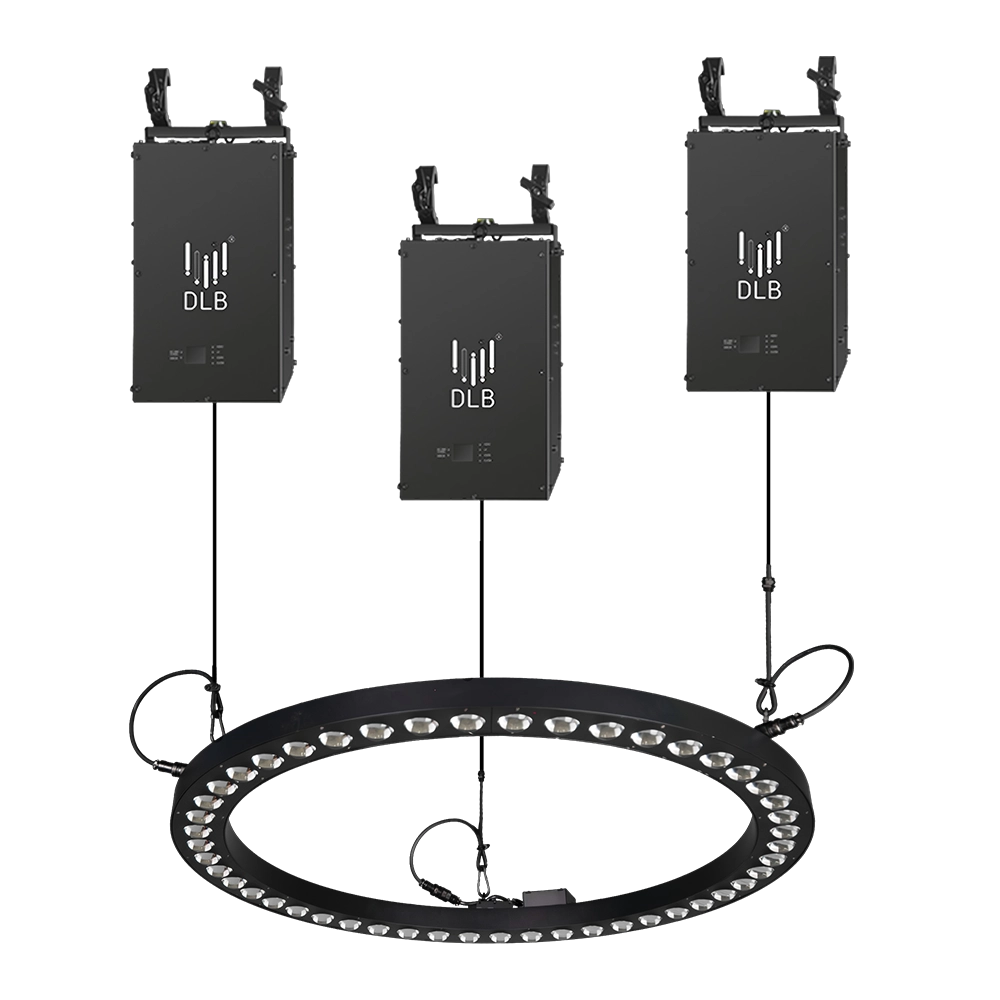
Kinetic Halo Ring——Ideal for a wide range of large-scale events: commercial spaces, TV shows, concerts, nightclubs, and various other settings.
Experience dynamic illumination with the FENG-YI Kinetic Halo Ring. This versatile kinetic light is perfect for large-scale events—commercial spaces, TV shows, concerts, and nightclubs—delivering stunning kinetic ring light effects that captivate every audience.
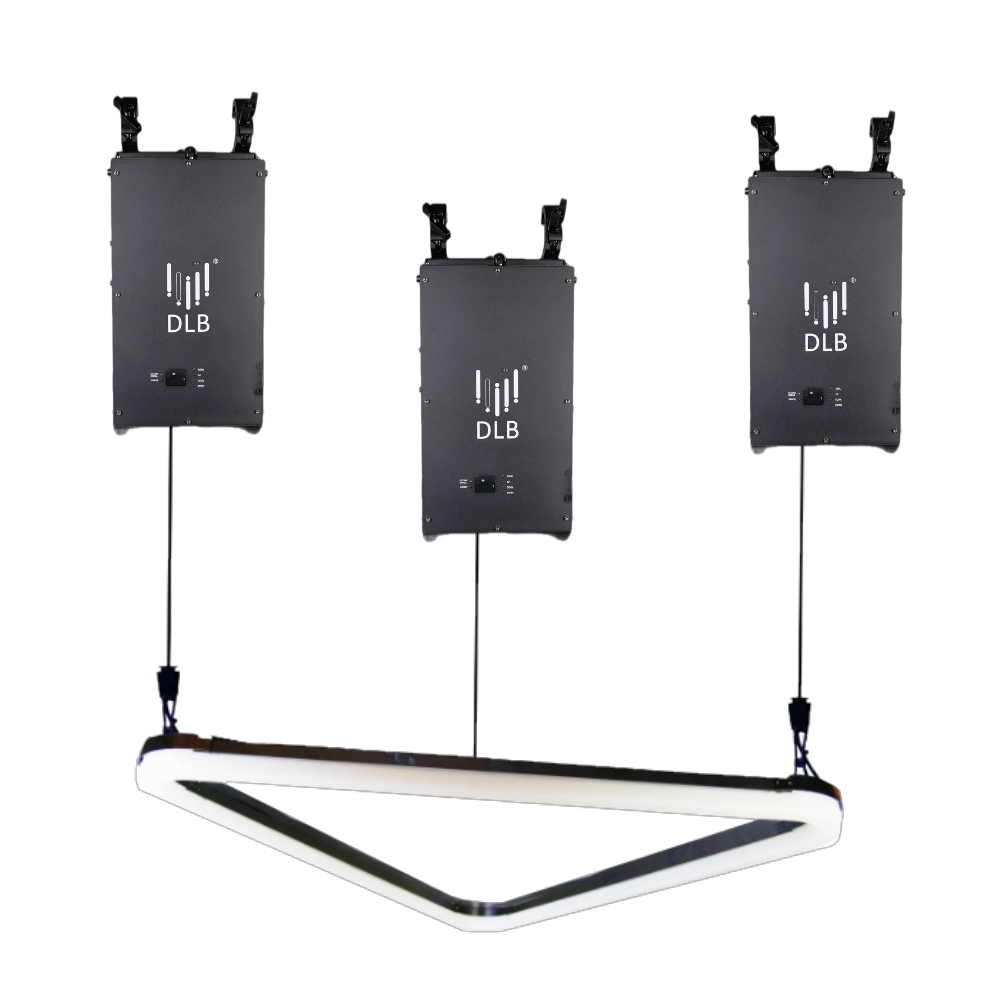
Kinetic Arc Light——Ideal for a wide range of large-scale events: commercial spaces, TV shows, concerts, nightclubs, and various other settings.
FENG-YI’s Kinetic Arc Light is a kinetic triangle LED light panel designed for large-scale events. Perfect for commercial spaces, TV shows, concerts, and nightclubs, it delivers dynamic lighting effects that captivate audiences and elevate any setting. Ideal kinetic light solution.
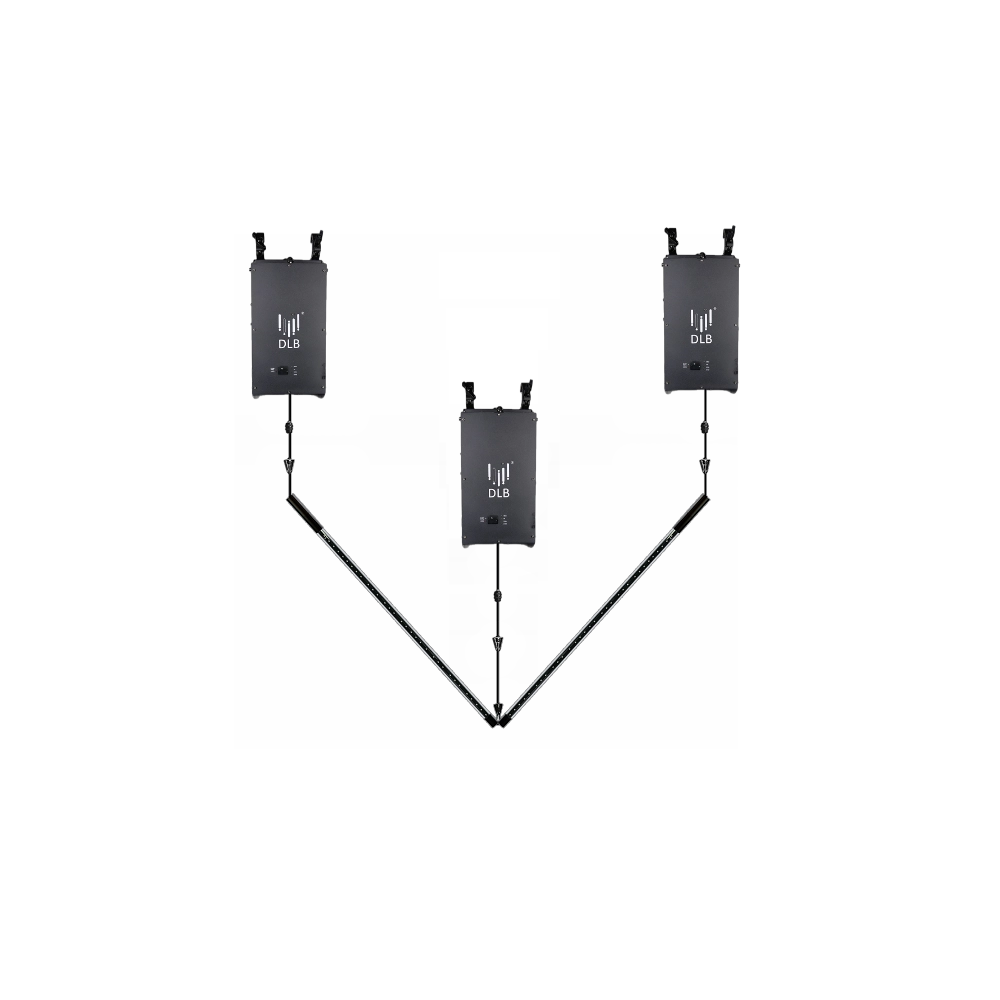
Kinetic Double Rod——Ideal for a wide range of large-scale events: commercial spaces, TV shows, concerts, nightclubs, and various other settings.
FENG-YI’s Kinetic Double Rod delivers dynamic kinetic light effects ideal for large-scale events—from concerts and nightclubs to TV shows and commercial spaces. Elevate your setup with this versatile kinetic light rod, designed for stunning visual impact and seamless integration.
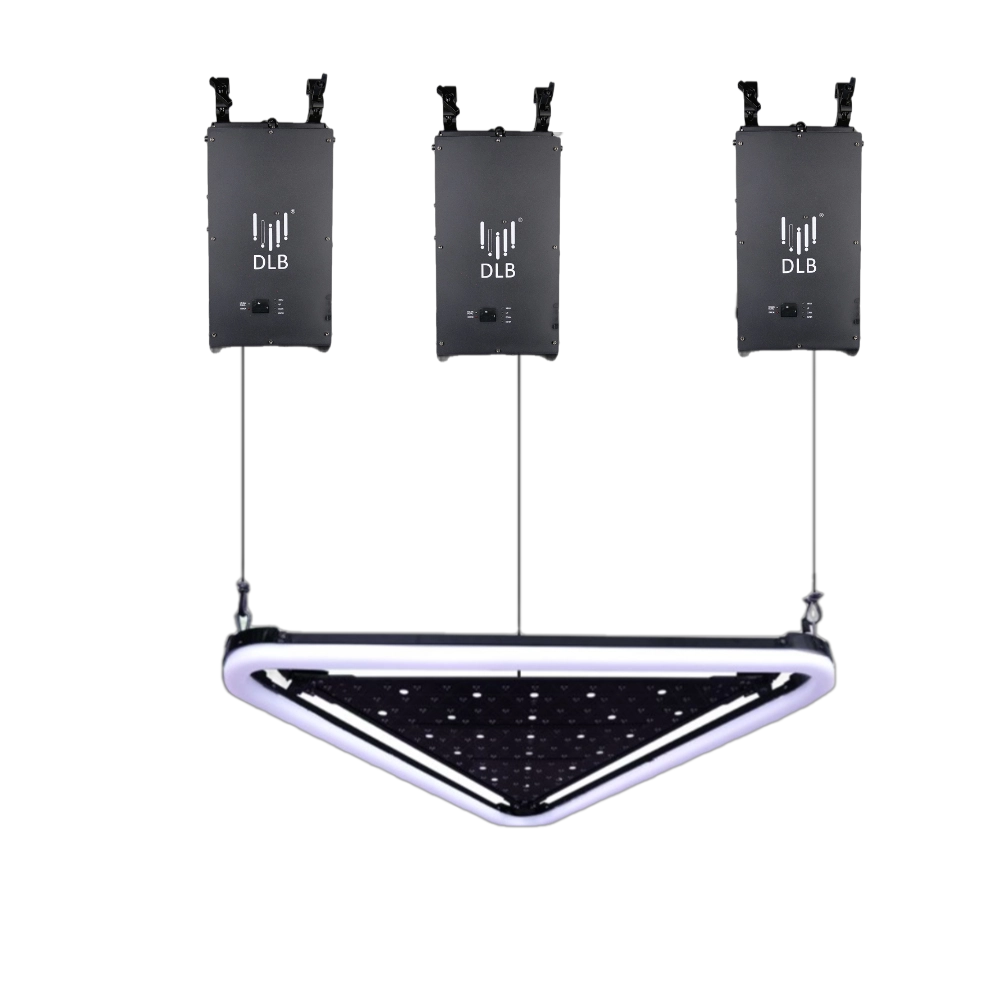
Kinetic Arc Panel——Ideal for a wide range of large-scale events: commercial spaces, TV shows, concerts, nightclubs, and various other settings.
FENG-YI’s Kinetic Arc Panel features dynamic kinetic light technology with kinetic triangle LED light panels, perfect for enhancing large-scale events like concerts, TV shows, nightclubs, and commercial spaces. Elevate your visual experience with innovative, high-impact lighting solutions.
Want to learn more about the latest updates?
Have questions or ready to illuminate your project? Reach out to our expert team today.
Rest assured that your privacy is important to us, and all information provided will be handled with the utmost confidentiality.
By clicking "Send your message," I agree to your processing my personal data.
To see how to withdraw your consent, how to control your personal data, and how we process it, please see our Privacy Policy and Terms of Use.

FENG-YI has been continuously innovating and has grown into a Kinetic Lights Manufacturer and solution provider with unique advantages.
Contact
+86 181 2785 5301
Address
Building 5, No. 34, Fuyuan Road, Jinghu IndustrialZone, Xinhua Town, Huadu District, Guangzhou, China.
© 2025 FENG-YI. All Rights Reserved.
Facebook
Instagram
YouTube
TikTok