










Kinetic Lights Energy Use: Efficiency and Costs
This guide explains energy use, efficiency, and operating costs for kinetic lights with practical calculations and comparisons. Learn how FENG-YI’s Kinetic Arc Light performs in large-scale events, how to estimate consumption and savings, and best practices to minimize energy and maintenance costs.
- Kinetic Lights Energy Use: Efficiency and Costs
- What are kinetic lights and why energy use matters
- Introducing the product: Kinetic Arc Light for large-scale events
- How kinetic light systems consume energy
- Estimating real-world consumption: sample calculations for planners
- Assumptions and simple formulas
- Comparing kinetic LED panels to traditional fixtures
- LED lifetime and maintenance savings
- Effect of motion and control on total energy use
- Calculating ROI for event buyers and rental houses
- Design tips to minimize consumption without sacrificing impact
- FENG-YI’s product advantages for efficiency-minded professionals
- Environmental considerations and emissions reduction
- Sample enterprise calculation: fleet-level savings
- Operational best practices and safety
- FAQ — Frequently Asked Questions about kinetic lights energy use
- How much energy does a Kinetic Arc Light use?
- Do motors for movement significantly increase energy use?
- How can I reduce energy costs without losing visual impact?
- What is the expected lifetime of a Kinetic Arc Light?
- Are kinetic LED panels compatible with standard control systems?
- Contact and product call-to-action
- References
- Contact / View Product
Kinetic Lights Energy Use: Efficiency and Costs
What are kinetic lights and why energy use matters
Kinetic lights are dynamic lighting systems that combine LED light sources with motorized movement to create animated visual effects. These systems are increasingly used in commercial spaces, TV shows, concerts, nightclubs, and other large-scale events because they add motion, depth, and programmable visuals. However, their moving parts and high-intensity LEDs mean that energy use and operating costs are important considerations for event planners, venue operators, and rental houses. Understanding real-world energy consumption helps you budget accurately, design efficient rigs, and reduce environmental impact.
Introducing the product: Kinetic Arc Light for large-scale events
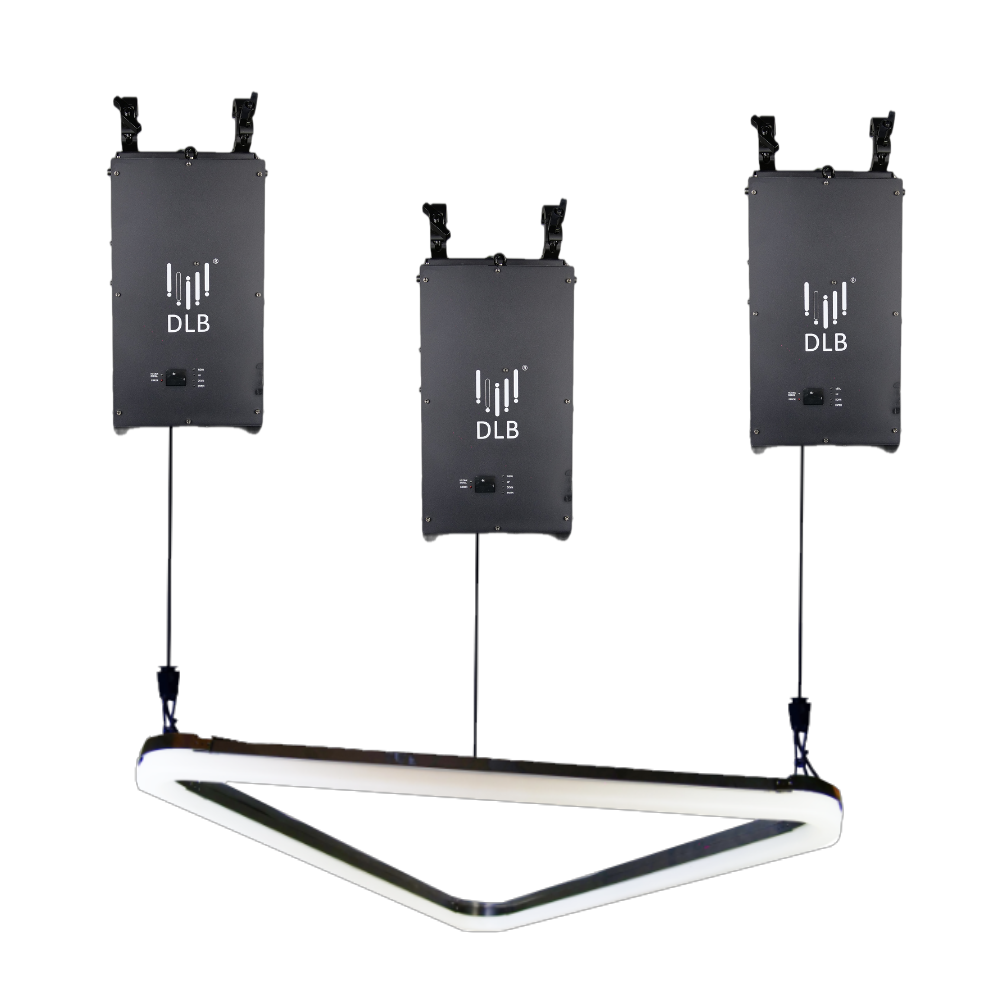
FENG-YI’s Kinetic Arc Light is a kinetic triangle LED light panel designed specifically for large-scale events. Ideal for commercial spaces, TV shows, concerts, and nightclubs, the Kinetic Arc Light delivers dynamic lighting effects that captivate audiences and elevate any setting. As a purpose-built kinetic light solution, it combines LED efficiency, precise motion control, and robust event-grade construction to balance visual impact with manageable operating costs.
How kinetic light systems consume energy
Energy consumption in kinetic lights comes from three main components: the LED arrays (the light output), the motion/driving hardware (motors and actuators), and control electronics (drivers, processors, and wireless interfaces). In modern designs the LED arrays are usually the dominant energy consumer, while motors and control electronics are a smaller but non-negligible portion. Key variables that determine total energy use include:
- LED panel wattage and luminous efficacy (lumens per watt)
- Average intensity level used during events (dimming reduces consumption proportionally)
- Duration of events and number of operation hours per season
- Number of units deployed in a rig
- Movement patterns (continuous motion vs. infrequent repositioning)
Estimating real-world consumption: sample calculations for planners
Because product specifications vary, the most practical approach is to model energy use with clear assumptions. Below are three representative power draws for kinetic LED panels that reflect typical configurations in the live-event market: 200 W (low-power panel), 400 W (mid-range), and 800 W (high-output / brightly driven panel). We use a common commercial electricity price of $0.13 per kWh for cost estimates (U.S. commercial average — see references).
Assumptions and simple formulas
Basic formulas:
- Energy (kWh) = Power (kW) × Time (hours)
- Cost = Energy (kWh) × Electricity price ($/kWh)
Example scenarios: single unit energy use for a 6-hour concert, and for cumulative seasonal use (assume 40 events/year):
| Model Scenario | Power (W) | Energy per 6-hour show (kWh) | Cost per show ($) | Energy per season (40 shows, kWh) | Cost per season ($) |
|---|---|---|---|---|---|
| Low-power panel | 200 | 1.2 | 0.16 | 48.0 | 6.24 |
| Mid-range panel (typical) | 400 | 2.4 | 0.31 | 96.0 | 12.48 |
| High-output panel | 800 | 4.8 | 0.62 | 192.0 | 24.96 |
Notes: Cost results above are per single Kinetic Arc Light unit at constant full output for the entire show. In practice, average intensity is often lower because scenes, fades and effects reduce overall duty cycle; motors and controllers add a small incremental load (often 10–30 W), which you should add where applicable.
Comparing kinetic LED panels to traditional fixtures
To illustrate savings, compare a 400 W Kinetic Arc Light to a traditional 1,500 W halogen or discharge instrument often used historically for high-intensity effects. Even a single 400 W LED panel at full output uses substantially less energy:
| Fixture type | Power (W) | Energy per 6-hour show (kWh) | Cost per show ($) at $0.13/kWh |
|---|---|---|---|
| Kinetic Arc Light (LED) | 400 | 2.4 | 0.31 |
| Traditional halogen/ discharge | 1,500 | 9.0 | 1.17 |
Even with many units in a rig, the economics scale: using LEDs reduces both immediate energy draw and cumulative electricity costs. Additional indirect savings include reduced HVAC load (less heat generated by LEDs vs. hot halogen lamps) and lower replacement lamp costs.
LED lifetime and maintenance savings
Modern LED panels typically have rated useful lives of ~50,000 hours or more under proper thermal management. That means substantially fewer lamp replacements than traditional fixtures that require frequent bulb changes. Maintenance savings are particularly valuable for venues and rental fleets where labor and lamp costs add up.
Effect of motion and control on total energy use
Motion systems (motors and actuators) contribute to consumption but usually at a much lower magnitude than LEDs. Typical motor draws for pan/tilt/kinetic rigs can range from tens to low hundreds of watts depending on actuator type and continuous motion. Best practice to minimize energy use includes:
- Optimizing movement profiles — avoid unnecessarily continuous heavy motion when a few timed cues suffice
- Using intelligent dimming and scene programming — lower average output during non-peak moments
- Choosing efficient motor drivers and using sleep modes in control electronics
In many setups, the motors and electronics add roughly 5–15% to total system consumption; precise numbers depend on the Kinetic Arc Light configuration and how the fixture is used.
Calculating ROI for event buyers and rental houses
Return on investment (ROI) depends on equipment cost, operational savings, and maintenance reduction. While LED kinetic panels may have higher upfront cost than older fixtures, the total cost of ownership (TCO) is typically lower across the equipment lifecycle. Key inputs for an ROI model:
- Initial purchase or rental cost per unit
- Average event hours per year
- Electricity price ($/kWh)
- Maintenance and lamp replacement costs avoided
- Labor savings due to reduced maintenance and heat-related HVAC costs
Example (qualitative): if the Kinetic Arc Light reduces per-show energy by 60–80% vs. a legacy fixture and cuts lamp replacement costs substantially, payback on incremental purchase price is often measured in a few seasons for busy rental houses and venues. To produce a precise payback period, replace the generic assumptions above with your actual local electricity price, rental rates, and utilization hours.
Design tips to minimize consumption without sacrificing impact
Practical tactics to reduce energy use while keeping visual quality:
- Program dynamic intensity curves: use peaks only when required and rely on motion and color to sell scenes
- Use beam shaping, diffusion and optics to get perceived brightness with less raw output
- Group control: centralize intensity control to dim clusters during intermissions or less critical cues
- Choose higher-efficacy LED options when available — higher lm/W reduces required power for the same perceived light
- Design thermal management and ventilation to keep LEDs in optimal operating conditions, which preserves efficacy and lifetime
FENG-YI’s product advantages for efficiency-minded professionals
FENG-YI’s Kinetic Arc Light is built with an emphasis on efficiency and reliability, making it well-suited for events where both visual impact and operating cost matter. Key brand advantages include:
- Optimized LED arrays that balance high output and luminous efficacy to reduce power draw for required brightness
- Event-grade motion hardware designed for smooth, low-power operation and long life
- Integrated control compatibility (DMX/RDM/Art-Net/sACN) for precise intensity and motion programming that reduces unnecessary full-power operation
- Robust construction and serviceability that lowers downtime and maintenance costs for rental fleets and fixed installations
- Engineering support from a team experienced with large-scale event workflows, which helps spec rigs that meet aesthetic needs with minimal energy waste
Environmental considerations and emissions reduction
Lower energy consumption directly reduces CO2 emissions associated with electricity generation. Using efficient kinetic LED fixtures like the Kinetic Arc Light, combined with smart programming, can substantially cut a venue’s lighting-related carbon footprint. For organizations with sustainability goals, reduced energy use is a measurable benefit that also aligns with many corporate ESG programs.
Sample enterprise calculation: fleet-level savings
Consider a medium-scale touring rig using 40 Kinetic Arc Lights at an average of 400 W each vs. an equivalent number of 1,500 W legacy fixtures. Using the 6-hour show model and 40 shows per year:
| Fixture type | Units | Total power (kW) | Energy per show (kWh) | Energy per season (40 shows, kWh) | Season cost ($) at $0.13/kWh |
|---|---|---|---|---|---|
| Kinetic Arc Light (400 W) | 40 | 16.0 | 96.0 | 3,840.0 | 499.20 |
| Legacy fixtures (1,500 W) | 40 | 60.0 | 360.0 | 14,400.0 | 1,872.00 |
| Seasonal savings | — | — | — | 10,560.0 | 1,372.80 |
This example demonstrates how fleet-level conversions deliver meaningful annual cost and energy reductions. Real-world savings scale with local electricity prices and actual utilization hours.
Operational best practices and safety
To maximize energy efficiency and ensure safe operation:
- Schedule fixtures to enter low-power or standby modes between cues when possible
- Perform regular thermal checks — overheating reduces LED life and efficiency
- Keep firmware and control systems updated for energy-saving features and improved motion profiles
- Train crew to design cue stacks that avoid unnecessary full-power shots
FAQ — Frequently Asked Questions about kinetic lights energy use
How much energy does a Kinetic Arc Light use?
Power depends on the configuration. Typical ranges are 200 W (low) to 800 W (high-output). Use the fixture’s published wattage for accurate calculations; our example models above show how to convert watts to kWh and costs.
Do motors for movement significantly increase energy use?
Motors add some load — often tens of watts — but the LED arrays are usually the primary energy consumer. Efficient motor designs and intelligent motion programming minimize additional consumption.
How can I reduce energy costs without losing visual impact?
Use dynamic programming to limit full-intensity periods, leverage optics and diffusion to maximize perceived brightness, and group controls to dim non-essential units. High-efficacy LEDs also mean you can get the same look at lower wattage.
What is the expected lifetime of a Kinetic Arc Light?
Modern LED panels are commonly rated for around 50,000 hours of useful life under correct thermal management. Lifetime depends on operating conditions and duty cycle.
Are kinetic LED panels compatible with standard control systems?
Yes — FENG-YI’s Kinetic Arc Light supports common protocols (DMX/RDM, Art-Net, sACN) for integration into existing lighting rigs and show control systems.
Contact and product call-to-action
If you’d like a personalized energy and cost analysis for your venue, touring rig, or event, contact our sales and technical team. To view detailed specifications, request a demo, or get a quote for FENG-YI’s Kinetic Arc Light, please contact us through our product inquiry form or request a demo via the official product page. Our team can provide exact wattage specs, control options, and ROI calculations tailored to your operation.
References
- U.S. Department of Energy — Energy Saver: LED Lighting: https://www.energy.gov/energysaver/save-electricity-and-fuel/lighting-what-you-need-know
- U.S. Energy Information Administration (EIA) — Electricity Data (average commercial prices): https://www.eia.gov/electricity/
- ENERGY STAR — LED Lighting and Lifetime information: https://www.energystar.gov/products/lighting_fans/light_bulbs
- Industry publications on LED stage lighting efficiency and best practices (general guidance): Lighting & Sound America, IES publications
For precise, model-specific power and control details for the Kinetic Arc Light, please request our technical datasheet via the contact link below.
Contact / View Product
Contact us to discuss how FENG-YI’s Kinetic Arc Light can reduce your energy use and operating costs while delivering striking kinetic visuals. Request a demo or see full specifications on the product page.
Tags
380W dustproof and waterproof sealed beam lamp
380W dustproof and waterproof sealed beam lamp
led kinetic lighting lifting ball light
led kinetic lighting lifting ball light
Kinetic Laser light
Kinetic Laser light
Waterproof profile Light
Waterproof profile Light
Kinetic Bottle-shaped lamp
Kinetic Bottle-shaped lamp
kinetic triangle rgb led light panel
kinetic triangle rgb led light panel
Recommended for you
Waterproof Profile Light Maintenance and Troubleshooting
Future innovations in kinetic lighting technology
Cost and ROI of kinetic lighting for businesses
Kinetic lighting control systems and software comparison
Prdoucts Categories
Question you may concern
Products
The lamp does not light up. What should I check?
Troubleshoot in 4 steps:
1. Power Supply: Confirm the input voltage matches AC 200V~240V/50~60Hz; check if the power cable is securely connected and the switch is on.
2. Cooling Period: Ensure the fixture has cooled for 20 minutes after previous use (mandatory cooling to prevent overheat damage).
3. DMX Signal: If in DMX mode, verify the controller is sending "Shutter On" (CH6: 252-255) and "Dimming" (CH7: 100-255) signals.
4. Internal Wiring: If above checks pass, contact after-sales to inspect internal connections (e.g., lamp holder, driver board) for loose or burned components.
What is the service life of LED lamp beads? Is professional personnel required for later replacement?
All our lights adopt imported LED chips, with a service life of ≥ 50,000 hours under normal use (8 hours of daily use can last for 17 years). The replacement of lamp beads requires professional operation—due to the involvement of wire soldering and heat dissipation adaptation, unprofessional operation may cause short circuits or uneven light effects. You can contact the after-sales team for on-site replacement or repair-by-mail services.
Customization/OEM Services
What customization services can you provide? For example, adjustments to appearance, functions, or parameters.
Multi-dimensional customization is supported:
▪ Appearance customization: Lamp housing colors (e.g., in addition to black and silver, exclusive brand colors can be customized), and laser engraving of the brand logo on the body.
▪ Function customization: Adjustment of channel modes (e.g., adding exclusive light control channels), adaptation of light control protocols (e.g., compatibility with the customer's own central control system), and special scenario functions (e.g., increasing the waterproof level of outdoor models to IP65).
▪ Parameter customization: Extended stroke of elevating lights (default 0-5 meters, customizable up to 10 meters), adjustment of the beam angle of conventional lights (e.g., custom 15° narrow beam angle for PAR lights).
Wholesale Cooperation
Is there a regional protection policy to avoid competition among multiple wholesalers in the same region?
For prefecture-level cities and above, an "exclusive wholesale cooperation" policy is implemented: If there is already a cooperative wholesaler in a region (with an annual purchase amount of ≥ 300,000 RMB), no second wholesaler of the same type will be developed. For county-level regions, 2-3 wholesalers can be developed based on market demand, but clear sales scopes must be divided (e.g., by town) to avoid vicious competition.
You may also like
Kinetic Halo Ring——Ideal for a wide range of large-scale events: commercial spaces, TV shows, concerts, nightclubs, and various other settings.
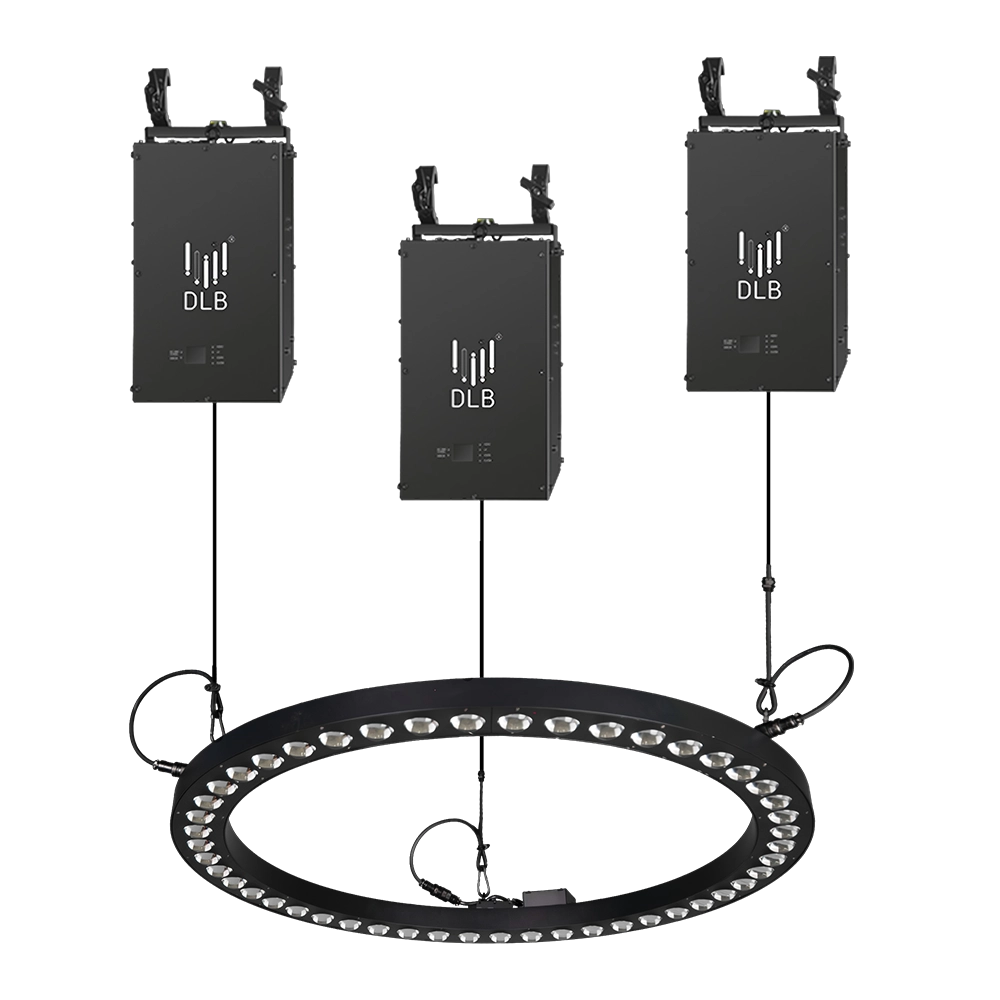
Experience dynamic illumination with the FENG-YI Kinetic Halo Ring. This versatile kinetic light is perfect for large-scale events—commercial spaces, TV shows, concerts, and nightclubs—delivering stunning kinetic ring light effects that captivate every audience.
Kinetic Arc Light——Ideal for a wide range of large-scale events: commercial spaces, TV shows, concerts, nightclubs, and various other settings.
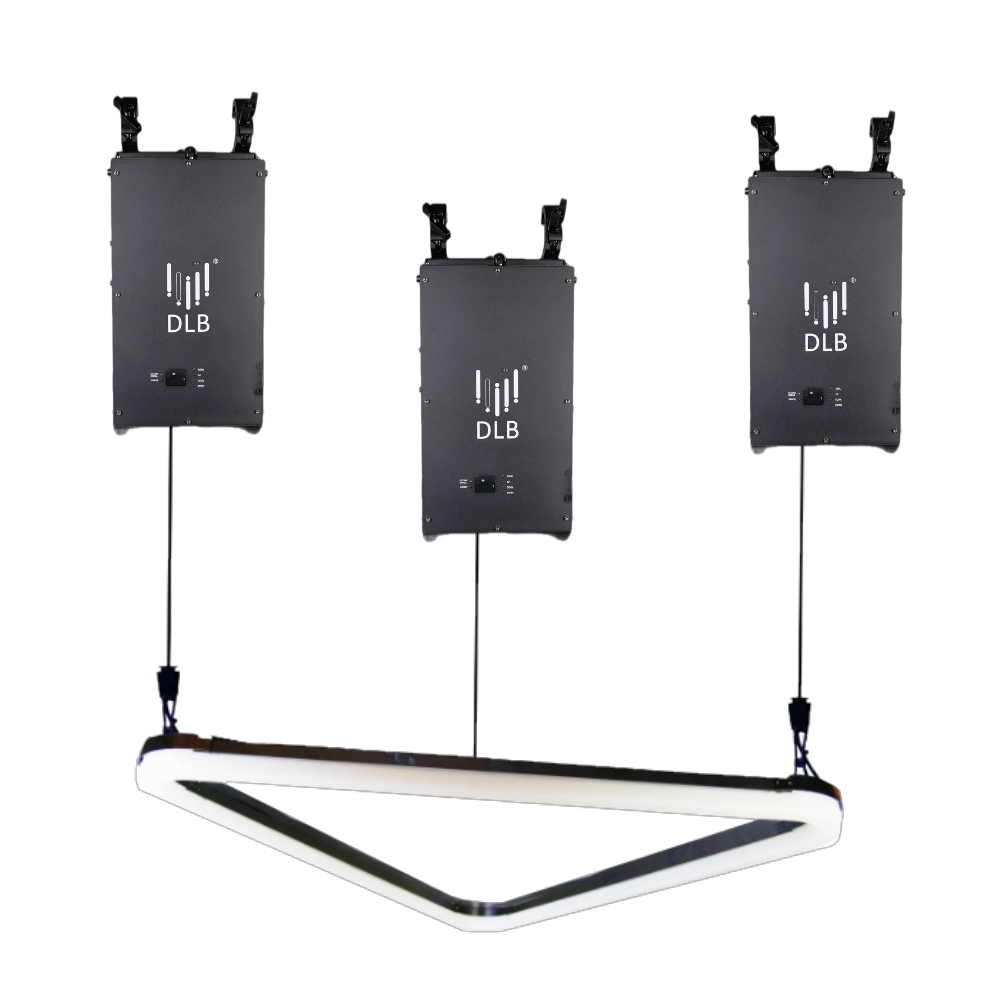
FENG-YI’s Kinetic Arc Light is a kinetic triangle LED light panel designed for large-scale events. Perfect for commercial spaces, TV shows, concerts, and nightclubs, it delivers dynamic lighting effects that captivate audiences and elevate any setting. Ideal kinetic light solution.
Kinetic Double Rod——Ideal for a wide range of large-scale events: commercial spaces, TV shows, concerts, nightclubs, and various other settings.
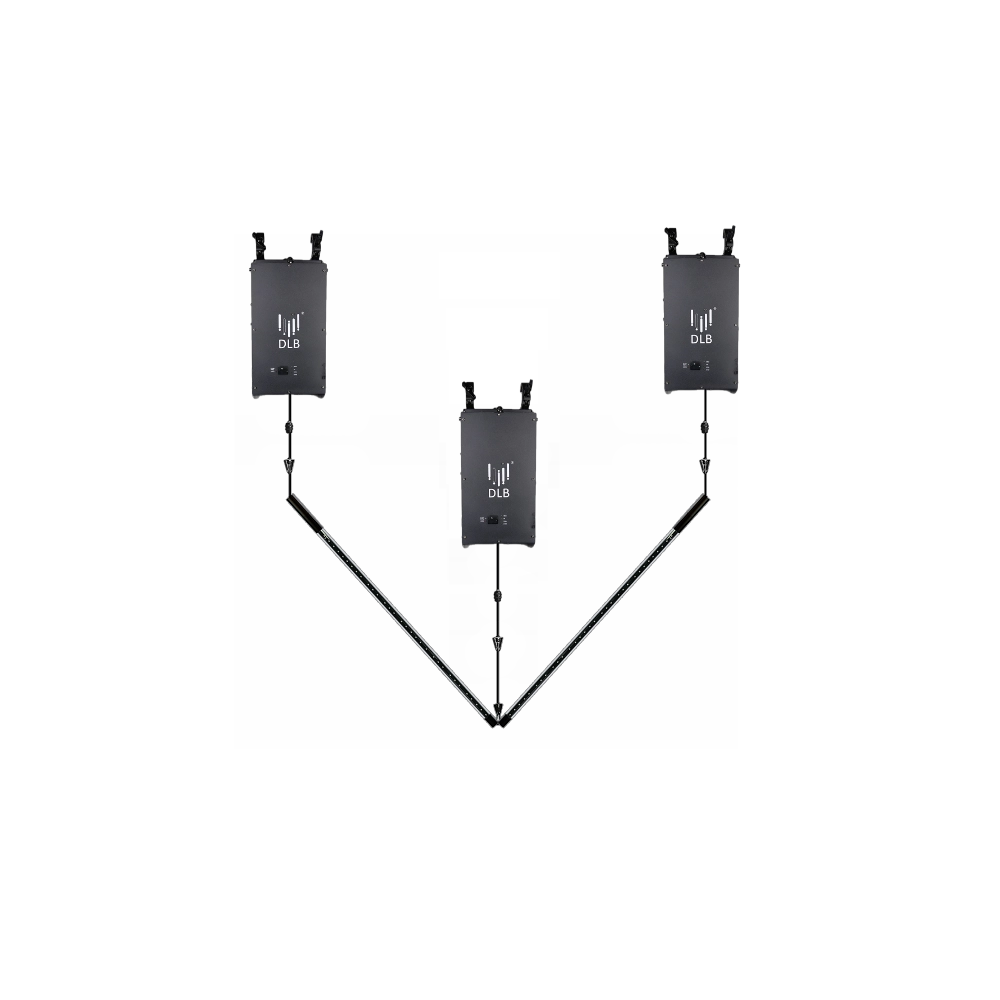
FENG-YI’s Kinetic Double Rod delivers dynamic kinetic light effects ideal for large-scale events—from concerts and nightclubs to TV shows and commercial spaces. Elevate your setup with this versatile kinetic light rod, designed for stunning visual impact and seamless integration.
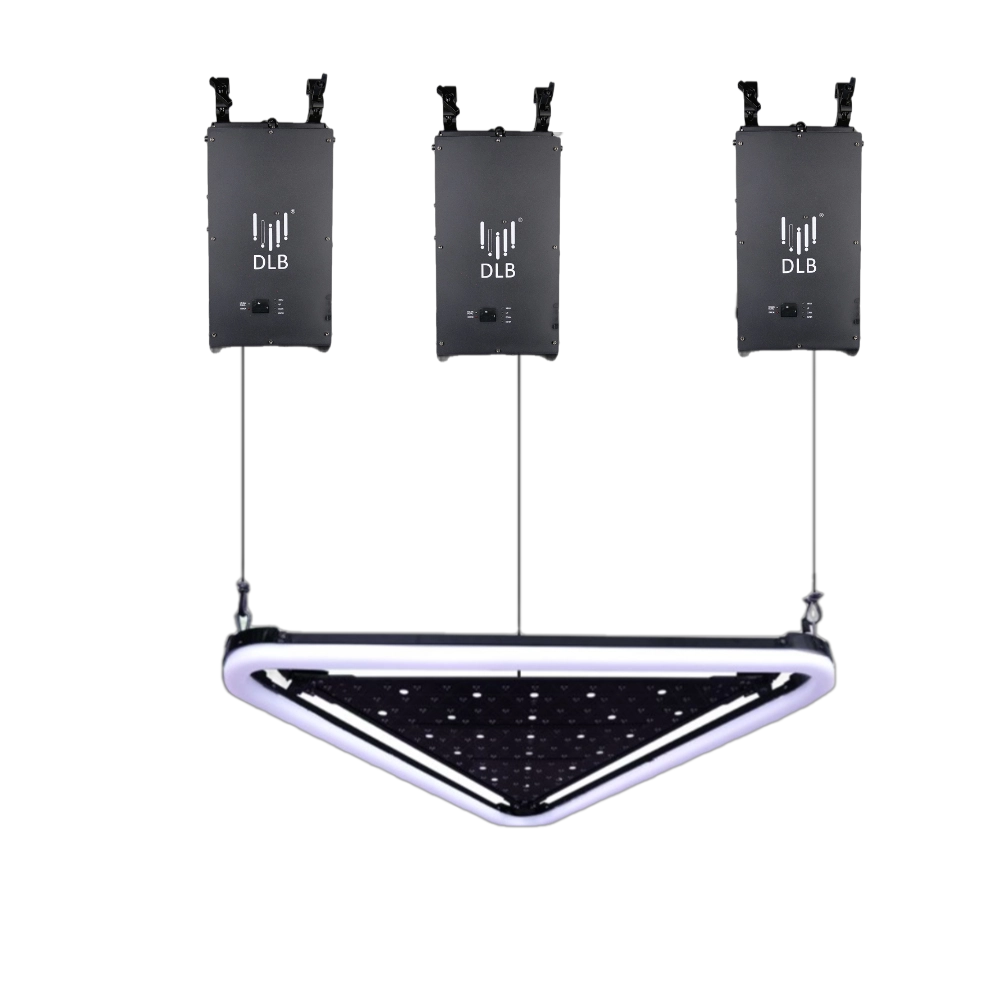
Kinetic Arc Panel——Ideal for a wide range of large-scale events: commercial spaces, TV shows, concerts, nightclubs, and various other settings.
FENG-YI’s Kinetic Arc Panel features dynamic kinetic light technology with kinetic triangle LED light panels, perfect for enhancing large-scale events like concerts, TV shows, nightclubs, and commercial spaces. Elevate your visual experience with innovative, high-impact lighting solutions.
Want to learn more about the latest updates?
Have questions or ready to illuminate your project? Reach out to our expert team today.
Rest assured that your privacy is important to us, and all information provided will be handled with the utmost confidentiality.
By clicking "Send your message," I agree to your processing my personal data.
To see how to withdraw your consent, how to control your personal data, and how we process it, please see our Privacy Policy and Terms of Use.

FENG-YI has been continuously innovating and has grown into a Kinetic Lights Manufacturer and solution provider with unique advantages.
Contact
+86 181 2785 5301
Address
Building 5, No. 34, Fuyuan Road, Jinghu IndustrialZone, Xinhua Town, Huadu District, Guangzhou, China.
© 2025 FENG-YI. All Rights Reserved.
Facebook
Instagram
YouTube
TikTok