










Maintenance and Lifecycle Costs of Kinetic Light
This article explains how to plan, estimate, and manage maintenance and lifecycle costs for Kinetic Light installations in art spaces. It covers component lifetimes, typical maintenance schedules, a comparative lifecycle-cost table, risk factors, and best practices — including how FENG-YI supports projects with technical services and global reach.
- Cost Planning for Kinetic Light Installations
- Overview: Why lifecycle planning matters for Kinetic Light for Art Space
- What is included under 'maintenance and lifecycle costs' for Kinetic Light
- Key components driving costs in Kinetic Light for Art Space
- Component lifetimes and measurable indicators for budgeting
- Typical maintenance schedule for Kinetic Light for Art Space
- Energy and operating-cost considerations ( — budget impact)
- Comparative 10-year lifecycle cost example (table)
- Risk factors that increase maintenance and lifecycle costs
- Procurement and service strategies to lower lifecycle costs
- FENG-YI: technical capabilities and lifecycle support for Kinetic Light
- FENG-YI advantages and product strengths for Kinetic Light for Art Space (summary)
- Best practices checklist before procurement (commercial decision checklist)
- Conclusion and recommended next steps (actionable guidance)
- FAQ — Maintenance and Lifecycle Costs of Kinetic Light for Art Space
- 1. How often do LED modules in kinetic fixtures need replacement?
- 2. What maintenance contract level do I need for a public kinetic installation?
- 3. Can remote monitoring substantially reduce lifecycle costs?
- 4. How should I estimate energy costs for a planned Kinetic Light project?
- 5. Is it better to spec higher upfront cost components to save on lifecycle costs?
- Contact and product inquiry
- References and sources
Cost Planning for Kinetic Light Installations
Overview: Why lifecycle planning matters for Kinetic Light for Art Space
Kinetic Light installations combine moving mechanics, LED lighting, control electronics, networking, and bespoke structural elements. For museums, galleries, theatres, and public art spaces using Kinetic Light for Art Space, capital cost is only one part of total ownership. Maintenance, energy, software licensing, periodic component replacement, and system upgrades produce recurring costs that can exceed initial investment over a 10–15 year lifecycle. This article gives practical, verifiable guidance to estimate and reduce those costs while preserving artistic and operational goals.
What is included under 'maintenance and lifecycle costs' for Kinetic Light
When budgeting, include direct and indirect cost categories: initial equipment (motors, LED modules, controllers, rigging), installation and commissioning, scheduled maintenance (inspection, lubrication, part replacements), unscheduled repairs, energy consumption, software licenses & updates, device depreciation, safety inspections, and eventual decommissioning or retrofit. For , owners also want predictable service plans, SLAs, and the option of remote vs on-site support.
Key components driving costs in Kinetic Light for Art Space
Costs concentrate in a few technical areas:
- Motion systems (motors, gears, bearings): moving parts have wear points and may require periodic lubrication, alignment checks, and eventual replacement.
- LED lighting modules: LEDs have long lifetimes but their drivers, optics, and power supplies can fail earlier; replacements and color-consistency maintenance (re-lamping or calibration) matter.
- Control hardware & software: controllers, DMX/Art-Net nodes, and dedicated software require licenses, updates, and occasional hardware upgrades to support new features.
- Structural & rigging: periodic safety inspections and load-tests required by local codes add inspection cost.
- Network & power infrastructure: managed networks, surge protection, and UPS for critical shows have recurring maintenance and replacement cycles.
Component lifetimes and measurable indicators for budgeting
Reliable baseline lifetimes help build a financial model. Typical published ranges are:
- High-quality LEDs: L70 at 50,000–100,000 operating hours (source: U.S. DOE & manufacturer datasheets).
- LED drivers & power supplies: often 5–15 years depending on thermal stress and usage patterns.
- Servo/stepper motors and gearboxes: MTBF varies; bearings and gear elements commonly need inspection/refresh every 5–10 years in frequent-use installations.
- Control hardware and software: functional lifetime 5–10 years before feature or compatibility-driven upgrades are typical.
Use these ranges as inputs; adjust for actual duty cycles (hours per day), environment (coastal, dusty, humidity), and artistic schedules (daily performances vs intermittent exhibitions).
Typical maintenance schedule for Kinetic Light for Art Space
Below is a conservative, practical schedule for public art and performance spaces:
- Monthly/Quarterly: Visual inspection, cleaning of optics, verify network connectivity, test safety stops and limit switches.
- Biannual: Lubricate mechanical joints, verify cable routing, check fixture alignment and DMX/art-net addressing.
- Annual: Full system test, battery/UPS inspection, firmware updates, lighting calibration (color and intensity), structural inspection per local code.
- Every 3–7 years: Replace wear items (bearings, belts), refresh LED drivers as needed, evaluate motor health & encoder accuracy.
- At 8–12 years: Major refresh or phased replacement of LED modules or motion control hardware depending on condition and artistic needs.
Energy and operating-cost considerations ( — budget impact)
Energy is a measurable, recurring cost. To estimate annual energy cost: multiply total installed wattage under normal operating hours by local electricity rate. Commercial electricity rates vary; for example, in many markets commercial rates range roughly from $0.08 to $0.25 per kWh (U.S. Energy Information Administration and regional data). Efficient LED fixtures and intelligent motion control (dimming, scheduling) reduce consumption versus legacy light sources. Implementing occupancy/scene-based control and accurate automation schedules returns operational savings over time.
Comparative 10-year lifecycle cost example (table)
The table below models three representative Kinetic Light for Art Space installations and shows approximate TCO over 10 years. Numbers are illustrative but based on realistic component lifetimes and typical commercial energy rates. Assumptions: energy price $0.15/kWh, average daily operation and duty cycle noted in table, scheduled maintenance as percent of CAPEX, and mid-grade components.
| Scenario | CAPEX (equipment+install) | Annual Energy | Annual Maintenance | Replacements (10 yrs) | 10-yr TCO |
|---|---|---|---|---|---|
| Small Gallery (10 fixtures, simple motion) | $15,000 | $400 (2,000 hrs/yr, 5 kW system equiv) | $1,200 (8% of CAPEX) | $2,000 (LED drivers/parts) | $15,000 + $4,000 + $12,000 + $2,000 = $33,000 |
| Mid-size Theatre (50 fixtures, professional motion) | $80,000 | $2,400 (3,000 hrs/yr, 40 kW equiv) | $6,400 (8% of CAPEX) | $12,000 (motors, drivers refresh) | $80,000 + $24,000 + $64,000 + $12,000 = $180,000 |
| Large Public Installation (300 fixtures, heavy motion) | $320,000 | $19,710 (5,000 hrs/yr, 450 kW impl. equiv — includes moving/lift losses) | $25,600 (8% of CAPEX) | $60,000 (phased replacements) | $320,000 + $197,100 + $256,000 + $60,000 = $833,100 |
Notes: These figures are illustrative; actual energy and maintenance vary by design, duty cycle, local labor rates and component selection. Use the table model by replacing inputs with your project’s wattage, hours, and local rates to compute a defensible TCO.
Risk factors that increase maintenance and lifecycle costs
Common cost drivers that owners should mitigate early include: harsh environmental exposure (salt air, humidity), high daily duty cycles, complex custom mechanics that lack spare parts, inadequate documentation from designers, and absence of a preventive maintenance contract. Early-stage decisions such as specifying IP-rated components and modular fixture designs reduce long-term service costs and simplify upgrades.
Procurement and service strategies to lower lifecycle costs
To reduce TCO, adopt these strategies:
- Specify modular LED modules and widely-supported control protocols (e.g., sACN/Art-Net) to avoid vendor lock-in.
- Negotiate a multi-year service agreement with defined SLAs and options for remote troubleshooting to cut travel and downtime costs.
- Maintain an on-site spare-parts kit for high-failure items (drivers, fuses, a motor) rather than emergency ordering.
- Include lifecycle clauses in procurement contracts — define expected lifetimes, update pathways, and depreciation schedules.
- Design for accessibility: easy access to moving parts reduces labor time for maintenance.
FENG-YI: technical capabilities and lifecycle support for Kinetic Light
Since its establishment in 2011, FENG-YI has been continuously innovating and has grown into a creative kinetic light manufacturing service provider with unique advantages. The company is committed to exploring new lighting effects, new technologies, new stage designs, and new experiences. Through professional Kinetic Light art solutions, we empower emerging performance spaces, support the development of new performance formats, and meet the diverse needs of different scenarios.
Located in Huadu District, Guangzhou, the company currently has 62 employees, including an 8-member professional design team and 20 highly experienced technical service staff. FENG-YI has become a High Quality user of Madrix software in mainland China, offering both on-site installation & programming as well as remote technical guidance services for Kinetic Light projects.
With a total area of 6,000㎡, FENG-YI owns China’s largest 300㎡ art installation exhibition area and operates 10 overseas offices worldwide. Our completed Kinetic Light projects have successfully reached over 90 countries and regions, covering television stations, commercial spaces, cultural tourism performances, and entertainment venues.
Today, FENG-YI is recognized as a leading kinetic lights scene solution provider in the industry, delivering innovative lighting experiences that integrate technology and creativity.
FENG-YI advantages and product strengths for Kinetic Light for Art Space (summary)
FENG-YI’s competitive strengths include: an in-house design team familiar with public-safety codes and artistic requirements; a large exhibition/testing area for pre-commissioning; remote and on-site technical support with experienced service staff; and global deployment experience that reduces risk for international projects. Their product range focuses on modular kinetic lighting fixtures, motion rigs, control integration (including Madrix support), and turnkey installation services — all of which contribute to lower lifecycle disruption and clearer maintenance pathways.
Best practices checklist before procurement (commercial decision checklist)
Before signing contracts, verify the following:
- Spare parts availability and lead times.
- Defined preventive maintenance schedule and associated costs.
- Service level agreement (SLA) options for remote or on-site response times.
- Documentation: mechanical drawings, electrical schematics, and control mappings.
- Warranty terms and upgrade/retrofit pathways for control systems.
Conclusion and recommended next steps (actionable guidance)
Budget realistically: expect annual maintenance equal to roughly 5–10% of CAPEX in typical installations (adjust for duty cycle and environment). Use modular designs and standardized control protocols to protect against obsolescence. Negotiate preventative maintenance and remote support to reduce downtime and emergency cost spikes. For complex or public-facing installations, work with a proven provider that offers testing facilities, spare-part strategies, and global service reach.
FAQ — Maintenance and Lifecycle Costs of Kinetic Light for Art Space
1. How often do LED modules in kinetic fixtures need replacement?
High-quality LEDs commonly reach L70 between 50,000 and 100,000 operating hours (meaning 70% initial lumen output). In typical gallery use this translates to many years (often 8+ years). However, drivers, optics, and thermal stress can trigger earlier maintenance — plan for driver replacement at 5–10 years in active use.
2. What maintenance contract level do I need for a public kinetic installation?
For public or performance-critical spaces, choose a contract with at least quarterly inspections, annual full-system testing, guaranteed remote support, and defined on-site response windows (e.g., 24–72 hours depending on impact). Include spare-part provisioning for high-risk items.
3. Can remote monitoring substantially reduce lifecycle costs?
Yes. Remote monitoring and diagnostic access reduce travel and downtime by identifying issues early. Predictive analytics can avoid catastrophic failures and schedule maintenance in non-show windows, saving direct labor and lost-revenue costs.
4. How should I estimate energy costs for a planned Kinetic Light project?
Calculate total installed wattage (system draw including motors and LEDs), multiply by expected operational hours per year, then apply local commercial electricity rate. Factor in dimming schedules, occupancy control, and show patterns for realistic numbers.
5. Is it better to spec higher upfront cost components to save on lifecycle costs?
Often yes. Higher-quality motors, sealed electronics, and well-rated power supplies cost more initially but reduce failure frequency and maintenance downtime. Run a simple ROI over expected lifetime to compare CAPEX vs projected maintenance + replacement costs.
Contact and product inquiry
If you are planning a new Kinetic Light for Art Space installation or want a lifecycle cost assessment, contact our team for an audit, detailed TCO modeling, or to view demo installations. For turnkey design, installation, and support including Madrix integration and remote services, request a consultation to receive a tailored maintenance plan and cost estimate.
References and sources
- U.S. Department of Energy — Solid-State Lighting (program overview and LED basics). Accessed 2025-12-28. https://www.energy.gov/eere/ssl/solid-state-lighting
- Wikipedia — Kinetic art. Accessed 2025-12-28. https://en.wikipedia.org/wiki/Kinetic_art
- Wikipedia — Light-emitting diode. Accessed 2025-12-28. https://en.wikipedia.org/wiki/Light-emitting_diode
- U.S. Energy Information Administration (EIA) — Electricity Data and Average Commercial Rates. Accessed 2025-12-28. https://www.eia.gov/
- MADRIX (lighting control software). Accessed 2025-12-28. https://www.madrix.com/
- Manufacturer datasheets and application notes (LED driver and lifetime guidance) — consult specific vendor datasheets when modeling parts for procurement (e.g., Signify/Philips product pages and datasheets). Example: Signify Lighting Academy (LED lifetime overview). Accessed 2025-12-28. https://www.signify.com/
For project-specific estimates and to examine how FENG-YI can support design, installation, and lifecycle services for Kinetic Light for Art Space, request a consultation and lifecycle-cost model tailored to your venue.
Tags
kinetic chandelier lighting
kinetic chandelier lighting
colour kinetic light
colour kinetic light
Kinetic wall light
Kinetic wall light
Kinetic lights manufacturer
Kinetic lights manufacturer
kinetic light ring
kinetic light ring
waterproof moving head beam light
waterproof moving head beam light
Recommended for you
DIY Kinetic Lights: Build Your Own Motion Lamp
Energy Efficient Waterproof Profile Light Solutions
Smart kinetic lighting systems: integration guide
Surface-Mounted vs Recessed Waterproof Profile Lights
Prdoucts Categories
Question you may concern
Products
How to set the DMX starting address via the panel?
Follow these steps:
1. Press "Left" (multiple times if needed) to return to the main interface.
2. Press "Up/Down" to select "Settings", then press "OK" to enter.
3. Select "DMX Address" and press "OK" to enter edit mode.
4. Adjust the hundreds digit (e.g., 2 for address 286) with "Up/Down", press "OK" to confirm; repeat for tens (8) and units (6) digits.
5. Press "OK" again to save the address (e.g., A286) and exit edit mode.
What light control modes does the 7-lamp 60W wash light support? Is it compatible with DMX consoles of other brands?
It supports three control modes: DMX512, sound activation, and auto-run. The channels can be selected as 23CH/35CH/51CH (the 51CH mode enables independent R/G/B/W dimming for each individual lamp bead). It complies with the international universal DMX512 protocol and is compatible with mainstream brand consoles (e.g., MA, Good, Pearl consoles). When connecting, it is recommended to connect a 120Ω terminator to the output end of the last light to reduce signal interference.
Wholesale Cooperation
What is the restocking cycle for wholesale customers? Can production be prioritized?
The restocking cycle for standard models is 3-7 days (same-day shipment if stock is sufficient), and the restocking cycle for customized models is the same as the initial customization cycle (15-45 days). For annual cooperative customers (with an annual purchase amount of ≥ 500,000 RMB), a "priority restocking agreement" can be signed, and 10%-15% of safety stock will be reserved to ensure emergency restocking needs are met within 3 days.
After-Sales Support
Can accessories (e.g., power cords, DMX signal cables, lamp beads) be purchased separately after the lights have been used for many years?
Separate purchase of accessories is supported. Common accessories (power cords, signal cables, standard lamp beads) are in stock and will be shipped within 1-3 days after ordering. Special accessories (e.g., hydraulic pumps for elevating lights, XY-axis motors for moving head lights) need to be reserved 3-5 days in advance. The after-sales team can provide accessory installation guidance (e.g., sending installation videos).
You may also like
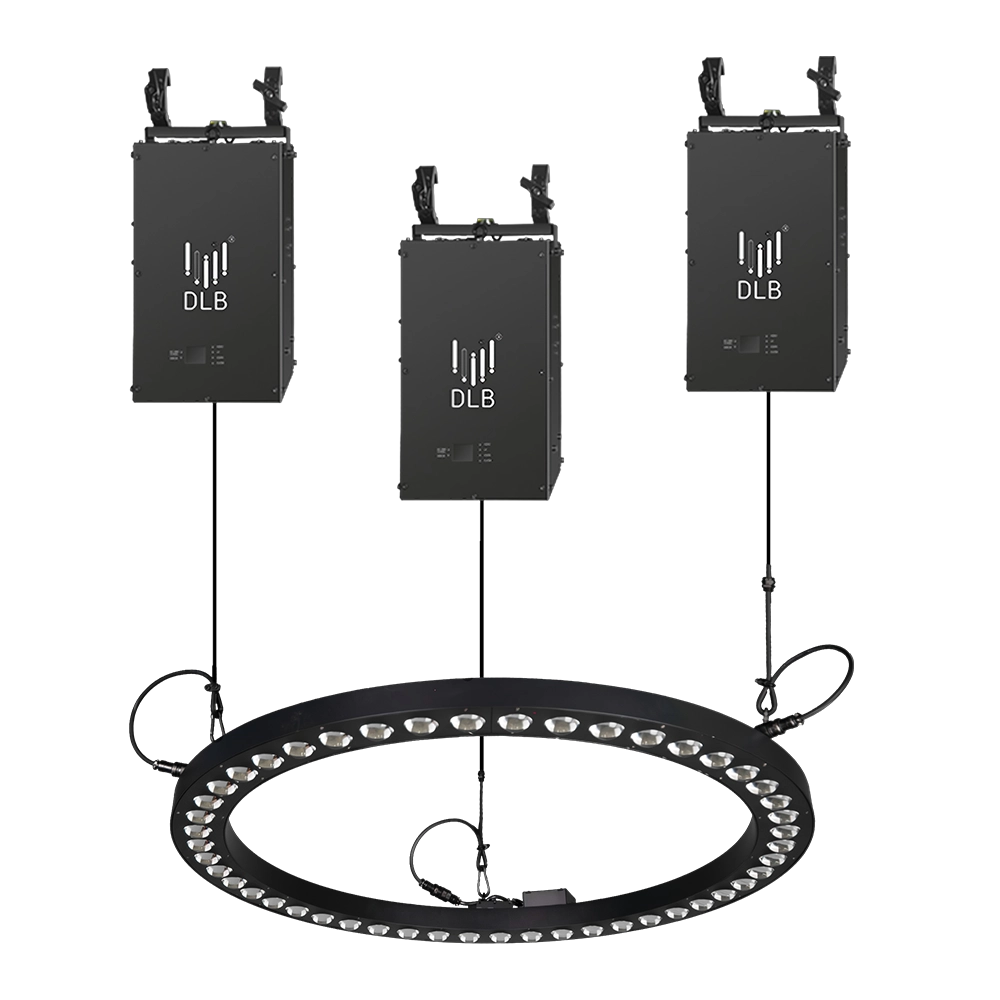
Kinetic Halo Ring——Ideal for a wide range of large-scale events: commercial spaces, TV shows, concerts, nightclubs, and various other settings.
Experience dynamic illumination with the FENG-YI Kinetic Halo Ring. This versatile kinetic light is perfect for large-scale events—commercial spaces, TV shows, concerts, and nightclubs—delivering stunning kinetic ring light effects that captivate every audience.
Kinetic Arc Light——Ideal for a wide range of large-scale events: commercial spaces, TV shows, concerts, nightclubs, and various other settings.
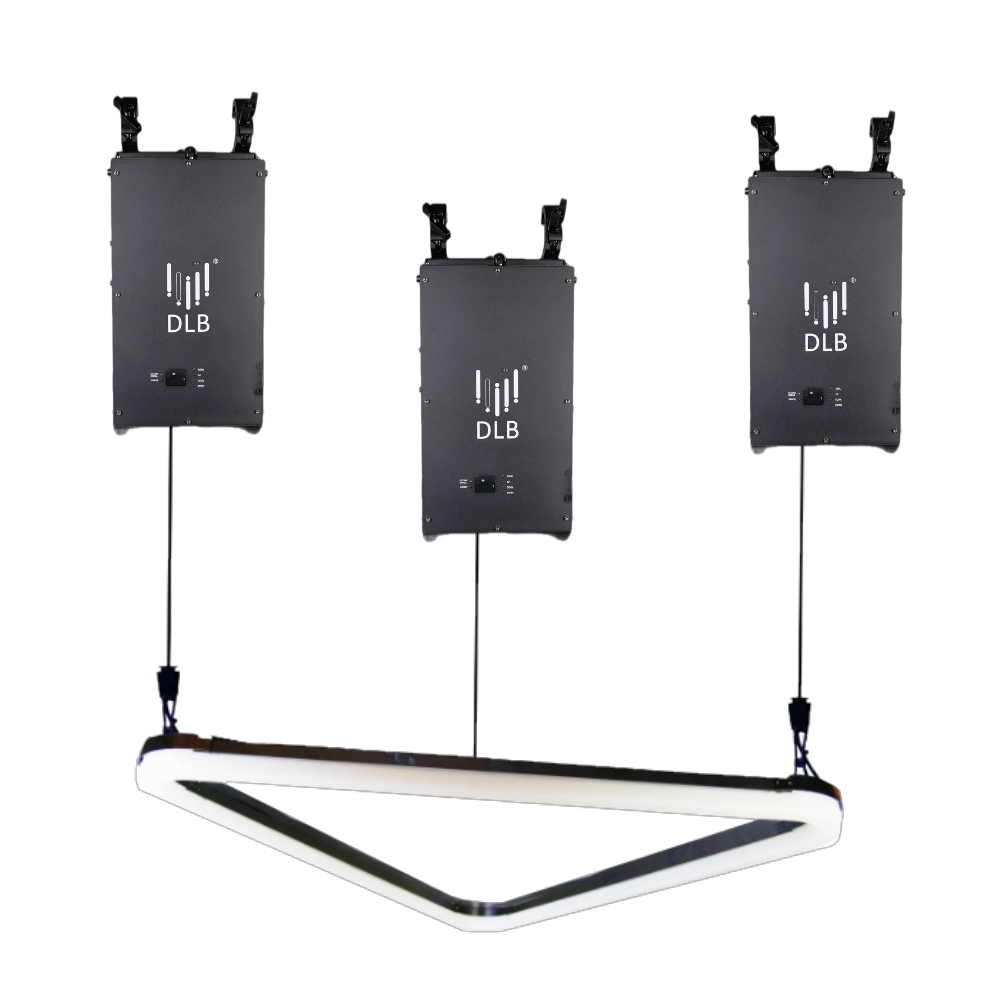
FENG-YI’s Kinetic Arc Light is a kinetic triangle LED light panel designed for large-scale events. Perfect for commercial spaces, TV shows, concerts, and nightclubs, it delivers dynamic lighting effects that captivate audiences and elevate any setting. Ideal kinetic light solution.
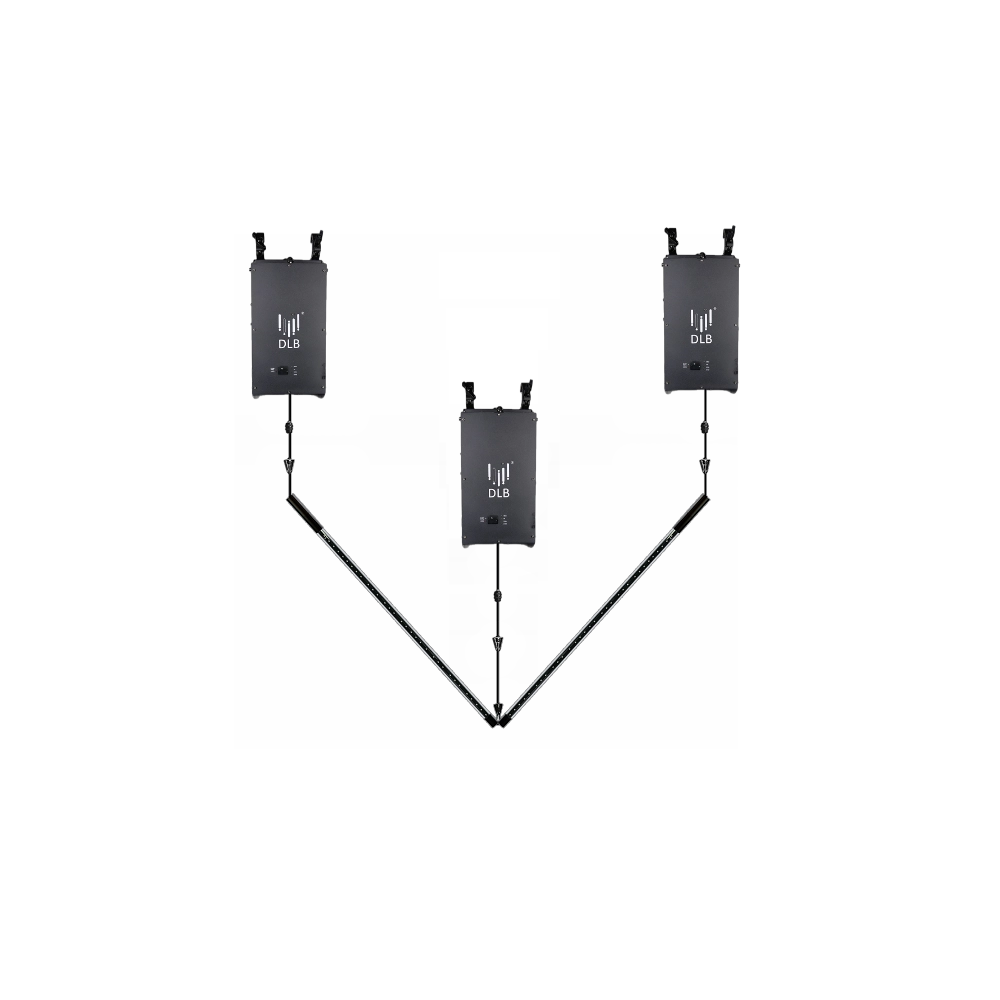
Kinetic Double Rod——Ideal for a wide range of large-scale events: commercial spaces, TV shows, concerts, nightclubs, and various other settings.
FENG-YI’s Kinetic Double Rod delivers dynamic kinetic light effects ideal for large-scale events—from concerts and nightclubs to TV shows and commercial spaces. Elevate your setup with this versatile kinetic light rod, designed for stunning visual impact and seamless integration.
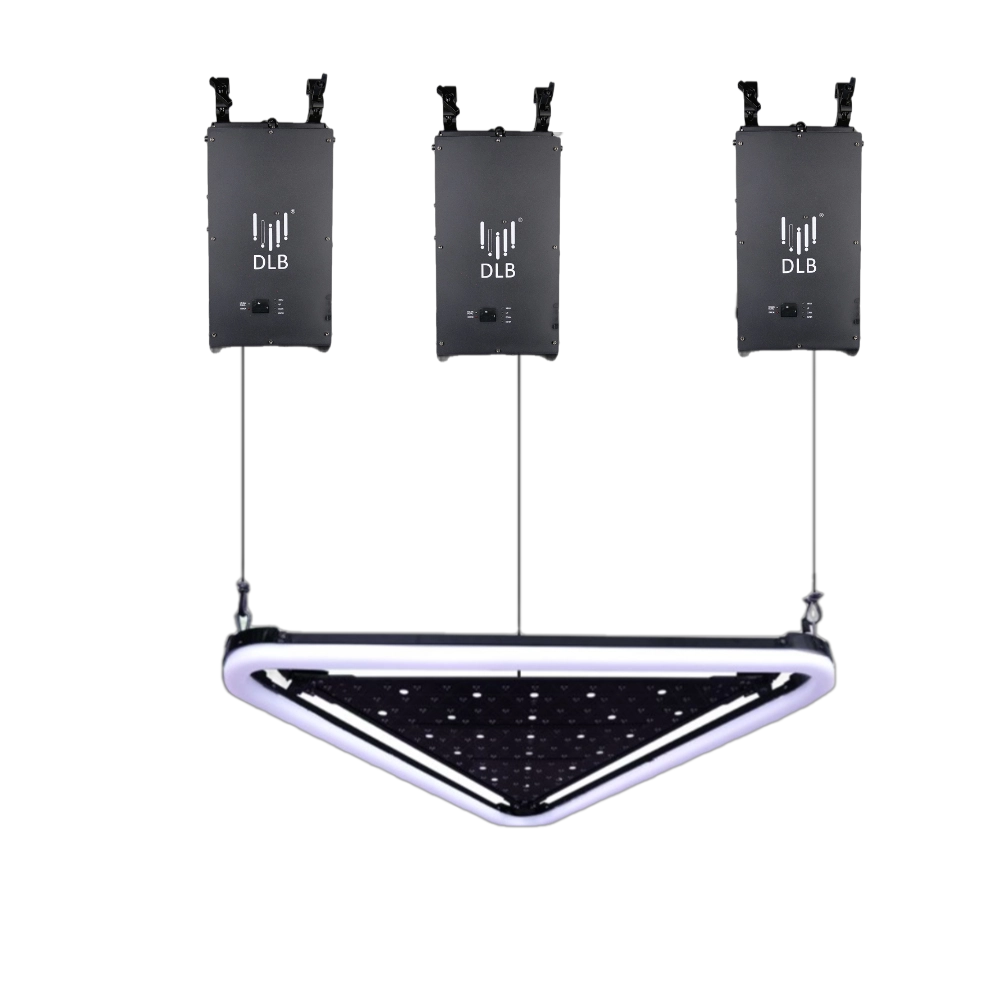
Kinetic Arc Panel——Ideal for a wide range of large-scale events: commercial spaces, TV shows, concerts, nightclubs, and various other settings.
FENG-YI’s Kinetic Arc Panel features dynamic kinetic light technology with kinetic triangle LED light panels, perfect for enhancing large-scale events like concerts, TV shows, nightclubs, and commercial spaces. Elevate your visual experience with innovative, high-impact lighting solutions.
Want to learn more about the latest updates?
Have questions or ready to illuminate your project? Reach out to our expert team today.
Rest assured that your privacy is important to us, and all information provided will be handled with the utmost confidentiality.
By clicking "Send your message," I agree to your processing my personal data.
To see how to withdraw your consent, how to control your personal data, and how we process it, please see our Privacy Policy and Terms of Use.

FENG-YI has been continuously innovating and has grown into a Kinetic Lights Manufacturer and solution provider with unique advantages.
Contact
+86 181 2785 5301
Address
Building 5, No. 34, Fuyuan Road, Jinghu IndustrialZone, Xinhua Town, Huadu District, Guangzhou, China.
© 2025 FENG-YI. All Rights Reserved.
Facebook
Instagram
YouTube
TikTok