










Kinetic Light Maintenance: Cleaning and Troubleshooting
A practical, expert guide to cleaning, troubleshooting, and maintaining kinetic lights — focusing on FENG-YI’s Kinetic Arc Light. Covers routine cleaning, troubleshooting common LED and kinetic issues, preventive schedules, safety, spare parts, FAQs, and when to contact professional service.
- Kinetic Light Maintenance: Cleaning and Troubleshooting for Kinetic Arc Light
- Why Regular Maintenance Matters for Kinetic Lights
- Key outcomes of a maintenance plan for kinetic lights
- Routine Cleaning Procedures for Kinetic Arc Light (Daily & Weekly)
- Step-by-step daily/weekly cleaning
- Deep Cleaning and Environmental Considerations for Kinetic Lights
- How to perform deep cleaning safely
- Troubleshooting Common LED Panel Issues in Kinetic Lights
- Diagnostic checklist for LED issues
- Resolving Flicker, Strobing, or Color Instability
- Steps to eliminate flicker in kinetic lights
- Troubleshooting Kinetic Mechanisms and Motors
- Mechanical troubleshooting and corrective actions
- Control, Networking, and DMX Troubleshooting for Kinetic Lights
- Control troubleshooting workflow
- Preventive Maintenance Schedule for Kinetic Lights
- Safety, Tools, and PPE for Kinetic Light Maintenance
- Essential safety practices
- Spare Parts, Consumables, and Inventory Management
- Recommended minimum spare parts list
- When to Contact Professional Service for Kinetic Lights
- Signs you should escalate to professional repair
- FENG-YI’s Kinetic Arc Light: Brand Advantages in Maintenance and Support
- Why venues and production companies choose Kinetic Arc Light
- FAQ — Kinetic Lights Maintenance and Troubleshooting
- Contact FENG-YI for Product Support or to Buy Kinetic Arc Light
- Authoritative References and Further Reading
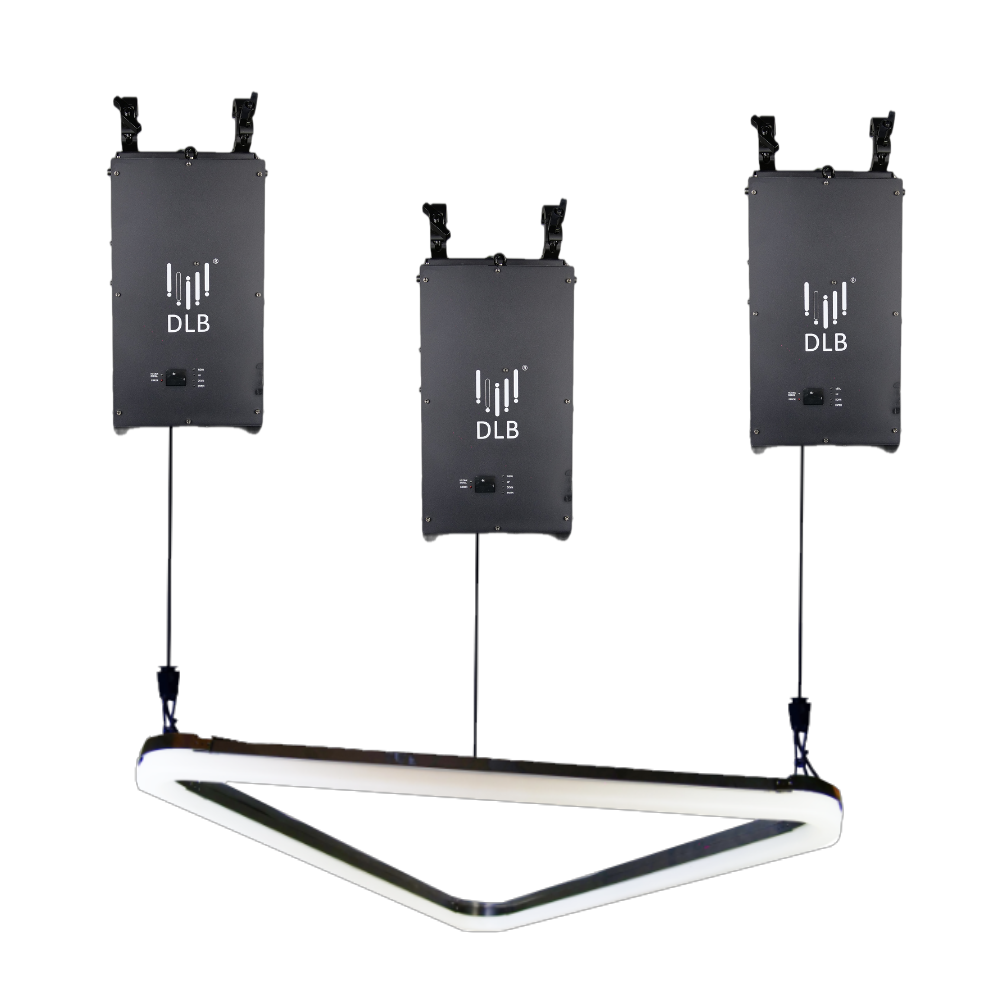
Kinetic Light Maintenance: Cleaning and Troubleshooting for Kinetic Arc Light
FENG-YI’s Kinetic Arc Light is a kinetic triangle LED light panel designed for large-scale events — ideal for commercial spaces, TV shows, concerts, nightclubs, and other high-impact settings. Proper maintenance keeps kinetic lights performing reliably and extends service life. This guide explains practical cleaning procedures, diagnostics, preventive maintenance schedules, and troubleshooting steps tailored for kinetic lighting installations used in demanding event environments.
Why Regular Maintenance Matters for Kinetic Lights
Kinetic lights, unlike fixed lighting fixtures, combine LED panels with moving elements, motors, and control electronics. Regular maintenance is essential to preserve optical performance, prevent mechanical failure, and ensure safety. Operators who maintain kinetic lights such as the Kinetic Arc Light reduce downtime, protect audience experience at concerts and TV productions, and avoid expensive emergency repairs.
Key outcomes of a maintenance plan for kinetic lights
Routine cleaning and checks maintain light output, reduce heat-related failures, and ensure reliable DMX or network control. For customers planning to buy kinetic lights for recurring events, a documented maintenance schedule is a cost-effective investment that safeguards both equipment and reputation.
Routine Cleaning Procedures for Kinetic Arc Light (Daily & Weekly)
Simple, regular cleaning keeps the Kinetic Arc Light’s LED panels and lenses clear of dust, fingerprints, and stage smoke residue. Daily or weekly cleaning is typically sufficient for most installations, with more frequent attention needed in smoky clubs or outdoor venues.
Step-by-step daily/weekly cleaning
1) Power down and lock out the fixture. 2) Use a soft microfiber cloth to remove loose dust. 3) For lenses and acrylic surfaces, use a 50/50 mixture of distilled water and isopropyl alcohol (70%) applied to the cloth — never spray directly onto the fixture. 4) Gently wipe moving joints and visible tracks to remove particulate buildup. 5) Visually inspect cables, connectors, and mounting hardware for wear. These steps help maintain consistent output for performances and TV recordings.
Deep Cleaning and Environmental Considerations for Kinetic Lights
Deep cleaning is needed monthly or after heavy-lift events where haze, smoke, or outdoor dust accumulation occurs. Deep cleaning addresses grime on heat sinks, motor housings, and internal compartments that can impair performance.
How to perform deep cleaning safely
1) Refer to the product manual for disassembly instructions — only trained technicians should open sealed cabinets. 2) Remove panels as instructed and clean internal fans and heat sinks with low-pressure air or an anti-static brush. 3) Clean electrical connectors with electronics-grade contact cleaner and inspect for corrosion. 4) Reassemble with manufacturer torque specifications on fasteners. Always follow PPE guidelines and ensure the unit is disconnected from mains power before opening.
Troubleshooting Common LED Panel Issues in Kinetic Lights
LED panel problems are common failure points. Symptoms include dimming, color shifts, flicker, or partial LED arrays not lighting. Troubleshooting verifies whether the issue is electrical, control-related, or an LED module defect.
Diagnostic checklist for LED issues
- Verify supply voltage and power connections. Use a multimeter to confirm voltage stability. - Check DMX/signal source and confirm channel mapping. - Swap suspect LED modules with known-good modules if the fixture design allows. - Inspect for overheating signs: discoloration, melted housing, or failed fans. If modules show physical damage, replace per manufacturer guidance.
Resolving Flicker, Strobing, or Color Instability
Flicker and intermittent output are usually caused by power irregularities, driver faults, or control signal errors. For live TV or broadcast events, eliminating flicker is critical to avoid camera artifacts.
Steps to eliminate flicker in kinetic lights
1) Confirm stable mains feed and test on an alternative supply. 2) Check LED driver temperatures and replace drivers showing inconsistent output. 3) Ensure DMX or Art-Net signal integrity: poor shielding or long runs without repeaters can introduce errors. 4) For camera-sensitive environments, use fixtures with high pulse-width modulation (PWM) frequencies or specially designed broadcast modes.
Troubleshooting Kinetic Mechanisms and Motors
Moving elements give kinetic lights their dynamic appeal but add mechanical maintenance needs. Symptoms such as grinding noises, jerky motion, or stalled movement typically indicate lubrication, alignment, or motor control issues.
Mechanical troubleshooting and corrective actions
- Inspect pivot points and bearings for wear and lubrication. Use manufacturer-recommended lubricants sparingly. - Check belt/tensioner conditions; replace frayed or elongated belts. - Verify motor controllers and encoders; a faulty encoder can misreport position leading to erratic motion. - Run a calibration routine if the fixture supports it and confirm limit switch operation. For motors showing thermal stress or electrical burnout, replace per manufacturer parts list.
Control, Networking, and DMX Troubleshooting for Kinetic Lights
Control problems often manifest as unresponsive fixtures, incorrect patterns, or loss of synchronization across multiple kinetic lights. Reliable control wiring, correct addressing, and solid-state network management reduce these risks.
Control troubleshooting workflow
1) Confirm addressing and mode settings on the Kinetic Arc Light. 2) Test cables with a cable tester and replace damaged XLR, RJ45, or proprietary cables. 3) Check terminators on DMX lines and verify signal chain topology. 4) Use a known-good controller to isolate the issue. For distributed stages, consider Art-Net/sACN with managed network switches and VLANs to preserve signal integrity.
Preventive Maintenance Schedule for Kinetic Lights
Consistent preventive maintenance keeps kinetic lights show-ready. Below is a sample schedule to adapt to venue use and environmental exposure. For rental houses or touring rigs, increase frequency.
| Task | Daily/Before Show | Weekly | Monthly | Annually |
|---|---|---|---|---|
| Visual inspection (cables, mounts) | Yes | Yes | Yes | Yes |
| Surface cleaning (lenses, panels) | Yes | Yes | No | No |
| Deep cleaning (internal) | No | No | Yes | No |
| Motor & mechanical lubrication | No | Yes | Yes | Yes |
| Firmware updates & calibration | No | No | Yes | Yes |
| Electrical testing (drivers, power) | No | No | Yes | Yes |
Safety, Tools, and PPE for Kinetic Light Maintenance
Working on kinetic lights involves electrical and mechanical hazards. Observing proper safety protocols prevents injury and equipment damage.
Essential safety practices
- Always isolate power and lock out/tag out before maintenance. - Use insulated tools rated for the electrical environment. - Wear gloves, eye protection, and hearing protection when testing moving elements. - Use ground straps when handling electronic modules to prevent ESD damage. - Follow local electrical codes and OSHA guidance for working at height when servicing rigged fixtures.
Spare Parts, Consumables, and Inventory Management
Maintain a spare parts kit tailored to the Kinetic Arc Light to reduce downtime: spare fuses, LED modules, drivers, belts, bearings, connectors, and a small electronics toolkit. Track parts usage and reorder critical items before stockouts occur, especially during touring seasons or festival runs.
Recommended minimum spare parts list
- 2x LED module spares (matching part number) - 1x spare LED driver - 2x motor controllers/encoders - Assorted fasteners and mounting hardware - 5m of spare DMX/RJ45 cable and spare XLR connectors - Electronics contact cleaner and anti-static wrist strap
When to Contact Professional Service for Kinetic Lights
Some repairs should only be performed by certified technicians or the manufacturer. Contact professional service when you encounter internal electrical failures, sealed driver replacements, burned motor windings, or persistent control network faults after basic troubleshooting.
Signs you should escalate to professional repair
- Burning smells or visible electrical damage. - Repeated driver or motor failure after replacement. - Firmware corruption that prevents booting. - Safety-critical failures in rigging or mounting hardware. For licensed repairs and warranty service for the Kinetic Arc Light, contact FENG-YI’s authorized service centers.
FENG-YI’s Kinetic Arc Light: Brand Advantages in Maintenance and Support
FENG-YI designs the Kinetic Arc Light for large-scale events with maintainability in mind. Key advantages include modular LED panel design for quick swaps, accessible motor housings for routine lubrication, and comprehensive technical documentation. The product’s form factor — a kinetic triangle LED light panel — simplifies rigging and reduces service time compared with more complex moving fixtures.
Why venues and production companies choose Kinetic Arc Light
- Engineered for reliability in commercial spaces, TV shows, concerts, and nightclubs. - Designed with modular components to minimize on-site repair time. - Comprehensive technical support and recommended preventive maintenance schedules to maximize lifecycle value.
FAQ — Kinetic Lights Maintenance and Troubleshooting
Q: How often should I clean the Kinetic Arc Light in a nightclub?
A: In smoky or high-particulate environments like nightclubs, perform surface cleaning weekly and deep cleaning monthly. Increase frequency during heavy-use periods.
Q: Can I replace LED modules myself?
A: If you are trained and the fixture manual permits user replacement, you can swap modular LED panels. For sealed drivers or internal power components, use authorized service to maintain warranty.
Q: My Kinetic Arc Light is flickering on camera but looks fine to the eye. Why?
A: Camera detection of flicker is more sensitive due to frame rates. Ensure high PWM frequency, stable mains power, and use broadcast-mode settings where available.
Q: What routine checks prevent motor failure?
A: Regularly inspect bearings and pivot points, lubricate per manufacturer guidelines, check belt tensions and encoder feedback, and avoid overloading the fixture’s motion parameters.
Q: Where can I buy spare parts for the Kinetic Arc Light?
A: Purchase parts through FENG-YI’s authorized distributors or service centers. Contact FENG-YI for a recommended spare parts kit matching your fixture serial numbers.
Contact FENG-YI for Product Support or to Buy Kinetic Arc Light
If you need parts, technical documentation, or want to buy the Kinetic Arc Light for commercial installations, TV production, concerts, or nightclubs, contact FENG-YI’s sales and support team. Visit the product page at https://www.feng-yi.com/products/kinetic-arc-light or reach out to support via support@feng-yi.com. For urgent on-site assistance, request certified field technicians through the same contact channels.
Authoritative References and Further Reading
- LED — Wikipedia
- DMX512 — Wikipedia
- Illuminating Engineering Society (IES)
- Occupational Safety and Health Administration (OSHA)
- Stage lighting — Wikipedia
- Signify / Philips Lighting — Professional resources
References above provide technical background on LEDs, control protocols, and safety standards helpful for building compliant maintenance plans. For product-specific repair manuals and firmware, always consult FENG-YI’s official documentation and authorized service providers.
Tags
Outdoor kinetic lights
Outdoor kinetic lights
DIY kinetic light kit
DIY kinetic light kit
Kinetic Crystal light string
Kinetic Crystal light string
Kinetic Milky-white light tube
Kinetic Milky-white light tube
Kinetic moving light art
Kinetic moving light art
Kinetic garden lights
Kinetic garden lights
Recommended for you
Market trends and outlook for kinetic lighting 2026
Kinetic LED vs traditional kinetic lighting: pros and cons
Kinetic lighting control systems and software comparison
Top Waterproof Profile Light Types Compared
Prdoucts Categories
Question you may concern
Logistics Services
How is the lamp packaging protected? What if damage occurs during transportation?
The packaging adopts three-layer protection: shockproof foam + hard carton + wooden box (for large equipment such as elevating lights). Key parts of the lamp (e.g., moving head light lens, elevating structure) are individually wrapped with EPE foam. If damage occurs during transportation, the customer must take photos (of the damaged packaging and the faulty part of the product) and send them to the logistics department within 24 hours of receipt. We will give priority to reissuing new products (or arranging repairs) and hold the logistics company responsible. The customer does not need to bear additional costs.
Can on-site installation services be provided? How is the installation fee calculated?
On-site installation services are supported, and the fee is calculated based on the installation difficulty and region:
▪ Regular installation (e.g., bar PAR lights, front lights in small studios): 50-100 RMB/unit in prefecture-level cities and above, 80-150 RMB/unit in county-level regions.
▪ Large-scale installation (e.g., elevating lights in stadiums, moving head light groups for music festivals): Quoted based on the overall project (including travel expenses of installers and tool usage fees). Specific details require providing the installation site floor plan and the number of lights, and the engineering team will formulate a plan before quoting.
After-Sales Support
Can technical training be provided? For example, teaching customers how to debug DMX consoles and set light addresses.
Free technical training is supported:
▪ Online training: Operation video tutorials and live teaching (e.g., a "DMX Light Control Practical Course" once a month) are provided.
▪ Offline training: For wholesale customers (with a single purchase of ≥ 100 units), technicians can be arranged for on-site training (1-2 days, including console debugging, address setting, and fault troubleshooting).
▪ Customized training: For large-scale projects (e.g., stadium lighting projects), on-site technical guidance can be provided (charged based on the project cycle, specific details to be negotiated).
Wholesale Cooperation
What is the MOQ for wholesale cooperation? Is there a tiered pricing policy?
MOQ for wholesale: ≥ 10 units for a single model of conventional lights, and ≥ 5 units for a single model of elevating lights/moving head lights. Tiered pricing is supported: Taking conventional PAR lights as an example, a 5% discount is offered for 10-50 units, a 10% discount for 51-100 units, and a 15% discount for over 100 units. Specific quotations can be negotiated with the account manager based on the cooperation scale (e.g., annual purchase volume).
You may also like
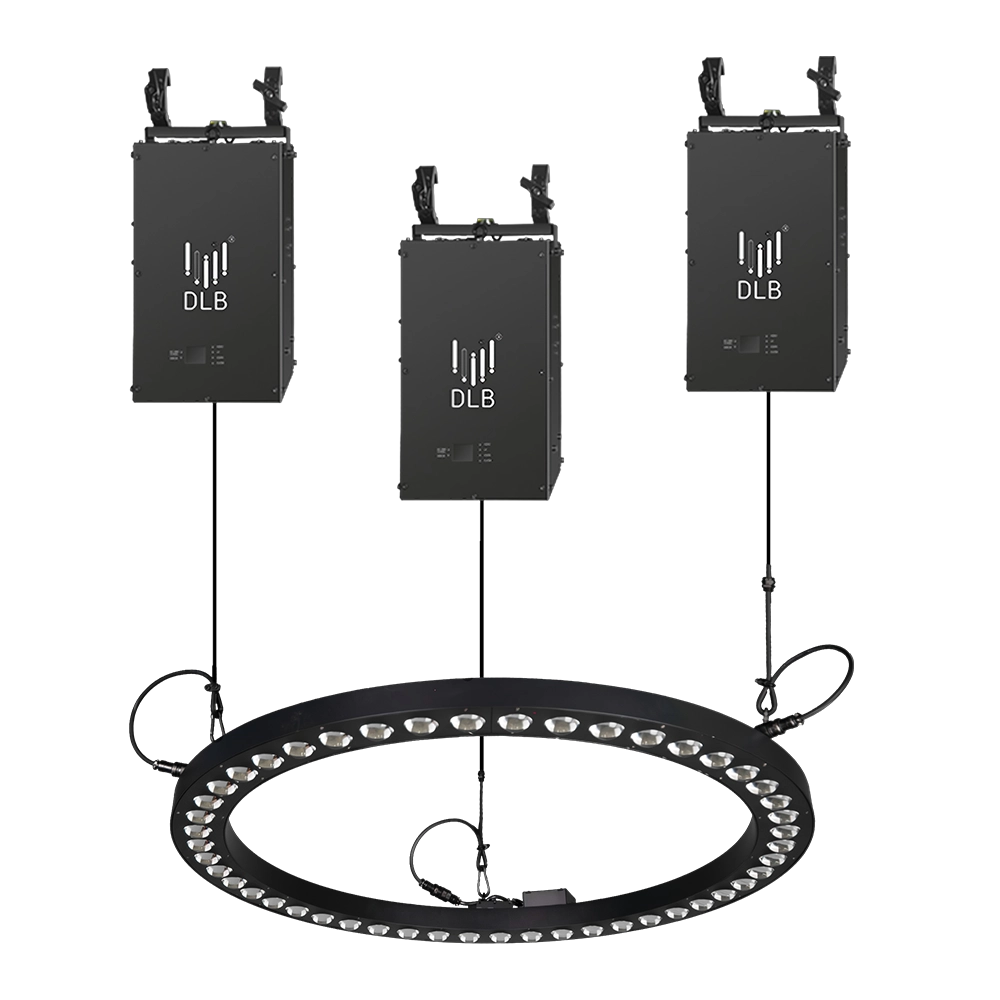
Kinetic Halo Ring——Ideal for a wide range of large-scale events: commercial spaces, TV shows, concerts, nightclubs, and various other settings.
Experience dynamic illumination with the FENG-YI Kinetic Halo Ring. This versatile kinetic light is perfect for large-scale events—commercial spaces, TV shows, concerts, and nightclubs—delivering stunning kinetic ring light effects that captivate every audience.
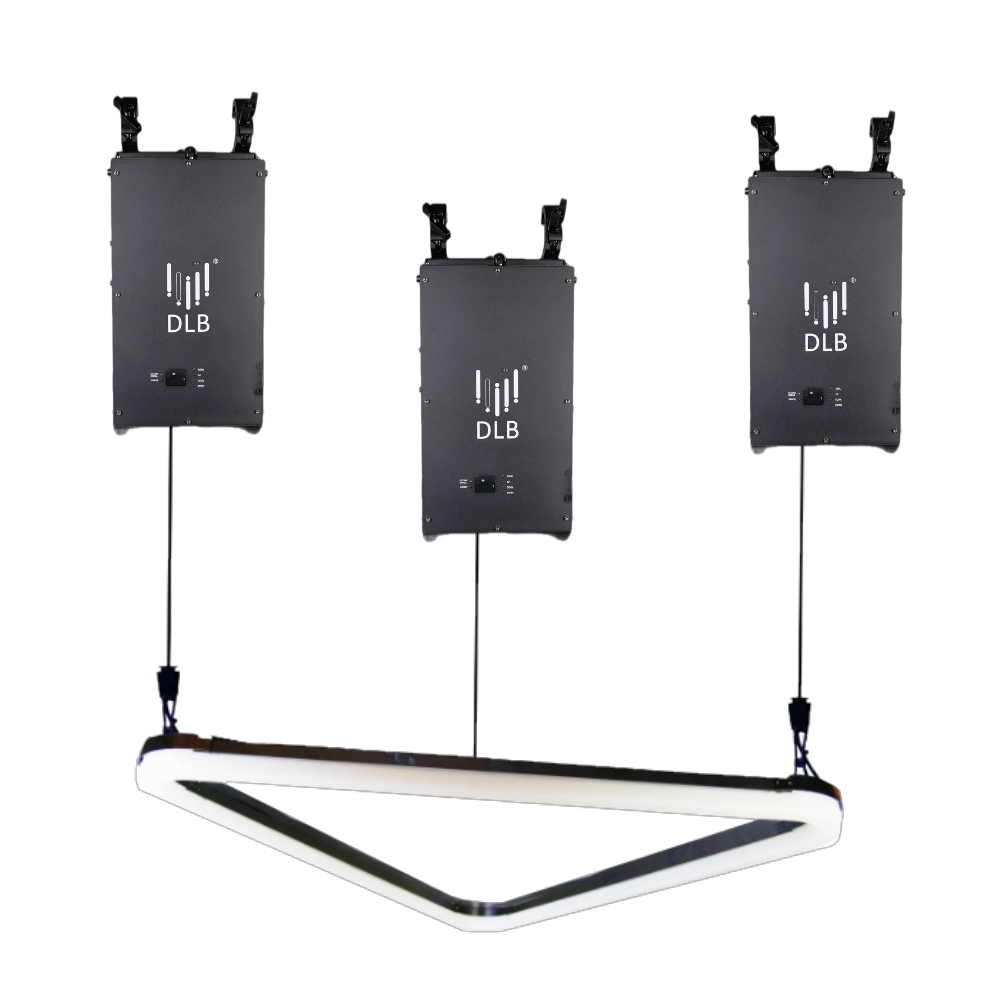
Kinetic Arc Light——Ideal for a wide range of large-scale events: commercial spaces, TV shows, concerts, nightclubs, and various other settings.
FENG-YI’s Kinetic Arc Light is a kinetic triangle LED light panel designed for large-scale events. Perfect for commercial spaces, TV shows, concerts, and nightclubs, it delivers dynamic lighting effects that captivate audiences and elevate any setting. Ideal kinetic light solution.
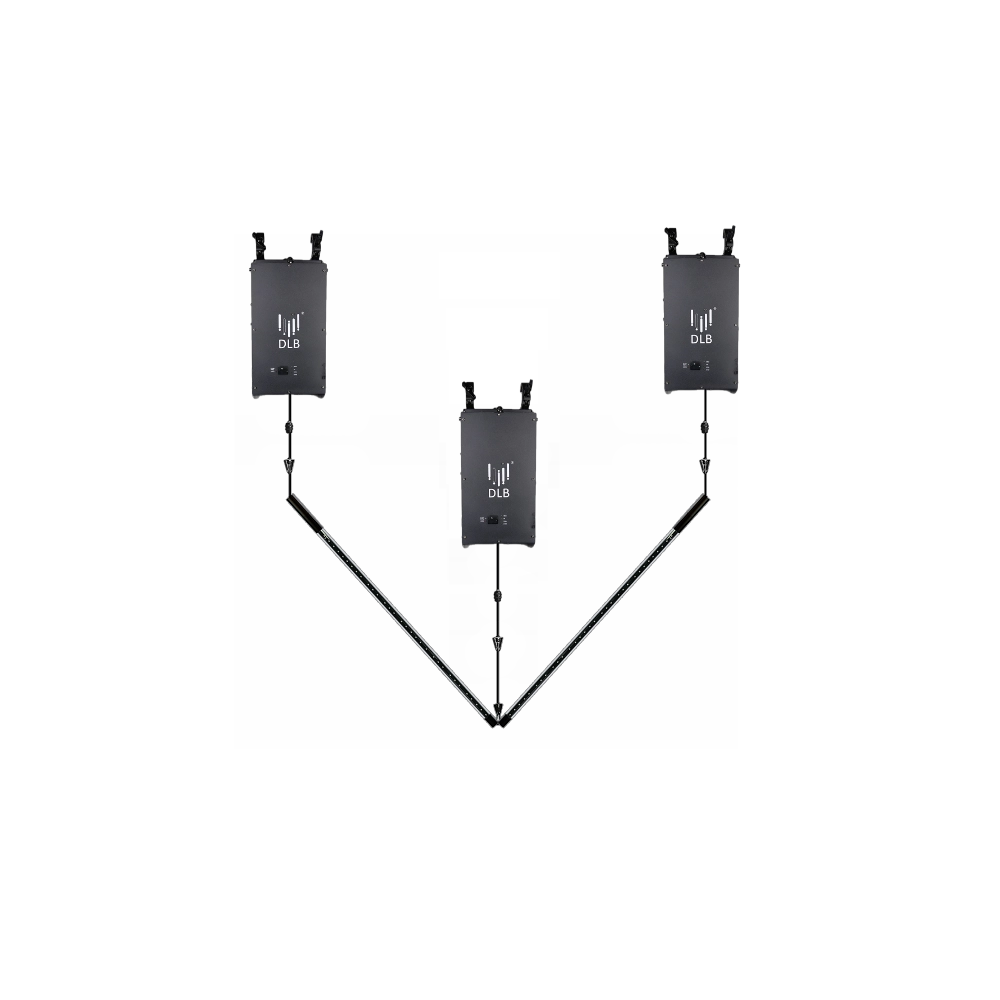
Kinetic Double Rod——Ideal for a wide range of large-scale events: commercial spaces, TV shows, concerts, nightclubs, and various other settings.
FENG-YI’s Kinetic Double Rod delivers dynamic kinetic light effects ideal for large-scale events—from concerts and nightclubs to TV shows and commercial spaces. Elevate your setup with this versatile kinetic light rod, designed for stunning visual impact and seamless integration.
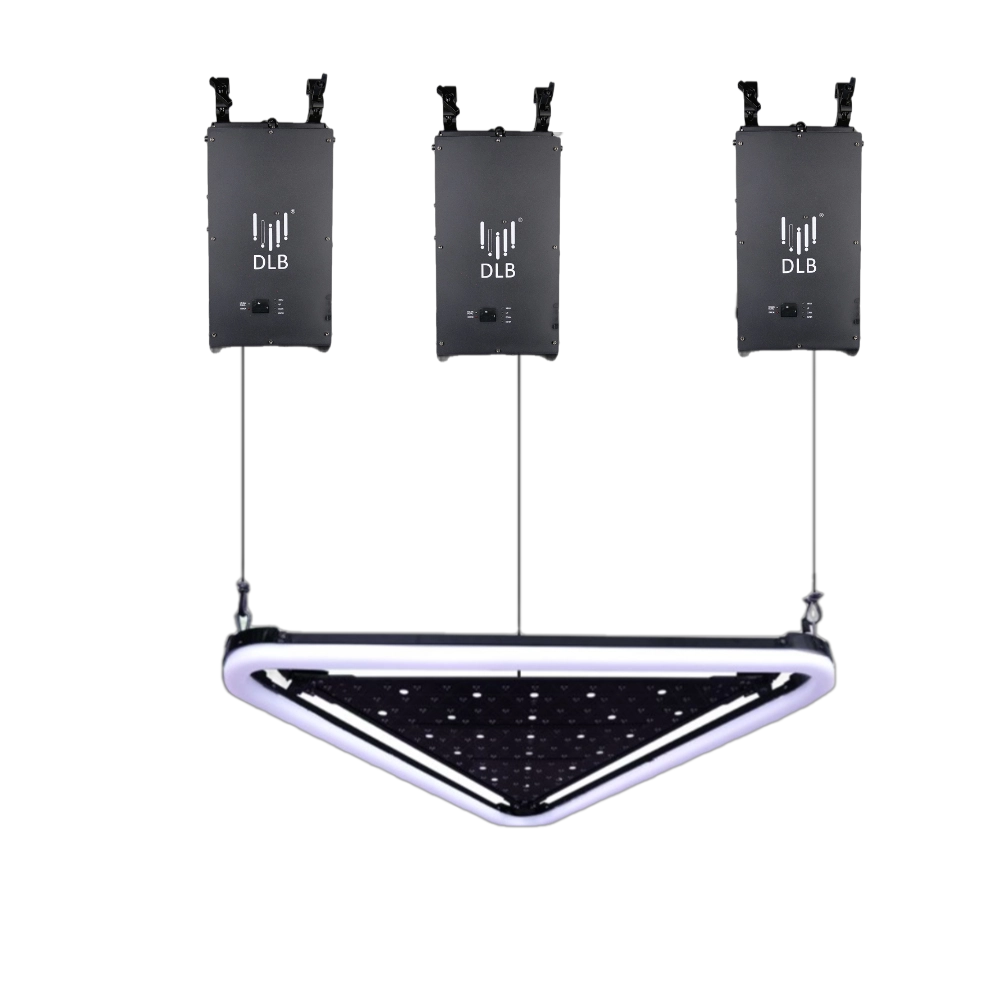
Kinetic Arc Panel——Ideal for a wide range of large-scale events: commercial spaces, TV shows, concerts, nightclubs, and various other settings.
FENG-YI’s Kinetic Arc Panel features dynamic kinetic light technology with kinetic triangle LED light panels, perfect for enhancing large-scale events like concerts, TV shows, nightclubs, and commercial spaces. Elevate your visual experience with innovative, high-impact lighting solutions.
Want to learn more about the latest updates?
Have questions or ready to illuminate your project? Reach out to our expert team today.
Rest assured that your privacy is important to us, and all information provided will be handled with the utmost confidentiality.
By clicking "Send your message," I agree to your processing my personal data.
To see how to withdraw your consent, how to control your personal data, and how we process it, please see our Privacy Policy and Terms of Use.

FENG-YI has been continuously innovating and has grown into a Kinetic Lights Manufacturer and solution provider with unique advantages.
Contact
+86 181 2785 5301
Address
Building 5, No. 34, Fuyuan Road, Jinghu IndustrialZone, Xinhua Town, Huadu District, Guangzhou, China.
© 2025 FENG-YI. All Rights Reserved.
Facebook
Instagram
YouTube
TikTok