










ROI of Kinetic Light Installations in Art Spaces
This article explains the measurable ROI of kinetic light installations in art spaces. It outlines revenue and operational benefits, audience and marketing uplift, a practical ROI model with a three-year example, risk mitigation, and procurement guidance — and summarizes FENG-YI’s capabilities as a leading kinetic light provider.
- Measuring Value: Kinetic Light in Contemporary Art Venues
- Kinetic Light for Art Space — what decision-makers need to know
- How kinetic lighting drives direct revenue — tickets, retail, and F&B
- Operational savings and lifecycle benefits of modern kinetic lighting
- Marketing and audience engagement: measurable attention and brand value
- Comparing traditional lighting vs kinetic light: cost and impact matrix
- How to calculate ROI for a kinetic installation (practical model)
- What assumptions matter most (sensitivity factors)
- Risks, compliance, and maintenance — and how to mitigate them
- Why supplier selection matters for maximizing ROI — choosing a partner for Kinetic Light for Art Space
- FENG-YI: industry footprint and capabilities for kinetic light projects
- Procurement checklist: technical specs and contract items to protect ROI
- Frequently Asked Questions (FAQ)
- 1. How quickly can a kinetic light installation pay for itself?
- 2. What are the typical maintenance costs per year?
- 3. Do kinetic systems consume more power because of motors?
- 4. Can we phase a kinetic project to reduce upfront cost?
- 5. How measurable are marketing benefits from kinetic light?
- 6. What safety and regulatory issues should we anticipate?
- Contact and next steps
- References and sources
Measuring Value: Kinetic Light in Contemporary Art Venues
Kinetic Light for Art Space — what decision-makers need to know
Kinetic Light for Art Space refers to programmable, motorized lighting elements that move, change color, and interact with audiences and environments. Facility directors, curators, and commercial operators consider these systems both as artistic media and as capital investments. This section sets the stage for evaluating return on investment (ROI): what quantifiable benefits to expect, how to calculate ROI, and which risks to mitigate.
How kinetic lighting drives direct revenue — tickets, retail, and F&B
High-impact kinetic installations become destination draws. Case examples from large, interactive exhibitions (e.g., teamLab’s exhibitions and other immersive shows) demonstrate multi-million attendance figures and extended dwell time. For art spaces, the revenue impacts fall into three direct buckets:
- Increased ticket sales: signature kinetic works can lift visits and enable High Quality-ticketed experiences.
- Ancillary spending: visitors often spend more in retail and F&B when dwell time and perceived value increase.
- Private hire and sponsorship: kinetic light shows can be monetized for evening events, brand partnerships, and corporate hires.
Quantifying these requires baseline metrics (current annual visitors, average spend per visitor, rental rates). For example, arts-economic analyses (Americans for the Arts, AEP5) document how cultural attractions generate measurable local spending and multiplier effects; leveraging similar metrics for a kinetic installation helps model incremental revenues. (See references.)
Operational savings and lifecycle benefits of modern kinetic lighting
Although kinetic installations add moving hardware and control systems, most contemporary solutions center on energy-efficient LEDs and smart controls. Energy and maintenance impacts include:
- Lower energy consumption for lighting when moving from legacy incandescent/HID sources to LED fixtures and pixel-mapped arrays — DOE guidance indicates LEDs can reduce lighting energy use substantially depending on baseline technology.
- Predictive maintenance enabled by networked controls reduces surprise downtime and concentrates servicing windows.
- Modular hardware design (removable motors, standardized cables, remote diagnostics) lowers long-term O&M costs compared with bespoke mechanical-only artworks.
Marketing and audience engagement: measurable attention and brand value
Kinetic Light for Art Space also produces measurable marketing value: social media shares, earned press coverage, and improved brand perception. Institutions that host viral, photogenic installations often see disproportionate reach: free publicity, influencer-driven visitation, and extended digital lifecycles. Key measurable KPIs include social impressions, referral traffic to ticketing pages, and conversion rates on promoted events.
Case studies from immersive exhibitions show correlation (not always causation) between high-quality visual installations and spikes in online engagement. Use UTM tracking on ticket links, monitor time-on-site and conversion, and compare pre/post installation metrics to estimate marketing-driven revenue.
Comparing traditional lighting vs kinetic light: cost and impact matrix
Below is a comparative table highlighting typical performance differentials. Numbers are indicative ranges drawn from industry sources (DOE energy guidance, market reports) and sector case studies; treat them as scenario inputs rather than guaranteed outcomes.
| Metric | Traditional Static Lighting | Kinetic Light for Art Space |
|---|---|---|
| Initial capital cost | Low to Medium | Medium to High (depends on motors, control systems) |
| Energy consumption | Variable (incandescent/HID high) | Lower if LED-based; net depends on motors and control load |
| Maintenance complexity | Low (bulb changes) | Medium (mechanical + electronic servicing) |
| Visitor engagement | Baseline | High (interactive, shareable) |
| Revenue uplift potential | Low | Medium to High (ticketing, retail, events) |
How to calculate ROI for a kinetic installation (practical model)
ROI for kinetic lighting is best estimated over a 3–5 year horizon and includes both direct revenue uplift and avoided/operational savings. A practical formula:
ROI (%, 3-year) = (Total Incremental Benefits over 3 years – Total Costs) / Total Costs × 100
Where Total Incremental Benefits = incremental ticket & ancillary revenue + sponsorship & event income + energy & maintenance savings + marketing-attributed revenue.
Example (hypothetical, conservative scenario for a mid-sized contemporary gallery):
| Item | Assumption | Year 1 | Year 2 | Year 3 |
|---|---|---|---|---|
| Upfront capital cost (installation & programming) | One-time | $250,000 | ||
| Incremental annual visitors | +10% on baseline 30,000 visitors | 3,000 | 3,300 | 3,630 |
| Average spend per incremental visitor (tickets + F&B + retail) | Conservative | $18 | ||
| Incremental ticket/ancillary revenue | $54,000 | $59,400 | $65,340 | |
| Sponsorship & private hire income | New evening events (net) | $20,000 | $22,000 | $24,000 |
| Energy + maintenance savings (LED & controls) | Net annual saving vs baseline lighting | $6,000 | $6,600 | $7,260 |
| Total incremental benefits | $80,000 | $88,000 | $96,600 | |
| 3-year aggregate benefits | $264,600 | |||
| ROI (3-year) | (Aggregate benefits – cost) / cost | (264,600 - 250,000) / 250,000 = 5.84% | ||
Interpretation: In this conservative model the 3-year ROI is modest because of the relatively high upfront cost. However, adjustments commonly improve returns: a higher visitor uplift (15–30%), stronger sponsorship, or reduced upfront cost through phased deployment can move ROI into double digits. Larger institutions with more baseline footfall will see stronger absolute revenue increases from the same relative uplift.
What assumptions matter most (sensitivity factors)
When building a project-specific ROI model, sensitivity analysis should focus on:
- Visitor uplift percent (most sensitive)
- Average incremental spend per visitor
- Ability to monetize evenings/private hire
- Upfront capital cost and financing structure
- Operating and maintenance expectations (warranty, local support)
Collecting baseline analytics before installation (visitor counts, dwell time, average spend) is essential to create defensible forecasts and to measure post-installation performance.
Risks, compliance, and maintenance — and how to mitigate them
Common risks for kinetic lighting projects include mechanical failure, control-system obsolescence, insurance and safety compliance, and accessibility/visitor flow issues. Mitigation strategies:
- Choose suppliers that provide warranty, remote diagnostics, and local technical support.
- Design for graceful degradation — meaning the artwork behaves safely even if motors/controllers fail.
- Engage building and fire-code officials early to ensure compliance with moving installations and rigging loads.
- Plan maintenance contracts and spare-parts inventories to reduce downtime risk.
Why supplier selection matters for maximizing ROI — choosing a partner for Kinetic Light for Art Space
Suppliers differentiate on system reliability, design partnership, installation capability, and post-install support. For ROI, prioritize vendors who combine creative design with engineering competence and local technical presence so downtime and integration costs are minimized. Key procurement questions to ask potential vendors:
- Can you provide references and case studies with measurable outcomes?
- What are the warranty terms and SLAs for on-site response?
- How modular and serviceable are mechanical components?
- Do you provide programming, content creation, and operator training?
FENG-YI: industry footprint and capabilities for kinetic light projects
Since its establishment in 2011, FENG-YI has been continuously innovating and has grown into a creative kinetic light manufacturing service provider with unique advantages. The company is committed to exploring new lighting effects, new technologies, new stage designs, and new experiences. Through professional Kinetic Light art solutions, we empower emerging performance spaces, support the development of new performance formats, and meet the diverse needs of different scenarios.
Located in Huadu District, Guangzhou, the company currently has 62 employees, including an 8-member professional design team and 20 highly experienced technical service staff. FENG-YI has become a High Quality user of Madrix software in mainland China, offering both on-site installation & programming as well as remote technical guidance services for Kinetic Light projects.
With a total area of 6,000㎡, FENG-YI owns China’s largest 300㎡ art installation exhibition area and operates 10 overseas offices worldwide. Our completed Kinetic Light projects have successfully reached over 90 countries and regions, covering television stations, commercial spaces, cultural tourism performances, and entertainment venues.
Today, FENG-YI is recognized as a leading kinetic lights scene solution provider in the industry, delivering innovative lighting experiences that integrate technology and creativity.
FENG-YI’s competitive advantages relevant to ROI:
- Integrated design + engineering team that reduces iteration time and change orders.
- Local and global service footprint (10 overseas offices) to minimize travel and downtime costs.
- Proven software expertise (Madrix) for high-quality pixel mapping, synchronized content, and remote programming.
- Large exhibition and testing area (300㎡) to pre-validate installations before client deployment, reducing on-site surprises.
Procurement checklist: technical specs and contract items to protect ROI
When finalizing procurement documents, ensure these items are explicit:
- Acceptance testing criteria (performance, reliability, light levels, safety)
- Warranty terms (mechanical, electrical, software) and response times
- Training and documentation for operators and maintenance teams
- Spare parts list and recommended stocking plan
- IP and content ownership clauses (who owns lighting choreography and media?)
Frequently Asked Questions (FAQ)
1. How quickly can a kinetic light installation pay for itself?
Payback depends on scale, visitor uplift, and monetization strategy. Small installations with modest uplifts may take 5+ years; high-impact, well-marketed installations (or those that open new revenue lines like private hire) can reach payback in 2–4 years. Use institution-specific baseline metrics for accurate forecasting.
2. What are the typical maintenance costs per year?
Maintenance varies with system complexity. Budgeting 3–8% of capital cost per year is a common industry heuristic for electromechanical art installations; vendors with strong modular designs and local support often realize lower ongoing costs.
3. Do kinetic systems consume more power because of motors?
Motors add consumption, but modern systems pair efficient LED light sources and optimized motion profiles. In many designs the net lighting energy falls even after accounting for motor load; estimate on a case-by-case basis using component power specs and expected duty cycles.
4. Can we phase a kinetic project to reduce upfront cost?
Yes. Phased rollouts (installing a core system and adding modules or content later) are common. Phasing reduces immediate capital outlay and allows measurement of initial ROI to justify further phases.
5. How measurable are marketing benefits from kinetic light?
Very measurable if you set KPIs before launch: social impressions, referral traffic, conversion on specific landing pages, event bookings, and media mentions. Use tracking links, surveys (How did you hear about us?), and pre/post analytics to attribute uplift.
6. What safety and regulatory issues should we anticipate?
Rigging loads, emergency egress, fire codes, and accessibility are the primary concerns. Early engagement with local authorities and using certified rigging and electrical contractors will reduce approval delays and retrofit costs.
Contact and next steps
If you’re evaluating Kinetic Light for Art Space and want a project-specific ROI model, FENG-YI offers feasibility studies, proof-of-concept mockups in our 300㎡ exhibition area, and turnkey delivery including programming and local technical support. Contact us to request a feasibility assessment or to view our product catalog and case studies.
References and sources
- Americans for the Arts — Arts & Economic Prosperity 5 (AEP5). https://www.americansforthearts.org/by-program/research/economic-prosperity/arts-economic-prosperity-5 (accessed 2025-12-20).
- U.S. Department of Energy — LED Lighting. https://www.energy.gov/energysaver/led-lighting (accessed 2025-12-20).
- Lighting Research Center (Rensselaer Polytechnic Institute) — Lighting and Museums resources. https://www.lrc.rpi.edu/ (accessed 2025-12-20).
- Grand View Research — LED Market Size & Trends. https://www.grandviewresearch.com/industry-analysis/led-market (accessed 2025-12-20).
- Madrix — Professional LED control software. https://www.madrix.com/ (accessed 2025-12-20).
- teamLab (example of immersive art driving visitation) — public reporting and press coverage on exhibition attendance. Example: teamLab Borderless reports and news coverage (various sources). https://www.teamlab.art/ (accessed 2025-12-20).
Tags
Kinetic light installation
Kinetic light installation
led kinetic lighting lifting ball light
led kinetic lighting lifting ball light
Kinetic Opal Raindrop Light
Kinetic Opal Raindrop Light
stage light
stage light
Bee-Eye Moving Head Light
Bee-Eye Moving Head Light
Kinetic Winch 15m100kg
Kinetic Winch 15m100kg
Recommended for you
How to Test and Certify Waterproof Profile Lights
Buying guide: choosing kinetic light fixtures
Best Settings and Motion Patterns for Kinetic Lights
Buying Guide: How to Choose a Kinetic Arc Light
Prdoucts Categories
Question you may concern
Products
The fixture does not respond to the DMX controller. How to fix it?
Resolve with these checks:
1. DMX Address & Channels: Ensure the fixture’s starting address is correct (e.g., 34CH fixture 1: A001, fixture 2: A035) and the controller’s channel count ≥ total fixture channels.
2. Signal Wiring: Use shielded twisted-pair DMX cables (≤150m); install a 120Ω terminal resistor between pins 2-3 of the last fixture’s XLR connector.
3. Signal Amplification: For cable lengths >150m, add a DMX signal amplifier to avoid signal loss; separate DMX cables from high-voltage power cables (≥1m apart) to prevent interference.
Customization/OEM Services
Do customized products enjoy the same warranty service as standard products?
Yes, customized products have the same warranty policy as standard products (under non-human damage, the whole machine is warranted for 1 year, and LED lamp beads are warranted for 2 years). For faults caused by customized functions (e.g., adaptation issues of the special light control protocol specified by the customer), the after-sales team will give priority to targeted troubleshooting to ensure no impact on use.
Nightclub Lighting
Can your company provide design solutions?
Of course. We can provide a lighting design based on your budget and desired effect. Once the design is finalized, we can provide a 3D simulation video to give you a clear understanding of the overall design.
Wedding & Parties Lighting Solutions
How is safety ensured?
Encoder closed-loop control, emergency stop circuits, software/hardware limit switches, load monitoring, and collision-avoidance zones. A comprehensive pre-performance checklist is provided.
You may also like
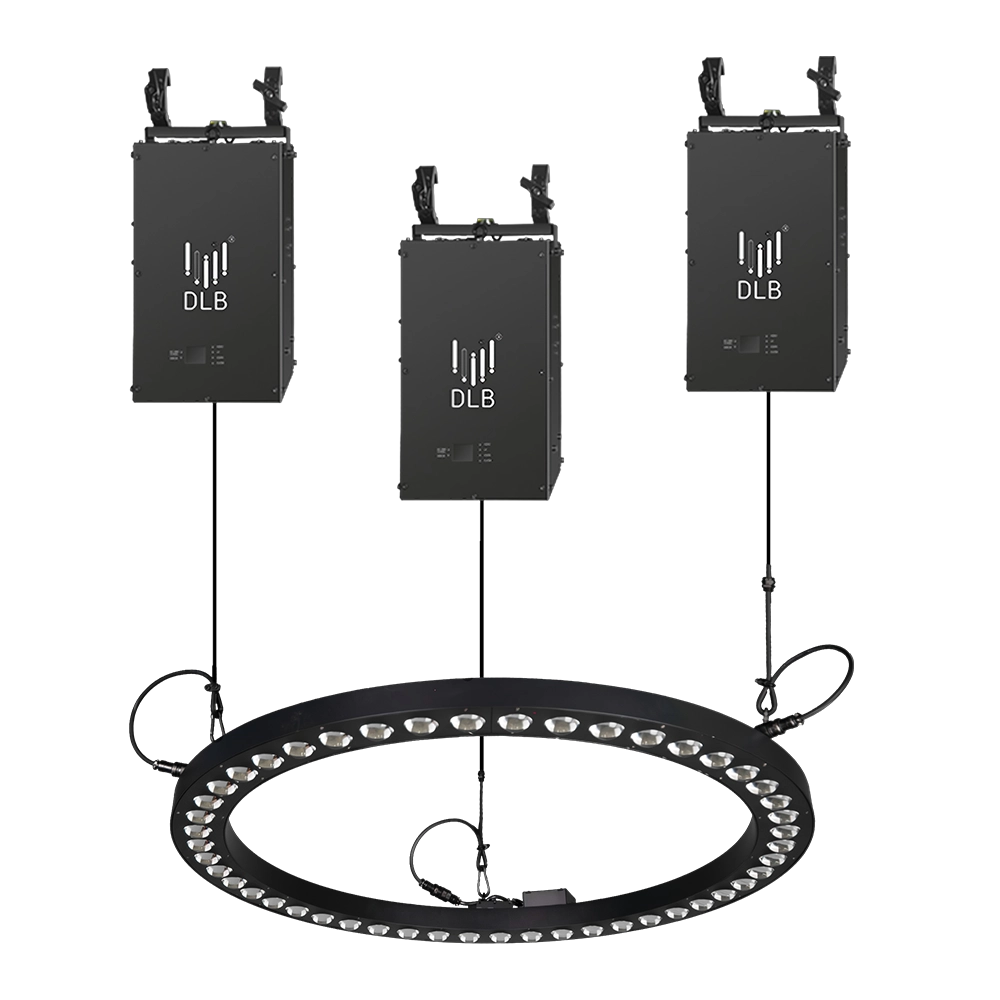
Kinetic Halo Ring——Ideal for a wide range of large-scale events: commercial spaces, TV shows, concerts, nightclubs, and various other settings.
Experience dynamic illumination with the FENG-YI Kinetic Halo Ring. This versatile kinetic light is perfect for large-scale events—commercial spaces, TV shows, concerts, and nightclubs—delivering stunning kinetic ring light effects that captivate every audience.
Kinetic Arc Light——Ideal for a wide range of large-scale events: commercial spaces, TV shows, concerts, nightclubs, and various other settings.
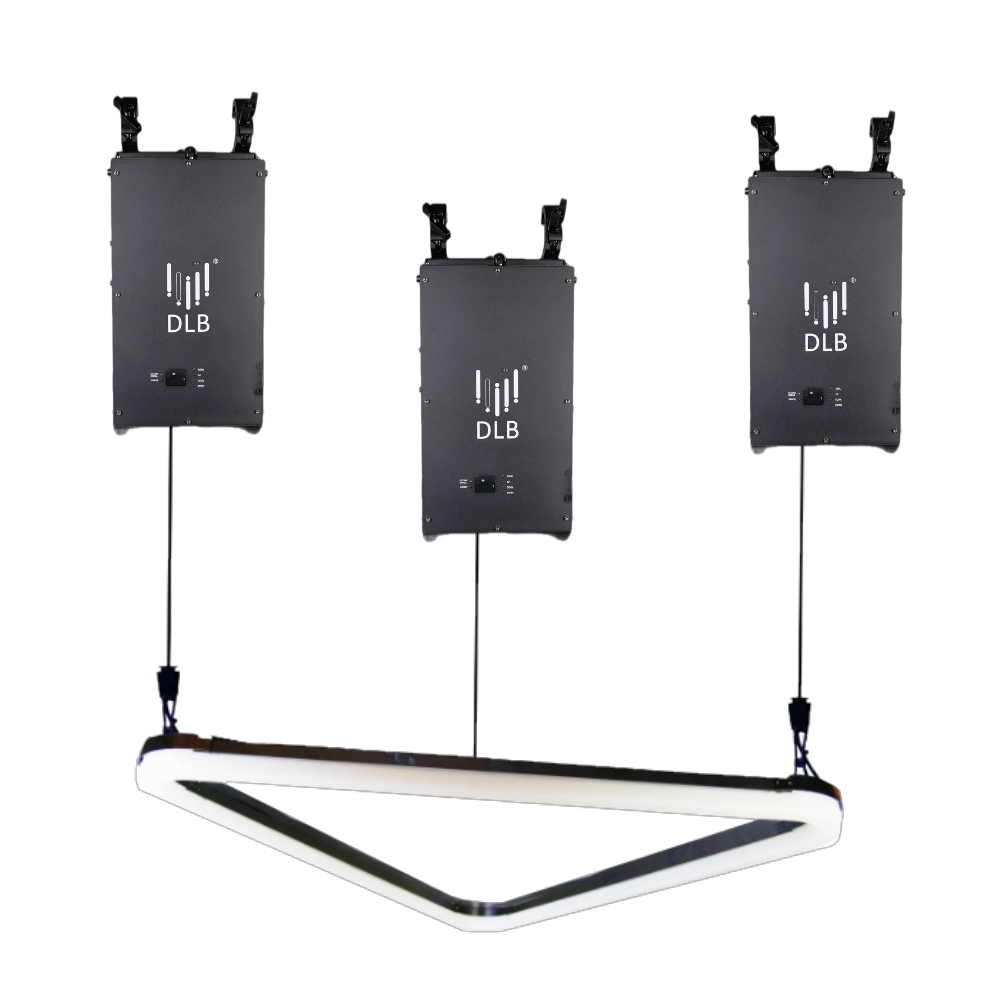
FENG-YI’s Kinetic Arc Light is a kinetic triangle LED light panel designed for large-scale events. Perfect for commercial spaces, TV shows, concerts, and nightclubs, it delivers dynamic lighting effects that captivate audiences and elevate any setting. Ideal kinetic light solution.
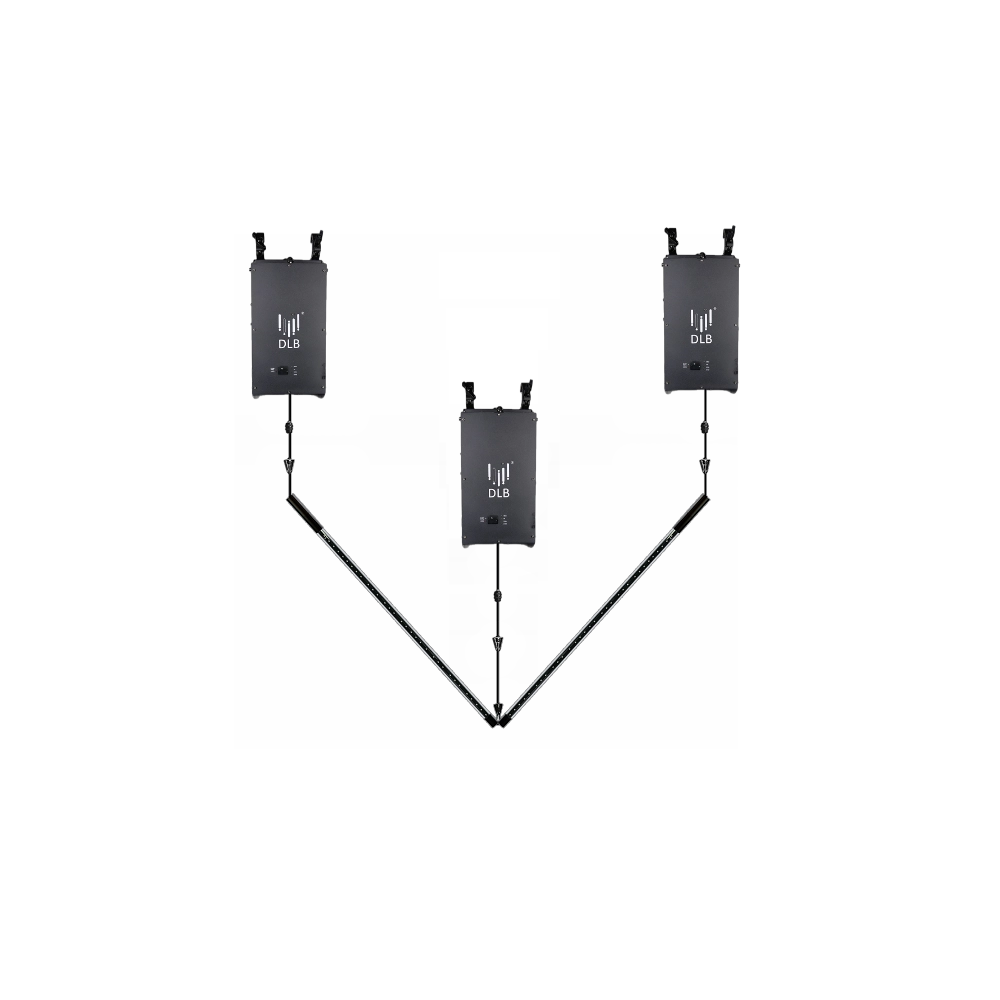
Kinetic Double Rod——Ideal for a wide range of large-scale events: commercial spaces, TV shows, concerts, nightclubs, and various other settings.
FENG-YI’s Kinetic Double Rod delivers dynamic kinetic light effects ideal for large-scale events—from concerts and nightclubs to TV shows and commercial spaces. Elevate your setup with this versatile kinetic light rod, designed for stunning visual impact and seamless integration.
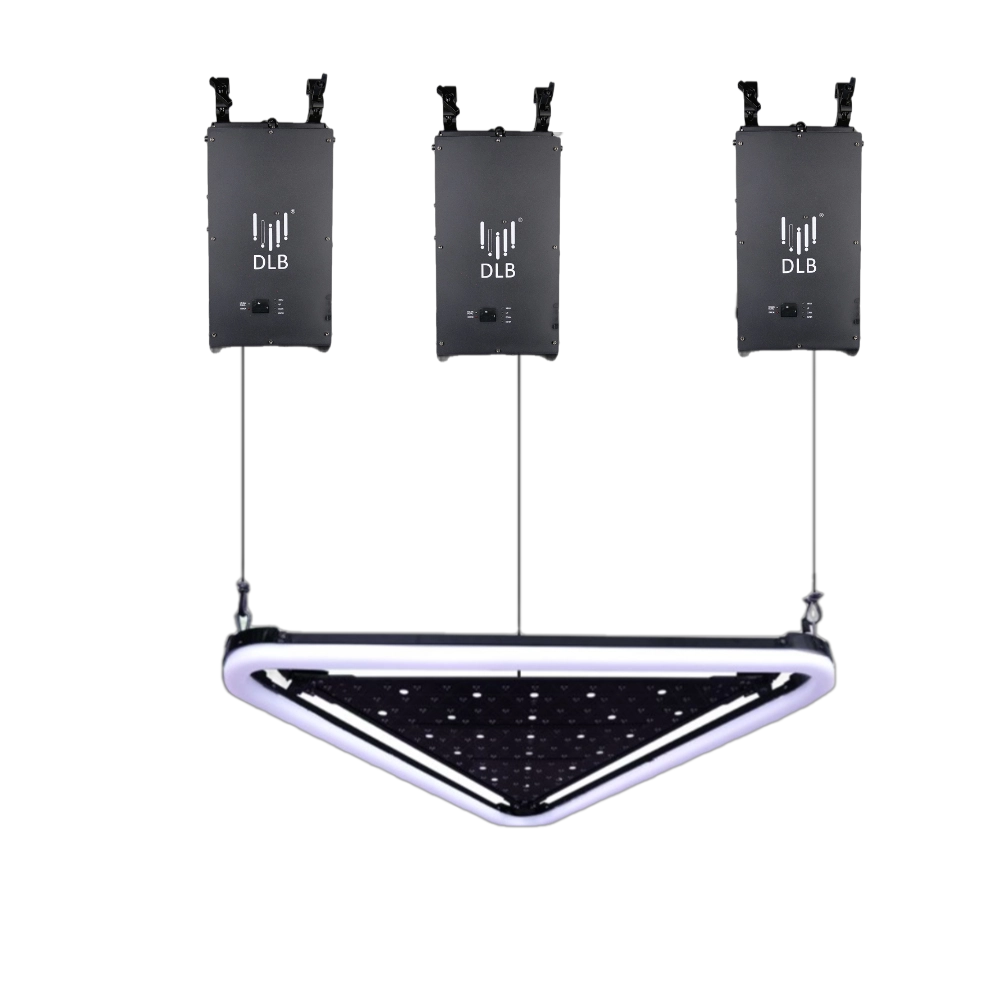
Kinetic Arc Panel——Ideal for a wide range of large-scale events: commercial spaces, TV shows, concerts, nightclubs, and various other settings.
FENG-YI’s Kinetic Arc Panel features dynamic kinetic light technology with kinetic triangle LED light panels, perfect for enhancing large-scale events like concerts, TV shows, nightclubs, and commercial spaces. Elevate your visual experience with innovative, high-impact lighting solutions.
Want to learn more about the latest updates?
Have questions or ready to illuminate your project? Reach out to our expert team today.
Rest assured that your privacy is important to us, and all information provided will be handled with the utmost confidentiality.
By clicking "Send your message," I agree to your processing my personal data.
To see how to withdraw your consent, how to control your personal data, and how we process it, please see our Privacy Policy and Terms of Use.

FENG-YI has been continuously innovating and has grown into a Kinetic Lights Manufacturer and solution provider with unique advantages.
Contact
+86 181 2785 5301
Address
Building 5, No. 34, Fuyuan Road, Jinghu IndustrialZone, Xinhua Town, Huadu District, Guangzhou, China.
© 2025 FENG-YI. All Rights Reserved.
Facebook
Instagram
YouTube
TikTok