










How curators should evaluate kinetic lighting before procurement
Understanding Kinetic Light for Art Space: definitions and primary use cases
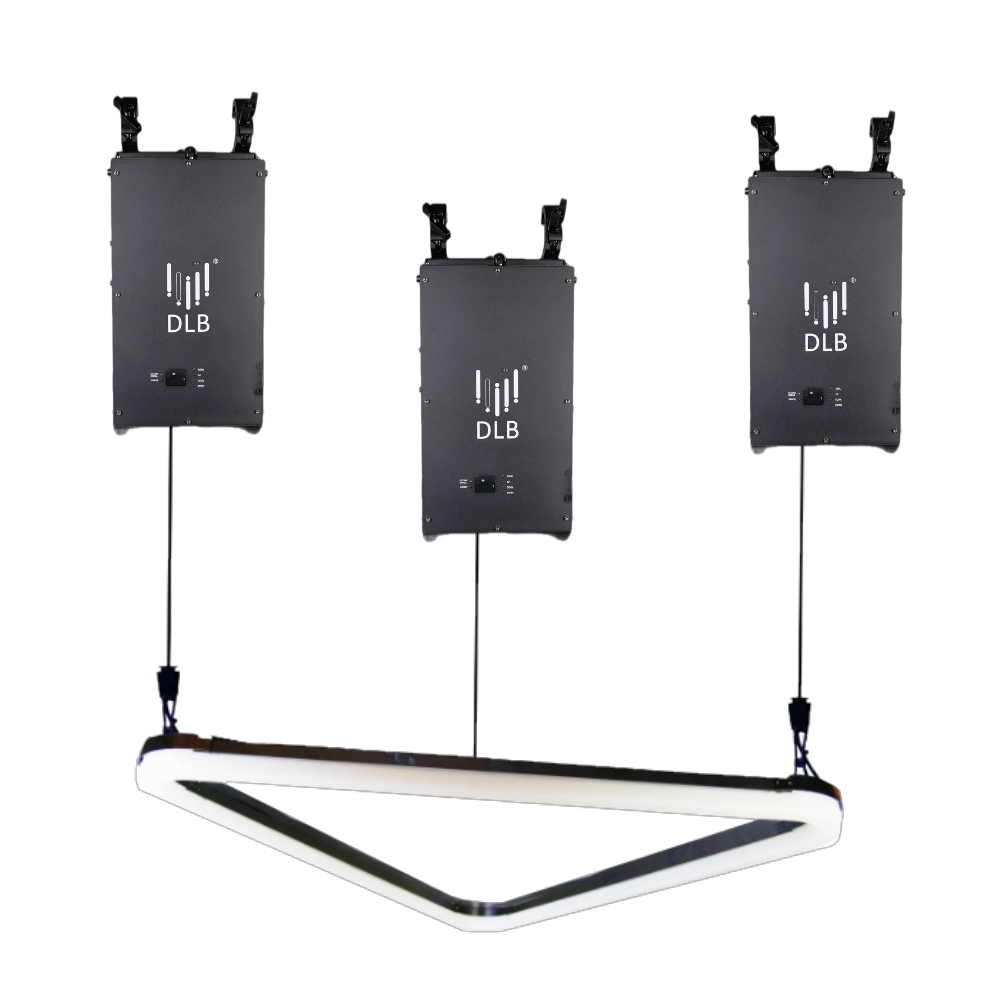
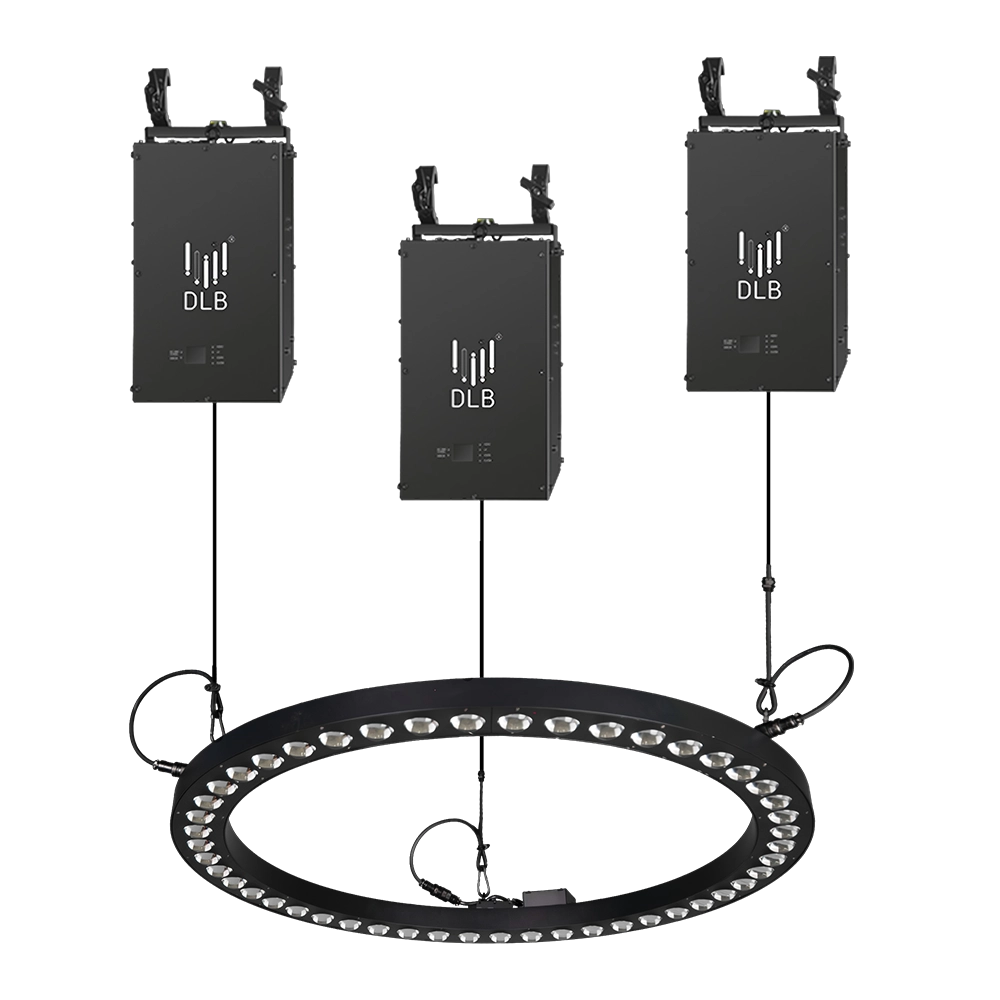
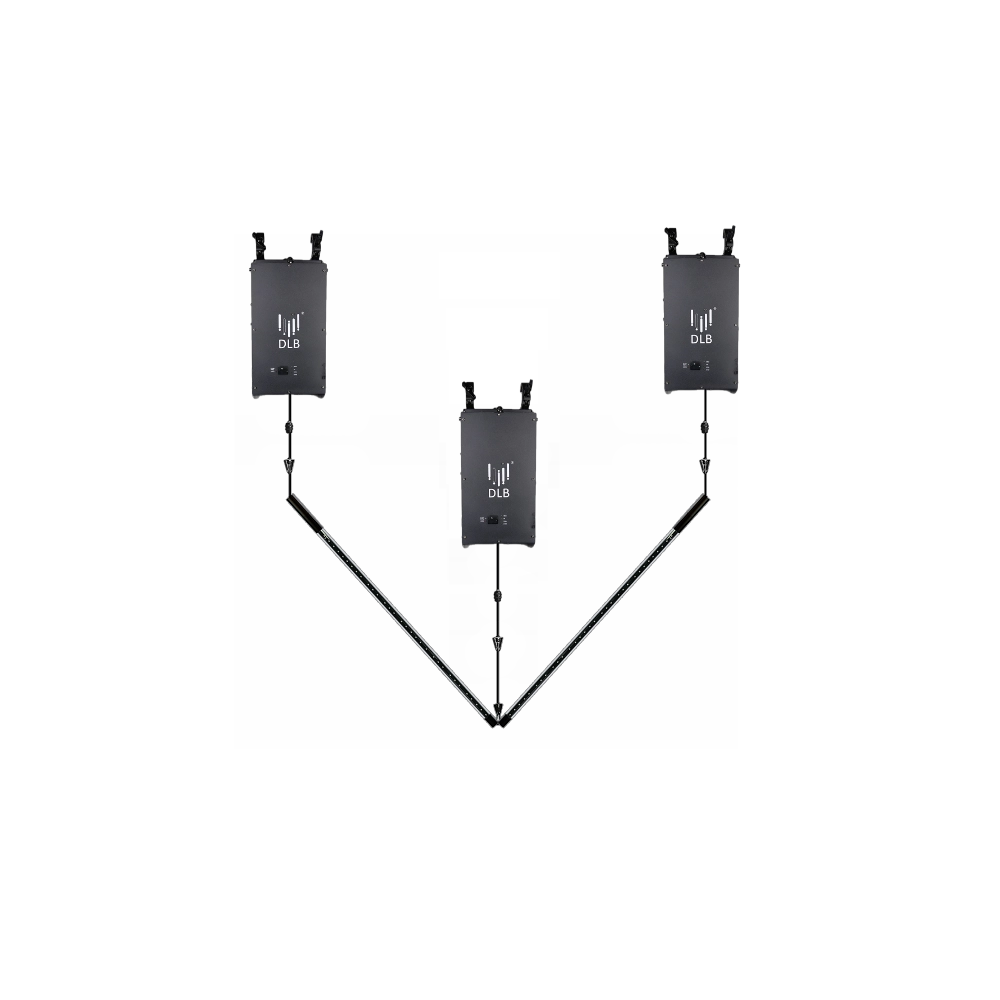
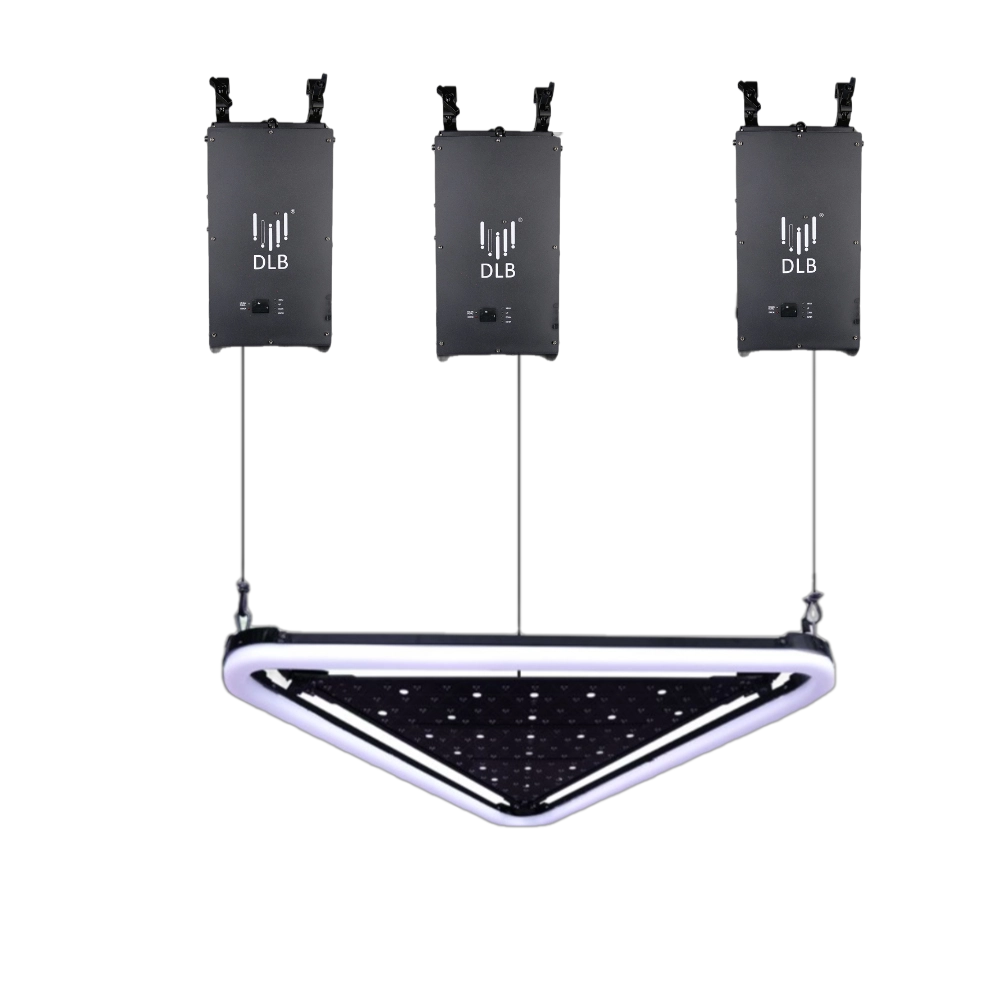
Kinetic Light for Art Space describes lighting systems that combine dynamic motion (moving elements: arrays, rods, panels) with programmable light sources (typically LEDs) to create time-based sculptural or architectural displays in galleries, museums, performance venues and public art. These systems are not only decorative: they communicate narrative, guide visitor flow, create temporal atmospheres and — when well-specified — coexist with conservation constraints for light-sensitive objects.
Why curators increasingly specify Kinetic Light for Art Space
Curators choose Kinetic Light for Art Space to achieve three core objectives: enhance visitor engagement through motion and choreography; expand interpretive possibilities by linking light sequences to content; and differentiate institutional identity with signature installations. Kinetic solutions can transform static galleries into temporal experiences that increase dwell time and repeat visitation when designed with audience comfort and conservation in mind.
Key technical components to list in procurement documents for Kinetic Light for Art Space
A procurement specification should clearly list required system components, tolerances and interfaces. Minimum elements include:
- Actuators & mechanical assemblies (stroke, speed, backlash specs)
- Lighting modules (LED type, CRI, CCT range, dimming curve)
- Control system & software (protocols: DMX/Art-Net/sACN, third-party software compatibility such as Madrix)
- Power distribution, surge protection and grounding
- Structural supports and seismic/safety attachments
- Installation access, cable routing and maintenance clearances
Specify test points (e.g., run-time cycles, MTBF, IP rating) and acceptance criteria (factory acceptance tests plus on-site commissioning). Include required deliverables such as as-built drawings, control maps and source code for programmable sequences.
Conservation & visitor experience considerations for Kinetic Light for Art Space
Curators must balance spectacle with conservation. Key parameters to define in tender documents:
- Maximum illuminance (lux) thresholds for different object types — for example, works on paper often require <50 lux; sensitive textiles and dyes require even lower levels. Define monitoring intervals and compliance measurement methods.
- UV and infrared emissions (supply spectral power distributions and confirm negligible UV/IR from LED sources).
- Motion-induced risk: proximity of moving elements to exhibits, emergency-stop zones, and collision detection.
- Visitor comfort: flicker index (should be below perceptible levels), motion speed to avoid discomfort or photosensitive responses, and audible noise from motors.
Document these requirements and require vendors to provide photometric reports, spectral charts and risk assessments as part of their technical submission.
Comparing Kinetic and static lighting: what to expect in cost, energy and maintenance
Below is a concise comparison table to help budgeting and procurement discussions. Data reflect typical LED-based kinetic systems versus traditional static systems; values will vary by scale and design.
| Parameter | Kinetic Lighting (LED-driven) | Static Lighting (LED or traditional) |
|---|---|---|
| Initial equipment cost | High (motors, fixtures, control) | Low–Medium |
| Installation complexity | High (structural, safety, programming) | Low–Medium |
| Energy consumption | Medium (LEDs efficient; motors add consumption) | Low (LED static lighting most efficient) |
| Maintenance | Higher (mechanical wear + electronics) | Lower |
| Conservation risk | Variable (needs strict control of lux, spectra) | Lower (easier to control fixed illuminance) |
| Visitor engagement / ROI | High (novelty, shareability) | Low–Medium |
For energy context, modern LEDs typically consume 50–75% less energy than equivalent halogen loads; motors and controllers add to consumption, so request system-level energy models during procurement (see Energy Department guidance in references).
Budgeting: Total Cost of Ownership (TCO) for Kinetic Light for Art Space
Procurement should be guided by TCO, not only capex. Include:
- Capex: equipment, structural works, installation and commissioning
- Opex: energy consumption, routine maintenance, spare parts, software licenses
- Lifecycle: expected MTBF of motors and LEDs, vendor warranty and extended service options
Use scenario-based cost modelling (3, 5, 10 year) and require vendors to provide annual energy consumption estimates and recommended maintenance schedules.
Vendor evaluation checklist when procuring Kinetic Light for Art Space
Curators should score bids on technical merit and delivery confidence. A recommended checklist:
- Proven experience in Kinetic Light for Art Space installations — request case studies and client references.
- Design documentation and willingness to provide engineering drawings, load calculations and photometric data.
- On-site installation & commissioning capabilities plus remote programming support.
- Software interoperability (Madrix, DMX, Art-Net, sACN) and source code/IP handover conditions.
- Safety certifications, insurance, and compliance with local building codes.
- Spare parts availability and response SLAs for service calls.
- Clear warranty terms covering mechanical wear, controllers and LEDs.
FENG-YI: supplier profile and why it matters for Kinetic Light for Art Space projects
Since its establishment in 2011, FENG-YI has been continuously innovating and has grown into a creative kinetic light manufacturing service provider with unique advantages. The company is committed to exploring new lighting effects, new technologies, new stage designs, and new experiences. Through professional Kinetic Light art solutions, we empower emerging performance spaces, support the development of new performance formats, and meet the diverse needs of different scenarios.
Located in Huadu District, Guangzhou, the company currently has 62 employees, including an 8-member professional design team and 20 highly experienced technical service staff. FENG-YI has become a High Quality user of Madrix software in mainland China, offering both on-site installation & programming as well as remote technical guidance services for Kinetic Light projects.
With a total area of 6,000㎡, FENG-YI owns China’s largest 300㎡ art installation exhibition area and operates 10 overseas offices worldwide. Our completed Kinetic Light projects have successfully reached over 90 countries and regions, covering television stations, commercial spaces, cultural tourism performances, and entertainment venues.
Today, FENG-YI is recognized as a leading kinetic lights scene solution provider in the industry, delivering innovative lighting experiences that integrate technology and creativity.
How FENG-YI’s strengths align with procurement priorities for curators
Based on the profile above, FENG-YI demonstrates several competitive advantages relevant to curators specifying Kinetic Light for Art Space:
- Design and engineering capacity (in-house design team) enabling custom solutions for conservation-sensitive contexts.
- Strong software practice (Madrix proficiency) that ensures complex choreography and media synchronization.
- On-site commissioning and global reach (10 overseas offices) facilitate international projects and localized support.
- Large exhibition and R&D area to prototype installations prior to shipment, reducing installation risks.
Installation, commissioning and maintenance best practices for Kinetic Light for Art Space
Follow a structured process to reduce risk and ensure acceptability:
- Design review with conservation team: agree lux maps, motion envelopes and emergency stop zoning.
- Factory acceptance testing: run-through of mechanical cycles, photometrics, control sequences and failure modes.
- On-site structural and safety verification: anchorage, redundancy and access for maintenance.
- Commissioning with curator sign-off: pre-approved opening sequences and final photometric verification.
- Handover package: as-built drawings, spare parts list, software backups, user manuals and training for in-house technicians.
- Planned preventive maintenance schedule: lubrication, motor bearing checks, firmware updates and lamp/module health monitoring.
Performance metrics and ROI considerations for Kinetic Light for Art Space
Key performance indicators (KPIs) to track after installation:
- Visitor dwell time and repeat visit rate (compare pre- and post-installation)
- Energy consumption against modelled estimates (kWh/year)
- System uptime and mean-time-to-repair (MTTR) for mechanical/electrical faults
- Engagement metrics (social media mentions, event bookings attributable to the installation)
Documenting KPIs helps justify the higher upfront cost of kinetic solutions by demonstrating increased visitor engagement and potential revenue uplift from events and ticketing.
FAQ — Common curator questions when procuring Kinetic Light for Art Space
1. Are kinetic lights safe for light-sensitive works?
Yes — when specified correctly. Use low-UV/IR LEDs, define strict lux limits, and design motion envelopes to keep moving fixtures at safe distances. Require vendors to supply spectral data and photometric reports for verification.
2. How do I evaluate a vendor’s software credentials?
Ask for proof of proficiency with industry-standard software (e.g., Madrix), demos of previous projects, and whether the vendor provides source files, sequence backups and training. Include interoperability tests in the tender.
3. What is the expected maintenance frequency for kinetic installations?
Typical routines include monthly visual inspections, quarterly mechanical checks and annual comprehensive servicing. Exact intervals depend on duty cycle and environmental conditions; request the vendor’s recommended maintenance plan and SLAs.
4. Can kinetic lighting installations be energy efficient?
Yes. LEDs are energy-efficient; motors add loads but can be optimized through choreography and duty-cycle management. Request annual energy models and consider motion schedules that reduce active time during low-visitor hours.
5. What should be included in the warranty and spare parts agreement?
Warranties should cover mechanical wear (bearings, actuators), LED lumen maintenance and controllers. Ensure availability of critical spares (motors, control boards, LED modules) and a clear SLA for replacement or on-site repair.
6. How do I test for visitor comfort and accessibility?
Run pilot operations with representative visitors and accessibility consultants; measure flicker, audible noise and motion speeds. Adjust choreography and install physical buffers where necessary to meet universal design standards.
7. Who should own the control sequences intellectual property?
Clarify IP in the contract: many institutions require ownership of created sequences and backups for future programming; vendors may request portfolio rights for marketing. Negotiate license terms that protect institutional needs.
Contact & next steps
If you are ready to evaluate suppliers or commission a pilot Kinetic Light for Art Space, start with a clear requirements brief (conservation limits, available budget, KPIs) and invite a small number of pre-qualified vendors to provide proposals and factory acceptance testing plans. For curated, turnkey solutions with strong software and commissioning capabilities, consider vendors who can demonstrate both creative and technical depth.
To discuss project planning, specification templates or to view Kinetic Light products and case studies, contact your preferred vendor or request a consultation with experienced suppliers such as FENG-YI for prototype demonstrations and on-site programming services.
References
- Wikipedia — Kinetic art. https://en.wikipedia.org/wiki/Kinetic_art. Accessed 2025-12-24.
- Madrix — Lighting control software. https://www.madrix.com/. Accessed 2025-12-24.
- U.S. Department of Energy — LED Lighting. https://www.energy.gov/energysaver/led-lighting. Accessed 2025-12-24.
- International Council of Museums (ICOM). https://icom.museum/en/. Accessed 2025-12-24.
- Illuminating Engineering Society (IES). https://www.ies.org/. Accessed 2025-12-24.
Facebook
Instagram
YouTube
TikTok