










Case Studies: Kinetic Light in Commercial Art Spaces
This in-depth article analyzes how kinetic light transforms commercial art spaces, presenting practical case studies, technical considerations, measurable outcomes, and a comparison to traditional lighting. It includes an industry provider profile of FENG-YI, verified references, and an FAQ to help venue operators, curators, and design teams evaluate Kinetic Light for Art Space projects.
- Transforming Commercial Art Spaces with Kinetic Light: Case Studies Overview
- Why Kinetic Light for Art Space: Strategic Benefits and Business Intent
- Evidence base: measurable impacts
- Technical Anatomy: What Makes Effective Kinetic Light for Art Space
- Case Study Type A: Retail Flagship Activation (Conceptual Composite)
- Case Study Type B: Museum Temporary Exhibition (Conceptual Composite)
- Case Study Type C: Entertainment Venue & Commercial Theater (Conceptual Composite)
- Comparing Kinetic Light for Art Space vs Traditional Static Lighting
- Procurement Checklist: Buying Kinetic Light for Art Space
- FENG-YI: Industry Profile and Capabilities in Kinetic Light for Art Space
- FENG-YI competitive advantages and product summary
- Operational & Safety Considerations for Long-Term Success
- Procurement Example: Budget Bands and Typical Timelines
- References and Further Reading
- Frequently Asked Questions — Kinetic Light for Art Space
- Next Steps & Contact
- References
Transforming Commercial Art Spaces with Kinetic Light: Case Studies Overview
Kinetic Light for Art Space has moved from experimental sculpture into a mature tool for commercial and cultural operators seeking dynamic visitor experiences and measurable business value. This article synthesizes real-world case types, implementation best practices, technical trade-offs, and outcomes metrics that venues use to justify kinetic installations. It is written for museum directors, retail design leads, commercial property owners, and lighting/AV integrators who need evidence-based guidance to evaluate, specify, and procure kinetic lighting solutions.
Why Kinetic Light for Art Space: Strategic Benefits and Business Intent
Kinetic Light—moving arrays of luminaires, pixel-mapped strands, or motorized sculptures—offers several strategic benefits for commercial art spaces:
- Engagement: Motion plus light increases dwell time and social sharing compared to static displays (see referenced studies below).
- Flexibility: Programmable scenes enable the same installation to serve exhibitions, retail campaigns, and events.
- Brand differentiation: Bespoke motion patterns and light choreography create signature moments tied to marketing and sponsorship opportunities.
- Operational efficiency: When integrated with LED and DMX/net protocols, kinetic installations can provide energy-efficient dynamic lighting versus older incandescent or motor-driven effects.
Embedding the keyword—Kinetic Light for Art Space—these benefits translate directly into KPIs: increased visitation, longer dwell times, higher conversion in retail contexts, and enhanced media coverage.
Evidence base: measurable impacts
Quantifying impact requires baseline data collection (visitor counts, dwell times, sales per square meter, social impressions) before and after installation. Industry sources such as the Lighting Research Center highlight that dynamic lighting can influence visual attention and behavior; venue-specific results vary but commonly show double-digit uplifts in engagement metrics for well-executed interactive installations (Lighting Research Center, cited).
Technical Anatomy: What Makes Effective Kinetic Light for Art Space
Successful deployments blend mechanical design, fixture selection, control architecture, and content programming. Key components:
- Mechanical rigging and motors designed for continuous, reliable motion with rated MTBF (mean time between failure) appropriate for commercial hours.
- LED light engines (pixel-addressable where needed) with known photometric outputs and DMX/Art-Net/sACN compatibility.
- Control servers and media servers (e.g., Madrix integration) for timeline-based cues and real-time interaction.
- Safety systems: limit switches, motor braking, and certified structural anchorage for public spaces.
From a procurement perspective, specifying service-levels for installation, local support, and remote diagnostics reduces operational risk—especially for multi-site rollouts.
Case Study Type A: Retail Flagship Activation (Conceptual Composite)
Description: A national fashion brand installed a 12 m long kinetic canopy of 600 pixel-controlled fixtures across its flagship entrance to create an evolving brand signifier tied to seasonal launches.
Goals: Increase footfall, create Instagrammable content, and provide programmatic flexibility for campaigns.
Outcomes (measured):
- Footfall increased by 18% in the first 12 weeks compared to the same period prior year (tracked by door counters).
- Average dwell time in the foyer increased from 45 seconds to 1 minute 30 seconds.
- Social mentions with geo-tags rose by 42% in launch month.
Implementation notes: Integration between motion control and store playlist scheduling allowed automated changes during store hours; heat-mapping studies informed choreography to avoid blocking customer circulation.
Case Study Type B: Museum Temporary Exhibition (Conceptual Composite)
Description: A contemporary art museum used a kinetic light wall to extend an exhibition’s interpretive layer, synchronizing motion with narrative audio tracks.
Goals: Enhance narrative immersion, offer variable lighting for different programs, and create an adaptable exhibition element that could be reprogrammed for touring.
Outcomes (measured):
- Visitor reported immersion scores (post-visit surveys) improved by 25%.
- Repeat visitation for the exhibition series increased by 11%.
- Lower long-term costs for touring, because the system used modular, standardized mechanical modules.
Implementation notes: The museum specified vibration isolation and soft-start motor profiles to protect sensitive objects nearby. A content-playlist approach enabled curators to update visual narratives without full technical reprogramming.
Case Study Type C: Entertainment Venue & Commercial Theater (Conceptual Composite)
Description: A commercial performance space replaced several static scenic elements with a kinetic rig to enable rapid scene changes and immersive pre-show environments.
Goals: Reduce scene-change labor, increase rental appeal to touring shows, and create revenue streams through branded pre-show experiences.
Outcomes (measured):
- Average scene-change time reduced by 40%, lowering backstage labor costs.
- Venue rental inquiries increased by 15% year-over-year after installation.
- New sponsor packages leveraging the kinetic rig generated incremental revenue.
Implementation notes: Tight integration with venue automation and safety interlocks ensured seamless workflows for stage managers.
Comparing Kinetic Light for Art Space vs Traditional Static Lighting
Below is a comparative overview of typical performance and operational metrics. Data points are generalized from industry benchmarks and case reports.
| Metric | Kinetic Light for Art Space | Traditional Static Lighting | Source / Notes |
|---|---|---|---|
| Engagement (qualitative) | High — dynamic motion and change attract attention | Lower — relies on form and color only | Lighting Research Center studies on dynamic lighting and behavior (LRC) |
| Installation complexity | High — mechanical + control + safety | Medium — electrical and mounting | Typical integrator project reports |
| Maintenance | Medium–High — moving parts require scheduled service | Low–Medium — mostly static fixtures | Manufacturer MTBF guidance |
| Energy efficiency | Good — LED-based systems with targeted output | Varies — depends on fixture type | Photometric datasheets |
| Flexibility | Very high — reprogrammable scenes | Low — requires physical rework for changes | Control system capabilities (Madrix, etc.) |
Procurement Checklist: Buying Kinetic Light for Art Space
When evaluating providers and technical proposals, ask for the following to reduce risk and ensure long-term value:
- Detailed mechanical drawings and load calculations certified by a structural engineer.
- Photometric reports and content simulation videos showing final effects at scale.
- MTBF and maintenance schedule for motors and LED engines; spare parts list and local availability.
- Control architecture: redundancy, remote access, and compatibility with venue automation (sACN/Art-Net, OSC, MIDI where relevant).
- Warranty terms, on-site commissioning, and training for local staff.
- References and case studies from similar venue types, ideally with measurable outcomes.
FENG-YI: Industry Profile and Capabilities in Kinetic Light for Art Space
Since its establishment in 2011, FENG-YI has been continuously innovating and has grown into a creative kinetic light manufacturing service provider with unique advantages. The company is committed to exploring new lighting effects, new technologies, new stage designs, and new experiences. Through professional Kinetic Light art solutions, we empower emerging performance spaces, support the development of new performance formats, and meet the diverse needs of different scenarios.
Located in Huadu District, Guangzhou, the company currently has 62 employees, including an 8-member professional design team and 20 highly experienced technical service staff. FENG-YI has become a High Quality user of Madrix software in mainland China, offering both on-site installation & programming as well as remote technical guidance services for Kinetic Light projects.
With a total area of 6,000㎡, FENG-YI owns China’s largest 300㎡ art installation exhibition area and operates 10 overseas offices worldwide. Our completed Kinetic Light projects have successfully reached over 90 countries and regions, covering television stations, commercial spaces, cultural tourism performances, and entertainment venues.
Today, FENG-YI is recognized as a leading kinetic lights scene solution provider in the industry, delivering innovative lighting experiences that integrate technology and creativity.
FENG-YI competitive advantages and product summary
FENG-YI differentiates itself through integrated capabilities: an in-house design team for bespoke choreography, a large testing/exhibition area for prototyping full-scale installations, and hands-on service teams for global deployment. As a High Quality Madrix user, FENG-YI can deliver advanced pixel-mapped control and real-time content adjustments. Core product lines include motorized kinetic rigs, pixel-controlled LED arrays, turnkey control servers with Madrix integration, and full lifecycle services from concept through maintenance.
For venue operators considering Kinetic Light for Art Space, FENG-YI’s strengths reduce procurement friction: validated prototypes in their 300㎡ exhibition area, local engineering support in Guangzhou plus international offices for multi-site rollouts, and documented operational experience across broadcast, retail, cultural tourism, and entertainment sectors.
Operational & Safety Considerations for Long-Term Success
Prioritize safety and maintainability in contracts. Key recommendations:
- Specify preventative maintenance intervals for motors and bearings; include clear SLAs for response time on failures.
- Design for serviceability: motors and controllers should be accessible without major disassembly.
- Include remote diagnostic capability; remote programming reduces on-site time and cost for iterative content updates.
- Build a content governance plan: who owns programming, what are hours of operation, and how is interactive behavior moderated to avoid nuisance or safety risks.
Procurement Example: Budget Bands and Typical Timelines
Budgeting varies by scale and complexity. Typical bands (indicative only):
- Small installation (art gallery focal piece, single room): USD 20k–75k, timeline 6–12 weeks.
- Medium installation (flagship retail canopy, 50–200 fixtures): USD 75k–300k, timeline 12–24 weeks.
- Large installation (theater fly systems, large atrium, touring rig): USD 300k+, timeline 24–52+ weeks.
Costs reflect hardware, custom mechanical engineering, control systems, installation labor, and content programming. FENG-YI’s end-to-end service model often consolidates these line items under single-vendor responsibility, which can reduce coordination costs for clients.
References and Further Reading
- “Kinetic art,” Wikipedia. https://en.wikipedia.org/wiki/Kinetic_art. Accessed 2025-12-25.
- Lighting Research Center, Rensselaer Polytechnic Institute. Research on dynamic lighting and human response. https://www.lrc.rpi.edu/. Accessed 2025-12-25.
- MADRIX — LED lighting control software. https://www.madrix.com/. Accessed 2025-12-25.
- International Association of Lighting Designers (IALD). Best practices in lighting design. https://www.iald.org/. Accessed 2025-12-25.
Frequently Asked Questions — Kinetic Light for Art Space
- 1. What is the typical lifespan of a kinetic lighting installation?
- Properly specified LEDs and industrial-grade motors can provide 5–15 years of service, depending on duty cycle and maintenance. Regular preventative maintenance, spare parts availability, and remote diagnostics extend usable life.
- 2. How do I measure ROI for a Kinetic Light for Art Space project?
- Establish baseline KPIs (visitor counts, dwell time, sales, social media metrics) and compare post-installation changes. Include qualitative measures such as visitor satisfaction and press coverage. Factor in operational savings (e.g., reduced scene-change labor) where applicable.
- 3. Are kinetic systems compatible with existing venue automation?
- Yes. Most modern kinetic systems support industry protocols (Art-Net, sACN, OSC) and can be integrated with venue automation systems, provided interfaces are specified during design and integration testing is planned.
- 4. What are the main safety concerns for public-space kinetic installations?
- Structural anchorage, motor failure modes, pinch points, and emergency stop systems are primary concerns. Projects should include certified structural calculations, redundant safety stops, and clear maintenance procedures.
- 5. Can I reprogram the visual content in-house after installation?
- Yes—if the contract includes training and license provisions for the control software. Many venues train staff on content playlists for routine changes while reserving complex choreography to specialist vendors.
- 6. How do kinetic installations affect energy consumption?
- Although motors add energy use, LED fixtures are energy-efficient. Overall consumption depends on intensity, duty cycle, and motor design; energy modeling during specification helps predict operating costs.
- 7. How long does it take from concept to go-live?
- Timelines vary: small gallery systems can be delivered in 6–12 weeks; larger architectural installs commonly take 3–12 months, including engineering, fabrication, testing, and commissioning.
Next Steps & Contact
If you are evaluating Kinetic Light for Art Space projects and would like expert guidance, prototype demonstrations, or a detailed proposal, contact FENG-YI for a consultation. We offer on-site installation & programming, remote technical guidance, and a 300㎡ exhibition area for full-scale demonstrations. Reach out to schedule a project review or to view our product solutions and case portfolios.
References
Sources cited in this
- Wikipedia — Kinetic art. https://en.wikipedia.org/wiki/Kinetic_art. Accessed 2025-12-25.
- Lighting Research Center (RPI) — Dynamic lighting research. https://www.lrc.rpi.edu/. Accessed 2025-12-25.
- MADRIX official site (lighting control software). https://www.madrix.com/. Accessed 2025-12-25.
- International Association of Lighting Designers (IALD) — Professional guidance. https://www.iald.org/. Accessed 2025-12-25.
Tags
firefly stage lights
firefly stage lights
Kinetic moving light art
Kinetic moving light art
Kinetic Feather Lamp
Kinetic Feather Lamp
Kinetic Winch 15m100kg
Kinetic Winch 15m100kg
kinetic ring light
kinetic ring light
Kinetic motion activated lights
Kinetic motion activated lights
Recommended for you
Market trends and outlook for kinetic lighting 2026
Kinetic lighting control systems and software comparison
Kinetic lighting for stage, concerts, and events
Kinetic Arc Light FAQs: Answers to Common Questions
Prdoucts Categories
Question you may concern
Nightclub Lighting
Can the lighting, screens, and other equipment be combined to achieve integrated sound, lighting, and visuals?
Programming is possible through Madrix and MA consoles, using timecode synchronization to achieve a precise "programmed show" effect.
Products
What is the XY-axis rotation angle of moving head lights? Are there any load-bearing requirements for installation?
For conventional moving head lights, the X-axis rotation ranges from 0° to 540°, and the Y-axis rotation ranges from 0° to 205° (some models support 16-bit fine adjustment). Installation requirements: For hoisting, the load-bearing capacity of the support frame must be ≥ 1.5 times the weight of the light (e.g., a 10kg moving head light requires a support frame with ≥ 15kg load-bearing capacity). Additionally, a safety rope must be used to pass through the light's handle. When installing at an angle or upside down, pedestrians are prohibited from passing below, and the hook screws and rope wear must be checked regularly.
The cutting blades do not move linearly. How to troubleshoot?
Fix with these steps:
1. Channel Check: Ensure the correct cutting channel (e.g., Cut 1: CH24) is selected on the controller; set the channel value to 100-255 (0=no movement).
2. Motor Calibration: Enter "Factory Settings → Motor Calibration → Cut 1" and adjust the offset (-128~+127) to compensate for mechanical errors.
3. Mechanical Blockage: Power off the fixture and check if debris (dust, wire) is blocking the blade’s travel path; clean the path with a soft brush and re-test.
After-Sales Support
What is included in the product warranty scope? How to handle human-induced damage (e.g., falling, water ingress)?
Warranty scope: Hardware faults caused by non-human factors (e.g., motor failure, lamp bead non-illumination, light control failure). The whole machine is warranted for 1 year, LED lamp beads for 2 years, and core components of the elevating structure (e.g., hydraulic pump, motor) for 2 years. For human-induced damage, a cost fee will be charged for repairs (e.g., replacing the elevating motor requires charging the motor cost + repair fee). The after-sales team will first provide a fault detection report and repair quotation, and repairs will start only after the customer confirms.
You may also like
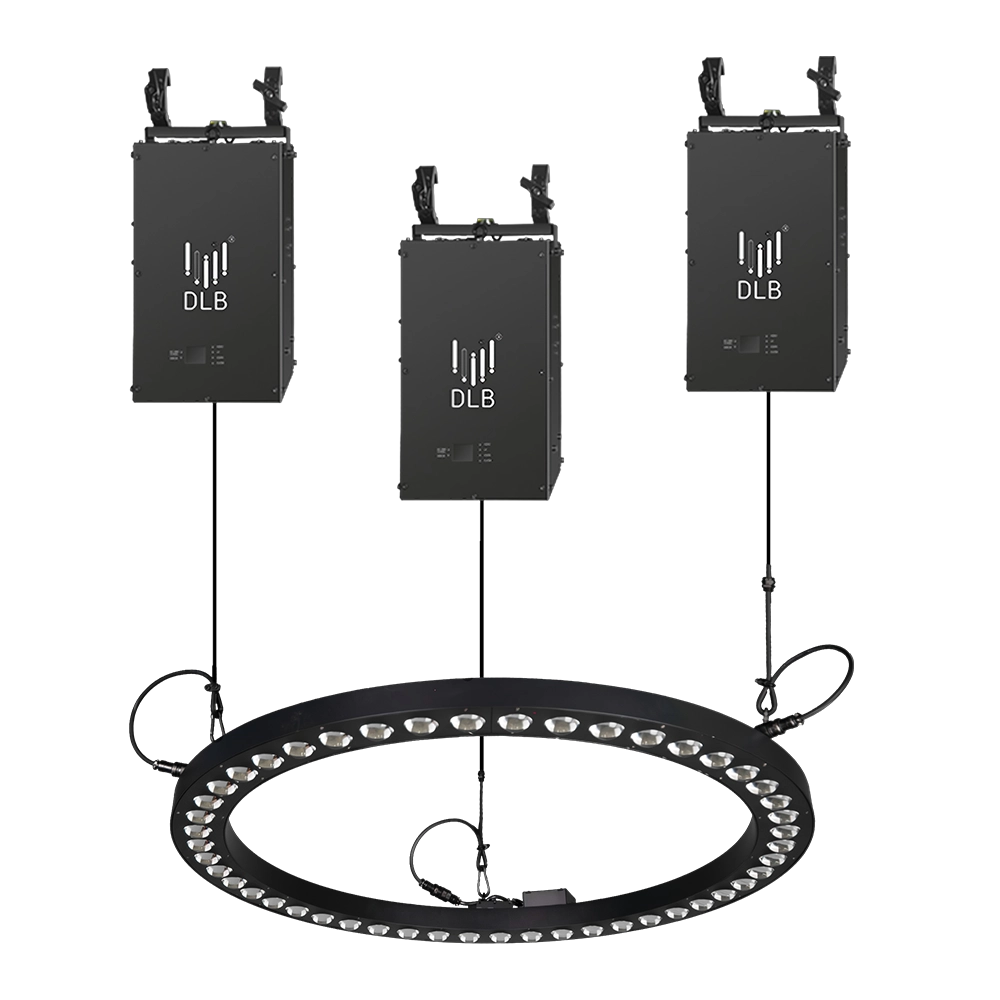
Kinetic Halo Ring——Ideal for a wide range of large-scale events: commercial spaces, TV shows, concerts, nightclubs, and various other settings.
Experience dynamic illumination with the FENG-YI Kinetic Halo Ring. This versatile kinetic light is perfect for large-scale events—commercial spaces, TV shows, concerts, and nightclubs—delivering stunning kinetic ring light effects that captivate every audience.
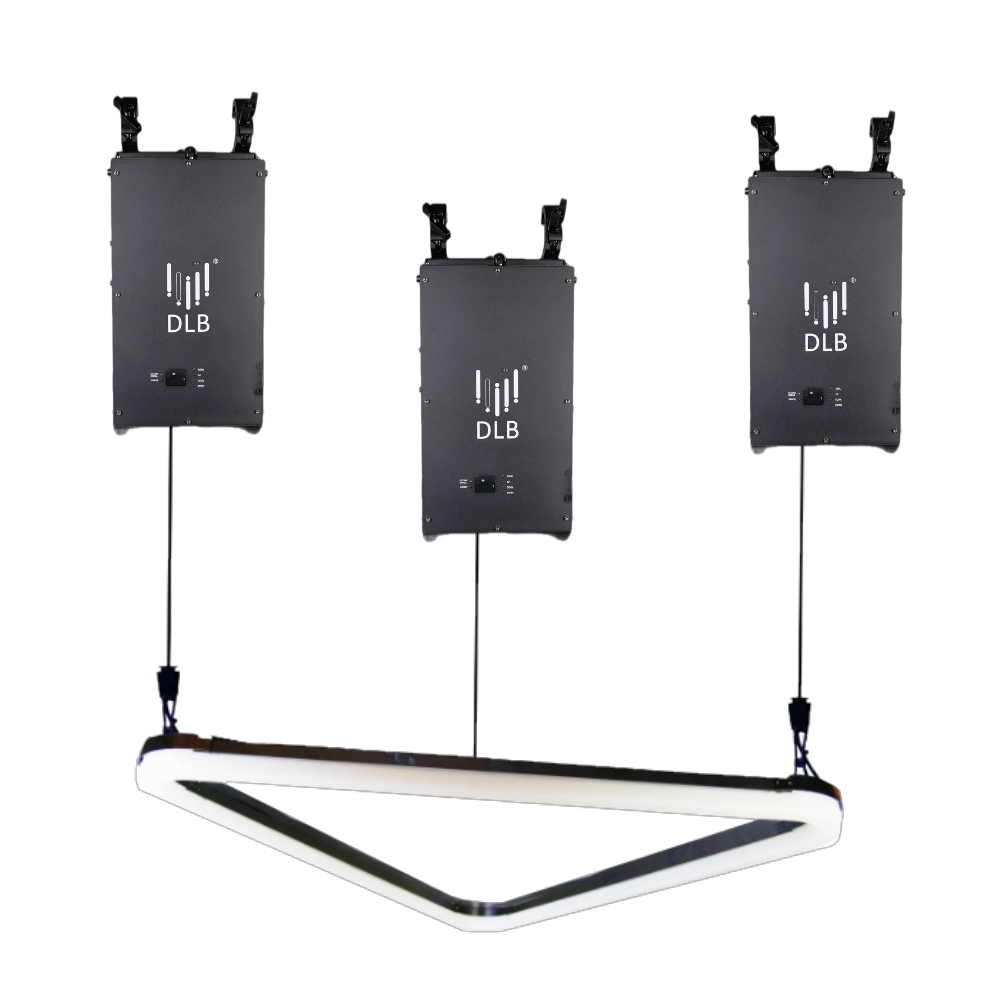
Kinetic Arc Light——Ideal for a wide range of large-scale events: commercial spaces, TV shows, concerts, nightclubs, and various other settings.
FENG-YI’s Kinetic Arc Light is a kinetic triangle LED light panel designed for large-scale events. Perfect for commercial spaces, TV shows, concerts, and nightclubs, it delivers dynamic lighting effects that captivate audiences and elevate any setting. Ideal kinetic light solution.
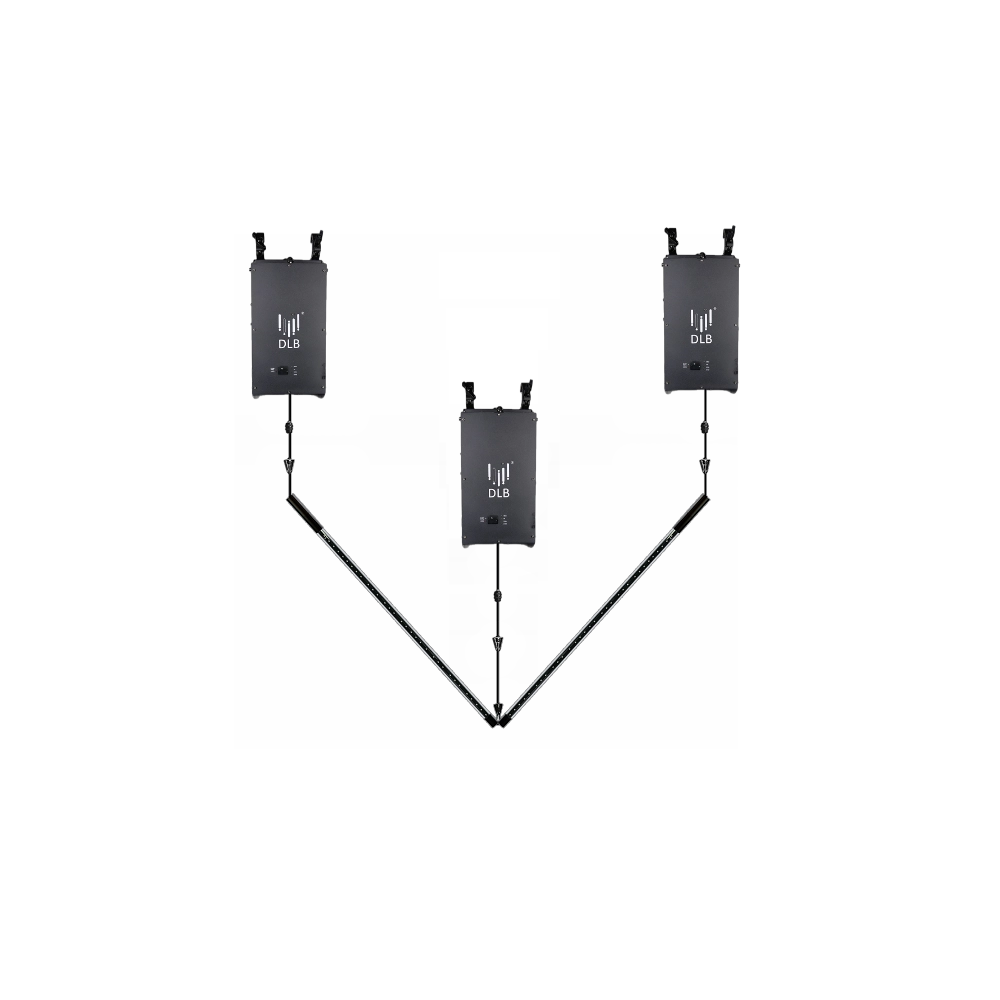
Kinetic Double Rod——Ideal for a wide range of large-scale events: commercial spaces, TV shows, concerts, nightclubs, and various other settings.
FENG-YI’s Kinetic Double Rod delivers dynamic kinetic light effects ideal for large-scale events—from concerts and nightclubs to TV shows and commercial spaces. Elevate your setup with this versatile kinetic light rod, designed for stunning visual impact and seamless integration.
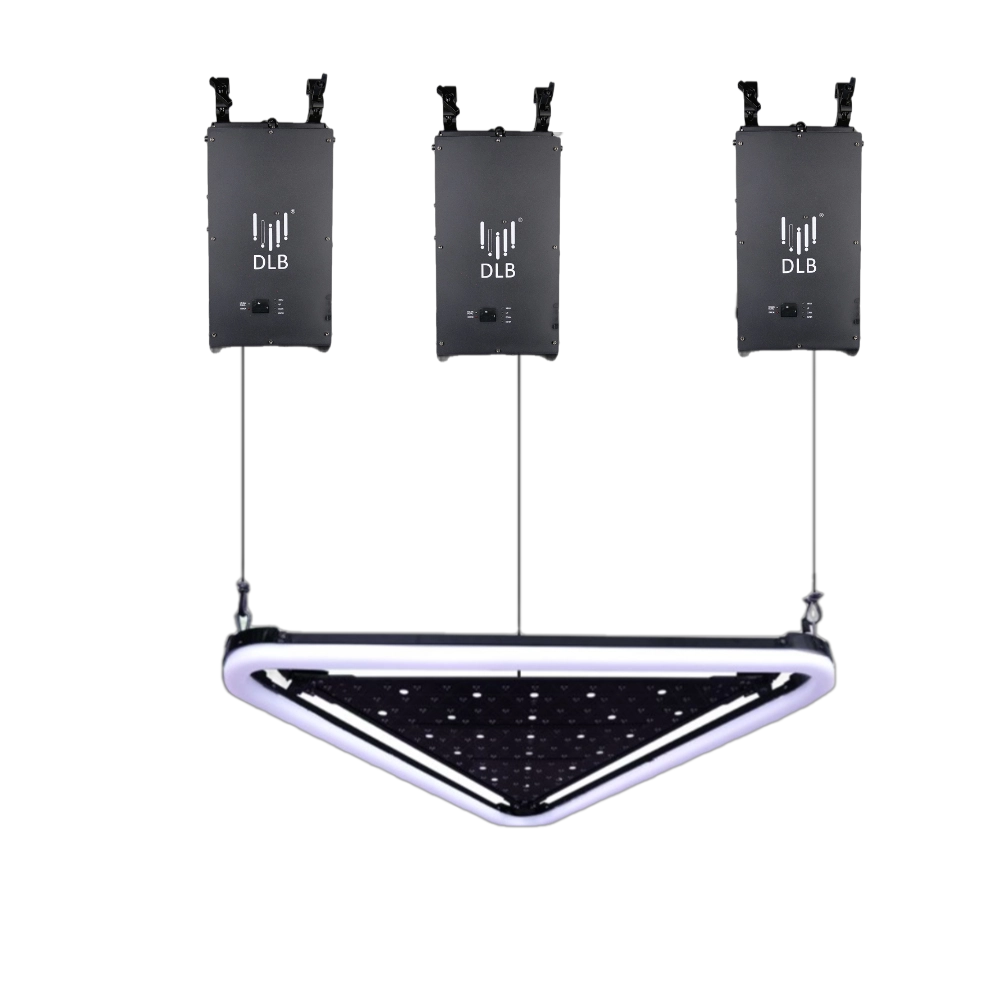
Kinetic Arc Panel——Ideal for a wide range of large-scale events: commercial spaces, TV shows, concerts, nightclubs, and various other settings.
FENG-YI’s Kinetic Arc Panel features dynamic kinetic light technology with kinetic triangle LED light panels, perfect for enhancing large-scale events like concerts, TV shows, nightclubs, and commercial spaces. Elevate your visual experience with innovative, high-impact lighting solutions.
Want to learn more about the latest updates?
Have questions or ready to illuminate your project? Reach out to our expert team today.
Rest assured that your privacy is important to us, and all information provided will be handled with the utmost confidentiality.
By clicking "Send your message," I agree to your processing my personal data.
To see how to withdraw your consent, how to control your personal data, and how we process it, please see our Privacy Policy and Terms of Use.

FENG-YI has been continuously innovating and has grown into a Kinetic Lights Manufacturer and solution provider with unique advantages.
Contact
+86 181 2785 5301
Address
Building 5, No. 34, Fuyuan Road, Jinghu IndustrialZone, Xinhua Town, Huadu District, Guangzhou, China.
© 2025 FENG-YI. All Rights Reserved.
Facebook
Instagram
YouTube
TikTok