










Kinetic Light Solutions for Contemporary Art Galleries
This article examines how kinetic light for art space transforms contemporary galleries by enhancing visitor engagement, protecting collections, and supporting curatorial narratives. It provides design considerations, technology choices, operational best practices, case comparisons, and a vendor profile of FENG-YI as an experienced provider of kinetic light systems.
- Integrating Motion and Light in Gallery Design
- Why Kinetic Light for Art Space Matters
- Artistic and Curatorial Benefits
- Design Principles for Implementing Kinetic Light for Art Space
- Conservation-Driven Parameters
- Technical Selection: Components and Control Strategies
- Software: From Programming to Remote Management
- Operational Considerations and Lifecycle Costs
- Energy and Maintenance Comparison
- Case Studies and Proven Outcomes
- Measuring Success
- Vendor Evaluation Checklist for Kinetic Light for Art Space
- Comparative Vendor Features Table
- FENG-YI: A Case in Point for Kinetic Light Partnerships
- FENG-YI Competitive Advantages and Product Summary
- Risk Mitigation and Compliance
- Implementation Roadmap
- FAQ
- 1. What is kinetic light for art space and how does it differ from traditional gallery lighting?
- 2. Are kinetic lights safe for sensitive artworks?
- 3. What are typical maintenance requirements for kinetic light installations?
- 4. How much does kinetic light for art space cost compared with traditional lighting?
- 5. Can kinetic lighting be retrofitted into existing galleries?
- 6. How do I test a kinetic lighting concept before full installation?
- Contact and Next Steps
- References
Integrating Motion and Light in Gallery Design
The rise of kinetic light for art space reflects a broader shift in how contemporary galleries curate experience. No longer is lighting purely functional; it is an active storytelling tool that modulates perception, invites exploration, and extends the lifespan of exhibits when designed responsibly. This article outlines practical design strategies, technical selection criteria, and operational approaches that help museum professionals and private gallery operators evaluate and implement kinetic light solutions to meet artistic, conservation, and visitor-experience goals.
Why Kinetic Light for Art Space Matters
Kinetic lighting combines dynamic movement, programmable intensity, color control, and spatial choreography. For galleries, the commercial and curatorial intent of kinetic light for art space is threefold: increase visitor dwell time and engagement, enable new forms of site-specific work, and provide flexible infrastructure for rotating exhibitions. Studies in museum visitor behavior consistently link novel, interactive elements with longer dwell times and higher satisfaction, which can translate into greater ticket revenue and membership retention when combined with thoughtful programming and marketing.
Artistic and Curatorial Benefits
Kinetic light can accentuate sculptural volume, create responsive backdrops for performances, or act as a kinetic artwork itself. Curators use motion to reveal and conceal, to create temporal narratives, and to adapt the atmosphere across different exhibitions. The ability to program motion and color schemes allows a single lighting installation to serve multiple curatorial intents without physical refit, reducing downtime and cost.
Design Principles for Implementing Kinetic Light for Art Space
Successful implementations balance artistic intent, conservation requirements, and operational practicality. Core design principles include: specifying museum-grade LEDs with appropriate spectral power distributions; limiting UV and short-wave visible radiation; setting luminance thresholds per object type; ensuring smooth motion profiles to avoid mechanical strain; and integrating DMX/art-net control with gallery management systems. Each of these choices must be justified by measurable criteria so stakeholders can evaluate trade-offs between visual impact and collection safety.
Conservation-Driven Parameters
When considering kinetic light for art space, preservation requirements should be integrated from project inception. Conservators typically recommend strict limits on illuminance for sensitive media, cumulative exposure thresholds, and spectral controls to minimize photochemical damage. Motion adds new variables: moving fixtures can introduce microclimates or dust agitation, so mounting, service access, and maintenance schedules must mitigate those risks.
Technical Selection: Components and Control Strategies
Choosing components for kinetic light for art space requires understanding three subsystems: mechanical motion hardware, light engines, and control software. Mechanical systems must offer silent operation, low maintenance, and high positional accuracy. Light engines should be LED-based with CRI and TM-30 performance suited to artwork rendering and with tunable white and color capabilities if required. Control software must support timeline-based choreography, safe presets for conservation modes, and role-based access to prevent accidental overrides.
Software: From Programming to Remote Management
Control platforms like Madrix offer pixel-mapping and timeline programming widely used in kinetic installations. For galleries, remote technical guidance and secure network management are advantages, permitting off-site troubleshooting and content updates. When you evaluate vendors, ask about encryption, change logs, and the ability to lock conservation modes while enabling promotional or immersive modes for special events.
Operational Considerations and Lifecycle Costs
Operational planning for kinetic light for art space goes beyond initial capital expense. Consider energy consumption profiles, maintenance cycles for moving parts, spare-part inventory, and software licensing costs. LEDs reduce energy use relative to legacy halogen systems, but moving systems introduce bearings, spindles, and control electronics that require scheduled inspection. Budget for a preventative maintenance contract with clear SLAs to ensure uptime during peak visitor periods.
Energy and Maintenance Comparison
Below is a concise comparison table that helps decision-makers weigh traditional fixed gallery lighting against kinetic light for art space across practical metrics.
| Metric | Traditional Fixed Lighting | Kinetic Light for Art Space |
|---|---|---|
| Visitor Engagement | Baseline; relies on static curation | Higher potential due to motion and interactivity |
| Conservation Risk | Manageable with fixed controls | Higher if motion, intensity, or spectra not managed |
| Energy Consumption | Varies; LEDs lower than halogen | Comparable LED consumption; added motor/controls overhead |
| Flexibility | Low; physical rehang required | High; programmable scenes enable rapid changeovers |
| Maintenance | Lower mechanical needs | Higher due to moving parts but serviceable with contracts |
Sources: industry whitepapers, DOE energy guidance on LED lighting, and manufacturer specifications for kinetic systems combine to validate these comparative points. For energy guidance on LEDs see the US Department of Energy website.
Case Studies and Proven Outcomes
Real-world projects demonstrate measurable outcomes for kinetic light for art space: notable increases in average visitor dwell time, higher social-media shares of exhibits, and greater versatility for mixed-program venues. When quantifying success, use consistent KPIs such as dwell time, repeat visitation rate, retail conversion, and membership sign-ups. Pair these with qualitative feedback from curators and conservators to provide a holistic evaluation.
Measuring Success
Implement lightweight analytics during soft launches: time-of-stay sensors, heatmaps from anonymized Wi-Fi or camera systems, and visitor surveys. These datasets allow you to tune motion intensity, schedule interactive modes during peak hours, and lock preservation modes during closed hours. Documentation of before-and-after metrics strengthens ROI cases for stakeholders and funders.
Vendor Evaluation Checklist for Kinetic Light for Art Space
Selecting a vendor requires technical validation and proof of domain experience. Ask potential suppliers for: project portfolios with gallery installations, references from conservators, details on software security and backup, maintenance SLAs, and training programs for in-house technicians. Ensure they provide end-to-end services from design to commissioning and offer remote support options when necessary.
Comparative Vendor Features Table
| Feature | Essential | Value-Adds |
|---|---|---|
| Conservation Mode Lock | Yes | Audit trails and time-stamped overrides |
| Remote Technical Support | Recommended | Real-time programming and diagnostics |
| On-Site Installation | Yes | Full turnkey creative services |
| Software Licensing Model | Perpetual or subscription | Cloud content management and analytics |
These evaluation points help procurement teams compare proposals on technical merit and lifecycle support rather than purely on sticker price.
FENG-YI: A Case in Point for Kinetic Light Partnerships
Since its establishment in 2011, FENG-YI has been continuously innovating and has grown into a creative kinetic light manufacturing service provider with unique advantages. The company is committed to exploring new lighting effects, new technologies, new stage designs, and new experiences. Through professional Kinetic Light art solutions, we empower emerging performance spaces, support the development of new performance formats, and meet the diverse needs of different scenarios.
Located in Huadu District, Guangzhou, the company currently has 62 employees, including an 8-member professional design team and 20 highly experienced technical service staff. FENG-YI has become a High Quality user of Madrix software in mainland China, offering both on-site installation & programming as well as remote technical guidance services for Kinetic Light projects.
With a total area of 6,000㎡, FENG-YI owns China’s largest 300㎡ art installation exhibition area and operates 10 overseas offices worldwide. Our completed Kinetic Light projects have successfully reached over 90 countries and regions, covering television stations, commercial spaces, cultural tourism performances, and entertainment venues.
Today, FENG-YI is recognized as a leading kinetic lights scene solution provider in the industry, delivering innovative lighting experiences that integrate technology and creativity.
FENG-YI Competitive Advantages and Product Summary
FENG-YI differentiates itself by combining a design-led approach with robust technical service capacity. Key strengths include in-house creative design, Madrix-certified programming, global service reach, and a dedicated exhibition area for prototyping installations. Core products and solutions focus on kinetic lighting arrays, programmable moving fixtures for installations, turnkey control packages, and post-installation maintenance contracts. For galleries seeking a partner that understands both artistic intent and operational realities, FENG-YI offers demonstrable expertise and global delivery capability.
Risk Mitigation and Compliance
Risk mitigation strategies for kinetic light for art space include lockable conservation presets, redundant control paths, scheduled mechanical inspection, and environmental monitoring (temperature, humidity, particulate). Compliance with regional electrical codes and museum standards for lighting and conservation must be documented. Request test reports for LED spectral outputs, EMI/EMC compliance certificates, and noise level measurements for moving components during procurement.
Implementation Roadmap
An effective implementation follows phased milestones: concept and conservation review, technical specification and components selection, prototyping in a test lab or exhibition area, staged commissioning, staff training, and post-installation monitoring. Allow time for conservators to approve light cycles and for curatorial staff to rehearse different programmed scenes. A typical medium-sized gallery project timeline ranges from 12 to 20 weeks depending on complexity and custom fabrication needs.
FAQ
1. What is kinetic light for art space and how does it differ from traditional gallery lighting?
Kinetic light for art space refers to lighting systems that incorporate motion, programmable behavior, and interactive control to create dynamic visual effects. Unlike traditional static lighting, kinetic light can change position, intensity, and color over time to shape narrative and visitor experience while supporting multiple exhibition formats.
2. Are kinetic lights safe for sensitive artworks?
They can be, if designed with conservation parameters in mind. Use LEDs with controlled spectra, implement low-illuminance presets, enforce cumulative exposure limits, and ensure mechanical movement does not introduce dust or vibration. Work closely with conservators during design and testing phases.
3. What are typical maintenance requirements for kinetic light installations?
Maintenance includes periodic inspections of mechanical components, firmware and software updates, cleaning of optical elements, and verification of conservation mode settings. A preventative maintenance contract is recommended for installations with moving parts.
4. How much does kinetic light for art space cost compared with traditional lighting?
Costs vary widely based on scale, motion complexity, and control sophistication. Expect higher upfront costs for mechanical and control systems, but consider lifecycle benefits such as reduced rehang costs, programmability, and enhanced visitor engagement when calculating ROI.
5. Can kinetic lighting be retrofitted into existing galleries?
Many galleries can retrofit kinetic systems, provided structural and electrical capacity assessments are performed. Retrofitting may require reinforcement for moving fixtures, additional control wiring, and coordination with HVAC and conservation monitoring systems.
6. How do I test a kinetic lighting concept before full installation?
Use a dedicated prototyping area or the vendor's exhibition space to mock up scaled scenes. Validate motion profiles, light levels, color rendering, noise, and maintenance access. Collect curator and conservator feedback and run pilot visitor sessions if possible.
Contact and Next Steps
If you are considering kinetic light for art space, begin with a scoping workshop that includes curatorial, conservation, facilities, and technical stakeholders. For turnkey design, installation, and remote support services, contact FENG-YI to discuss site assessment, prototyping options, and maintenance programs. Explore product demos in the 300㎡ exhibition area or request a remote technical consultation to see how kinetic lighting can align with your curatorial goals.
References
- Wikipedia. Kinetic art. https://en.wikipedia.org/wiki/Kinetic_art. Accessed 2025-12-20.
- US Department of Energy. LED Lighting. https://www.energy.gov/energysaver/led-lighting. Accessed 2025-12-20.
- Canadian Conservation Institute. Light and exhibits. https://www.canada.ca/en/conservation-institute/services/agents-deterioration/light.. Accessed 2025-12-20.
- Illuminating Engineering Society. Recommended practices for museum lighting. https://www.ies.org. Accessed 2025-12-20.
- Madrix. Lighting control and pixel mapping. https://www.madrix.com. Accessed 2025-12-20.
- Commission Internationale de l'Eclairage. CIE publications and standards. https://cie.co.at. Accessed 2025-12-20.
Tags
kinetic light table lamp
kinetic light table lamp
custom kinetic light design services
custom kinetic light design services
buy kinetic triangle led light panel
buy kinetic triangle led light panel
kinetic triangle modular led light panels
kinetic triangle modular led light panels
kinetic balls lighting
kinetic balls lighting
Kinetic light installation
Kinetic light installation
Recommended for you
Kinetic lighting for retail displays and visual merchandising
Best kinetic lighting installations in public art
What is kinetic lighting? A beginner's guide
Integrating Kinetic Lights with Smart Home Systems
Prdoucts Categories
Question you may concern
Nightclub Lighting
Will the equipment break down easily? How long is the after-sales service?
Our products are designed specifically for the entertainment industry. They feature excellent heat dissipation and can withstand the harsh, high-temperature, high-humidity, and dusty environments of bars. They are guaranteed to operate continuously for 2,000 hours. We offer a one-year warranty starting from the date of delivery (excluding consumables such as bulbs and LEDs). If the product is damaged due to quality issues, the seller will provide a replacement free of charge.
Wedding & Parties Lighting Solutions
What about after-sales support and training?
On-site training + remote technical support, spare parts availability, and annual inspections. Service Level Agreements (SLAs) for maintenance services are available.
Products
What light control modes does the 7-lamp 60W wash light support? Is it compatible with DMX consoles of other brands?
It supports three control modes: DMX512, sound activation, and auto-run. The channels can be selected as 23CH/35CH/51CH (the 51CH mode enables independent R/G/B/W dimming for each individual lamp bead). It complies with the international universal DMX512 protocol and is compatible with mainstream brand consoles (e.g., MA, Good, Pearl consoles). When connecting, it is recommended to connect a 120Ω terminator to the output end of the last light to reduce signal interference.
Logistics Services
Can on-site installation services be provided? How is the installation fee calculated?
On-site installation services are supported, and the fee is calculated based on the installation difficulty and region:
▪ Regular installation (e.g., bar PAR lights, front lights in small studios): 50-100 RMB/unit in prefecture-level cities and above, 80-150 RMB/unit in county-level regions.
▪ Large-scale installation (e.g., elevating lights in stadiums, moving head light groups for music festivals): Quoted based on the overall project (including travel expenses of installers and tool usage fees). Specific details require providing the installation site floor plan and the number of lights, and the engineering team will formulate a plan before quoting.
You may also like
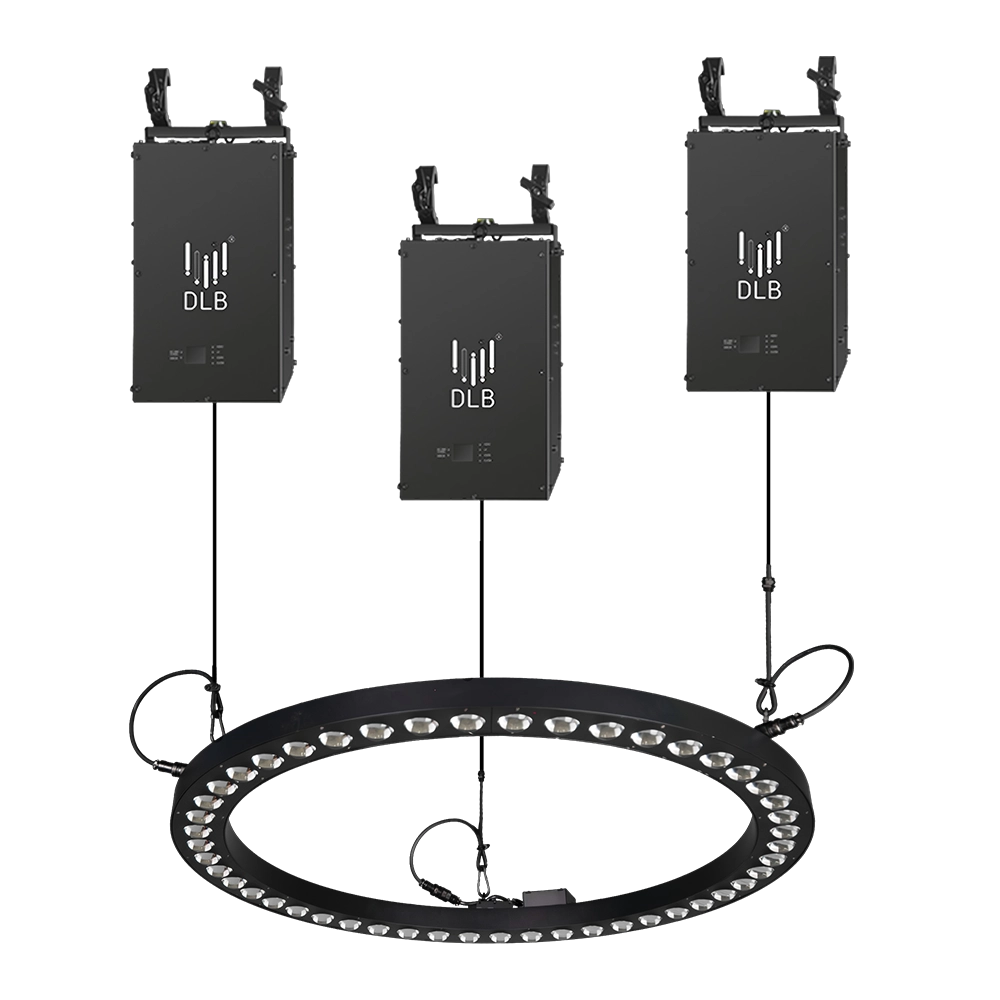
Kinetic Halo Ring——Ideal for a wide range of large-scale events: commercial spaces, TV shows, concerts, nightclubs, and various other settings.
Experience dynamic illumination with the FENG-YI Kinetic Halo Ring. This versatile kinetic light is perfect for large-scale events—commercial spaces, TV shows, concerts, and nightclubs—delivering stunning kinetic ring light effects that captivate every audience.
Kinetic Arc Light——Ideal for a wide range of large-scale events: commercial spaces, TV shows, concerts, nightclubs, and various other settings.
FENG-YI’s Kinetic Arc Light is a kinetic triangle LED light panel designed for large-scale events. Perfect for commercial spaces, TV shows, concerts, and nightclubs, it delivers dynamic lighting effects that captivate audiences and elevate any setting. Ideal kinetic light solution.
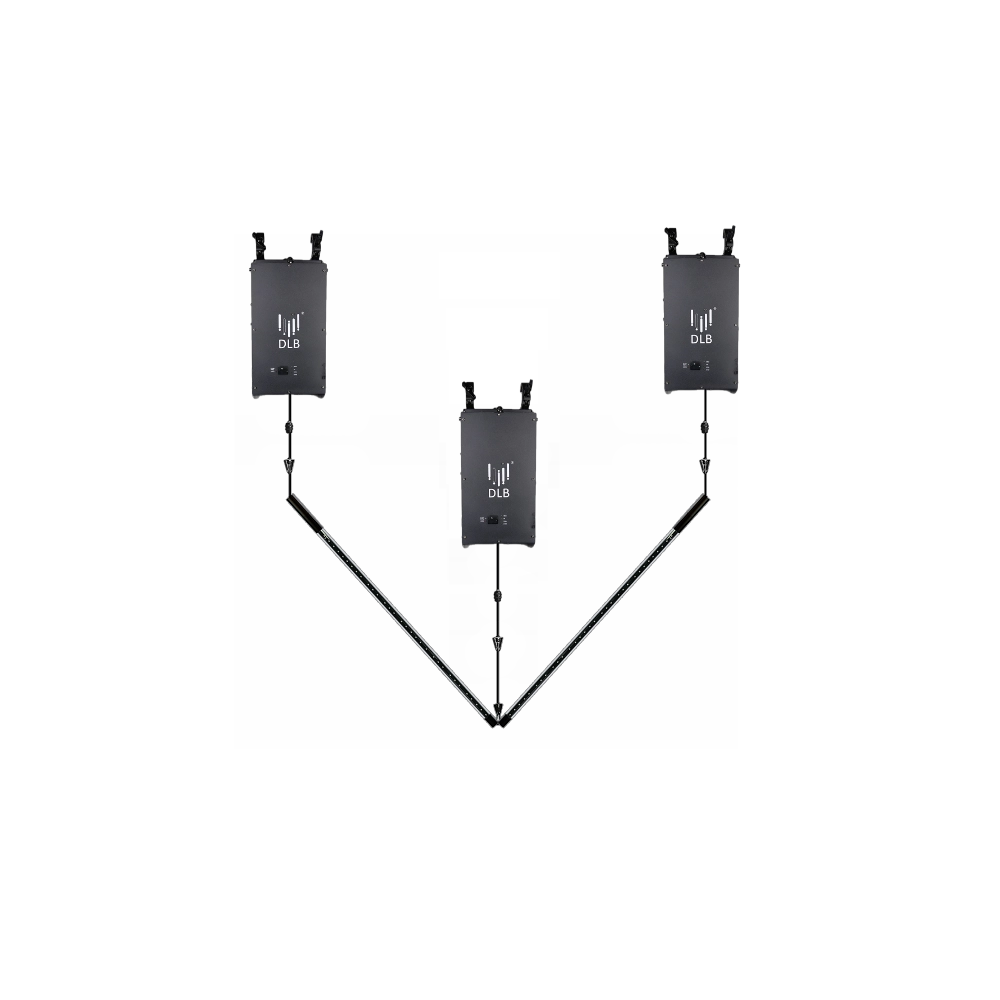
Kinetic Double Rod——Ideal for a wide range of large-scale events: commercial spaces, TV shows, concerts, nightclubs, and various other settings.
FENG-YI’s Kinetic Double Rod delivers dynamic kinetic light effects ideal for large-scale events—from concerts and nightclubs to TV shows and commercial spaces. Elevate your setup with this versatile kinetic light rod, designed for stunning visual impact and seamless integration.
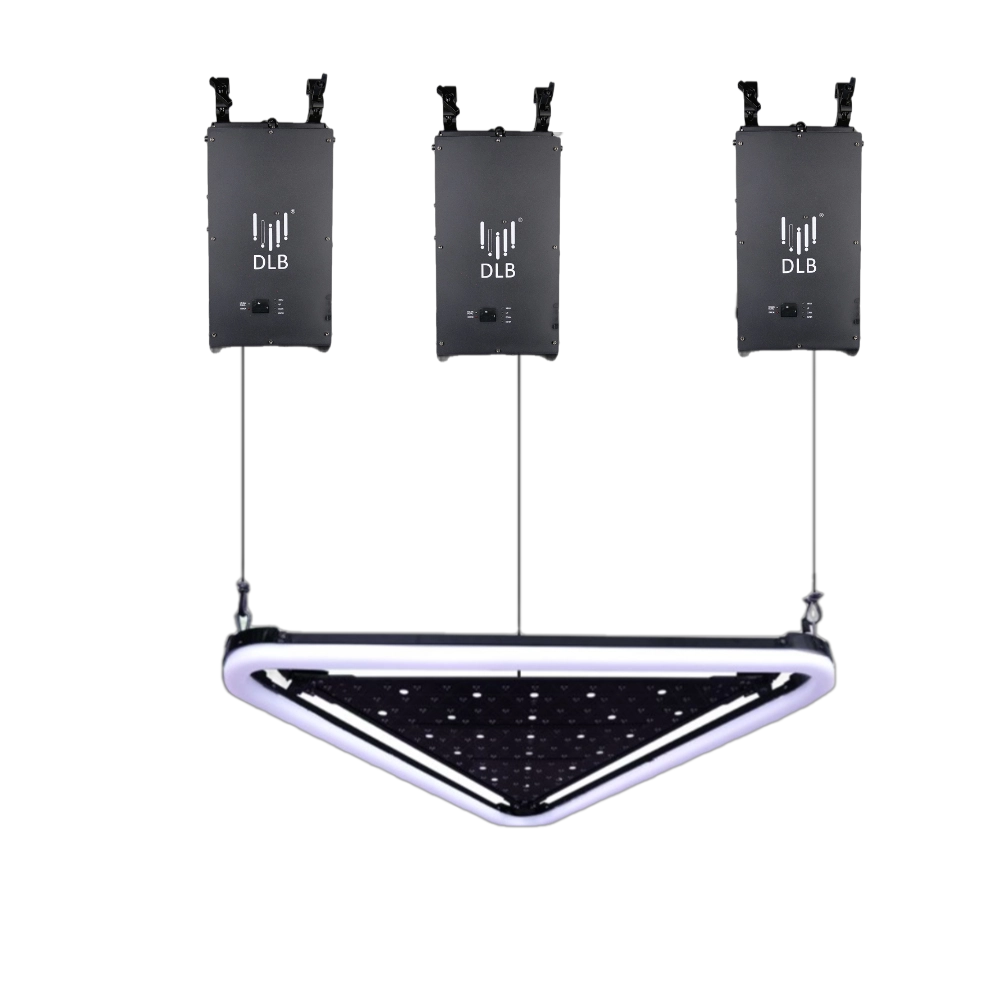
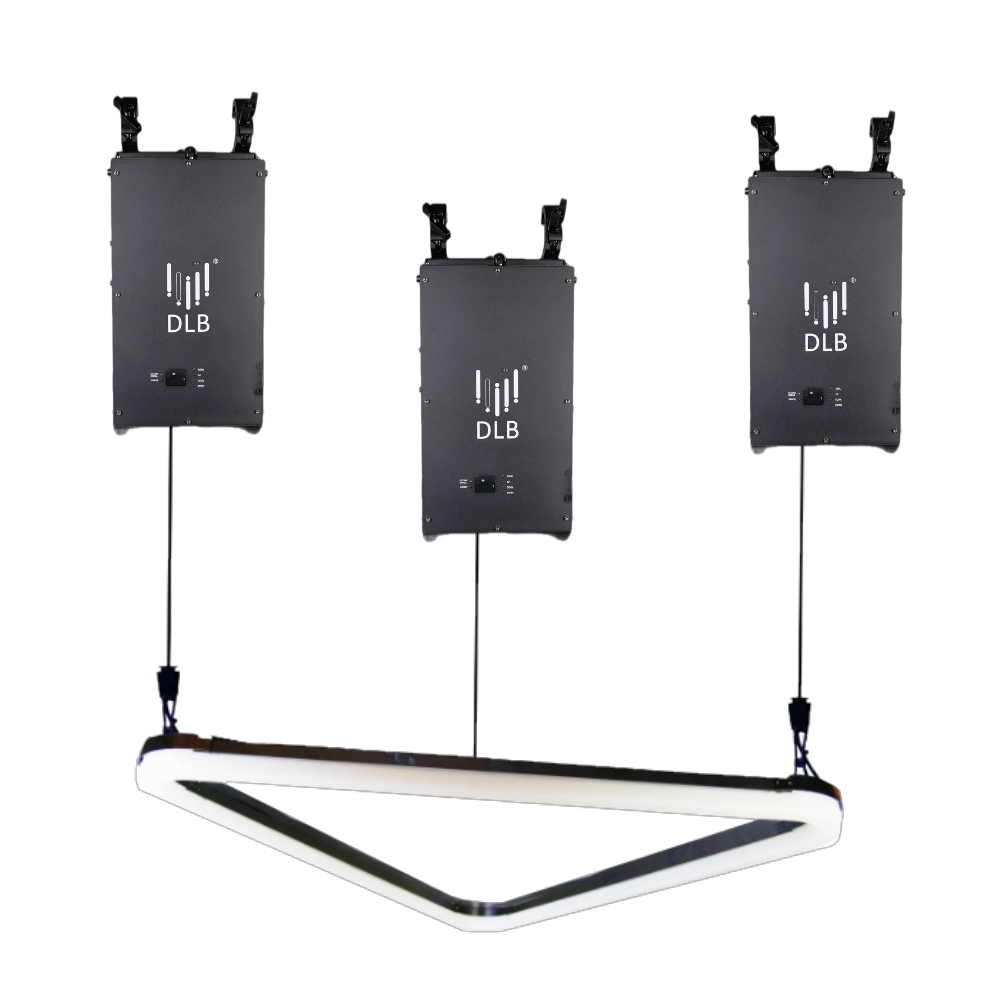
Kinetic Arc Panel——Ideal for a wide range of large-scale events: commercial spaces, TV shows, concerts, nightclubs, and various other settings.
FENG-YI’s Kinetic Arc Panel features dynamic kinetic light technology with kinetic triangle LED light panels, perfect for enhancing large-scale events like concerts, TV shows, nightclubs, and commercial spaces. Elevate your visual experience with innovative, high-impact lighting solutions.
Want to learn more about the latest updates?
Have questions or ready to illuminate your project? Reach out to our expert team today.
Rest assured that your privacy is important to us, and all information provided will be handled with the utmost confidentiality.
By clicking "Send your message," I agree to your processing my personal data.
To see how to withdraw your consent, how to control your personal data, and how we process it, please see our Privacy Policy and Terms of Use.

FENG-YI has been continuously innovating and has grown into a Kinetic Lights Manufacturer and solution provider with unique advantages.
Contact
+86 181 2785 5301
Address
Building 5, No. 34, Fuyuan Road, Jinghu IndustrialZone, Xinhua Town, Huadu District, Guangzhou, China.
© 2025 FENG-YI. All Rights Reserved.
Facebook
Instagram
YouTube
TikTok