










Buying Guide: How to Choose a Kinetic Arc Light
Comprehensive buying guide for choosing a kinetic light solution for large-scale events. Learn what technical specs, control systems, installation, visuals, and after-sales factors to evaluate when selecting a kinetic lights product like FENG-YI’s Kinetic Arc Light.
- Buying Guide: How to Choose a Kinetic Arc Light
- What is a kinetic light and why kinetic lights matter for large-scale events
- Define your purpose early: event type and creative goals (kinetic lights)
- Key technical factors to evaluate when choosing a kinetic light
- Brightness, color fidelity and visual performance
- Motion systems and kinetic design considerations
- Control and network compatibility: DMX, Art-Net, sACN and media servers
- Installation, rigging and safety for kinetic lights
- Durability, maintenance and total cost of ownership
- Comparing options: Kinetic Arc Light vs. conventional LED panels and other kinetic lights
- Scalability and multi-fixture synchronization
- Testing, warranty and after-sales support
- How to evaluate suppliers and choose the right partner
- Brand summary: Why consider FENG-YI’s Kinetic Arc Light
- FAQ — Frequently Asked Questions about Kinetic Arc Light and kinetic lights
- Contact us / View product
- Authoritative references and further reading
Buying Guide: How to Choose a Kinetic Arc Light
What is a kinetic light and why kinetic lights matter for large-scale events
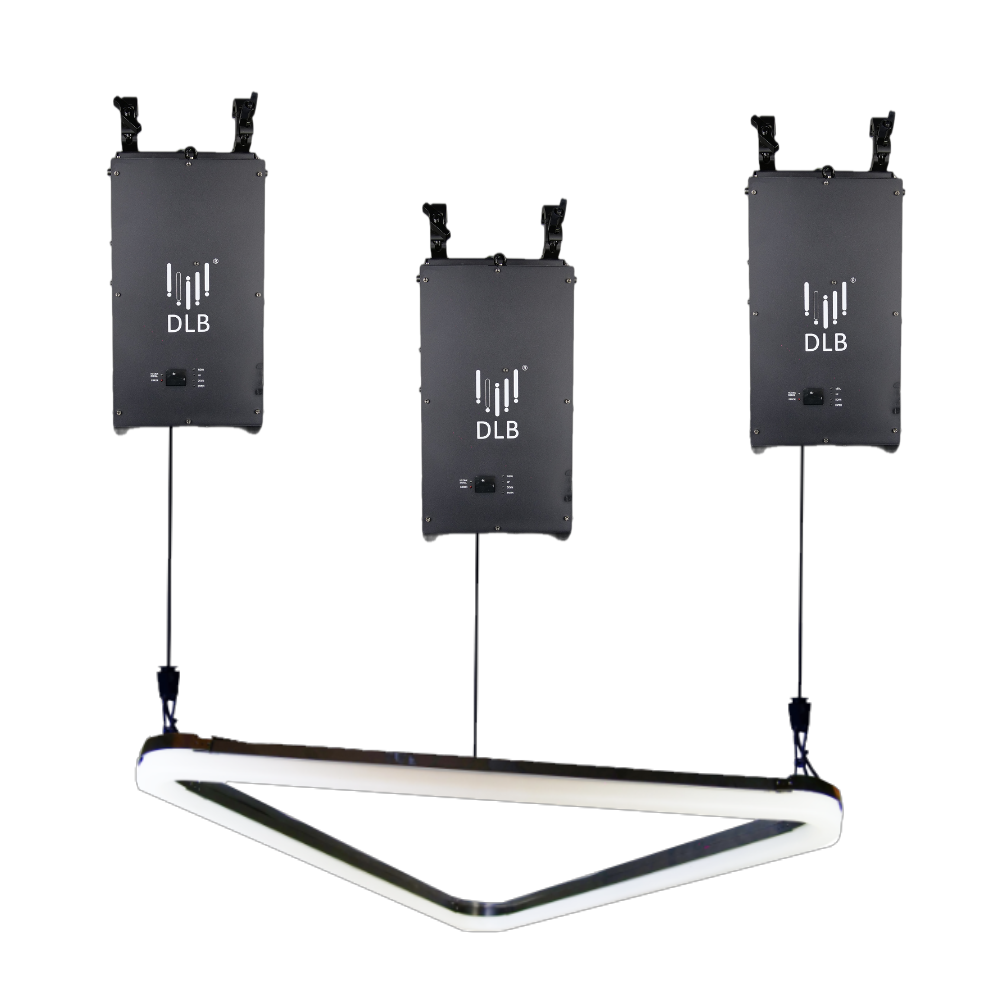
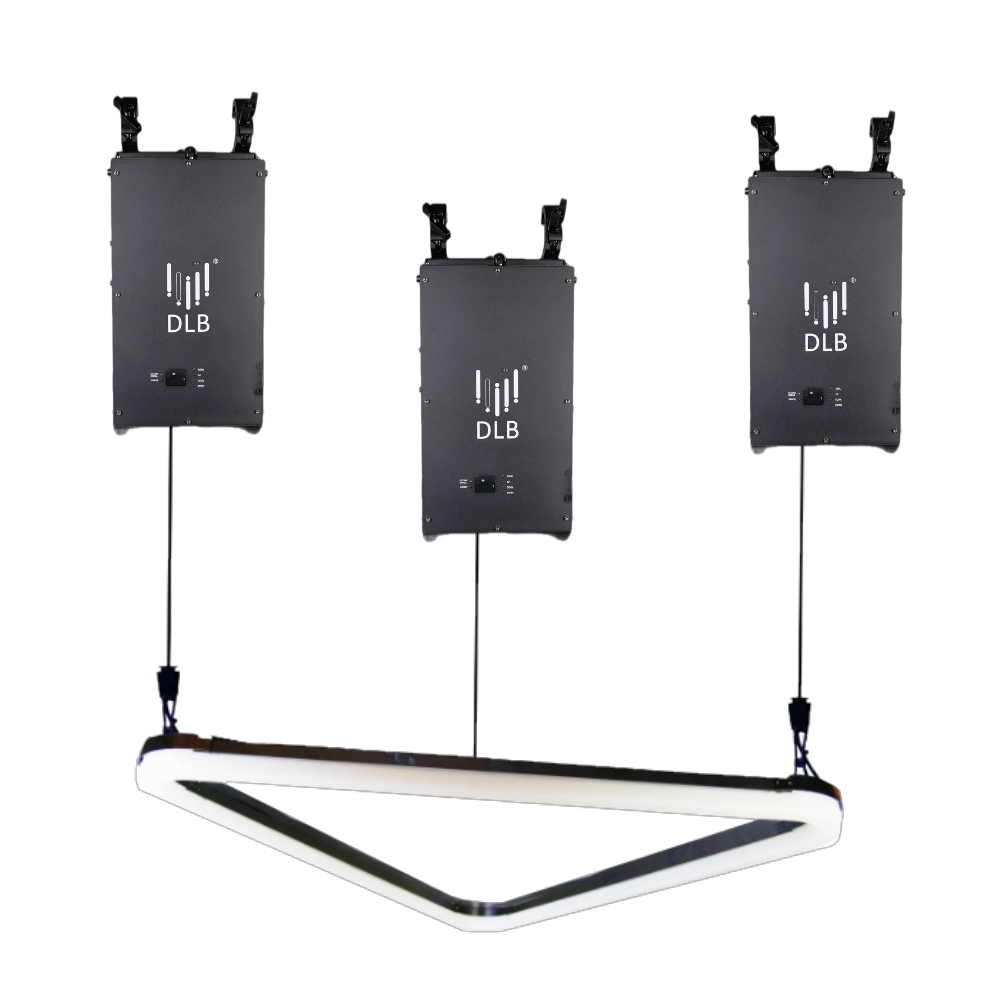
Kinetic lights combine motion and illumination to produce dynamic, three-dimensional lighting effects. Unlike fixed LED panels, kinetic lights move—tilting, rotating or changing shape—to create evolving visuals that enhance atmosphere, storytelling and stage dynamics. For commercial spaces, TV shows, concerts, nightclubs and other large-scale events, kinetic lights can transform environments by adding motion, depth and responsive interaction. FENG-YI’s Kinetic Arc Light is a kinetic triangle LED light panel designed for these large-scale applications, delivering captivating motion and precise color control that elevate any setting.
Define your purpose early: event type and creative goals (kinetic lights)
Before evaluating hardware, clarify what you need the kinetic lights to achieve. Ask: Are you looking for atmospheric wash, high-impact visual effects, synchronized motion across multiple fixtures, or pixel-level media mapping? For TV and broadcast you’ll prioritize flicker-free output, color accuracy and compact rigging. For concerts and nightclubs you might emphasize brightness, robustness and dramatic movement. For commercial spaces, longevity and low maintenance may be paramount. Clear goals make it easier to match features—such as the Kinetic Arc Light’s dynamic motion and high-color rendering—to real-world needs.
Key technical factors to evaluate when choosing a kinetic light
Choosing the right kinetic lights involves evaluating several technical attributes. Focus on these critical specifications:
- Brightness and luminous output (lumens or lux at distance)
- Color capabilities (RGB, RGBW, COB, CRI/RA and CCT range)
- Motion characteristics (degrees of freedom, rotation speed, repeatability)
- Control protocols (DMX512, Art-Net, sACN, RDM) and pixel mapping support
- Refresh rate and flicker-free performance (critical for TV/film)
- Power consumption and cooling (efficiency, thermal management)
- Build quality, IP rating and rigging points for safety
For the Kinetic Arc Light, look for specifics such as triangle geometry, pixel density, motor precision, protocol compatibility and recorded flicker performance. These details determine whether a fixture meets your reliability and visual-performance expectations.
Brightness, color fidelity and visual performance
High brightness is essential for large venues, but color fidelity is equally important—especially in broadcast and branded environments. Check for:
- Measured lux at set distances and beam angle specifications.
- Color mixing architecture: RGBW or advanced multi-chip LEDs for smoother whites and pastels.
- CRI or TM-30 metrics for accurate skin tones and product colors.
- Flicker-free drivers and high PWM frequencies to avoid banding on cameras.
FENG-YI’s Kinetic Arc Light is engineered to deliver vibrant colors and smooth color transitions suited to broadcast and live performance. When comparing fixtures, request photometric data from manufacturers and insist on camera tests for broadcast work.
Motion systems and kinetic design considerations
Motion defines kinetic lights: the motors, actuators and mechanical design affect speed, precision and reliability. Evaluate:
- Degrees of motion (pan/tilt/roll or custom axes)
- Maximum speed and acceleration limits for dramatic choreography
- Repeatability and positional accuracy for synchronized arrays
- Noise levels—important on quiet stages or TV sets
- Maintenance access to motors and moving parts
The Kinetic Arc Light’s triangle panel design delivers distinctive motion paths for sweeping arcs and layered visual compositions. For multi-panel setups, motor synchronization and jitter-free positioning are critical to cohesive effects.
Control and network compatibility: DMX, Art-Net, sACN and media servers
Control flexibility determines how easily kinetic lights integrate into show systems. Common protocols are DMX512 (legacy, simple), Art-Net and sACN (Ethernet-based). Evaluate if the fixture supports:
- DMX512 for direct console control
- Art-Net and sACN for large-network, pixel-mapped setups
- RDM for remote device management
- Native media server compatibility for video mapping and choreography
For complex shows, ensure the kinetic lights accept pixel mapping and can be addressed as media nodes. The Kinetic Arc Light supports standard protocols used by lighting desks and media servers, enabling pixel-level video content and coordinated motion cues.
Installation, rigging and safety for kinetic lights
Rigging kinetic systems requires planning. Consider weight, center-of-gravity changes during motion, mounting points, and redundancy. Important checklist items:
- Rated rigging points and working load limits (WLL)
- Safety cables and secondary restraints
- Clearances for moving parts and service access
- Electrical protection and proper circuiting
- IP rating for outdoor or damp environments
Comply with local regulations and industry best practices (for example, guidance from entertainment industry associations). FENG-YI designs its Kinetic Arc Light with secure rigging points and access panels to simplify installation and maintenance.
Durability, maintenance and total cost of ownership
Beyond purchase price, evaluate lifetime costs: energy use, replacement parts, motor wear, and firmware updates. Questions to ask suppliers:
- What is the LED and motor warranty?
- Are spare modules and service parts available regionally?
- How easy is field repair versus replacement?
- What are expected power draw and cooling needs during typical use?
Choose kinetic lights with modular components, good documentation, and accessible technical support. FENG-YI offers replacement parts and service support, helping reduce downtime and lifetime costs for the Kinetic Arc Light.
Comparing options: Kinetic Arc Light vs. conventional LED panels and other kinetic lights
Use this comparison table to weigh core differences when choosing fixtures for events.
| Feature | Kinetic Arc Light (FENG-YI) | Conventional LED Panel | Other Kinetic Lights (generic) |
|---|---|---|---|
| Motion | Triangle panel motion, synchronized multi-axis | Fixed | Varies; often simpler or single-axis |
| Best use | Concerts, TV, nightclubs, high-impact installations | Backdrop video, static visuals | Specialty effects, smaller shows |
| Pixel mapping | Yes; designed for pixel-mapped content | Yes; depending on model | Limited on some models |
| Rigging complexity | Moderate to high; secure motion rigging required | Low to moderate | Varies widely |
| Cost of ownership | Higher initial cost; strong creative value and lower maintenance design | Lower initial cost; may require more fixtures to match impact | Variable |
Scalability and multi-fixture synchronization
If your production needs to scale—multiple fixtures across a stadium or TV stage—you must plan for synchronized control, network topology and power distribution. Consider:
- Support for network protocols at scale (Art-Net / sACN)
- Clock synchronization and cue timing accuracy
- Physical mounting patterns and how motion interplay creates intended visuals
- Power distribution schemes and cable management
FENG-YI’s Kinetic Arc Light is designed with networked control and synchronization in mind, enabling designers to choreograph multiple moving panels as unified visual elements.
Testing, warranty and after-sales support
Always test potential fixtures in a representative environment. Request demo units or recorded footage under similar lighting, camera and stage conditions. Confirm warranty terms (LEDs, motors, electronics) and service-level agreements for spare parts and repairs. Strong after-sales support reduces risk for touring productions and permanent installations alike.
How to evaluate suppliers and choose the right partner
Beyond product specs, evaluate supplier reputation, case studies, and responsiveness. Important indicators of a reliable partner include:
- Documented case studies with similar-scale events
- On-site commissioning and technical training options
- Global spare-parts distribution and regional service centers
- Clear documentation for installation, network setup and maintenance
FENG-YI provides product documentation, examples of use in concerts and TV sets, and customer support to assist in planning, installation and operation of the Kinetic Arc Light.
Brand summary: Why consider FENG-YI’s Kinetic Arc Light
FENG-YI’s Kinetic Arc Light is tailored for large-scale events where motion, color and synchronization are essential. Key advantages include:
- Purpose-built geometry (triangle panel) for distinctive motion and layered visuals
- High color fidelity and flicker-free operation suitable for TV and broadcast
- Network-friendly control options for large, synchronized arrays
- Robust rigging and service access to reduce downtime
- Manufacturer support and replacement-part availability for long-term installations
For event planners and production designers seeking kinetic lights that combine visual impact with professional reliability, the Kinetic Arc Light represents a focused solution.
FAQ — Frequently Asked Questions about Kinetic Arc Light and kinetic lights
Q: What types of events are best suited for the Kinetic Arc Light?
A: The Kinetic Arc Light is ideal for concerts, TV and broadcast sets, nightclubs, and large commercial installations where dynamic motion and high visual impact are required.
Q: Will kinetic lights cause flicker on camera?
A: Flicker is avoidable when fixtures use high-frequency PWM or current-regulated drivers and are tested with cameras. For broadcast use, request camera-test data. FENG-YI designs its Kinetic Arc Light for flicker-free operation at common camera frame rates.
Q: How are multiple Kinetic Arc Lights synchronized?
A: Synchronization is achieved through Art-Net or sACN networks, with media servers and lighting consoles providing timed cues. Ensure network architecture is planned to avoid latency and packet loss.
Q: What safety checks are needed when rigging kinetic systems?
A: Verify rigging points, use safety cables, allow motion clearances, ensure correct WLL ratings, and follow local codes. Regularly inspect mechanical and electrical connections and adhere to manufacturer installation guides.
Q: What maintenance do kinetic lights require?
A: Typical maintenance includes cleaning optics, checking and lubricating mechanical parts per schedule, firmware updates, and replacing LED modules or motors if needed. Modular design simplifies part replacement.
Contact us / View product
If you’re ready to evaluate FENG-YI’s Kinetic Arc Light for your next production or installation, contact our sales team for demos, technical data sheets and quote assistance. For immediate product details and specifications, request a datasheet or on-site demo: sales@feng-yi.com (example contact) or visit the product page on the vendor site to request a demo.
Authoritative references and further reading
Below are authoritative resources used for background on lighting, kinetics and industry best practices:
- Wikipedia — Kinetic art: https://en.wikipedia.org/wiki/Kinetic_art
- Wikipedia — Stage lighting: https://en.wikipedia.org/wiki/Stage_lighting
- Wikipedia — Light-emitting diode: https://en.wikipedia.org/wiki/Light-emitting_diode
- Entertainment Services and Technology Association (ESTA): https://www.esta.org
- Occupational Safety and Health Administration (OSHA) — Electrical safety and rigging guidance: https://www.osha.gov
Choosing the right kinetic lights requires balancing creative goals, technical requirements and practical installation concerns. By prioritizing visual performance, control compatibility, safety, and vendor support—and by testing fixtures in real-world conditions—you can select a kinetic solution like FENG-YI’s Kinetic Arc Light that delivers reliable, stunning results for large-scale events.
Tags
Kinetic Glass Raindrop
Kinetic Glass Raindrop
led kinetic lighting lifting ball light
led kinetic lighting lifting ball light
kinetic light table lamp
kinetic light table lamp
outdoor kinetic light installation
outdoor kinetic light installation
Kinetic light fixtures
Kinetic light fixtures
Kinetic Beam Ball
Kinetic Beam Ball
Recommended for you
DIY kinetic light projects for beginners
Kinetic Lights Energy Use: Efficiency and Costs
How kinetic lighting works: mechanisms and technologies
Cost Breakdown: Waterproof Profile Light Installation
Prdoucts Categories
Question you may concern
Logistics Services
Can urgent orders (e.g., customers need the lights the next day) be arranged for expedited shipment?
Expedited shipment is supported for urgent orders: For standard models (e.g., conventional PAR lights, 7-lamp 60W wash lights), if stock is sufficient, SF Express/JD Air Freight can be arranged on the same day (freight is borne by the customer; e.g., the air freight for 10 conventional lights is approximately 200-300 RMB), with next-day delivery. For standard models out of stock, expedited production can be arranged (shipment within 3 days), and an expedited fee (10%-15% of the order amount) will be charged. Specific details to be confirmed with the account manager.
Wedding & Parties Lighting Solutions
How is safety ensured?
Encoder closed-loop control, emergency stop circuits, software/hardware limit switches, load monitoring, and collision-avoidance zones. A comprehensive pre-performance checklist is provided.
After-Sales Support
Can technical training be provided? For example, teaching customers how to debug DMX consoles and set light addresses.
Free technical training is supported:
▪ Online training: Operation video tutorials and live teaching (e.g., a "DMX Light Control Practical Course" once a month) are provided.
▪ Offline training: For wholesale customers (with a single purchase of ≥ 100 units), technicians can be arranged for on-site training (1-2 days, including console debugging, address setting, and fault troubleshooting).
▪ Customized training: For large-scale projects (e.g., stadium lighting projects), on-site technical guidance can be provided (charged based on the project cycle, specific details to be negotiated).
Nightclub Lighting
Can your company provide design solutions?
Of course. We can provide a lighting design based on your budget and desired effect. Once the design is finalized, we can provide a 3D simulation video to give you a clear understanding of the overall design.
You may also like
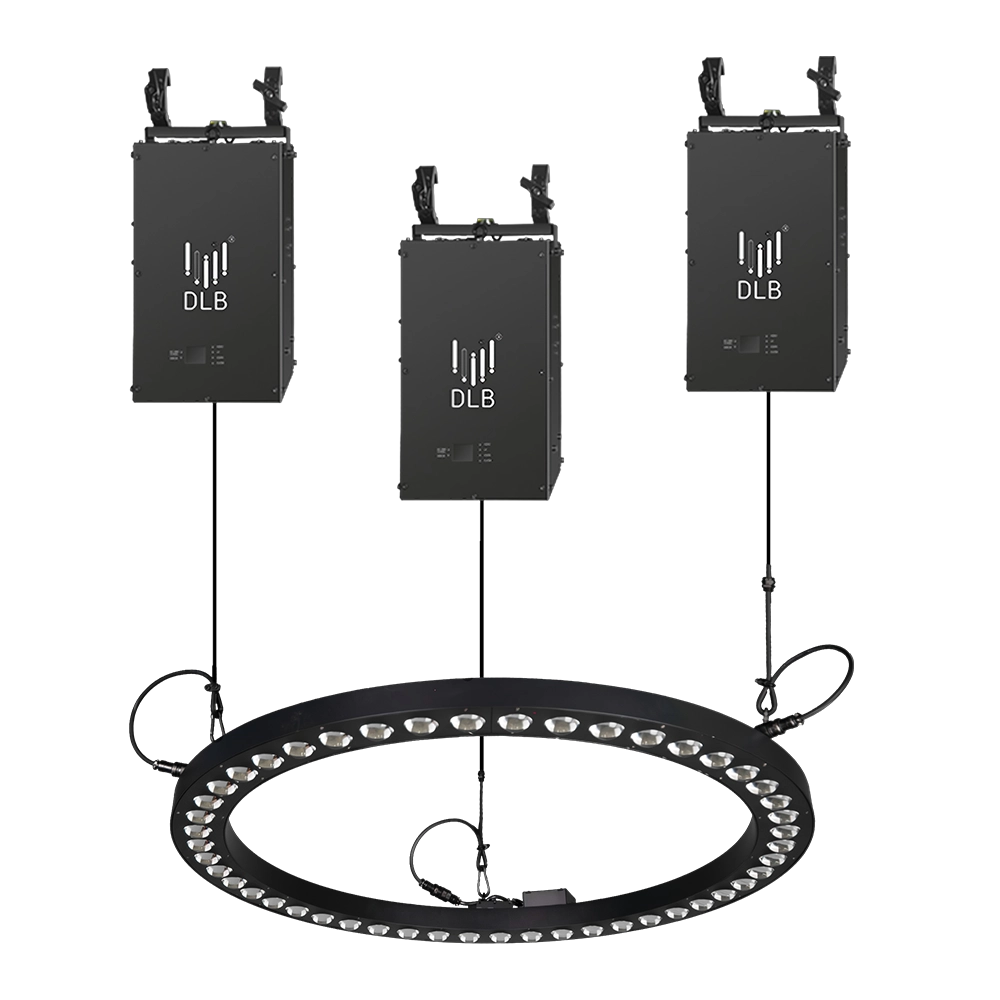
Kinetic Halo Ring——Ideal for a wide range of large-scale events: commercial spaces, TV shows, concerts, nightclubs, and various other settings.
Experience dynamic illumination with the FENG-YI Kinetic Halo Ring. This versatile kinetic light is perfect for large-scale events—commercial spaces, TV shows, concerts, and nightclubs—delivering stunning kinetic ring light effects that captivate every audience.
Kinetic Arc Light——Ideal for a wide range of large-scale events: commercial spaces, TV shows, concerts, nightclubs, and various other settings.
FENG-YI’s Kinetic Arc Light is a kinetic triangle LED light panel designed for large-scale events. Perfect for commercial spaces, TV shows, concerts, and nightclubs, it delivers dynamic lighting effects that captivate audiences and elevate any setting. Ideal kinetic light solution.
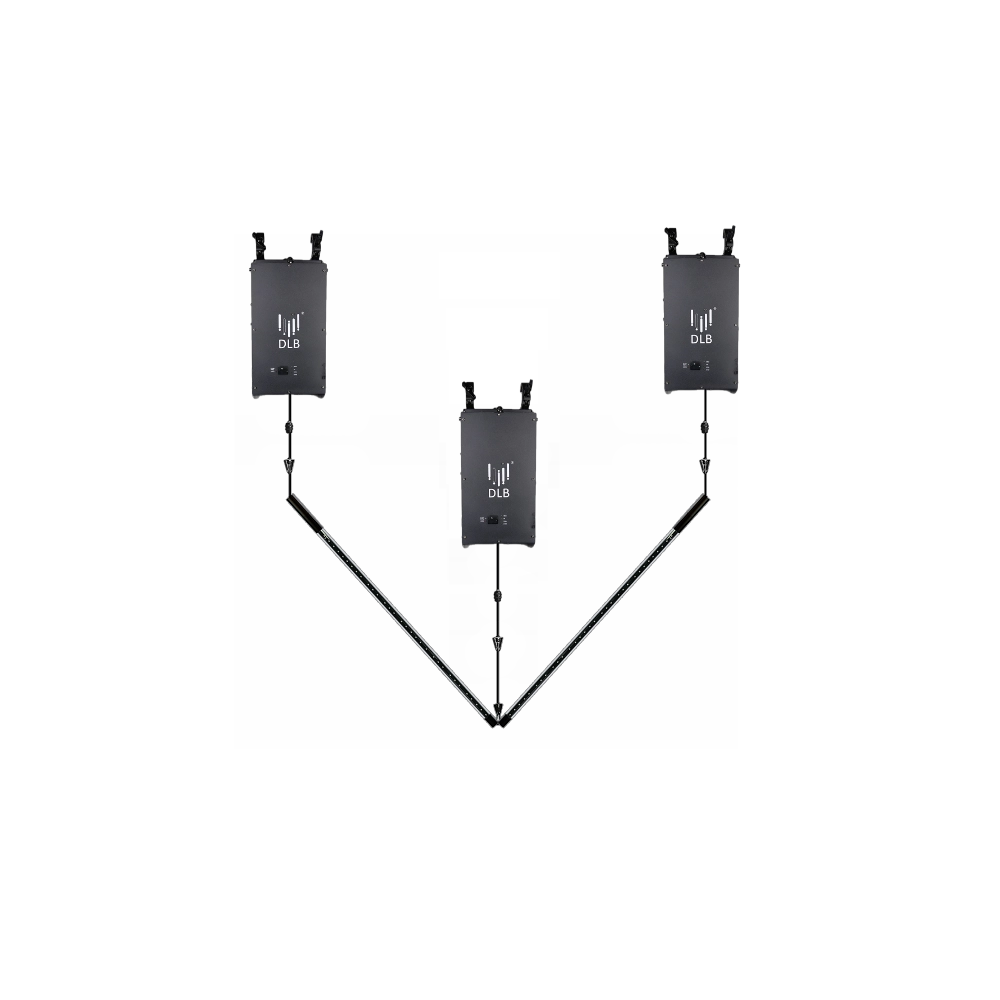
Kinetic Double Rod——Ideal for a wide range of large-scale events: commercial spaces, TV shows, concerts, nightclubs, and various other settings.
FENG-YI’s Kinetic Double Rod delivers dynamic kinetic light effects ideal for large-scale events—from concerts and nightclubs to TV shows and commercial spaces. Elevate your setup with this versatile kinetic light rod, designed for stunning visual impact and seamless integration.
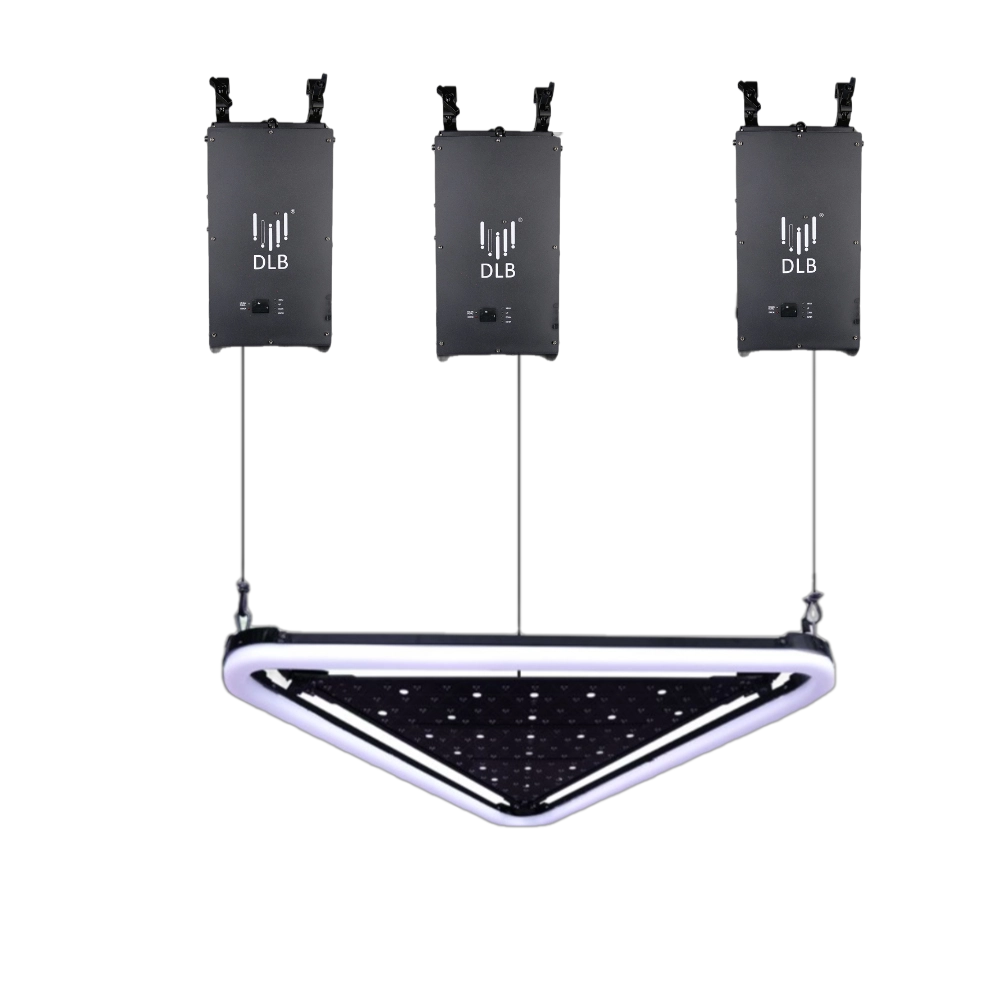
Kinetic Arc Panel——Ideal for a wide range of large-scale events: commercial spaces, TV shows, concerts, nightclubs, and various other settings.
FENG-YI’s Kinetic Arc Panel features dynamic kinetic light technology with kinetic triangle LED light panels, perfect for enhancing large-scale events like concerts, TV shows, nightclubs, and commercial spaces. Elevate your visual experience with innovative, high-impact lighting solutions.
Want to learn more about the latest updates?
Have questions or ready to illuminate your project? Reach out to our expert team today.
Rest assured that your privacy is important to us, and all information provided will be handled with the utmost confidentiality.
By clicking "Send your message," I agree to your processing my personal data.
To see how to withdraw your consent, how to control your personal data, and how we process it, please see our Privacy Policy and Terms of Use.

FENG-YI has been continuously innovating and has grown into a Kinetic Lights Manufacturer and solution provider with unique advantages.
Contact
+86 181 2785 5301
Address
Building 5, No. 34, Fuyuan Road, Jinghu IndustrialZone, Xinhua Town, Huadu District, Guangzhou, China.
© 2025 FENG-YI. All Rights Reserved.
Facebook
Instagram
YouTube
TikTok