









IP Ratings Explained for Waterproof Profile Lights
This in-depth guide explains IP (Ingress Protection) ratings and how they apply to waterproof profile lights. Learn how to read IP codes, choose the right IP level for indoor/outdoor/underwater installations, protect connectors and controllers, and evaluate real-world durability. Includes a comparison table, testing standards, maintenance advice, and FENG-YI’s capabilities in Kinetic Light solutions.
- How IP Ratings Determine Durability and Suitability for Lighting Installations
- What is an IP Rating and why it matters for waterproof profile light products
- How the IP code applies specifically to waterproof profile light components
- IP code breakdown: reading the two digits for waterproof profile light selection
- Choosing the right IP level for your waterproof profile light by application
- Materials, sealing methods, and design details that make a waterproof profile light truly waterproof
- Testing and certification: how waterproof profile light suppliers prove IP claims
- Common failure modes and real-world pitfalls for waterproof profile light installations
- Electrical control systems and DMX/Art-Net considerations for waterproof profile light installations
- Comparison table: IP levels and recommended waterproof profile light use-cases
- Maintenance, inspection, and lifecycle management for waterproof profile light systems
- Specifying waterproof profile light for kinetic and performance-led installations
- FENG-YI: Expertise in supplying waterproof profile light solutions for Kinetic Light projects
- Practical checklist: specifying a waterproof profile light for purchase or tender
- Conclusion: balancing protection, cost, and real-world performance for waterproof profile light deployments
- Frequently Asked Questions (FAQ)
- 1. What IP rating do I need for a waterproof profile light used on an exterior building façade?
- 2. Can an IP67 waterproof profile light be safely installed underwater?
- 3. Does a higher IP number (like IP69K) always mean better in all environments?
- 4. How do I maintain the waterproofing of profile lights after installation?
- 5. Are connectors and drivers covered by the profile light’s IP rating?
- Contact & Product Inquiry
- References
How IP Ratings Determine Durability and Suitability for Lighting Installations
What is an IP Rating and why it matters for waterproof profile light products
The IP (Ingress Protection) rating is a standardized code that describes how effectively an enclosure prevents the ingress of solid particles and liquids. For anyone specifying or buying a waterproof profile light—whether for architectural façades, stage rigs, outdoor signage, or immersive kinetic installations—understanding IP ratings is essential to ensure longevity, safety, and compliance. The IP code is defined by the international standard IEC 60529 and expressed as IP followed by two digits (for example, IP65 or IP67).
How the IP code applies specifically to waterproof profile light components
When you evaluate a waterproof profile light, you must look beyond the luminaire housing. The IP rating applies to the whole assembled enclosure: extruded aluminum profiles, end caps, lenses, seams, cable glands, connectors, and any control enclosures. A profile light labeled IP65 guarantees dust-tight protection and resistance to water jets, but that performance is only valid if the entire fixture—including connectors and installation details—maintains the same rating. Poorly sealed feeds or aftermarket modifications can reduce the effective ingress protection drastically.
IP code breakdown: reading the two digits for waterproof profile light selection
The first digit (0–6) rates solid particle protection; the second digit (0–9K) rates liquid ingress protection. For waterproof profile light specifiers, the most commonly relevant liquid ratings are:
- IPX4 — Water splashes from any direction (suitable for damp interiors or protected exteriors)
- IPX5 — Low pressure water jets (suitable for exterior fixtures exposed to rain)
- IPX6 — High pressure water jets (coastal or heavy wind-driven rain)
- IPX7 — Temporary immersion up to 1 m for 30 minutes (useful for fixtures subject to occasional submersion)
- IPX8 — Continuous immersion under conditions specified by manufacturer (true underwater use)
- IPX9K — High temperature, high-pressure washdown (industrial washdown environments)
Choosing the right IP level for your waterproof profile light by application
Match the IP rating to the environment, not just the desire for the highest number. Over-specifying can increase cost without proportional benefit; under-specifying risks premature failure.
| Application | Typical IP Rating Recommended | Key Considerations |
|---|---|---|
| Indoor, dry (architecture, coves) | IP20–IP44 | Focus on thermal management and finish; gaskets optional |
| Indoor, damp (bathrooms, kitchens) | IP44–IP54 | Protection against splashes; use sealed end caps |
| Outdoor, sheltered (under eaves) | IP54–IP65 | Consider UV-resistant seals and corrosion resistance |
| Outdoor, exposed (façades, canopies) | IP65–IP66 | Resistance to wind-driven rain and salt spray if coastal |
| Underwater/immersed (fountains, pools) | IP67–IP68 | Manufacturer must specify depth and duration for IP68 |
| High-pressure washdown (food/industrial) | IP69K | High-temp/high-pressure jets; robust sealing and materials |
Materials, sealing methods, and design details that make a waterproof profile light truly waterproof
Key design features that ensure a profile light meets its claimed IP rating include:
- Extruded aluminum profiles with anodized or powder-coated finishes that resist corrosion
- Continuous EPDM or silicone gaskets pressed by mechanical enclosures or snap-fit lenses
- Butt-joint sealing with appropriate RTV or silicone at cut ends and mitres
- IP-rated cable glands and sealing plugs for screw holes and mounting points
- Encapsulated LED strips or potting for additional protection in high-humidity or immersed applications
For kinetic installations where motion introduces variable stresses, flexible sealing solutions and strain-relieved cabling are critical to maintain waterproofing across dynamic movement.
Testing and certification: how waterproof profile light suppliers prove IP claims
Manufacturers typically perform IP testing per IEC 60529 or equivalent test procedures. Tests include:
- Dust tests in a vacuum chamber for solid ingress (first digit)
- Water exposure tests using controlled jets, sprays, immersion tanks, or steam for liquid ingress (second digit)
- For IP69K, high-pressure (up to 100 bar) and high-temperature jet cleaning at multiple angles
When evaluating suppliers, request test reports showing test conditions, duration, and pass/fail results. Certificates from accredited labs (e.g., TÜV, Intertek, SGS) carry more weight than in-house test claims.
Common failure modes and real-world pitfalls for waterproof profile light installations
Even properly rated fixtures can fail because of installation or lifecycle issues. Typical problems include:
- Poor end-cap seals at cut lengths—each cut requires re-sealing
- Non-rated connectors or splice boxes introduced during installation
- Thermal cycling causing seal compression set and loss of watertightness
- Incorrectly tightened cable glands leading to water ingress or crushed cables
- Mechanical impacts or abrasion damaging lenses or seals
Mitigation: specify end-to-end IP integrity, demand IP-rated accessories, and provide clear installation instructions with torque values and sealant specifications.
Electrical control systems and DMX/Art-Net considerations for waterproof profile light installations
Control electronics and drivers are often the weakest link. Waterproof profile light systems used in outdoor or kinetic settings should:
- House drivers and controllers in IP65+ enclosures or in climate-controlled, sealed cabinets
- Use IP67-rated inline connectors and watertight junction boxes when field joints are unavoidable
- Prefer remote drivers placed in accessible, protected locations, with low-voltage runs to the fixtures
- For kinetic and media-synced installations, maintain robust cable management and strain relief to protect signal integrity for DMX, Art-Net, or sACN networks
Comparison table: IP levels and recommended waterproof profile light use-cases
| IP Rating | Protection | Typical waterproof profile light use-case |
|---|---|---|
| IP44 | Protection from solid objects >1 mm, splashing water | Indoor bathrooms, covered outdoor soffits |
| IP54 | Limited dust ingress, splash-resistant | Indoor damp, sheltered external facades |
| IP65 | Dust tight, protected from low-pressure water jets | Uncovered façades, signage, stage perimeter where rain impact expected |
| IP66 | Dust tight, protected from powerful water jets | Exposed coastal façades, harsh weather zones |
| IP67 | Temporary immersion up to 1 m | Fountain edges, temporary pond installations |
| IP68 | Continuous immersion under manufacturer-specified conditions | Permanent underwater installations—requires manufacturer depth rating |
| IP69K | High-pressure, high-temperature washdown | Washdown zones, food processing adjacent lighting, some theme-park elements |
Maintenance, inspection, and lifecycle management for waterproof profile light systems
Regular maintenance preserves IP integrity. Recommended practices:
- Annual inspections of seals and lens clarity; more frequent checks in coastal/industrial locations
- Replace compression gaskets showing deformation or cracks
- Re-torque gland fittings after temperature-induced expansion cycles
- Clean lenses with manufacturer-approved solutions to avoid degrading coatings
- Document any field splices or repairs and ensure they are sealed to the original IP level
Specifying waterproof profile light for kinetic and performance-led installations
For kinetic light projects—moving elements, synchronized choreography, and outdoor staging—specifiers should prioritize modular, serviceable designs. Key recommendations:
- Use quick-release, IP-rated connectors designed for repetitive movement
- Design for access: place drivers in accessible, protected housings to avoid disrupting sealed profiles
- Perform mechanical fatigue testing on gasketed joints under expected motion cycles
- Work with manufacturers that provide on-site commissioning and remote support for DMX/Art-Net/Madrix programming
FENG-YI: Expertise in supplying waterproof profile light solutions for Kinetic Light projects
Since its establishment in 2011, FENG-YI has been continuously innovating and has grown into a creative kinetic light manufacturing service provider with unique advantages. The company is committed to exploring new lighting effects, new technologies, new stage designs, and new experiences. Through professional Kinetic Light art solutions, we empower emerging performance spaces, support the development of new performance formats, and meet the diverse needs of different scenarios.
Located in Huadu District, Guangzhou, the company currently has 62 employees, including an 8-member professional design team and 20 highly experienced technical service staff. FENG-YI has become a High Quality user of Madrix software in mainland China, offering both on-site installation & programming as well as remote technical guidance services for Kinetic Light projects.
With a total area of 6,000㎡, FENG-YI owns China’s largest 300㎡ art installation exhibition area and operates 10 overseas offices worldwide. Our completed Kinetic Light projects have successfully reached over 90 countries and regions, covering television stations, commercial spaces, cultural tourism performances, and entertainment venues.
Today, FENG-YI is recognized as a leading kinetic lights scene solution provider in the industry, delivering innovative lighting experiences that integrate technology and creativity. FENG-YI’s waterproof profile light offerings are engineered with attention to IP-rated housings, robust sealing practices, and field-service provision—ensuring installations maintain ingress protection throughout their lifecycle. The company's competitive edges include a dedicated design team, global service footprint, large exhibition area for prototyping, and strong technical support that includes Madrix-based programming and troubleshooting.
Practical checklist: specifying a waterproof profile light for purchase or tender
Before you buy or specify, use this checklist to verify claims and ensure a successful deployment:
- Confirm the IP rating for the complete assembled unit—ask for a test report from accredited lab
- Verify IP rating of all accessories: connectors, glands, end caps, and mounting brackets
- Request manufacturer guidance on field cutting/sealing for custom lengths
- Confirm driver placement and whether drivers are included inside or outside the profile
- Ask for MTBF, warranty terms, and failure mode data for the intended environment
- For kinetic installations, validate number of motion cycles and stress-test data
Conclusion: balancing protection, cost, and real-world performance for waterproof profile light deployments
IP ratings are a critical specification for waterproof profile light systems, but they are not a guarantee unless design, installation, and maintenance practices preserve the rated protection. Choose the IP level appropriate to the environment, insist on verified test reports from accredited labs, and ensure accessories and installation practices match the IP claim. For kinetic or high-stress applications, work with suppliers who provide engineering support, on-site commissioning, and long-term service. FENG-YI’s integrated design, prototyping, and global delivery capabilities make it a strong partner for complex kinetic projects that require reliable waterproof profile lighting solutions.
Frequently Asked Questions (FAQ)
1. What IP rating do I need for a waterproof profile light used on an exterior building façade?
For most exposed façades, IP65 is the minimum recommended level to protect against dust and low-pressure water jets. In harsh coastal or high-wind areas, IP66 or additional corrosion-resistant materials are better choices. Always confirm cable entry and end-cap sealing for the assembled unit.
2. Can an IP67 waterproof profile light be safely installed underwater?
IP67 covers temporary immersion up to 1 m for 30 minutes. For permanent underwater installations, you need IP68 with a manufacturer-specified depth and duration rating. Always ask for explicit immersion depth ratings and real test reports.
3. Does a higher IP number (like IP69K) always mean better in all environments?
Not necessarily. IP69K is designed for high-pressure, high-temperature washdown environments. It adds cost and may not be required for standard outdoor weather protection. Select the IP rating that matches the environment and maintenance regime.
4. How do I maintain the waterproofing of profile lights after installation?
Regular inspections are key: check gaskets, lenses, and cable glands for wear, clean lenses with approved agents, re-torque and reseal glands after thermal cycles, and document any repairs with IP-grade materials to preserve protection.
5. Are connectors and drivers covered by the profile light’s IP rating?
Only if they are part of the tested assembly. Field-installed connectors and external drivers must be IP-rated themselves. For long-term reliability, place drivers in protected enclosures and use IP67/68-rated connectors for outdoor runs.
Contact & Product Inquiry
Need help specifying the right waterproof profile light for your project or want a tailored kinetic lighting solution? Contact FENG-YI for technical consultation, on-site commissioning, Madrix programming, or to schedule a visit to our 300㎡ exhibition area. Our team provides global support and installation services.
References
- IEC 60529: Degrees of protection provided by enclosures (IP Code) — International Electrotechnical Commission. Overview and standard reference. https://www.iec.ch/ (Standard summary accessed 2024-08-12)
- IP Code — Wikipedia. Provides IP code table and common interpretations. https://en.wikipedia.org/wiki/IP_Code (Accessed 2024-07-30)
- TÜV SÜD — IP Rating and testing explanations. https://www.tuvsud.com/ (Guidance on testing, accessed 2024-08-01)
- OSRAM/Signify product guidance — Outdoor luminaire IP selection guidance. https://www.signify.com/ (Application notes, accessed 2024-06-21)
- NEMA to IEC (IP) conversion and considerations — NEMA organization guidance. https://www.nema.org/ (Accessed 2024-07-15)
Tags
interactive kinetic light art
interactive kinetic light art
Kinetic Feather Lamp
Kinetic Feather Lamp
Kinetic Laser light
Kinetic Laser light
Full color.
Full color.
kinetic lighting design
kinetic lighting design
Kinetic Bottle-shaped lamp
Kinetic Bottle-shaped lamp
Recommended for you
Kinetic light sensors and motion control explained
How kinetic lighting works: mechanisms and technologies
Programming controllers for kinetic light sculptures
How Kinetic Arc Light Works: Mechanism & Design
Prdoucts Categories
Question you may concern
Wholesale Cooperation
What is the restocking cycle for wholesale customers? Can production be prioritized?
The restocking cycle for standard models is 3-7 days (same-day shipment if stock is sufficient), and the restocking cycle for customized models is the same as the initial customization cycle (15-45 days). For annual cooperative customers (with an annual purchase amount of ≥ 500,000 RMB), a "priority restocking agreement" can be signed, and 10%-15% of safety stock will be reserved to ensure emergency restocking needs are met within 3 days.
Nightclub Lighting
Can the lighting, screens, and other equipment be combined to achieve integrated sound, lighting, and visuals?
Programming is possible through Madrix and MA consoles, using timecode synchronization to achieve a precise "programmed show" effect.
Wedding & Parties Lighting Solutions
What about after-sales support and training?
On-site training + remote technical support, spare parts availability, and annual inspections. Service Level Agreements (SLAs) for maintenance services are available.
What is the delivery timeline?
Standard configurations: approx. 4–8 weeks; custom projects depend on scale and logistics. Expedited options and rental alternatives available.
You may also like
700W Waterproof profile Light FY-SP-20005
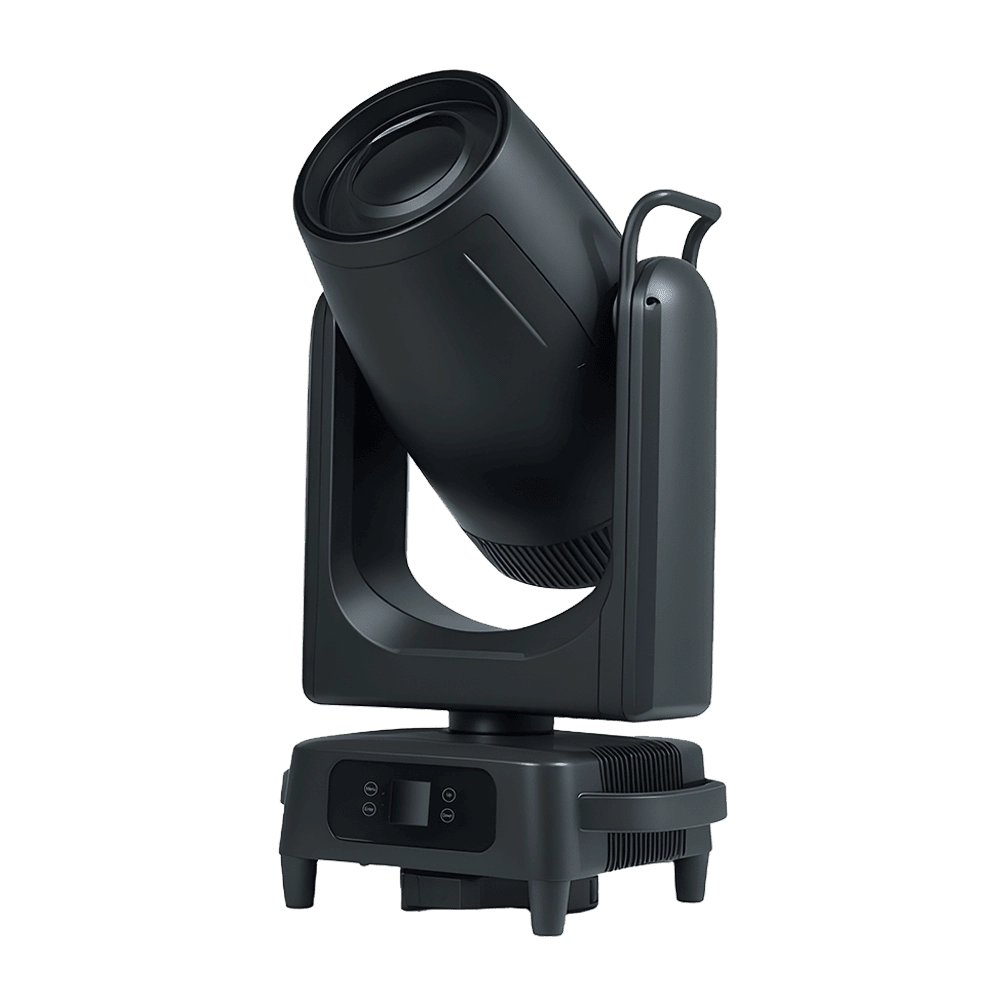
The 700W Waterproof Type B Cutting Light is a professional-grade stage lighting fixture designed for high-performance visual effects in both indoor and outdoor scenarios. Equipped with a 700W light source, it features precise cutting functionality (8 cutting blades), multi-channel DMX512 control (34/39/56 CH optional), and flexible operation modes (DMX, Master-Slave, and Auto).
With a 540° horizontal pan range and 270° vertical tilt range, it delivers dynamic beam positioning, while built-in overheat protection, voltage stability control, and IP20 dust resistance ensure reliable operation.
The fixture supports three working modes (Standard for outdoors, Theater for high-ceiling interiors, and Film & Television for small indoor spaces) and offers an intuitive LED display with Chinese/English switching, making it ideal for professional performances, concerts, film shoots, and event venues.
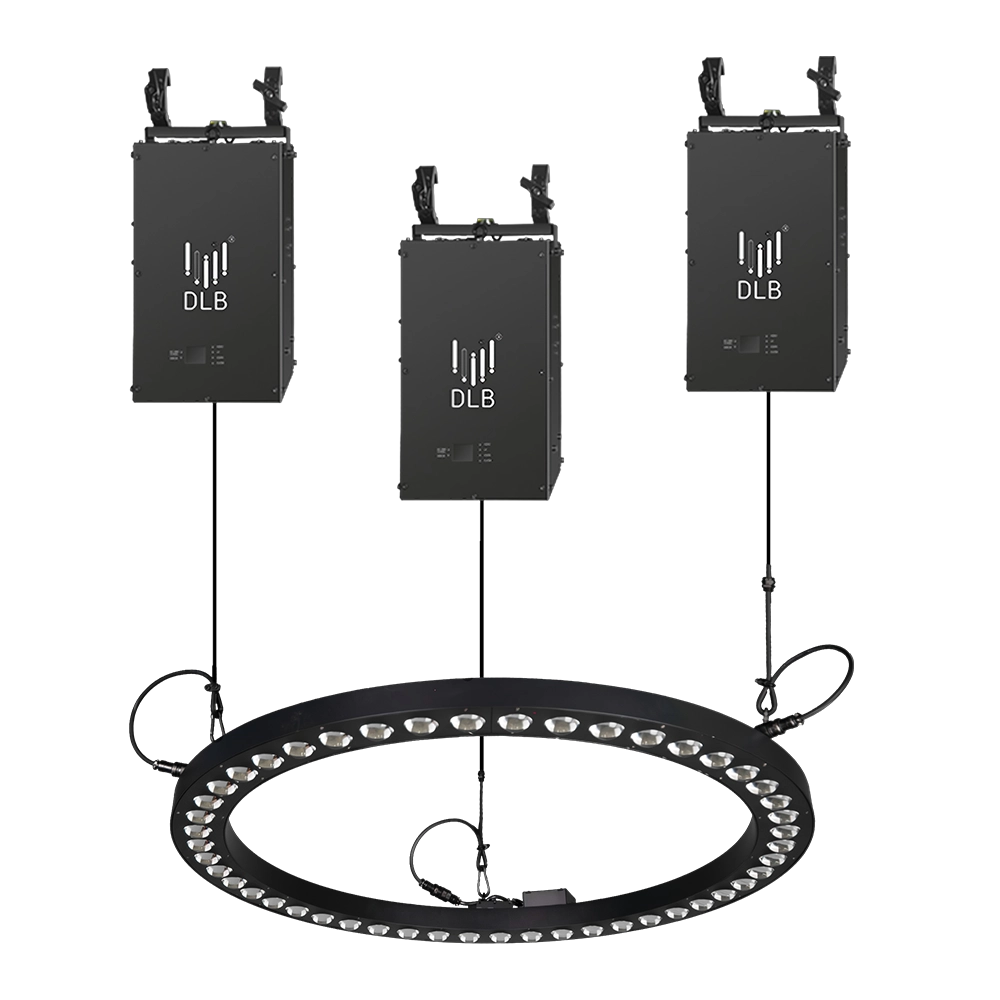
Kinetic Halo Ring——Ideal for a wide range of large-scale events: commercial spaces, TV shows, concerts, nightclubs, and various other settings.
Experience dynamic illumination with the FENG-YI Kinetic Halo Ring. This versatile kinetic light is perfect for large-scale events—commercial spaces, TV shows, concerts, and nightclubs—delivering stunning kinetic ring light effects that captivate every audience.
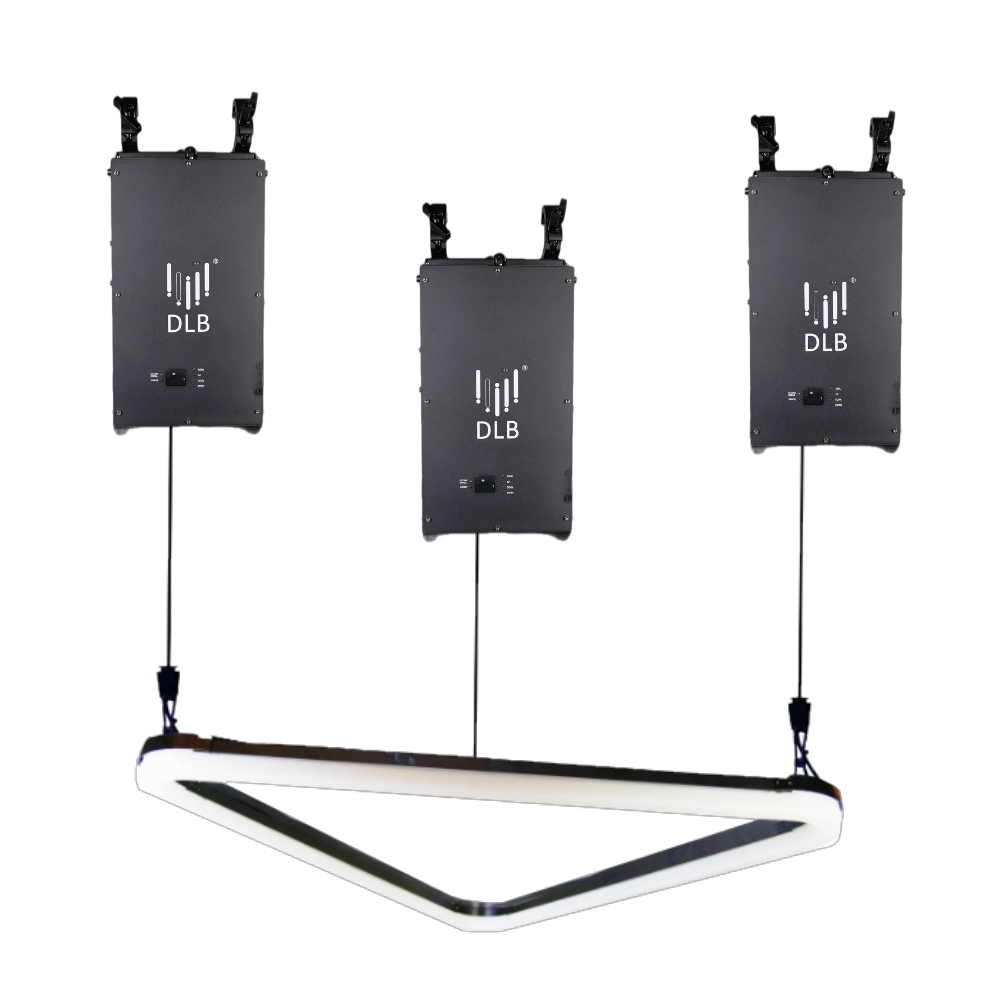
Kinetic Arc Light——Ideal for a wide range of large-scale events: commercial spaces, TV shows, concerts, nightclubs, and various other settings.
FENG-YI’s Kinetic Arc Light is a kinetic triangle LED light panel designed for large-scale events. Perfect for commercial spaces, TV shows, concerts, and nightclubs, it delivers dynamic lighting effects that captivate audiences and elevate any setting. Ideal kinetic light solution.
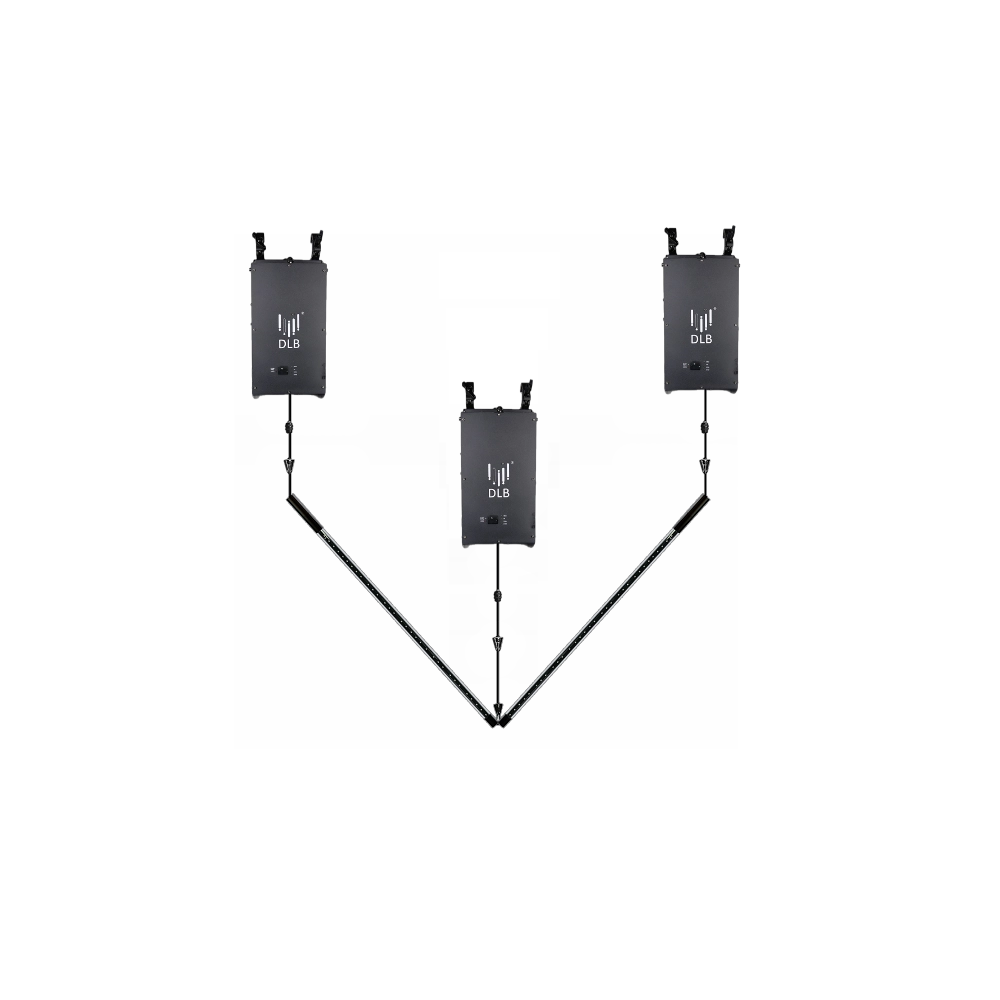
Kinetic Double Rod——Ideal for a wide range of large-scale events: commercial spaces, TV shows, concerts, nightclubs, and various other settings.
FENG-YI’s Kinetic Double Rod delivers dynamic kinetic light effects ideal for large-scale events—from concerts and nightclubs to TV shows and commercial spaces. Elevate your setup with this versatile kinetic light rod, designed for stunning visual impact and seamless integration.
Want to learn more about the latest updates?
Have questions or ready to illuminate your project? Reach out to our expert team today.
Rest assured that your privacy is important to us, and all information provided will be handled with the utmost confidentiality.
By clicking "Send your message," I agree to your processing my personal data.
To see how to withdraw your consent, how to control your personal data, and how we process it, please see our Privacy Policy and Terms of Use.

FENG-YI has been continuously innovating and has grown into a Kinetic Lights Manufacturer and solution provider with unique advantages.
Contact
+86 181 2785 5301
Address
Building 5, No. 34, Fuyuan Road, Jinghu IndustrialZone, Xinhua Town, Huadu District, Guangzhou, China.
© 2025 FENG-YI. All Rights Reserved.
Facebook
Instagram
YouTube
TikTok