










How to integrate kinetic lighting with smart home platforms? | Insights by FENG-YI
This article provides a comprehensive guide for B2B procurement professionals on integrating kinetic lighting systems with smart home platforms, covering key considerations, protocols, hardware selection, and best practices.
- 1. What Are the Core Components of a Smart Kinetic Lighting System?
- 2. Which Control Protocols Are Suitable for Integrating Kinetic Lighting?
- 3. How Do You Select Appropriate Motion Hardware for Kinetic Lighting?
- 4. What Are the Best Practices for Integrating Kinetic Lighting with Smart Home Platforms?
- 5. How Does FENG-YI Enhance the Integration of Kinetic Lighting with Smart Home Platforms?
1. What Are the Core Components of a Smart Kinetic Lighting System?
Integrating kinetic lighting with smart home platforms involves several key components:
Lighting Fixtures and Pixel Control: Utilize LED, RGBW, or pixel-mappable modules to achieve dynamic lighting effects.
Motion Hardware: Incorporate motors, gearboxes, hoists, linear actuators, or gimbals to enable movement.
Motion Controllers and Drives: Employ motor controllers, motion CPUs, and encoders for precise control.
Control Protocols: Implement standards like DMX, Art-Net, sACN, OSC, MIDI, or industry-specific APIs for communication.
Power Distribution and Cabling: Ensure appropriate power supplies and cabling for both lighting and motion components.
Safety Systems: Integrate limit switches, slack-line sensors, load cells, and emergency stops to maintain safety.
Network Infrastructure: Set up Ethernet switches, VLANs, and time synchronization to support system communication.
Design decisions for each component should be guided by project scale, movement complexity, environmental constraints, and budget considerations. ((https://www.fyilight.com/smart-kinetic-lighting-integration-guide))
2. Which Control Protocols Are Suitable for Integrating Kinetic Lighting?
Selecting the right control protocol is crucial for the integration of kinetic lighting with smart home platforms. Consider the following options:
DMX512: A time-tested serial protocol used for pixel and fixture control. It's simple to implement for small numbers of fixtures but constrained by 512-channel universes.
Art-Net: A UDP/IP encapsulation of DMX over Ethernet. It scales to many universes and integrates with lighting consoles and pixel-mapping tools.
sACN (E1.31): An ANSI standard for streaming ACN over IP networks. Well-suited for robust multicast distribution and large installations.
OSC / Proprietary APIs: Used for high-level show control, interactive systems, or when integrating motion engines and media servers.
Best practices include separating motion-control traffic from lighting pixel traffic using VLANs or physically separate networks. For sub-10ms synchronization, rely on hardware-based triggers or time protocols like PTP for media/video timing. ((https://www.fyilight.com/smart-kinetic-lighting-integration-guide))
3. How Do You Select Appropriate Motion Hardware for Kinetic Lighting?
Choosing the right motion hardware is essential for the performance of kinetic lighting systems. Key considerations include:
Degrees of Freedom: Determine the required range of movement for the lighting elements.
Load Requirements: Assess the weight and size of the lighting fixtures to ensure compatibility with the motion hardware.
Precision and Speed: Evaluate the need for precise positioning and the speed of movement.
Runtime Considerations: Consider the expected duration of operation to select hardware that can handle continuous use.
Common motor types used in kinetic lighting projects include:
Stepper Motors: Ideal for repeatable open-loop positioning and cost-effective for simple linear and rotary movements.
Servo Motors: Provide higher torque, acceleration, and positional accuracy; preferred for dynamic moves with variable loads.
Brushless DC (BLDC) Motors: Suitable for continuous rotation at higher speeds and smooth motion profiles; often used with encoders and dedicated motor drives.
When selecting motor and gearbox combinations, prioritize:
Safety Margins: Ensure adequate torque and braking capacity.
Feedback Mechanisms: Availability of encoders or absolute feedback for repeatability.
Integration Support: Compatibility with motor controller vendors' protocols and SDKs. ((https://www.fyilight.com/smart-kinetic-lighting-integration-guide))
4. What Are the Best Practices for Integrating Kinetic Lighting with Smart Home Platforms?
To achieve a seamless integration of kinetic lighting with smart home platforms, consider the following best practices:
System Design and Planning: Develop a comprehensive plan that outlines all components, their interactions, and the desired outcomes.
Component Compatibility: Ensure that all hardware and software components are compatible with each other and with the chosen smart home platform.
Network Configuration: Set up a robust network infrastructure that supports the data and control requirements of the kinetic lighting system.
Safety Protocols: Implement safety measures such as limit switches, emergency stops, and load sensors to protect both the system and users.
Testing and Calibration: Conduct thorough testing and calibration to ensure that the system operates as intended and meets performance standards.
User Training and Support: Provide training for end-users and establish support channels to address any issues or questions post-installation.
By adhering to these best practices, you can ensure a successful integration of kinetic lighting with smart home platforms, enhancing both functionality and user experience. ((https://www.fyilight.com/smart-kinetic-lighting-integration-guide))
5. How Does FENG-YI Enhance the Integration of Kinetic Lighting with Smart Home Platforms?
FENG-YI offers several advantages in integrating kinetic lighting with smart home platforms:
Comprehensive Solutions: FENG-YI provides end-to-end services, including design, installation, and programming of kinetic lighting systems tailored to specific project requirements.
Expertise in Control Systems: With extensive experience in designing and implementing control systems, FENG-YI ensures seamless communication between kinetic lighting components and smart home platforms.
Quality Components: FENG-YI utilizes high-quality lighting fixtures, motion hardware, and control systems to deliver reliable and durable solutions.
Customer-Centric Approach: FENG-YI focuses on understanding client needs and delivering customized solutions that enhance user experience and satisfaction.
By partnering with FENG-YI, businesses can leverage these strengths to achieve a successful integration of kinetic lighting with smart home platforms.
Data References:
FENG-YI Lighting — November 18, 2025 — Key considerations for integrating kinetic lighting with smart home platforms.
FENG-YI Lighting — November 18, 2025 — Overview of control protocols suitable for kinetic lighting integration.
FENG-YI Lighting — November 18, 2025 — Selection criteria for motion hardware in kinetic lighting systems.
FENG-YI Lighting — November 18, 2025 — Best practices for integrating kinetic lighting with smart home platforms.
FENG-YI Lighting — November 18, 2025 — Advantages of partnering with FENG-YI for kinetic lighting integration.
Recommended for you
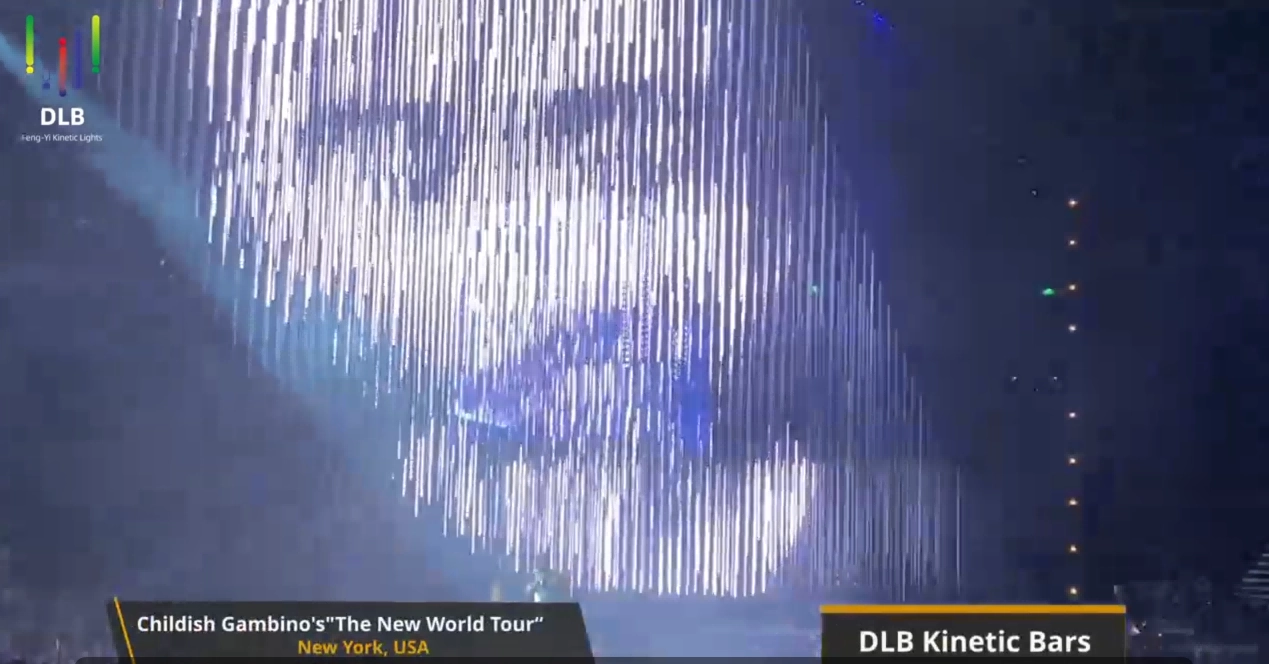
US New York -A Lighting Revolution at the Childish Gambino’s The New Would Tour-Dynamic Bar
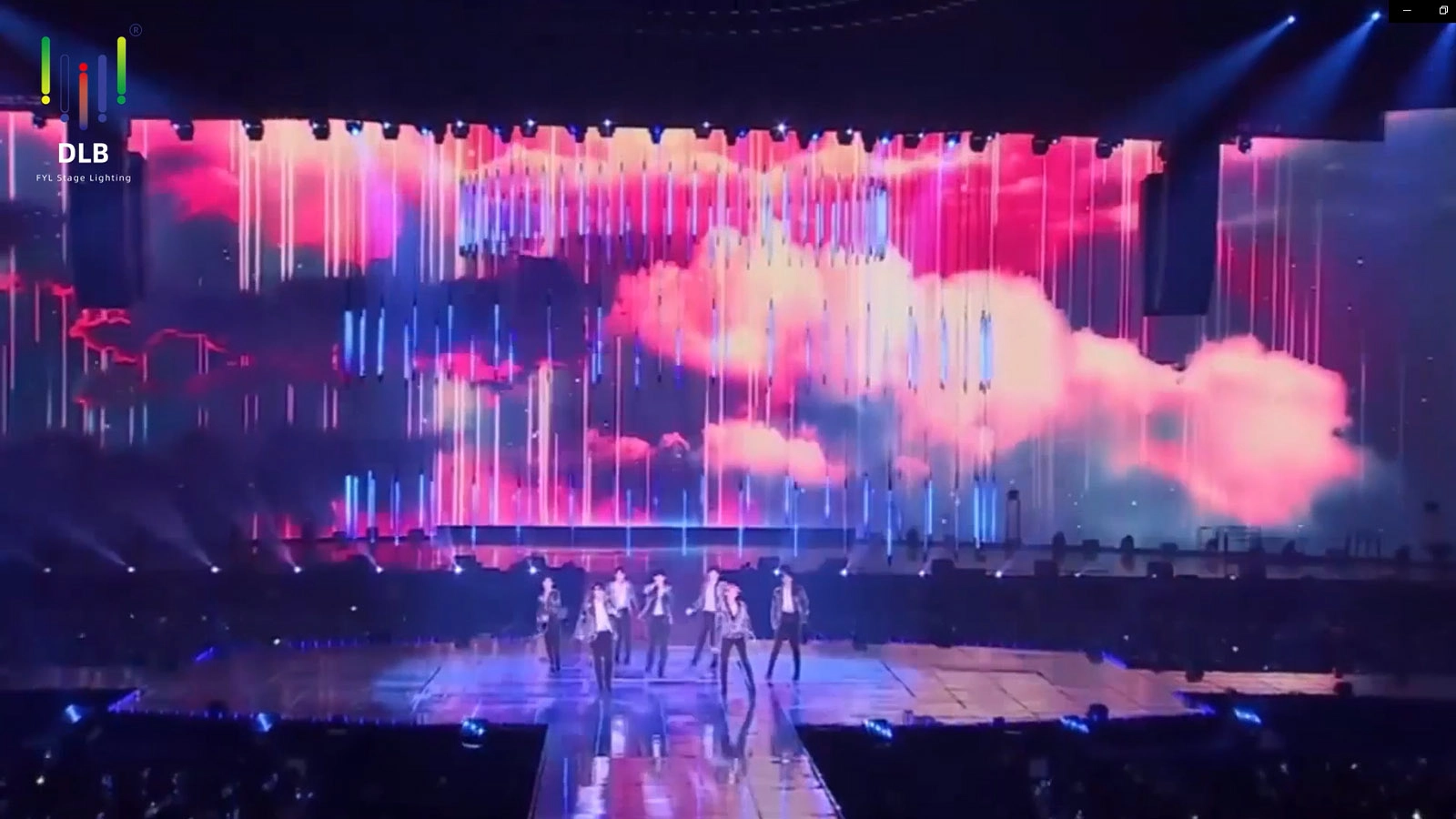
South Korea Seoul -Got7 concert-Dynamic Bar
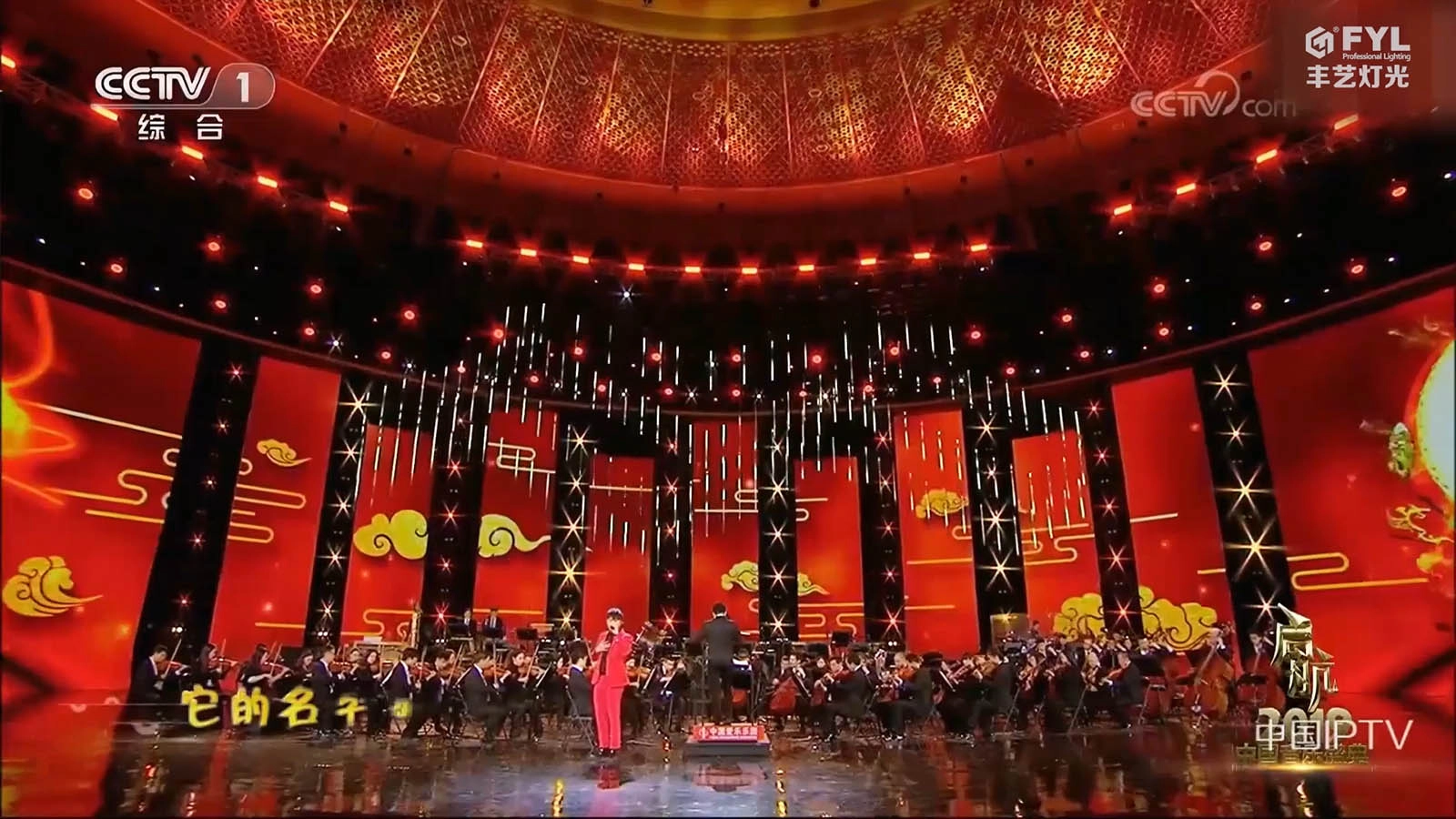
Beijing China-CCTV 2019 China Music Awards-Dynamic Bar
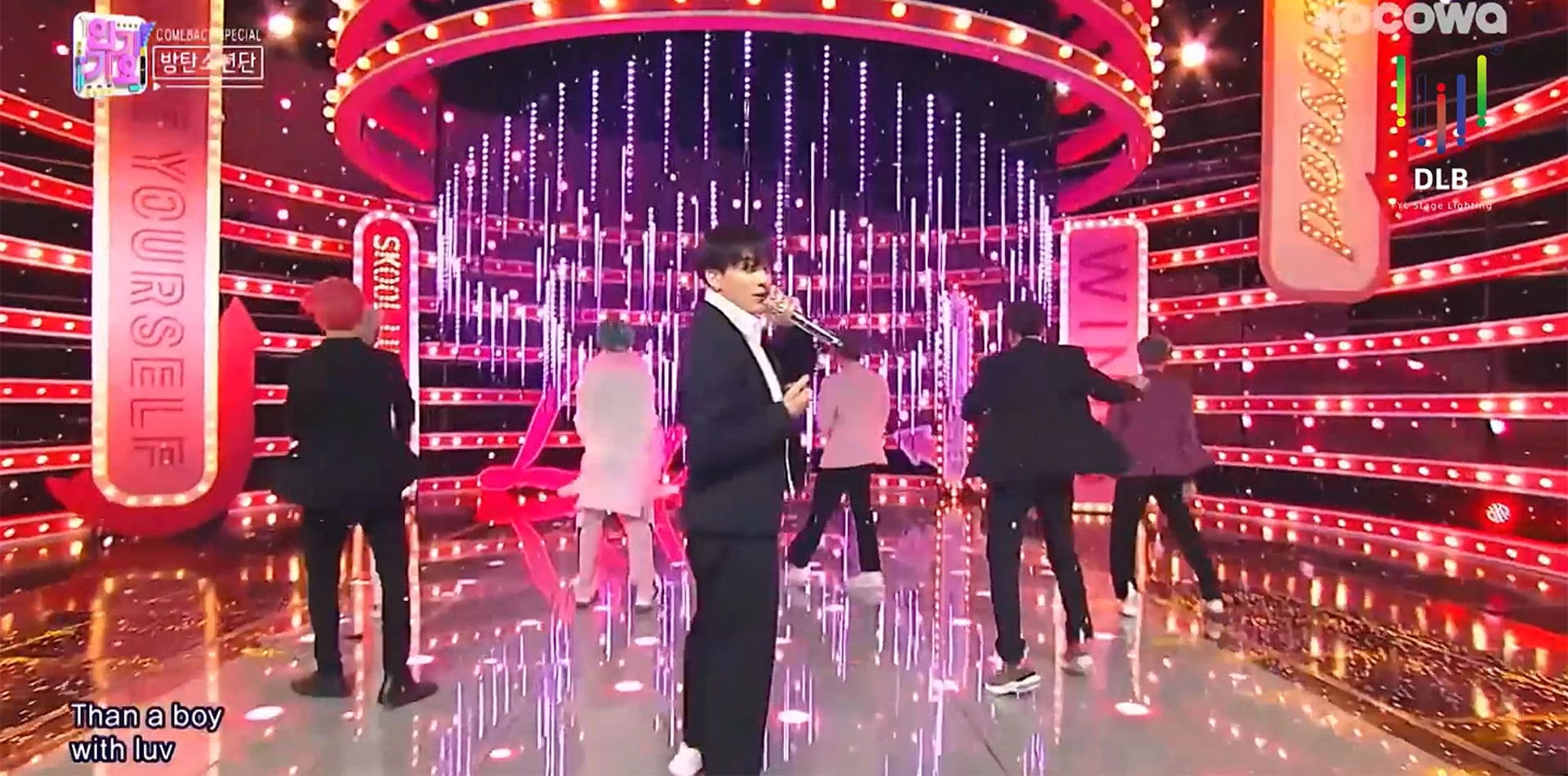
South Korea-BTS's "Boy with Luv" performance-Dynamic Bars
Prdoucts Categories
FAQ
Customization/OEM Services
Do customized products enjoy the same warranty service as standard products?
Yes, customized products have the same warranty policy as standard products (under non-human damage, the whole machine is warranted for 1 year, and LED lamp beads are warranted for 2 years). For faults caused by customized functions (e.g., adaptation issues of the special light control protocol specified by the customer), the after-sales team will give priority to targeted troubleshooting to ensure no impact on use.
Logistics Services
Can on-site installation services be provided? How is the installation fee calculated?
On-site installation services are supported, and the fee is calculated based on the installation difficulty and region:
▪ Regular installation (e.g., bar PAR lights, front lights in small studios): 50-100 RMB/unit in prefecture-level cities and above, 80-150 RMB/unit in county-level regions.
▪ Large-scale installation (e.g., elevating lights in stadiums, moving head light groups for music festivals): Quoted based on the overall project (including travel expenses of installers and tool usage fees). Specific details require providing the installation site floor plan and the number of lights, and the engineering team will formulate a plan before quoting.
Wedding & Parties Lighting Solutions
What about after-sales support and training?
On-site training + remote technical support, spare parts availability, and annual inspections. Service Level Agreements (SLAs) for maintenance services are available.
Products
What is the XY-axis rotation angle of moving head lights? Are there any load-bearing requirements for installation?
For conventional moving head lights, the X-axis rotation ranges from 0° to 540°, and the Y-axis rotation ranges from 0° to 205° (some models support 16-bit fine adjustment). Installation requirements: For hoisting, the load-bearing capacity of the support frame must be ≥ 1.5 times the weight of the light (e.g., a 10kg moving head light requires a support frame with ≥ 15kg load-bearing capacity). Additionally, a safety rope must be used to pass through the light's handle. When installing at an angle or upside down, pedestrians are prohibited from passing below, and the hook screws and rope wear must be checked regularly.
Want to learn more about the latest updates?
Have questions or ready to illuminate your project? Reach out to our expert team today.
Rest assured that your privacy is important to us, and all information provided will be handled with the utmost confidentiality.
By clicking "Send your message," I agree to your processing my personal data.
To see how to withdraw your consent, how to control your personal data, and how we process it, please see our Privacy Policy and Terms of Use.

FENG-YI has been continuously innovating and has grown into a Kinetic Lights Manufacturer and solution provider with unique advantages.
Contact
+86 181 2785 5301
Address
Building 5, No. 34, Fuyuan Road, Jinghu IndustrialZone, Xinhua Town, Huadu District, Guangzhou, China.
© 2025 FENG-YI. All Rights Reserved.
Facebook
Instagram
YouTube
TikTok