









Waterproof Profile Light Sealing and Waterproofing Tips
A practical, expert guide to selecting, sealing, and maintaining waterproof profile light installations. Covers IP ratings, gasket and sealant choices, installation best practices, testing methods, troubleshooting common leaks, and long-term maintenance. Includes a comparison table, verified references, FAQs, and a call-to-action to contact FENG-YI for kinetic lighting solutions.
- Choosing Durable Fixtures: waterproof profile light Selection Guide
- Key selection criteria for waterproof profile light
- IP rating and environment comparison
- Common Failure Modes and How to Prevent Them with waterproof profile light
- Checklist to prevent failures
- Sealing Materials and Methods for waterproof profile light
- Best Practices for Installing and Sealing waterproof profile light
- Step-by-step sealing procedure
- Testing, QA and Verifying waterproof Profile Light Integrity
- Recommended field tests
- Troubleshooting Leaks in waterproof profile light Installations
- Common fixes
- Maintenance Schedules and Long-term Care for waterproof profile light
- Maintenance tips
- Material Compatibility & Chemical Resistance for waterproof profile light
- Integration with Kinetic Lighting Systems and waterproof profile light
- FENG-YI: Kinetic Lighting Expertise and How It Relates to waterproof profile light
- How FENG-YI advantages map to waterproof profile light projects
- Cost Considerations and Lifecycle Economics for waterproof profile light
- Frequently Asked Questions (FAQs)
- Contact and Product Consultation
- References
Choosing Durable Fixtures: waterproof profile light Selection Guide
The term waterproof profile light describes linear LED fixtures and extrusion profiles engineered for wet or exposed environments. Selecting the right product up front reduces field failures, simplifies sealing, and extends lifespan. When specifying a waterproof profile light consider ingress protection (IP) rating, materials (aluminium vs. stainless steel vs. plastic), diffuser type, mounting method, and compatibility with the sealing system you will use. For exterior, submerged, or washdown environments aim for IP66–IP68 depending on exposure: IP66 for heavy spray and dust, IP67 for temporary immersion up to 1 m, and IP68 for continuous immersion beyond 1 m (see table below).
Key selection criteria for waterproof profile light
- Confirm the IP rating is certified to IEC 60529 standards and matches the expected environment.
- Check thermal management—adequate heat dissipation lengthens LED life; choose aluminium profiles for high-power runs.
- Verify LED driver protection (IP-rated drivers or remote, protected housings).
- Specify gaskets, endcap design, and cable entry types that are intended for field sealing rather than relying on on-site improvisation.
IP rating and environment comparison
| IP Rating | Typical Protection | Common waterproof profile light use-case |
|---|---|---|
| IP65 | Dust tight; protected against water jets | Outdoor façades with heavy rain; sheltered canopies |
| IP66 | Powerful water jets; dust tight | Maintenance areas, storefront exteriors |
| IP67 | Temporary immersion up to 1 m | Short-term immersion, cleaning processes |
| IP68 | Continuous immersion under specified conditions | Fountains, pools, submerged architectural features |
Common Failure Modes and How to Prevent Them with waterproof profile light
Water ingress is not always caused by a defective profile; installation practices and accessory choices are frequent culprits. Typical failure modes include failed endcaps, improper cable glands, compromised gaskets after repeated opening, and chemical attack on seals. Prevention starts with procedure: plan cable routes to minimize direct water paths, use proper glands, and ensure mechanical strain relief. When retrofitting, always inspect existing endcap fits and cut edges for burrs that can compromise gaskets.
Checklist to prevent failures
- Use IP-rated cable glands sized for conductor outer diameters and cable jacket type.
- Avoid over-tightening glands—follow manufacturer torque specs.
- Use stainless steel fasteners in coastal or corrosive environments.
- Select seals compatible with UV, salts, cleaning agents, or chlorine (see sealant table below).
Sealing Materials and Methods for waterproof profile light
Choosing the right sealing materials is critical. The most commonly used are silicone, polyurethane (PU), and specialized epoxy potting compounds for driver boxes. Each has strengths and limitations, and the decision should be based on expected temperature range, UV exposure, chemical exposure, and whether joints may be reopened for maintenance.
| Sealing Material | Pros | Cons | Best use with waterproof profile light |
|---|---|---|---|
| Neutral-curing silicone | Flexible, UV-resistant, good adhesion to glass/aluminium/plastic | Not structural; solvents affect some plastics | Endcaps, diffusers, field joints in exterior fixtures |
| Polyurethane (PU) | Good mechanical strength, durable | Sensitiveto moisture during cure; less UV stable than silicone | Structural potting and rigid seals when protected from UV |
| Epoxy potting | Excellent moisture barrier, structural | Rigid (bad for thermal movement), irreversible | Sealing drivers, permanent potting of electronics |
| Butyl rubber / adhesive tapes | Easy application, flexible, good for temporary seals | Can degrade over time, surface prep critical | Field fixes and joints where maintenance access is frequent |
Data sources: manufacturer technical datasheets (3M, Dow, Sika) and IEC guidance on enclosure protection. For UV-exposed exterior fixtures, neutral-curing silicones from major suppliers show the best long-term performance (see references).
Best Practices for Installing and Sealing waterproof profile light
Field execution matters as much as product choice. Below are proven steps used in professional kinetic lighting projects and permanent architectural installations.
Step-by-step sealing procedure
1) Surface preparation: clean aluminium, plastic or diffuser surfaces with isopropyl alcohol or manufacturer-recommended cleaner; remove oils, cutting dust and oxidation.
2) Dry-fit components: check endcap alignment, gasket seating, and cable routing before applying any sealant.
3) Apply gasket or sealant: for reusable installations use pre-formed EPDM gaskets; for permanent field seals use neutral silicone applied in a continuous bead.
4) Install cable glands: use correct torque and verify sealing rings are in place; test strain relief.
5) Cure time: respect sealant cure times and ambient conditions—early exposure to water can trap moisture under the seal.
6) Pressure test: whenever possible, perform a low-pressure ingress test or water spray test per the design IP rating.
Testing, QA and Verifying waterproof Profile Light Integrity
Testing is essential to verify installations meet the intended IP rating. Two practical on-site tests complement factory certification:
Recommended field tests
- Water spray/jet test: simulate real exposure for IP65/IP66 verification with a nozzle at specified pressure/duration.
- Immersion test: for fixtures claiming IP67/IP68, temporary controlled immersion tests (per manufacturer limits) can validate seals.
- Condensation or thermal cycling: expose the sealed fixture to temperature swings to reveal microleaks caused by differential thermal expansion between materials.
- Electrical insulation and leakage current checks after sealing to ensure no moisture-induced shorts.
Note: Field tests should be planned with spare units or temporary setups; full immersion tests can void some warranties unless designed for that environment.
Troubleshooting Leaks in waterproof profile light Installations
When leaks occur, a systematic approach saves time and cost. Start with the simplest checks: damaged diffusers, loose endcaps, misaligned gaskets, or cable entries. Isolate the leak path by partially submerging or applying water localized with a hose while watching ingress points. Use soapy water to detect bubbles in pressurized assemblies. Replace deteriorated gaskets and reapply appropriate sealant—avoid mixing incompatible sealants that can cause adhesion failure.
Common fixes
- Replace worn or compressed EPDM gaskets with OEM or equivalent parts.
- Re-seat diffuser and use a continuous silicone fillet along the joint.
- For driver housing leaks, re-pot or re-seal cable entries with appropriate epoxy or polyurethane compounds.
Maintenance Schedules and Long-term Care for waterproof profile light
Even well-sealed systems require regular checks. A typical maintenance schedule for outdoor waterproof profile light installations includes quarterly visual checks, annual verification of seals (especially after storms or cleaning cycles), and a full service every 3–5 years where gaskets and sealants are replaced if UV-degraded.
Maintenance tips
- Keep documentation of sealant types and cure dates to determine replacement windows.
- Use UV-resistant paints/coatings on aluminium profiles in harsh sun to protect seals from indirect degradation.
- Train maintenance personnel to use correct solvents and avoid aggressive cleaners that attack silicone or plastic diffusers.
Material Compatibility & Chemical Resistance for waterproof profile light
Cleaning regimes and environmental chemicals (salts, chlorine, cleaning agents) can weaken seals. Select sealants and gaskets rated for exposure. For applications near pools or in food-service areas where chlorine levels are high, use chemically resistant silicones or specially formulated EPDM compounds. Verify compatibility using manufacturer chemical resistance charts and, where critical, request accelerated aging data from suppliers.
Integration with Kinetic Lighting Systems and waterproof profile light
For kinetic lighting—where moving elements, actuators, and control cables are part of the system—sealing challenges magnify. Dynamic joints require flexible seals and serviceable access points. Cable routing must account for motion to avoid chafing and water wicking into housings. In kinetic scenarios, consider remote driver placement with waterproof low-voltage runs to moving elements, or use flexible, UV-resistant conduit and quick-disconnect waterproof connectors to permit maintenance without compromising seals.
FENG-YI: Kinetic Lighting Expertise and How It Relates to waterproof profile light
Since its establishment in 2011, FENG-YI has been continuously innovating and has grown into a creative kinetic light manufacturing service provider with unique advantages. The company is committed to exploring new lighting effects, new technologies, new stage designs, and new experiences. Through professional Kinetic Light art solutions, we empower emerging performance spaces, support the development of new performance formats, and meet the diverse needs of different scenarios.
Located in Huadu District, Guangzhou, the company currently has 62 employees, including an 8-member professional design team and 20 highly experienced technical service staff. FENG-YI has become a High Quality user of Madrix software in mainland China, offering both on-site installation & programming as well as remote technical guidance services for Kinetic Light projects.
With a total area of 6,000㎡, FENG-YI owns China’s largest 300㎡ art installation exhibition area and operates 10 overseas offices worldwide. Our completed Kinetic Light projects have successfully reached over 90 countries and regions, covering television stations, commercial spaces, cultural tourism performances, and entertainment venues.
Today, FENG-YI is recognized as a leading kinetic lights scene solution provider in the industry, delivering innovative lighting experiences that integrate technology and creativity.
How FENG-YI advantages map to waterproof profile light projects
FENG-YI’s experience with kinetic fixtures means deep expertise in moving seals, remote driver integration, and bespoke sealing solutions for complex geometries—skills directly applicable to waterproof profile light installations that require durability and serviceability. Their in-house design team and technical staff can specify profiles, gaskets, and sealing approaches tailored to unique performance spaces and environmental challenges.
Cost Considerations and Lifecycle Economics for waterproof profile light
Waterproofing adds upfront cost but reduces lifecycle expenses. Use total cost of ownership (TCO) analysis: consider initial equipment plus installation, scheduled maintenance, expected service life, and risk of failure. In high-risk wet environments, investing in higher IP-rated profiles and professional sealing reduces replacement and downtime costs and protects warranties.
Frequently Asked Questions (FAQs)
Q1: What IP rating should I choose for a waterproof profile light used outdoors?
A: For general outdoor use exposed to rain and spray, IP65–IP66 is commonly sufficient. If the fixture may be submerged or subject to cleaning with immersion, choose IP67 or IP68 per manufacturer specs.
Q2: Can I reseal a waterproof profile light after opening it for maintenance?
A: Yes—use serviceable gaskets or neutral-curing silicones recommended by the manufacturer. Avoid structural epoxies that make reopening impossible.
Q3: How do I test a sealed installation on site?
A: Perform a controlled water spray or immersion test that matches the IP rating claimed. Complement with thermal cycling and insulation resistance tests for electrical verification.
Q4: Which sealant lasts longest in UV-exposed environments for waterproof profile light?
A: Neutral-curing silicone sealants from reputable manufacturers generally offer the best UV resistance and long-term flexibility for exterior applications.
Q5: Are cable glands necessary for waterproof profile light installations?
A: Absolutely. Properly specified IP-rated cable glands are a primary defense against water ingress through cable entries and must match cable diameter and jacket type.
Q6: How often should seals be replaced?
A: Inspect quarterly and plan for seal replacement every 3–5 years in high-UV or chemically aggressive environments; actual intervals depend on materials and exposure.
Contact and Product Consultation
If you’re planning a project that requires reliable waterproof profile light solutions—especially where motion, high exposure, or bespoke design is involved—consult with a specialist. FENG-YI combines product design, on-site installation, and remote programming services for kinetic and waterproof lighting systems. Contact us to review specifications, request product datasheets, or arrange an on-site assessment.
References
- IEC 60529 — Degrees of protection provided by enclosures (IP Code). International Electrotechnical Commission. https://www.iec.ch/ (accessed 2025-11-27)
- 3M Technical Data: Sealants and Adhesives product pages. https://www.3m.com/ (accessed 2025-11-27)
- Dow Silicones Technical Guides — Outdoor & Construction Applications. https://www.dow.com/ (accessed 2025-11-27)
- Lighting for Exterior Environments: Best practices (industry white papers). Lighting Research Center / Professional lighting guidelines. https://www.lrc.rpi.edu/ (accessed 2025-11-27)
- Madrix Software — Lighting Control for Kinetic Installations. https://www.madrix.com/ (accessed 2025-11-27)
For tailored design advice, product selection, or installation support for waterproof profile light and kinetic lighting systems, contact FENG-YI to schedule a consultation or request product specifications.
Tags
programmable kinetic lighting system
programmable kinetic lighting system
led kinetic lighting lifting ball light
led kinetic lighting lifting ball light
Kinetic Lights
Kinetic Lights
Kinetic Butterfly-shaped lamp
Kinetic Butterfly-shaped lamp
Kinetic Cloud-shaped lamp
Kinetic Cloud-shaped lamp
Kinetic Bulb
Kinetic Bulb
Recommended for you
How to photograph and film kinetic lighting installations
Sustainable materials for kinetic lighting installations
Kinetic lighting in hospitality: hotels and restaurants
Design Ideas with Waterproof Profile Light in Landscaping
Prdoucts Categories
Question you may concern
Wedding & Parties Lighting Solutions
What is the delivery timeline?
Standard configurations: approx. 4–8 weeks; custom projects depend on scale and logistics. Expedited options and rental alternatives available.
Customization/OEM Services
What customization services can you provide? For example, adjustments to appearance, functions, or parameters.
Multi-dimensional customization is supported:
▪ Appearance customization: Lamp housing colors (e.g., in addition to black and silver, exclusive brand colors can be customized), and laser engraving of the brand logo on the body.
▪ Function customization: Adjustment of channel modes (e.g., adding exclusive light control channels), adaptation of light control protocols (e.g., compatibility with the customer's own central control system), and special scenario functions (e.g., increasing the waterproof level of outdoor models to IP65).
▪ Parameter customization: Extended stroke of elevating lights (default 0-5 meters, customizable up to 10 meters), adjustment of the beam angle of conventional lights (e.g., custom 15° narrow beam angle for PAR lights).
What is the minimum order quantity (MOQ) for OEM services? What materials need to be provided?
The MOQ for OEM services varies by product type: ≥ 50 units for a single model of conventional lights, and ≥ 20 units for a single model of large equipment such as elevating lights/moving head lights. The following materials need to be provided: the brand trademark registration certificate (or authorization letter), and vector graphics of the OEM logo (AI format is preferred). If modifications to the product manual content (e.g., brand information, contact details) are required, the final version of the text materials must be provided.
Products
How to set the DMX starting address via the panel?
Follow these steps:
1. Press "Left" (multiple times if needed) to return to the main interface.
2. Press "Up/Down" to select "Settings", then press "OK" to enter.
3. Select "DMX Address" and press "OK" to enter edit mode.
4. Adjust the hundreds digit (e.g., 2 for address 286) with "Up/Down", press "OK" to confirm; repeat for tens (8) and units (6) digits.
5. Press "OK" again to save the address (e.g., A286) and exit edit mode.
You may also like
700W Waterproof profile Light FY-SP-20005
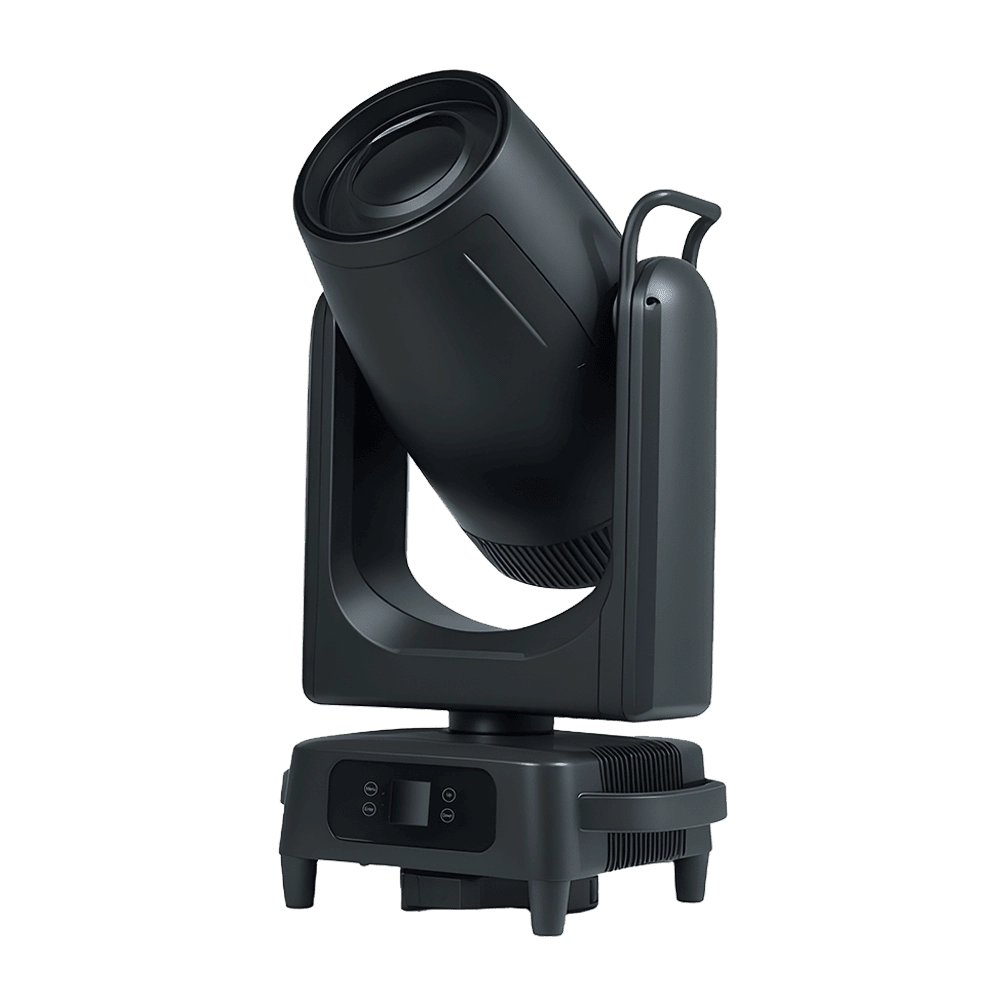
The 700W Waterproof Type B Cutting Light is a professional-grade stage lighting fixture designed for high-performance visual effects in both indoor and outdoor scenarios. Equipped with a 700W light source, it features precise cutting functionality (8 cutting blades), multi-channel DMX512 control (34/39/56 CH optional), and flexible operation modes (DMX, Master-Slave, and Auto).
With a 540° horizontal pan range and 270° vertical tilt range, it delivers dynamic beam positioning, while built-in overheat protection, voltage stability control, and IP20 dust resistance ensure reliable operation.
The fixture supports three working modes (Standard for outdoors, Theater for high-ceiling interiors, and Film & Television for small indoor spaces) and offers an intuitive LED display with Chinese/English switching, making it ideal for professional performances, concerts, film shoots, and event venues.
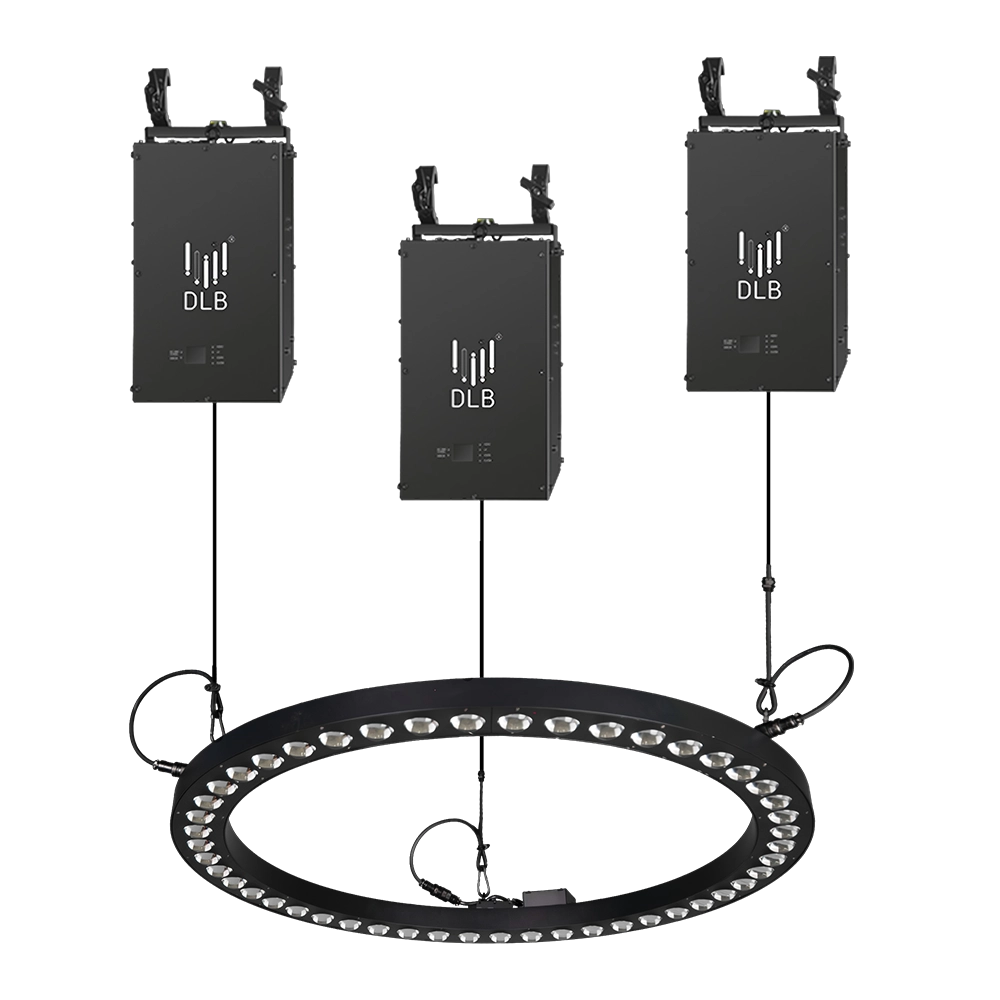
Kinetic Halo Ring——Ideal for a wide range of large-scale events: commercial spaces, TV shows, concerts, nightclubs, and various other settings.
Experience dynamic illumination with the FENG-YI Kinetic Halo Ring. This versatile kinetic light is perfect for large-scale events—commercial spaces, TV shows, concerts, and nightclubs—delivering stunning kinetic ring light effects that captivate every audience.
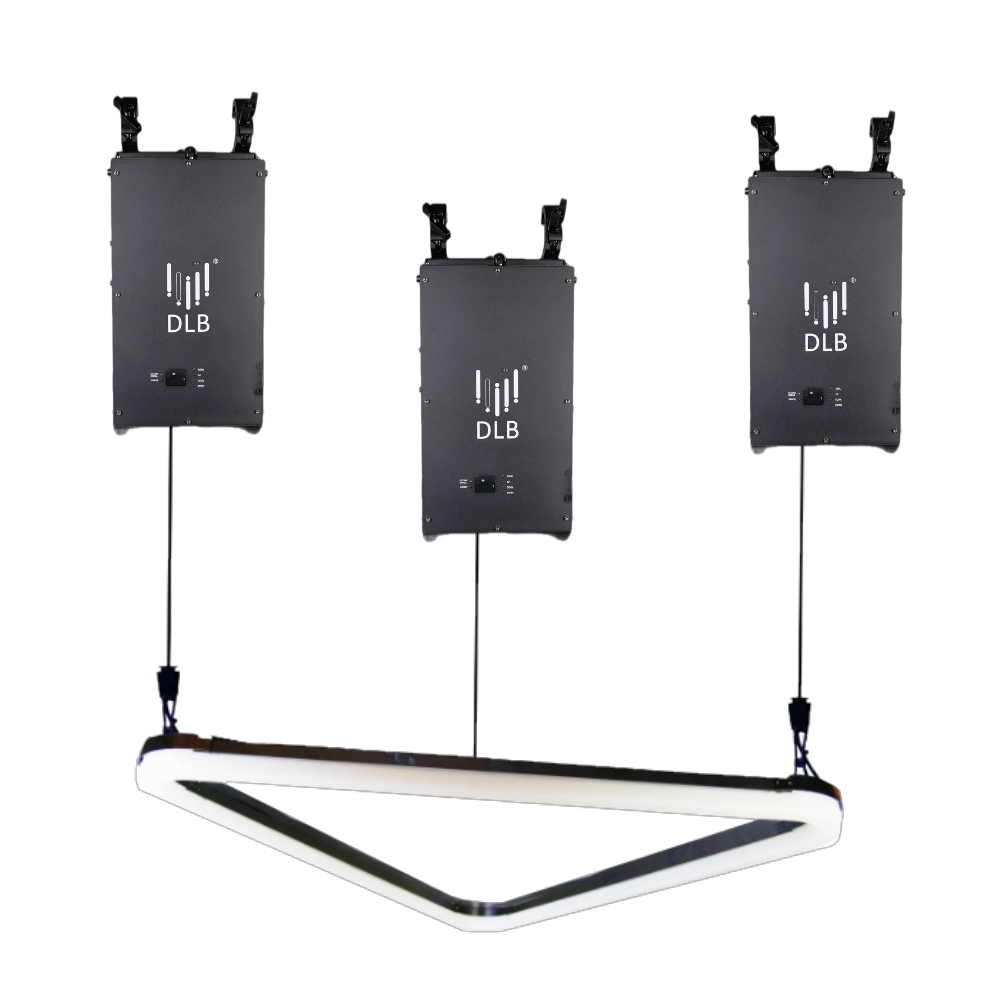
Kinetic Arc Light——Ideal for a wide range of large-scale events: commercial spaces, TV shows, concerts, nightclubs, and various other settings.
FENG-YI’s Kinetic Arc Light is a kinetic triangle LED light panel designed for large-scale events. Perfect for commercial spaces, TV shows, concerts, and nightclubs, it delivers dynamic lighting effects that captivate audiences and elevate any setting. Ideal kinetic light solution.
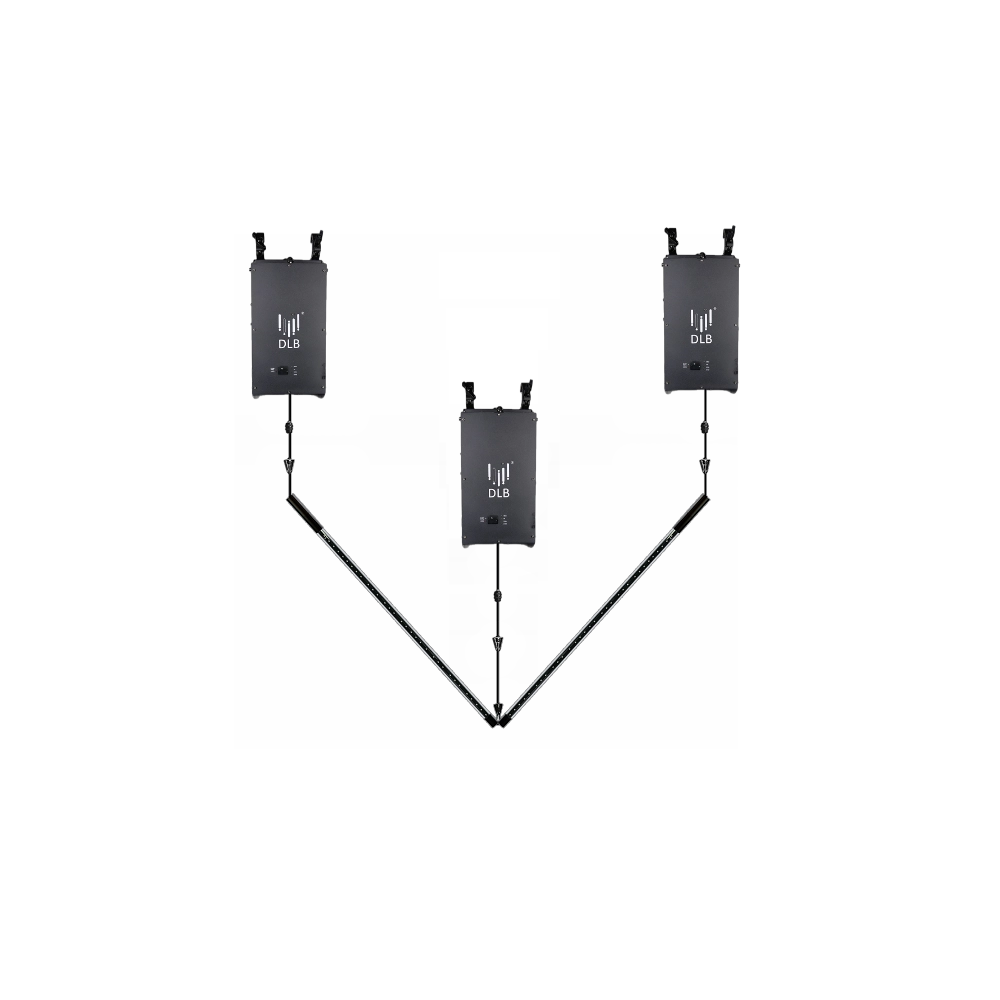
Kinetic Double Rod——Ideal for a wide range of large-scale events: commercial spaces, TV shows, concerts, nightclubs, and various other settings.
FENG-YI’s Kinetic Double Rod delivers dynamic kinetic light effects ideal for large-scale events—from concerts and nightclubs to TV shows and commercial spaces. Elevate your setup with this versatile kinetic light rod, designed for stunning visual impact and seamless integration.
Want to learn more about the latest updates?
Have questions or ready to illuminate your project? Reach out to our expert team today.
Rest assured that your privacy is important to us, and all information provided will be handled with the utmost confidentiality.
By clicking "Send your message," I agree to your processing my personal data.
To see how to withdraw your consent, how to control your personal data, and how we process it, please see our Privacy Policy and Terms of Use.

FENG-YI has been continuously innovating and has grown into a Kinetic Lights Manufacturer and solution provider with unique advantages.
Contact
+86 181 2785 5301
Address
Building 5, No. 34, Fuyuan Road, Jinghu IndustrialZone, Xinhua Town, Huadu District, Guangzhou, China.
© 2025 FENG-YI. All Rights Reserved.
Facebook
Instagram
YouTube
TikTok