










Waterproof Profile Light Maintenance and Troubleshooting
Comprehensive guide to maintain, troubleshoot and extend the life of waterproof profile lights. Covers IP ratings, inspection checklists, electrical diagnostics, condensation prevention, seal repair, replacement decisions, and integration tips for kinetic lighting systems. Includes practical schedules, tools, a comparison table of IP grades, FAQs and contact options.
- Essential Maintenance for High-Performance Waterproof Profile Lights
- Understanding IP Ratings and What Waterproof Actually Means — waterproof profile light clarity
- Regular Maintenance Schedule for Waterproof Profile Light — waterproof profile light upkeep
- Visual and Mechanical Inspection Checklist — waterproof profile light inspection
- Electrical and Driver Diagnostics — waterproof profile light troubleshooting
- Thermal Management and Condensation Prevention — waterproof profile light longevity
- Seal Repair, Re-sealing and Gasket Replacement — waterproof profile light servicing
- Common Failure Modes and Troubleshooting Steps — waterproof profile light diagnostics
- When to Repair vs Replace; Parts and Warranty Considerations — waterproof profile light decisions
- Comparison Table: IP Ratings and Typical Applications for Waterproof Profile Lights
- Advanced Tips for Kinetic Lighting Integrations and Remote Maintenance — waterproof profile light for kinetic lighting
- FENG-YI: Kinetic Light Expertise Supporting Waterproof Profile Light Projects
- Frequently Asked Questions (FAQ) — waterproof profile light troubleshooting FAQs
- 1. How often should I service waterproof profile lights?
- 2. Can I open a sealed IP-rated profile light to repair it without voiding the warranty?
- 3. What is the fastest way to tell if a fixture issue is mechanical or electrical?
- 4. How do I prevent condensation inside waterproof profile lights?
- 5. Is IP66 always better than IP65 for outdoor profile lights?
- 6. What tools should my maintenance team carry for on-site troubleshooting?
- 7. When should I consider upgrading to a new fixture instead of repairing?
- Contact & Product Inquiry
- References
Essential Maintenance for High-Performance Waterproof Profile Lights
Waterproof profile lights are widely used in architectural façades, entertainment stages, outdoor signage, and kinetic light installations. This guide explains how to maintain and troubleshoot waterproof profile lights to maximize reliability, minimize downtime, and protect long-term investment. The recommendations below blend industry best practices, safety guidance, and hands-on troubleshooting steps suitable for facility managers, stage technicians, and lighting integrators working with waterproof profile light systems.
Understanding IP Ratings and What Waterproof Actually Means — waterproof profile light clarity
Not every product labeled waterproof offers the same level of protection. The International Protection (IP) code (IEC 60529) communicates ingress resistance to solids and liquids. For waterproof profile lights, common ratings are:
- IP65 — dust tight and protected from water jets (suitable for covered exteriors and splash-prone locations)
- IP66 — higher resistance to powerful water jets (good for exposed façades or wash-down areas)
- IP67 — protected against temporary immersion up to 1m/30min (useful for short-term immersion risks)
- IP68 — suitable for continuous immersion at specified depths and durations (rare for fixtures unless expressly designed)
When choosing or servicing a waterproof profile light, confirm the specified IP rating and environmental assumptions (e.g., salt spray, UV exposure, mechanical impact). The rating determines acceptable maintenance intervals and repair approaches.
Regular Maintenance Schedule for Waterproof Profile Light — waterproof profile light upkeep
Implement a structured maintenance cadence tailored to the installation environment. Typical preventive schedule:
- Monthly: Visual inspection for lens cleanliness, obvious damage, water stains, and wire security.
- Quarterly: Tighten accessible fasteners, check external gaskets, inspect mounting brackets, and run functional tests (on/off, dimming, color consistency).
- Annually: Open fixtures for internal inspection (where permitted by warranty), test driver output, measure insulation resistance, and replace gaskets or desiccants as needed.
High-saline or coastal installations may require monthly checks and more frequent gasket replacement. Document each maintenance action for warranty and lifecycle tracking.
Visual and Mechanical Inspection Checklist — waterproof profile light inspection
When inspecting a waterproof profile light, follow a consistent checklist to detect early signs of failure:
- Lens and housing: Check for cracks, crazing, or UV degradation that can compromise seals.
- Gaskets and sealants: Look for compression set, detachment, or hardening. Replace if brittle or compressed more than 30% of original thickness.
- Mounting hardware: Verify torque and absence of corrosion; loose brackets allow movement that can break seals.
- Cable entries: Confirm proper gland compression and that strain reliefs are intact.
- Condensation or water ingress: Any internal moisture requires immediate diagnosis (see condensation section).
Use a simple inspection form capturing location, fixture ID, issues found, and corrective actions. Photographs timestamped are invaluable for trend analysis.
Electrical and Driver Diagnostics — waterproof profile light troubleshooting
Many reliability issues trace to power delivery and driver performance. Follow safe practices (de-energize when opening) and use appropriate instrumentation.
- Tools to have: multimeter, clamp meter, insulation resistance tester (megger), oscilloscope (for ripple/noise), and a portable LED driver/tester.
- Driver checks: Verify input voltage, DC output voltage under load, and ripple/noise. Excessive ripple, overheating, or unstable output typically indicate driver aging or capacitors near end-of-life.
- Connections: Inspect solder joints, crimps, and terminal blocks for corrosion or thermal damage. Re-crimp or re-solder with correct materials as needed.
- Dimming controls: Test DMX/0–10V signals for continuity and correct addressing. For kinetic lighting, confirm control protocol and grounding integrity to avoid noise-induced flicker.
- Leak detection: If a fixture repeatedly blows fuses or trips breakers, inspect for moisture bridging or conductive contaminants on internal boards.
Record electrical parameters and compare against manufacturer specifications. When in doubt, replace the driver with an identical spec unit to validate behavior before further board-level repairs.
Thermal Management and Condensation Prevention — waterproof profile light longevity
Heat is a principal adversary of LED lifespan and seal longevity. Poor thermal paths or blocked vents accelerate failures and increase the risk of condensation forming inside the profile.
- Ensure heat-sinking surfaces are clean and in contact with the fixture body where designed. Replace thermal pads every few years if they show compression or degradation.
- Maintain ambient airflow around fixtures; avoid tight enclosure mounting unless the fixture is rated for it.
- Condensation mitigation: include desiccant bags in sealed housings if thermal cycling is common. Use breather valves with hydrophobic membranes where IP rating and application allow.
- Temperature monitoring: for mission-critical installations, implement simple temperature sensors and alerts. Keep LED junction temperature (Tj) within manufacturer recommendations to prevent color shift and lumen depreciation.
Common cause of condensation is rapid temperature swings combined with trapped moisture after ingress repair. Dry and re-seal properly to prevent recurrence.
Seal Repair, Re-sealing and Gasket Replacement — waterproof profile light servicing
Proper sealing requires correct materials and surface preparation. Follow these steps when resealing:
- Remove old sealant/gasket material and clean mating surfaces using isopropyl alcohol. Allow full evaporation before applying new materials.
- Use OEM gaskets or select silicone/EPDM gaskets rated for UV and the expected temperature range. Avoid general-purpose adhesives that are not specified for outdoor use.
- If using silicone sealant, apply a continuous bead with recommended tooling to achieve full contact and avoid air pockets. Observe manufacturer cure times.
- Replace desiccant packs inside the housing and ensure cable glands are re-tightened to the correct compression. Avoid over-tightening which can cut gaskets.
After resealing, perform a water test appropriate for the IP rating (for example, an IP65 spray test) before returning the fixture to service.
Common Failure Modes and Troubleshooting Steps — waterproof profile light diagnostics
Recognizing patterns reduces repair time. Common modes and steps:
- Flicker or intermittent light: Check driver output stability, control signal integrity, and ground loops. Isolate control cable and test fixture on a known-good driver.
- Whole-run outage: Inspect upstream power, fuses, and connections at feed points. Use continuity checks along the run.
- Localized dark segments in LED strip: Test continuity across LED modules; often caused by solder joint failures or degraded trace pads due to moisture.
- Persistent internal moisture: Identify ingress points (lens cracks, gland failures, degraded sealant) and replace gaskets; consider upgrading to a higher IP rated fixture if environmental stress is excessive.
- Color shift or diminished lumen output: Measure driver current and lens transmission. Degraded phosphor or LED chip overheating are causes; consider lamp replacement and investigate thermal path.
Document all symptoms and remedial actions. For recurring issues, consider environmental upgrades (e.g., better drainage, sheltering, or higher IP-rated fixtures).
When to Repair vs Replace; Parts and Warranty Considerations — waterproof profile light decisions
Decide to repair if the fault is isolated (driver, connector, gasket) and the fixture is within warranty or parts are available at reasonable cost. Replace when:
- Multiple LED channels fail or PCB corrosion is extensive.
- Thermal management is compromised and replacement cost approaches new fixture price.
- Fixture lacks necessary certifications for the environment (e.g., higher salt exposure or submersion requirements).
Always check manufacturer warranty terms before opening sealed fixtures; unauthorized repairs can void coverage. Maintain spare-driver inventory and common gasket sizes to reduce downtime.
Comparison Table: IP Ratings and Typical Applications for Waterproof Profile Lights
| IP Rating | Ingress Protection | Typical Applications | Limitations / Notes |
|---|---|---|---|
| IP65 | Dust tight; protected against water jets | Covered exteriors, canopies, indoor/outdoor transition zones | Not suitable for immersion or powerful water jets at close range |
| IP66 | Dust tight; protected against powerful water jets | Exposed facades, architectural washes | Better water resistance; still not rated for immersion |
| IP67 | Temporary immersion protection (commonly 1m/30min) | Flood-prone fixtures, temporary submersion risk | Check manufacturer immersion depth and duration specs |
| IP68 | Continuous immersion under defined conditions | Underwater features, permanent submersion requirements | Requires manufacturer-defined depth & duration; not generic |
Advanced Tips for Kinetic Lighting Integrations and Remote Maintenance — waterproof profile light for kinetic lighting
Kinetic light systems add motion and control complexity. For waterproof profile lights used in kinetic arrays:
- Prioritize robust connector systems designed for repeated motion and environmental exposure (IP-rated push-lock connectors, gold-plated contacts).
- Implement remote diagnostics: embed current sensing and temperature telemetry in key driver nodes so faults can be detected before visible failure.
- Use cable management that accommodates motion: looped service lengths, cable carriers, and strain reliefs reduce fatigue at gland entries.
- Plan for modular replacement: design runs so individual profiles can be swapped without disrupting the entire array.
These practices reduce downtime for performance venues and large kinetic art installations where access may be limited.
FENG-YI: Kinetic Light Expertise Supporting Waterproof Profile Light Projects
Since its establishment in 2011, FENG-YI has been continuously innovating and has grown into a creative kinetic light manufacturing service provider with unique advantages. The company is committed to exploring new lighting effects, new technologies, new stage designs, and new experiences. Through professional Kinetic Light art solutions, we empower emerging performance spaces, support the development of new performance formats, and meet the diverse needs of different scenarios.
Located in Huadu District, Guangzhou, the company currently has 62 employees, including an 8-member professional design team and 20 highly experienced technical service staff. FENG-YI has become a High Quality user of Madrix software in mainland China, offering both on-site installation & programming as well as remote technical guidance services for Kinetic Light projects.
With a total area of 6,000㎡, FENG-YI owns China’s largest 300㎡ art installation exhibition area and operates 10 overseas offices worldwide. Our completed Kinetic Light projects have successfully reached over 90 countries and regions, covering television stations, commercial spaces, cultural tourism performances, and entertainment venues.
Today, FENG-YI is recognized as a leading kinetic lights scene solution provider in the industry, delivering innovative lighting experiences that integrate technology and creativity.
FENG-YI’s competitive advantages for waterproof profile light and kinetic lighting solutions:
- Integrated design + manufacturing + technical services model reduces coordination risk and accelerates commissioning.
- Experienced technical team and Madrix expertise enable complex color and motion control while maintaining environmental protection requirements.
- Large exhibition/testing facility allows real-world validation under simulated environmental conditions (IP spray, thermal cycles, motion testing).
- Global project experience across TV, commercial, cultural tourism, and entertainment ensures practical service knowledge for harsh or specialized environments.
For waterproof profile light projects tied to kinetic installations, FENG-YI provides tailored advice on connector selection, seal strategies, and remote monitoring architectures to keep installations running reliably.
Frequently Asked Questions (FAQ) — waterproof profile light troubleshooting FAQs
1. How often should I service waterproof profile lights?
Perform monthly visual checks, quarterly functional inspections, and a full annual service including internal inspection when permitted by warranty. Environments with salt spray or heavy pollution require more frequent checks.
2. Can I open a sealed IP-rated profile light to repair it without voiding the warranty?
Not always. Check the manufacturer's warranty and service requirements. Unauthorized opening may void warranty. If in warranty, contact the supplier (or authorized service partner like FENG-YI) to arrange repair or supervised maintenance.
3. What is the fastest way to tell if a fixture issue is mechanical or electrical?
Start with a power-path check: measure input voltage at the fixture, verify driver output voltage, then test LED segments for continuity. If power is stable but LEDs fail, the issue is likely mechanical (solder/joint/corrosion) or LED module failure.
4. How do I prevent condensation inside waterproof profile lights?
Use desiccant packs, breather valves with hydrophobic membranes, ensure proper thermal dissipation, and fix any ingress points. For extreme thermal cycling, select fixtures with controlled internal pressure equalization designs.
5. Is IP66 always better than IP65 for outdoor profile lights?
IP66 offers greater protection against powerful water jets and is preferable for fully exposed installations. However, IP rating alone does not ensure long-term durability—materials, UV resistance, and mechanical design also matter.
6. What tools should my maintenance team carry for on-site troubleshooting?
Essential tools: multimeter, clamp meter, insulation tester (megger), small oscilloscope (or logging multimeter), driver/test supply, basic hand tools, replacement gaskets and desiccants, and safety equipment per local regulations.
7. When should I consider upgrading to a new fixture instead of repairing?
If PCB corrosion, thermal path failure, or repeated water ingress occur, or if the performance requirements (IP rating, motion compatibility) exceed the current fixture’s design, replacement is typically more cost-effective.
Contact & Product Inquiry
If you need professional support for waterproof profile light maintenance, troubleshooting, or kinetic lighting integration, contact FENG-YI for on-site installation, programming, and remote technical guidance. Explore product options and request a site assessment to ensure your fixtures meet the required IP and operational standards.
References
- IP Code (IEC 60529) overview — Wikipedia. https://en.wikipedia.org/wiki/IP_Code (accessed 2025-11-28).
- US Department of Energy — LED Lighting Basics. https://www.energy.gov/energysaver/led-lighting (accessed 2025-11-28).
- NEMA enclosure types and guidance — Wikipedia summary. https://en.wikipedia.org/wiki/NEMA_enclosure_types (accessed 2025-11-28).
- Occupational Safety and Health Administration (OSHA) — Electrical safety. https://www.osha.gov/electrical (accessed 2025-11-28).
- Industry guidance on LED driver failures and maintenance — LED professional (LEDs Magazine & industry resources). https://www.led-professional.com (accessed 2025-11-28).
Tags
kinetic balls lighting
kinetic balls lighting
Kinetic Light
Kinetic Light
kinetic triangle led light panel kit
kinetic triangle led light panel kit
380W dustproof and waterproof sealed beam lamp
380W dustproof and waterproof sealed beam lamp
kinetic light table lamp
kinetic light table lamp
kinetic light components and parts
kinetic light components and parts
Recommended for you
DIY kinetic light projects for beginners
Retrofit Waterproof Profile Light Options for Renovations
Troubleshooting common kinetic light problems
Cost and ROI of kinetic lighting for businesses
Prdoucts Categories
Question you may concern
Logistics Services
How is the lamp packaging protected? What if damage occurs during transportation?
The packaging adopts three-layer protection: shockproof foam + hard carton + wooden box (for large equipment such as elevating lights). Key parts of the lamp (e.g., moving head light lens, elevating structure) are individually wrapped with EPE foam. If damage occurs during transportation, the customer must take photos (of the damaged packaging and the faulty part of the product) and send them to the logistics department within 24 hours of receipt. We will give priority to reissuing new products (or arranging repairs) and hold the logistics company responsible. The customer does not need to bear additional costs.
Products
The fixture overheats and shuts down. What should I do?
Resolve overheating issues:
1. Environment Check: Ensure the operating temperature ≤60℃; move the fixture away from heat sources (e.g., stage heaters) and ensure 50cm clearance around the fan grille.
2. Fan Maintenance: Clean the fan and fan grille with compressed air (remove dust buildup); check if the fan runs when the fixture is powered on (replace fan if silent).
3. Protection Threshold: Enter "Settings → Temperature Protection" to adjust the threshold (default 60℃, max 80℃) if the environment requires higher operating temperatures.
The cutting blades do not move linearly. How to troubleshoot?
Fix with these steps:
1. Channel Check: Ensure the correct cutting channel (e.g., Cut 1: CH24) is selected on the controller; set the channel value to 100-255 (0=no movement).
2. Motor Calibration: Enter "Factory Settings → Motor Calibration → Cut 1" and adjust the offset (-128~+127) to compensate for mechanical errors.
3. Mechanical Blockage: Power off the fixture and check if debris (dust, wire) is blocking the blade’s travel path; clean the path with a soft brush and re-test.
Wedding & Parties Lighting Solutions
Are there minimum requirements for venue ceiling height and load capacity?
We recommend a clear height of ≥6–8 m (higher may be required for choreography needs). Load capacity is calculated based on point load plus safety factor. We provide structural calculations and suspension point recommendations.
You may also like
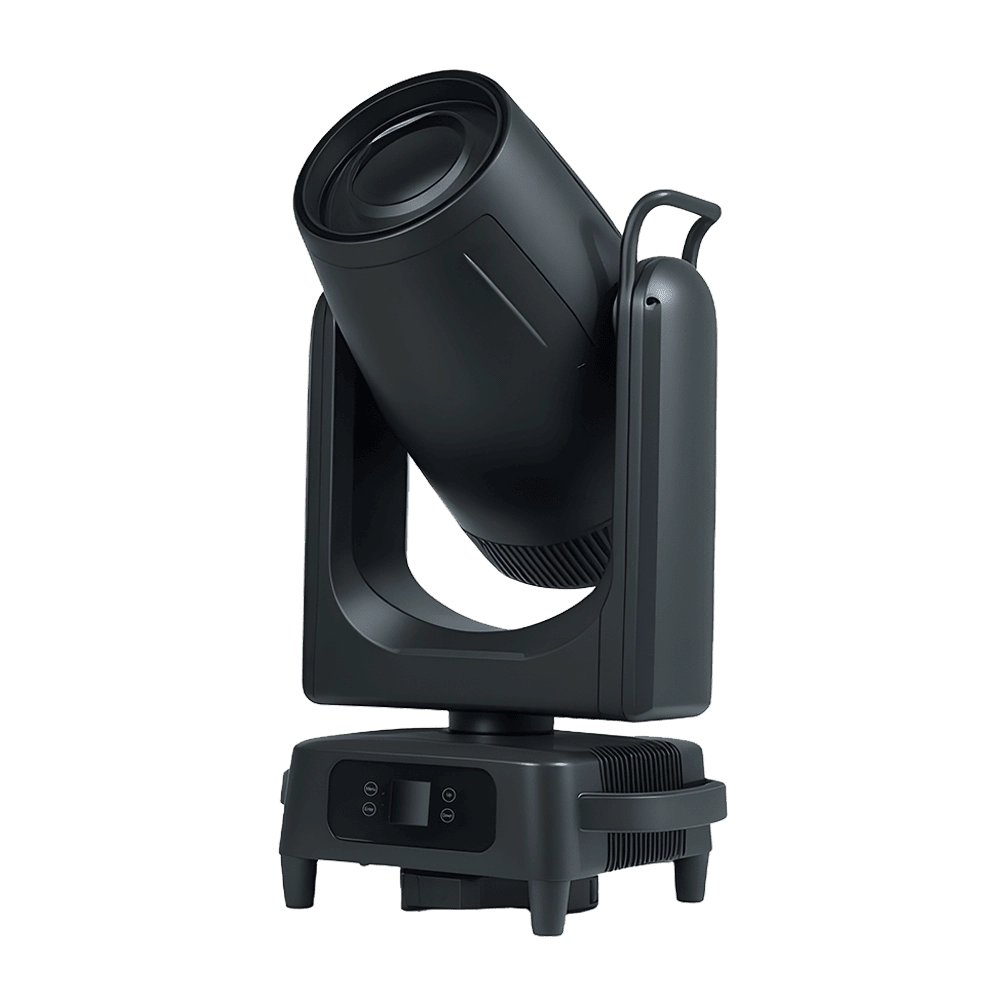
700W Waterproof profile Light FY-SP-20005
The 700W Waterproof Type B Cutting Light is a professional-grade stage lighting fixture designed for high-performance visual effects in both indoor and outdoor scenarios. Equipped with a 700W light source, it features precise cutting functionality (8 cutting blades), multi-channel DMX512 control (34/39/56 CH optional), and flexible operation modes (DMX, Master-Slave, and Auto).
With a 540° horizontal pan range and 270° vertical tilt range, it delivers dynamic beam positioning, while built-in overheat protection, voltage stability control, and IP20 dust resistance ensure reliable operation.
The fixture supports three working modes (Standard for outdoors, Theater for high-ceiling interiors, and Film & Television for small indoor spaces) and offers an intuitive LED display with Chinese/English switching, making it ideal for professional performances, concerts, film shoots, and event venues.
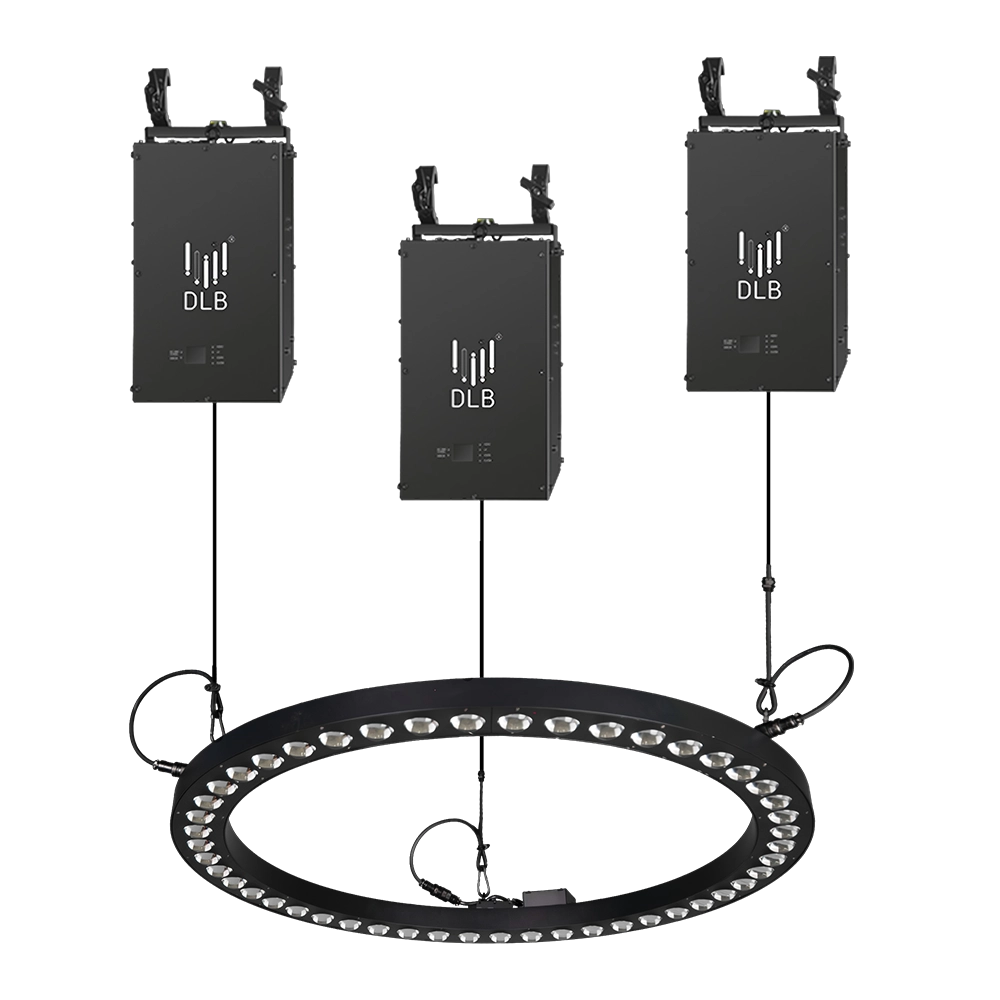
Kinetic Halo Ring——Ideal for a wide range of large-scale events: commercial spaces, TV shows, concerts, nightclubs, and various other settings.
Experience dynamic illumination with the FENG-YI Kinetic Halo Ring. This versatile kinetic light is perfect for large-scale events—commercial spaces, TV shows, concerts, and nightclubs—delivering stunning kinetic ring light effects that captivate every audience.
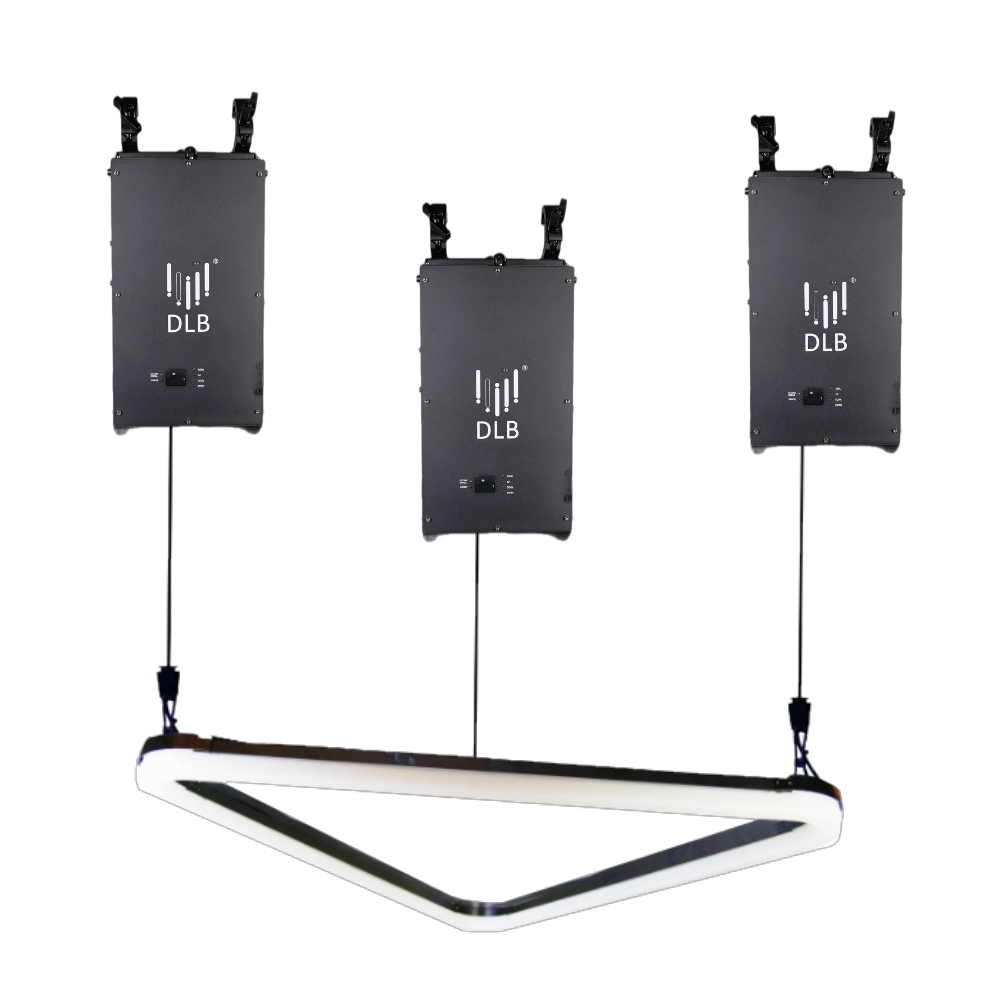
Kinetic Arc Light——Ideal for a wide range of large-scale events: commercial spaces, TV shows, concerts, nightclubs, and various other settings.
FENG-YI’s Kinetic Arc Light is a kinetic triangle LED light panel designed for large-scale events. Perfect for commercial spaces, TV shows, concerts, and nightclubs, it delivers dynamic lighting effects that captivate audiences and elevate any setting. Ideal kinetic light solution.
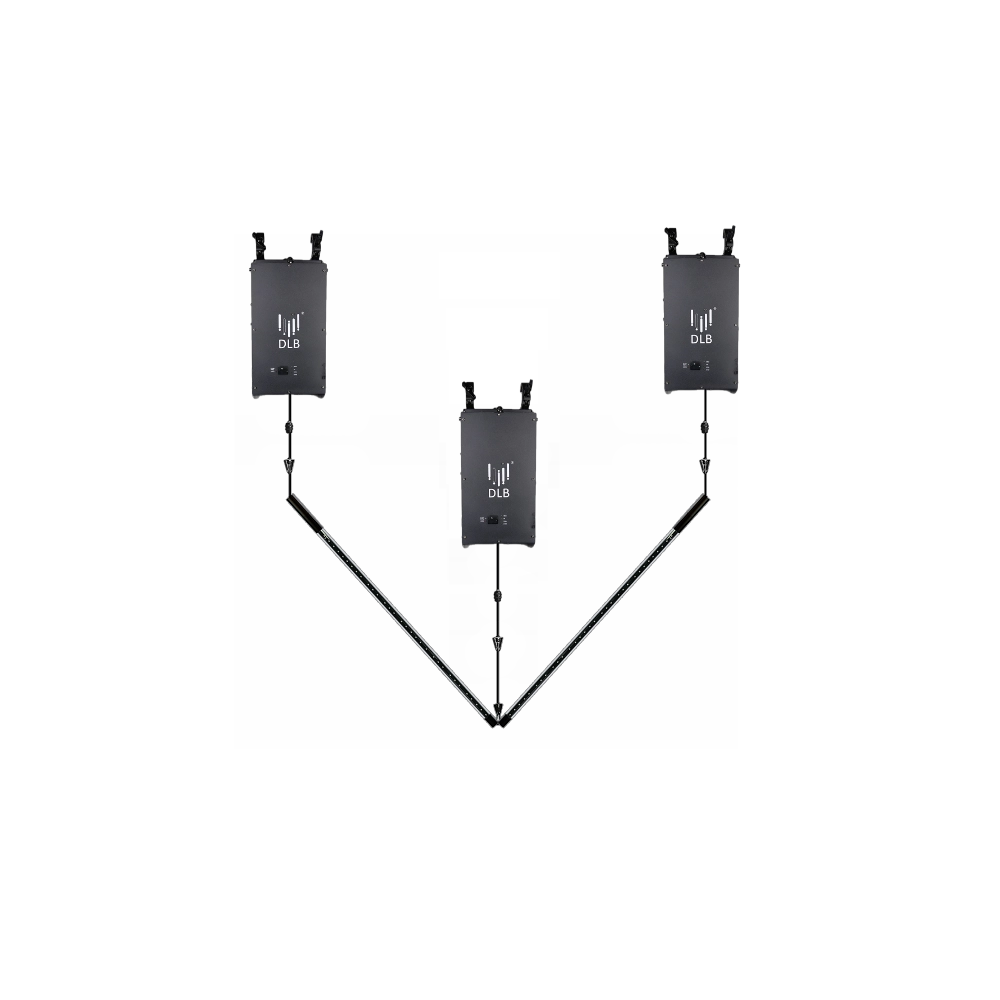
Kinetic Double Rod——Ideal for a wide range of large-scale events: commercial spaces, TV shows, concerts, nightclubs, and various other settings.
FENG-YI’s Kinetic Double Rod delivers dynamic kinetic light effects ideal for large-scale events—from concerts and nightclubs to TV shows and commercial spaces. Elevate your setup with this versatile kinetic light rod, designed for stunning visual impact and seamless integration.
Want to learn more about the latest updates?
Have questions or ready to illuminate your project? Reach out to our expert team today.
Rest assured that your privacy is important to us, and all information provided will be handled with the utmost confidentiality.
By clicking "Send your message," I agree to your processing my personal data.
To see how to withdraw your consent, how to control your personal data, and how we process it, please see our Privacy Policy and Terms of Use.

FENG-YI has been continuously innovating and has grown into a Kinetic Lights Manufacturer and solution provider with unique advantages.
Contact
+86 181 2785 5301
Address
Building 5, No. 34, Fuyuan Road, Jinghu IndustrialZone, Xinhua Town, Huadu District, Guangzhou, China.
© 2025 FENG-YI. All Rights Reserved.
Facebook
Instagram
YouTube
TikTok