








How to Test and Certify Waterproof Profile Lights
Comprehensive, step-by-step guide to testing and certifying waterproof profile light fixtures. Covers applicable standards (IP, IK, IEC, UL, LM-79/80), lab and field test procedures, sample selection, test matrices, documentation for certification, and vendor selection. Includes FENG-YI profile and Kinetic Lighting capabilities and an FAQ for common questions.
- Ensuring durability and compliance for your waterproof profile light
- Why testing and certification matter for a waterproof profile light
- Understand the relevant standards and certificates for waterproof profile light
- Pre-test planning: sample selection and test matrix for waterproof profile light
- Water ingress testing: procedures to validate IP classification for waterproof profile light
- Mechanical and environmental stress tests for waterproof profile light
- Electrical and photometric testing for waterproof profile light
- Lab vs. field testing: when to do which for your waterproof profile light
- Choosing a test lab and certification pathway for waterproof profile light
- IP rating quick-reference table for waterproof profile light
- Common failure modes and troubleshooting for waterproof profile light
- Documentation, labeling, and compliance claims for waterproof profile light
- Cost and timeline estimate for certifying a waterproof profile light
- Operational best practices: maintaining field IP integrity for waterproof profile light
- FENG-YI: Kinetic Light expertise and how it complements waterproof profile light projects
- How FENG-YI’s capabilities accelerate waterproof profile light projects
- Final checklist before submitting waterproof profile light for certification
- FAQ — Testing and certifying waterproof profile light
- Contact & product consultation
- References
Ensuring durability and compliance for your waterproof profile light
Why testing and certification matter for a waterproof profile light
Waterproof profile light fixtures are commonly used in architectural facades, wet-stage theatrical rigs, outdoor signage, and aquatic environments where moisture, dust, and mechanical stress are routine. Proper testing and certification protect brand reputation, shorten time-to-market, and satisfy building-code and procurement requirements. This guide walks through the full verification lifecycle — from standards selection and lab testing to field acceptance and certification documents — so product managers, QA engineers, and procurement teams can confidently validate a waterproof profile light.
Understand the relevant standards and certificates for waterproof profile light
Before any physical testing, identify the regulatory and performance frameworks the waterproof profile light must meet. Typical standards and certifications include:
- IP (Ingress Protection) rating per IEC 60529 — specifies protection against solids and liquids.
- IK (impact) rating per IEC 62262 — measures mechanical impact resistance.
- Electrical safety standards (e.g., IEC 60598 for luminaires, UL 1598 for the U.S. market).
- Photometric and electrical performance standards for LED packages and luminaires (IES LM-79 for photometric testing; LM-80 for LED lumen maintenance).
- Environmental stress standards: salt spray (ASTM B117), thermal cycling and humidity (IEC 60068 series).
Knowing which standard applies early reduces wasted test cycles and ensures your waterproof profile light meets buyer expectations for different markets.
Pre-test planning: sample selection and test matrix for waterproof profile light
Effective testing begins with a clear scope and representative samples. Recommendations:
- Sample quantity: for initial R&D, test at least 3 identical units; for certification, labs often specify 3–5 units or more depending on the test plan.
- Sample condition: production-intent units (final housing, gaskets, coatings, connectors, wiring harnesses, and final firmware/driver settings).
- Define the test matrix: IP rating targets (IP65/IP66/IP67/IP68), IK rating, salt-spray exposure, UV exposure, thermal cycling, photometric stability, electrical safety, and EMC if required.
- Document baseline measurements: weight, dimensions, material specs, lumen output, color temperature, input power, and key mechanical tolerances.
Water ingress testing: procedures to validate IP classification for waterproof profile light
IP testing verifies resistance to dust and water. Common in-spec targets for waterproof profile light include IP65 through IP68. Typical tests:
- IP65: water jets from a 6.3 mm nozzle for 3 minutes per square metre.
- IP66: more powerful water jets with increased flow and pressure.
- IP67: immersion up to 1 m for 30 minutes.
- IP68: continuous immersion under conditions agreed between manufacturer and test lab (often specified depth and time, e.g., 2 m for 24 hours).
These procedures follow IEC 60529. For saltwater exposure (coastal installations) add a salt-fog (ASTM B117) corrosion test to simulate long-term corrosion on housings and hardware.
Mechanical and environmental stress tests for waterproof profile light
Beyond ingress, a waterproof profile light must withstand mechanical and environmental stresses in real installations:
- IK impact testing (IEC 62262) to determine resistance to mechanical shocks.
- Vibration testing (IEC 60068-2-6) for transportation and dynamic installations.
- Thermal cycling and humidity (IEC 60068 series) to detect seal fatigue, delamination, or condensation issues.
- UV and accelerated weathering (e.g., ISO 4892 or ASTM G154) for exterior housings and polycarbonate lenses.
Electrical and photometric testing for waterproof profile light
Ensure the waterproof profile light performs electrically and optically over the expected life:
- Dielectric withstand and insulation resistance testing per IEC 60598/UL 1598.
- Ground continuity and polarity checks.
- Surge and transient immunity if required for the installation (e.g., IEC 61000-4 series).
- Photometric testing (IES LM-79) to measure lumen output, efficacy, CCT, and spectral power distribution under steady-state conditions.
- LED lumen maintenance (IES LM-80) results for the chosen LED packages; use TM-21 projections to estimate L70/L90 life for warranty claims.
Lab vs. field testing: when to do which for your waterproof profile light
Laboratory tests give repeatable, standardized results required for certification. Field tests validate installation realities such as mounting angle, runoff patterns, real-world salt exposure, and combined environmental effects. Typical process:
- Design verification in lab (R&D): iterate on gaskets, potting compounds, and cable glands.
- Third-party certification tests at an accredited lab (TÜV, Intertek, UL, SGS) for required standards.
- On-site acceptance testing after installation (basic IP check, insulation resistance, photometric spot checks).
Choosing a test lab and certification pathway for waterproof profile light
Selecting a test partner affects cost, timeline, and acceptance across markets. Compare labs by accreditation (ISO/IEC 17025), experience with lighting products, and local market recognition (UL recognition in the U.S., CE/EN routes in Europe, CCC in China). Below is a high-level comparison:
| Lab Type | Common Certifications | Typical Time | When to choose |
|---|---|---|---|
| TÜV/SGS/Intertek | CE/EN, IEC conformity, IP/IK testing | 2–6 weeks | European and global market entry; complex environmental tests |
| UL | UL 1598, cUL for North America | 4–8 weeks | US/Canada market preference for UL-marked luminaires |
| Local accredited labs | IP/IK, local safety marks | 1–4 weeks | Cost-sensitive or faster turnaround for preliminary checks |
IP rating quick-reference table for waterproof profile light
| IP Code | Water Test | Typical Use Cases for a Waterproof Profile Light |
|---|---|---|
| IP65 | Water jets, protected against low-pressure water from all directions | Outdoor architectural accents, covered facades, stage lighting where direct immersion is unlikely |
| IP66 | Powerful water jets; more robust sealing | Outdoor signage, open-sky stage rigs |
| IP67 | Temporary immersion up to 1 m for 30 minutes | Deck lighting near pools, temporary submersion risk |
| IP68 | Continuous immersion under agreed conditions | Underwater features, permanent immersion applications |
Common failure modes and troubleshooting for waterproof profile light
When tests fail, typical root causes are:
- Poor gasket compression or wrong durometer leading to leakage.
- Inadequate potting or unsealed cable glands creating ingress paths.
- Thermal expansion mismatch between housing and lens causing micro-gaps after cycling.
- Corrosive attack on fasteners caused by inappropriate material selection for marine environments.
Troubleshooting involves cross-sectioning failed units, dye-penetrant leak detection, and mechanical reconditioning of fastening torque and seal geometry.
Documentation, labeling, and compliance claims for waterproof profile light
To support certification and sales claims, produce a compliance dossier that includes:
- Test reports from accredited labs (IP, IK, electrical safety, photometric).
- Bill of materials and supplier declarations for critical components (gaskets, drivers, LEDs).
- Installation instructions with orientation limits, torque settings, and maintenance intervals to preserve IP rating in-field.
- Warranty terms tied to certified usage conditions (e.g., IP67 only when installed with specified grommets and mounting brackets).
Cost and timeline estimate for certifying a waterproof profile light
Costs vary depending on scope; rough benchmarks (typical small-batch project):
- Pre-compliance R&D tests: USD 2,000–8,000.
- Third-party certification (full IP, safety, photometry): USD 10,000–40,000 depending on number of standards and country marks.
- Timeline: 4–12 weeks from sample submission to final reports; add time for design iterations if initial tests fail.
Operational best practices: maintaining field IP integrity for waterproof profile light
Certification is not a one-time guarantee — field practices matter:
- Follow installation torque values and seal compression guidance.
- Specify periodic checks in maintenance manuals for exposed installations (annual seal inspection, replace gaskets every 3–5 years depending on UV exposure).
- Maintain an as-built record for firmware revisions and driver replacements that might affect thermal and photometric performance.
FENG-YI: Kinetic Light expertise and how it complements waterproof profile light projects
Since its establishment in 2011, FENG-YI has been continuously innovating and has grown into a creative kinetic light manufacturing service provider with unique advantages. The company is committed to exploring new lighting effects, new technologies, new stage designs, and new experiences. Through professional Kinetic Light art solutions, we empower emerging performance spaces, support the development of new performance formats, and meet the diverse needs of different scenarios.
Located in Huadu District, Guangzhou, the company currently has 62 employees, including an 8-member professional design team and 20 highly experienced technical service staff. FENG-YI has become a High Quality user of Madrix software in mainland China, offering both on-site installation & programming as well as remote technical guidance services for Kinetic Light projects.
With a total area of 6,000㎡, FENG-YI owns China’s largest 300㎡ art installation exhibition area and operates 10 overseas offices worldwide. Our completed Kinetic Light projects have successfully reached over 90 countries and regions, covering television stations, commercial spaces, cultural tourism performances, and entertainment venues.
Today, FENG-YI is recognized as a leading kinetic lights scene solution provider in the industry, delivering innovative lighting experiences that integrate technology and creativity.
How FENG-YI’s capabilities accelerate waterproof profile light projects
FENG-YI’s strengths — multidisciplinary design team, onsite testing capability in a large exhibition area, and deep experience with media control systems (Madrix) — help customers:
- Prototype and validate mounting, sealing, and aesthetic integration early, reducing iteration cycles.
- Simulate real installation patterns for kinetic and architectural fixtures to foresee ingress and mechanical stress modes.
- Provide field installation, programming, and maintenance support for complex outdoor and performance environments, ensuring certified performance is sustained in use.
Final checklist before submitting waterproof profile light for certification
Use this pre-submission checklist to avoid delays:
- All mechanical drawings and BOMs finalized and frozen.
- Production-intent samples built (not prototypes with temporary seals).
- Photometric and electrical baseline data recorded.
- Installation instructions and maintenance manual drafted.
- Selected test lab and scope confirmed in writing.
FAQ — Testing and certifying waterproof profile light
Q1: What IP rating should I target for an outdoor architectural waterproof profile light?
A1: For general outdoor use exposed to rain, IP65 or IP66 is common. For occasional immersion (near pools) choose IP67. For permanent immersion or underwater features choose IP68; specify the exact depth/time with the test lab.
Q2: How many samples are needed for certification tests?
A2: Labs commonly request 3–5 production-intent samples per test series; some tests (e.g., photometry) may require individual samples. Confirm with your chosen accredited lab.
Q3: Do I need LM-79 and LM-80 testing for LED waterproof profile light?
A3: LM-79 is recommended for luminaire-level photometric reports. LM-80 is performed on LED packages by LED manufacturers; use LM-80 data and TM-21 to project lumen maintenance for warranty claims.
Q4: Can I claim IP68 if only my housing is sealed but cable entries remain vulnerable?
A4: No. The entire installed product must meet the IP ingress criteria, including cable glands and connectors. The test sample should be in final installation configuration.
Q5: How do I maintain the waterproof rating after installation?
A5: Follow the installation and maintenance instructions: correct grommet/gasket types, torque settings, avoid damage during mounting, and perform scheduled inspections and gasket replacements as specified.
Contact & product consultation
If you need assistance selecting test scopes, preparing samples, or want turnkey prototyping and installation support for kinetic and waterproof profile light solutions, contact FENG-YI for consultations, on-site installation, programming services, and remote technical guidance. View our product portfolio and request a quote to fast-track certification and deployment.
References
- IP Code (Ingress Protection) — Wikipedia. https://en.wikipedia.org/wiki/IP_Code — accessed 2025-12-12.
- IEC 60529: Degrees of protection provided by enclosures (IP Code) — International Electrotechnical Commission. https://webstore.iec.ch/publication/3368 — accessed 2025-12-12.
- IEC 62262 (IK code) — Impact tests for enclosures. https://webstore.iec.ch/publication/6246 — accessed 2025-12-12.
- IES Standards (LM-79, LM-80) — Illuminating Engineering Society. https://www.ies.org/standards/ — accessed 2025-12-12.
- UL Lighting Safety Overview — UL. https://www.ul.com/offerings/lighting-equipment-and-components — accessed 2025-12-12.
- ASTM B117 — Standard Practice for Operating Salt Spray (Fog) Apparatus. https://www.astm.org/Standards/B117.htm — accessed 2025-12-12.
- IEC 60598 — Luminaires — general requirements and tests. https://webstore.iec.ch/publication/6025 — accessed 2025-12-12.
Tags
firefly stage lighting
firefly stage lighting
kinetic triangle rgb led light panel
kinetic triangle rgb led light panel
Kinetic Laser light
Kinetic Laser light
380W dustproof and waterproof sealed beam lamp
380W dustproof and waterproof sealed beam lamp
Waterproof profile Light
Waterproof profile Light
kinetic triangle moving led light panel
kinetic triangle moving led light panel
Recommended for you
Kinetic lighting vs static lighting: pros and cons
Sustainable materials for kinetic lighting installations
Energy efficiency in kinetic lighting systems
DIY kinetic lighting projects for makers
Prdoucts Categories
Question you may concern
Logistics Services
What logistics method is used by default for products? What is the delivery time for different regions in China?
Dedicated line logistics (e.g., Anneng, Best Express) is used by default. Express delivery (e.g., SF Express, JD Express) or full-truck transportation can also be arranged according to customer needs. Delivery time:
▪ East China/South China/Central China: 3-5 days.
▪ North China/Southwest China: 5-7 days.
▪ Northeast China/Northwest China: 7-10 days.
▪ Remote areas (e.g., Xinjiang, Tibet): 10-15 days, with an additional remote area freight charge (calculated by weight, specific details to be confirmed with the logistics department).
Wedding & Parties Lighting Solutions
What about after-sales support and training?
On-site training + remote technical support, spare parts availability, and annual inspections. Service Level Agreements (SLAs) for maintenance services are available.
Nightclub Lighting
Can the lighting, screens, and other equipment be combined to achieve integrated sound, lighting, and visuals?
Programming is possible through Madrix and MA consoles, using timecode synchronization to achieve a precise "programmed show" effect.
After-Sales Support
What is included in the product warranty scope? How to handle human-induced damage (e.g., falling, water ingress)?
Warranty scope: Hardware faults caused by non-human factors (e.g., motor failure, lamp bead non-illumination, light control failure). The whole machine is warranted for 1 year, LED lamp beads for 2 years, and core components of the elevating structure (e.g., hydraulic pump, motor) for 2 years. For human-induced damage, a cost fee will be charged for repairs (e.g., replacing the elevating motor requires charging the motor cost + repair fee). The after-sales team will first provide a fault detection report and repair quotation, and repairs will start only after the customer confirms.
You may also like
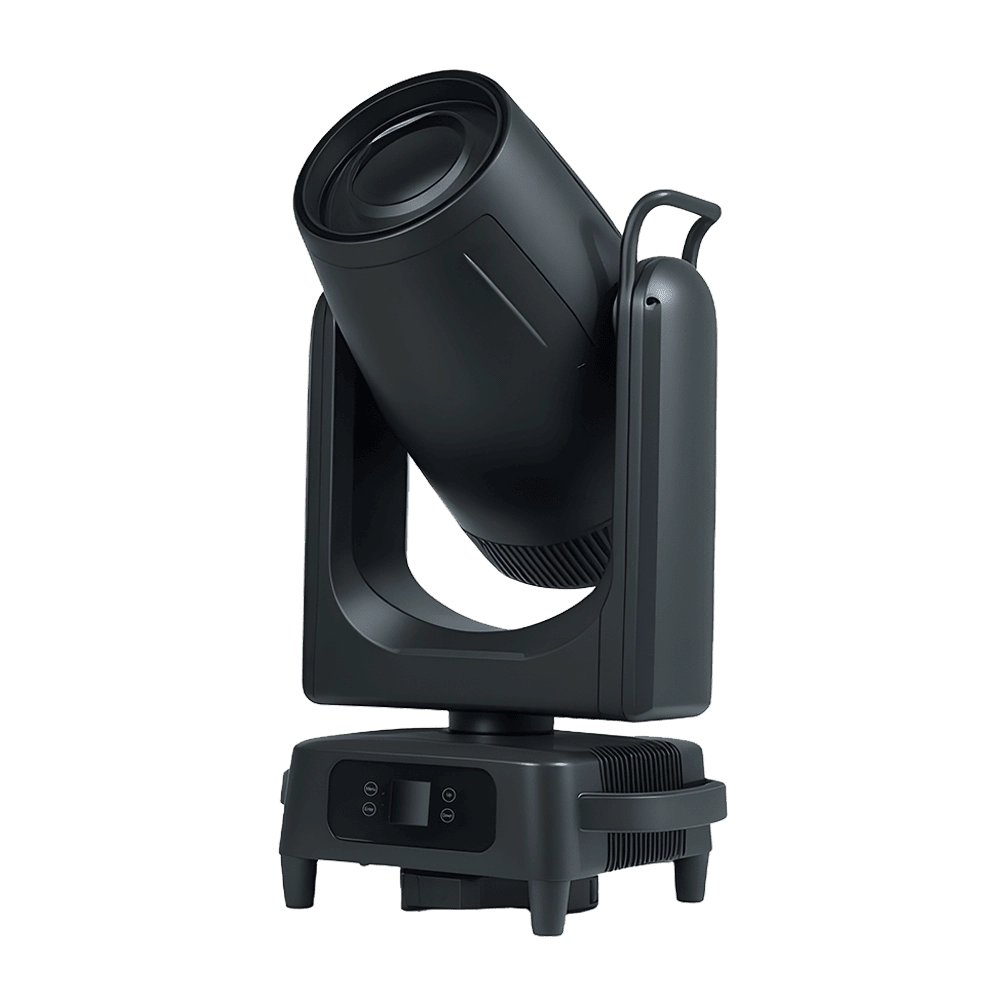
700W Waterproof profile Light——Ideal for a wide range of large-scale events: commercial spaces, TV shows, concerts, nightclubs
FENG-YI 700W Waterproof Profile Light delivers powerful, reliable stage lighting for large-scale events. Perfect for concerts, TV shows, nightclubs, and commercial spaces, this waterproof profile light ensures vibrant, high-performance illumination in any environment.
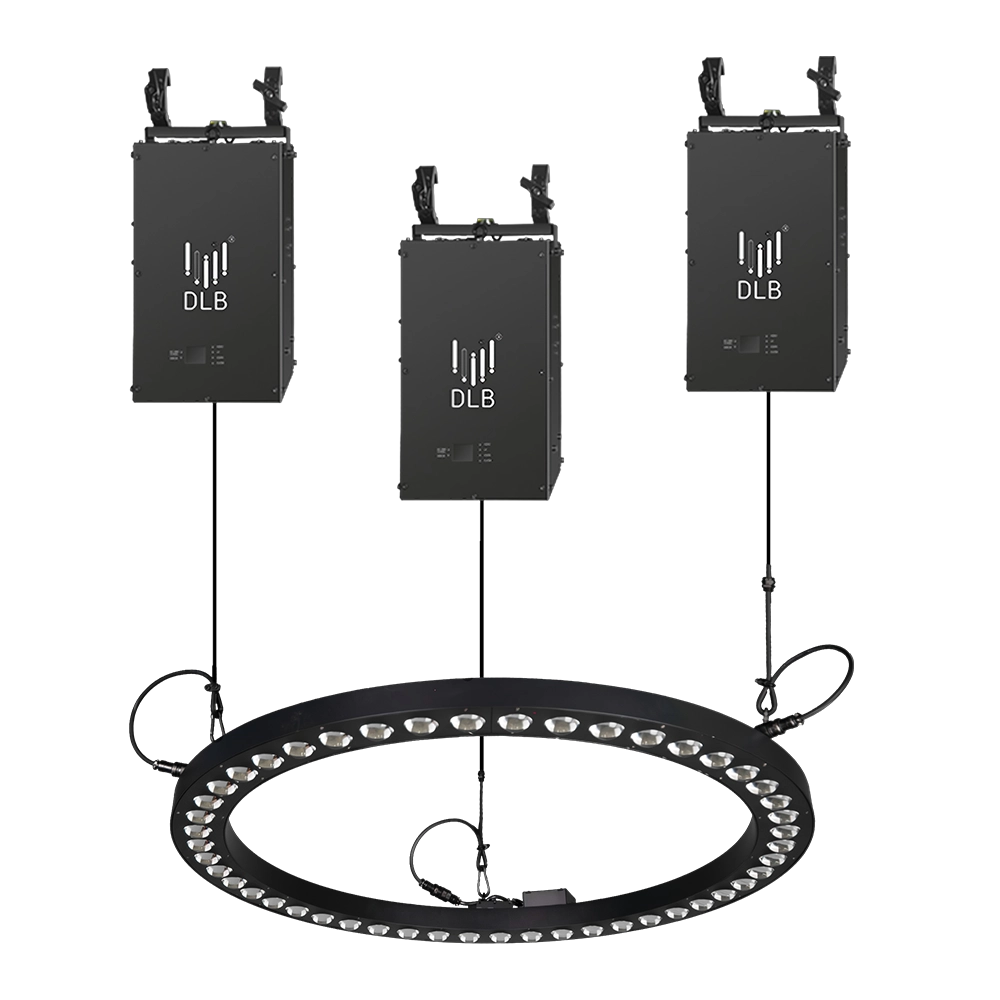
Kinetic Halo Ring——Ideal for a wide range of large-scale events: commercial spaces, TV shows, concerts, nightclubs, and various other settings.
Experience dynamic illumination with the FENG-YI Kinetic Halo Ring. This versatile kinetic light is perfect for large-scale events—commercial spaces, TV shows, concerts, and nightclubs—delivering stunning kinetic ring light effects that captivate every audience.
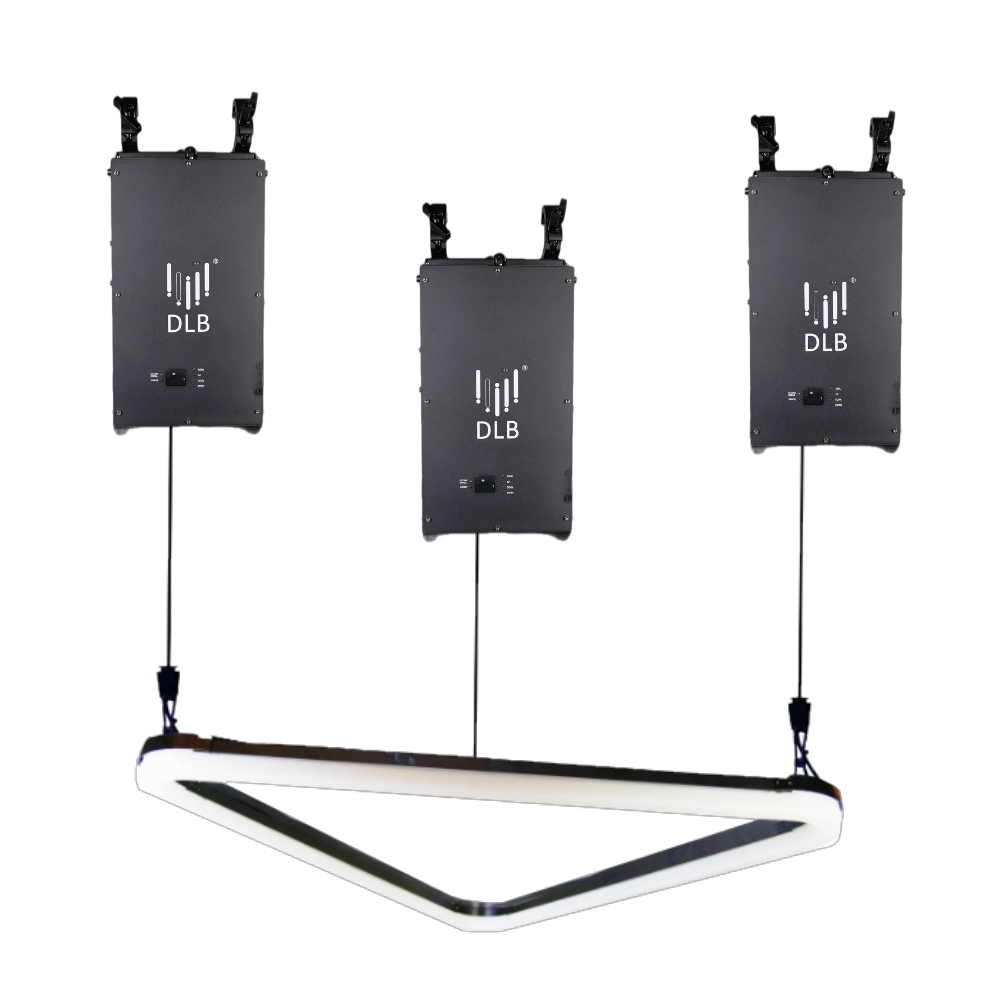
Kinetic Arc Light——Ideal for a wide range of large-scale events: commercial spaces, TV shows, concerts, nightclubs, and various other settings.
FENG-YI’s Kinetic Arc Light is a kinetic triangle LED light panel designed for large-scale events. Perfect for commercial spaces, TV shows, concerts, and nightclubs, it delivers dynamic lighting effects that captivate audiences and elevate any setting. Ideal kinetic light solution.
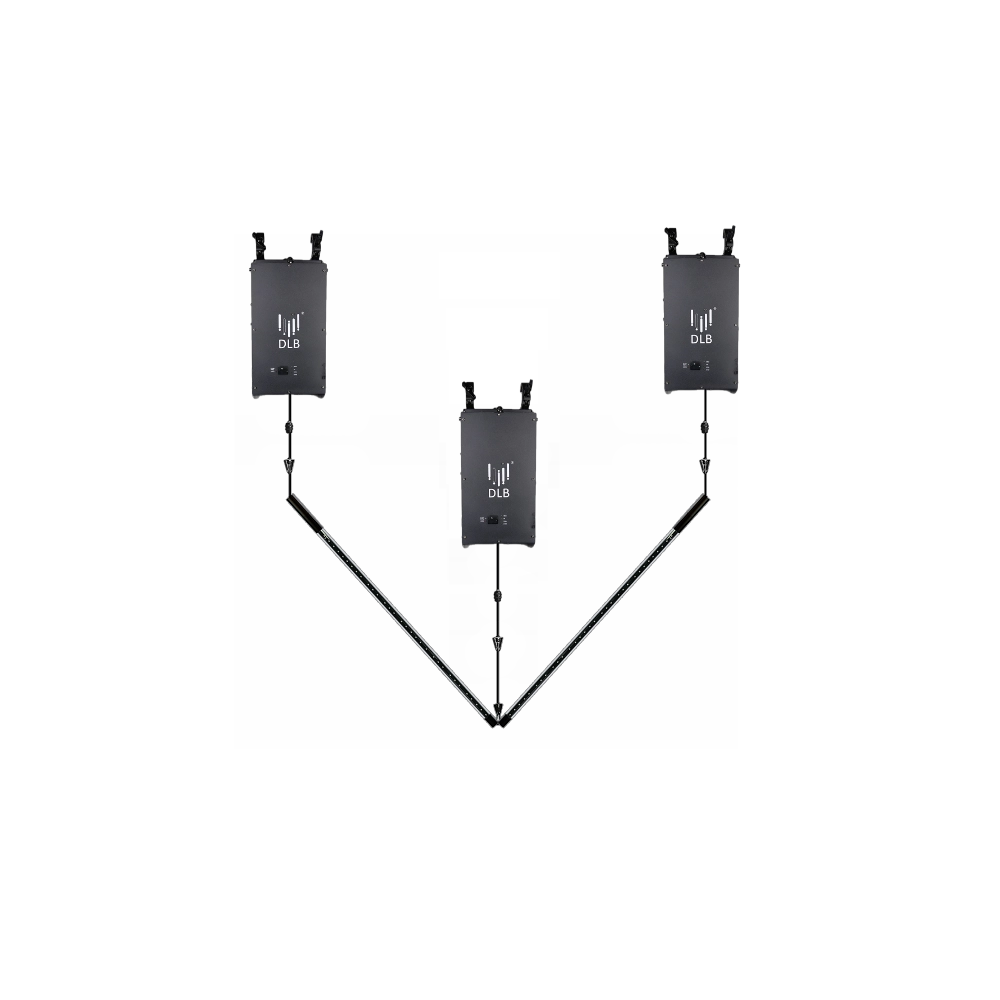
Kinetic Double Rod——Ideal for a wide range of large-scale events: commercial spaces, TV shows, concerts, nightclubs, and various other settings.
FENG-YI’s Kinetic Double Rod delivers dynamic kinetic light effects ideal for large-scale events—from concerts and nightclubs to TV shows and commercial spaces. Elevate your setup with this versatile kinetic light rod, designed for stunning visual impact and seamless integration.
Want to learn more about the latest updates?
Have questions or ready to illuminate your project? Reach out to our expert team today.
Rest assured that your privacy is important to us, and all information provided will be handled with the utmost confidentiality.
By clicking "Send your message," I agree to your processing my personal data.
To see how to withdraw your consent, how to control your personal data, and how we process it, please see our Privacy Policy and Terms of Use.

FENG-YI has been continuously innovating and has grown into a Kinetic Lights Manufacturer and solution provider with unique advantages.
Contact
+86 181 2785 5301
Address
Building 5, No. 34, Fuyuan Road, Jinghu IndustrialZone, Xinhua Town, Huadu District, Guangzhou, China.
© 2025 FENG-YI. All Rights Reserved.
Facebook
Instagram
YouTube
TikTok