










The Ultimate Guide to Kinetic Lights: Technology, Applications, and Buying Tips
Discover FENG-YI’s Guide to Kinetic Lights, exploring cutting-edge technology, versatile applications, and expert buying tips. Enhance your knowledge with our comprehensive Kinetic Lights guide and make informed decisions for innovative lighting solutions.
- What Are Kinetic Lights and How Do They Work?
- Definition of Kinetic Lighting Systems
- Core Components of Kinetic Lights
- The Science Behind Motion-Based Lighting Effects
- Key Technologies Used in Modern Kinetic Lights
- Motor Control and Lifting Mechanisms
- LED Modules and Optical Performance
- DMX, Art-Net, and Real-Time Control Systems
- Safety, Stability, and Load Management Technology
- Popular Types of Kinetic Lights Used in Events and Experiential Spaces
- Kinetic LED Balls
- Kinetic Crystal Columns
- Kinetic Pixel Tubes and Droplights
- Kinetic Lighting Lift Main Units
- Where Kinetic Lights Are Most Commonly Used
- Live Concerts and Touring Events
- Stage Shows, TV Studios, and Award Ceremonies
- Art Installations and Creative Spaces
- Commercial Venues, Hotels, and High-End Architecture
- Benefits of Using Kinetic Lights in Modern Visual Design
- Immersive Motion Effects for Audience Engagement
- High Customization for Creative Directors
- Dynamic Lighting That Enhances Spatial Depth
- Energy Efficiency and Long-Term Reliability
- How to Choose the Right Kinetic Lighting System
- Evaluating Motor Speed, Precision, and Noise Level
- Checking Load Capacity and Lifting Stability
- Compatibility with DMX/Art-Net Controllers
- Safety Certifications and Quality Standards to Look For
- Common Mistakes to Avoid When Buying Kinetic Lights
- Ignoring the Quality of the Winch/Main Unit
- Overlooking Cable Durability and Safety Systems
- Buying Low-End LEDs With Poor Color Performance
- Comparing Top Kinetic Light Manufacturers
- What Sets a Reliable Manufacturer Apart
- Pricing Differences Explained: Budget vs. Professional Grade
- What to Expect in After-Sales Support
- Why Many Event Designers Choose FENG-YI for Kinetic Lighting Solutions
- Heavy-Duty Kinetic Lift Systems with High-Precision Control
- Durable LED Modules for Professional-Grade Visual Effects
- Customizable Kinetic Ball, Tube, and Crystal Column Designs
- Reliable Engineering, Safety Standards, and Global Project Experience
- How to Start Your Kinetic Lighting Project With FENG-YI
- Project Consultation and Custom Design Services
- Sample Testing and Technical Support
- Bulk Production and Worldwide Delivery Options
- Conclusion
- FAQs About Kinetic Lights
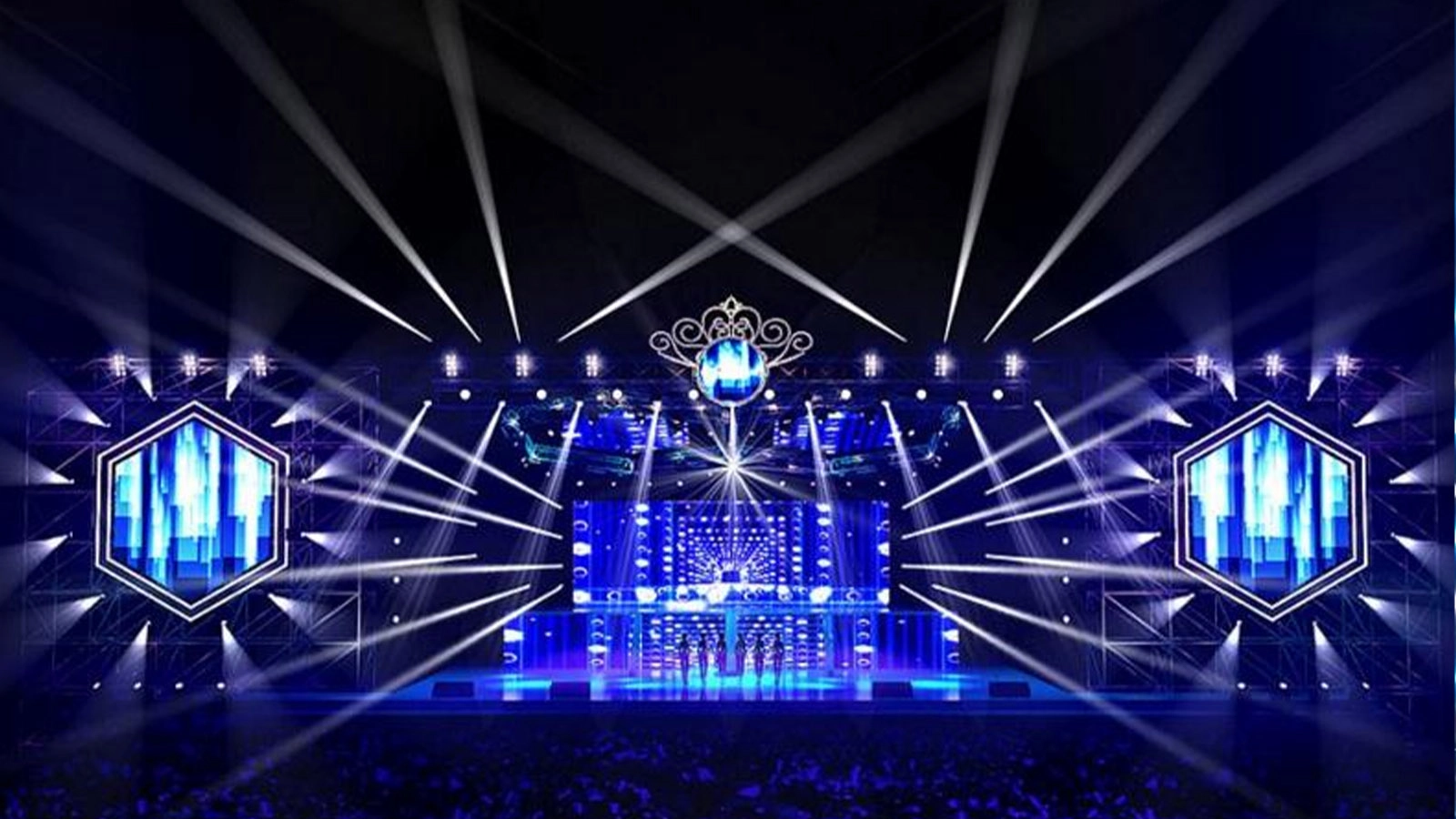
The newfangled visual design has transcended far beyond the lifeless illumination. Interactive light effects, programmable effects and dynamic movement are the new frontier forevents, installations and architectural spaces today. The kinetic lights lie in the core of this transformation, a technology that integrates light technology with mechanical movement to produce immersive visual effects brought about by movement. It is a guide that tells you all you should know, not only the underlying science but also how to choose systems, and also gives you an idea of how professionals go about planning, constructing, and setting up advanced kinetic lighting systems.
What Are Kinetic Lights and How Do They Work?
It is important to know what the kinetic lights are and why they have emerged as such influential visual production tools before we move on to the types of equipment used and their design solutions. These systems merge the sources of light with motorized systems of lifting or movement, now enabling the designers to recreate space through motion, patterns, and coordinated dynamics.
Definition of Kinetic Lighting Systems
Kinetic lighting systems are programmable lighting systems in which single lights, like LED balls and tubes, or in-house components, move up and down or laterally with the use of controlled motors. This movement is used in collaboration with lighting effects to create three-dimensional, dynamic images. Since the movement of every light is easily regulated, kinetic lighting enables one to generate flowing forms, waves, grids and formations, as well as full immersion animations.
Core Components of Kinetic Lights
A typical kinetic lighting system includes a pulling machine (generally a motorized winch), control electronics, a power supply, lights and connection cables. All lifting points have programmed paths, speeds and positions. The motors are highly precise to maintain smooth movement, whereas the LED modules are bright, colorable and can map pixels.
The Science Behind Motion-Based Lighting Effects
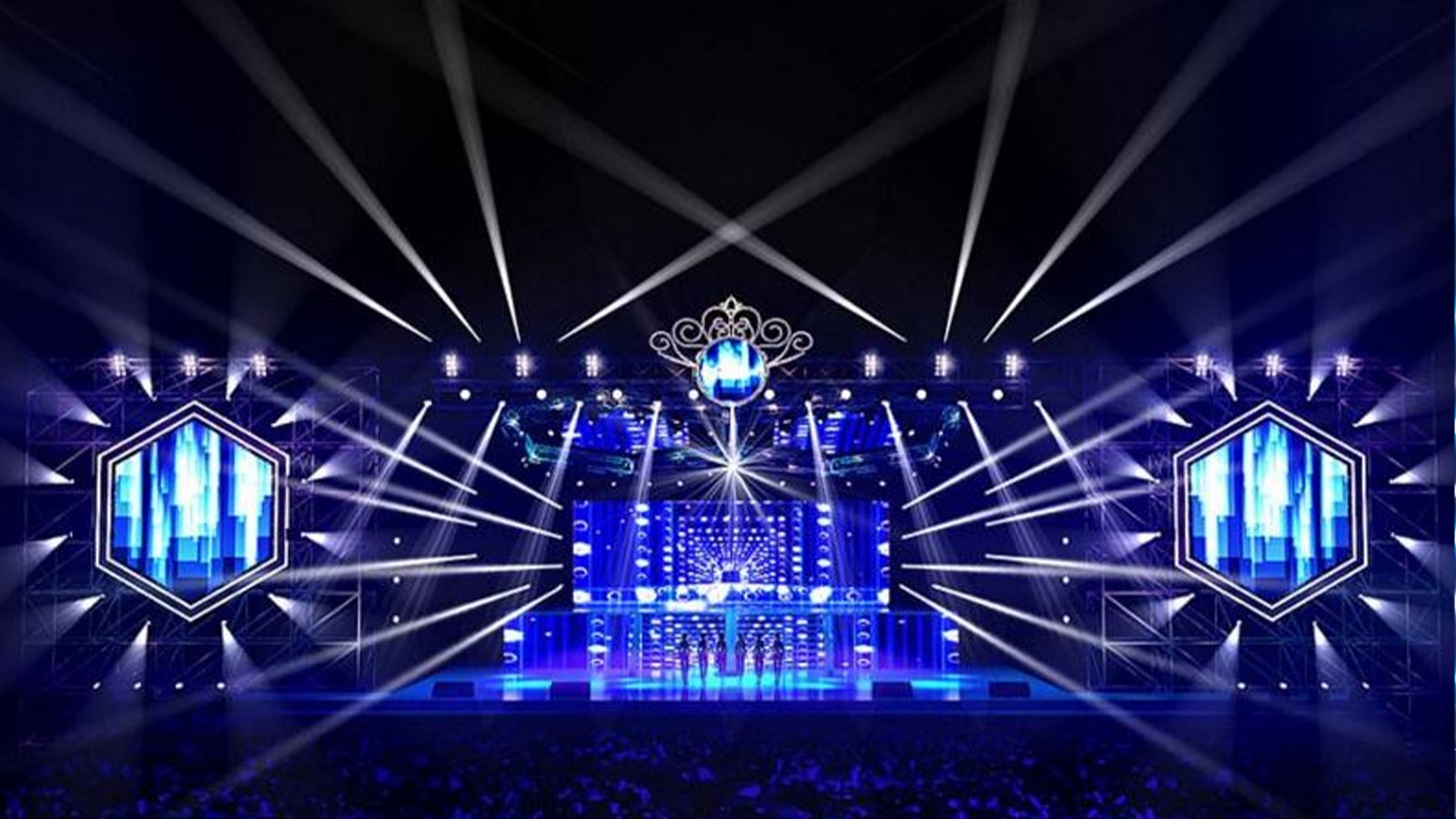
Kinetic lights create a visual effect because of the combination of the spatial movement and controlled light. Through the coordination of speed and acceleration curves as well as color transitions, designers create volumetric effects and floating buildings in mid-air. This integration of physics, optical performance and real-time control transforms lighting into an expressive medium as opposed to a dead tool.
Key Technologies Used in Modern Kinetic Lights
The underlying technology is a series of core technologies that can be useful in reliability and making creative choices behind the smooth movements and accurate lighting effects. The knowledge of these aspects assists users in viewing the quality of products more objectively.
Motor Control and Lifting Mechanisms
Professional arrangements are based on the use of servo or stepper motors that have been designed with high precision, stability, and noiseless use. Adjustable speed curves give the designers an opportunity to design smooth lifts or quick drops based on the artistic requirements of the show.
LED Modules and Optical Performance
Fancy kinetic fixtures have LEDs of known brightness, high color quality and heat control. All these features provide stable performance in a long-term operation.
DMX, Art-Net, and Real-Time Control Systems
Majority of them work on DMX or Art-Net networks, which allows rapid response, synchronization, and advanced pixel mapping. These protocols support connection to stage consoles and media servers.
Safety, Stability, and Load Management Technology
To make them safe to operate, load sensors, redundant braking systems, reinforced lifting cables, and overheating protection are required, particularly in live events where equipment may be installed above massive crowds.
Popular Types of Kinetic Lights Used in Events and Experiential Spaces
In order to select the appropriate system, one needs to know the functionality of various kinetic lighting fixtures and the special visual functions they execute. Each type has got its aesthetic attributes, motional behavior, and technical need, and creative teams can construct layered immersive visual compositions according to various environments.
Kinetic LED Balls
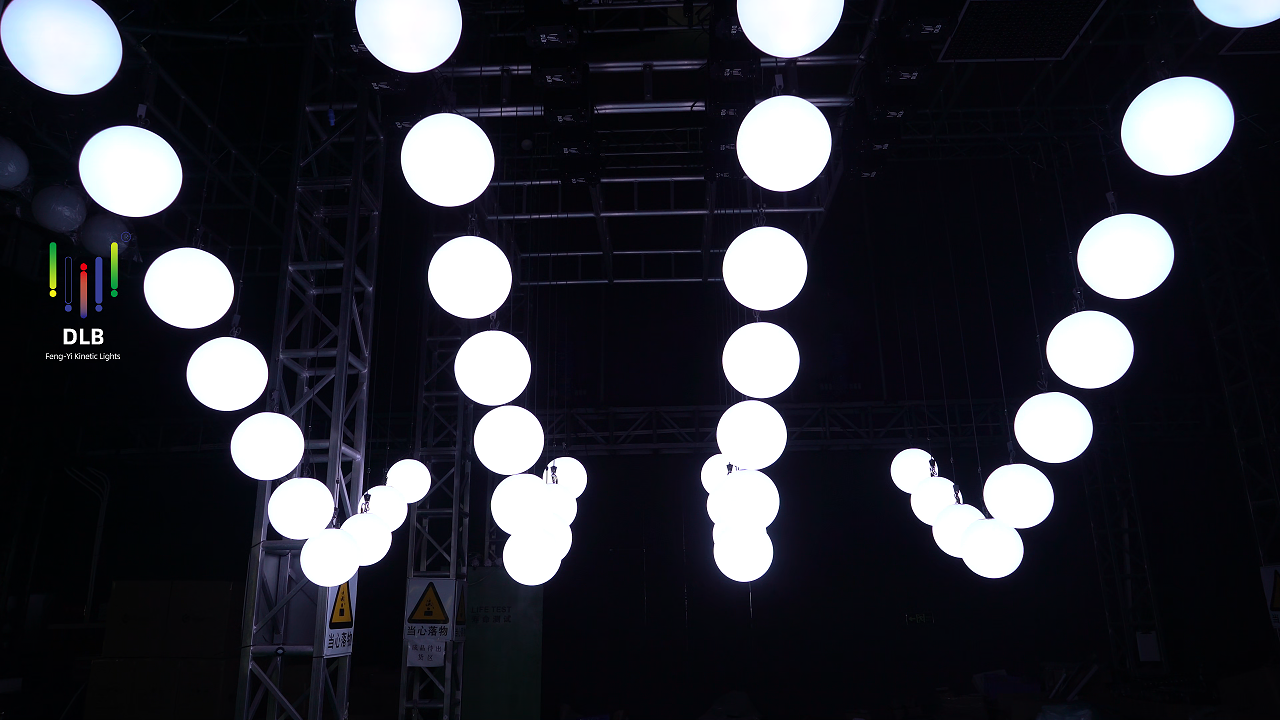
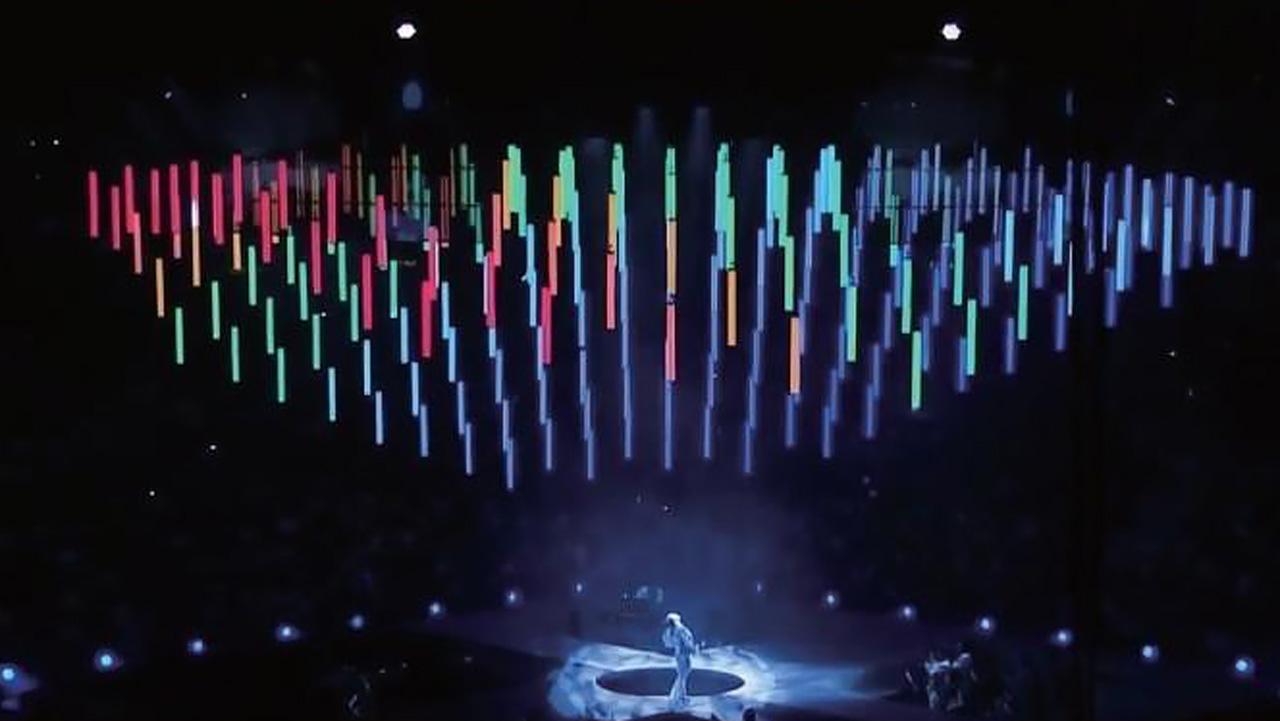
Kinetic balls are spherical fixtures that are iconic and have equally diffused LEDs and motor-controlled lifting points. They are lightweight, which allows them to be used in large-scale arrays to allow designers to synchronize waves and create geometric forms or rhythmic motions to use at concerts and immersive exhibitions. Their fluid movement and 360 degree view make them an attraction to high-energy performance settings.
Kinetic Crystal Columns
The columns of kinetic crystals have the prism-shaped diffuser that can bend and multiply the light production and bring sparkling effects of reflections and premium textures. Such fixtures are frequently found in high-end hotels, brand exhibitions, or thematic art performances, where high-quality design and a high-end atmosphere are needed. Their refracted luminous shape and the vertical shape are suitable to the gradual, elegant movements.
Kinetic Pixel Tubes and Droplights
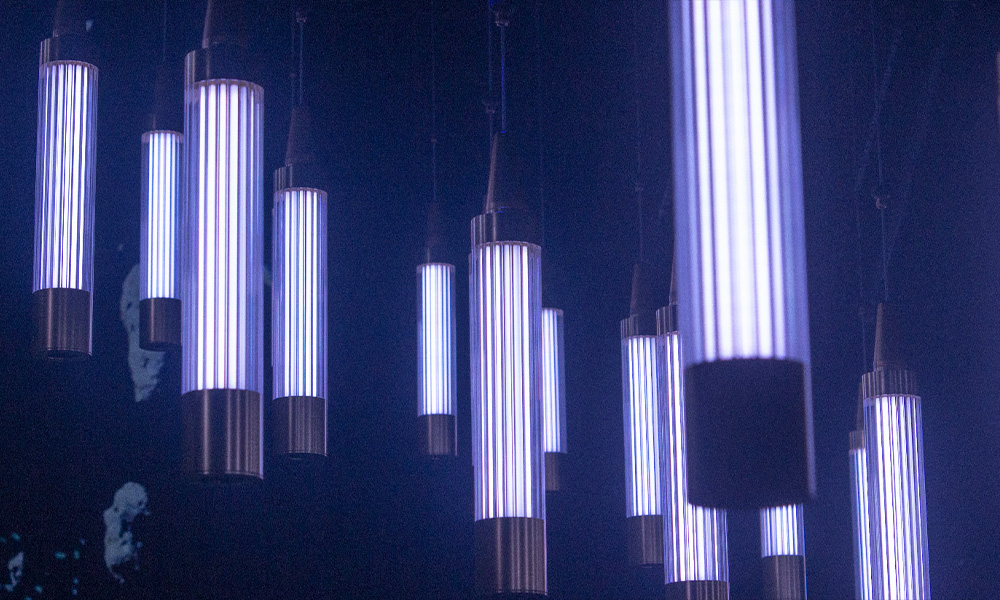
Multi-segment LED pixel designs are incorporated in pixel tubes, enabling the exact mapping of gradients, patterns, video effects and interactive visuals. Their linear form provides high architecture, and their integration with vertical movements provides graceful kinetic manifestations that can be used in immersive rooms, flagship stores of retailers, and experiences designed in multimedia mode.
Kinetic Lighting Lift Main Units
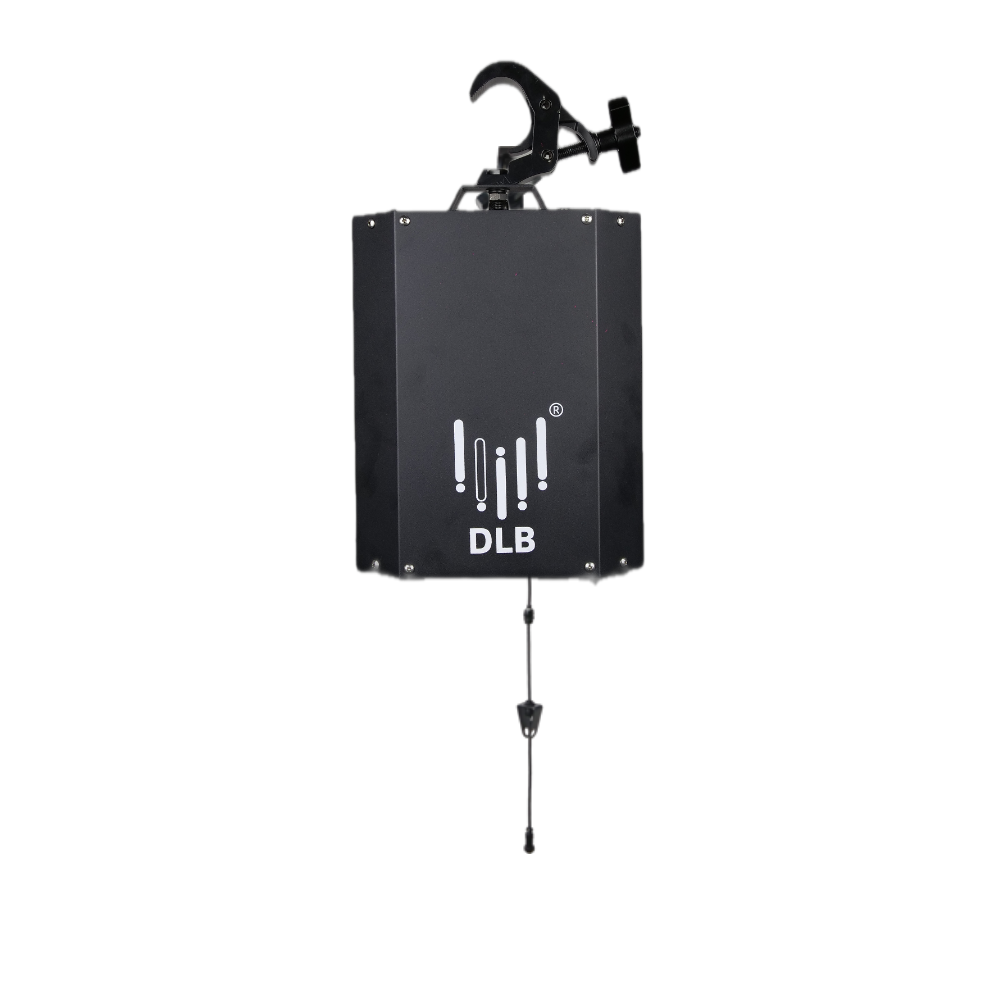
The main operation of every kinetic lighting system is the lift main unit. It contains the motor, the encoder, the braking system, the load sensors, and the cable spool. Quality lift is what defines the accuracy in motion, stability, range of speed and general safety. Engineered lifts that have micro control accuracy and long cycle durability are required in professional settings.
Where Kinetic Lights Are Most Commonly Used
Kinetic lighting has become an essential part of various industries because of its capacity to combine the spatial movement with the strong visual expression. All applications take advantage of varying performance features, from fast dynamic motion to graceful architectural choreography.
Live Concerts and Touring Events
Touring productions are based on kinetic lighting setups to provide huge-scale movement with the music, pyrotechnics, and screen information. These kinds of environments are characterized by the requirement of fast responses, high output requirements, and durable lifting equipment, so the systems are required to provide these characteristics.
Stage Shows, TV Studios, and Award Ceremonies
The television production settings require effects that are visually appealing and precisely controlled to be translated to the camera. Kinetic lights give depth and dimensionality to transitions, moments of emphasis, and spatial clues to the set design without overpowering the set design.
Art Installations and Creative Spaces
Kinetic lighting is a sculptural medium used by artists and other creative technologists, usually with illumination sensors and generative algorithms included, or real-time data feeds. These installations incorporate motion and use of light to induce emotion, visual rhythm or a storytelling effect, lifting kinetic lighting to a place beyond usefulness and into the realm of art.
Commercial Venues, Hotels, and High-End Architecture
The high-quality architectural spaces come with the use of kinetic lighting to distinguish brands and to provide memorable guest experiences. Gradual, selectively edited movements combined with the use of ambient lights make lobbies, atriums, and premium shops dynamic scenes.
Benefits of Using Kinetic Lights in Modern Visual Design
In addition to aesthetics, kinetic lights have quantifiable technical and creative benefits, which enhance the level of visual storytelling. Moving, reacting, and being in time with music or media content give them a new chance to designers seeking to transform the perception of the audience and create immersive environments.
Immersive Motion Effects for Audience Engagement
Human visual system is very sensitive to motion and kinetic lighting is one of the strongest tools that can be used to maintain the attention of the audience. Kinetic lights are able to produce stratified visual rhythms, by using vertical motion, color transitions, and intensity modulation, and they are also mesmerizing even in a long performance. This effect is especially useful in concerts and brand displays and immersive installations where visual cues have to be routinely repeated, but they should not be static.
High Customization for Creative Directors
The modern kinetic lighting technology enables designers to adjust all parameters of the light which include speed curves, travel distance, RGB pixel behavior, mapping zones, and group choreography. Both in DMX presets and Art-Net timelines, creative teams are able to develop their own language of lighting based on narrative themes, architectural footprint or brand identity. The degree of tailoring makes kinetic systems an option of high-end productions, which depend on precision and repeatability.
Dynamic Lighting That Enhances Spatial Depth
Kinetic fixtures create a sense of volumetric depth and changing geometry of space by relocating light sources in three-dimensional space. The moving patterns of kinetic LED balls, pixel tubes or crystal columns alter the perceptions of distance, texture and shape to the audience. This effect is vital to immersion rooms, theatrical stages, and immersion installations where it is necessary to transform a venue as a whole with lights that move.
Energy Efficiency and Long-Term Reliability
New systems are a combination of low power LEDs, high efficiency lifting motors and smart thermal management. They have less heat production, less energy consumption and longer lifespan compared to the old halogen lamps or old mechanical equipment. Most systems when combined with a high-quality kinetic lighting lift system are capable of performing stably in a long show cycle, lowering both maintenance costs and downtime.

How to Choose the Right Kinetic Lighting System
The choice of kinetic lighting system is a key to safe functioning, flawless performance, and the stability of functioning in operation. The buyers should consider mechanical accuracy, movement stability, compatibility with controls, and adherence to the safety requirements, particularly in the overhead setups in the civic area.
Evaluating Motor Speed, Precision, and Noise Level
High-resolution encoders and sophisticated motor drivers are also employed in professional-grade systems to ensure a smooth acceleration curve and maintain positional accuracy. This eliminates the visual jittering when there is a slow movement or when it is falling at an extremely high rate. When used in theaters, TV studios or in acoustic venues such as theaters, low-noise operation is essential because the hum of the motor will not disrupt live sound recording.
Checking Load Capacity and Lifting Stability
The well-designed kinetic lighting winch system must have the capability of its full rated load with a stable vertical motion. Some of the important considerations are braking precision, anti-sway, quality of cables, and tension control. Large lifting units enable designers to incorporate larger fixtures e.g. crystal columns or heavy pixel tubes, without reducing the safety.
Compatibility with DMX/Art-Net Controllers
Find systems that are compatible with DMX consoles, Art-Net networks and media servers. This provides an efficient flow of the programming, effects synchronization and real-time control in performances. The advanced systems also provide preset libraries and RDM support, as well as grouping logic that works to ease the complex choreographies.
Safety Certifications and Quality Standards to Look For
The overhead motion lighting should be in strict abidance with the engineering and safety regulations. Among the key characteristics, there are overload sensors, emergency-stop capabilities, fire-resistant wiring, redundant brakes and rated hardware. Certified devices are much more reliable both in touring and permanent installations.
Common Mistakes to Avoid When Buying Kinetic Lights
The lift performance, cable quality and LED consistency are not highly valued by many first-time buyers. These pitfalls are easy to stay away from and will allow one to produce results that are lasting and professional.
Ignoring the Quality of the Winch/Main Unit
All kinetic light installation systems center on the winch. Poor quality units are prone to uneven speeds, high levels of noise or short lives. An improperly constructed winch is also prone to failure in its operations; this is very hazardous in cases where it is applied over crowds.
Overlooking Cable Durability and Safety Systems
Good cables with good shielding and resistance to abrasion are the key to good stable motion. Poor quality cables can either twist, stretch or deteriorate with time, thus resulting in flickering lights, stuttering motion or even total loss of any signal.
Buying Low-End LEDs With Poor Color Performance
Low-bin LEDs that have color drift or uneven brightness are frequently used as budget fixtures. In synchronized pixel mapping, the problems are very evident because uniformity is highly desired when it comes to the visual effects of professional quality.
Comparing Top Kinetic Light Manufacturers
The distinctions between the manufacturers are more obvious as the number of those who require the professional stage lighting equipment increases. Demonstration of expertise, engineering excellence and after-sales service assists purchasers in selecting systems that address both innovative and safety needs.
What Sets a Reliable Manufacturer Apart
Best manufacturers offer engineered lifts, machined parts, rigorous QC, and printed guidelines on safety measures. They also provide installation advice, design suggestions and long-term assistance—important in large or permanent installations.
Pricing Differences Explained: Budget vs. Professional Grade
Less expensive manufacturers often compromise on the quality of motors, encoders, braking systems or the quality of LEDs. Manufacturers of professional-grade equipment invest in industrial parts, proper control mechanisms and heat-resistant materials that are built to operate continuously. The increased maintenance cost and additional cost are offset by the long-term stability.
What to Expect in After-Sales Support
Dependable suppliers offer remote diagnostics, technical documentation, spares and long-term support contracts. This makes sure that there is no hassle regardless of the touring show or permanent architectural installation in which the system will be used.
Why Many Event Designers Choose FENG-YI for Kinetic Lighting Solutions
FENG-YI is a well-established company that offers a credible solution to custom kinetic lighting, with a combination of accurate mechanical engineering and innovative LED technologies. The company can provide the systems with years of experience in supporting the concerts, experience events, and architecture projects, which are designed to operate in the harsh environment.
Heavy-Duty Kinetic Lift Systems with High-Precision Control
Their lifting units provide precise and constant motion curves and long-term operation is planned. This guarantees a controlled performance in kinetic LED balls, pixel tubes and massive installations.
Durable LED Modules for Professional-Grade Visual Effects
The LED modules of FENG-YI are designed in terms of constant brightness, color quality, and effective heat dissipation. This renders them applicable both to dynamic stage applications and to continuous architectural applications.
Customizable Kinetic Ball, Tube, and Crystal Column Designs
The company also provides bespoke size, pixel density, diffuser material, and aesthetic style so that a designer can align with the exact brand idea or the architectural design.
Reliable Engineering, Safety Standards, and Global Project Experience
Having installations in the world and a good reputation with the integrators, FENG-YI offers professional-level reliability with tight quality control and comprehensive engineering inspection of every project.
How to Start Your Kinetic Lighting Project With FENG-YI
FENG-YI offers extensive technical support in every stage of the project, whether it is a large-scale immersive art installation or a smaller-scale touring rig
Project Consultation and Custom Design Services
Their engineering department analyzes ceiling structure, lifting distances, lighting density, control requirements and creative objectives. This guarantees a technically correct and aesthetically aligned kinetic lighting scheme for the clients.
Sample Testing and Technical Support
FENG-YI provides sample units, pre-installations simulation and troubleshooting at a distance. The services can also be used to test the performance of the lifts and LED behavior and responsiveness of the controls by the production teams before full deployment.
Bulk Production and Worldwide Delivery Options
The available scalable production capacity and the ability to support the delivery of batches of fixtures globally makes FENG-YI able to supply synchronized batches of fixtures to large-scale installations, rental stock, or themed attractions.
Conclusion
Kinetic lights can change basic lighting into an effective communication of light that is characterized by movement, dimensionality, and accuracy. Through knowledge of the technology, knowledge of types of fixtures, and familiarity with correct manufacturers, creators can come up with immersive and emotionally memorable spaces that can be distinguished in the contemporary visual landscape.
FENG-YI has been an excellent provider of reliable motion lighting systems and custom solutions in professional use as a well-established manufacturer of kinetic lights with a high degree of engineering capability and experience in international projects. Whether you plan to install large-scale or seek to get quality kinetic lighting products, so much the better to contact FENG-YI at the earliest time and begin on the next project.
FAQs About Kinetic Lights
What exactly are kinetic lights and how do they differ from traditional LED fixtures?
Kinetic lights are the motion-controlled lighting systems that merge LED technology with motor movement. They have the ability to move up and down, right and left, or rotate to form dynamic aesthetics, immersive spatial dimension and a balanced choreography for concerts, events and installations in buildings, unlike the static LEDs.
How do I choose the right kinetic lighting system for my project?
The features that are important are motor precision and speed, lifting stability, load capacity, LED quality, DMX/Art-Net compatibility, and certification conformance. These specifications must be evaluated to make sure the movement is smooth and it will perform efficiently as well as operate safely.
Can kinetic lights be customized for different venues or events?
Yes. Such major producers as FENG-YI offer bespoke design of kinetic balls, tubes and crystal columns, where clients can customize the sizes of the fixtures, the patterns of pixels, diffuser and motions based on the size of the venue, the theme or even the brand.
Are kinetic lights suitable for long-term installations and tours?
Yes. The new kinetic system is going to be high quality, with companies building kinetic systems to be durable in their operation over time with strong lifting mechanisms, long-lasting LED modules and trustworthy control systems. The solutions of FENG-YI are applied all over the world in touring, permanent architectural structures, and massive installations.
Recommended for you
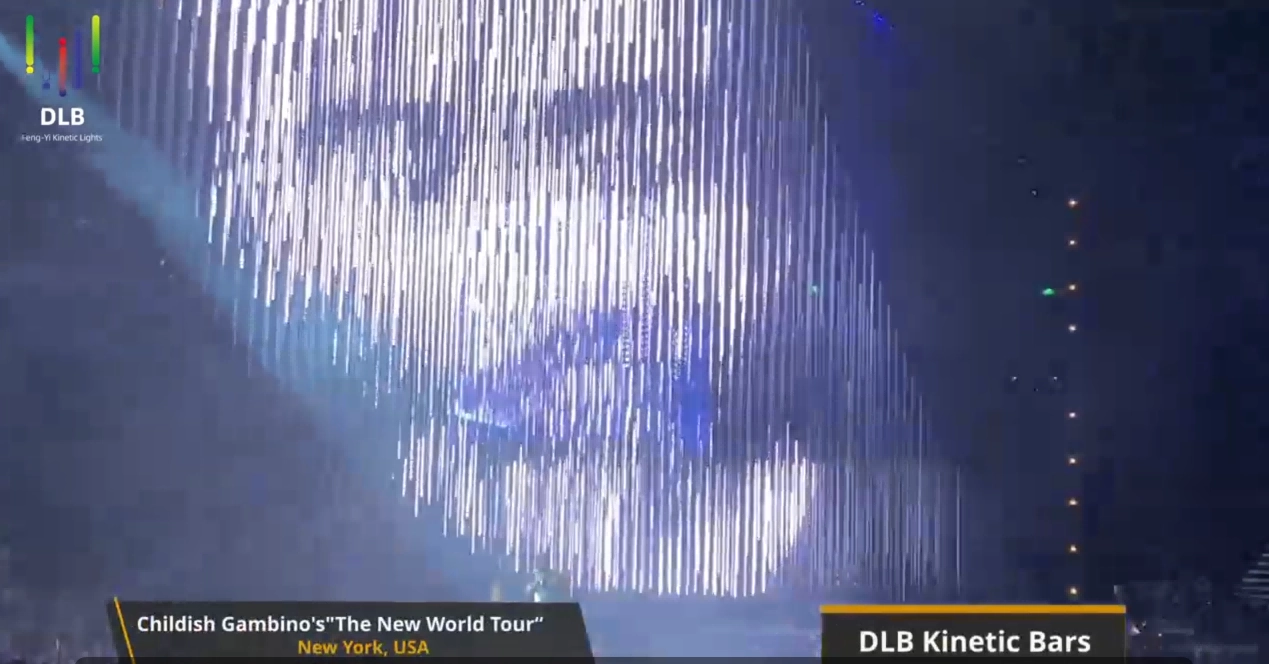
US New York -A Lighting Revolution at the Childish Gambino’s The New Would Tour-Dynamic Bar
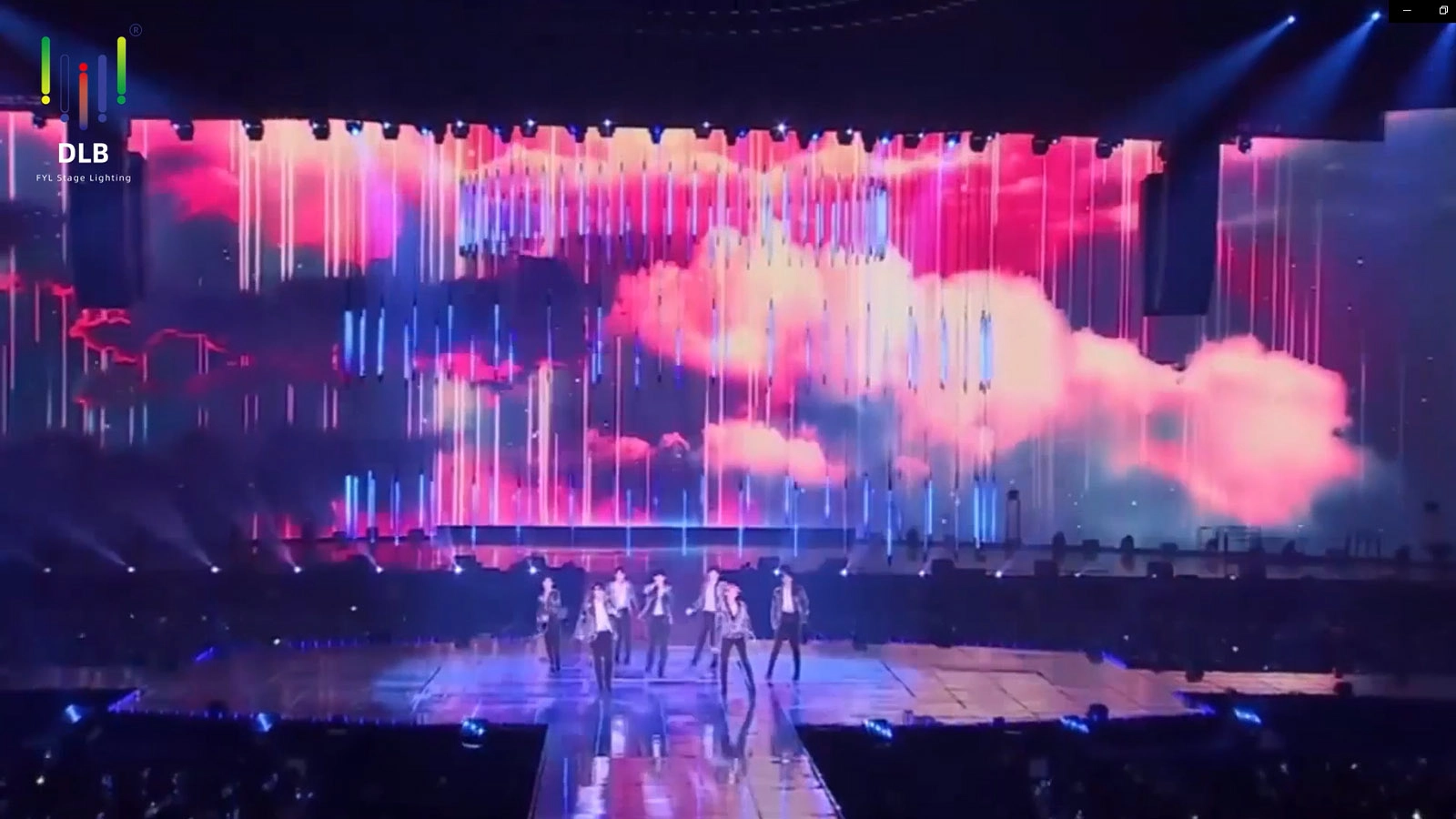
South Korea Seoul -Got7 concert-Dynamic Bar
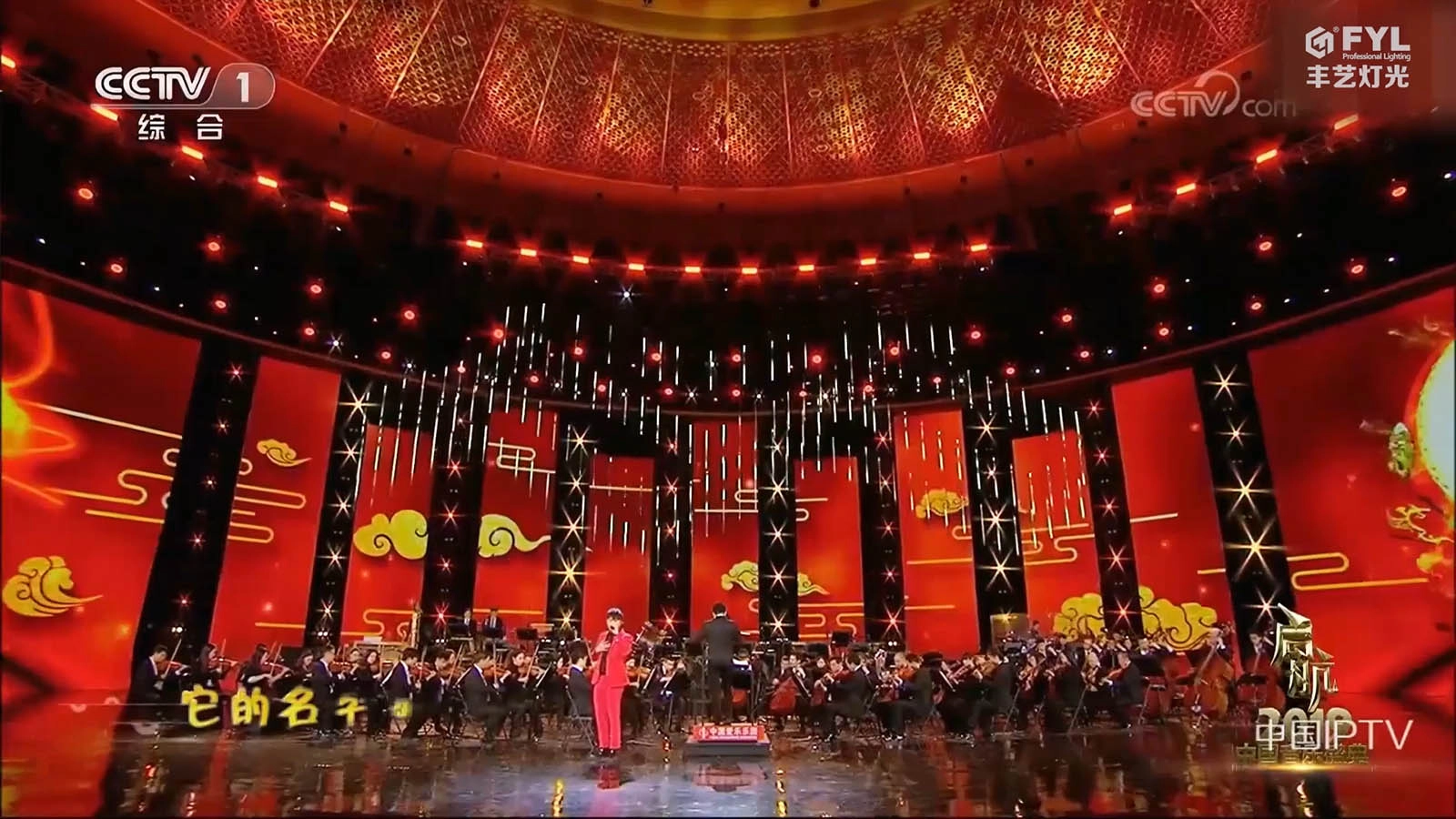
Beijing China-CCTV 2019 China Music Awards-Dynamic Bar
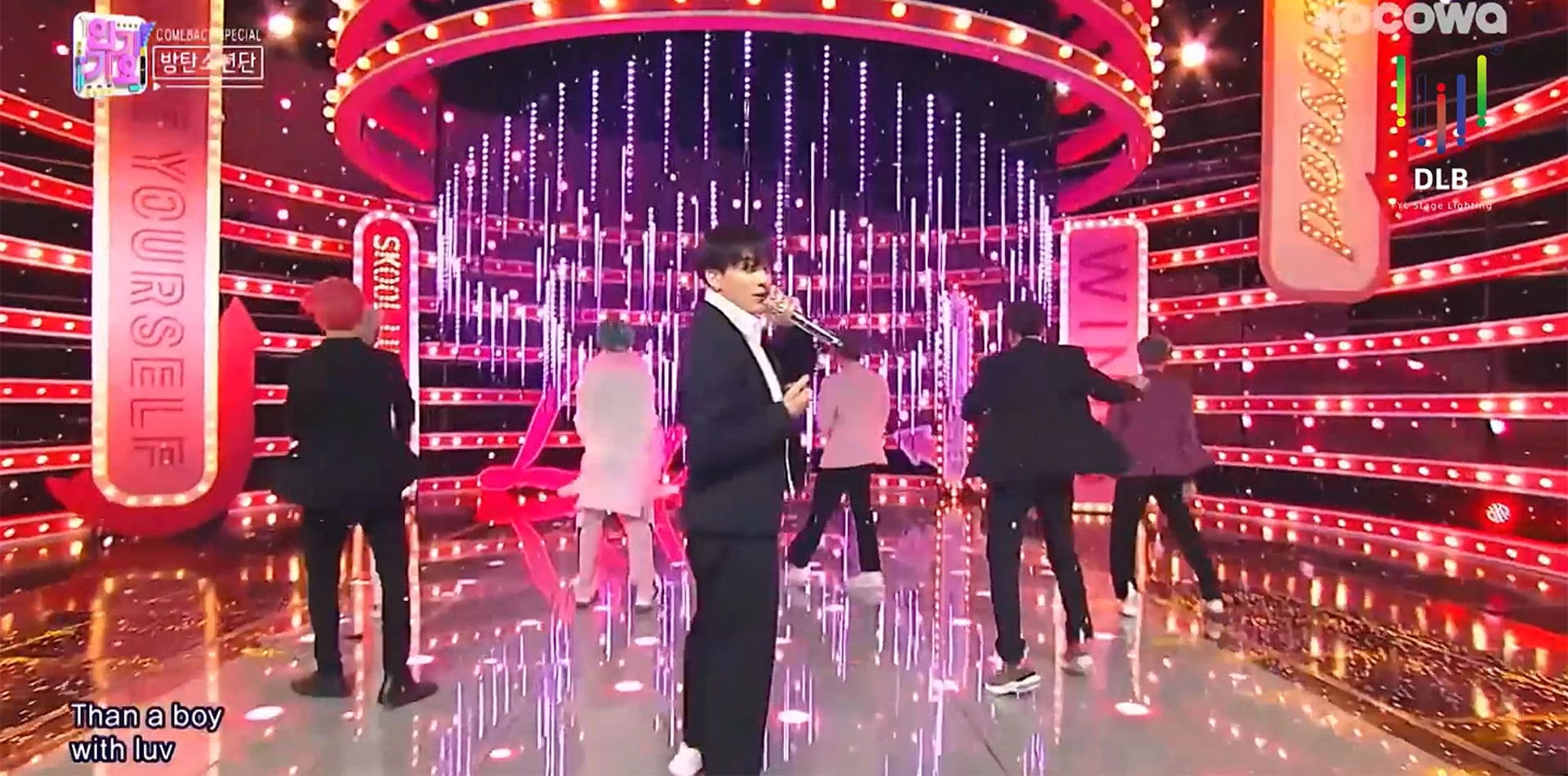
South Korea-BTS's "Boy with Luv" performance-Dynamic Bars
Prdoucts Categories
FAQ
Customization/OEM Services
Do customized products enjoy the same warranty service as standard products?
Yes, customized products have the same warranty policy as standard products (under non-human damage, the whole machine is warranted for 1 year, and LED lamp beads are warranted for 2 years). For faults caused by customized functions (e.g., adaptation issues of the special light control protocol specified by the customer), the after-sales team will give priority to targeted troubleshooting to ensure no impact on use.
Wedding & Parties Lighting Solutions
Is system operation quiet?
We offer noise-optimized solutions (vibration damping/soft start/low-noise wire rope guidance) to meet acoustic requirements for TV studios and commercial spaces.
What is the delivery timeline?
Standard configurations: approx. 4–8 weeks; custom projects depend on scale and logistics. Expedited options and rental alternatives available.
Logistics Services
Can urgent orders (e.g., customers need the lights the next day) be arranged for expedited shipment?
Expedited shipment is supported for urgent orders: For standard models (e.g., conventional PAR lights, 7-lamp 60W wash lights), if stock is sufficient, SF Express/JD Air Freight can be arranged on the same day (freight is borne by the customer; e.g., the air freight for 10 conventional lights is approximately 200-300 RMB), with next-day delivery. For standard models out of stock, expedited production can be arranged (shipment within 3 days), and an expedited fee (10%-15% of the order amount) will be charged. Specific details to be confirmed with the account manager.
Want to learn more about the latest updates?
Have questions or ready to illuminate your project? Reach out to our expert team today.
Rest assured that your privacy is important to us, and all information provided will be handled with the utmost confidentiality.
By clicking "Send your message," I agree to your processing my personal data.
To see how to withdraw your consent, how to control your personal data, and how we process it, please see our Privacy Policy and Terms of Use.

FENG-YI has been continuously innovating and has grown into a Kinetic Lights Manufacturer and solution provider with unique advantages.
Contact
+86 181 2785 5301
Address
Building 5, No. 34, Fuyuan Road, Jinghu IndustrialZone, Xinhua Town, Huadu District, Guangzhou, China.
© 2025 FENG-YI. All Rights Reserved.
Facebook
Instagram
YouTube
TikTok